


Tag: Drax Power Station

The UK needs negative emissions from BECCS to reach net zero – here’s why

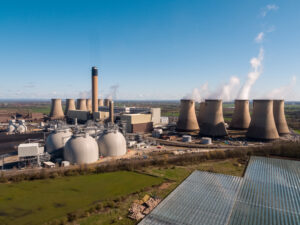
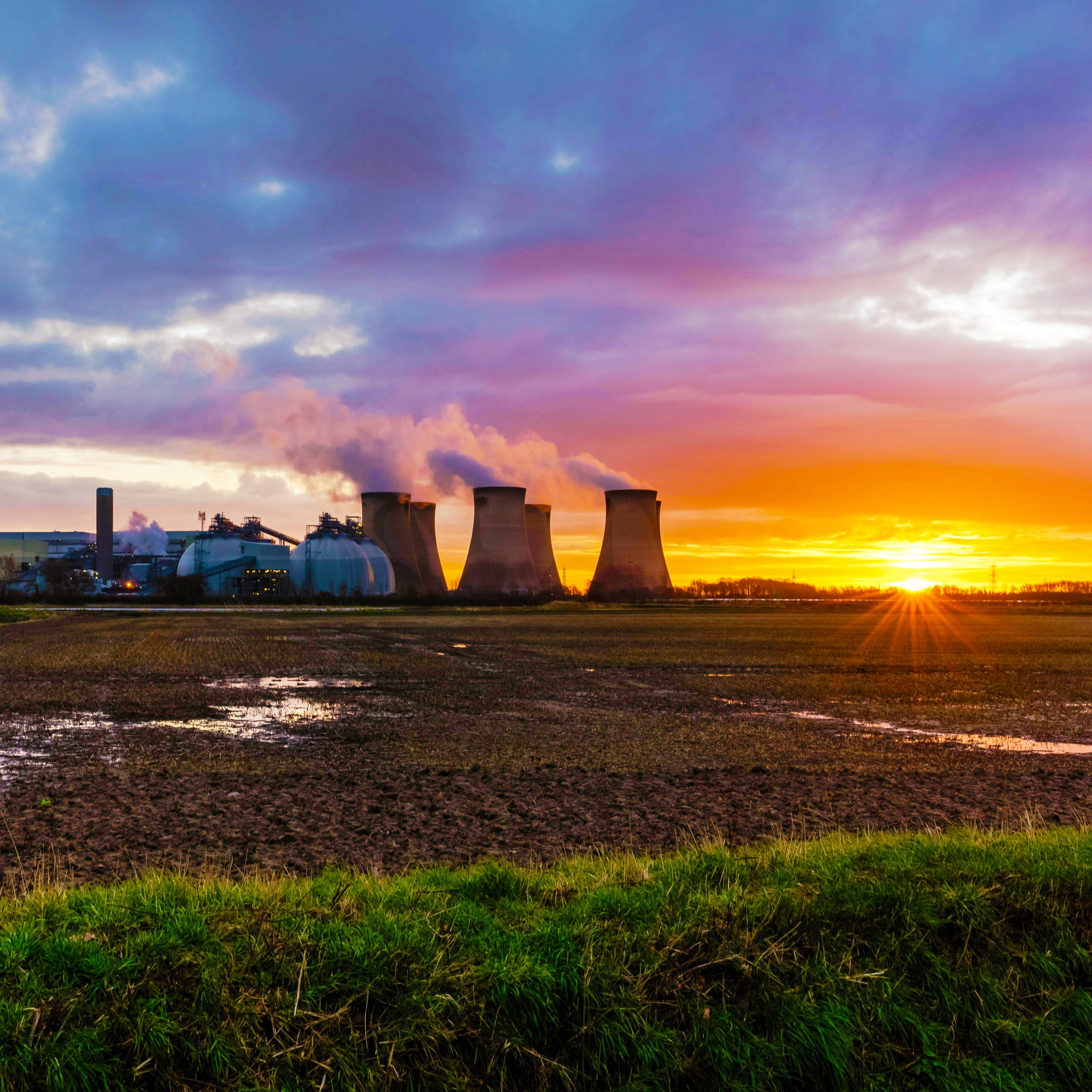
Early morning sunrise at Drax Power Station

Reaching the UK’s target of net zero greenhouse gas emissions by 2050 means every aspect of the economy, from shops to super computers, must reduce its carbon footprint – all the way down their supply chains – as close to zero as possible.

But as the country transforms, one thing is certain: demand for electricity will remain. In fact, with increased electrification of heating and transport, there will be a greater demand for power from renewable, carbon dioxide (CO2)-free sources. Bioenergy is one way of providing this power without reliance on the weather and can offer essential grid-stability services, as provided by Drax Power Station in North Yorkshire.

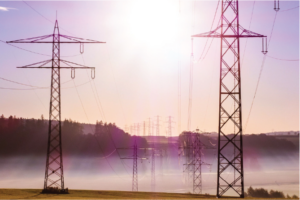
Close up of electricity pylon tower

Close up of electricity pylon tower

Beyond just power generation, more and more reports highlight the important role the next evolution of bioenergy has to play in a net zero UK. And that is bioenergy with carbon capture and storage or BECCS.

A carbon negative source of power, abating emissions from other industries

The Committee on Climate Change (CCC) says negative emissions are essential for the UK to offset difficult-to-decarbonise sectors of the economy and meet its net zero target. This may include direct air capture (DAC) and other negative emissions technologies, as well as BECCS.

BECCS power generation uses biomass grown in sustainably managed forests as fuel to generate electricity. As these forests absorb CO2 from the atmosphere while growing, they offset the amount of COreleased by the fuel when used, making the whole power production process carbon neutral. Adding carbon capture and storage to this process results in removing more CO2 from the atmosphere than is emitted, making it carbon negative.
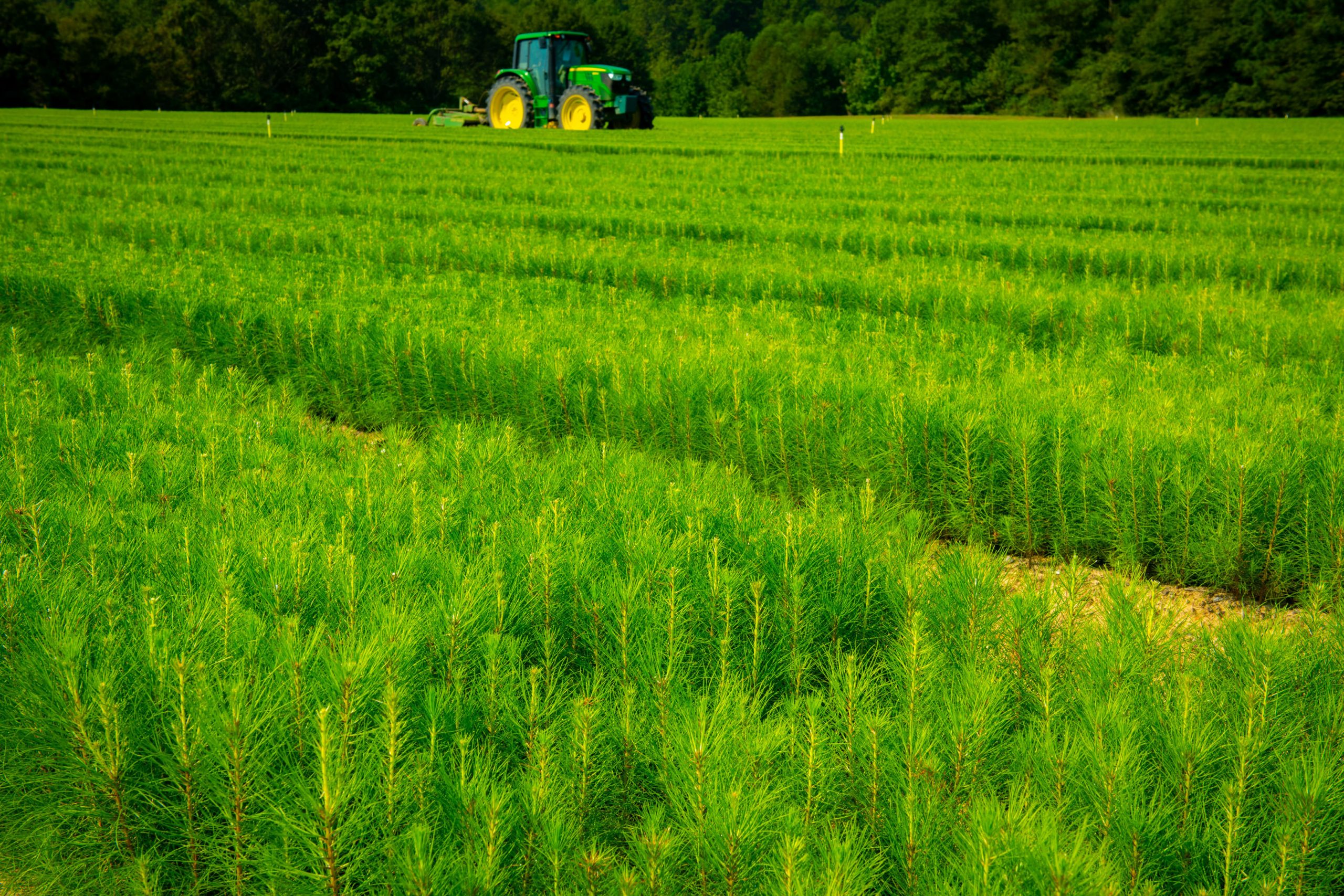
Pine trees grown for planting in the forests of the US South where more carbon is stored and more wood inventory is grown each year than fibre is extracted for wood products such as biomass pellets

Pine trees grown for planting in the forests of the US South where more carbon is stored and more wood inventory is grown each year than fibre is extracted for wood products such as biomass pellets

This means BECCS can be used to abate, or offset, emissions from other parts of the economy that might remain even as it decarbonises. A report by The Energy Systems Catapult, modelling different approaches for the UK to reach net zero by or before 2050, suggests carbon-intensive industries such as aviation and agriculture will always produce residual emissions.

The need to counteract the remaining emissions of industries such as these make negative emissions an essential part of reaching net zero. While the report suggests that direct air carbon capture and storage (DACCS) will also play an important role in bringing CO2 levels down, it will take time for the technology to be developed and deployed at the scale needed.

Meanwhile, carbon capture use and storage (CCUS) technology is already deployed at scale in Norway, the US, Australia and Canada. These processes for capturing and storing carbon are applicable to biomass power generation, such as at Drax Power Station, which means BECCS is ready to deploy at scale from a technology perspective today.

As well as counteracting remaining emissions, however, BECCS can also help to decarbonise other industries by enabling the growth of a different low carbon fuel: hydrogen.

Enabling a hydrogen economy

The CCC’s ‘Hydrogen in a low-carbon economy report’ highlights the needs for carbon zero alternatives to fossil fuels – in particular, hydrogen or H2.
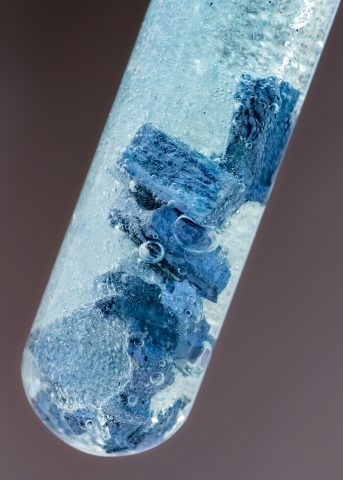
Hydrogen produced in a test tube

Hydrogen produced in a test tube

When combusted, hydrogen only produces heat and water vapour, while the ability to store it for long periods makes it a cleaner replacement to the natural gas used in heating today. Hydrogen can also be stored as a liquid, which, coupled with its high energy density makes it a carbon zero alternative to petrol and diesel in heavy transport.

There are various ways BECCS can assist the creation of a hydrogen economy. Most promising is the use of biomass to produce hydrogen through a method known as gasification. In this process solid organic material is heated to more than 700°C but prevented from combusting. This causes the material to break down into gases: hydrogen and carbon monoxide (CO). The CO then reacts with water to form CO2 and more H2.

While CO2 is also produced as part of the process, biomass material absorbs CO2 while it grows, making the overall process carbon neutral. However, by deploying carbon capture here, the hydrogen production can also be made carbon negative.

BECCS can more indirectly become an enabler of hydrogen production. The Zero Carbon Humber partnership envisages Drax Power Station as the anchor project for CCUS infrastructure in the region, allowing for the production of ‘blue’ hydrogen. Blue hydrogen is produced using natural gas, a fossil fuel. However, the resulting carbon emissions could be captured. The CO2 would then be transported and stored using the same system of pipelines and a natural aquifer under the North Sea as used by BECCS facilities at Drax.

This way of clustering BECCS power and hydrogen production would also allow other industries such as manufactures, steel mills and refineries, to decarbonise.

Lowering the cost of flexible electricity

One of the challenges in transforming the energy system and wider economy to net zero is accounting for the cost of the transition.

The Energy Systems Catapult’s analysis found that it could be kept as low as 1-2% of GDP, while a report by the National Infrastructure Commission (NIC) projects that deploying BECCS would have little impact on the total cost of the power system if deployed for its negative emissions potential.

The NIC’s modelling found, when taking into consideration the costs and generation capacity of different sources, BECCS would likely be run as a baseload source of power in a net zero future. This would maximise its negative emissions potential.

This means BECCS units would run frequently and for long periods, uninterrupted by changes in the weather, rather than jumping into action to account for peaks in demand. This, coupled with its ability to abate emissions, means BECCS – alongside intermittent renewables such as wind and solar – could provide the UK with zero carbon electricity at a significantly lower cost than that of constructing a new fleet of nuclear power stations.

The report also goes on to say that a fleet of hydrogen-fuelled power stations could also be used to generate flexible back-up electricity, which therefore could be substantially cheaper than relying on a fleet of new baseload nuclear plants.

However, for this to work effectively, decisions need to be made sooner rather than later as to what approach the UK takes to shape the energy system before 2050.

The time to act is now

What is consistent across many different reports is that BECCS will be essential for any version of the future where the UK reaches net zero by 2050. But, it will not happen organically.

Sunset and evening clouds over the River Humber near Sunk Island, East Riding of Yorkshire

Sunset and evening clouds over the River Humber near Sunk Island, East Riding of Yorkshire

A joint Royal Society and Royal Academy of Engineering Greenhouse Gas Removal report, includes research into BECCS, DACCS and other forms of negative emissions in its list of key actions for the UK to reach net zero. It also calls for the UK to capitalise on its access to natural aquifers and former oil and gas wells for CO2 storage in locations such as the North Sea, as well as its engineering expertise, to establish the infrastructure needed for CO2 transport and storage.

However, this will require policies and funding structures that make it economical. A report by Vivid Economics for the Department for Business, Energy and Industrial Strategy (BEIS) highlights that – just as incentives have made wind and solar viable and integral parts of the UK’s energy mix – BECCS and other technologies, need the same clear, long-term strategy to enable companies to make secure investments and innovate.

However, for policies to make the impact needed to ramp BECCS up to the levels necessary to bring the UK to net zero, action is needed now. The report outlines policies that could be implemented immediately, such as contracts for difference, or negative emissions obligations for residual emitters. For BECCS deployment to expand significantly in the 2030s, a suitable policy framework will need to be put in place in the 2020s.

Beyond just decarbonising the UK, a report by the Intergovernmental Panel on Climate Change (IPCC) highlights that BECCS could be of even more importance globally. Differing scales of BECCS deployment are illustrated in its scenarios where global warming is kept to within 1.5oC levels of pre-industrial levels, as per the Paris Climate agreement.

BECCS has the potential to play a vital role in power generation, creating a hydrogen economy and offsetting other emissions. As it continues to progress, it is becoming increasingly effective and cost efficient, offering a key component of a net zero UK.

Learn more about carbon capture, usage and storage in our series:

Capacity Market agreements for existing assets

Engineer below Cruachan Power Station dam

RNS: 3530F
Drax Group plc

(“Drax” or the “Company”; Symbol:DRX)

Drax confirms that it has provisionally secured agreements to provide a total of 2,562MW of capacity (de-rated 2,333MW) from its existing gas, pumped storage and hydro assets(1). The agreements are for the delivery period October 2023 to September 2024, at a price of £15.97/kW(2) and are worth £37 million in that period. These are in addition to existing agreements which extend to September 2023.

Drax did not accept an agreement for the 60MW Combined Cycle Gas Turbine (CCGT) at Blackburn Mill.

A new-build CCGT at Damhead Creek and four new-build Open Cycle Gas Turbine projects participated in the auction but exited above the clearing price and did not accept agreements.

Enquiries:

Drax Investor Relations: Mark Strafford
+44 (0) 7730 763 949

Media:

Drax External Communications: Ali Lewis
+44 (0) 7712 670 888

Website: www.drax.com

Notes:

  1. Existing assets – gas (Damhead Creek, Rye House, Shoreham and three existing small gas turbines at Drax Power Station), Cruachan Pumped Storage and the Galloway hydro scheme (Tongland, Kendoon and Glenlee).
  2. Capacity Market agreements stated in 2018/19 real-terms, with payments indexed to UK CPI.

END

End of coal generation at Drax Power Station

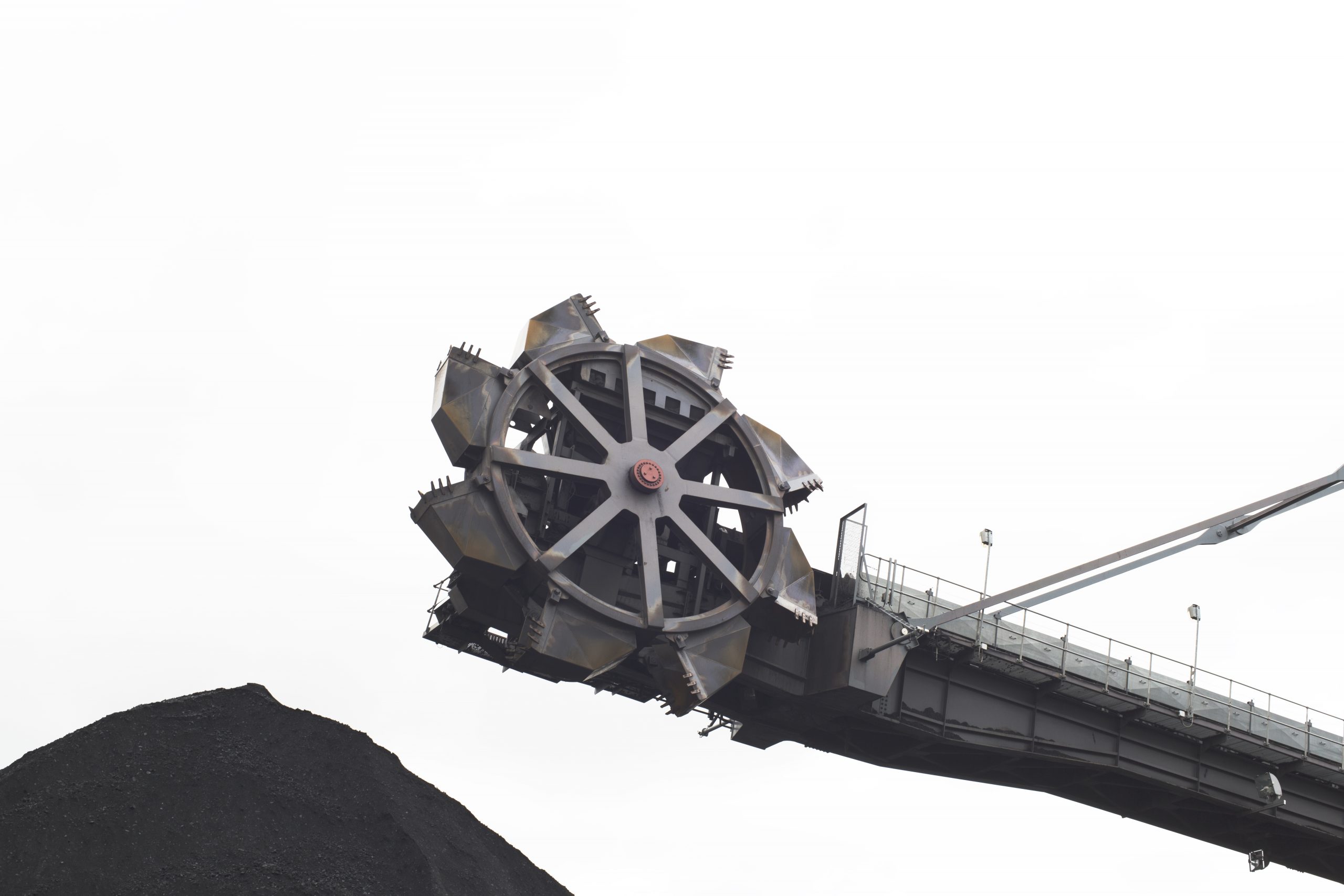
Coal picker, Drax Power Station, 2016

Drax Group plc
(“Drax” or the “Group”; Symbol:DRX)
RNS Number : 2747E

Following a comprehensive review of operations and discussions with National Grid, Ofgem and the UK Government, the Board of Drax has determined to end commercial coal generation at Drax Power Station in 2021 – ahead of the UK’s 2025 deadline.

Commercial coal generation is expected to end in March 2021, with formal closure of the coal units in September 2022 at the end of existing Capacity Market obligations.

Will Gardiner, Drax Group CEO, said:

“Ending the use of coal at Drax is a landmark in our continued efforts to transform the business and become a world-leading carbon negative company by 2030. Drax’s move away from coal began some years ago and I’m proud to say we’re going to finish the job well ahead of the Government’s 2025 deadline.
“By using sustainable biomass we have not only continued generating the secure power millions of homes and businesses rely on, we have also played a significant role in enabling the UK’s power system to decarbonise faster than any other in the world.

“Having pioneered ground-breaking biomass technology, we’re now planning to go further by using bioenergy with carbon capture and storage (BECCS) to achieve our ambition of being carbon negative by 2030, making an even greater contribution to global efforts to tackle the climate crisis.

“Stopping using coal is the right decision for our business, our communities and the environment, but it will have an impact on some of our employees, which will be difficult for them and their families.

“In making the decision to stop using coal and to decarbonise the economy, it’s vital that the impact on people across the North is recognised and steps are taken to ensure that people have the skills needed for the new jobs of the future.”

Coal in front of biomass storage domes at Drax Power Station, 2016

Coal in front of biomass storage domes at Drax Power Station, 2016

Drax will shortly commence a consultation process with employees and trade unions with a view to ending coal operations. Under these proposals, commercial generation from coal will end in March 2021 but the two coal units will remain available to meet Capacity Market obligations until September 2022.

The closure of the two coal units is expected to involve one-off closure costs in the region of £25-35 million in the period to closure and to result in a reduction in operating costs at Drax Power Station of £25-35 million per year once complete. Drax also expects a reduction in jobs of between 200 and 230 from April 2021.

The carrying value of the fixed assets affected by closure was £240 million, in addition to £103 million of inventory at 31 December 2019, which Drax intends to use in the period up to 31 March 2021. The Group expects to treat all closure costs and any asset obsolescence charges as exceptional items in the Group’s financial statements. A further update on these items will be provided in the Group’s interim financial statements for the first half of 2020.

As part of the proposed coal closure programme the Group is implementing a broader review of operations at Drax Power Station. This review aims to support a safe, efficient and lower cost operating model which, alongside a reduction in biomass cost, positions Drax for long-term biomass generation following the end of the current renewable support mechanisms in March 2027.

While previously being an integral part of the Drax Power Station site and offering flexibility to the Group’s trading and operational performance, the long-term economics of coal generation remain challenging and in 2019 represented only three percent of the Group’s electricity production. In January 2020, Drax did not take a Capacity Market agreement for the period beyond September 2022 given the low clearing price.

Enquiries

Drax Investor Relations:
Mark Strafford
+44 (0) 7730 763 949

Media

Drax External Communications:
Ali Lewis
+44 (0) 7712 670 888


Website: www.drax.com

END

Capacity Market agreements for existing assets and review of coal generation

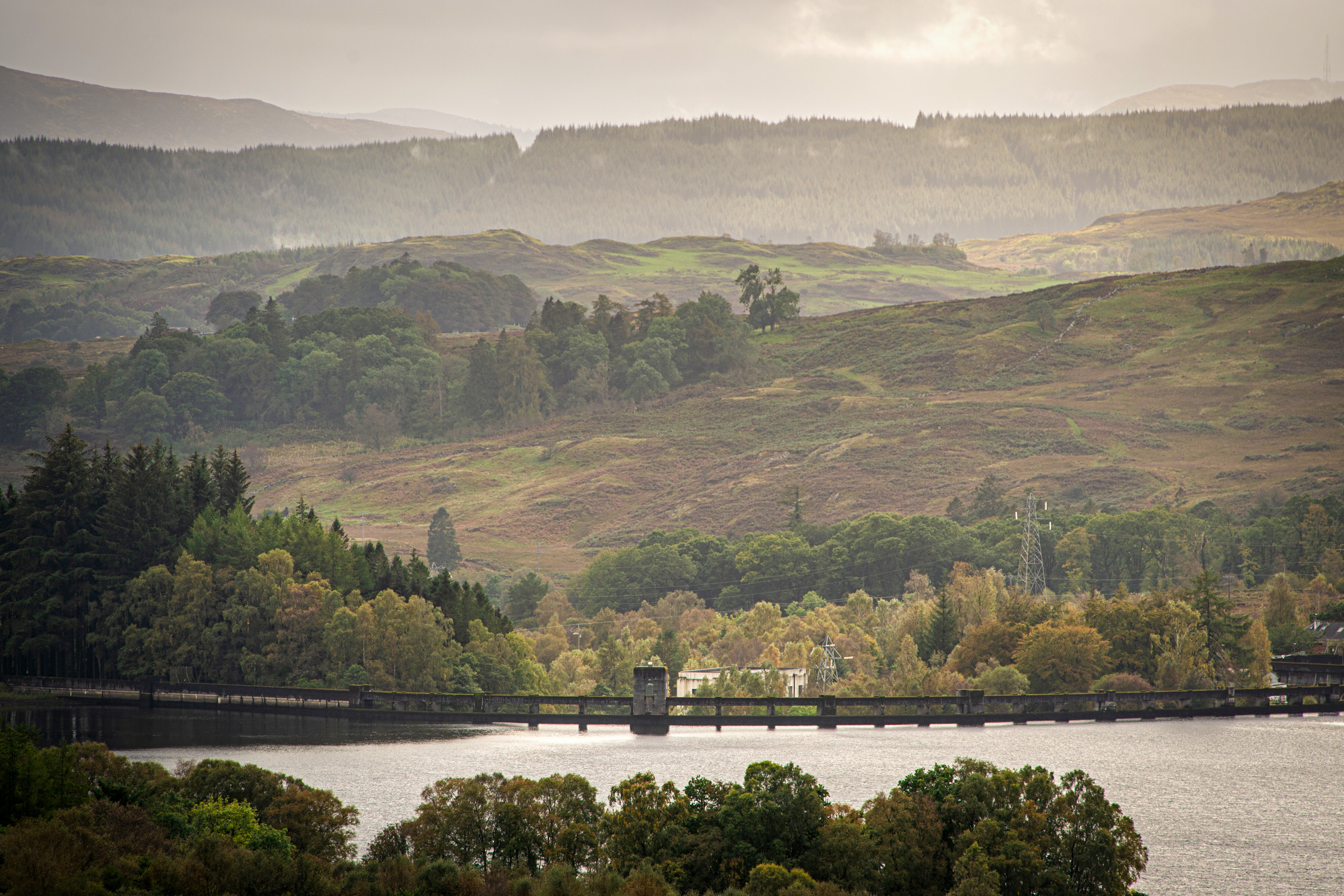
Drax's Kendoon Power Station, Galloway Hydro Scheme, Scotland

RNS Number : 6536B

T-3 Auction Provisional Results

Drax confirms that it has provisionally secured agreements to provide a total of 2,562MW of capacity (de-rated 2,333MW) from its existing gas, pumped storage and hydro assets(1). The agreements are for the delivery period October 2022 to September 2023, at a price of £6.44/kW(2) and are worth £15 million in that period. These are in addition to existing agreements which extend to September 2022.

Drax did not accept agreements for its two coal units(3) at Drax Power Station or the small Combined Cycle Gas Turbine (CCGT) at Blackburn Mill(4) and will now assess options for these assets, alongside discussions with National Grid, Ofgem and the UK Government.

A new-build CCGT at Damhead Creek and four new-build Open Cycle Gas Turbine projects participated in the auction but exited above the clearing price and did not accept agreements.

T-4 Auction

Drax has prequalified its existing assets(5) and options for the development of new gas generation to participate in the T-4 auction, which takes place in March 2020. The auction covers the delivery period from October 2023.

CCGTs at Drax Power Station

Following confirmation that a Judicial Review will now proceed against the Government, regarding the decision to grant planning approval for new CCGTs at Drax Power Station, Drax does not intend to take a Capacity Market agreement in the forthcoming T-4 auction. This project will not participate in future Capacity Market auctions until the outcome of the Judicial Review is known.

Enquiries:

Drax Investor Relations
Mark Strafford
+44 (0) 7730 763 949

Media:

Drax External Communications
Matt Willey
+44 (0) 0771 137 6087

Photo caption: Drax’s Kendoon Power Station, Galloway Hydro Scheme, Scotland

Website: www.drax.com

Acquisition Bridge Facility refinancing completed

Private placement

The £375 million private placement with infrastructure lenders comprises facilities with maturities between 2024 and 2029(2).

ESG Facility

The £125 million ESG facility matures in 2022. The facility includes a mechanism that adjusts the margin based on Drax’s carbon emissions against an annual benchmark, recognising Drax’s continued commitment to reducing its carbon emissions as part of its overall purpose of enabling a zero-carbon, lower cost energy future.

Together these facilities extend the Group’s debt maturity profile beyond 2027 and reduce the Group’s overall cost of debt to below 4 percent. 

Enquiries:

Drax Investor Relations:
Mark Strafford
+44 (0) 1757 612 491

Media:

Drax External Communications:
Matt Willey
+44 (0) 7711 376 087 

Website: www.drax.com

Note

(1)  Drax Corporate Limited drew £550 million under an acquisition bridge facility on 2 January 2019 used to partially fund the acquisition of ScottishPower Generation Limited for initial net consideration of £687 million. £150 million of the acquisition bridge facility was repaid on 16 May 2019.

(2)  £122.5 million in 2024, £122.5 million in 2025, £80 million in 2026 and £50 million in 2029.

Meet the apprentices powering our future

“Different people do things different ways,” says Sam Stocks, an apprentice engineer at Drax Power Station. It’s a sentiment echoed by corporate administration apprentice Chloe Carpenter at Opus Energy. Asked to describe her role, she says, “[It’s] a very different kind of job.”

Chloe and Sam are just two of a number of apprentices at Drax Group who are working across the UK. And while they’re proud to do things differently, they do have something in common – they’re all hands-on, practical people who would rather get stuck in on a project than sit still and hear about it in the classroom.

“I chose an apprenticeship over higher education because I’m more of a doing person,” says Molly Fensome, a corporate administration apprentice. Sam agrees. “I like to be hands-on,” he says. “I don’t like being sat in a classroom.”

They are doing things their way – engineering their own futures while growing personally and professionally. And ensuring the future of our energy supply in the process.

Finding a strong sense of identity

For Sam, working at Drax wasn’t just a sensible career move, it was also following in his family’s footsteps. “My grandad worked in the power station industry all his life. [My family] know exactly what I’m like and they knew what type of place this was to work.”

Drax’s transformation from a coal-powered plant to a modern, sustainable electricity company means Sam’s work is building a power framework for future generations, while also paying homage to his grandad’s career.

Jake Dawson, an electrical engineer apprentice, followed a similar path into the power industry. Being born and bred in the area, Drax Power Station has always been a part of his geography. “Because I’m such a local lad it was perfect for me,” he says.

In his role, Jake can play a key part in the region where he grew up. A recent Oxford Economics report shows that Drax contributes £431 million to Yorkshire and the Humber economy and supports over 3,200 jobs.

A role in a team

Drax is a large organisation, but for Chloe finding role models within her team she can look up to and take guidance from has been easy. “Mentoring sessions are relaxed and you build a special bond with that person,” she says. “You can talk to them about work, outside of work – anything. They’ll always be there for you.”

Corporate administration apprentice Matt Donnelly has had a similar experience, adding that he’s seen his confidence grow, and feels he has made lifelong friends in his role.

Ultimately, it’s not just that they are given the right support, but that apprentices are integrated as a part of the company from day one. “My favourite part of my apprenticeship so far is being part of the team,” says Chloe. “Because you feel like you’re not just an apprentice, but you’re also one of them.”

Being part of something bigger

Sam remembers his first day at Drax Power Station: “It was overwhelming, you don’t actually realise how big it is and realise how many people work here. It’s just normal now, if I go anywhere else, I’m thinking, ‘That’s not as big as at work.’”

It’s not just its size that makes the UK’s biggest single site renewable power station stand out, but the potential for career development there. It’s this that Jake had on his mind when he first made the decision to become an apprentice. He was working in an unskilled job with little opportunity, but he knew he had it in him to find something bigger.

His outlook today as a Drax apprentice is very different. “My aim after the four years is to carry on growing as a person, increasing all my skills that I have, and maybe eventually becoming a supervisor or an engineer, who knows?”

This mindset of striving for better is evident across apprentices. It’s what drove them to join the programme in the first place. “Instead of going somewhere like uni and then possibly coming out without a job, you’ve got a job, and you’re actually learning as you’re doing it,” says Sam. “The skill set that I’ve learnt now – I’ll probably go anywhere in the world with it.”

Find out more about apprenticeships at Drax

How to switch a power station off coal

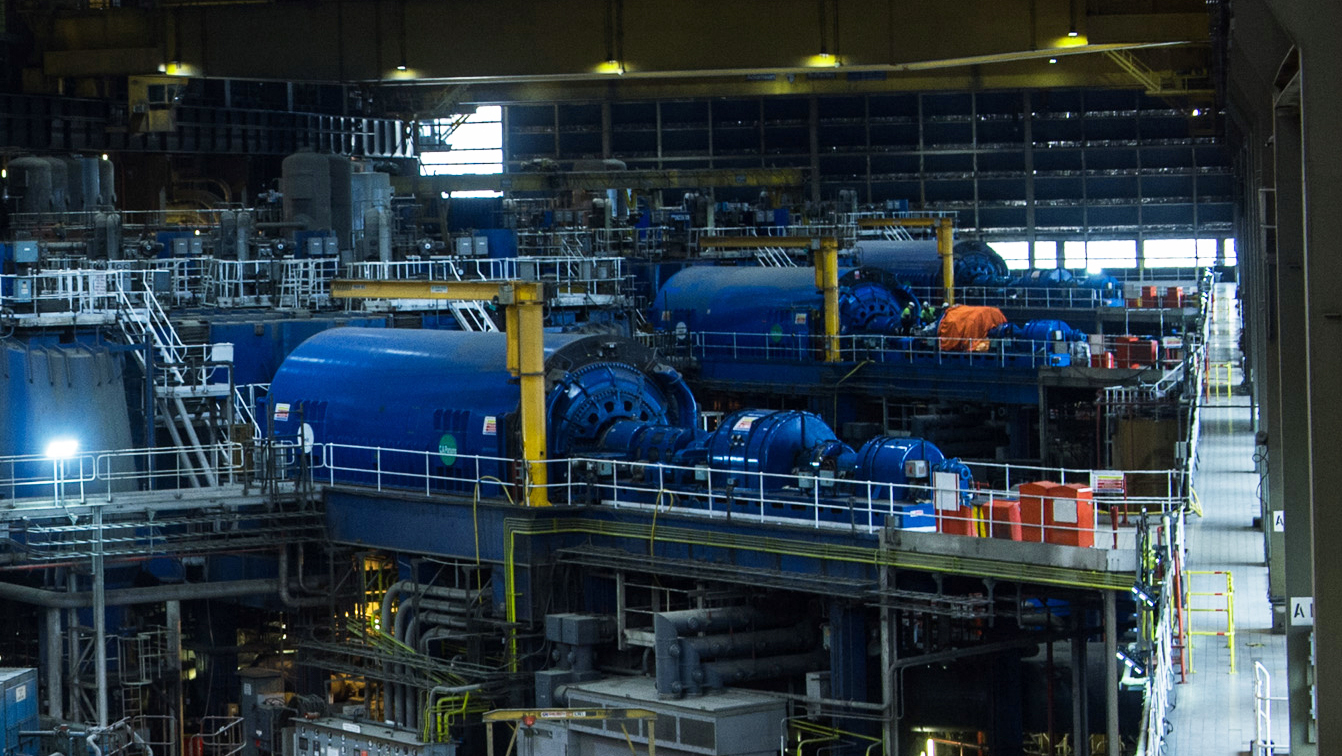
Turbine hall at Drax Power Station

In 2003, the UK’s biggest coal power station took its first steps away from the fossil fuel which defined electricity generation for more than a century. It was in that year that Drax Power Station began co-firing biomass as a renewable alternative to coal.

It symbolised the beginnings of the power station’s ambitious transformation from fossil-fuel stalwart to the country’s largest single-site renewable electricity generator. This plan presented a massive engineering challenge for Drax, with significant amounts of new knowledge quickly needed.

Fifteen years later, three of its generating units now run entirely on compressed wood pellets, a form of biomass, while coal has been relegated to stepping in only to cover spikes in demand and improve system stability.

Now Drax has converted a fourth unit from coal to biomass. This development represents the passing of a two thirds marker for the power station’s coal-free ambitions and adds 600-plus megawatts (MW) of renewable electricity to Great Britain’s national transmission system.

Building on the past

Drax first converted a coal unit to biomass in 2013, with two more following in 2014 and 2016. This put Drax in an interesting position going into a new conversion: on one hand, it is one of the most experienced generators in the world when it comes to dealing with and upgrading to biomass. On the other, it’s still relatively new to the low carbon fuel compared with its dealings with coal.

Adam Nicholson

“We’ve decades of understanding of how to use coal, but we’ve only been operating with biomass since we started the full conversion trials in 2011,” says Adam Nicholson, Section Head for Process Performance at Drax Power. “We’ve got few running hours under our belts with the new fuel versus the hundreds of man years of coal knowledge and operation all around the country.”

When converting a generating unit, the steam turbine and generator itself remain the same. The difference is all in the material being delivered, stored, crushed and blown into the boiler and burned to heat up water and create steam. And because biomass can be a volatile substance – much more so than coal – this process must be a careful one.

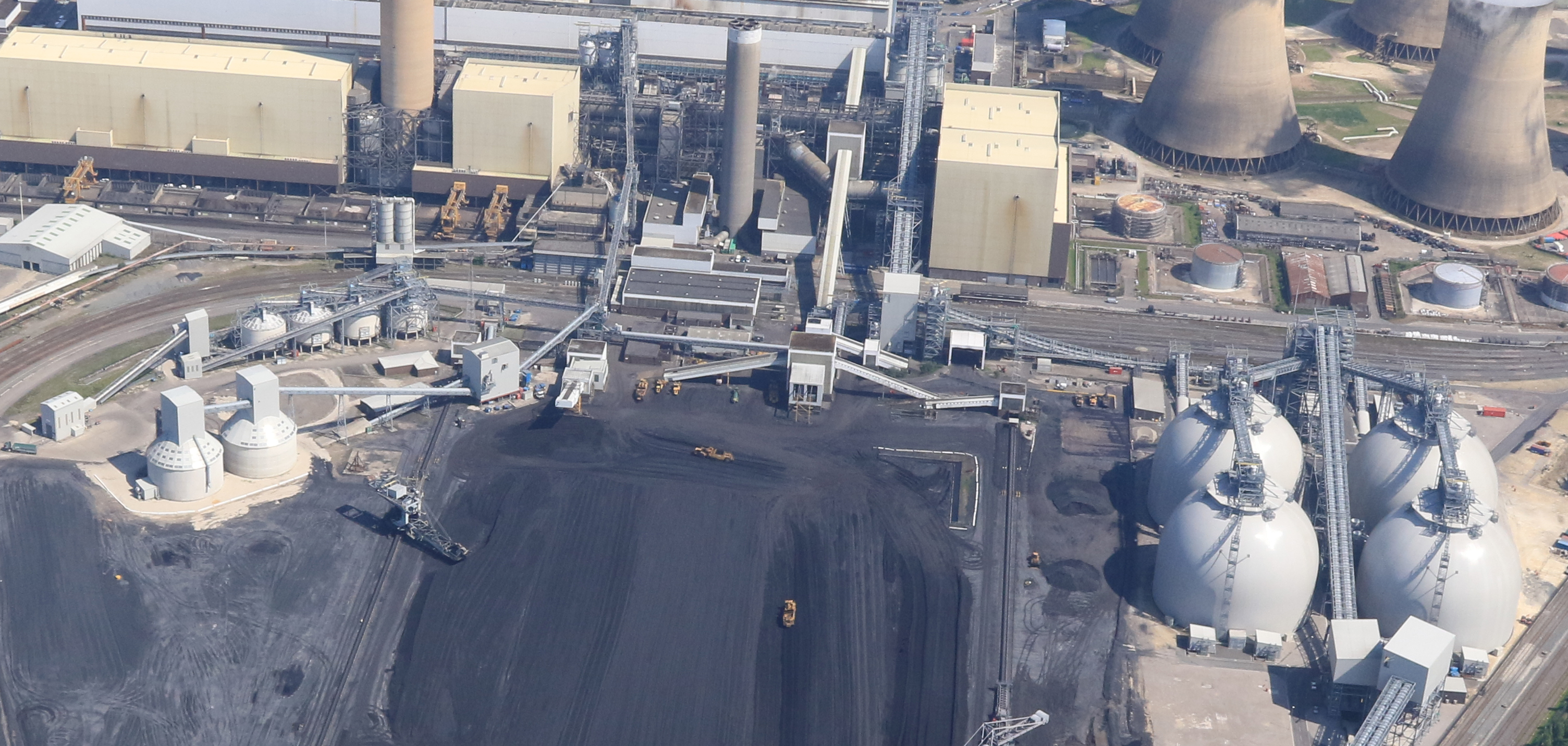
Drax could build on the learnings and equipment it had already developed for biomass such as specially built trains and pulverising mills, but storage proved a bigger issue. The giant biomass domes at Drax that make up the EcoStore are advanced technological structures carefully attuned to storing biomass, but for Unit 4, they were off limits.

Instead Drax engineers had to come up with another solution.

The journey of a pellet through the power station

Normally wood pellets are brought into Drax by train, unloaded and stored in the biomass domes before travelling through the power station to the mills and then boilers. Unit 4, however, sits in the second half of the station – built 12 years after the first. This slight change in location presented a problem.

“There’s no link from the eco store to Unit 4 at all,” explains Nicholson. “You can’t use the storage domes and that whole infrastructure to get anything to Unit 4.”

Drax engineers set about designing a new conveyor system that could connect the domes to the mills and boiler that powers Unit 4. After weeks of design, the team had a theoretical plan to connect the two locations with one problem: it was entirely uneconomical.

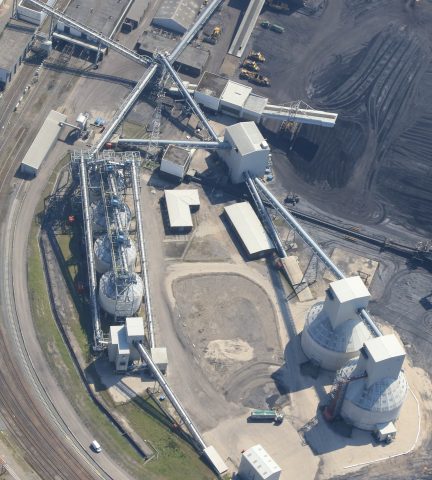
Rail unloading building 1 and storage silos

“If we were building a new plant it would be relatively easy, because you could plan properly and wouldn’t have existing equipment in the way,” says Nicholson.

“We had to plan around it and make use of the pre-existing plant.”

Within that pre-existing plant though were vital pieces of equipment, some of which had laid dormant since Drax stopped fuelling its boilers with a mixture of coal and biomass and opted instead for full unit conversions.

Drax began cofiring across all six units in 2003, using two different materials – a mix of around 5% biomass and 95% coal. A direct injection facility was added in 2005. It involved blowing crushed wood pellets into coal fuel lines from two of the power station’s 60 mills.

Then, the amount of renewable power Drax was able to generate roughly doubled in the summer of 2010 when a 400 MW co-firing facility became operational.

Back to the present day, it’s fortunate for the Unit 4 conversion that the co-firing facility includes its own rail unloading building (RUB 1) and storage silos. They are located much closer to the unit than the bigger RUB 2 and the massive biomass domes.

This solved the problem of storage but moving the required volumes of biomass through the plant without significant transport construction still posed a challenge.

Rail unloading building 1 and storage silos for Unit 4 [left], EcoStore biomass domes for units 1-3 [right]

To tackle this the team modified a pneumatic transport system, previously tested during co-firing, to have the capability to blow entire pellets from the storage facilities around the power station at speeds of more than 20 metres per second. The success of this system proved key – it was the final piece necessary to make the conversion of Unit 4 economical.

The post-coal future

Andy Koss

For now, Drax’s fifth and sixth generating unit remain coal-powered, but are called upon less frequently. With Great Britain set to go completely coal-free by 2025, there are plans to convert these too, but as part of a system of combined cycle gas turbines and giant batteries rather than biomass powered units.

It’s an opportunity for Drax to again leverage its pre-existing plant and provide the grid with a fast acting-source of lower-carbon electricity. As with converting to biomass, it will pose a complex new engineering challenge – one that will prepare Drax to meet the future needs of grid as it continues to change and demand greater flexibility from generators.

“The speed at which the Unit 4 project has been delivered is testament to the engineering expertise, skill and ingenuity we continue to see at Drax. We’re nimble and innovative enough to meet future challenges,” says Andy Koss, Chief Executive, Drax Power.

“We may look very different in 10 or 20 years’ time, but the ethos of that innovation and agility is something that will persist.”

Repowering the remaining coal plant with gas and up to 200 MW of batteries will sit alongside research into areas such as carbon capture, use and storage (CCuS) that is all geared towards expanding Drax Power beyond a single site generator into a portfolio of flexible power production facilities.

Unit 4’s conversion is more than just a step beyond halfway for the power station’s decarbonisation, but a significant step towards becoming entirely coal-free.

Find out more about Unit 4.

Drax: A rail history

Railways in Great Britain today are often seen as unreliable or chaotic, yet they remain a vital part of the lives of the population and the economy of the country.

When rail transport first arrived in earnest in the 19th century, it suddenly allowed goods from around the world, as well as people, to quickly cross the country. It reshaped perceptions of the country’s geography, unlocked the population and accelerated industries.

Over time, however, the role of the railways has diminished, owing largely to the massive rise in car ownership and the shifting of freight onto the road. But that is not to say it has completely lost its importance.

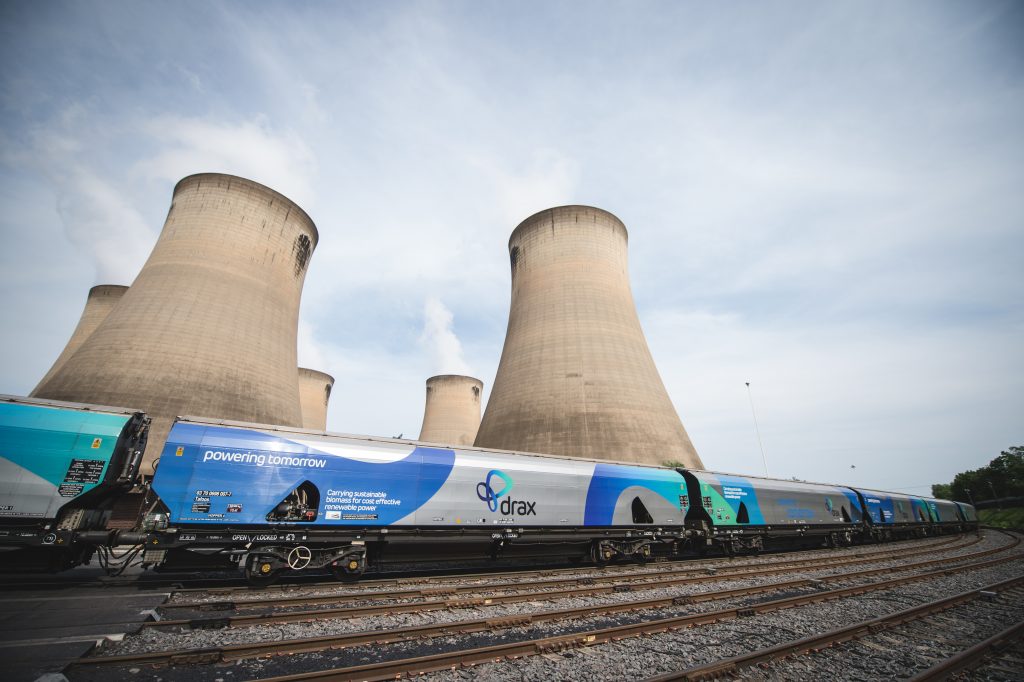
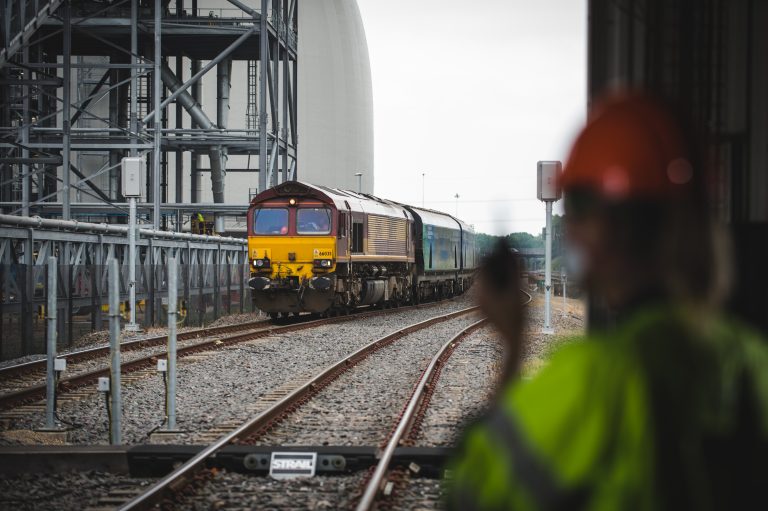
With 6,000 trains passing through Drax Power Station every year, rail is still integral to Drax and the region around it. In fact, since the very first introduction of the railways to the region it has played a major part in shaping the landscape.

A village with two stations

Before the construction of the power station or nationalisation of the railways, Drax village was well-connected, with two different railway lines running through it: the North Eastern Railway (NER) Selby to Goole line, and the Hull and Barnsley Railway’s Doncaster to Hull line.

Each of these lines ran through a different station with NER calling at Drax Hales Station while Hull and Barnsley called at Drax Abbey Station. But, following nationalisation and British Rail’s modernisation plans, Drax Abbey Station, which had closed to passengers in 1931, closed to goods traffic in 1959. Drax Hales Station followed suit in 1964 when it was closed as part of what became known as the Beeching Axe.

“British Rail chairman Richard Beeching famously carried out a review of Britain’s railways in the 60s and as a result closed vast quantities of – what he considered – uneconomical lines,” explains Andrew Christian, FGD & By-products Section Head at Drax Power Station and expert on the area’s history. “At that time oil was cheap, people were increasingly using cars and motorways were being constructed. Nobody really foresaw the rail demand that would be needed in the future to serve the power station.”

Daleks on a merry-go-round

In the 1960s and 70s, with the planning and construction of Drax Power Station underway, there was a new need for railways in bringing coal from the new Selby coalfield. This resulted in the reopening of a closed part of the Hull and Barnsley line for four miles from a reinstated junction at Hensall. Known as Hensall Junction it was renamed Drax Power Station Branch Junction and later shorted to Drax Branch Junction.

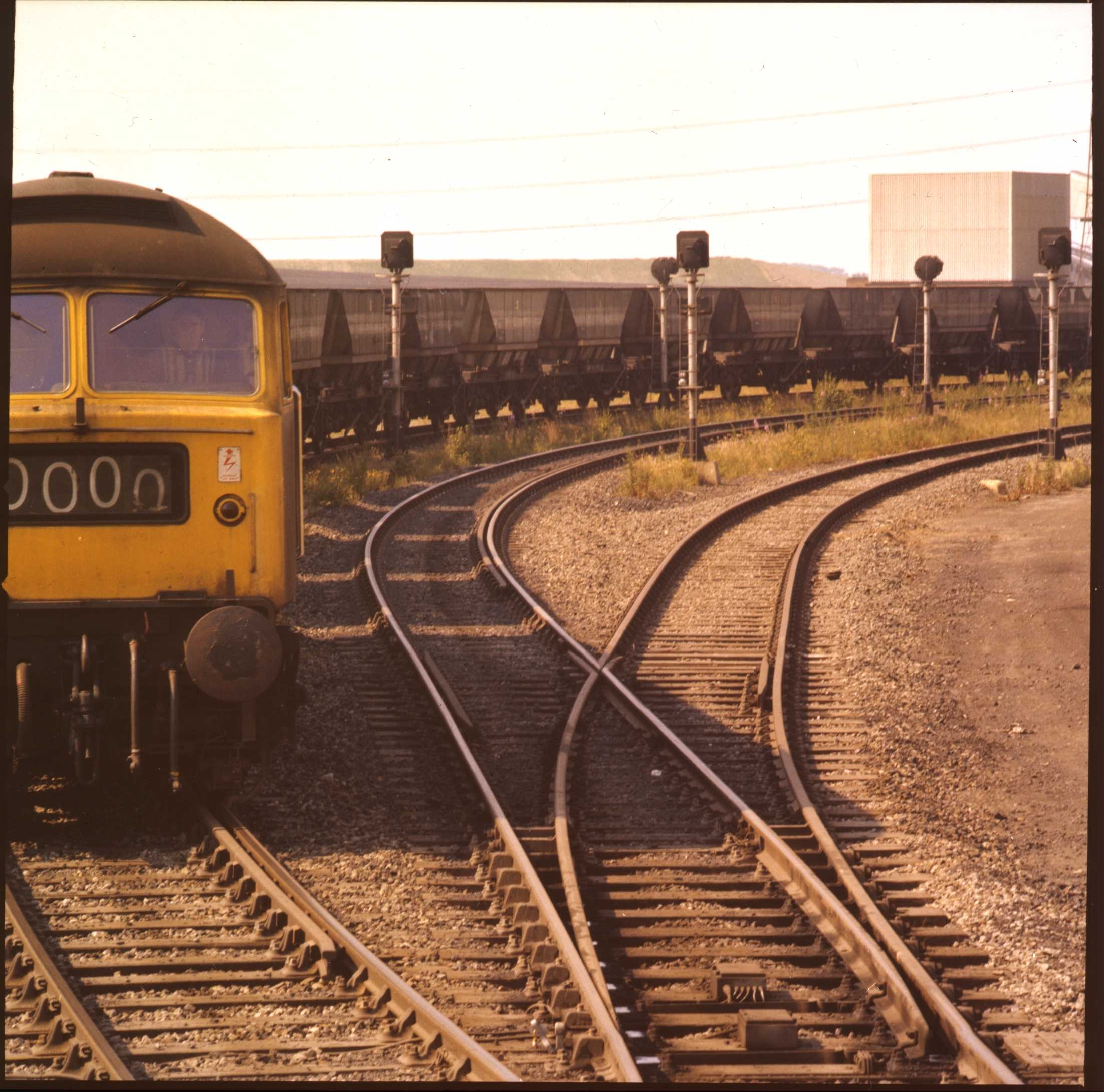
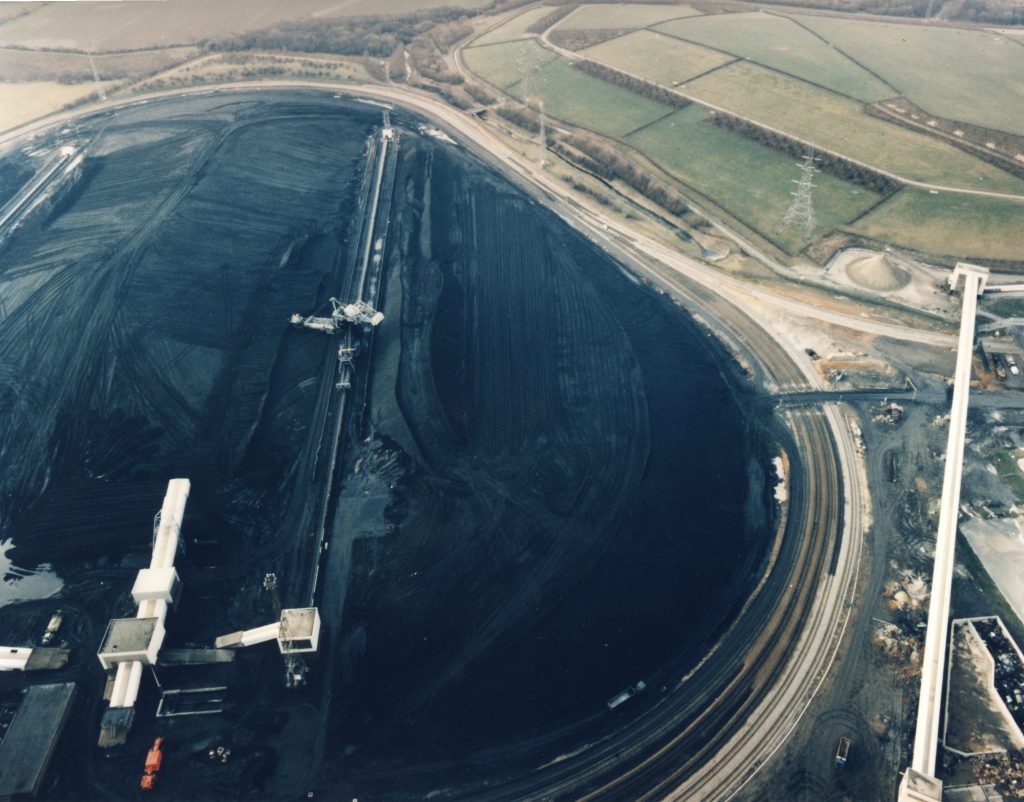
A rail system known as a ‘MGR loop’ was installed on the power station grounds, which allows trains to loop around the station and deposit coal – today also wood pellets – without stopping.

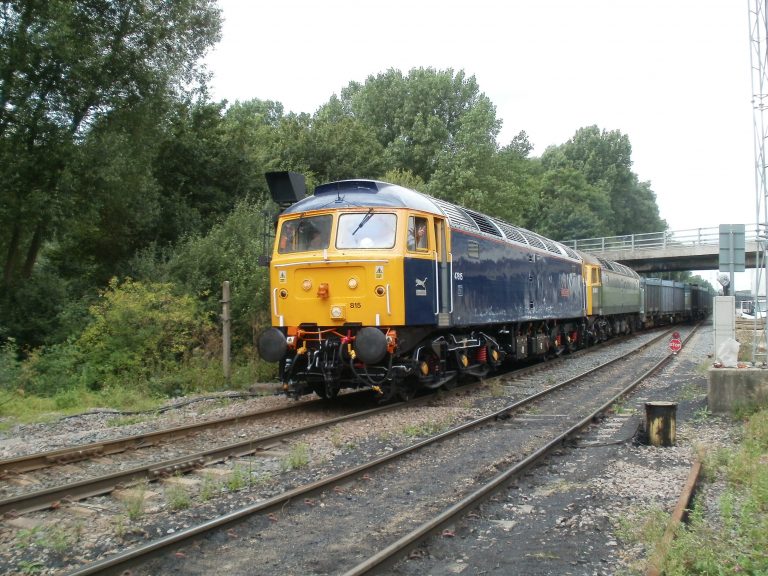
The ‘merry-go-round’ trains as they are known, were originally made up of 40, four-wheeled merry-go-round (MGR) hopper wagons. These were much smaller than the wagons that carry biomass from ports to power stations today, and more than 11,000 MGRs where built to serve coal power stations around Great Britain.

Photo by Andrew Brade, Railway Engineer at Drax Power Station

The open-topped wagons were each capable of carrying 33 tonnes of pulverised coal, which was automatically released thanks to a piece of machinery alongside the track colloquially known as ‘Daleks’ thanks to their resemblance to the Dr Who villain.

But as the power station began to change and evolved to fit the modern world, so too did the railway serving it.

Rail at Drax beyond coal

The original Drax rail loop was a single track, with three coal unloading points. By 1993 there was 14.5 km of track with 27 sets of points and crossings allowing trains to switch rails, thanks to the double tracked loop and extra tracks laid to serve traffic taking limestone in and gypsum out from the power station. This was further expanded with the introduction of biomass and a new double track and unloading facility in 2013.

The biomass trains are specially designed to keep compressed wood pellets dry and they are much longer than their MGR predecessors. At 18.2 meters long, their capacity is 30% greater than a coal wagon. It means the 23-wagon trains bringing biomass to the power stations from Tyne, Hull, Immingham and Liverpool’s ports are a quarter of a mile long.

It might be a far cry from the heyday in which the railways crisscrossed the region, but they remain a vital part of the area. And while the area’s original lines are now 50 years dormant, their remnants are still visible in the lasting impact they’ve left on the surrounding landscape.

Many of the embankments and bridges found in and around Drax stem from those first railway lines, while much of the A645 road that was constructed in the early 1990s runs along the track bed of NER’s route to Goole.

Photos by Andrew Brade, Railway Engineer at Drax Power Station

The trains might not stop in Drax Village anymore, but they remain a vital part of the landscape, and how it’s powered.

Northern Powerhouse Minister Jake Berry was in Yorkshire on 5 July 2018 to unveil the first Drax freight wagons with ‘Northern Powerhouse’ branding to deliver biomass to the power station. Read more.