






Understanding the places we source from is central to responsible biomass sourcing
To support our pellet manufacturing and 3rd party pellet procurement processes, Drax commissions analysis of the catchment from which we source biomass. Generated by independent consultants, these studies help us look beyond individual supply chains and build an evidence-based picture of the forests, forest industries and communities that sit within each sourcing landscape. The studies draw on publicly available data and local forestry knowledge to assess forest resource trends, market dynamics and potential impacts on carbon stocks.
These Catchment Area Analyses form part of our rolling programme of independent review and complement the commitments in our Biomass Sourcing Policy, which guides how we seek to deliver positive outcomes for the Climate, Nature and People in the areas from which we source. Specifically, they help us identify where further investigation, engagement or improvement may be needed.
Due to our biomass sourcing covering a wide geography, several independent consultants have been engaged over the last 10 years to analyse the catchments. Whilst this has resulted in subtle differences in the way the analysis has been approached, they have been consistent in evidencing the effect bioenergy demand has had on the following key indicators:
- Deforestation and degradation
- Changes in forest management practice
- Diversion from other markets
- Unexpected or abnormal changes in wood market prices
- Changes in the volume of forest growing stock
- Changes in the sequestration rate of carbon stored in the landscape
- Any change in harvesting levels compared with the productive capacity
These indicators help us understand how each catchment has changed over recent time and what role biomass markets play alongside other forest product markets.
We publish the reports because transparency matters. Making the evidence available allows stakeholders to see the information we use, understand the questions we ask of our sourcing regions, and follow how our approach evolves as science, data and market conditions develop.
What we source
At Drax, we support the cascading wood principle which is a circular economy concept stating that woody biomass should be used in order of its highest economic and environmental added value, prioritizing long-lived material products over energy recovery. To this end, biomass sourced for pellet production can be placed into two categories:
Low-grade roundwood from the forest
Typically, small in diameter and of low quality, which makes it unsuitable for manufacturing higher value, solid-wood products such as construction lumber or furniture. This category includes wood from thinning operations, where the main objective is to reduce stand density and improve the quality and growth of remaining trees. Additionally, low-grade roundwood is produced in small quantities during final, regeneration felling. At this stage of the forest rotation, the majority of the recovered roundwood is used for higher value grade purposes, including construction lumber and Plywood.
Secondary processing residues from sawmills
Sawmill residuals are generated during the processing of converting round sawlogs into square sawn lumber. These residues include woodchips, slab-wood, bark, small offcuts, sawdust, and shavings. Sawmills typically convert 45–60% of the sawlog into square sawn lumber, which leaves a substantial quantity of residue available for pellet production. Use of sawmill residues allows for efficient resource use, supporting circularity, maximizing resource efficiency and providing economic benefits to sawmills, and in turn, rural communities. In Drax’s supply chain, sawmill residues constitute a significant share of the pellet feedstock, especially in regions where alternative markets for residues are limited.
Where we source
United States
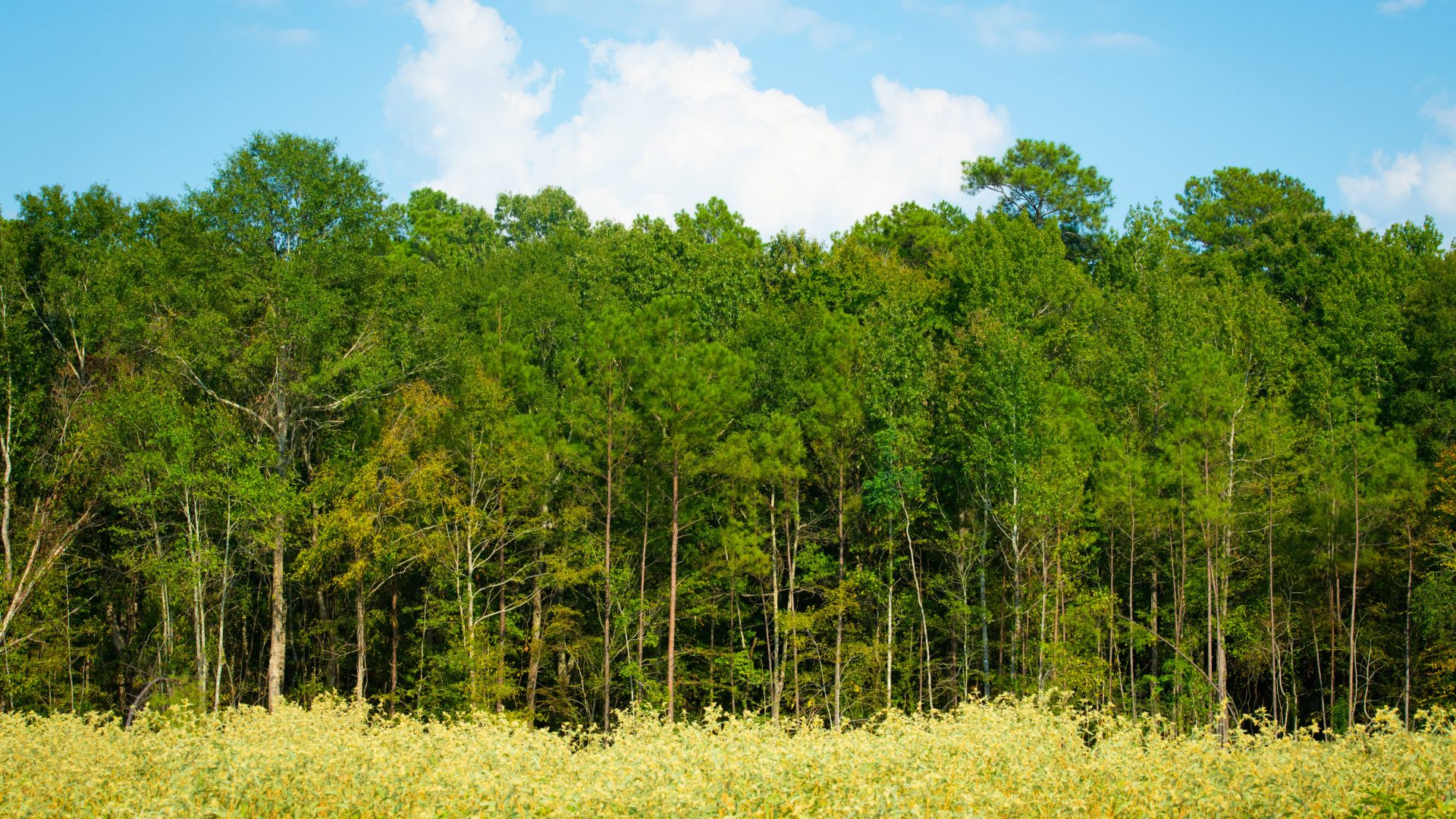
In the US, Drax owns and operates 5 wood pellet manufacturing facilities across the Southern states. Within this region, most forests are privately owned, with many held by families and managed as part of a long-established forest products economy.
Favourable growing conditions across the region support a well organised and long-established forest products industry. This industry helps provide an essential outlet for high value wood fibre produced by forest owners through sustainable management practices.
Reports and summaries
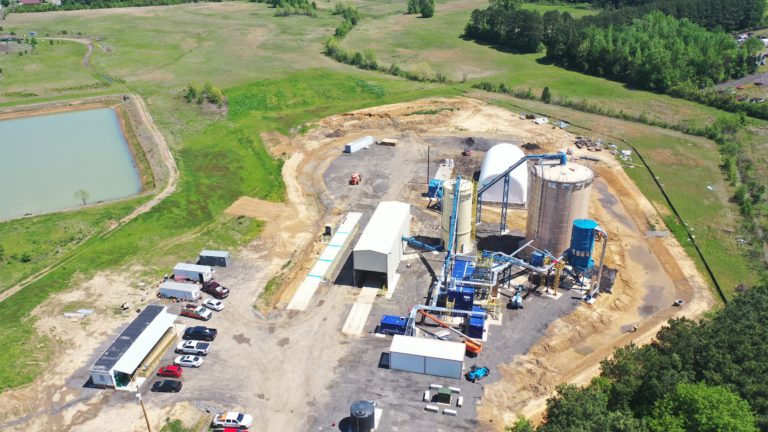
Catchment Area Analysis of Forest Management and Market Trends: Leola, Russellville and Highland Pellets [May 2024]


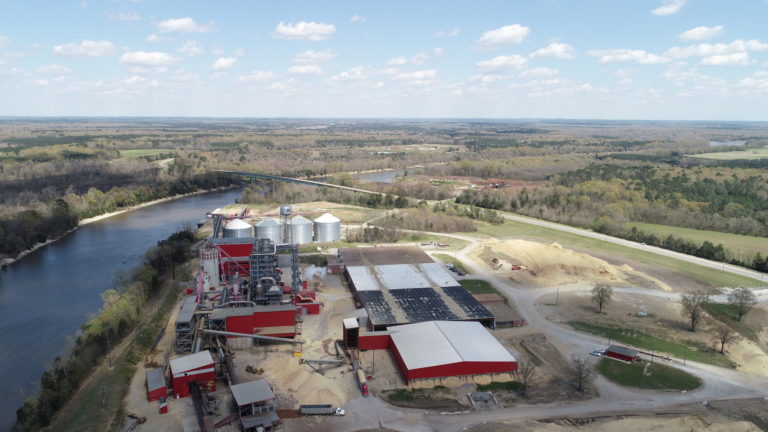
Catchment Area Analysis of Forest Management and Market Trends: Alabama Cluster [February 2022]
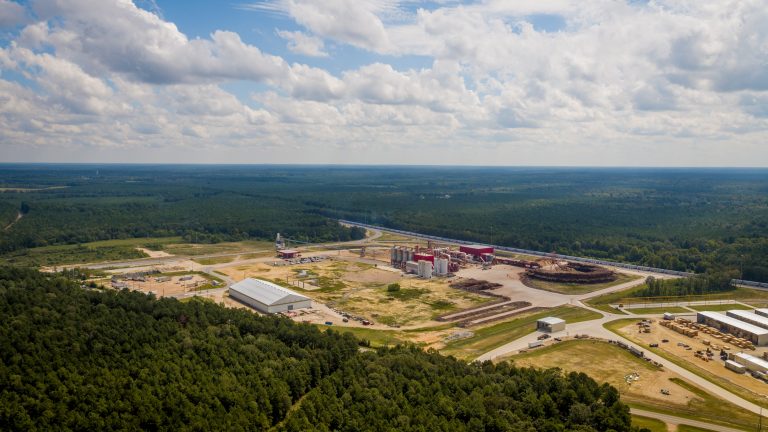
Catchment Area Analysis of Forest Management and Market Trends: LaSalle BioEnergy [June 2020]
Catchment Area Analysis of Forest Management and Market Trends: Morehouse BioEnergy [August 2019]
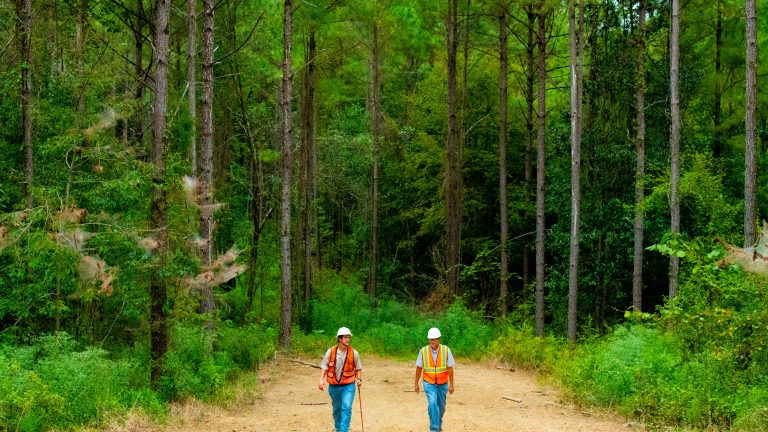
Catchment Area Analysis of Forest Management and Market Trends: Amite BioEnergy [August 2019]
Canada
In Canada, Drax operates pellet mills in a landscape where most forests are publicly owned and managed through provincial forest planning systems. In British Columbia and Alberta, forest management is shaped by government regulation, engagement with First Nations, and procedures designed to protect important ecosystems while supporting a working forest products sector.
Where appropriate, removing and using residues can also sit alongside wider forest management objectives, including reducing fuel loads and supporting efforts to manage wildfire, pests and disease risk. Pellets produced by Drax in Canada are typically sold to third-party customers in Asia under long-term contracts.
Reports and summaries
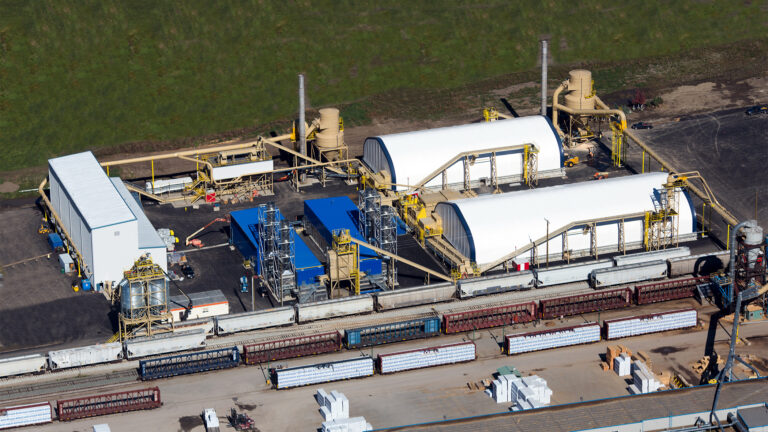
Okanagan Catchment Area Analysis: Drax’s Princeton, Lavington and Armstrong Pellet Facilities [April 2025]
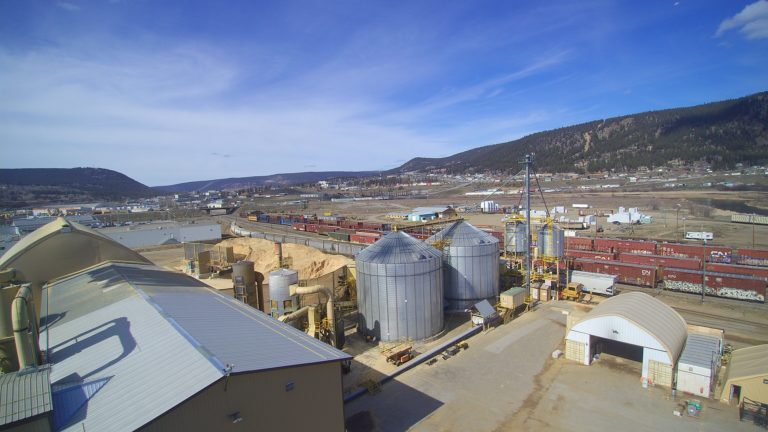
Catchment Area Analysis: Drax’s Williams Lake and Meadowbank Pellet Facilities [November 2023]
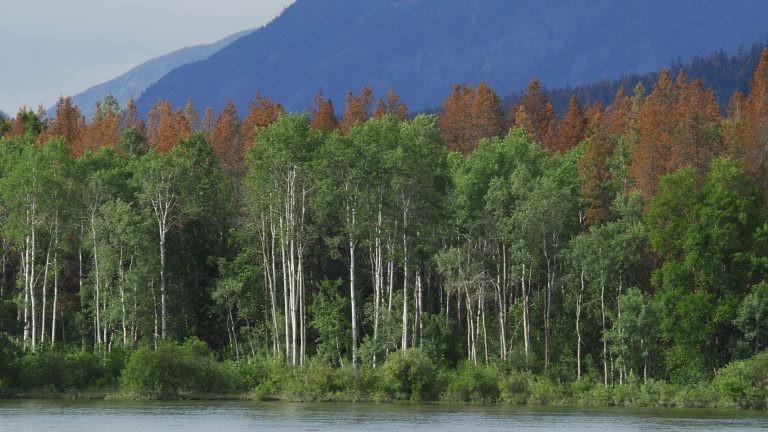
Catchment Area Analysis of Forest Management and Market Trends: Burns Lake and Houston [November 2020]
Third-party pellet sourcing
Alongside our own operations, we also source wood pellets from third-party suppliers in the US South, Eastern Canada and the Baltics in Europe. Our third-party supplies are subject to the same level of due diligence as our own manufactured supplies, which ensures all pellets meet the requirements of our Biomass Sourcing Policy. This due diligence includes supplier engagement, sustainability risk assessment, independent audit where required, and checks against our policies and procedures, relevant legislation and the requirements of the markets we supply.
Reports and summaries
Catchment Area Analysis of Forest Management and Market Trends: Enviva Cottondale pellet plant [August 2021]
Catchment Area Analysis of Forest Management and Market Trends: Chesapeake [April 2020]
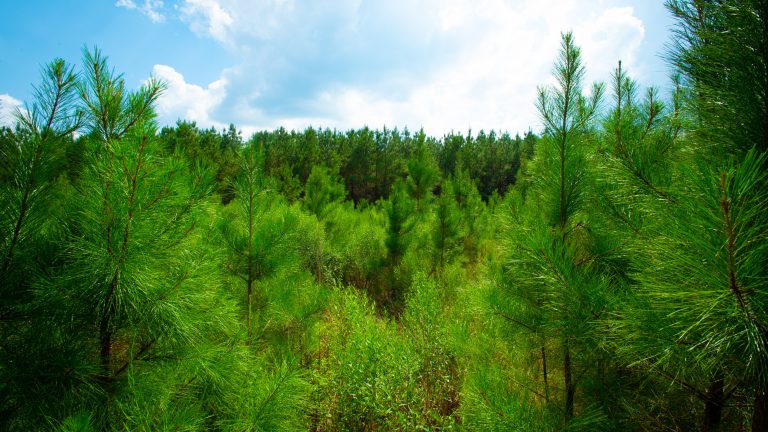
Catchment Area Analysis of Forest Management and Market Trends: Georgia Mill Cluster [September 2020]
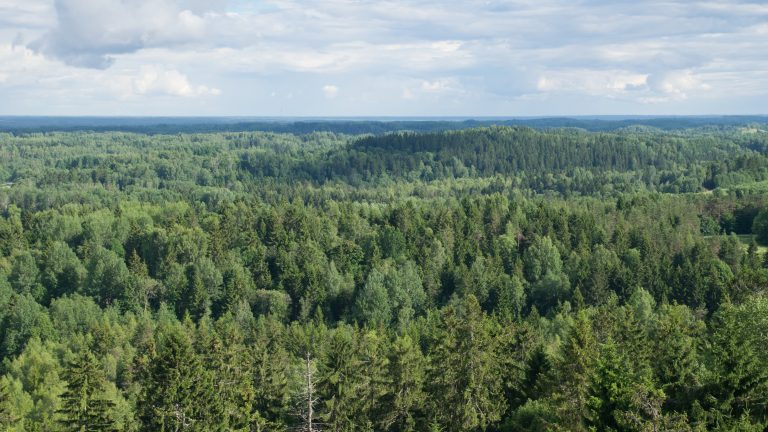
Catchment Area Analysis of Forest Management and Market Trends: Estonia [February 2020]
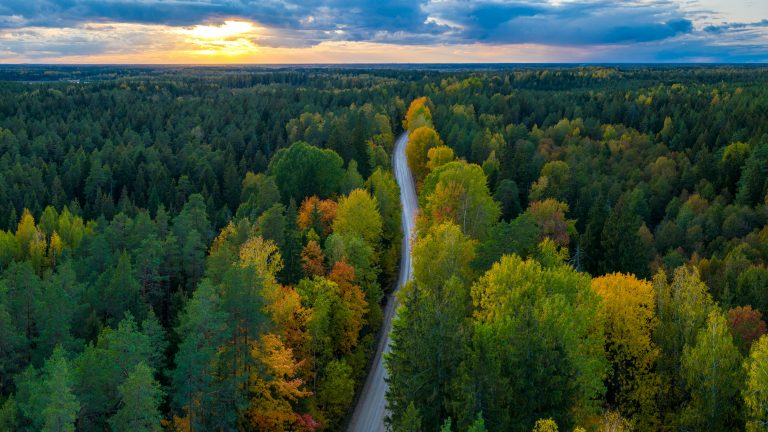
Catchment Area Analysis of Forest Management and Market Trends: Latvia [May 2020]
Biomass sourcing assurance
The role of third-party verification
Our biomass sourcing is supported by internal due diligence and independent, external forest certification. Across all geographies where we source biomass or pellets, we maintain third party certification through schemes such as the Forest Stewardship Council (FSC), the Programme for the Endorsement of Forest Certification (PEFC), Sustainable Forest Initiative (SFI), and Sustainable Biomass Program (SBP). These internationally recognised schemes provide additional assurance that our feedstocks are sourced in line with recognised legal and sustainability standards.
Page updated October 2026