Tag: biomass energy

UK Biomass Strategy – Highly Supportive of Biomass and a Priority Role for BECCS

The Strategy outlines the potential extraordinary role which biomass can play across the economy in power, heating and transport, including a priority role for Bioenergy Carbon Capture and Storage (BECCS), which is seen as critical for meeting net zero plans due to its ability to provide large-scale carbon removals.

Will Gardiner, Drax CEO, said:

Will Gardiner, Drax Group CEO

“We welcome the UK Government’s clear support for sustainably sourced biomass and the critical role that BECCS can play in achieving the country’s climate goals.

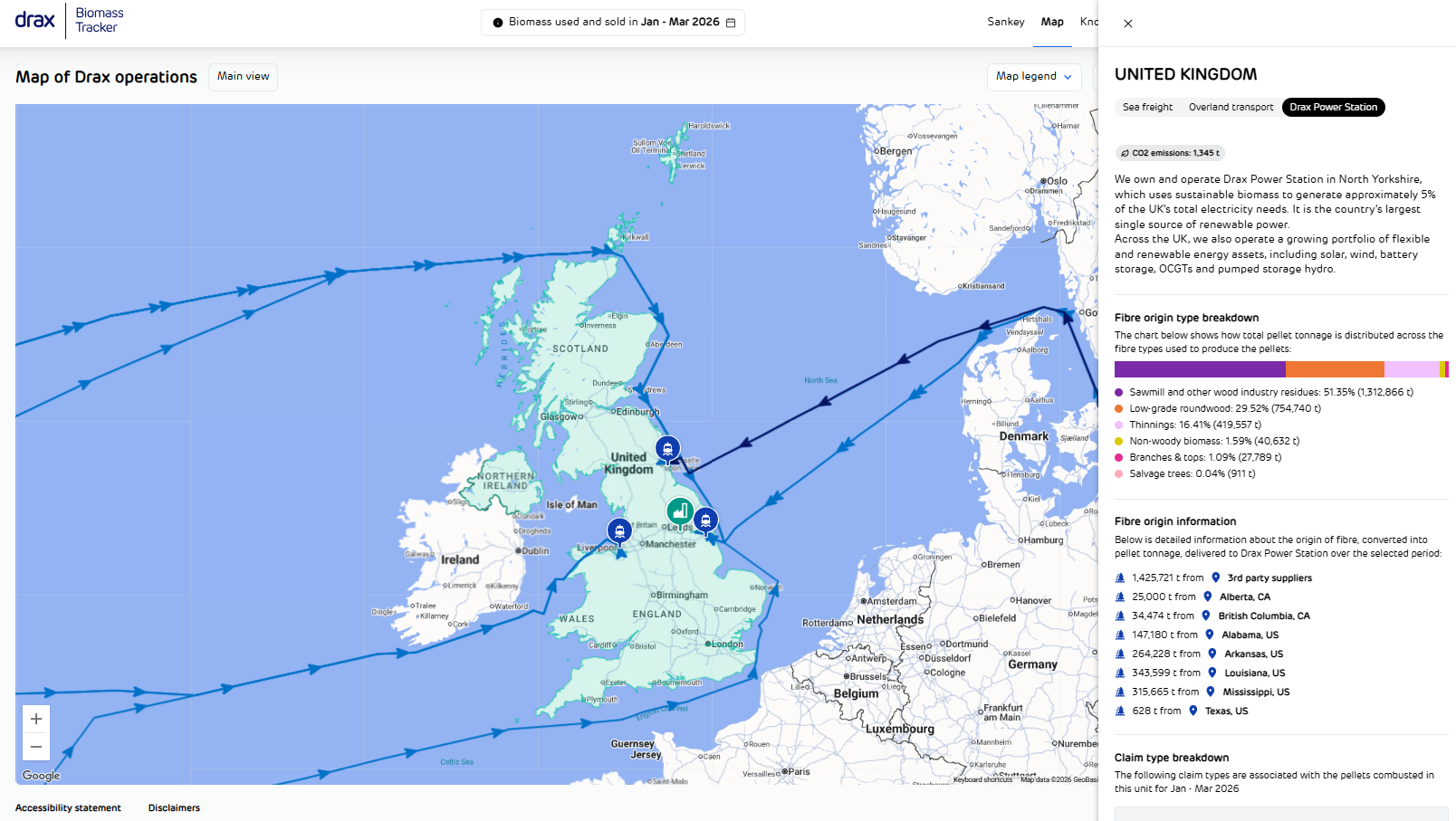
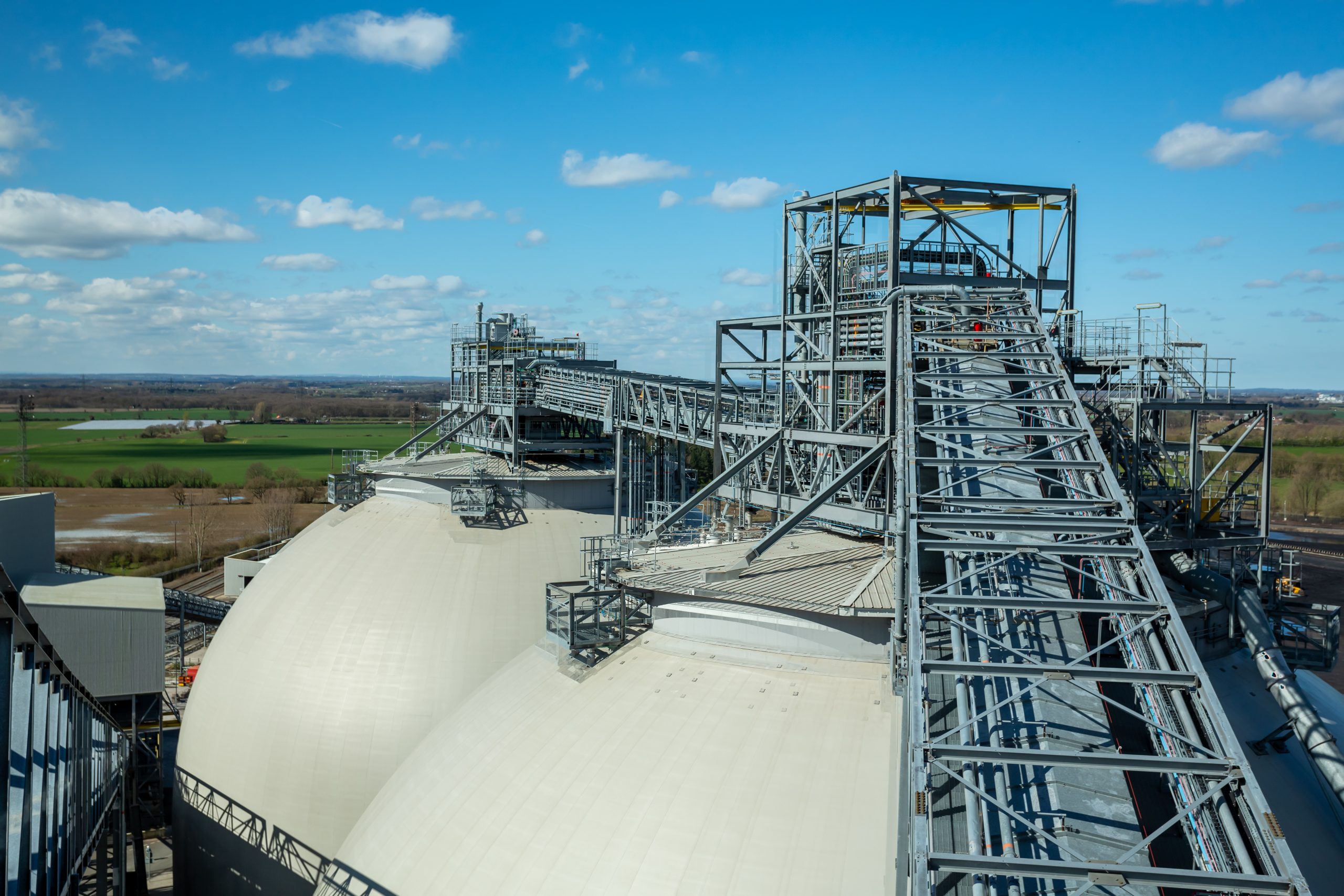
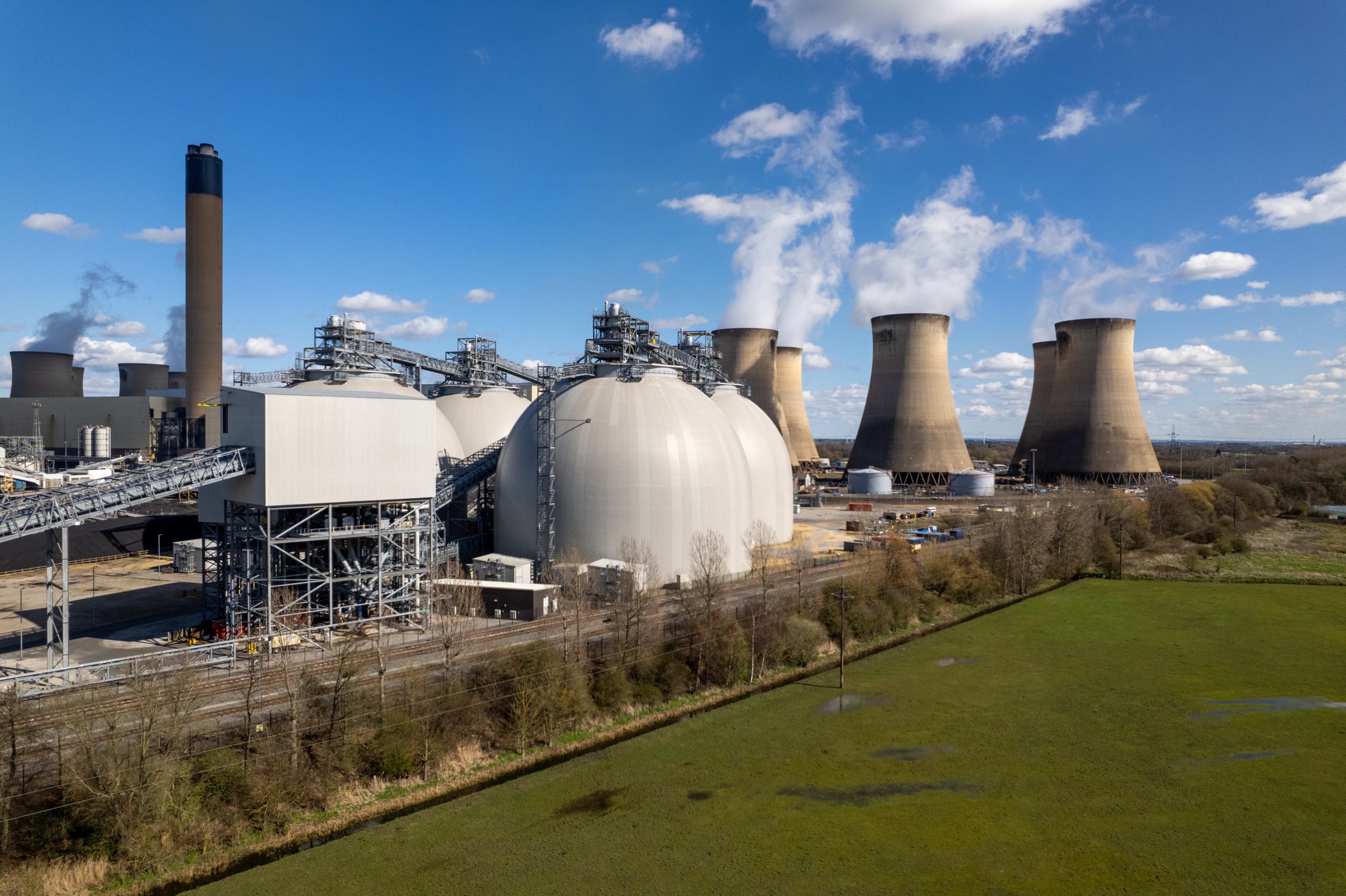
“The inclusion of BECCS at the top of a priority use framework is a clear signal that the UK wants to be a leader in carbon removals and Drax is ready to deliver on this ambition. We are engaged in formal discussions with the UK Government about the project and, providing these are successful, we plan to invest billions in delivering BECCS at Drax Power Station in North Yorkshire, simultaneously providing reliable, renewable power and carbon removals.

“We look forward to working alongside the Government to ensure biomass is best used to contribute to net zero across the economy, through further progression of plans for BECCS and ensuring an evidence-driven, best practice approach to sustainability.”

A priority role for BECCS

The Strategy reiterates the Government’s ambition to deliver 5Mt pa of carbon removals by 2030, with the potential for this to increase to 23Mt by 2035 and up to 81Mt by 2050, with BECCS expected to provide the majority of the total in 2050.

In the period to 2035 Government intends to facilitate the use of biomass for power and heating, whilst supporting projects transitioning to BECCS. BECCS projects, which includes Drax Power Station, are seen as a priority use of biomass given existing generation assets with established supply chains and Carbon Capture and Storage (CCS) technology ready to be deployed. Beyond 2035 there will remain a role for biomass without BECCS in harder to decarbonise sectors and in supporting energy security.

The Strategy notes the active work in government to support BECCS, including the development of business models.

Biomass availability and sustainability

The Strategy considers the global availability of sustainable biomass, finding that by using domestic and imported biomass sources there is sufficient material to meet estimated future demand in the 6th Carbon Budget.

Alongside the increased use of sustainable biomass, Government will continue to develop sustainability criteria and Drax supports the development of robust standards across sectors.

A link to the Strategy can be found here.

Scientific assessment of carbon removals from BECCS

Alongside publication of the Strategy, the Government has published an evidence-based assessment of BECCS as a route to negative emissions. The report sets out how “well regulated” BECCS can deliver negative emissions and ensure positive outcomes for people, the environment, and the climate.

BECCS at Drax Power Station

In March 2023, the Government confirmed its commitment to support the deployment of large-scale Power-BECCS projects by 2030 and that the Drax Power Station BECCS project had passed the deliverability assessment for the Power-BECCS project submission process.

Formal bilateral discussions with the Government are ongoing to move the project forward and help realise the Government’s ambition to deliver 5Mt pa of carbon removals by 2030. These discussions include a bridging mechanism between the end of the current renewable schemes in 2027 and the commissioning of BECCS at Drax Power Station.

Drax believes that BECCS at Drax Power Station is the only project in the UK that can enable the Government to achieve this ambition, in addition to the large-scale renewable power and system support services it provides to the UK power system.

In July 2023, the Government designated the Viking CCS cluster as a Track 2 cluster. Progressing a CO2 transport and storage network in the Humber represents a significant step toward helping the region meet its net zero ambitions and ensuring that it remains a source of high-skilled jobs and energy security for decades to come. Along with the East Coast Cluster, Viking creates an additional potential pathway to support BECCS at Drax Power Station.

The Government has also confirmed that during 2023 it will set out a process for the expansion of its wider CCS programme for individual projects, including BECCS (Track 1 expansion and Track 2).

Enquiries:

Drax Investor Relations:

Mark Strafford
+44 (0) 7730 763 949

Media:

Drax External Communications:

Chris Mostyn
+44 (0) 7548 838 896

Sloan Woods
+44 (0) 7821 665 493

END

Half year results for the six months ended 30 June 2022

RNS Number: 6883T
Drax Group plc
(“Drax” or the “Group”; Symbol:DRX)

Six months ended 30 JuneH1 2022H1 2021
Key financial performance measures
Adjusted EBITDA (£ million)(1)(2)225186
Continuing operations225165
Discontinued operations – gas generation-21
Net debt (£ million)(3)1,1011,029
Adjusted basic EPS (pence)(1)20.014.6
Interim dividend (pence per share)8.47.5
Total financial performance measures from continuing operations
Operating profit (£ million)20784
Profit before tax (£ million)20052

Drax CEO, Will Gardiner [click to view/download]

Will Gardiner, CEO of Drax Group, said:

“As the UK’s largest generator of renewable power by output, Drax plays a critical role in supporting the country’s security of supply. We are accelerating our investment in renewable generation, having recently submitted planning applications for the development of BECCS at Drax Power Station and for the expansion of Cruachan Pumped Storage Power Station.

“As a leading producer of sustainable wood pellets we continue to invest in expanding our pellet production in order to supply the rising global demand for renewable power generated from biomass. We have commissioned new biomass pellet production plants in the US South and expect to take a final investment decision on up to 500,000 tonnes of additional capacity before the end of the year.

“As carbon removals become an increasingly urgent part of the global route to Net Zero, we are also making very encouraging progress towards delivering BECCS in North America and progressing with site selection, government engagement and technology development.

“In the UK and US we have plans to invest £3 billion in renewables that would create thousands of green jobs in communities that need them, underlining our position as a growing, international business at the heart of the green energy transition.”

Financial highlights

  • Adjusted EBITDA £225 million up 21% (H1 2021: £186 million)
  • Strong liquidity and balance sheet – £539 million of cash and committed facilities at 30 June 2022
    • Expect to be significantly below 2 times Net Debt to Adjusted EBITDA by the end of 2022
  • Sustainable and growing dividend – expected full year dividend up 11.7% to 21.0 p/share (2021: 18.8 p/share)
    • Interim dividend of 8.4 p/share (H1 2021: 7.5 p/share) – 40% of full year expectation

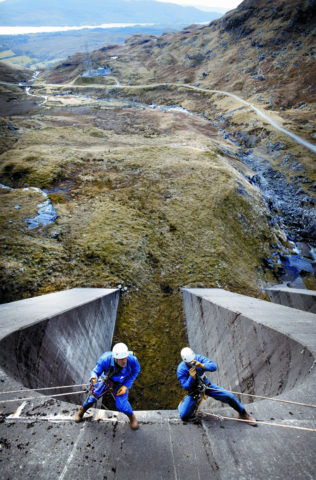
Engineers at Cruachan Power Station

Progress with strategy in H1 2022

  • To be a global leader in sustainable biomass – targeting 8Mt of capacity and 4Mt of sales to 3rd parties by 2030
    • Addition of 0.4Mt of operational pellet production capacity
    • New Tokyo sales office opened July 2022
  • To be a global leader in negative emissions
    • BECCS – UK – targeting 8Mt of negative emissions by 2030
    • Planning application submitted and government consultation on GGR business models published with power BECCS business model consultation expected “during the summer”
    • BECCS – North America – targeting 4Mt of negative emissions by 2030
    • Ongoing engagement with policy makers, screening of regions and locations for BECCS
  • To be a leader in UK dispatchable, renewable power
    • >99% reduction in scope 1 and 2 emissions from generation since 2012
    • UK’s largest generator of renewable power by output – 11% of total
    • Optimisation of biomass generation and logistics to support security of supply at times of higher demand
    • Planning application submitted for 600MW expansion of Cruachan and connection agreement secured

Outlook for 2022

  • Expectations for full year Adjusted EBITDA unchanged from 6 July 2022 update which reflected optimisation of biomass generation and logistics to support UK security of supply this winter when demand is high, a strong pumped storage performance and agreement of a winter contingency contract for coal

Future positive – people, nature, climate

  • People
    • Diversity and inclusion programme – inclusive management, promoting social mobility via graduates, apprenticeships and work experience programmes
    • Continued commitment to STEM outreach programme

An apprentice working in the turbine hall at Drax Power Station, North Yorkshire

  • Nature and climate
    • Science-based sustainability policy fully compliant with current UK and EU law on sustainable sourcing and aligned with UN guidelines for carbon accounting
    • Biomass produced using sawmill and forest residuals, and low-grade roundwood, which often have few alternative markets and would otherwise be landfilled, burned or left to rot, releasing CO2 and other GHGs
    • Increase in sawmill residues used by Drax to produce pellets – 67% of total fibre (FY 2021: 62%)
    • 100% of woody biomass produced by Drax verified against SBP, SFI, FSC®(4) or PEFC Chain of Custody certification with third-party supplier compliance primarily via SBP certification

Operational review

Pellet Production – increased production, flexible operations to support UK generation, addition of 0.4Mt of capacity 

  • Adjusted EBITDA up 13% to £45 million (H1 2021: £40 million)
    • Pellet production up 54% to 2.0Mt (H1 2021: 1.3Mt) (including Pinnacle since 13 April 2021)
  • Addition of c.0.4Mt of new production capacity
    • Commissioning of Demopolis and Leola, expect to reach full production capacity in H2 2022
  • Total $/t cost of $146/t(5) – 2% increase on 2021 ($143/t(5))
    • Increase in utility costs in Q2-22 (>20% increase)
    • Fuel surcharge – barge and rail to port (> 10% increase)
    • Commissioning costs at Demopolis and Leola plants
    • Net reduction in other costs, inclusive of optimisation of supply chain to meet reprofiling of Generation
    • No material change in fibre costs
  • Areas of focus for further savings – wider range of sustainable biomass fibre, continued focus on operational efficiency and improvement, capacity expansion, innovation and technology
  • Continue to target final investment decision on up to 0.5Mt of new capacity in H2 2022

Generation – increased recognition of value of long-term security of supply from biomass and pumped storage

  • Adjusted EBITDA from continuing operations £205 million up 24% (H1 2021: £165 million)
    • Optimisation of biomass generation and logistics to support security of supply at times of higher demand
    • Summer – lower power demand, lower power generation and sale of reprofiled biomass
    • Winter – maximise biomass deliveries to support increased generation at times of higher demand
    • Four small, planned biomass outages completed in H1, supporting higher planned generation in H2-22
    • Strong portfolio system support performance (balancing mechanism, ancillary services and optimisation)
    • Higher cost of sales – logistics optimisation, biomass and system costs
  • Six-month extension of coal at request of UK government – winter contingency contract for security of supply
    • Closure of coal units in March 2023 following expiration of agreement with ESO at end of March 2023
    • Fixed fee and compensation for associated costs, including coal
    • Remain committed to coal closure and development of BECCS, with no change to expected timetable
  • As at 21 July 2022, Drax had 25.4TWh of power hedged between 2022 and 2024 on its ROC and hydro generation assets at an average price of £95.9/MWh, with a further 2.3TWh equivalent of gas sales (transacted for the purpose of accessing additional liquidity for forward sales from ROC units and highly correlated to forward power prices) plus additional sales under the CfD mechanism
Contracted power sales 21 July 2022202220232024
ROC (TWh(6))11.78.84.5
Average achieved £ per MWh87.298.3109.5
Hydro (TWh)0.30.1-
-Average achieved £ per MWh133.1242.0-
Gas hedges (TWh equivalent)(0.1)0.51.9
-Pence per therm361.0145.8135.0
Lower expected level of ROC generation in 2023 due to major planned outages on two units

Customers – renewable power under long-term contracts to high-quality I&C customers and decarbonisation products

  • Adjusted EBITDA of £24 million (H1 2021: £5 million loss) – continued improvement following impact of Covid-19
    • principally in the SME business
    • Includes benefit of excess contracted power sold back into merchant market
  • Continued development of Industrial & Commercial (I&C) portfolio
    • 9TWh of power sales – 21% increase compared to H1 2021 (5.7TWh)
    • Focusing on key sectors to increase sales to high-quality counterparties supporting generation route to market
    • Energy services to expand the Group’s system support capability and customer sustainability objectives
  • SME – increasingly stringent credit control in SME business to reflect higher power price environment

Other financial information

  • Total operating profit from continuing operations of £207 million (H1 2021: £84 million), including £130 million mark-to-market gain on derivative contracts and £27 million of exceptional costs
  • Total profit after tax from continuing operations of £148 million includes an £8 million non-cash charge from revaluing deferred tax balances following confirmation of UK corporation tax rate increases from 2023 (H1 2021: £6 million loss including a £48 million non-cash charge from revaluing deferred tax balances)
  • Capital investment of £60 million (H1 2021: £71 million) – primarily maintenance
    • Full year expectation of £290–£310 million, includes £120 million for Open Cycle Gas Turbine projects, £20 million BECCS FEED and site preparation, and £10 million associated with new pellet capacity, subject to final investment decision (FID)
  • Depreciation and amortisation of £121 million (H1: £89 million) reflects inclusion of Pinnacle for a full six months, plant upgrades and accelerated depreciation of certain pellet plant equipment in line with planned capital upgrades
  • Group cost of debt below 3.6%
  • Cash Generated from Operations £185 million (H1 2021: £138 million)
  • Net Debt of £1,101 million (31 December 2021: £1,044 million), including cash and cash equivalents of £288 million (31 December H1 2021: £317 million)
    • Continue to expect Net Debt to Adjusted EBITDA significantly below 2 times by end of 2022, reflecting optimisation of generation and logistics to deliver higher levels of power generation and cash flows in H2 2022

View complete half year report

View Investor Presentation

Webcast Live Event

Supporting a circular economy in the forests

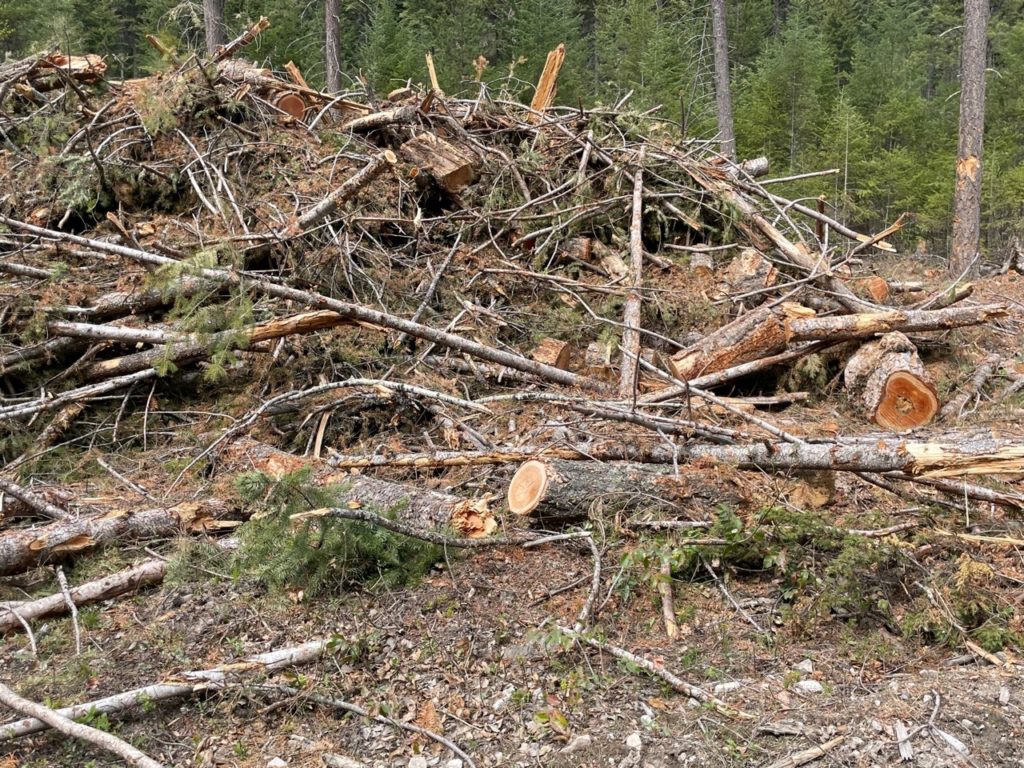
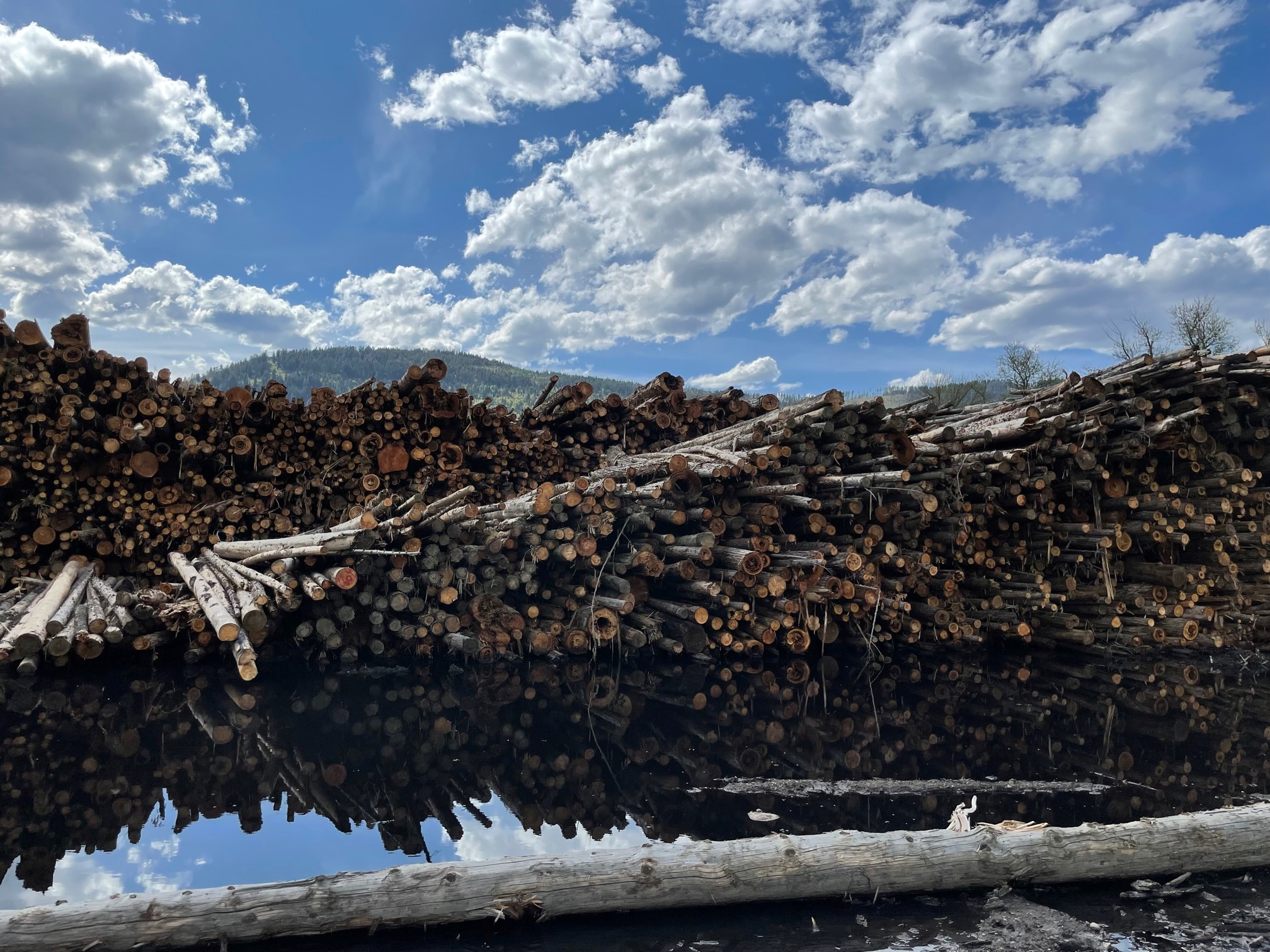
Every year in British Columbia, millions of tonnes of waste wood – known in the industry as slash – is burned by the side of the road.

Land managers are required by law to dispose of this waste wood – that includes leftover tree limbs and tops, and wood that is rotten, diseased and already fire damaged – to reduce the risks of wildfires and the spread of disease and pests.

The smoke from these fires is choking surrounding communities – sometimes “smoking out entire valleys,” air quality meteorologist from BC’s Environment Ministry Trina Orchard recently told iNFOnews.ca.

It also impacts the broader environment, releasing some 3 million tonnes of CO2 a year into the atmosphere, according to some early estimates.

Slash pile in British Columbia

Landfilling this waste material from logging operations isn’t an option as it would emit methane – a greenhouse gas that is about 25 times more potent than CO2. So you can see why it ends up being burned.

In its Modernizing Forest Policy in BC, the government has already identified its intention to phase out the burning of this waste wood left over after harvesting operations and is working with suppliers and other companies to encourage the use of this fibre.

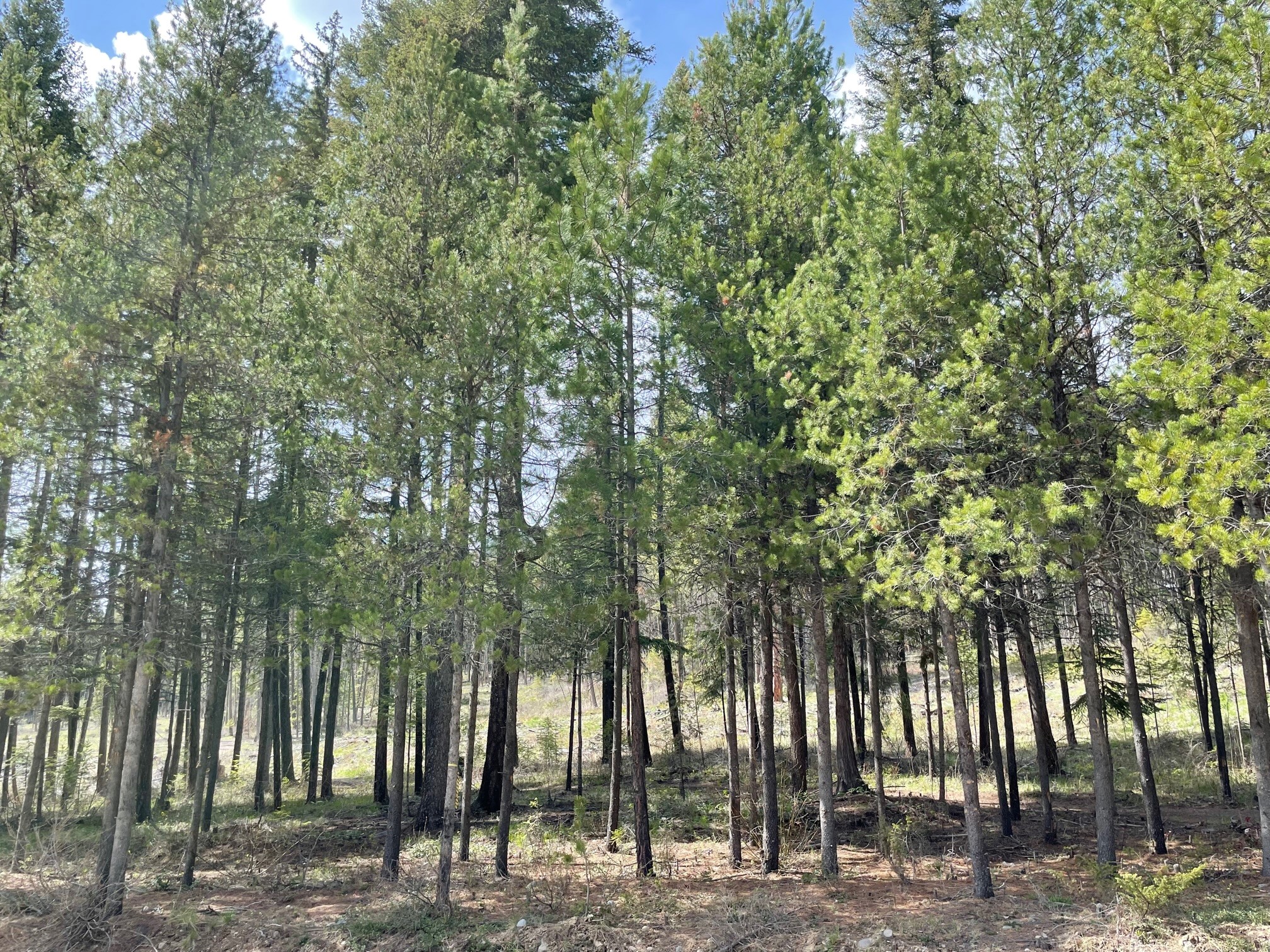
This is a very positive move as this material must come out of the forests to reduce the fuel load that can help wildfires grow and spread to the point where they can’t be controlled, let alone be extinguished.

The wildfire risk is real and growing. Each year more forests and land are destroyed by wildfire, impacting communities, nature, wildlife and the environment.

In the past two decades, wildfires burned two and a half times more land in BC than in the previous 50-year period. According to very early estimates, emissions from last year’s wildfires in the province released around 150 million tonnes of CO2 – equivalent to around 30 million cars on the road for a year.

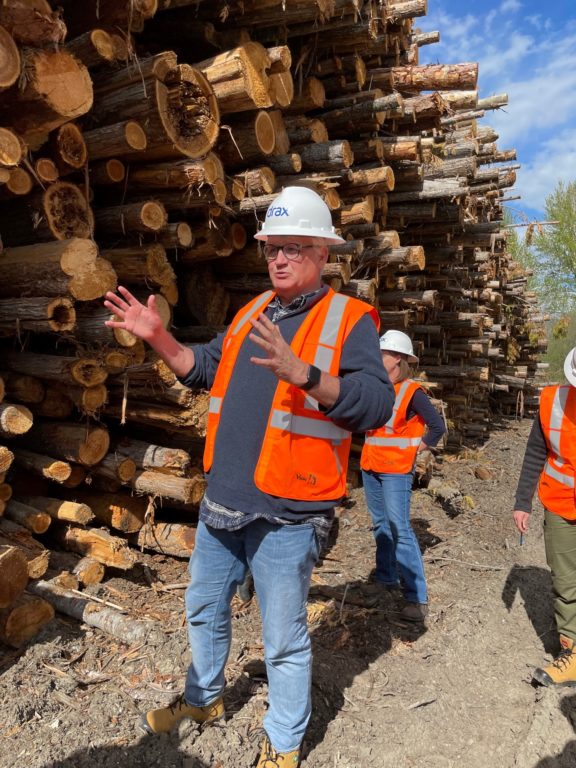
Alan Knight at the log yard for Lavington Pellet Mill in British Columbia

During my recent trip to British Columbia in Canada, First Nations, foresters, academics, scientists and government officials all talked about the burning piles of waste wood left over after logging operations.

Rather than burning it, it would be far better, they say, to use more of this potential resource as a feedstock for pellets that can be used to generate renewable energy, while supporting local jobs across the forestry sector and helping bolster the resilience of Canada’s forests against wildfire.

I like this approach because it brings pragmatism and common sense to the debate over Canada’s forests from the very people who know the most about the landscape around them.

Burning it at the roadside is a waste of a resource that could be put to much better use in generating renewable electricity, displacing fossil fuels, and it highlights the positive role the bioenergy industry can play in enhancing the forests and supporting communities.

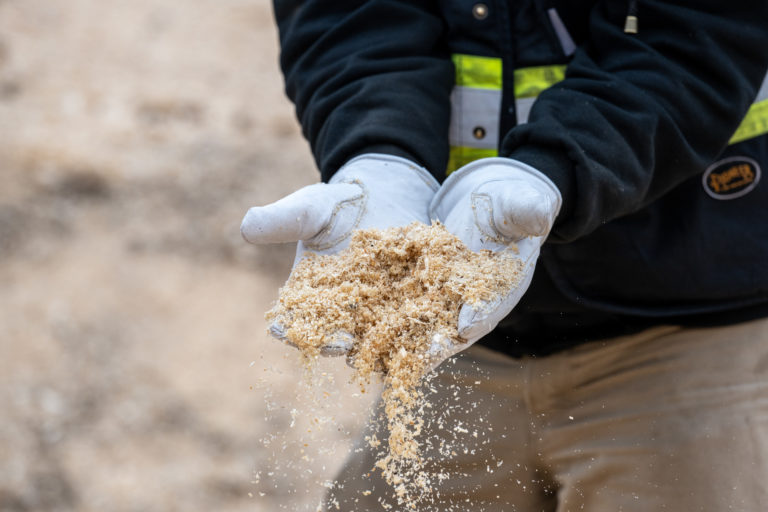
Drax is already using some of this waste wood – which I saw in the log yard for our Lavington Pellet mill in British Columbia. This waste wood comprises around 20% of our feedstock. The remaining 80% comes from sawmill residues like sawdust, chips and shavings.

Waste wood for pellets at Lavington Pellet Mill log yard

It’s clear to me that using this waste material that has little other use or market value to make our pellets is an invaluable opportunity to deliver real benefits for communities, jobs and the environment while supporting a sustainable circular economy in the forestry sector.

Enviva Cottondale pellet plant catchment area analysis

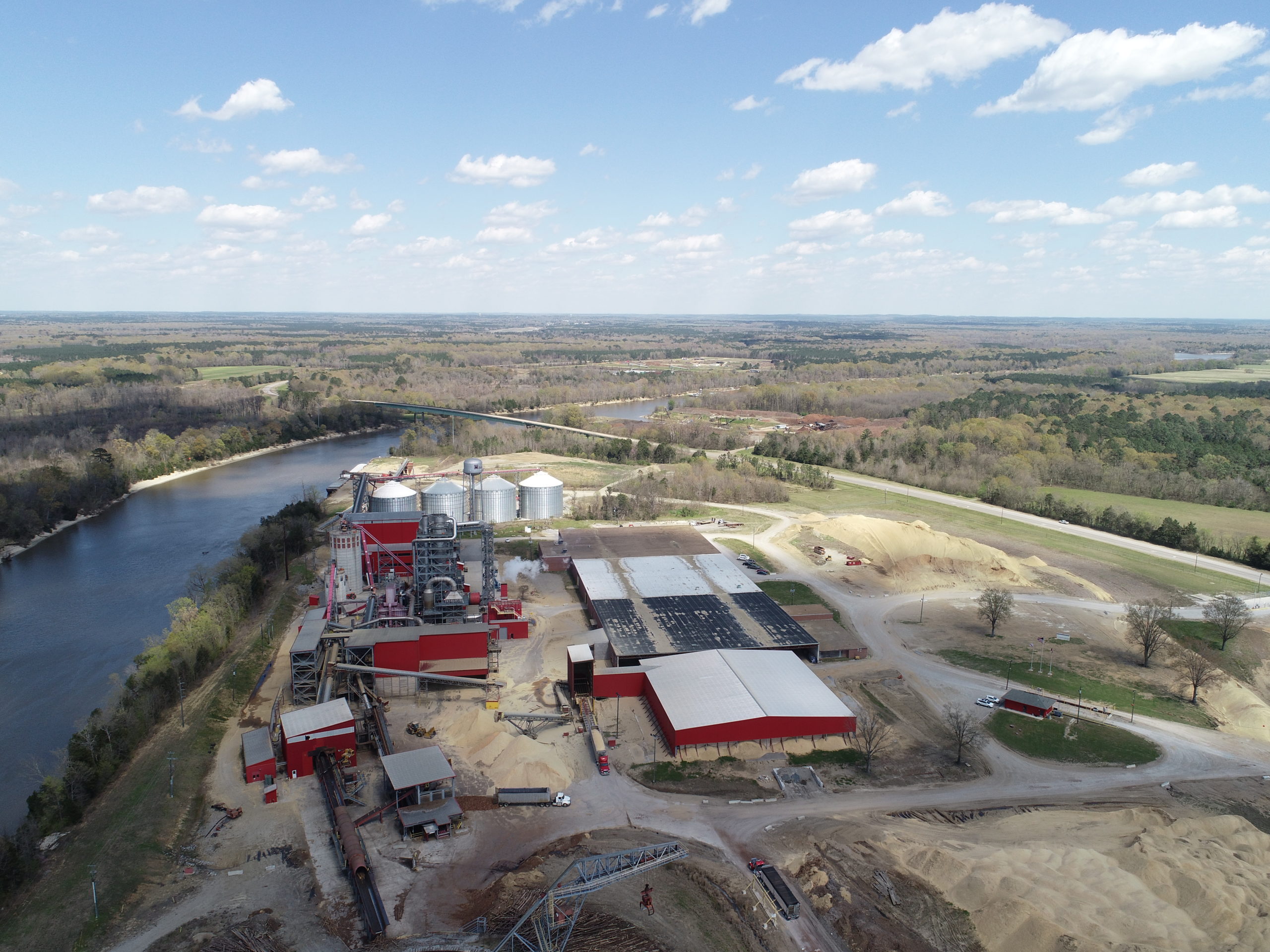
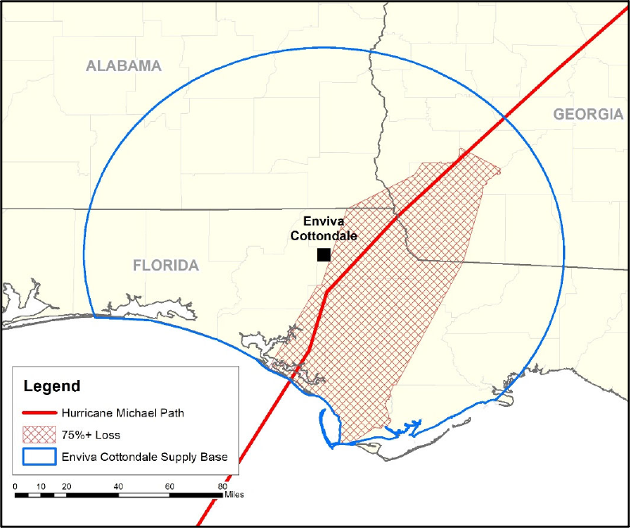
The Enviva Cottondale pellet mill has a production capacity of 760,000 metric tonnes of wood pellets annually. Raw material used by the mill includes a combination of roundwood, chips, and secondary residuals (i.e., sawdust and shavings), with pine accounting for 80‐90% of total feedstock. In October 2018, Hurricane Michael passed through the centre of the Cottondale catchment area, causing significant damage to the forest resource with more than 500,000 hectares (ha) of forestland destroyed and an estimated loss of 42 million m3of timber (equivalent to around 4 times the UK annual production of roundwood).

This event has had an impact on the data trends for forest inventory, growth and harvesting removals – as harvesting levels were increased to salvage as much timber as possible before it became unusable due to decay. This can be clearly seen in many of the charts below. However, these forest areas have been restored and now continue to grow, allowing the catchment area to return to its pre-hurricane trends in the medium term.
Forest Area 

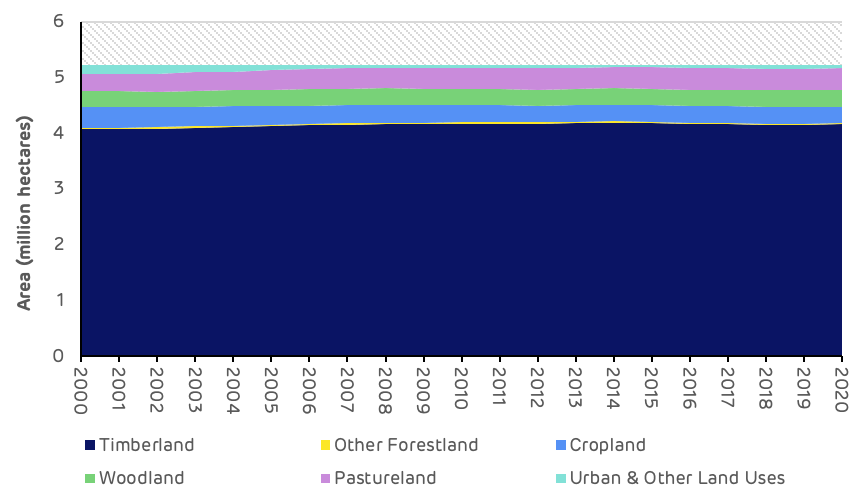
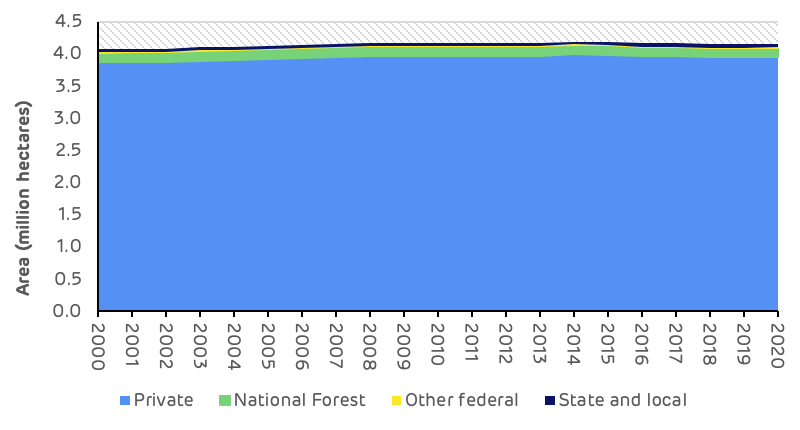
The catchment area around Enviva’s Cottondale pellet mill includes 4.3 million ha of land, based on the historical feedstock sourcing patterns of the mill. Timberland represents 68.7% (2.95 million ha) of the total land area in the Cottondale catchment area, this has increased slightly since 2000 from 67.8% and can be considered to have remained stable over this time period.  There are also around 300,000 ha of woodland (associated with agricultural land) and around 800,000 ha of cropland and pastureland.  Forestry is the dominant land use in this catchment area (Figure 1).
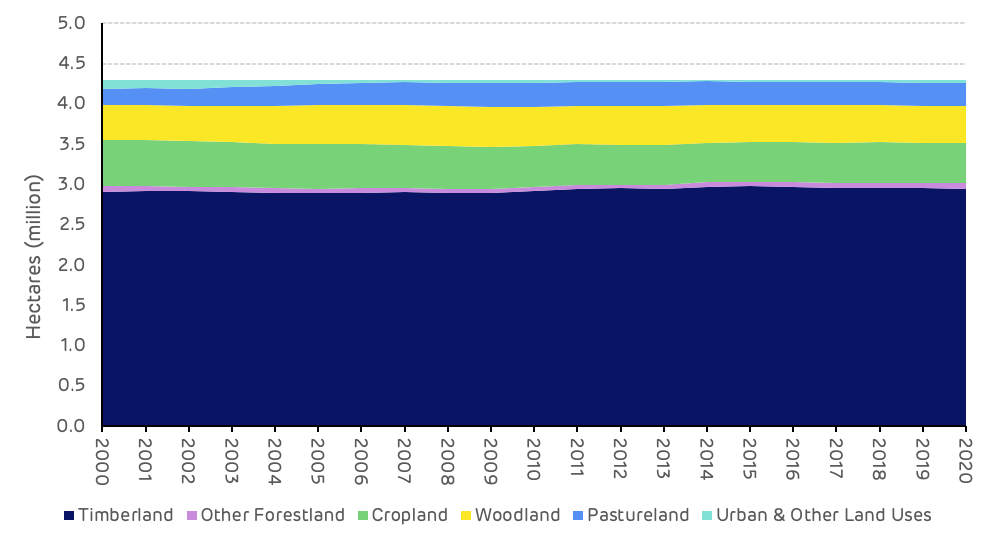
Figure 1: Land area by usage

Planted pine represents 33% of the timberland area, natural pine 20%, with 10% mixed stands and the remainder being hardwood forest of which 94% is naturally regenerated (Figure 2).  The breakdown of forest type and species composition has remained relatively stable and largely unchanged over the last 20 years, in contrast to other parts of the US South where some natural pine stands have been converted to planted pine. The pine and mixed forest areas are actively managed and produce the majority of the timber harvest in the catchment area. Despite the large area of hardwood forest, management and timber production is limited. Much of this area is classified as bottomland hardwood located alongside rivers, streams, and creeks and in streamside management zones (SMZs), which restricts active management. In addition, the proportion of this catchment area located in Florida contains a large area of swampland, which is largely composed of hardwoods and cannot be actively managed for timber production and is recognised as having important ecological value.
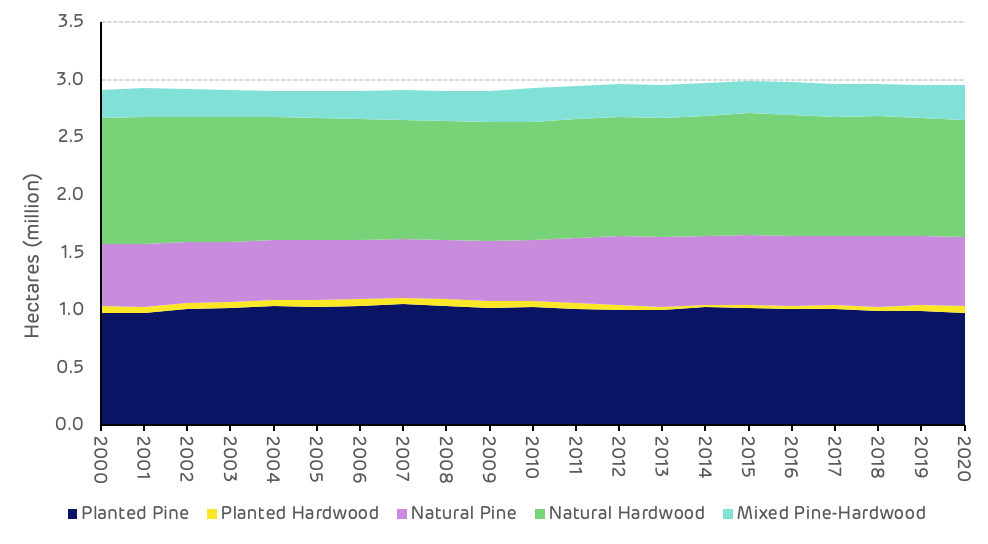
Figure 2: Breakdown of forest type

Volume and Growth

The overall trend of volume and growth in the Cottondale catchment area is of a maturing forest resource and an increasing accumulation of standing volume, particularly in the larger forest product classes (saw-timber and chip-n-saw). Figure 3 shows that total standing volume increased by 64 million m3 from 2000 to 2018, with the largest increases in the pine saw-timber and chip-n-saw categories. In 2018, the devastating impact of Hurricane Michael caused a substantial reduction in the standing volume across every product category with the total standing volume being reduced by 42 million m3. This event has had a significant impact on the forest resource and is a primary cause of recent data trends.

However, the overall long-term trend in the catchment area is of maturing forest and increasing inventory. This should continue in the long-term once the impact of the hurricane damage has been managed and replacement forest areas begin to mature.
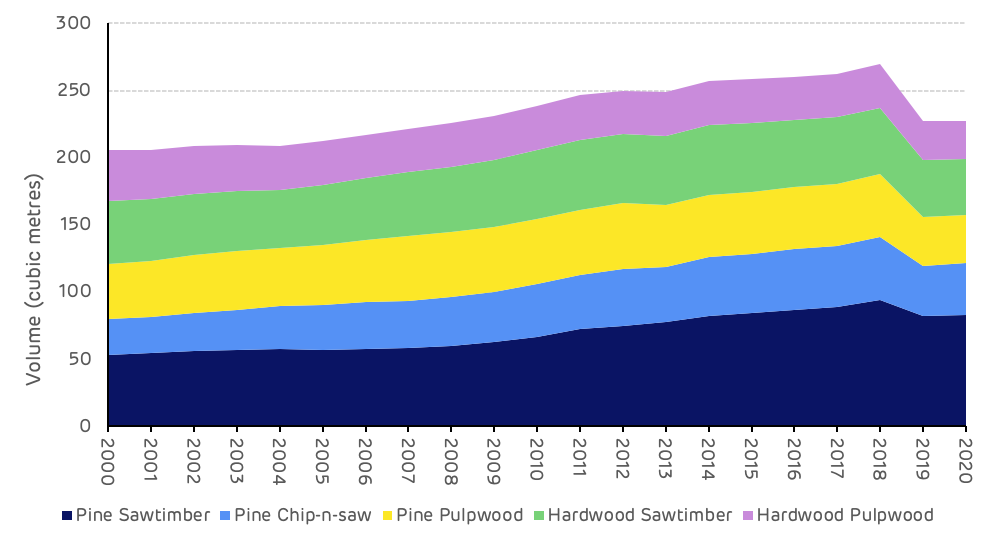
Figure 3: Standing volume by product category

Pine pulpwood inventory increased steadily by around 8 million m3 from 2000 to 2013, reaching a peak of 49 million m3. This then declined slightly to 46 million m3 in 2018 due to the maturing age class of the forest and pulpwood forest growing into the larger size class of chip-n-saw and saw-timber forest (Figure 4), in addition to an increase in pulpwood demand as biomass markets became operational and ramped up production. Following the hurricane in 2018, the pine pulpwood inventory dropped by more than 10 million m3. 

Replanting and reforestation of damaged areas will ensure that future pine pulpwood production will increase again once these forests start to mature.

In the period from 2000 to 2018 pine sawtimber standing volume increased by 41.5 million m3 (78%) and chip-n-saw by 19.6 million m3 (73%), indicating a maturing age class and a growing forest resource. The 2018 hurricane caused a reduction in standing volume in both of these product categories of 11.6 and 8 million m3respectively (12% and 17% of the 2018 volume). However, the increasing trend is likely to continue once the forest area recovers.
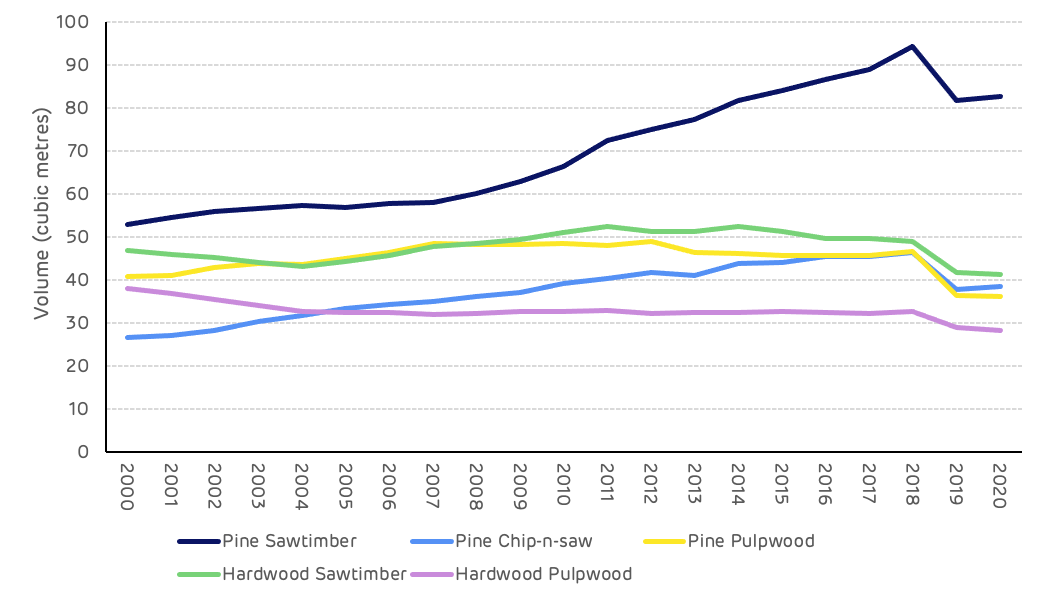
Figure 4: Standing volume by product category

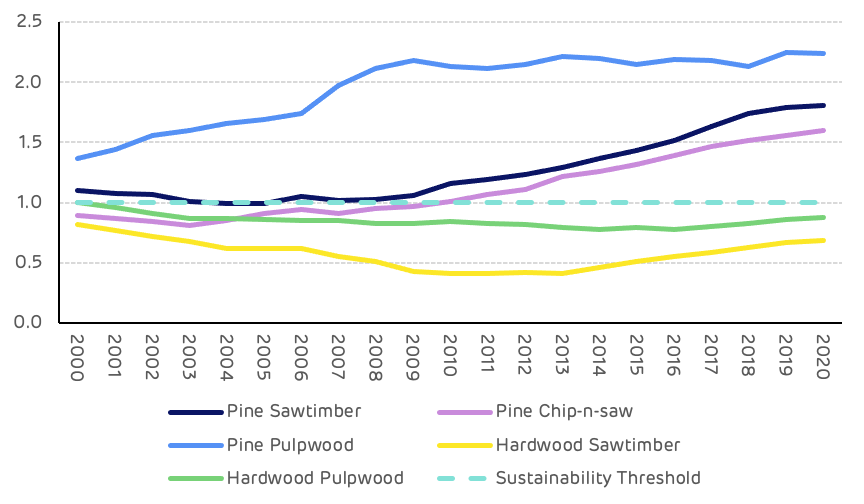
The growth drain ratio (GDR) is the comparison of average annual growth to removals (typically harvesting), where the growth exceeds removals the GDR will be in excess of 1 and this is considered sustainable, where removals exceed growth then the GDR will be less than 1 and this is not sustainable if maintained in the long-term – although in the short-term this can be a factor of large areas of mature forest with low growth rates and high rates of harvesting, short periods of high demand for a particular product or salvage harvesting after a natural disturbance. The GDR should be considered over a longer time period to ensure it reflects the long-term trend. In the period from 2003 to 2020 the combined GDR for pine products averaged 1.52 with a high of 1.84 and a low of 1.08 (Figure 5).
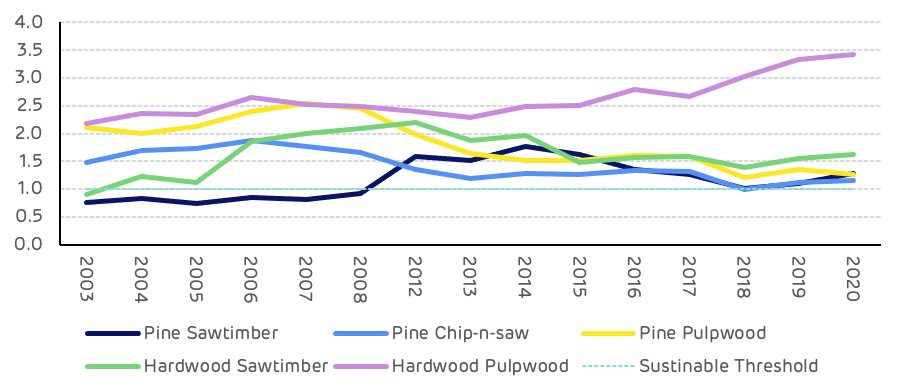
Figure 5: Growth to drain ratio by product category

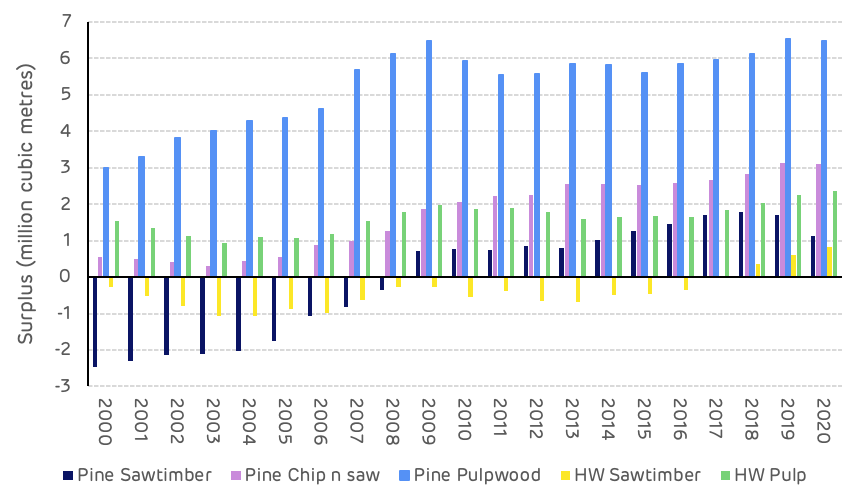
The maturing forest resources can be clearly seen from the growth to removals data for each product category. Average tree sizes getting larger and more pulpwood class stands moving into the larger saw-timber and chip-n-saw categories. This trend can be seen by comparing the data values from 2003 and 2018 where saw-timber average annual growth increased by 90% (1.6 million m3), and removals by 41% (0.98 million m3).  Chip-n-saw growth increased by 73% (1.3 million m3) whilst removals increased by 160% (1.9 million m3). Pulpwood growth decreased by 7.5% (0.4 million m3) whilst removals increased by 63% (1.6 million m3).  Over this time period the total annual surplus of pine growth compared to removals averaged 3.7 million m3 per year (Figure 6).
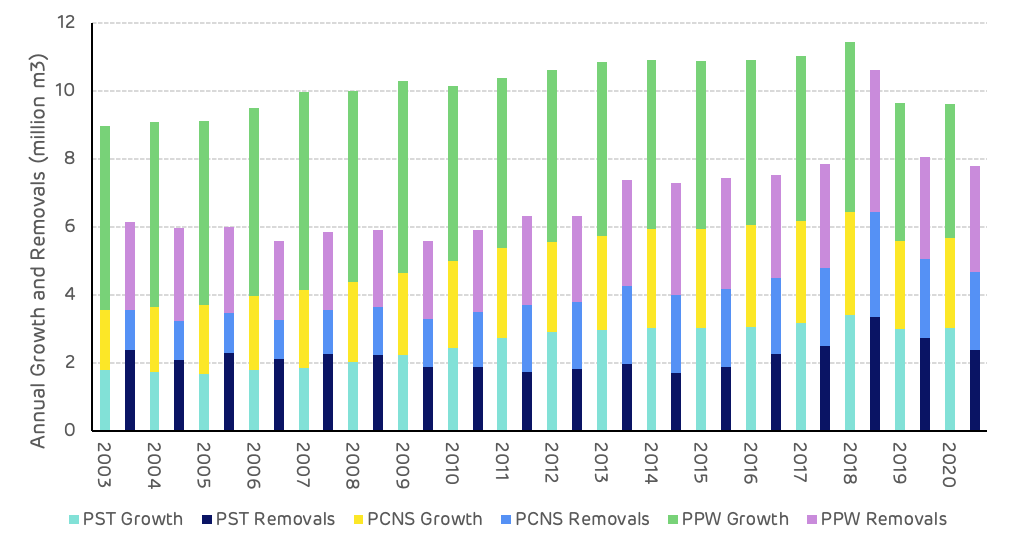
Figure 6: Pine growth and removals by product category and year

Hardwood saw-timber and pulpwood removals declined by 20% and 40% respectively between 2000 and 2018, whilst growth increased by 23% for hardwood saw-timber and declined by 16% for hardwood pulpwood. The average annual hardwood surplus over this time period was 1.5 million m3 per year (Figure 7).
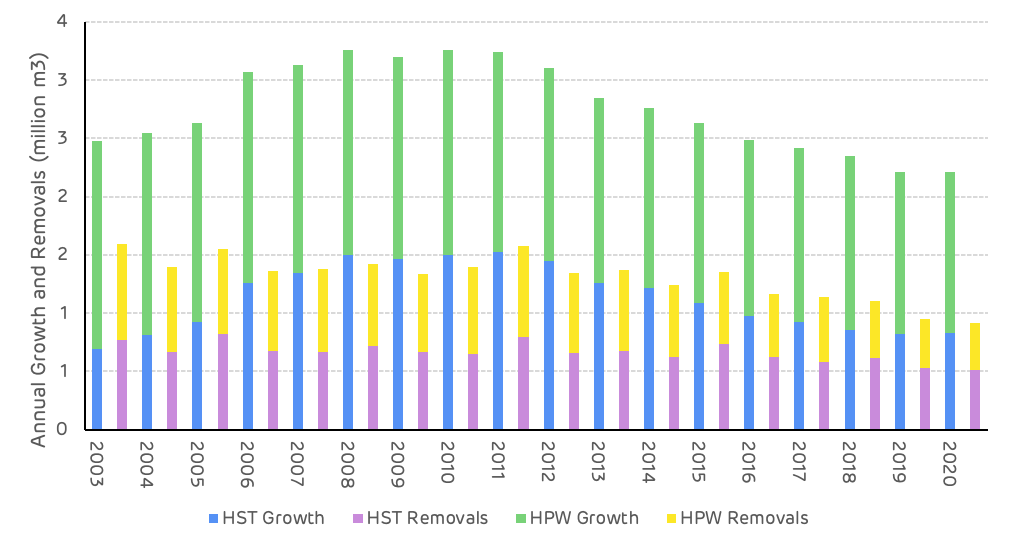
Figure 7: Hardwood growth and removals by product category and year

Despite a short-term imbalance in some product categories, the overall surplus of pine growth compared to removals has remained strong, with an average of 3.3 million m3 between 2000 and 2020, which includes the increased salvage harvesting in 2018 (Figure 8).
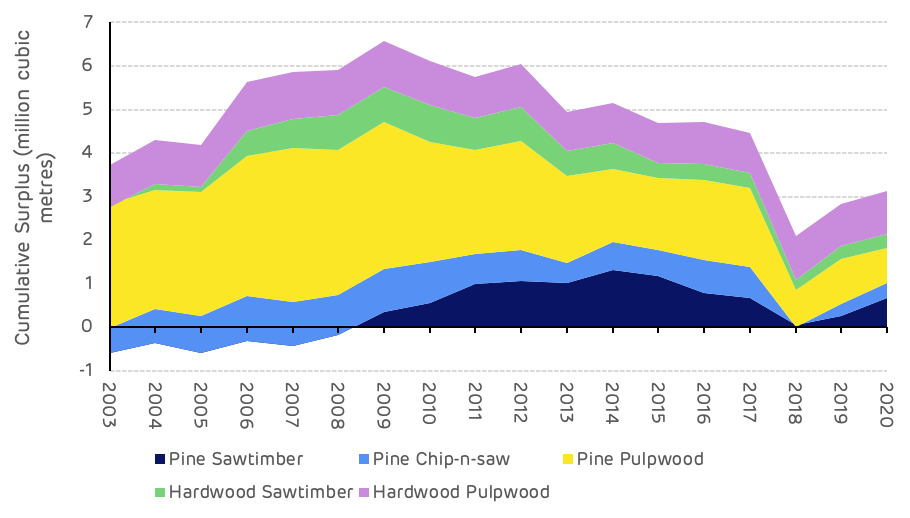
Figure 8: Cumulative annual surplus of growth compared to removals

Wood Prices

Stumpage price is the value paid to the forest owner for each category of product at the time of harvesting. The variation in prices in the Cottondale catchment area has been significant and shows some interesting trends. The higher value pine products (saw-timber and chip-n-saw) began with high stumpage values in 2000, as markets were strong for construction and furniture grade timber and supply limited at that stage due to the young age class and predominance of pulpwood stands at that time.  In 2008, following the global economic crisis and the crash in housing and construction markets, saw-timber prices declined substantially reaching a low of $23 per ton, a 47% decline from the 2000 price. This stumpage price has never recovered, despite an improvement in the economy and an increase in housing starts and demand for structural timber. The reason for the continued deflated saw-timber stumpage price is a substantial surplus of supply in this catchment area.  As the forest area has matured and more saw-timber grade stands are available, markets have been able to satisfy demand without an increase in price.

Pine pulpwood prices at Cottondale were lower than the US South-wide average in 2000 and remained relatively low until around 2013. A reduction in saw-timber production, and consequent reduction in mill residuals, due to the recession of 2008, led to a shortage of pulp mill feedstock and increased harvesting of pulpwood stands. This caused an increase in pine pulpwood stumpage values alongside an overall increase in demand as biomass and pellet markets began production around this time. The data shows a short-term spike in pine pulpwood stumpage prices in 2013-14, but this returned to a more normal trend as more saw-timber residues became available and pulpwood stumpage values have been around $10-11 per ton since 2015 (Figure 9).
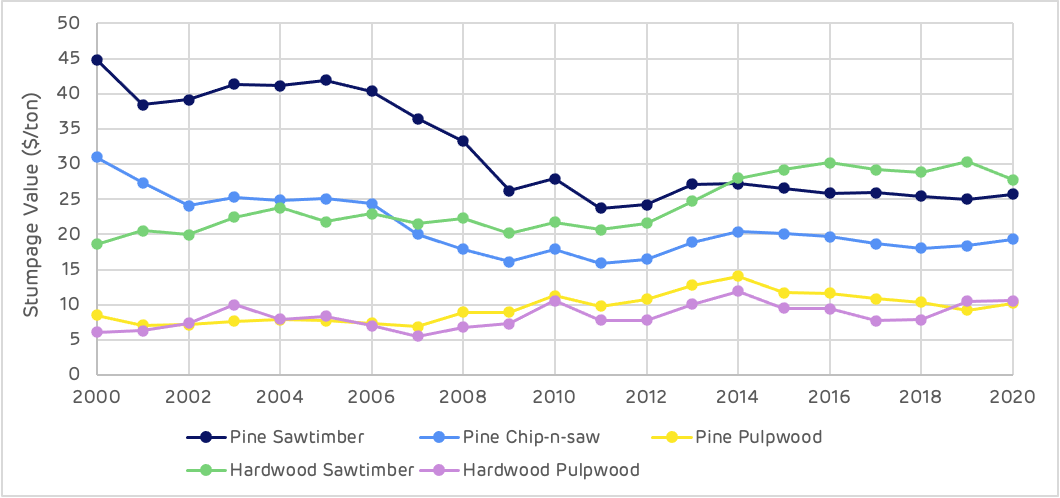
Figure 9: Variation in stumpage value over time

Biomass demand 

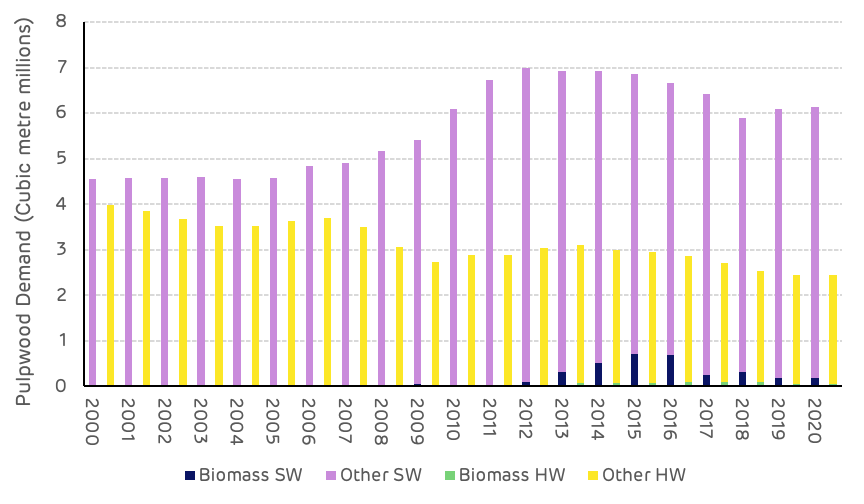
Biomass demand in the Cottondale catchment area began in 2008 and has averaged around 800 thousand m3per year since that time with a high of just over 1 million m3 in 2013 to 2015 and a low of 200 thousand m3 in 2008. Other pulpwood markets have had an average annual demand of 3.97 million m3 between 2000 and 2020 with a high of 4.76 million m3 in 2018 and a low of 3.2 million m3 in 2009.  In 2020 the biomass market represented 16% of the total pulpwood demand in the Cottondale catchment area (Figure 10).
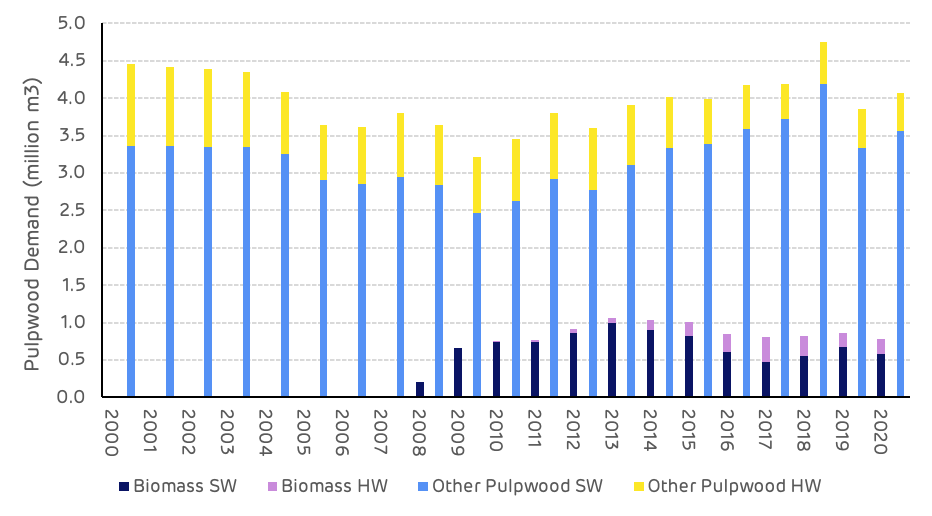
Figure 10: Total pulpwood demand

Forest Management

The average size of clear-cut harvesting sites from 2000 to 2020 has been 47 ha, ranging from 38 ha up to 56 ha. The average size of thinning sites has been 65 ha, ranging from 55 ha up to 76 ha. When isolating the period from 2000 to 2010 and 2011 to 2020, the averages and range remain very similar, suggesting that there has been no significant change in harvesting coupe size over this period.
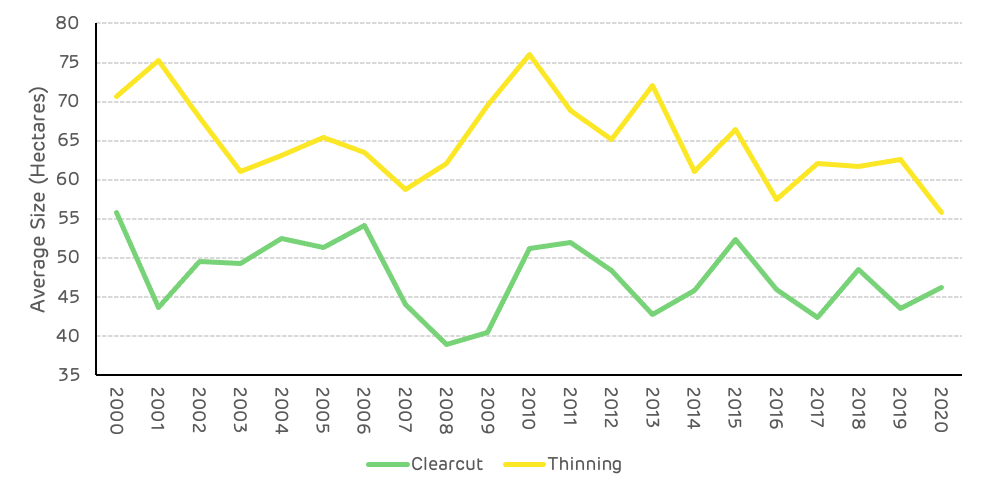
Figure 11: Average size of harvesting sites

The impact of biomass and wood pellet demand on the key metrics in this catchment area are considered below. This is a summary of Hood Consulting’s view on the trends and impacts in the Cottondale catchment area.

Is there any evidence that bioenergy demand has caused the following:

Deforestation?

No. US Forest Service (USFS) data shows a 55,166-hectare (+1.9%) increase in the total area of timberland in the Enviva Cottondale catchment area since the Enviva Cottondale pellet mill commenced production in 2008. Furthermore, a strong positive relationship was identified between biomass demand and timberland area, suggesting that the increase in timberland area since 2008 can be linked, to a degree, to increased demand attributed to bioenergy.

A change in management practices (rotation lengths, thinnings, conversion from hardwood to pine)?

Inconclusive. Changes in management practices have occurred in the catchment area over the last two decades. However, the evidence is inconclusive as to whether increased demand attributed to bioenergy has caused or is responsible for these changes.

Clearcuts and thinnings are the two major types of harvests that occur in this region, both of which are long-standing, widely used methods of harvesting timber. TimberMart-South (TMS) data shows that thinnings accounted for 63% of total reported harvest area in the Cottondale market from 2005-2011 but only 39% of total harvest area reported from 2012-2020. Specifically, the decreased prevalence of thinning since 2012 can be linked to the strengthening of pine pulpwood markets and concurrent weakening of pine sawtimber markets beginning in the mid-2000s.

Prior to the bursting of the US housing bubble in 2006, timber management in this market had been driven to a large degree by pine sawtimber production. However, challenging market conditions saw pine sawtimber stumpages prices decline more than 40% from 2006-2011. At the same time, pine pulpwood markets started to strengthen, with pine pulpwood stumpage prices increasing more than 50% from 2006-2010. So, with sawtimber markets weakening and pulpwood markets strengthening, the data suggests that many landowners decided to alter their management approach (i.e. to take advantage of strong pulpwood markets) and focus on short pulpwood rotations that typically do not utilize thinnings.

Bioenergy has had an impact on this market by adding an average of roughly 680,000 metric tons of additional pine pulpwood demand to this catchment area annually since 2008. However, bioenergy has accounted for only 17% of total softwood pulpwood demand in this market since Enviva Cottondale’s startup. Ultimately, the shift in management approach that occurred in this market can be more closely linked to other factors, such as increased softwood pulpwood demand from non-bioenergy sources (i.e. pulp/paper) as well as the weakening of pine sawtimber markets.

Diversion from other markets?

No. Demand for softwood (pine) sawlogs increased an estimated 23% in the Cottondale catchment area from 2008-2020. Also, there is no evidence that increased demand from bioenergy has caused a diversion from other softwood pulpwood markets (i.e. pulp/paper), as softwood pulpwood demand not attributed to bioenergy has increased 25% since the Cottondale mill’s startup in 2008.

An unexpected or abnormal increase in wood prices?

Inconclusive. The startup of Enviva Cottondale added more than 900,000 metric tons of softwood pulpwood demand to the catchment area from 2008-2013, and this increase in demand coincided with a 28% increase in the delivered price of pine pulpwood (PPW) – the primary roundwood product consumed by the Enviva Cottondale mill. However, since 2013, delivered PPW prices have held flat, despite biomass-related softwood pulpwood demand falling to an average of roughly 635,000 tons per year since 2016, down more than 40% compared to 2013 peak levels. (Note the decrease in roundwood consumption was due to a higher utilization of secondary residuals). It’s also important to point out that the roughly 410,000-metric ton decrease in softwood biomass demand from 2013 to 2020 was offset by a roughly 455,000-metric ton increase in softwood pulpwood demand from other sources.

Statistical analysis did identify a positive relationship between softwood biomass demand and delivered PPW price. However, that relationship was found to be relatively weak. The relationship between delivered PPW price and softwood pulpwood demand from other sources was found to be much stronger, which was not unexpected to find given that softwood pulpwood demand not attributed to bioenergy has accounted for 83% of total softwood pulpwood demand in the catchment area since 2008.

Furthermore, there is some evidence linking the increase in pine sawmill chip prices to increased consumption of secondary pine residuals by Enviva Cottondale. Specifically, consumption of secondary pine residuals by Enviva Cottondale more than doubled from roughly 213,000 metric tons in 2012 to nearly 490,000 metric tons in 2016, and this increased consumption of pine residuals coincided with a nearly 20% increase in the price of pine sawmill chips. However, increased consumption of residuals by the bioenergy sector was only one of several contributing factors that can be linked to the increase in pine sawmill chip prices. Increased consumption of pine residuals by the pulp/paper industry also contributed to higher pine sawmill chip prices. In addition, there is a strong linkage between pine sawmill chip prices and softwood lumber production. Specifically, the increase in softwood lumber production that begun in the early-to-mid-2010s consequently resulted in the increased production of secondary residuals, and the increased availability of this lower-cost material led to greater competition and ultimately higher pine residual prices.

A reduction in growing stock timber?

No. From 2008 (the year Enviva Cottondale commenced production) up until Hurricane Michael struck in late-2018, total growing stock inventory increased an average of 1.8% per year (+19% total) in the Cottondale catchment area. Specifically, inventories of pine sawtimber and pine chip-n-saw increased 58% and 28%, respectively, while pine pulpwood (PPW) inventory decreased 4% over this same period.

However, note that the decrease in pine pulpwood inventory from 2008-2018 was not due to increased demand from bioenergy or increased harvesting above the sustainable yield capacity of the forest area, as annual growth of pine pulpwood exceeded annual removals every year throughout this period. Rather, this slight decrease in PPW inventory levels is more a reflection of the aging of the catchment area forest and the movement of stands classified as pulpwood to stands classified as chip-n-saw.

A reduction in the sequestration rate of carbon?

No. US Forest Service (USFS) data shows the average annual growth rate of total growing stock timber in the Cottondale catchment area decreased from 5.9% in 2008 to 5.2% in 2020, suggesting that the sequestration rate of carbon also declined slightly over this period. However, there is little evidence to suggest that increased demand attributed to bioenergy is responsible for this change.

The reduction in overall growth rate (and therefore reduction in the sequestration rate of carbon) is more a reflection of the aging of the catchment area forest. Specifically, growth rates decline as timber ages, and this is exactly what USFS data shows in the Cottondale catchment area, with the average age of growing stock timber increasing from less than 44 years of age in 2008 to nearly 46 years of age in 2020.

An increase in harvesting above the sustainable yield capacity of the forest area?

No. Growth-to-removals (G:R) ratios, which compare annual timber growth to annual timber removals, provides a measure of market demand relative to supply as well as a gauge of market sustainability. In 2020, the latest available, the G:R ratio for pine pulpwood (PPW), the predominant timber product utilized by the bioenergy sector, equaled 1.26 (recall that a value greater than 1.0 indicates sustainable harvest levels).

Note, however, that the PPW G:R ratio averaged 1.57 in the catchment area from 2013-2017 before falling to 1.20 in 2018 and averaging 1.27 since. This notable drop in 2018 was due to a nearly 35% increase in PPW removals (due to Hurricane Michael). It’s also important to note that while annual removals have moved back in line with pre-Michael levels since 2019, this lower PPW G:R ratio is likely reflective of the new norm (at least over the midterm). Hurricane Michael destroyed an estimated 22% of total pine pulpwood inventory in the Cottondale catchment area, and this loss in inventory will be reflected in reduced growth until the destroyed forests regenerate. However, in spite of this loss, adequate PPW inventory levels still remain and sustainable market conditions are expected to persist moving forward.

Timber growing stock inventory

Neutral. According to USFS data, inventories of pine pulpwood (PPW) decreased 25% in the catchment area from 2008-2020. However, this substantial decrease was due to Hurricane Michael, which destroyed nearly 520,000 hectares of catchment area timberland when it hit the Florida panhandle in late-2018. Prior to this event occurring, PPW inventory levels had held relatively steady, decreasing slightly but averaging 47.2 million m3 in the catchment area from 2008-2018. However, the destruction caused by Hurricane Michael resulted in the immediate loss of more than 10.3 million m3 of PPW inventory, or a 22% decrease compared to pre-hurricane levels.

Moreover, the slight decrease in PPW inventory levels that did occur from 2008-2018 was not due to increased demand from bioenergy. Typically, a reduction in inventory is linked to harvest levels above the sustainable yield capacity of the forest area, but in the Cottondale catchment area, annual growth of PPW exceeded annual removals every year throughout this period. Ultimately, the decrease in PPW inventory from 2008-2018 can be more closely linked to decreased pine sawtimber production beginning in the early to mid-2000s. Specifically, annual removals of pine sawtimber decreased 28% from 2003-2014, and the reduction in harvest levels over this period translated to a reduction in newly-re-established pine stands and ultimately the slight reduction in PPW inventory levels that occurred in the mid-to-late 2010s.

Timber growth rates

Neutral. Overall, timber growth rates declined slightly in the catchment area from 2008 (the year Enviva Cottondale commenced operations) through 2020. However, this decrease in timber growth rates was not due to increased demand attributed to bioenergy but rather to the aging of the catchment area forest. Specifically, USFS data shows the average age timber inventory in the Cottondale catchment area increased from an estimated 43.6 years of age in 2008 to 45.7 years of age in 2020.

Forest area

Positive. In the Enviva Cottondale catchment area, total forest area (i.e. timberland) increased more than 55,100 hectares (+1.9%) from 2008 through 2020, and this increase can be linked to several factors, including increases in softwood pulpwood demand (from both bioenergy and other sources) as well as conversion from farmland.

Specifically, the more than 55,100-hectare increase in catchment area timberland from 2008-2020 coincided with a 1.1-million metric ton increase in annual softwood pulpwood demand (roughly half of which was attributed to bioenergy). While statistical analysis identified moderately strong positive relationships between timberland area and both softwood biomass demand and non-bioenergy-related softwood pulpwood demand, a strong positive correlation was found between timberland and total softwood pulpwood demand – suggesting that the increases in timberland since 2008 can be attributed, in part, to the increase in total softwood pulpwood demand (from both bioenergy and other sources).

The more than 55,100-hectare increase timberland from 2008-2020 also coincided with a roughly 75,000-hectare decrease in farmland (i.e. cropland, woodland, and pastureland) over this period. Specifically, the catchment area experienced a roughly 31,800-hectare loss in cropland, 8,900-hectare loss in pastureland, and 34,300-hectare loss in woodland from 2008-2020. Furthermore, statistical analysis confirmed this inverse relationship, identifying a strong negative correlation between timberland and farmland in the Cottondale catchment area.

Wood prices

Negative / Positive. Total softwood pulpwood demand attributed to bioenergy in the Cottondale catchment area increased from zero tons in 2007 (the year prior to Enviva Cottondale’s startup) to over 1.0 million metric tons in 2013. Over this same period, the price of delivered pine pulpwood (PPW) – the predominant roundwood product utilized by Enviva Cottondale for wood pellet production – increased 42% (from $21.06 per ton in 2007 to $29.82 per ton in 2013).

However, the apparent link between increased softwood biomass demand and increased delivered PPW price is only loosely supported by statistical analysis, which identified a relatively weak positive relationship between these two variables. Furthermore, delivered PPW price has remained nearly unchanged in the catchment area since 2013, despite softwood biomass demand declining and averaging roughly 577,000 metric tons per year since 2016. (Note that the roughly 410,000-metric ton decrease in softwood biomass demand from 2013-2020 was offset by a roughly 455,000-metric ton increase in softwood pulpwood demand from other sources). Ultimately, the increase in delivered PPW prices in the catchment area can be linked to increased demand for softwood pulpwood from all sources, and roughly half of the 1.2-million metric ton increase in softwood pulpwood demand since 2007 can be attributed to bioenergy.

However, it’s also important to note that the increase in bioenergy-related wood demand has been a positive for forest landowners in the Enviva Cottondale catchment area. Not only has bioenergy provided an additional outlet for pulpwood in this market, but the increase in delivered PPW price resulting from increased softwood pulpwood demand from bioenergy has transferred through to landowners in the form of higher PPW stumpage prices. Specifically, over the six years prior to Enviva Cottondale’s startup, PPW stumpage price – the price paid to landowners – averaged roughly $7.40 per ton in the Cottondale catchment area. However, since 2010, PPW stumpage prices have averaged more than $11.15 per ton, representing a more than 50% increase compared to pre-mill startup levels.

Markets for solid wood products

Positive. In the Enviva Cottondale catchment area, demand for softwood sawlogs used to produce lumber and other solid wood products increased an estimated 23% from 2008-2020. This increase in softwood lumber production has consequentially resulted in an increase in sawmill residuals (i.e. chips, sawdust, and shavings) – by-products of the sawmilling process and materials utilized by Enviva Cottondale to produce wood pellets.

Specifically, softwood sawlog demand has increased more than 16% in the catchment area since 2014, and this increase in demand has coincided with a nearly 60% increase in pine residual purchases by Enviva Cottondale. (Note that pine residuals constituted 25% of total raw material purchases by Enviva Cottondale in 2014 but 41% of total raw material purchases in 2020). So, not only has Enviva Cottondale benefited from the greater availability of this sawmill by-product, but lumber producers have also benefited, as Enviva Cottondale has provided an additional outlet for these producers and their by-products.

Read the full report: Enviva Cottondale pellet plant catchment area analysis

This is part of a series of catchment area analyses around the forest biomass pellet plants supplying Drax Power Station with renewable fuel. Others in the series can be found here

Half year results for the six months ended 30 June 2021

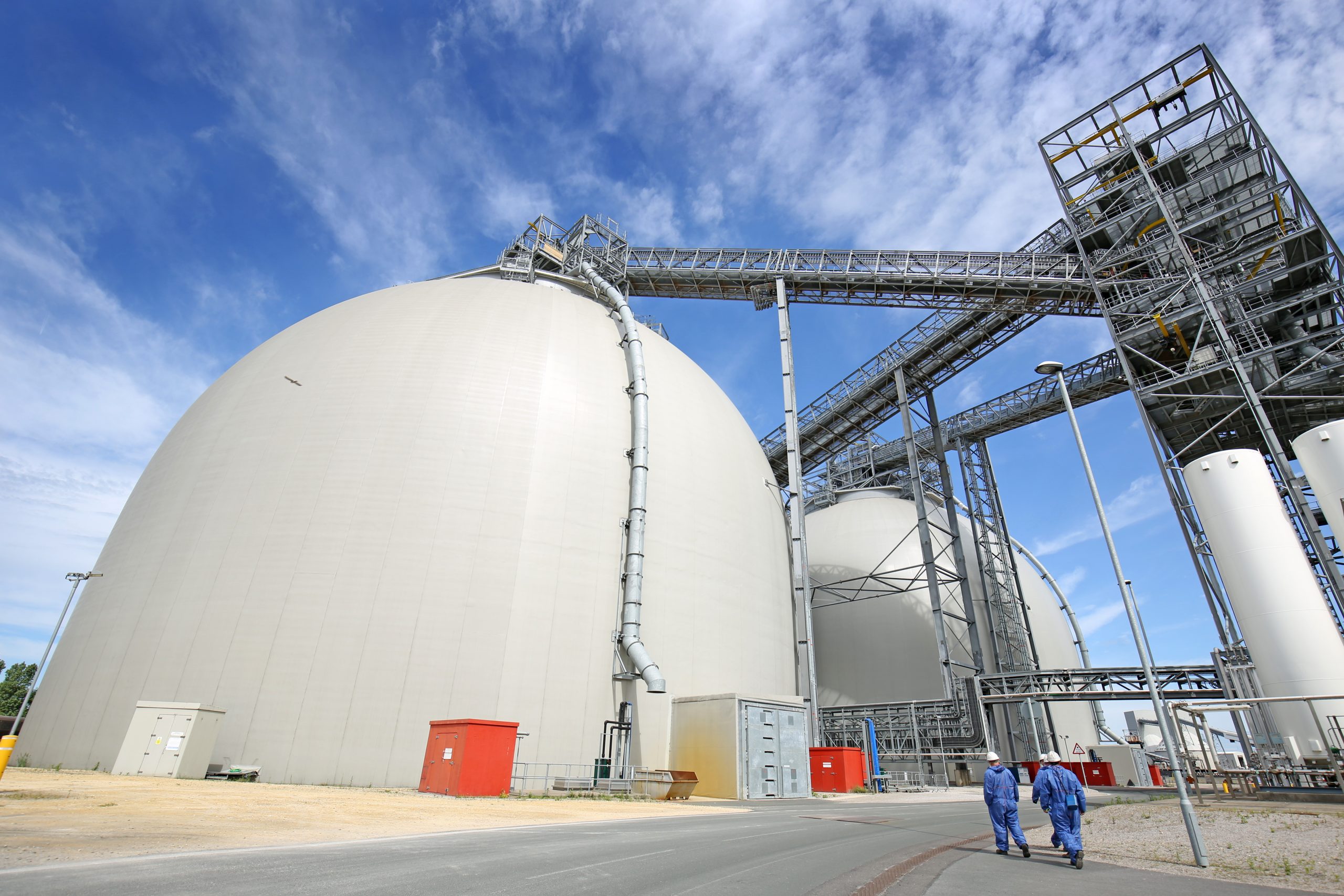
Engineers walking in front of sustainable biomass wood pellet storage dome at Drax Power Station, June 2021

RNS Number: 8333G
Drax Group plc
(“Drax” or the “Group”; Symbol:DRX)

Six months ended 30 JuneH1 2021H1 2020
Key financial performance measures
Adjusted EBITDA (£ million)(1)(2)186179
Continuing operations165160
Discontinued operations – gas generation2119
Net debt (£ million)(3)1,029792
Adjusted basic EPS (pence)(1)14.610.8
Interim dividend (pence per share)7.56.8
Total financial performance measures from continuing operations
Operating profit / (loss) (£ million)84(57)
Profit / (loss) before tax (£ million)52(85)

Will Gardiner, CEO of Drax Group, said:

“We have had a great first half of the year, transforming Drax into the world’s leading sustainable biomass generation and supply company as well as the UK’s largest generator of renewable power.

“The business has performed well, and we have exciting growth opportunities to support the global transition to a low-carbon economy.

Drax Group CEO Will Gardiner in the control room at Drax Power Station

Drax Group CEO Will Gardiner in the control room at Drax Power Station

“Drax has reduced its generation emissions by over 90%, and we are very proud to be one of the lowest carbon intensity power generators in Europe – a huge transformation for a business which less than a decade ago operated the largest coal power station in Western Europe.

“In the past six months we have significantly advanced our plans for Bioenergy with Carbon Capture and Storage (BECCS) in the UK and globally. By 2030 Drax could be delivering millions of tonnes of negative emissions and leading the world in providing a critical technology needed to tackle the climate crisis.

“We are pleased to be announcing a 10% increase in our dividend, and we remain committed to creating long-term value for all our stakeholders.” 

Financial highlights

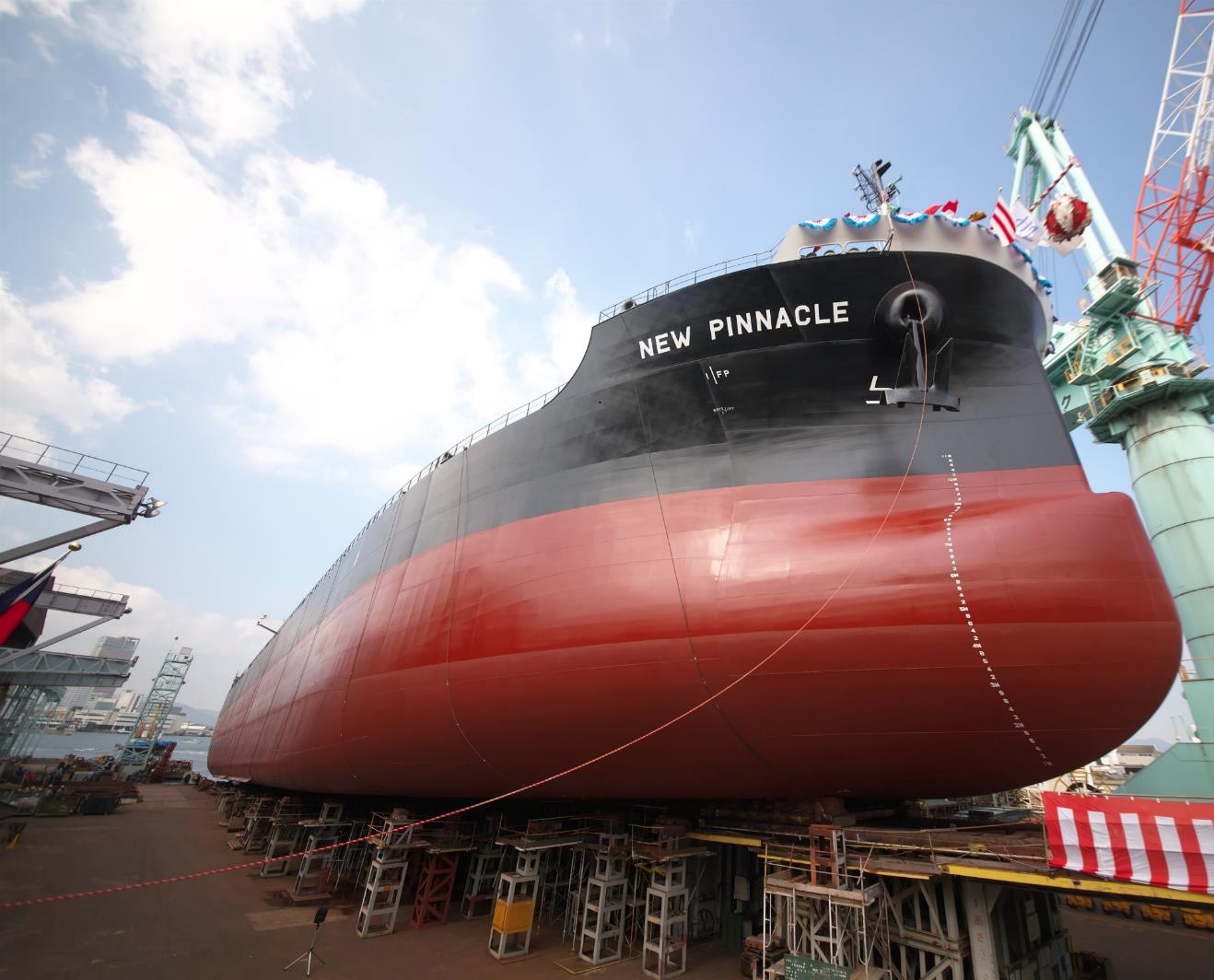
Pinnacle named ship

  • Adjusted EBITDA from continuing and discontinued operations up £7 million to £186 million (H1 2020: £179 million)
  • Acquisition of Pinnacle Renewable Energy Inc. (Pinnacle) for cash consideration of C$385 million (£222 million) (enterprise value of C$796 million) and sale of gas generation assets for £186 million
  • Strong liquidity and balance sheet
    • £666 million of cash and committed facilities at 30 June 2021
    • Refinancing of Canadian facilities (July 2021) with lower cost ESG facility following Pinnacle acquisition
  •  Sustainable and growing dividend – expected full year dividend up 10% to 18.8 pence per share (2020: 17.1p/share)
    • Interim dividend of 7.5 pence per share (H1 2020: 6.8p/share) – 40% of full year expectation

Strategic highlights

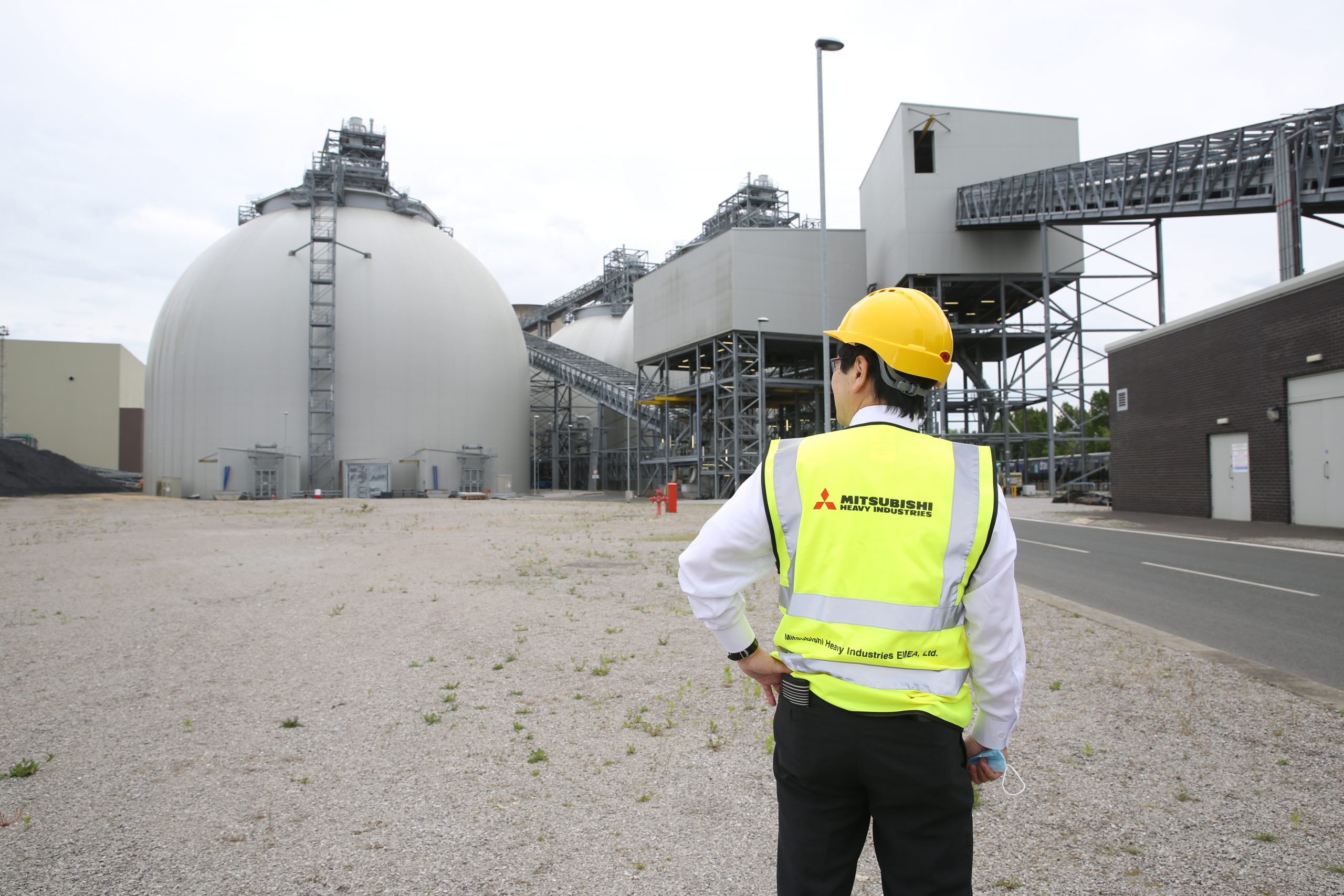
Kentaro Hosomi, Chief Regional Officer EMEA, Mitsubishi Heavy Industries (MHI) at Drax Power Station, North Yorkshire

Kentaro Hosomi, Chief Regional Officer EMEA, Mitsubishi Heavy Industries (MHI) at Drax Power Station, North Yorkshire

  • Developing complementary biomass strategies for supply, negative emissions and renewable power
  • Creation of the world’s leading sustainable biomass generation and supply company
    • Supply – 17 operational plants and developments across three major fibre baskets with production capacity of 4.9Mt pa and $4.3 billion of long-term contracted sales to high-quality customers in Asia and Europe
    • Generation – 2.6GW of biomass generation – UK’s largest source of renewable power by output
  • >90% reduction in generation emissions since 2012
    • Sale of gas generation assets January 2021 and end of commercial coal March 2021
  • Development of BECCS
    • Planning application submitted for Drax Power Station and technology partner (MHI) selected
    • Participation in East Coast Cluster – phase 1 regional clusters and projects to be selected from late 2021
    • Partnerships with Bechtel and Phoenix BioPower evaluating international BECCS and biomass technologies
  • System support – option to develop Cruachan from 400MW to over 1GW – commenced planning approval process

 Outlook

  • Adjusted EBITDA, inclusive of Pinnacle from 13 April 2021, full year expectations unchanged

Operational review

Pellet Production – acquisition of Pinnacle, capacity expansion and biomass cost reduction

close-up of truck raising and lowering

  • Sustainable sourcing
    • Biomass produced using forestry residuals and material otherwise uneconomic to commercial forestry
    • Science-based sustainability policy fully compliant with current UK, EU law on sustainable sourcing aligned with UN guidelines for carbon accounting
    • All woody biomass verified and audited against FSC®(4), PEFC or SBP requirements
  • Adjusted EBITDA (including Pinnacle since 13 April 2021) up 60% to £40 million (H1 2020: £25 million)
    • Pellet production up 70% to 1.3Mt (H1 2020: 0.8Mt)
    • Cost of production down 8% to $141/t(5) (H1 2020: $154/t(5))
  • Near-term developments in US Southeast (2021-22)
    • Commissioning of LaSalle expansion, Demopolis and first satellite plant in H2
  • Other opportunities for growth and cost reduction
    • Increased production capacity, supply of biomass to third parties and expansion of fuel envelope to include lower cost biomass

Generation – flexible and renewable generation

  • 12% of UK’s renewable electricity, strong operational performance and system support services
  • Adjusted EBITDA down 14% to £185 million (H1 2020: £214 million)
    • Biomass – Lower achieved power prices and higher GBP cost of biomass reflecting historical power and FX hedging
    • Strong system support (balancing mechanism, Ancillary Services and optimisation) of £70 million (H1 2020: £66 million) – additional coal operations and continued good hydro and pumped storage performance, in addition to coal operations
    • Coal – utilisation of residual coal stock in Q1 2021 and capture of higher power prices
  • Pumped storage / hydro – good operational and system support performance
    • £34 million of Adjusted EBITDA (Cruachan, Lanark, Galloway schemes and Daldowie) (H1 2020: £35 million)
  • Ongoing cost reductions to support operating model for biomass at Drax Power Station from 2027
    • End of commercial coal operations in March, formal closure September 2022 – reduction in fixed cost base
    • Major planned outage for biomass CfD unit – August to November 2021 – including third turbine upgrade delivering improved thermal efficiency and lower maintenance cost, supporting lower cost biomass operations
    • Trials to expand range of lower cost biomass fuels – up to 35% load achieved in test runs on one unit
  • Strong contracted power position – 29.3TWh sold forward at £52.1/MWh 2021-2023. Opportunities to capture higher power prices in future periods, subject to liquidity
As at 25 July 2021202120222023
Fixed price power sales (TWh) 15.99.14.3
-      CfD(6)3.80.6-
-      ROC10.88.44.0
-      Other1.30.10.3
At an average achieved price (£ per MWh)51.752.452.7

Customers – renewable electricity and services under long-term contracts to high-quality I&C customer base


  • Adjusted EBITDA loss of £5 million inclusive of £10-15 million impact of Covid-19 (H1 2020 £37 million loss inclusive of £44 million impact of Covid-19)
  • Continuing development of Industrial & Commercial (I&C) portfolio
    • Focusing on key sectors to increase sales to high-quality counterparties supporting generation route to market
    • Energy services expand the Group’s system support capability and customer sustainability objectives
  • Closure of Oxford and Cardiff offices as part of SME strategic review and the rebranding of the Haven Power I&C business to Drax
  • Continue to evaluate options for SME portfolio to maximise value and alignment with strategy

Other financial information

  • Total operating profit from continuing operations of £84 million including £20 million mark-to-market gain on derivative contracts and acquisition related costs of £10 million and restructuring costs of £2 million
  • Total loss after tax from continuing operations of £6 million including a £48 million charge from revaluing deferred tax balances following announcement of future UK tax rate changes
  • Total loss after tax from continuing operations of £6 million including a £48 million charge from revaluing deferred tax balances following confirmation of UK corporation tax rate increases from 2023
  • Capital investment of £71 million (H1 2020: £78 million) – continued investment in biomass strategy
    • Full year expectation of £210–230 million, includes pellet plant developments – LaSalle expansion, satellite plants and commissioning of Demopolis
  • Group cost of debt now below 3.5% reflecting refinancing of Canadian facilities in July 2021
  • Net debt of £1,029 million (31 December 2020: £776 million), including cash and cash equivalents of £406 million (31 December 2020: £290 million)
    • 5x net debt to Adjusted EBITDA, with £666 million of total cash and committed facilities (31 December 2020: £682 million)
    • Continue to expect around 2.0x net debt to Adjusted EBITDA by end of 2022
View complete half year report View investor presentation Listen to webcast

Robust trading and operational performance in Q1-2021, progressing biomass strategy

RNS Number : 0962W
Drax Group plc
(“Drax” or the “Group”; Symbol:DRX)

Highlights

  • Robust trading and operational performance during the first three months of 2021
  • Completion of acquisition of Pinnacle Renewable Energy Inc. (Pinnacle)
  • Strong balance sheet and cash flows
    • Continue to expect net debt to Adjusted EBITDA(1) of around 2 x by the end of 2022
  • Continued focus on clean energy generation and a reduction in carbon emissions
    • Commercial coal generation ended in March 2021, with full closure in September 2022
    • Sale of existing gas generation assets in January 2021
  • Sustainable and growing dividend
    • Final dividend of 10.3 pence per share – subject to shareholder approval at AGM
    • Total dividends of 17.1 pence per share, 7.5% y-o-y growth

Will Gardiner, Drax Group CEO, said:

“In the first quarter of 2021 we delivered a robust trading and operational performance, alongside steps to further decarbonise the business and support our flexible and renewable generation strategy. These include the end of commercial coal generation, the sale of our gas power stations and just last week we acquired leading Canadian biomass producer Pinnacle Renewable Energy Inc.

Drax Group CEO Will Gardiner in the control room at Drax Power Station

Drax Group CEO Will Gardiner in the control room at Drax Power Station [Click to view/download]

“The acquisition of Pinnacle positions Drax as the world’s leading sustainable biomass generation and supply business. This advances our strategy to increase self-supply, reduce our own cost of biomass production and create a long-term future for sustainable bioenergy, which will pave the way for the development of negative emissions from Bioenergy with Carbon Capture and Storage (BECCS). BECCS at Drax would make a significant contribution to the UK reaching its new target to cut carbon emissions by 78% by 2035.”

Trading, operational performance and outlook

The trading and operational performance of the Group has been robust in the first three months of 2021. Full year expectations for the Group remain underpinned by continued good operational availability for the remainder of 2021.

Generation

Drax’s generation portfolio has performed well with good asset availability and optimisation across its portfolio, including a strong system support performance from Cruachan (pumped storage), underpinning a solid financial performance.

During the summer Drax will, as previously announced, undertake planned maintenance on its CfD(2) biomass unit, including a high-pressure turbine upgrade to reduce maintenance costs and improve thermal efficiency, contributing to lower generation costs for Drax Power Station.

In March 2021 Drax secured Capacity Market agreements for its hydro and pumped storage assets worth around £10 million for the delivery period October 2024 to September 2025.

Drax also secured 15-year agreements for three new 299MW system support Open Cycle Gas Turbine (OCGT) projects in England and Wales. As the UK transitions towards a net zero economy it will become increasingly dependent on intermittent renewable generation.  As such, fast response system support technologies, such as these OCGTs, are increasingly important in enabling the UK energy system to run more frequently and securely on intermittent renewable generation. Drax is continuing to evaluate options for these projects including their potential sale.

Pellet Production

Pellet Production has performed well with good production and cost reduction plans on track.

On 13 April 2021, Drax completed its acquisition of Pinnacle. The acquisition advances the Group’s biomass strategy by more than doubling its sustainable biomass production capacity, significantly reducing its cost of production and adding a major biomass supply business, underpinned by long-term third-party supply contracts.

The Group’s enlarged supply chain will have access to 4.9 million tonnes of operational capacity from 2022. Of this total, 2.9 million tonnes are available for Drax’s self-supply requirements in 2022 (increasing to 3.4 million tonnes in 2027).

The acquisition positions Drax as the world’s leading sustainable biomass generation and supply business alongside the continued development of its ambition to be a carbon negative company by 2030, using BECCS.

Pinnacle’s performance in the first three months of 2021 was in line with Drax’s expectations through the acquisition process. Drax will update on full year expectations including Pinnacle at its half year results on 29 July 2021.

Customers

The Group’s I&C(3) supply business performed well. It continues to provide a route to market for Drax’s power and renewable products to high credit quality counterparties as well as opportunities to complement the Group’s system support capabilities.

Trading desk at Haven Power, Ipswich

Trading desk at Haven Power, Ipswich

The SME(4) supply business continued to be affected by the ongoing Covid-19 restrictions in the first three months of 2021. Drax is continuing to explore operational and strategic options for this segment of the business.

Balance sheet

As at 31 March 2021, Drax had cash and total committed facilities of £801 million.

Drax will retain Pinnacle’s existing debt facilities within the enlarged Group’s capital structure but will consider opportunities to optimise its balance sheet with lower cost sources of debt.

Drax continues to expect net debt to Adjusted EBITDA to return to its long-term target of around 2 x by the end of 2022.

Generation contracted power sales

As at 16 April 2021, Drax had 25.7TWh of power sales contracted at £49.0/MWh as follows:

202120222023
Fixed price power sales (TWh) 15.07.53.2
Contracted % versus 2020 full year output (5)101%51%22%
Of which CfD (TWh) (6)3.2--
At an average achieved price (£ per MWh)49.248.649

Capital allocation and dividend

The Group remains committed to the capital allocation policy established in 2017, through which it aims to maintain a strong balance sheet; invest in the core business; pay a sustainable and growing dividend and return surplus capital beyond investment requirements to shareholders.

A final 2020 dividend of 10.3 pence per share was proposed in the 2020 results on 25 February 2021 and, subject to shareholder approval at today’s Annual General Meeting, will be paid on 14 May 2021.

An interim dividend of 6.8 pence per share was paid on 2 October 2020, making the total 2020 dividend 17.1 pence per share, an increase of 7.5% compared to 2019.

Enquiries:

Drax Investor Relations: Mark Strafford

+44 (0) 1757 612 491

Media:

Drax External Communications: Ali Lewis

+44 (0) 7712 670 888

Website: www.drax.com

END

Completion of the acquisition of Pinnacle Renewable Energy Inc.

Pinnacle named ship

RNS Number : 2689V 
Drax Group plc
(“Drax” or the “Group”; Symbol:DRX)

Drax is pleased to announce that it has completed the acquisition of the entire issued share capital of Pinnacle Renewable Inc.

The Acquisition was originally announced on 8 February 2021.

Enquiries:

Drax Investor Relations: Mark Strafford

+44 (0) 7730 763 949

Media:

Drax External Communications: Ali Lewis

+44 (0) 7712 670 888


Satisfaction / waiver of conditions in relation to the proposed acquisition of Pinnacle Renewable Energy Inc.

RNS Number : 6420U
Drax Group plc
(“Drax” or the “Group”; Symbol:DRX)

On 8 February 2021, Drax announced that it had entered into an agreement to acquire the entire issued share capital of Pinnacle Renewable Energy Inc. (the “Acquisition”). On 31 March 2021, Drax announced that the Acquisition had been approved by Drax Shareholders at the General Meeting and Pinnacle announced that the Acquisition had been approved by Pinnacle Shareholders.

Drax is pleased to announce that on 6 April 2021 the Supreme Court of British Columbia granted the Final Order. All of the conditions to the Completion of the Acquisition have now been satisfied or waived (other than conditions which can only be satisfied at Completion) and Completion is expected to occur on 13 April 2021.

Capitalised terms used but not defined in this announcement have the meanings given to them in the Circular.

Enquiries:

Drax Investor Relations: Mark Strafford

+44 (0) 7730 763 949

Media:

Drax External Communications: Ali Lewis

+44 (0) 7712 670 888

Results of General Meeting

RNS Number : 1936U
Drax Group plc
(“Drax” or the “Group”; Symbol:DRX)

Drax is pleased to announce the results of its General Meeting held today, Wednesday 31 March 2021.

No.ResolutionVotes For%Votes Against%Votes Total (not including withheld)Votes Withheld
1.To approve the acquisition of the entire issued share capital of Pinnacle Renewable Energy Inc.318,727,66499.99%20,7440.01%318,748,40895,895

The resolution was passed.

Completion of the acquisition is expected to occur in April 2021, subject to the satisfaction or waiver of the final outstanding conditions.

The number of shares in issue is 411,732,605 (of which 13,841,295 are held in treasury. Treasury shares don’t carry voting rights).

Votes withheld are not a vote in law and have not been counted in the calculation of the votes for and against the resolution, the total votes validly cast or the calculation of the proportion of issued share capital voted.

A copy of the resolution is available for inspection in the Circular, which was previously submitted to the Financial Conduct Authority’s National Storage Mechanism at https://data.fca.org.uk/#/nsm/nationalstoragemechanism.

The Circular and the voting results are also available on the Company’s website at www.drax.com.

Capitalised terms used but not defined in this announcement have the meanings given to them in the Circular.

Enquiries:

Drax Investor Relations: Mark Strafford

+44 (0) 7730 763 949

Media:

Drax External Communications: Ali Lewis

+44 (0) 7712 670 888