


Archives: Press Release

Drax ends half a century of coal-fired power generation

  • Drax has announced that almost 50 years of power generation from coal at its North Yorkshire power station has come to an end.
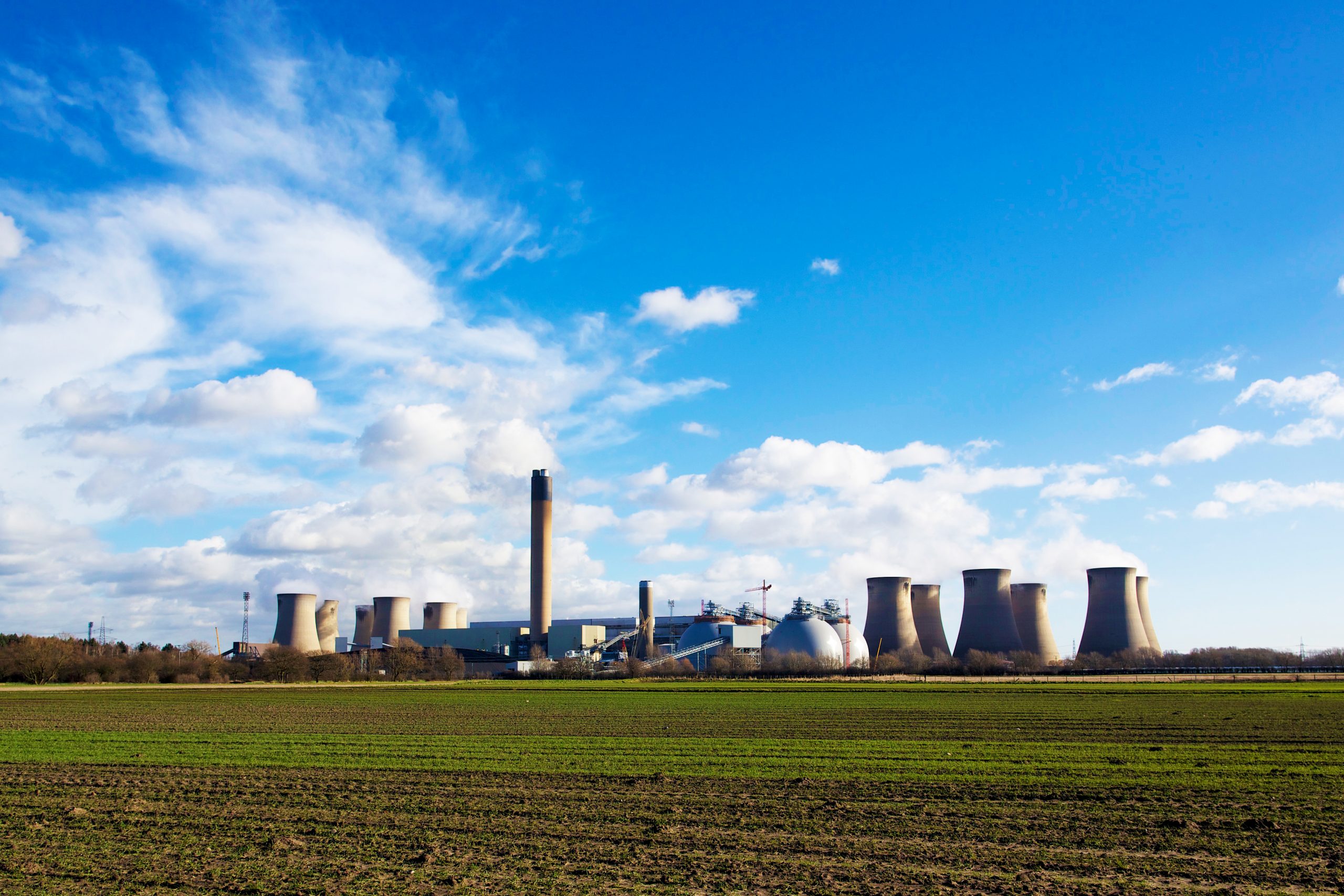
  • Drax Power Station was once Western Europe’s largest coal-fired power station but has been transformed into the UK’s single-largest generator of renewable electricity.
  • Drax Power Station’s four biomass units generated 12.7TWh of electricity in 2022.

Global renewable energy company Drax has today announced the official end of coal-fired generation at Drax Power Station in North Yorkshire, marking a historic milestone in both the company and the UK’s transformation to a zero-carbon energy future.

Following the discovery of the Selby coalfield, construction of the coal-fired Drax Power Station began nearby in 1967. The power station started generating power out of its first unit in 1974 and in 1975, following the completion of two additional generators, the site officially opened. At the time, this provided enough power for around two million homes and in 1986, power generation capacity was doubled to just under 4GW.

Once the largest coal-fired power station in Western Europe, the plant is now the single largest generator of renewable power in the UK. Over the last decade four of the power station’s six generating units have been converted to use sustainable biomass, providing the UK with clean, green, and secure renewable electricity.

Following the end of the winter contingency agreement, Drax will now embark on a decommissioning process to remove coal-related infrastructure from the site which will start with the flue gas desulphurisation plant that was built in the 1990s to remove 90% of the sulphur from the plant’s air emissions.

Will Gardiner, Drax Group CEO, said:

“Ending the use of coal at Drax is a landmark moment in our efforts to become a world-leading carbon negative company.

“I’d like to thank the many hundreds of people, including our staff, suppliers, and local communities, for all the hard work it has taken to transform Drax Power Station into the UK’s biggest renewable power source by output.

“By converting the plant to use sustainable biomass we have not only continued generating the secure power millions of homes and businesses rely on, but we have also played a significant role in enabling the UK’s power system to decarbonise faster than any other in the world.

“We’re now planning to go further by using bioenergy with carbon capture and storage (BECCS) to permanently remove millions of tonnes of carbon dioxide from the atmosphere each year, and we are engaged in discussions with the UK Government to move this £2bn project forward.

“The global momentum for converting coal-fired power stations to biomass is growing as more countries work to reduce their emissions by moving away from fossil fuels to renewables while maintaining their energy security. In recent months, new projects have been announced in countries from Japan to Hungary. If BECCS were eventually added to each of these sites they would be able to remove carbon from the atmosphere while generating power.”

The UK Government aims to deploy 5Mt of engineered CO2 removals per annum from BECCS and other engineered GGR technologies by 2030, rising to 23Mt in 2035 and up to 81Mt in 2050 to keep the UK on a pathway to meet its legislated climate targets.

Through transforming the plant to use sustainable biomass instead of coal, Drax has reduced its Scope 1 and 2 carbon emissions by approximately 99% since 2012.

ENDS

Media contacts:

Aidan Kerr
Media Manager
E: [email protected]
T: 07849090368

Editor’s Notes:

  • Coal-fired generation began in 1974 when the first 660 MW unit was commissioned.
  • The station began co-firing biomass with coal in 2003, with the first of four full-unit conversions from coal to sustainable biomass taking place in 2013.
  • Drax’s UK generation assets are the country’s largest source of renewable power by output – 11% of annualised total, 19% of peak (up to 70% in-day peak) in 2022.

About Drax

Drax Group’s purpose is to enable a zero carbon, lower cost energy future and in 2019 announced a world-leading ambition to be carbon negative by 2030, using bioenergy with carbon capture and storage (BECCS) technology.

Drax’s around 3,000 employees operate across three principal areas of activity – electricity generation, electricity sales to business customers and compressed wood pellet production and supply to third parties. For more information visit www.drax.com

Power generation:

Drax owns and operates a portfolio of renewable electricity generation assets in England and Scotland. The assets include the UK’s largest power station, based at Selby, North Yorkshire, which supplies five percent of the country’s electricity needs.

Having converted Drax Power Station to use sustainable biomass instead of coal it has become the UK’s biggest renewable power generator and the largest decarbonisation project in Europe. It is also where Drax is piloting the groundbreaking negative emissions technology BECCS within its CCUS (Carbon Capture Utilisation and Storage) Incubation Area.

Its pumped storage, hydro and energy from waste assets in Scotland include Cruachan Power Station – a flexible pumped storage facility within the hollowed-out mountain Ben Cruachan.

The Group also aims to build on its BECCS innovation at Drax Power Station with a target to deliver 4 million tonnes of negative CO2 emissions each year from new-build BECCS outside of the UK by 2030 and is currently developing models for North American and European markets.

Pellet production and supply:
The Group has 19 operational pellet plants and developments with nameplate production capacity of around 5 million tonnes a year.

Drax is targeting 8 million tonnes of production capacity by 2030, which will require the development of over 3 million tonnes of new biomass pellet production capacity. The pellets are produced using materials sourced from sustainably managed working forests and are supplied to third party customers in Europe and Asia for the generation of renewable power.

Drax’s pellet plants supply biomass used at its own power station in North Yorkshire, England to generate flexible, renewable power for the UK’s homes and businesses, and also to customers in Europe and Asia.

Customers: 

Drax supplies renewable electricity to UK businesses, offering a range of energy-related services including energy optimisation, as well as electric vehicle strategy and management.

To find out more go to the website www.energy.drax.com


Drax CEO Will Gardiner steps down from his role as a board member of the SBP

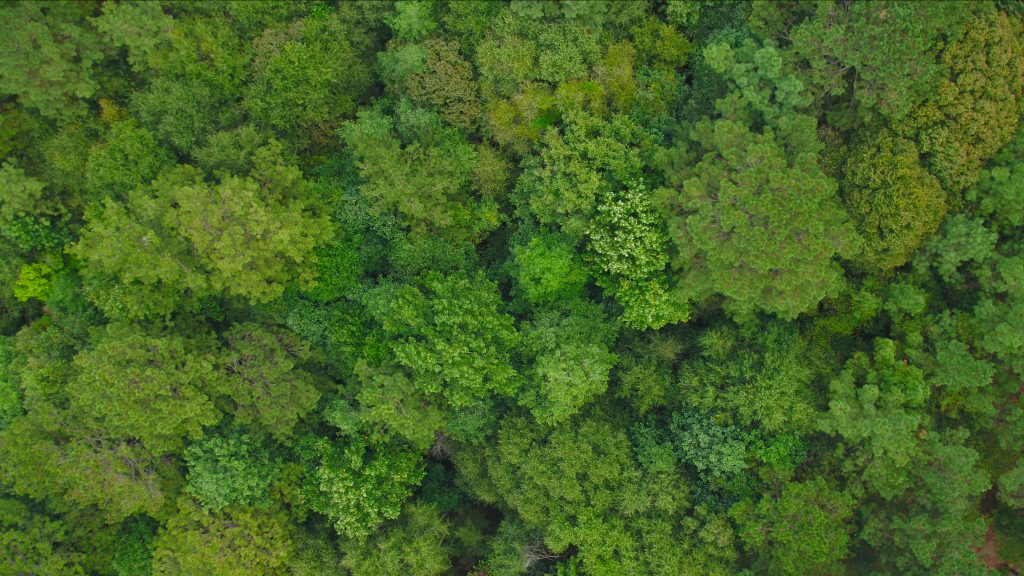
Working forests in the US South

The SBP is a vital part of the sustainable biomass industry, providing an independent certification scheme for woody biomass used in large-scale energy production. Suppliers can use the SBP certification scheme to evidence the sustainability and legality of their biomass and certify it as meeting robust sustainability criteria.

Will has served in a personal capacity on the board of the SBP since January 2019, over which time the organisation has worked to facilitate the economically, environmentally and socially responsible use of biomass around the world.

“At Drax, sustainability is at the heart of what we do and as the second largest producer of wood pellets globally, we value the vital role the Sustainable Biomass Program plays in creating a global standard for good biomass,” said Will Gardiner, Drax CEO.

“It has been a pleasure to support the SBP through my role on the board and I look forward to its continued success as a global tool for confirming the efficacy of woody biomass.”

Drax is committed to ensuring the biomass we source delivers positive outcomes for the climate, for nature and for the communities in which we operate. As a part of this, we welcome the forthcoming updates to the SBP’s certification framework and will continue to engage with the SBP and its other stakeholders to ensure best practice is applied and championed across our global supply chains and wider industry.

Drax welcomes deal reached by EU institutions in support of sustainably sourced biomass

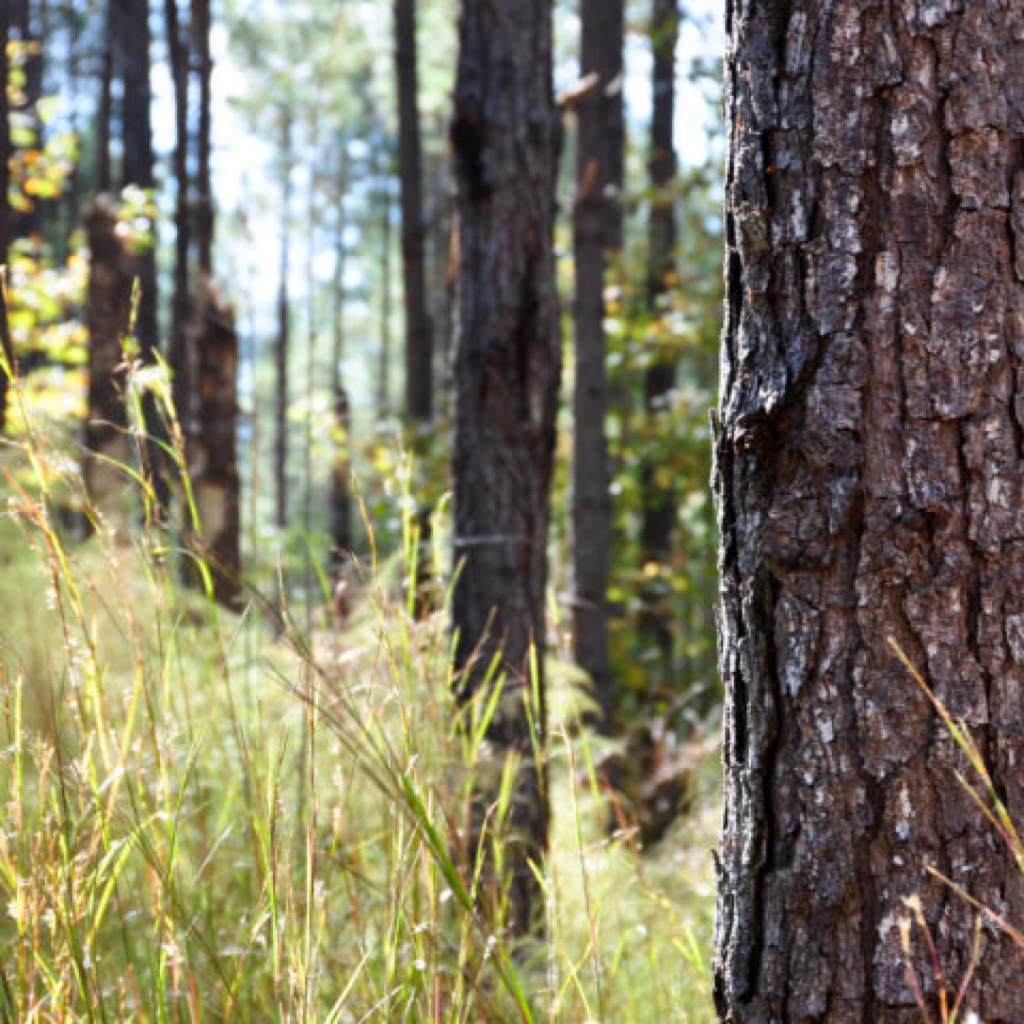
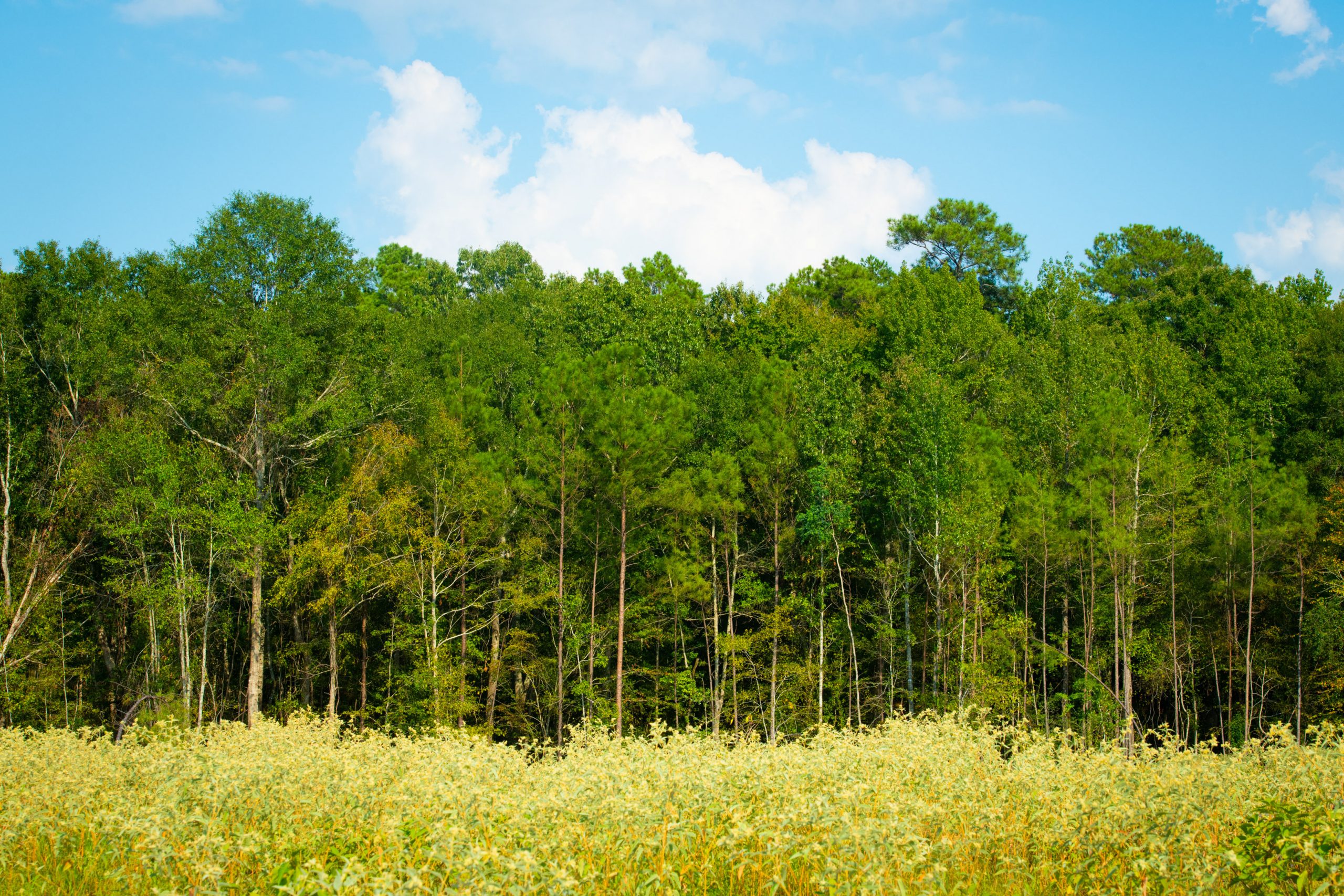
Forest in LaSalle catchment area
  • A provisional agreement has been reached by the European Parliament and the Council in the revision of the Renewable Energy Directive (REDIII)
  • Agreement shows continued support for sustainable biomass recognising its critical role in energy systems and forest management
  • Directive will continue to class sustainably sourced woody biomass as a 100% renewable energy source in the EU

Global renewable energy leader, Drax Group, has welcomed a positive conclusion of the European Union’s discussions on the revision of the Renewable Energy Directive (REDIII).

The agreement reached by the EU Institutions this week recognises the importance of sustainably sourced biomass within the region, providing renewable, reliable power while displacing fossil fuels and supporting good forest management.

Counterproductive and arbitrary proposals presented during the legislative process, such as a cap on the use of “primary woody biomass”, have been rejected. These would have had serious consequences for EU’s energy security and forest health.

The agreement demonstrates the EU’s continued support for sustainable biomass and will strengthen sustainability standards to reflect good forest management practices and align with the cascading principle to ensure that wood is utilised to its highest economic and environmental added value.

Importantly, the updated Directive reaffirms sustainably sourced biomass as a 100 percent renewable energy source, as well as includes provisions to ensure that biomass goes to the highest value application, including Bioenergy with Carbon Capture and Storage (BECCS), a vital carbon removal technology in which Drax plans to become a global leader.

Drax CEO, Will Gardiner said,

“Biomass has a critical role to play in supporting energy security as the world decarbonizes, providing reliable, renewable power and displacing fossil fuels. We are pleased to see the European Union recognize the importance of biomass within the region and take steps to further strengthen its sustainability and forestry standards.”

“As a global leader in sustainable biomass, we are committed to ensuring that the biomass we source has a positive impact on climate, nature and the communities in which we operate and hope this decision will ensure biomass continues to play a central role in Europe’s energy transition.”

Biomass, when sustainably sourced, uses sawmill residuals like sawdust, harvest residuals including tops, branches and bark as well as low-grade roundwood. The market for this fibre helps improve the health and productivity of forests while providing rural counties with a new income stream.

As the only reliable renewable, biomass plays an important role in the UK’s energy security providing 11 percent of the UK’s renewable power – enough for five million households.

The final text of the agreement has yet to be published, and Drax looks forward to sharing further information with its stakeholders in due course.

Media contact:

Sloan Woods
Media Manager
E: [email protected]
T: 07821665493

Note to the Editors:

  • Please find the press release from the European Council of the European Union here for more information.

About Drax

Drax Group’s purpose is to enable a zero carbon, lower cost energy future and in 2019 announced a world-leading ambition to be carbon negative by 2030, using bioenergy with carbon capture and storage (BECCS) technology.

Drax’s around 3,000 employees operate across three principal areas of activity – electricity generation, electricity sales to business customers and compressed wood pellet production and supply to third parties. For more information visit www.drax.com

Power generation:

Drax owns and operates a portfolio of renewable electricity generation assets in England and Scotland. The assets include the UK’s largest power station, based at Selby, North Yorkshire, which supplies five percent of the country’s electricity needs.

Having converted Drax Power Station to use sustainable biomass instead of coal it has become the UK’s biggest renewable power generator and the largest decarbonisation project in Europe. It is also where Drax is piloting the groundbreaking negative emissions technology BECCS within its CCUS (Carbon Capture Utilisation and Storage) Incubation Area.

Its pumped storage, hydro and energy from waste assets in Scotland include Cruachan Power Station – a flexible pumped storage facility within the hollowed-out mountain Ben Cruachan.

The Group also aims to build on its BECCS innovation at Drax Power Station with a target to deliver 4 million tonnes of negative CO2 emissions each year from new-build BECCS outside of the UK by 2030 and is currently developing models for North American and European markets.

Pellet production and supply:

The Group has 19 operational pellet plants and developments with nameplate production capacity of around 5 million tonnes a year.

Drax is targeting 8 million tonnes of production capacity by 2030, which will require the development of over 3 million tonnes of new biomass pellet production capacity. The pellets are produced using materials sourced from sustainably managed working forests and are supplied to third party customers in Europe and Asia for the generation of renewable power.

Drax’s pellet plants supply biomass used at its own power station in North Yorkshire, England to generate flexible, renewable power for the UK’s homes and businesses, and also to customers in Europe and Asia.

Customers:  

Drax supplies renewable electricity to UK businesses, offering a range of energy-related services including energy optimisation, as well as electric vehicle strategy and management.

To find out more go to the website www.energy.drax.com
Drax Power Station and GB Power supplies at risk in the late 2020s without Government support for BECCS

  • New research highlights the critical contribution that biomass could play in late 2020s as coal plants and nuclear fleet close down
  • Drax pauses UK BECCS investment in 2023 as it awaits clarity of Government’s commitment to its project
  • Without Government support for BECCS, Drax Power Station could become unviable in 2027

Baringa’s research shows that by 2027, peak demand for GB electricity will increase by 4GW but at the same time the imminent closure of coal, older gas generation and nuclear power stations will remove up to 6.3GW of secure capacity from the grid.

This will mean that the dispatchable capacity which supports GB energy security will fall from 93% to 85% at times of peak demand, increasing the risk of a supply shortfall. The system will need to rely on other forms of capacity, such as electricity interconnectors and intermittent renewable generation like wind or solar, to make up the 15% difference at times of peak demand, or steps may need to be taken to reduce consumption such as through voluntary demand reduction or forced turndown.

Drax’s power station in Yorkshire is currently the largest provider of dispatchable power to the GB electricity system, as well as being one of the only renewable sources of secure supply. Its renewable biomass generation provides 2.6GW of electricity, supplying millions of homes and businesses with dispatchable, reliable power.

Whilst Drax welcomed the Government’s support for CCS in the recent Budget, it needs its BECCS project to gain Track 1 status, without which, Drax Power Station may become unviable and unable to contribute secure power at a time of such critical need. Until it receives this clarity, Drax has taken the decision to pause it’s multi-million-pound investment programme into the BECCS project at Drax Power Station.

At times with the tightest margins, Drax’s biomass units provide up to 11% of total GB electricity generation and up to 70% of the renewable generation. The loss of Drax’s and other biomass units from the GB electricity system would further reduce the country’s dispatchable capacity to 80% of peak demand (from the already forecasted fall to 85%), increasing reliance on gas and power imports, generation from intermittent renewables, and increasing costs for consumers.

Drax CEO Will Gardiner said,

“Whilst we welcome the Government’s ambition to invest billions in carbon capture and storage, we need a firm commitment to BECCS before we commit to investing £2bn into installing this technology at Drax Power Station.

“Until we have this clarity, we are pausing our multi-million pound investment programme in the UK BECCS project and urge Government to use the planned announcement at the end of the month to outline their support for this. Any further delays to this project could impact the UK’s security of supply, net zero and levelling-up ambitions and the viability of Drax Power Station.”

The research also found that by 2027 no established technology can feasibly replace the security of supply provided by Drax’s 2.6GW of biomass capacity, without significantly increasing carbon emissions and relying more on imported fossil fuel from Europe.

It goes on to state that meeting decarbonisation targets without the carbon removals provided by Drax’s BECCS units will be more expensive and difficult and would require accelerating decarbonisation in challenging sectors such as heating, industry and road transport.

The report concludes that it is more cost effective and lower risk to keep existing biomass open than to build additional new build or retrofit gas CCS capacity.

ENDS

Media contacts:

Chris Mostyn, Head of Media Relations & PR
E:  [email protected]
T:  07548 838896

Editor’s Notes:

  • The Baringa research is available here

About Drax

Drax Group’s purpose is to enable a zero carbon, lower cost energy future and in 2019 announced a world-leading ambition to be carbon negative by 2030, using bioenergy with carbon capture and storage (BECCS) technology.

Drax’s around 3,000 employees operate across three principal areas of activity – electricity generation, electricity sales to business customers and compressed wood pellet production and supply to third parties. For more information visit www.drax.com

Power generation:

Drax owns and operates a portfolio of renewable electricity generation assets in England and Scotland. The assets include the UK’s largest power station, based at Selby, North Yorkshire, which supplies five percent of the country’s electricity needs.

Having converted Drax Power Station to use sustainable biomass instead of coal it has become the UK’s biggest renewable power generator and the largest decarbonisation project in Europe. It is also where Drax is piloting the groundbreaking negative emissions technology BECCS within its CCUS (Carbon Capture Utilisation and Storage) Incubation Area.

Its pumped storage, hydro and energy from waste assets in Scotland include Cruachan Power Station – a flexible pumped storage facility within the hollowed-out mountain Ben Cruachan.

The Group also aims to build on its BECCS innovation at Drax Power Station with a target to deliver 4 million tonnes of negative CO2 emissions each year from new-build BECCS outside of the UK by 2030 and is currently developing models for North American and European markets.

Pellet production and supply:

The Group has 19 operational pellet plants and developments with nameplate production capacity of around 5 million tonnes a year.

Drax is targeting 8 million tonnes of production capacity by 2030, which will require the development of over 3 million tonnes of new biomass pellet production capacity. The pellets are produced using materials sourced from sustainably managed working forests and are supplied to third party customers in Europe and Asia for the generation of renewable power.

Drax’s pellet plants supply biomass used at its own power station in North Yorkshire, England to generate flexible, renewable power for the UK’s homes and businesses, and also to customers in Europe and Asia.

Customers: 

Drax supplies renewable electricity to UK businesses, offering a range of energy-related services including energy optimisation, as well as electric vehicle strategy and management.

To find out more go to the website www.energy.drax.com
Drax responds the IPCC’s AR6 Synthesis report

“The IPCC AR6 Synthesis report has reaffirmed the important role that bioenergy with carbon capture and storage (BECCS) will play in mitigating the climate crisis.

“There is now growing international scientific consensus that all pathways that limit global warming to 1.5C or 2C must involve substantial levels of carbon removal technologies like BECCS.

“Drax aims to become a global leader in BECCS and over recent months international interest in pioneering the technology has grown because of its ability to deliver reliable renewable power and carbon removals, strengthen energy security, create jobs and support climate efforts. We also hope to create the world’s largest engineered carbon removals project at our Yorkshire power station but by the end of this month we must have a firm commitment for this from Government by including it as a track-1 project.”

Read the report summary here.

Backing Drax will ensure the Government hits net zero targets, protects UK energy security, regenerates the Humber and leads the world in carbon capture technology

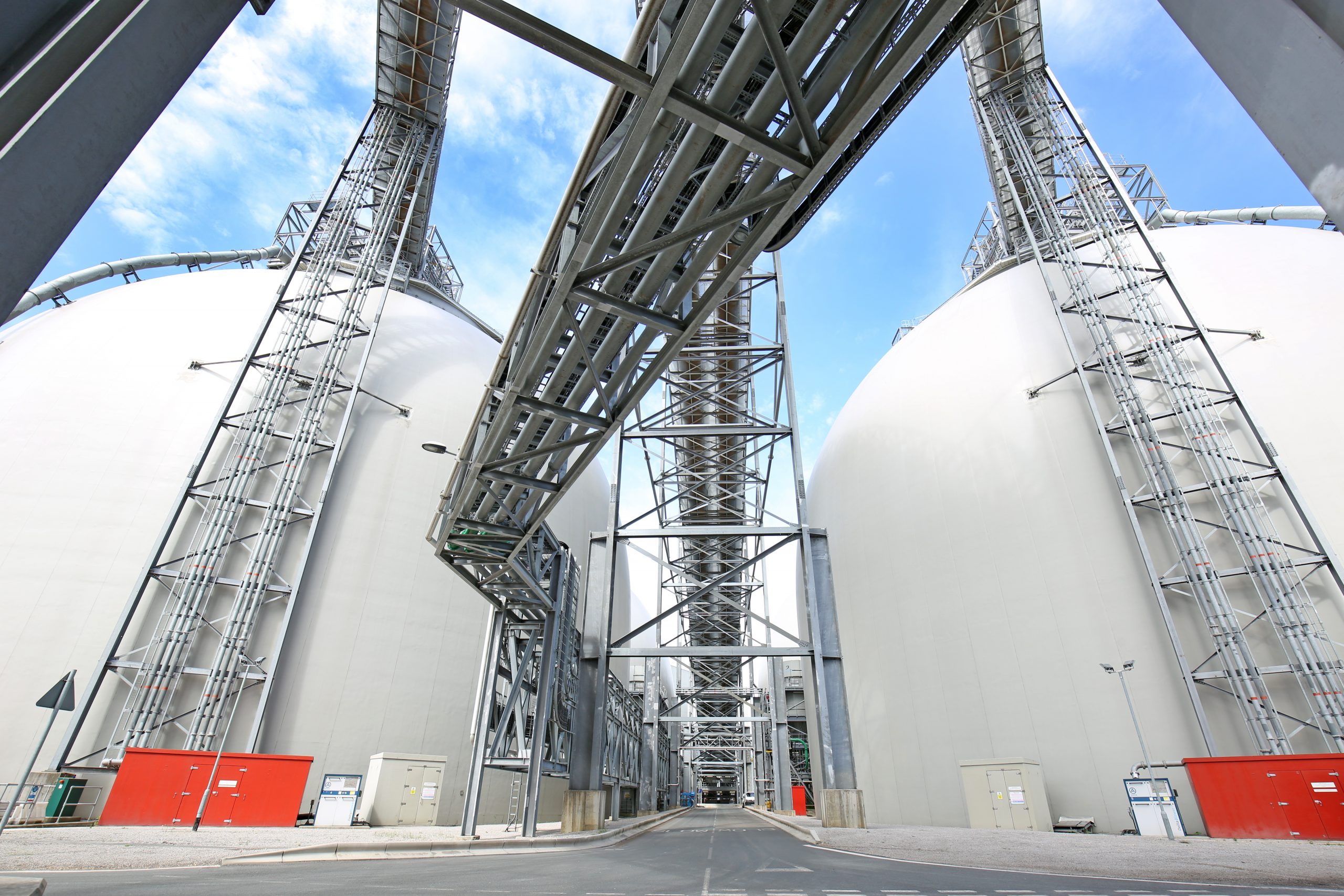
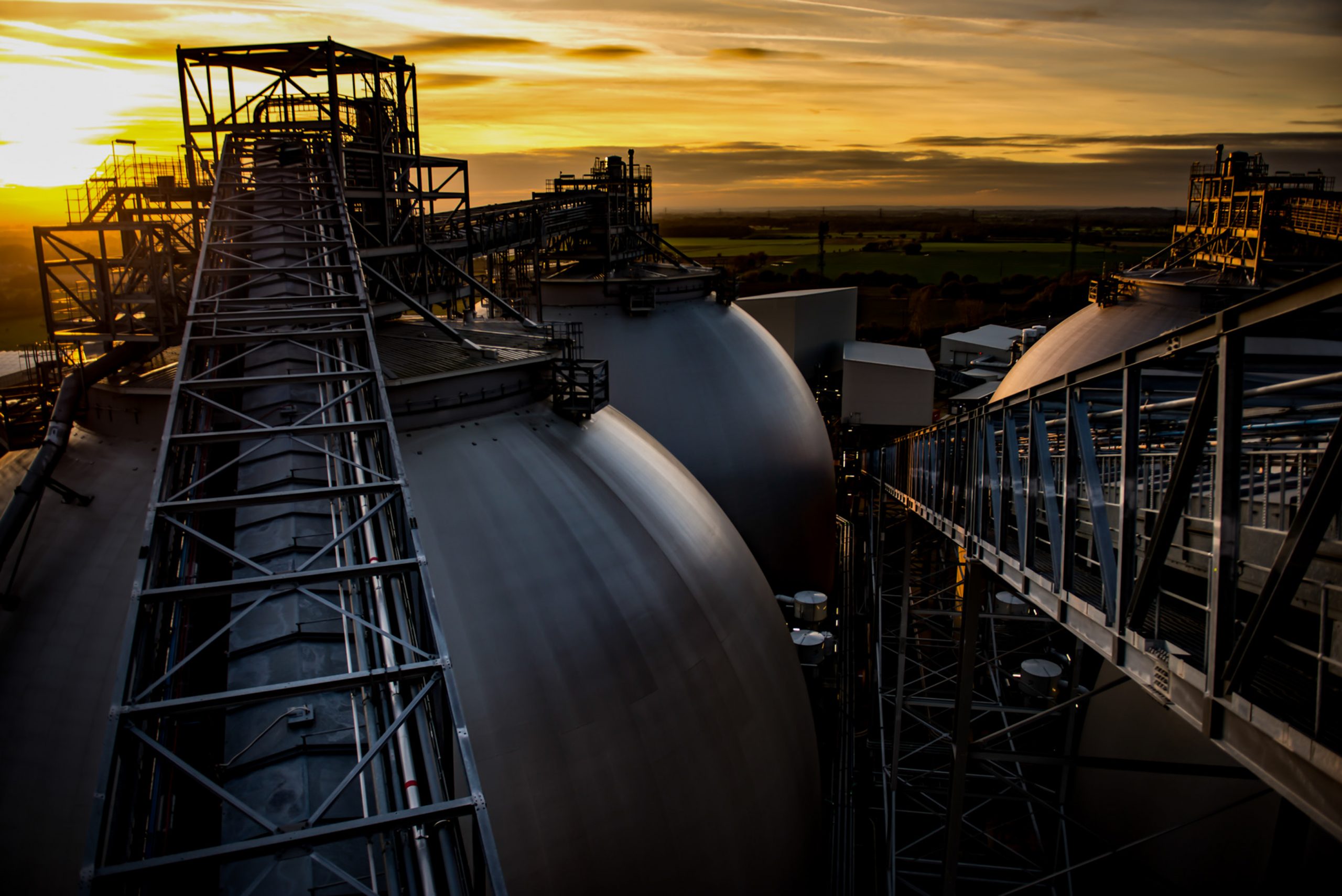
Sustainable biomass wood pellet storage domes at Drax Power Station in North Yorkshire

Drax’s BECCS project will be instrumental in delivering UK security of supply, net zero and levelling-up and will be critical to providing certainty as to the future of Drax Power Station.

Drax welcomes the announcement in the Budget of the investment in domestic carbon capture and looks forward to more detail being provided at the end of March.

Through its use of sustainable biomass Drax Power Station already provides millions of homes and businesses across the UK with secure, renewable power and when delivered, BECCS at Drax will be the largest carbon removals project in the world, playing a critical role in enabling the Government to hit its challenging and legally binding net zero commitments. The construction and operation of the project will create and support up to 10,000 jobs, add £700m to UK GDP and ensure that the country can pioneer BECCS at scale, right in the heart of Yorkshire.

Whilst today’s Budget referenced plans to invest billions in carbon capture and storage, Government has not yet provided the clear, tangible support for BECCS which Drax needs to progress development of the £2bn project.Drax’s North Yorkshire power station could deliver carbon removals at scale from 2027, while generating secure, renewable and affordable electricity.

Commenting on today’s Budget, Will Gardiner, Chief Executive Officer, Drax Group said:

“The UK Government has in Yorkshire a clear opportunity to turn this country into the world leader in carbon removals technology. Whilst we welcome the Government’s ambition to invest billions in carbon capture and storage, we need them to provide us with a firm commitment to BECCS before we invest £2bn in this UK project.

“It is critical that in the planned announcement at the end of the month Government outlines further support for BECCS because this project will be instrumental in delivering security of supply, net zero and levelling-up and providing certainty as to the future of Drax Power Station.

“In order for the UK to be at the forefront of the green arms race, Government must quickly lay out a detailed, timed and funded plan which offers renewable energy companies like Drax the confidence to continue to invest in this country. Over recent months international interest in pioneering BECCS has grown and we are increasingly excited about the opportunities to deploy BECCS in the US and are currently screening over 10 potential new projects there.”

Earlier this month, MPs and business leaders from across the North of England wrote to the Prime Minister and Chancellor and urged them to “show support for scaling up carbon capture solutions in our region” and commit to the East Coast Cluster, including the opportunity to announce BECCS at Drax as a Track 1 project.

A recent poll run by Focaldata* also revealed that 77% of voters across Yorkshire and the Humber want the Government to back Drax’s plans for BECCS at Drax Power Station.

The poll also showed over 80% of local voters believe it is important that the Government delivers on its legal obligation to make the UK economy net zero by 2050 – with over a third of people saying this task is vital.

ENDS                                                 

Media contacts:

Andy Low
Media Manager
E: [email protected]
T: 07841 068 415

Editor’s Notes

* Polling commissioned by Drax Group was run using Focaldata, a research and consumer insight platform, and commissioned by Drax. It was carried out between 24 Feb 2023 and 26 Feb 2023 from a sample size of 1,011 across Yorkshire and the Humber.

About Drax:

Drax Group’s purpose is to enable a zero carbon, lower cost energy future and in 2019 announced a world-leading ambition to be carbon negative by 2030, using bioenergy with carbon capture and storage (BECCS) technology.

Drax’s around 3,000 employees operate across three principal areas of activity – electricity generation, electricity sales to business customers and compressed wood pellet production and supply to third parties. For more information visit www.drax.com

Power generation:

Drax owns and operates a portfolio of renewable electricity generation assets in England and Scotland. The assets include the UK’s largest power station, based at Selby, North Yorkshire, which supplies five percent of the country’s electricity needs.

Having converted Drax Power Station to use sustainable biomass instead of coal it has become the UK’s biggest renewable power generator and the largest decarbonisation project in Europe. It is also where Drax is piloting the groundbreaking negative emissions technology BECCS within its CCUS (Carbon Capture Utilisation and Storage) Incubation Area.

Its pumped storage, hydro and energy from waste assets in Scotland include Cruachan Power Station – a flexible pumped storage facility within the hollowed-out mountain Ben Cruachan.

The Group also aims to build on its BECCS innovation at Drax Power Station with a target to deliver 4 million tonnes of negative CO2 emissions each year from new-build BECCS outside of the UK by 2030 and is currently developing models for North American and European markets.

Pellet production and supply:

The Group has 18 operational pellet plants and developments with nameplate production capacity of around 5 million tonnes a year.

Drax is targeting 8 million tonnes of production capacity by 2030, which will require the development of over 3 million tonnes of new biomass pellet production capacity. The pellets are produced using materials sourced from sustainably managed working forests and are supplied to third party customers in Europe and Asia for the generation of renewable power.

Drax’s pellet plants supply biomass used at its own power station in North Yorkshire, England to generate flexible, renewable power for the UK’s homes and businesses, and also to customers in Europe and Asia.

Customers: 

Drax supplies renewable electricity to UK businesses, offering a range of energy-related services including energy optimisation, as well as electric vehicle strategy and management.

To find out more go to the website www.energy.drax.com
New global Drax Foundation launched to support STEM education and local community initiatives

  • Launch of Drax Foundation to provide grant funding for non-profit organisations in the UK, USA and Canada, where Drax operates
  • Focus areas: STEM education and skills development, and improving community green spaces
  • Priority will be given to organisations that deliver for under-served and under-represented groups, advance gender equality and support indigenous communities

The Foundation is a key part of Drax’s community strategy, which is focussed on ensuring that the business delivers a positive impact in the communities where it operates.

Drax Foundation will fund initiatives that support education and skills development in Science Technology Engineering and Maths (STEM), as well as those that improve green spaces and enhance biodiversity within local communities. Funding will be available for organisations ranging from smaller community-led projects to larger grants of £50,000 for established non-profit organizations.

Priority will be given to organisations that deliver programmes for under-served and under-represented groups, advance gender equality and support indigenous communities.

Organisations and initiatives that meet Drax’s funding and selection criteria are encouraged to visit www.drax.com/community  to learn more about the Foundation and submit an initial expression of interest.

Drax CEO, Will Gardiner, said:

“Launching the Drax Foundation is the start of an exciting new chapter in how we deliver positive social impact in the communities where we operate. Our ambition is to better support diverse organisations who are working hard to create the next generation of STEM students as well as those enhancing local green spaces and biodiversity.

“We are passionate about giving back to the communities we operate in and we are proud of our past philanthropic work. Alongside the new Foundation, and as part of our new community strategy, we are also going to be funding energy efficiency measures for community organisations in the UK, supporting foodbanks around the world and expanding our Communities in Crisis Fund. Combined this is a step change in the support we deliver for people, nature and the climate.”

This outlines how the renewable energy company is implementing its new approach to communities and it will also ensure that as the company grows it has an established platform to roll out and support local organisations.

ENDS

Media contacts:

Andy Low
Media Manager
E: [email protected]
T: 07841 068 415

Editor’s Notes

About Drax:

Drax Group’s purpose is to enable a zero carbon, lower cost energy future and in 2019 announced a world-leading ambition to be carbon negative by 2030, using bioenergy with carbon capture and storage (BECCS) technology.

Drax’s around 3,000 employees operate across three principal areas of activity – electricity generation, electricity sales to business customers and compressed wood pellet production and supply to third parties. For more information visit www.drax.com

Power generation:

Drax owns and operates a portfolio of renewable electricity generation assets in England and Scotland. The assets include the UK’s largest power station, based at Selby, North Yorkshire, which supplies five percent of the country’s electricity needs.

Having converted Drax Power Station to use sustainable biomass instead of coal it has become the UK’s biggest renewable power generator and the largest decarbonisation project in Europe. It is also where Drax is piloting the groundbreaking negative emissions technology BECCS within its CCUS (Carbon Capture Utilisation and Storage) Incubation Area.

Its pumped storage, hydro and energy from waste assets in Scotland include Cruachan Power Station – a flexible pumped storage facility within the hollowed-out mountain Ben Cruachan.

The Group also aims to build on its BECCS innovation at Drax Power Station with a target to deliver 4 million tonnes of negative CO2 emissions each year from new-build BECCS outside of the UK by 2030 and is currently developing models for North American and European markets.

Pellet production and supply:

The Group has 18 operational pellet plants and developments with nameplate production capacity of around 5 million tonnes a year.

Drax is targeting 8 million tonnes of production capacity by 2030, which will require the development of over 3 million tonnes of new biomass pellet production capacity. The pellets are produced using materials sourced from sustainably managed working forests and are supplied to third party customers in Europe and Asia for the generation of renewable power.

Drax’s pellet plants supply biomass used at its own power station in North Yorkshire, England to generate flexible, renewable power for the UK’s homes and businesses, and also to customers in Europe and Asia.

Customers: 

Drax supplies renewable electricity to UK businesses, offering a range of energy-related services including energy optimisation, as well as electric vehicle strategy and management.

To find out more go to the website www.energy.drax.com

Drax Group CEO Will Gardiner joins WEF’s Alliance of CEO Climate Leaders

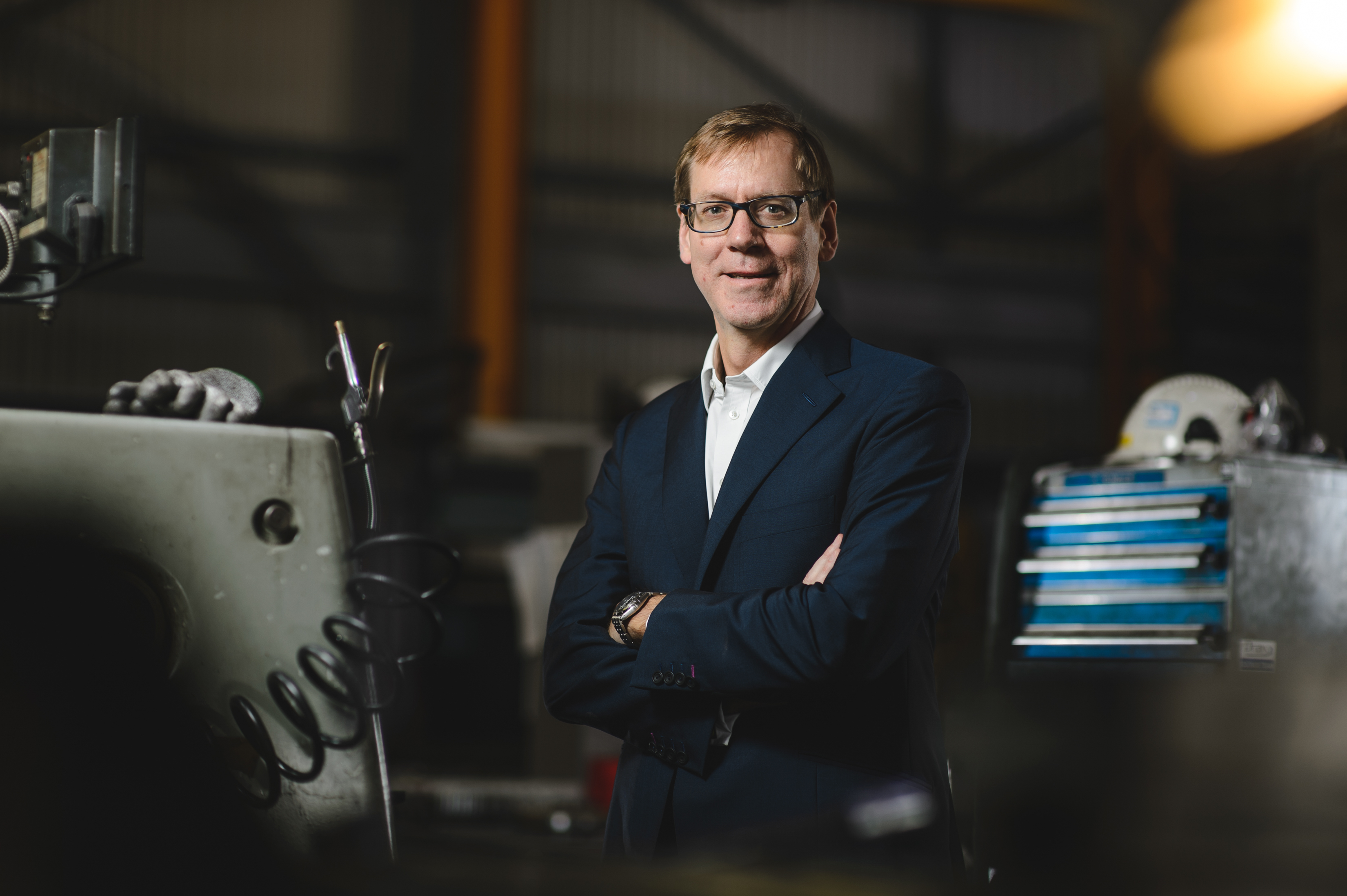
Drax Group CEO Will Gardiner

The Alliance is a group of over 120 global CEOs who work together to tackle the climate emergency, reduce the CO2 emissions their businesses produce and inspire other organisations to do the same.

Will’s membership of the Alliance is in recognition of Drax’s ambition of becoming a carbon negative company by 2030 and the anticipated role the company will play in delivering the carbon removals technology that will be critical in limiting global warming to 1.5C or 2C.

He will also be able to share with other Alliance members his experience of delivering a reduction in the business’ carbon emissions from power generation and how Drax is positioning itself to become a world leader in sustainable biomass and developing new carbon removal technologies.

Drax aspires to lead the world in engineered carbon removals through the deployment of bioenergy with carbon capture and storage (BECCS). Once operational, BECCS will generate dispatchable, renewable power while permanently removing carbon from the atmosphere.

Drax Group CEO, Will Gardiner, said:

“This is a pivotal period to join the World Economic Forum’s Alliance of CEO Climate Leaders and I am excited to work closely with the WEF and other senior leaders to tackle the climate crisis. I’m looking forward to sharing Drax’s expertise with other Alliance members as well as learning from other companies and sectors as to how we can further innovate and reduce our emissions.

“Drax’s purpose is to enable a zero carbon, lower cost energy future and this aligns with the Alliance’s goal of taking bold climate action. In the coming years, the planet will need more renewable energy, more flexible energy systems to make the best use of intermittent wind and solar energy, and crucially, greenhouse gas removal technologies, like Bioenergy with Carbon Capture and Storage.”

World Economic Forum Head of Climate Ambition Initiatives, Pim Valdre, said:

“We are delighted that Will has joined us as a member of the Alliance of CEO Climate Leaders. Drax’s commitment to using science-based targets to reduce its carbon emissions and lead the world in the development of BECCS will help inspire other organisations to take positive steps to develop and deploy the technologies needed to tackle the climate crisis. We are looking forward to working with Will and the wider Drax team over the coming years.”

Scientists from the UN’s IPCC have said that carbon removals from BECCS are needed to address the climate crisis and limit global warming to 1.5C above pre-industrial levels. The first state of carbon dioxide removal report, led by the University of Oxford, argues that all pathways that limit warming to 1.5C or 2C involve substantial levels of carbon dioxide removals between 2020 and 2100, ranging from 450 to 1,100 GtCO2.

Drax anticipates that there is strong potential for growth in the carbon removals delivered through BECCS and by 2030, its plans for the UK and North America could remove 12MtCO2 permanently from the atmosphere each year.

ENDS

Media contacts:

Andy Low
Media Manager
E: [email protected]
T: 07841 068 415

Editor’s Notes

About Drax:

Drax Group’s purpose is to enable a zero carbon, lower cost energy future and in 2019 announced a world-leading ambition to be carbon negative by 2030, using bioenergy with carbon capture and storage (BECCS) technology.

Drax’s around 3,000 employees operate across three principal areas of activity – electricity generation, electricity sales to business customers and compressed wood pellet production and supply to third parties. For more information visit www.drax.com

Power generation:

Drax owns and operates a portfolio of renewable electricity generation assets in England and Scotland. The assets include the UK’s largest power station, based at Selby, North Yorkshire, which supplies five percent of the country’s electricity needs.

Having converted Drax Power Station to use sustainable biomass instead of coal it has become the UK’s biggest renewable power generator and the largest decarbonisation project in Europe. It is also where Drax is piloting the groundbreaking negative emissions technology BECCS within its CCUS (Carbon Capture Utilisation and Storage) Incubation Area.

Its pumped storage, hydro and energy from waste assets in Scotland include Cruachan Power Station – a flexible pumped storage facility within the hollowed-out mountain Ben Cruachan.

The Group also aims to build on its BECCS innovation at Drax Power Station with a target to deliver 4 million tonnes of negative CO2 emissions each year from new-build BECCS outside of the UK by 2030 and is currently developing models for North American and European markets.

Pellet production and supply:

The Group has 18 operational pellet plants and developments with nameplate production capacity of around 5 million tonnes a year.

Drax is targeting 8 million tonnes of production capacity by 2030, which will require the development of over 3 million tonnes of new biomass pellet production capacity. The pellets are produced using materials sourced from sustainably managed working forests and are supplied to third party customers in Europe and Asia for the generation of renewable power.

Drax’s pellet plants supply biomass used at its own power station in North Yorkshire, England to generate flexible, renewable power for the UK’s homes and businesses, and also to customers in Europe and Asia.

Customers: 

Drax supplies renewable electricity to UK businesses, offering a range of energy-related services including energy optimisation, as well as electric vehicle strategy and management.

To find out more go to the website www.energy.drax.com