



Archives: Press Release

British Steel forges new partnership to support Drax’s world leading carbon capture project

  • Renewable energy company Drax is exploring opportunities with British Steel for it to supply around 13,000 tonnes of steel for the energy company’s multi-billion-pound UK bioenergy with carbon capture and storage (BECCS) project.
  • Partnership will also support the development of skills in the steel supply chain required to develop UK CCUS expertise, enabling the country to lead the world in the vital green industries needed to address the climate crisis.
  • Drax’s ambition is to source up to 80% of the materials and services it needs to develop BECCS in the UK from British businesses, protecting and creating thousands of jobs, helping to level up the North.

The signing of a Memorandum of Understanding (MoU) brings together two major British industries to support the development  of bioenergy with carbon capture and storage (BECCS), a technology which could kickstart a whole new sector of the economy and create opportunities for the UK to lead the world in a vital technology required to address global warming.

Through the partnership, Drax and British Steel aim to support efforts to meet the UK’s climate targets and level up the North, whilst supporting skills within the steel sector.

Will Gardiner, Drax Group CEO said:

Will Gardiner, CEO, Drax Group

“We are excited to be partnering with British Steel as we continue to progress our world-leading UK BECCS project. This country has a once in a lifetime opportunity to lead the world in vital new green technologies like BECCS, which will not only support thousands of UK jobs, but could also create new export opportunities, whilst helping to tackle the climate crisis.

“We aim to invest billions of pounds, create tens of thousands of jobs and have BECCS operational in the UK by 2030, provided that the UK Government has in place policies to support the feasibility and delivery of negative emissions technologies. BECCS will permanently remove millions of tonnes of carbon dioxide from the atmosphere every year from as soon as 2027, whilst continuing to generate the reliable, renewable power this country needs.”

BECCS is a critical technology needed to combat global warming because it permanently removes carbon dioxide from the atmosphere whilst also generating reliable, renewable electricity.

Drax is ready to invest around £2bn in its plans to build BECCS in the UK. Work could get underway as soon as 2024, with the energy company planning to source up to 80% of the materials and services it needs for the project from British businesses.
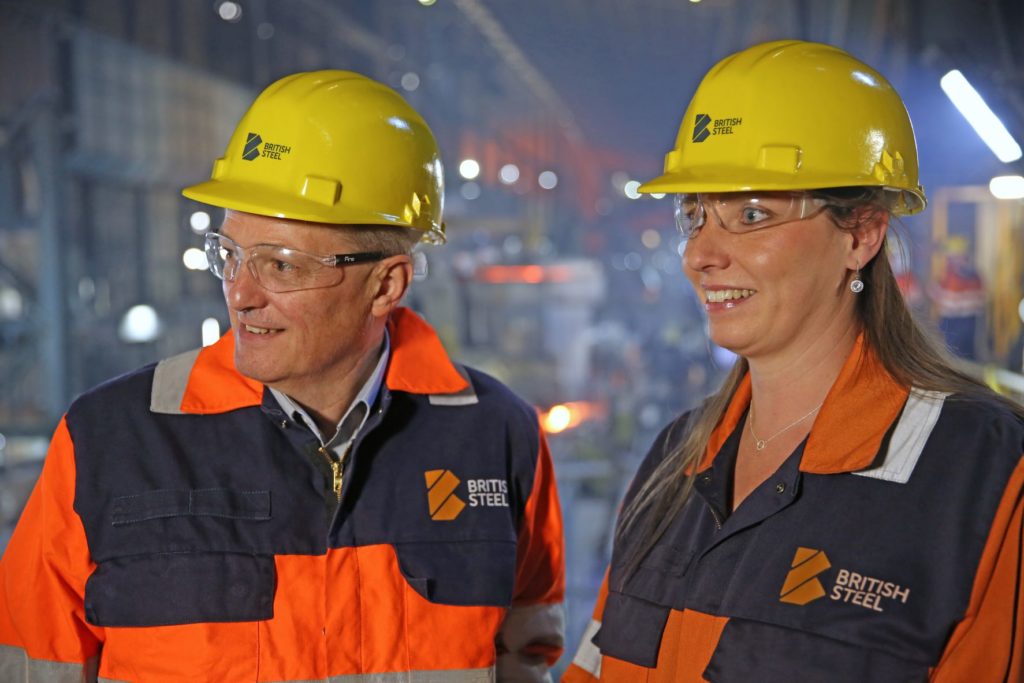
Graham Backhouse, Commercial Director at Drax, Lisa Coulson, Marketing & Strategy Director at British Steel.

Around 13,000 tonnes of steel will be required for the major infrastructure project, including beams produced at British Steel’s Scunthorpe and Teesside steel works.

Allan Bell, British Steel’s Chief Commercial and Procurement Officer, said:

“We are proud to be working with Drax to explore the opportunities this major infrastructure project creates both in terms of the use of our steel products but also in developing skills in the steel supply chain required to support the development of CCUS expertise within the UK.

“We’re already making progress in our own decarbonisation journey, with our plans to use green hydrogen and our commitment to be net zero by 2050. There are real synergies between what we’re trying to achieve and Drax’s ambitions with BECCS, which we hope to build on through this partnership, putting the UK and the North of England on the world map.”
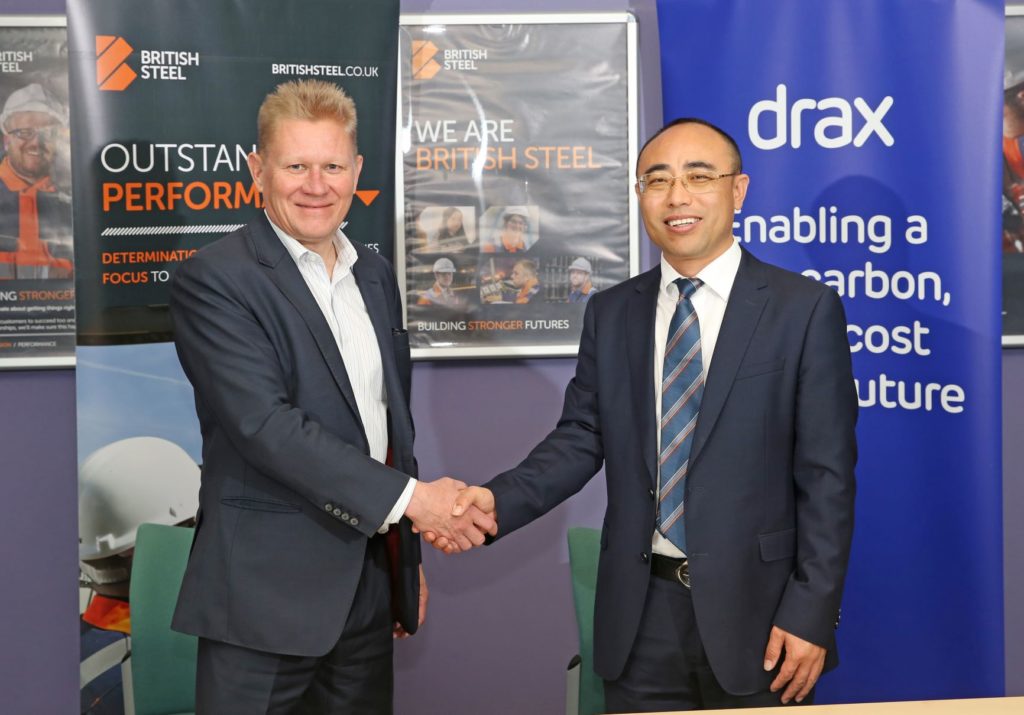
Esa Heiskanen, Chief Officer Capital Projects at Drax, Xifeng Han CEO British Steel.

Holly Mumby-Croft MP, Member of Parliament for Scunthorpe, said:

“I was delighted to hear that Drax and British Steel had reached this agreement, it’s some really positive news for Scunthorpe.

“I’ve long said that we should be using British steel in British infrastructure projects not only because we should be supporting our local businesses, but because it’s also the best. I look forward to seeing the outcome of this partnership and the benefits it will bring to Scunthorpe, protecting jobs and supporting energy security.”

If the UK government gives more clarity this summer on the process for BECCS power projects to move forward within its CCS cluster programme, Drax’s BECCS project could capture 8 million tonnes of CO2 a year from 2030, making it the largest carbon capture and storage project in the world.

It will also act as an anchor project for the East Coast Cluster, a consortium of Zero Carbon Humber and Net Zero Teesside, which combined account for more than half of the UK’s industrial emissions.

The UK steel industry has played a pivotal role in the northern communities in which it operates, supporting thousands of jobs in both Scunthorpe and Teesside. Large infrastructure projects like Drax’s BECCS plans will support and help protect jobs in the steel sector.

ENDS

Main image caption:

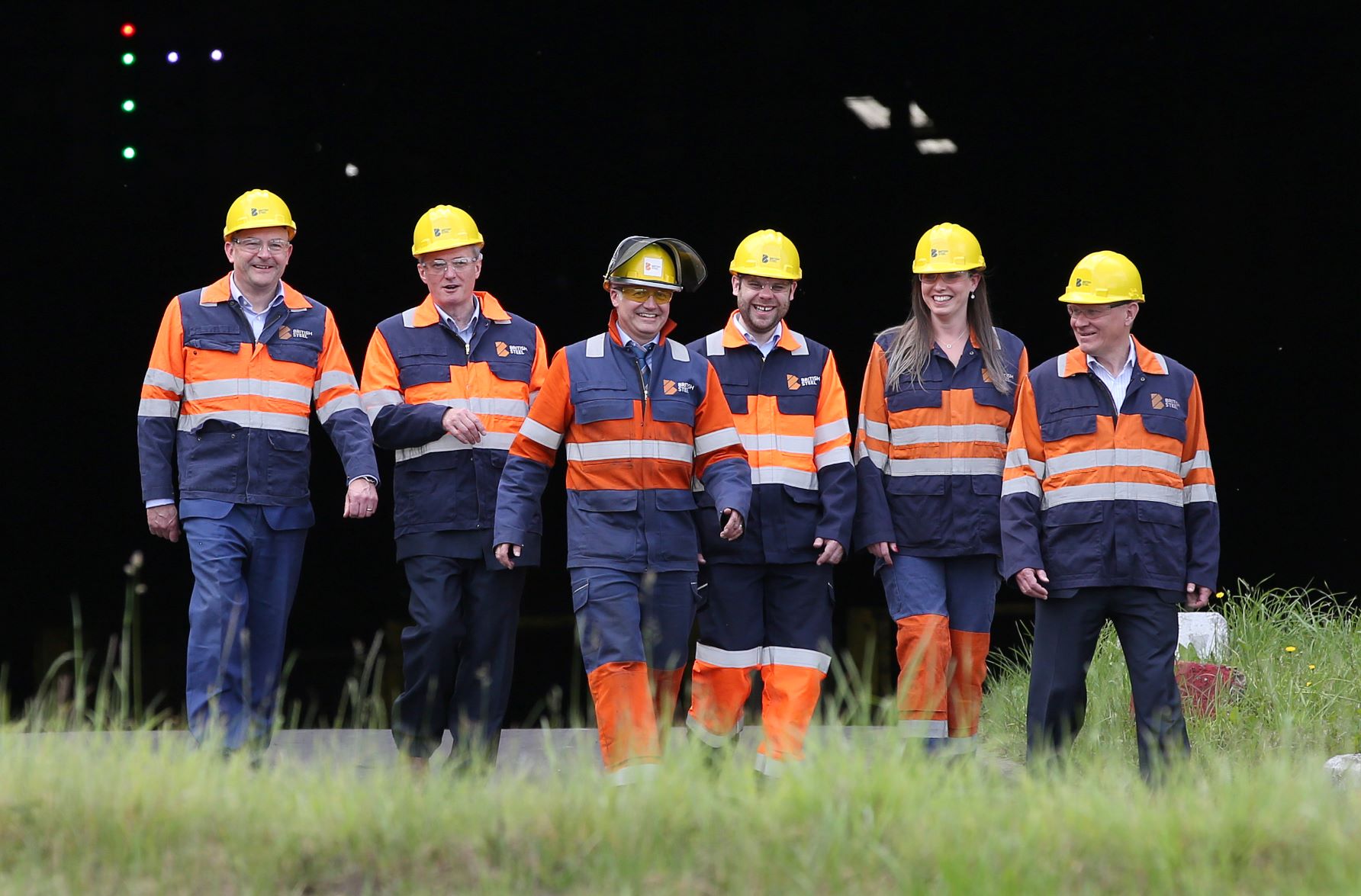
(From L – R) Ben Cunliffe, Commercial Director (Constuction), British Steel, Graham Backhouse, Commercial Director at Drax, Chris Vaughan Technical Director at British Steel, Allan Bell, Chief Commercial Officer at British Steel, Lisa Coulson, Marketing & Strategy Director at British Steel, Esa Heiskanen, Chief Officer Capital Projects at Drax.

Media contacts: 

Ben Wicks
Media Manager
E: [email protected]
T: 07761 525 662

Ali Lewis
Head of Media & PR
E: [email protected]
T: 07849090368

Editor’s Notes

  • The East Coast Cluster was selected by the UK government to be one of two priority industrial clusters to progress plans for carbon capture in the 2020s.
  • More than 600 businesses from across the North recently attended supplier events Drax organised, where companies were able to find out more about how they could benefit from contracts worth hundreds of millions of pounds associated with its BECCS plans.
  • More than 1,800 people have signed up to pledge their support for Drax’s plans for BECCS at the power station in North Yorkshire.
  • The world leading climate scientists at the UN’s IPCC say BECCS is a vital negative emissions technology required globally to reach the climate targets set out in the Parish Climate Accord in 2015.
  • Negative emissions technologies are essential because they can permanently remove the CO2 accumulating in the atmosphere, which is causing temperatures to rise.
  • Once up and running, Drax’s CO2 from Drax’s BECCS units would be transported via pipeline to the Endurance storage site, under the North Sea. This part of the process is being developed and by The Northern Endurance Partnership.

About Drax

Drax Group’s purpose is to enable a zero carbon, lower cost energy future and in 2019 announced a world-leading ambition to be carbon negative by 2030, using Bioenergy with Carbon Capture and Storage (BECCS) technology.

Drax’s around 3,000 employees operate across three principal areas of activity – electricity generation, electricity sales to business customers and compressed wood pellet production and supply to third parties. For more information visit www.drax.com

Power generation:

Drax owns and operates a portfolio of renewable electricity generation assets in England and Scotland. The assets include the UK’s largest power station, based at Selby, North Yorkshire, which supplies five percent of the country’s electricity needs.

Having converted Drax Power Station to use sustainable biomass instead of coal it has become the UK’s biggest renewable power generator and the largest decarbonisation project in Europe. It is also where Drax is piloting the groundbreaking negative emissions technology BECCS within its CCUS (Carbon Capture Utilisation and Storage) Incubation Area.

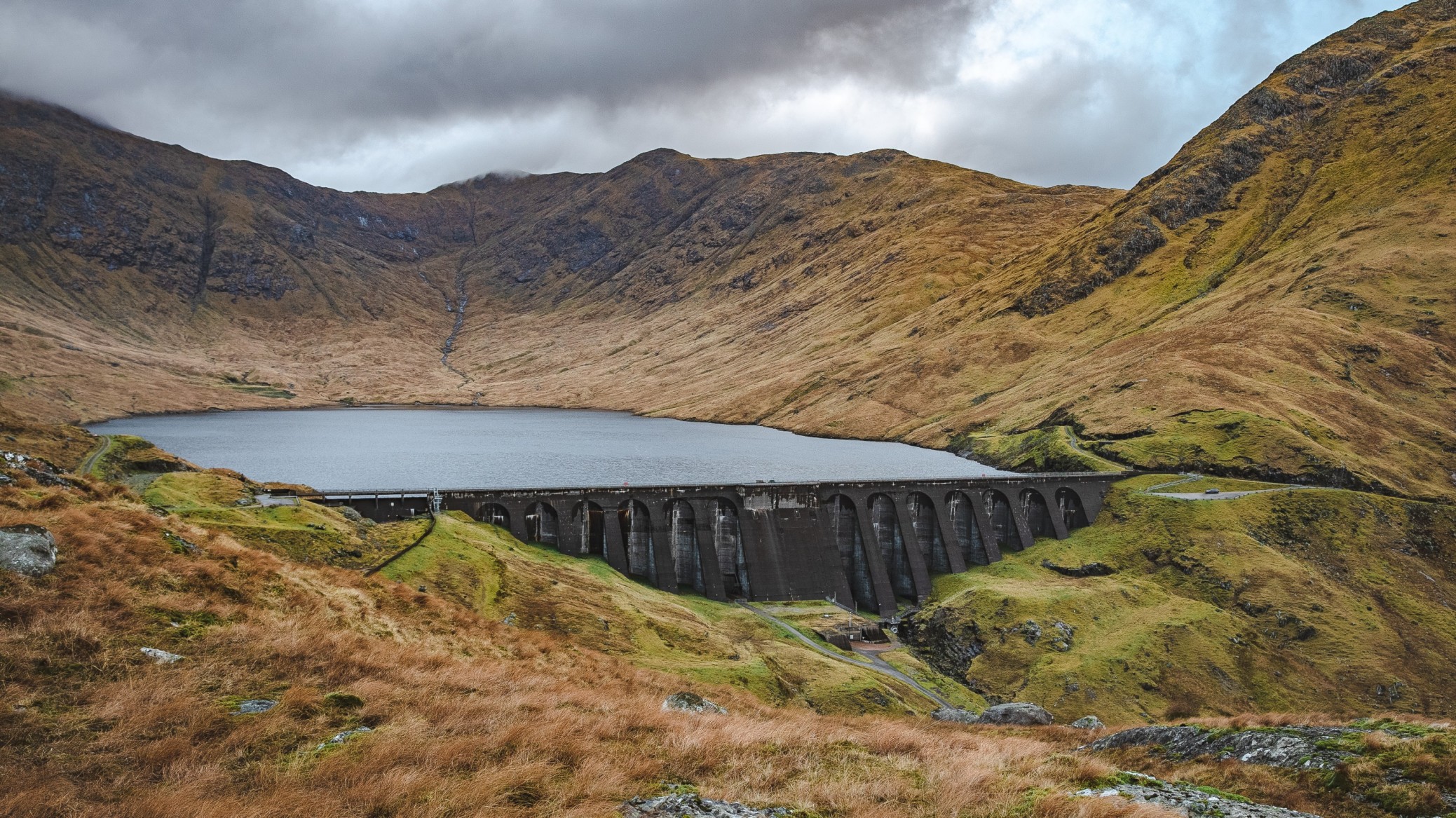
Its pumped storage, hydro and energy from waste assets in Scotland include Cruachan Power Station – a flexible pumped storage facility within the hollowed-out mountain Ben Cruachan.

The Group also aims to build on its BECCS innovation at Drax Power Station with a target to deliver 4Mt of negative CO2 emissions each year from new-build BECCS outside of the UK by 2030 and is currently developing models for North American and European markets.

Pellet production and supply:

The Group has 17 operational pellet plants and developments with nameplate capacity of 4.6Mt, which will increase to c.5Mt once developments are complete.

Drax is targeting 8Mt of production capacity by 2030, which will require the development of over 3Mt of new biomass pellet production capacity. The pellets are produced using materials sourced from sustainably managed working forests and are supplied to third party customers in Europe and Asia for the generation of renewable power.

Drax’s pellet mills supply around 30% of the biomass used at its own power station in North Yorkshire, England to generate flexible, renewable power for the UK’s homes and businesses.

Customers: 

Drax is the largest supplier of renewable electricity to UK businesses, supplying 100% renewable electricity as standard to more than 370,000 sites through Drax and Opus Energy.

It offers a range of energy-related services including energy optimisation, as well as electric vehicle strategy and management.

To find out more go to the website www.energy.drax.com
Cost of turning off UK wind farms reached record high in 2021

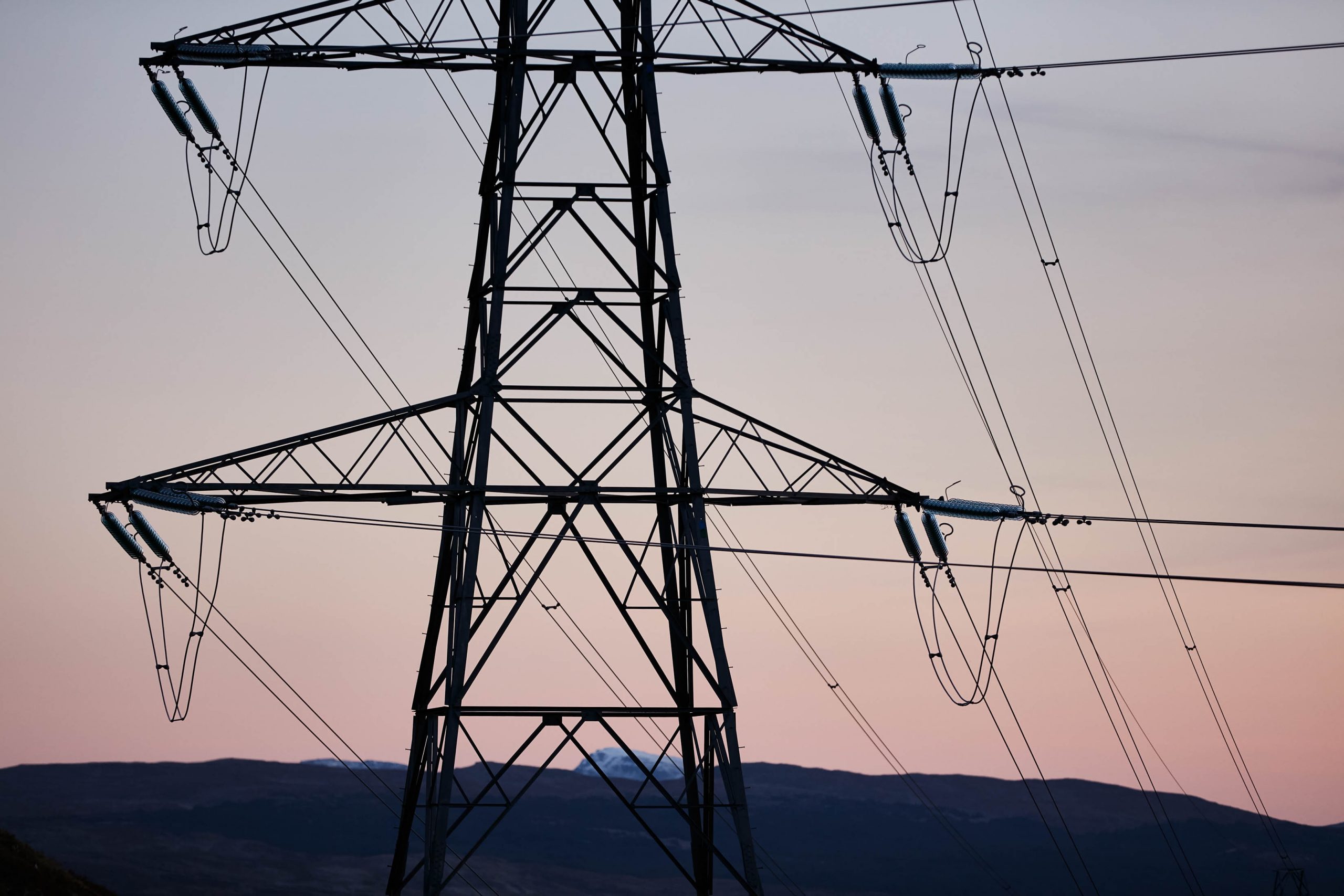
Pylon that takes excess wind power to be stored at Cruachan pumped hydro storage power station in Scotland
  • Investing in more long duration electricity storage, such as expanding Drax’s Cruachan pumped storage hydro plant in Scotland, would mean more excess renewable power could be stored and made available when required, cutting costs and carbon emissions.
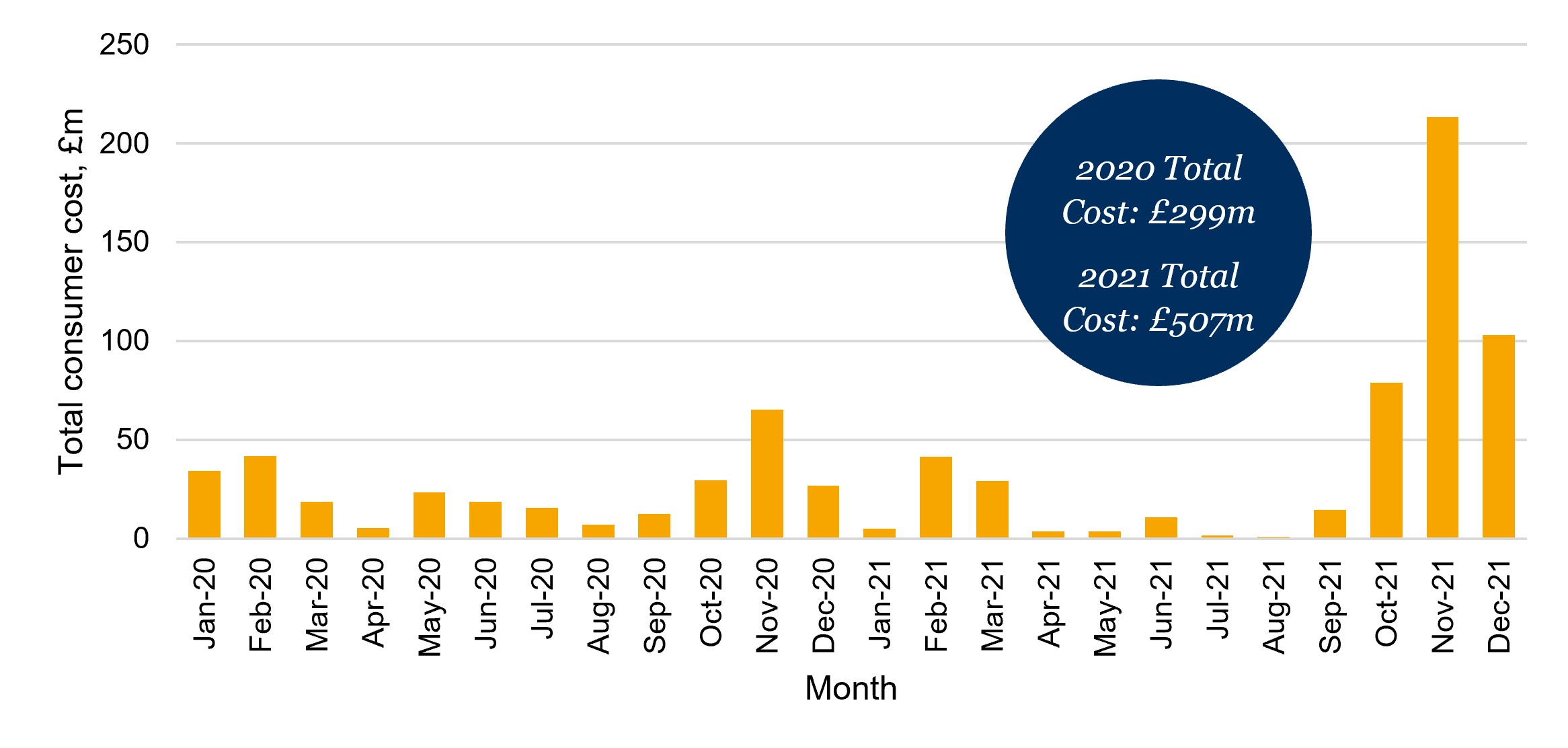
  • The cost of turning off UK wind farms to manage the electricity system rose from almost £300m during 2020 to over £500m in 2021, contributing to higher energy bills and carbon emissions, according to a new report.
  • Costs increased substantially because the system relied on expensive gas power to manage periods when wind power was curtailed, as not enough electricity storage was available to prevent the excess renewable power from wind farms going to waste.

The independent report by Lane Clark & Peacock (LCP), commissioned by renewable energy leader Drax, found that over the last two years curtailing wind power added £806m to energy bills in Britain. Rising gas prices made the practice more expensive, as gas power stations were increasingly used to support the system when wind power was curtailed.

Click to view/download

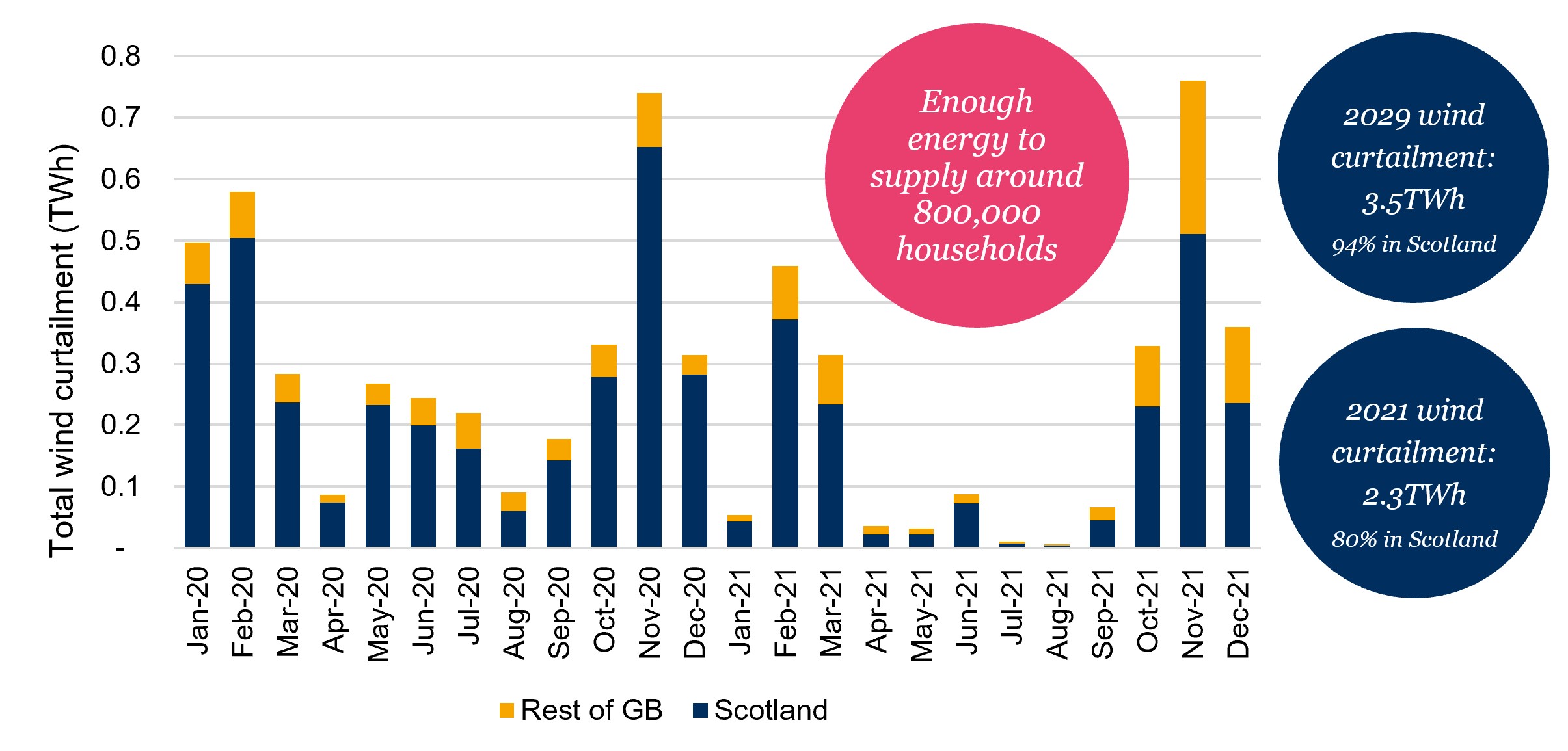
Despite the growing need for more homegrown renewable power generation from wind farms to support energy security, enough renewable power to supply 800,000 UK homes went to waste in 2020 and 2021 as wind farms were routinely asked to switch off by the Electricity System Operator.

Click to view/download

This happened as a result of constraints in the transmission system and a lack of long-duration storage capacity, which is needed to manage periods when renewable power generation outstrips demand.

Britain is a world leader in wind power with capacity increasing from 5.4GW in 2010 to 25.7GW in 2021 – wind turbines now have the capacity to provide enough renewable power for almost 20 million homes.

But without any new long-duration storage projects built for almost 40 years in the UK, the only way to manage the imbalance when generation outstrips demand and prevent damage to the electricity grid, is to curtail wind power – a practice which could be significantly reduced if more energy storage was available.

And with gas power stations overwhelmingly called upon to plug the gaps in supply when wind was constrained due to transmission issues, there was an environmental cost.

An extra two million tonnes of CO2 was emitted during 2020 and 2021 as a result of gas being used to replace curtailed wind power, equivalent to putting almost half a million more cars on Britain’s roads.

Chris Matson, from LCP, said:

“Increasing the output from wind power is essential for the UK to achieve its climate targets and ensure energy security. And yet because investment in the infrastructure needed to support this expansion has not kept pace, wind curtailment is costing the consumer and the environment. Every pound spent on curtailing wind power is a pound wasted.”

Find out more about Cruachan 2 here.

Drax has recently submitted an application to construct and operate a new underground pumped storage hydro power station at its existing Cruachan facility in Scotland.

The 600 MW plant will be located in one of the most constrained transmission areas and will play a crucial role in supporting more wind power to come online to reduce energy bills and carbon emissions.

Penny Small, Drax’s Group Generation Director, said:

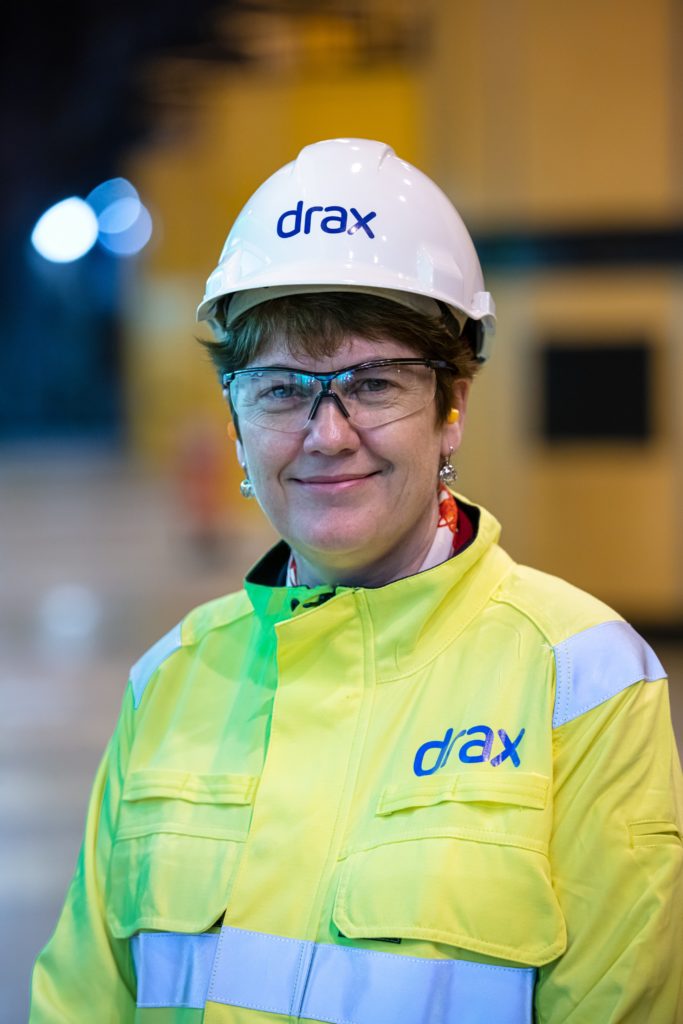
Penny Small, Drax Group Generation Director

“This report underlines the need for a new regulatory framework to encourage private investment in long-duration storage technologies.

“The UK is a world-leader in offshore wind, but for the country’s green energy ambitions to be realised we need the right energy storage infrastructure to support this vital technology, make the system secure and reduce costs.

“Drax’s plan to expand Cruachan will strengthen UK energy security, by enabling more homegrown renewable electricity to power British homes and businesses, reducing system costs and cutting carbon emissions.”

Long-duration storage projects have been left in limbo in recent years without an updated policy and market support mechanism from the UK Government.

The lack of a framework for these technologies means that private investment cannot currently be secured in new pumped storage hydro projects, with no new plants built anywhere in the UK since 1984 despite their critical role in decarbonisation.

ENDS

Media contacts:

Aidan Kerr
Media Manager
E: [email protected]
T: 07849090368

Editor’s Notes

A copy of the ‘Renewable curtailment and the role of long duration storage’ report can be found here.

  • The report defines consumer costs of curtailing wind as the cost of turning wind plant down (bid costs), the consumer benefit arising from the non-payment of low-carbon support payments to curtailed wind plant, and the cost of paying generation to turn-up (offer costs) to replace the lost wind generation.
  • Of the £806m cost to consumers from wind curtailment in 2020 and 2021, 82% (£663m) was from curtailing wind in Scotland – underlining the need for flexible technologies in Scotland specifically.
  • In May, Drax applied for consent to build a new 600MW pumped storage hydro plant at its existing Cruachan facility in Argyll, Scotland.
  • The new power station could be operation in 2030 with construction work getting underway in 2024.
  • It will be a major infrastructure project which will remove of around 2 million tonnes of rock from inside the mountain to create a cavern and tunnels, with around 900 jobs created during its construction and across the supply chain.
  • Long-duration electricity storage can be defined as technologies that are able to respond to supply and demand variations caused by daily peaks, weather events and seasonal patterns, providing power for more than four hours at their full capacity.
  • The UK government’s 2021 Smart Systems and Flexibility Plan recognised long-duration storage as “…essential for achieving net zero.”
  • The government held a call for evidence to hear the industry’s views on de-risking investment at the end of 2021 and aims to evaluate options and respond this year.

About Drax

Drax Group’s purpose is to enable a zero carbon, lower cost energy future and in 2019 announced a world-leading ambition to be carbon negative by 2030, using Bioenergy with Carbon Capture and Storage (BECCS) technology.

Drax’s around 3,000 employees operate across three principal areas of activity – electricity generation, electricity sales to business customers and compressed wood pellet production and supply to third parties. For more information visit www.drax.com

Power generation:

Drax owns and operates a portfolio of renewable electricity generation assets in England and Scotland. The assets include the UK’s largest power station, based at Selby, North Yorkshire, which supplies five percent of the country’s electricity needs.

Having converted Drax Power Station to use sustainable biomass instead of coal it has become the UK’s biggest renewable power generator and the largest decarbonisation project in Europe. It is also where Drax is piloting the groundbreaking negative emissions technology BECCS within its CCUS (Carbon Capture Utilisation and Storage) Incubation Area.

Its pumped storage, hydro and energy from waste assets in Scotland include Cruachan Power Station – a flexible pumped storage facility within the hollowed-out mountain Ben Cruachan.

The Group also aims to build on its BECCS innovation at Drax Power Station with a target to deliver 4Mt of negative CO2 emissions each year from new-build BECCS outside of the UK by 2030 and is currently developing models for North American and European markets.

Pellet production and supply:

The Group has 17 operational pellet plants and developments with nameplate capacity of 4.6Mt, which will increase to c.5Mt once developments are complete.

Drax is targeting 8Mt of production capacity by 2030, which will require the development of over 3Mt of new biomass pellet production capacity. The pellets are produced using materials sourced from sustainably managed working forests and are supplied to third party customers in Europe and Asia for the generation of renewable power.

Drax’s pellet mills supply around 30% of the biomass used at its own power station in North Yorkshire, England to generate flexible, renewable power for the UK’s homes and businesses.

Customers: 

Drax is the largest supplier of renewable electricity to UK businesses, supplying 100% renewable electricity as standard to more than 370,000 sites through Drax and Opus Energy.

It offers a range of energy-related services including energy optimisation, as well as electric vehicle strategy and management.

To find out more go to the website www.energy.drax.com
About LCP

LCP’s energy analytics team specialises in the modelling and analysis of the GB power sector.   LCP’s modelling plays a key role in the sector and is at the heart of GB policy analysis. Their electricity market forecasting models are used by BEIS to assess the impact of changes to energy policy, including the analysis behind its energy white papers and Net Zero strategy. It is also used by National Grid ESO to model system security, by Ofgem to assess changes to charging arrangements, and by the LCCC to set the costs to suppliers of the Contracts for Difference scheme.

LCP also work with clients across the UK and Ireland to provide market forecasting, asset valuation and policy impact analysis. These clients include generators, suppliers, investors, strategists, traders and policy analysts.

Source for cars on the road saving:

67.7 Mt of CO2e from cars (& taxis) in 2019, 32.84m cars on road on avg in 2019. 2.06 tonnes of CO2e per car   1.02426 Mt of emissions per year from wind curtailment = 497,251 cars.

https://assets.publishing.service.gov.uk/government/uploads/system/uploads/attachment_data/file/1040514/env0201.ods

https://assets.publishing.service.gov.uk/government/uploads/system/uploads/attachment_data/file/1077409/veh0101.ods

Businesses from across the region come together to learn how they can contribute to building the world’s biggest carbon capture project at Drax

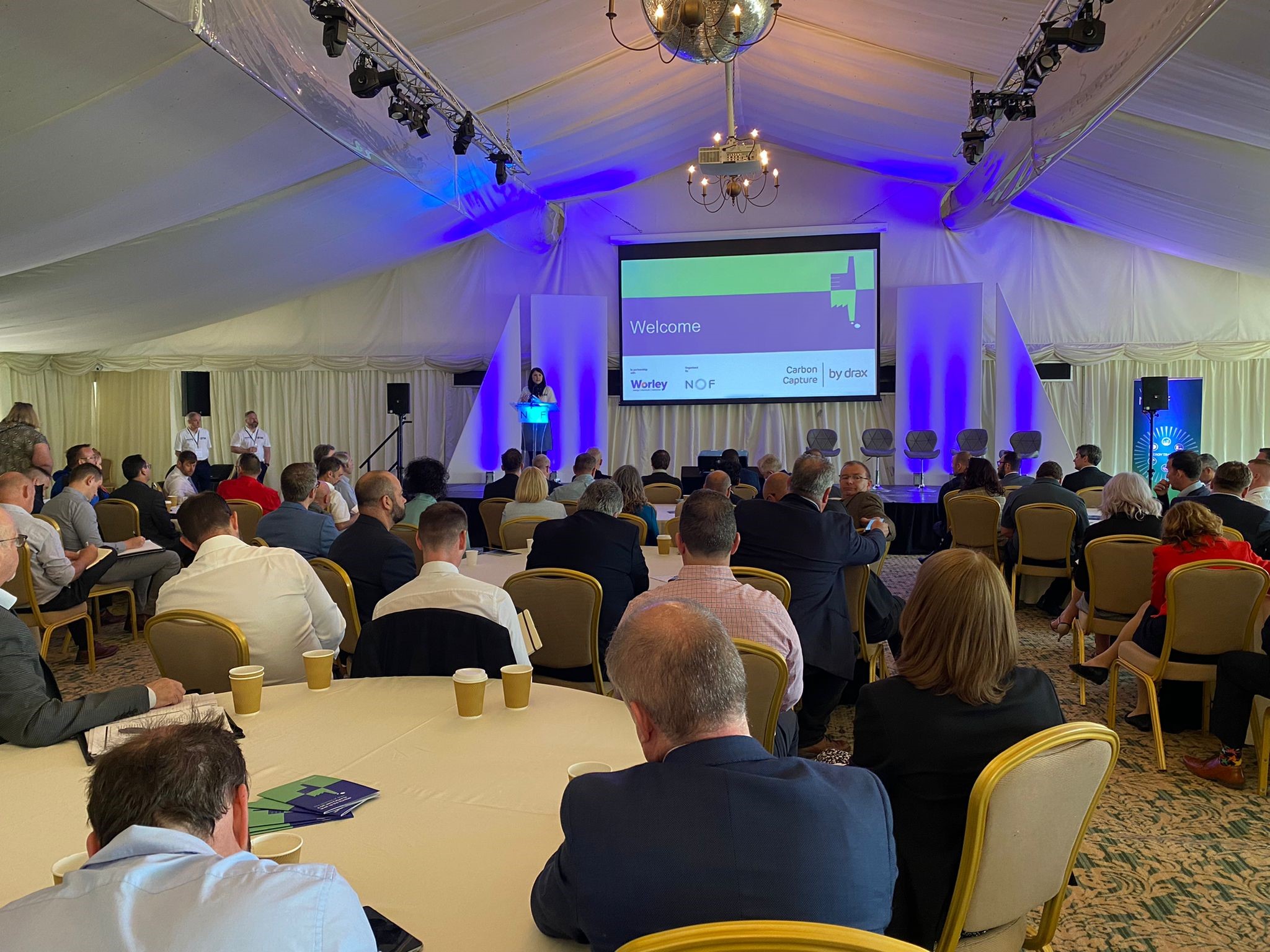
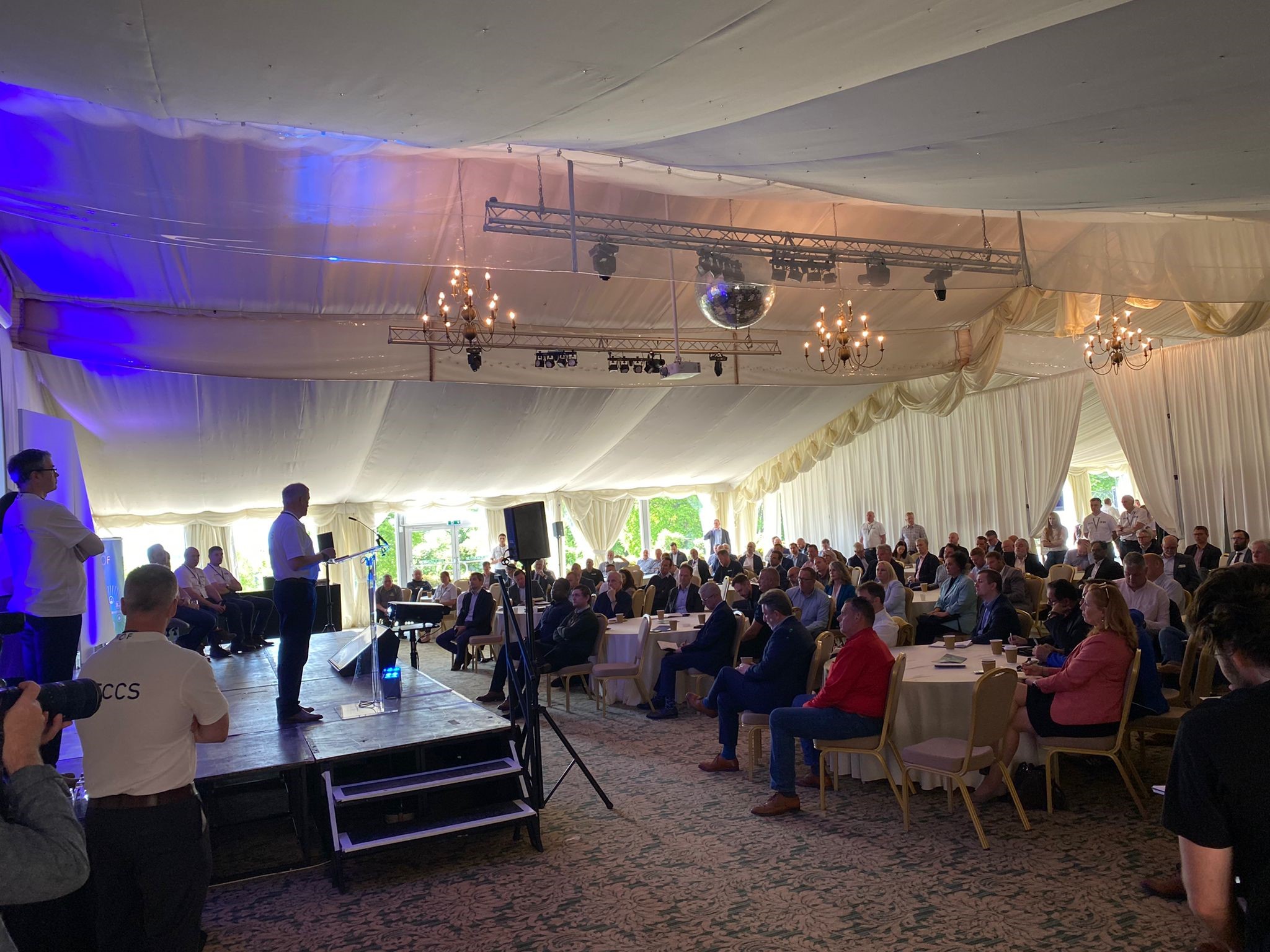
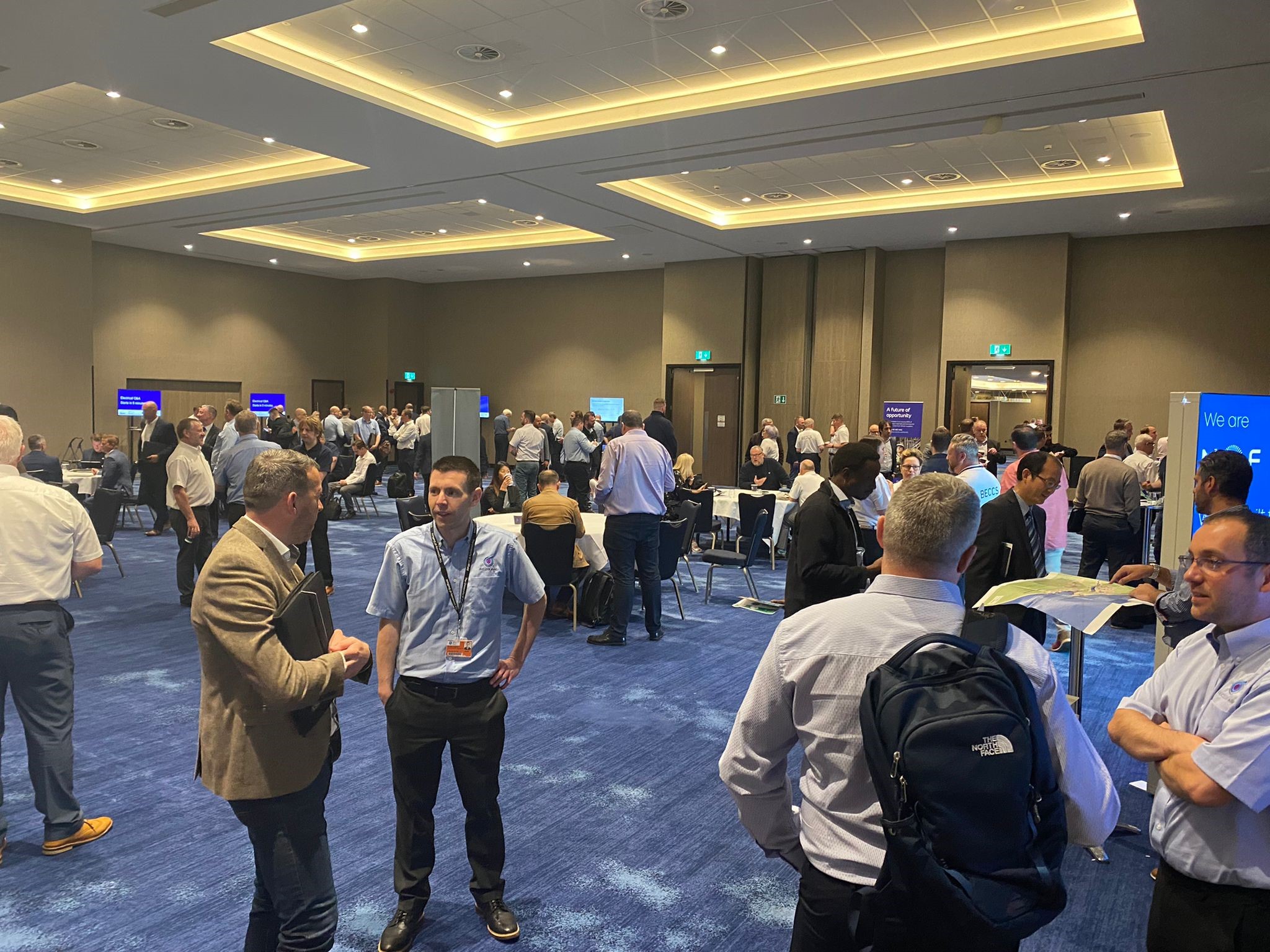
  • More than 328 businesses from across Yorkshire and the Humber came together this week to learn how they can win contracts to help Drax deliver its multi-billion-pound bionergy with carbon capture and storage (BECCS) project.
  • Drax aims to source 80% of construction materials and services for its BECCS project from British businesses.
  • The project will create 10,000 jobs across the North during its construction, developing green skills and helping to level up the region.

The event, run in partnership with NOF, the UK’s leading UK energy sector business development organisation, and the West & North Yorkshire and Hull & Humber Chambers of Commerce, was held in Hull.

Drax has previously said that it aims to source 80% of the construction materials and services from British firms and to build a robust UK supply chain for BECCS, ahead of construction getting underway as soon as 2024, with the creation of around 10,000 jobs.

Graham Backhouse, Drax’s Commercial Director for the BECCS project, said:

“We want to put British businesses at the heart of our plans to deliver BECCS. It was fantastic to see such a broad range of companies, large and small, from across the region come together to learn how they can benefit from hundreds of millions of pounds worth of new contracts.

“Negative emissions technologies like BECCS will play a vital role in enabling the UK to reach its net zero goals, as well as creating exciting opportunities for Britain to lead the world in a vital technology, creating a new sector of the economy, as well as export opportunities.”

David Hooper, External Affairs and Membership Director at Hull and Humber Chamber of Commerce, said:

“The event was a fantastic opportunity for businesses from across the region to learn about the huge opportunities available for them to be involved in Drax’s BECCS project. Projects like this will provide a vital opportunity for the UK supply chain to access millions of pounds worth of contracts, supporting jobs and growth in the Hull and Humber region.

“It’s incredible to think that the Humber is the largest emitter of CO2 in Europe after the Ruhr Valley in Germany, so it’s great to see businesses coming together to make significant changes which will benefit the entire region over the coming years. The Chamber welcomes and supports this initiative and it’s encouraging to see so many local businesses wanting to get involved and play their part.”

Diana Taylor, Managing Director of Marketing Humber, said:

“BECCS at Drax will have a huge impact both economically and environmentally across the whole of the region, and it will play a vital role in enabling a zero carbon Humber.

“It’s crucial that businesses from across the Humber play a role in Drax’s plans, as it will not only support the economic growth of the region, but it will also support the creation of green jobs, helping to level up the North.”

Drax has a proven track record in delivering ambitious and pioneering infrastructure projects with the conversion of its power station in North Yorkshire to use sustainable biomass having enabled it to become the UK’s largest single site renewable generator, supporting more than 6,600 jobs throughout its supply chains across the North, whilst reducing its emissions by over 95% and paving the way for the deployment of BECCS.

ENDS

Media contacts: 

Ben Wicks
Media Manager
E: [email protected]
T: 07762 525662

Editor’s Notes

  • The event was held at Wynyard Hall on Wednesday 18th of May 2022.

About Drax

Drax Group’s purpose is to enable a zero carbon, lower cost energy future and in 2019 announced a world-leading ambition to be carbon negative by 2030, using Bioenergy with Carbon Capture and Storage (BECCS) technology.

Drax’s around 3,000 employees operate across three principal areas of activity – electricity generation, electricity sales to business customers and compressed wood pellet production and supply to third parties. For more information visit www.drax.com

Power generation:

Drax owns and operates a portfolio of renewable electricity generation assets in England and Scotland. The assets include the UK’s largest power station, based at Selby, North Yorkshire, which supplies five percent of the country’s electricity needs.

Having converted Drax Power Station to use sustainable biomass instead of coal it has become the UK’s biggest renewable power generator and the largest decarbonisation project in Europe. It is also where Drax is piloting the groundbreaking negative emissions technology BECCS within its CCUS (Carbon Capture Utilisation and Storage) Incubation Area.

Its pumped storage, hydro and energy from waste assets in Scotland include Cruachan Power Station – a flexible pumped storage facility within the hollowed-out mountain Ben Cruachan.

The Group also aims to build on its BECCS innovation at Drax Power Station with a target to deliver 4Mt of negative CO2 emissions each year from new-build BECCS outside of the UK by 2030 and is currently developing models for North American and European markets.

Pellet production and supply:

The Group has 17 operational pellet plants and developments with nameplate capacity of 4.6Mt, which will increase to c.5Mt once developments are complete.

Drax is targeting 8Mt of production capacity by 2030, which will require the development of over 3Mt of new biomass pellet production capacity. The pellets are produced using materials sourced from sustainably managed working forests and are supplied to third party customers in Europe and Asia for the generation of renewable power.

Drax’s pellet mills supply around 30% of the biomass used at its own power station in North Yorkshire, England to generate flexible, renewable power for the UK’s homes and businesses.

Customers: 

Drax is the largest supplier of renewable electricity to UK businesses, supplying 100% renewable electricity as standard to more than 370,000 sites through Drax and Opus Energy.

It offers a range of energy-related services including energy optimisation, as well as electric vehicle strategy and management.

To find out more go to the website www.energy.drax.com
Businesses from across the region come together to learn how they can contribute to building the world’s biggest carbon capture project at Drax

  • More than 296 businesses from across Teesside came together this week to learn how they can win contracts to help Drax deliver its multi-billion-pound bionergy with carbon capture and storage (BECCS) project.
  • Drax aims to source 80% of construction materials and services for its BECCS project from British businesses.
  • The project will create 10,000 jobs across the North during its construction, developing green skills and helping to level up the region.

The event, run in partnership with NOF, the UK’s leading UK energy sector business development organisation, and the West & North Yorkshire and Hull & Humber Chambers of Commerce, was held in Teesside.

Drax has previously said that it aims to source 80% of the construction materials and services from British firms and to build a robust UK supply chain for BECCS, ahead of construction getting underway as soon as 2024, with the creation of around 10,000 jobs.

Graham Backhouse, Drax’s Commercial Director for the BECCS project, said:

“We want to put British businesses at the heart of our plans to deliver BECCS. It was fantastic to see such a broad range of companies, large and small, from across the region come together to learn how they can benefit from hundreds of millions of pounds worth of new contracts.

“Negative emissions technologies like BECCS will play a vital role in enabling the UK to reach its net zero goals, as well as creating exciting opportunities for Britain to lead the world in a vital technology, creating a new sector of the economy, as well as export opportunities.”

Joanne Leng, Chief Executive of NOF, said:

”The feedback from the businesses that attended Drax’s BECCS roadshow has been outstanding. The supply chain benefitted hugely from the opportunity to engage directly with key engineering personnel on the project.

“Both Drax and Worley must be congratulated for successfully fielding so many engineers, this was a real gamechanger in terms of ‘Meet the Buyer’ type events and one which will no doubt result in some new key supplier relationships being developed.”

Drax has a proven track record in delivering ambitious and pioneering infrastructure projects with the conversion of its power station in North Yorkshire to use sustainable biomass having enabled it to become the UK’s largest single site renewable generator, supporting more than 6,600 jobs throughout its supply chains across the North, whilst reducing its emissions by over 95% and paving the way for the deployment of BECCS.

ENDS

Media contacts: 

Ben Wicks
Media Manager
E: [email protected]
T: 07762 525662

Editor’s Notes

  • The event was held at Wynyard Hall on Wednesday 18th of May 2022.

About Drax

Drax Group’s purpose is to enable a zero carbon, lower cost energy future and in 2019 announced a world-leading ambition to be carbon negative by 2030, using Bioenergy with Carbon Capture and Storage (BECCS) technology.

Drax’s around 3,000 employees operate across three principal areas of activity – electricity generation, electricity sales to business customers and compressed wood pellet production and supply to third parties. For more information visit www.drax.com

Power generation:

Drax owns and operates a portfolio of renewable electricity generation assets in England and Scotland. The assets include the UK’s largest power station, based at Selby, North Yorkshire, which supplies five percent of the country’s electricity needs.

Having converted Drax Power Station to use sustainable biomass instead of coal it has become the UK’s biggest renewable power generator and the largest decarbonisation project in Europe. It is also where Drax is piloting the groundbreaking negative emissions technology BECCS within its CCUS (Carbon Capture Utilisation and Storage) Incubation Area.

Its pumped storage, hydro and energy from waste assets in Scotland include Cruachan Power Station – a flexible pumped storage facility within the hollowed-out mountain Ben Cruachan.

The Group also aims to build on its BECCS innovation at Drax Power Station with a target to deliver 4Mt of negative CO2 emissions each year from new-build BECCS outside of the UK by 2030 and is currently developing models for North American and European markets.

Pellet production and supply:

The Group has 17 operational pellet plants and developments with nameplate capacity of 4.6Mt, which will increase to c.5Mt once developments are complete.

Drax is targeting 8Mt of production capacity by 2030, which will require the development of over 3Mt of new biomass pellet production capacity. The pellets are produced using materials sourced from sustainably managed working forests and are supplied to third party customers in Europe and Asia for the generation of renewable power.

Drax’s pellet mills supply around 30% of the biomass used at its own power station in North Yorkshire, England to generate flexible, renewable power for the UK’s homes and businesses.

Customers: 

Drax is the largest supplier of renewable electricity to UK businesses, supplying 100% renewable electricity as standard to more than 370,000 sites through Drax and Opus Energy.

It offers a range of energy-related services including energy optimisation, as well as electric vehicle strategy and management.

To find out more go to the website www.energy.drax.com

Drax submits application to expand iconic ‘Hollow Mountain’ Power Station

  • Plans submitted by renewable energy company Drax to expand Cruachan Power Station in Scotland will support UK energy security, reduce energy costs, and cut carbon emissions by enabling more renewable power to be used by homes and businesses.
  • The new power station could be operational as soon as 2030 with construction work getting underway in 2024, removing around 2 million tonnes of rock from inside Ben Cruachan and creating hundreds of jobs across Scotland.

The development – which could be the first newly constructed plant of its kind in the UK in more than 40 years – will provide critical storage capacity to strengthen the UK’s energy security and enable net zero. It will be a major infrastructure project which will support around 900 jobs during six years of construction across the supply chain in a range of industries from quarrying and engineering, to transport and hospitality. Around 150 on-site local construction jobs will be created during the development.

The up to 600MW power station will be located inside Ben Cruachan – Argyll’s highest mountain – and increase the site’s total capacity to 1.04GW. The plant will be housed within a new, hollowed-out cavern which would be large enough to fit Big Ben on its side. Around two million tonnes of rock will be excavated to create the cavern, tunnels, and other parts of the power station.

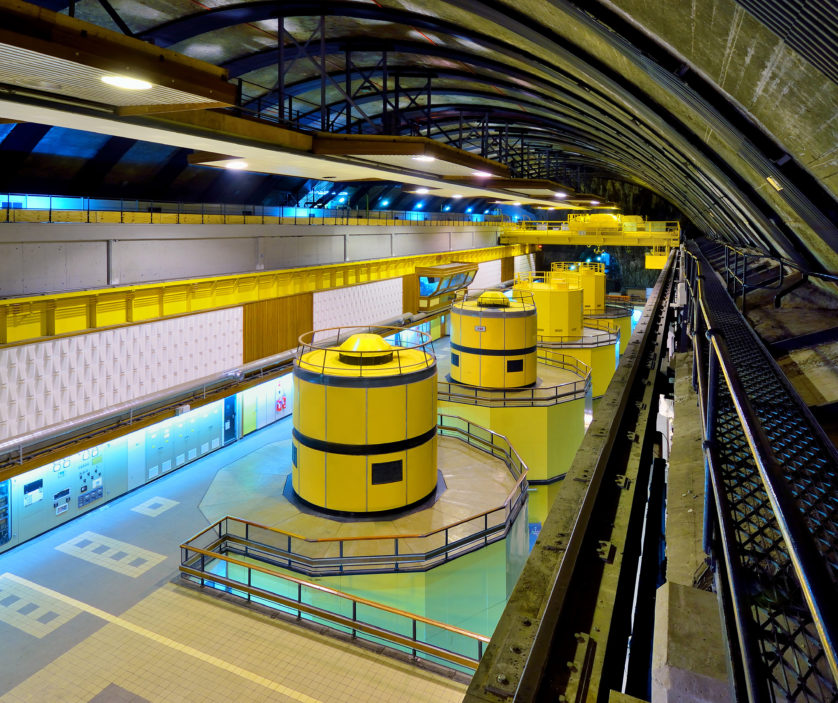
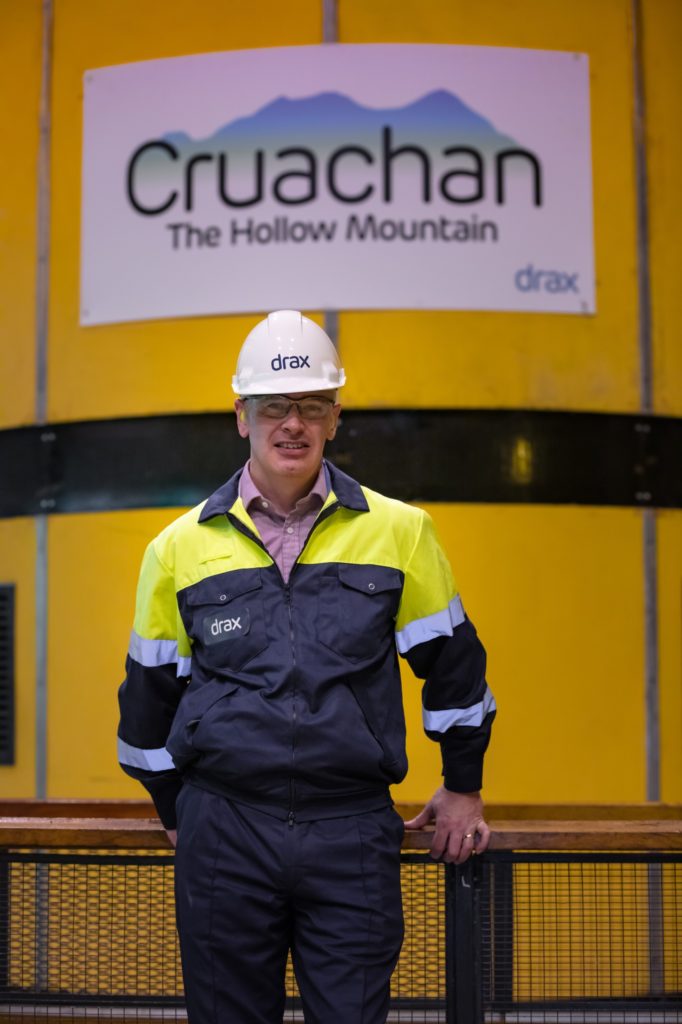
The Hollow Mountain – Cruachan’s generating units are housed inside the mountain.

The new plant could be operational in 2030, providing critical stability services to the power system by acting like a giant water battery. It will use reversible turbines to pump water from Loch Awe to the upper reservoir on the mountainside to store excess power from wind farms and other low carbon technologies when supply outstrips demand and then use this stored water to generate renewable power when it is needed.

A new generation of pumped storage hydro plants can play a major role in reducing emissions and significantly cutting the UK’s reliance on imported gas through their storage and flexibility services.

Wind farms are routinely paid to turn off when supply outstrips demand or there is insufficient capacity on the National Grid Transmission System due to a lack of energy storage creating local bottlenecks. In 2020, enough wind power to supply around a million homes went to waste because of this.

Ian Kinnaird, Drax’s Scottish Assets Director, standing in-front of a generating unit in the existing Cruachan cavern.

Ian Kinnaird, Drax’s Scottish Assets Director, said:

“Drax’s plan to expand Cruachan will strengthen the UK’s energy security by enabling more homegrown renewable electricity to come online to power homes and businesses across the country, helping to end our reliance on imports and cut costs. This major infrastructure project will support hundreds of jobs and provide a real boost to the Scottish economy. Only by investing in long-duration storage technologies can the UK reach its full renewable potential, and Drax is ready to move mountains to do just that.”

Claire Mack, Scottish Renewables Chief Executive, said:

Pumped storage hydro is a critical technology needed to meet net zero. Over the last decade we have managed to develop the technologies to decarbonise the power system such as wind and solar, but what we really need now is greater flexibility to fully optimise those technologies. That’s why the success of long-duration storage projects such as Cruachan 2 is absolutely vital to Scotland and the whole of the UK.”

Drax’s plans to expand Cruachan has also won support from former Australian prime minister Malcolm Turnbull. During his time in office, Mr Turnbull announced the construction of Snowy Hydro 2.0 – the biggest pumped hydro scheme in the southern hemisphere. He is now a board member of the International Hydropower Association and Co-Chair of the International Forum on Pumped Storage Hydropower.

Commenting on Drax’s exciting expansion plans, Mr Turnbull said:

“Within the climate crisis the world is facing an ignored crisis – how to ensure that we do not fall back on fossil fuels when the wind isn’t blowing, and the sun isn’t shining. We need green energy security solutions, and Drax’s plans to expand Cruachan will enable the UK to enhance its energy security and enable more renewable power to come online.”

In order to deploy this critical technology, Drax must secure consent under Section 36 of the Electricity Act 1989 from the Scottish Government – a process which will take around one year to complete from the application’s submission.

Alongside a successful Section 36 application, the project will also require an updated policy and market support mechanism from the UK Government. The existing lack of a framework for long-duration electricity storage and flexibility technologies means that private investment cannot currently be secured in new pumped storage hydro projects, with no new plants built anywhere in the UK since 1984 despite their critical role in decarbonisation.

Infographic – How Pumped Storage Hydro Works [click to view/download]

ENDS

Media contacts:

Ben Wicks
Media Manager (BECCS and Customers)
E: [email protected]
T: 07761 525 662

Editor’s Notes

  • With Section 36 consent from the Scottish Government, and an updated revenue stabilisation mechanism from the UK Government, work to build the new pumped storage hydro power station could get underway in 2024, with it becoming operational, supplying flexible power to the grid, in 2030.
  • No investment decision has yet been taken and development remains subject to the right regulatory framework with the UK government.
  • Long-duration electricity storage can be defined as technologies that are able to respond to supply and demand variations caused by daily peaks, weather events and seasonal patterns, providing power for more than four hours at their full capacity.
  • The UK government’s 2021 Smart Systems and Flexibility Plan recognised long-duration storage as “…essential for achieving net zero”.
  • The government held a call for evidence to hear the industry’s views on de-risking investment at the end of 2021 and aims to evaluate options and respond this year.
  • recent report by Aurora showed that the UK may need an eight-fold increase in long-duration electricity storage capacity by 2035.
  • The last pumped storage hydro plants to be built in the UK was Dinorwig in 1984, none have followed since the privatisation of the electricity markets.
  • Despite their vital role in enabling more renewable power to come online, no others have been built due to the barriers that exist to securing private investment in projects.
  • A number of options exist for reforming the market to incentivise long-duration electricity storage, with a report published in January by KPMG recommending a cap and floor mechanism to be introduced.
  • Independent analysis by Lane, Clark and Peacock (LCP) found the UK curtailed 3.6TWh of wind power in 2020, enough renewable electricity to supply around a million homes.

About Drax

Drax Group’s purpose is to enable a zero carbon, lower cost energy future and in 2019 announced a world-leading ambition to be carbon negative by 2030, using Bioenergy with Carbon Capture and Storage (BECCS) technology.

Drax’s around 3,000 employees operate across three principal areas of activity – electricity generation, electricity sales to business customers and compressed wood pellet production and supply to third parties. For more information visit www.drax.com

Power generation:

Drax owns and operates a portfolio of renewable electricity generation assets in England and Scotland. The assets include the UK’s largest power station, based at Selby, North Yorkshire, which supplies five percent of the country’s electricity needs.

Having converted Drax Power Station to use sustainable biomass instead of coal it has become the UK’s biggest renewable power generator and the largest decarbonisation project in Europe. It is also where Drax is piloting the groundbreaking negative emissions technology BECCS within its CCUS (Carbon Capture Utilisation and Storage) Incubation Area.

Its pumped storage, hydro and energy from waste assets in Scotland include Cruachan Power Station – a flexible pumped storage facility within the hollowed-out mountain Ben Cruachan.

The Group also aims to build on its BECCS innovation at Drax Power Station with a target to deliver 4Mt of negative CO2 emissions each year from new-build BECCS outside of the UK by 2030 and is currently developing models for North American and European markets.

Pellet production and supply:

The Group has 17 operational pellet plants and developments with nameplate capacity of 4.6Mt, which will increase to c.5Mt once developments are complete.

Drax is targeting 8Mt of production capacity by 2030, which will require the development of over 3Mt of new biomass pellet production capacity. The pellets are produced using materials sourced from sustainably managed working forests and are supplied to third party customers in Europe and Asia for the generation of renewable power.

Drax’s pellet mills supply around 30% of the biomass used at its own power station in North Yorkshire, England to generate flexible, renewable power for the UK’s homes and businesses.

Customers: 

Drax is the largest supplier of renewable electricity to UK businesses, supplying 100% renewable electricity as standard to more than 370,000 sites through Drax and Opus Energy.

It offers a range of energy-related services including energy optimisation, as well as electric vehicle strategy and management.

To find out more go to the website www.energy.drax.com
Drax to pilot more pioneering new carbon capture technology

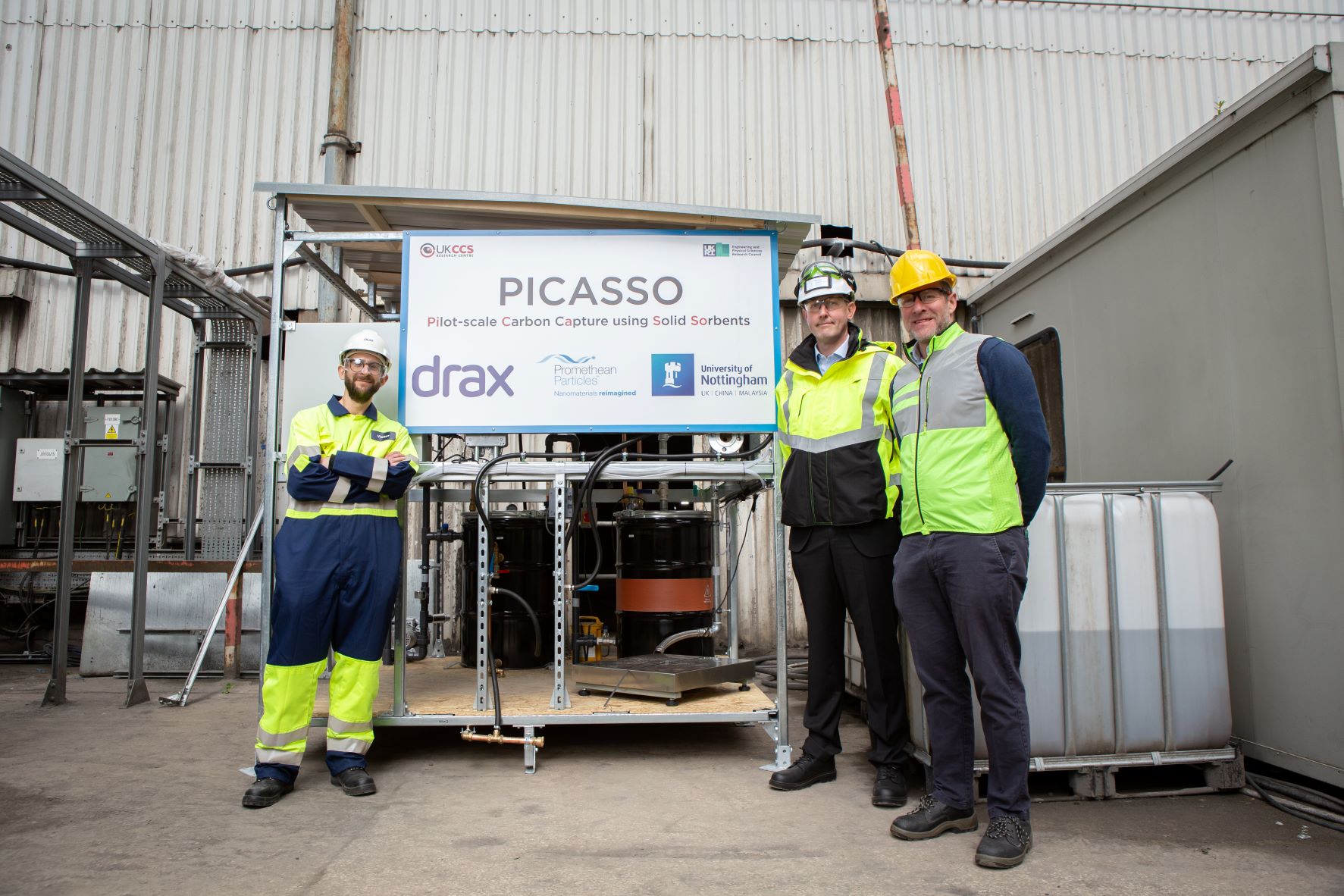
  • Renewable energy giant Drax is collaborating with the University of Nottingham and Promethean Particles on an innovative new carbon capture technology that could shape the future of carbon capture and storage (CCS).
  • Trial is part of Drax’s bioenergy with carbon capture and storage (BECCS) innovation programme and could see the technology deployed in future BECCS plants.

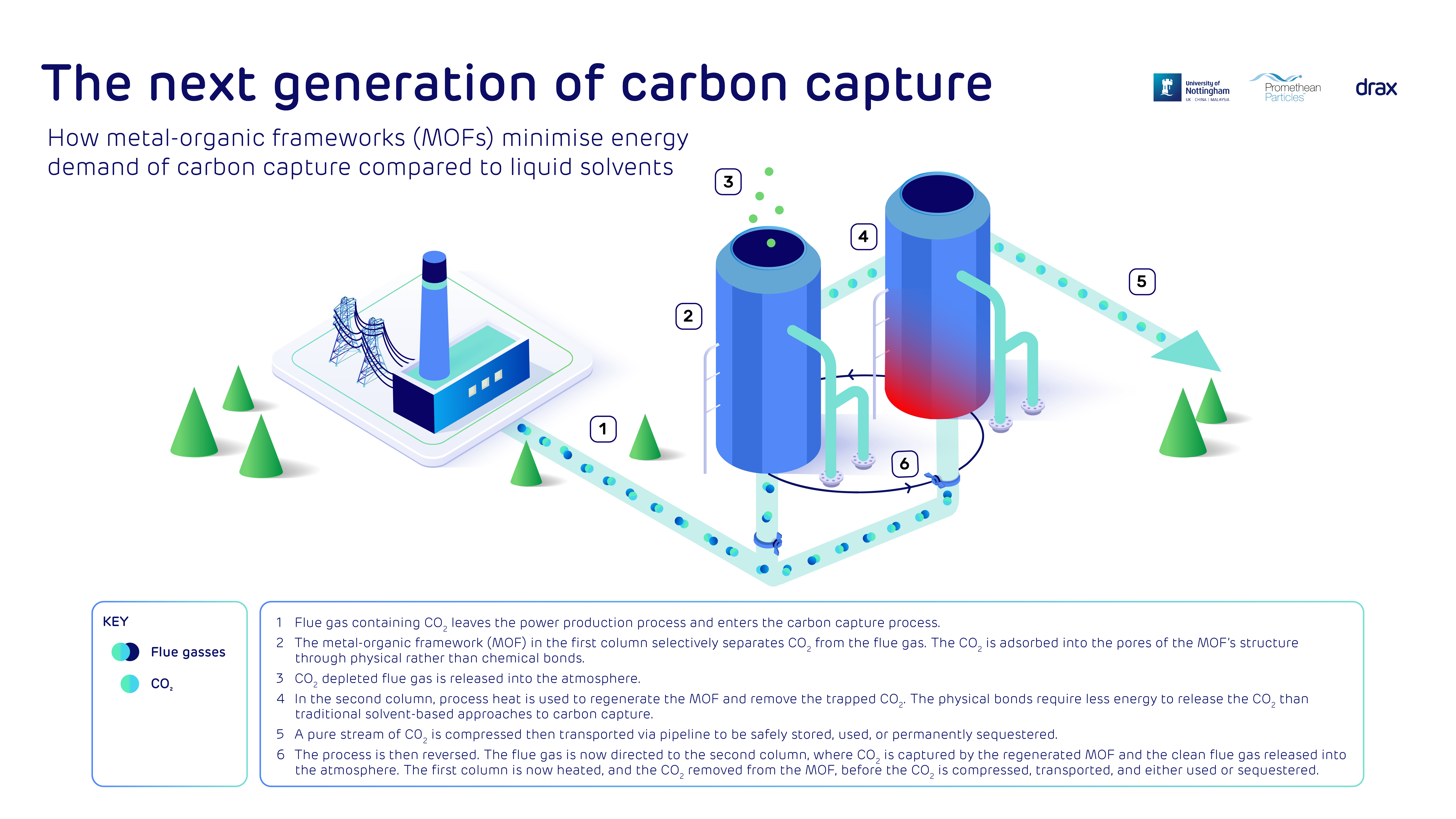
The new process uses a type of solid sorbent called metal-organic frameworks (MOFs), which Promethean Particles are a global pioneer in the development and deployment of, to capture the CO2 released when sustainable biomass is used to generate electricity. CCS technologies typically use liquid solvents.

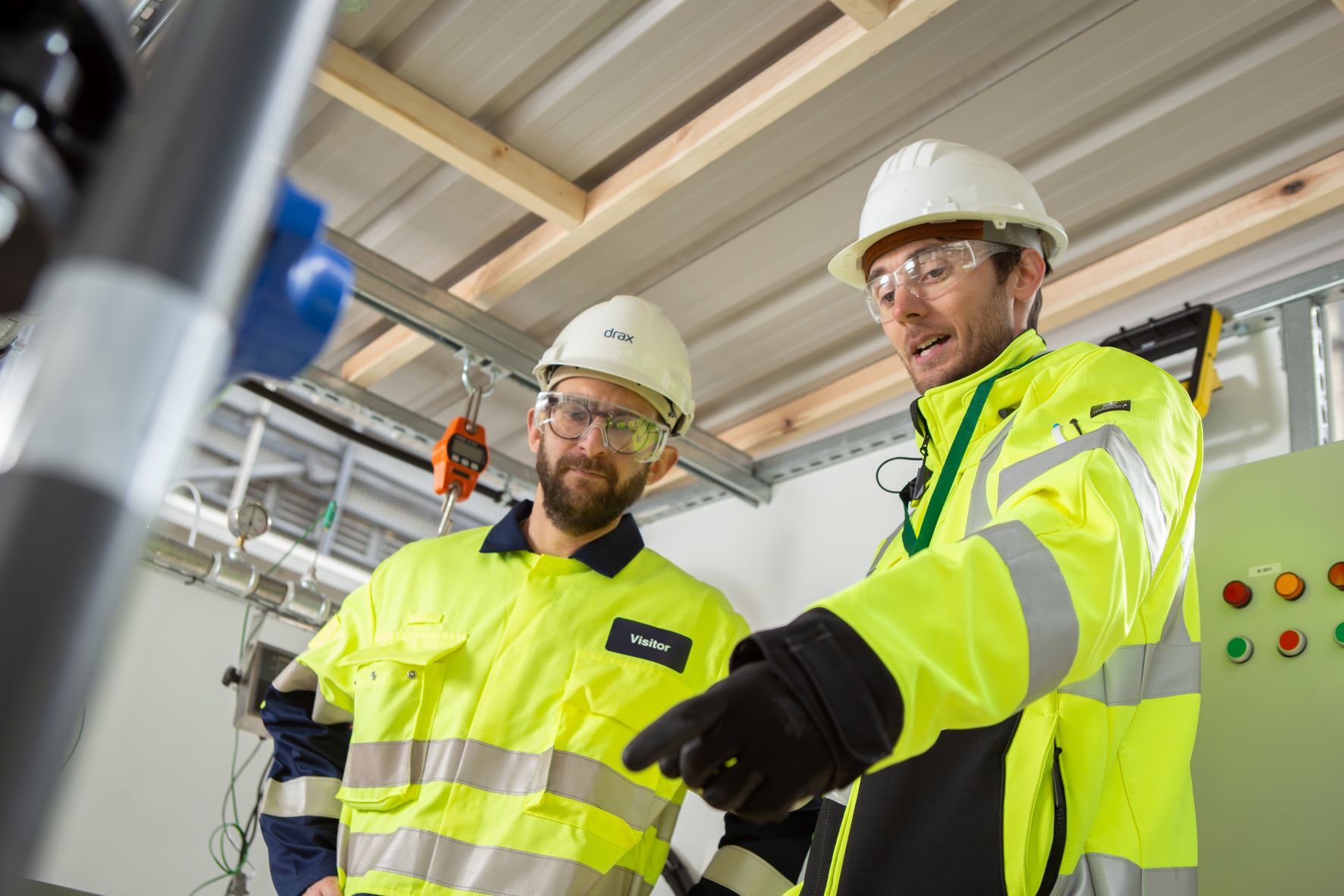
Dr Theo Chronopoulos, Drax Innovation Engineer and Lewis Neve, Promethean Particles’ Engineering Manager.

MOFs have a simple structure, which means they can be tailored to separate and soak up specific molecules making them excellent for CCS.

The trial will last for two months and will allow all three organisations to understand if this new carbon capture process performs well in real conditions on large-scale projects.

Jason Shipstone, Drax’s Chief Innovation Officer, said:

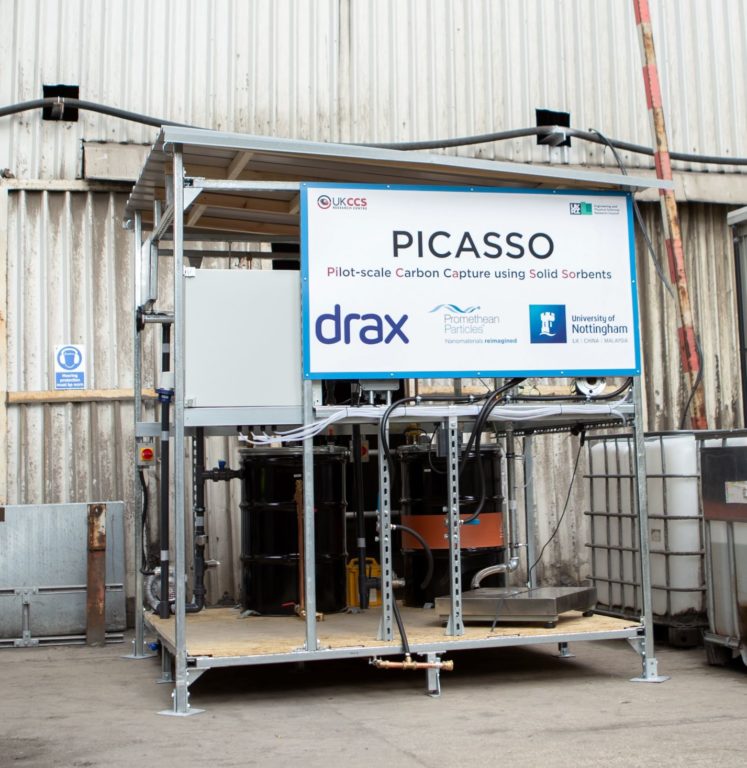
Pilot unit in situ in Drax’s BECCS incubation hub located in Drax Power Station.

“Negative emissions technologies like BECCS will play a vital role in the fight against the climate crisis, so it’s crucial we continue to innovate and develop new technologies that will support their future deployment.

“This partnership with the University of Nottingham and Promethean Particles is part of our long-term innovation programme and will allow Drax to understand the future potential of this technology, as we continue to innovate and grow as a business.”

Professor Ed Lester, Project Lead, University of Nottingham, said:

“This is a fantastic opportunity to showcase how these solid adsorbents perform in an industrial setting. We know that this project is gathering a lot of interest across many industrial sectors that currently generate large amounts of CO2”.

James Stephenson, CEO of Promethean Particles, said:

“There is exciting potential for MOFs to deliver a more efficient CCS. By collaborating with Drax and the Uni, we can show how they can perform in a real industrial setting and drive a step change in their availability and cost effectiveness.”

Drax Group, which has converted Drax Power Station in North Yorkshire to use sustainable biomass instead of coal to become the UK’s largest renewable generator, plans to deploy the essential negative emissions technology BECCS in the 2020s. This would be the world’s largest carbon capture power project, delivering a significant proportion of the negative emissions needed for the UK to meet its climate targets.

Infographic showing the new carbon capture process [click to view/download]

ENDS

Media contacts:

Ben Wicks
Media Manager
E: [email protected]
T: 07762 525 661

Featured image caption: Dr Theo Chronopoulos, Drax Innovation Engineer, James Stephenson, Chief Executive of Promethean Particles, and Professor Ed Lester, University of Nottingham.

Editor’s Notes

  • The trial will last for two months and will be hosted within Drax’s BECCS incubation hub at its North Yorkshire Power Station.
  • Metal Organic Frameworks are a unique class of solid sorbents offering lower operational costs and reducing potential environmental impacts.
  • Leading climate scientists at the UN’s IPCC and UK Climate Change Committee have said that negative emissions technologies such as BECCS, which permanently remove carbon dioxide from the atmosphere, are vital to achieve climate targets
  • Work to build BECCS at Drax could get underway as soon as 2024, with the creation of thousands of jobs.
  • Subject to the right regulatory support, the first BECCS unit could be operational in 2027, with the second commissioned in 2030, enabling Drax to achieve its world-leading ambition to be a carbon negative company by 2030.
  • Analysis by Baringa shows BECCS at Drax will save the UK £13bn in achieving the government’s legally binding fifth Carbon Budget.

About Drax

Drax Group’s purpose is to enable a zero carbon, lower cost energy future and in 2019 announced a world-leading ambition to be carbon negative by 2030, using Bioenergy with Carbon Capture and Storage (BECCS) technology.

Drax’s around 3,000 employees operate across three principal areas of activity – electricity generation, electricity sales to business customers and compressed wood pellet production and supply to third parties. For more information visit www.drax.com

Power generation:

Drax owns and operates a portfolio of renewable electricity generation assets in England and Scotland. The assets include the UK’s largest power station, based at Selby, North Yorkshire, which supplies five percent of the country’s electricity needs.

Having converted Drax Power Station to use sustainable biomass instead of coal it has become the UK’s biggest renewable power generator and the largest decarbonisation project in Europe. It is also where Drax is piloting the groundbreaking negative emissions technology BECCS within its CCUS (Carbon Capture Utilisation and Storage) Incubation Area.

Its pumped storage, hydro and energy from waste assets in Scotland include Cruachan Power Station – a flexible pumped storage facility within the hollowed-out mountain Ben Cruachan.

The Group also aims to build on its BECCS innovation at Drax Power Station with a target to deliver 4Mt of negative CO2 emissions each year from new-build BECCS outside of the UK by 2030 and is currently developing models for North American and European markets.

Pellet production and supply:

The Group has 17 operational pellet plants and developments with nameplate capacity of 4.6Mt, which will increase to c.5Mt once developments are complete.

Drax is targeting 8Mt of production capacity by 2030, which will require the development of over 3Mt of new biomass pellet production capacity. The pellets are produced using materials sourced from sustainably managed working forests and are supplied to third party customers in Europe and Asia for the generation of renewable power.

Drax’s pellet mills supply around 30% of the biomass used at its own power station in North Yorkshire, England to generate flexible, renewable power for the UK’s homes and businesses.

Customers: 

Drax is the largest supplier of renewable electricity to UK businesses, supplying 100% renewable electricity as standard to more than 370,000 sites through Drax and Opus Energy.

It offers a range of energy-related services including energy optimisation, as well as electric vehicle strategy and management.

To find out more go to the website www.energy.drax.com
About The University of Nottingham

The University of Nottingham is a research-intensive university with a proud heritage. Studying at the University of Nottingham is a life-changing experience, and we pride ourselves on unlocking the potential of our students. We have a pioneering spirit, expressed in the vision of our founder Sir Jesse Boot, which has seen us lead the way in establishing campuses in China and Malaysia – part of a globally connected network of education, research and industrial engagement. Ranked 103rd out of more than 1,000 institutions globally and 18th in the UK by the QS World University Rankings 2022, the University’s state-of-the-art facilities and inclusive and disability sport provision is reflected in its crowning as The Times and Sunday Times Good University Guide Sports University of the Year twice in three years, most recently in 2021. We are ranked eighth for research power in the UK according to REF 2014. We have six beacons of research excellence helping to transform lives and change the world; we are also a major employer and industry partner – locally and globally. Alongside Nottingham Trent University, we lead the Universities for Nottingham initiative, a pioneering collaboration which brings together the combined strength and civic missions of Nottingham’s two world-class universities and is working with local communities and partners to aid recovery and renewal following the COVID-19 pandemic.

About Promethean Particles

Promethean Particles is a leading global pioneer in the development and high-volume manufacture of high specification, cost-effective nanomaterials. Products manufactured by Promethean, including metal-organic frameworks (MOFs), have broad utility in a number of applications and are increasingly being deployed in the fight against climate change and in energy-sensitive applications, including carbon capture.

Promethean has developed a unique and patented continuous-flow reactor, which dramatically improves process reproducibility and reliability, whilst providing the scale necessary for nanomaterials to be considered a viable industry solution. The company has full scale manufacturing capabilities at its site in Nottingham, UK, where it operates the world’s largest continuous flow nanomaterial manufacturing plant.

For more information on Promethean Particles and its activities, please contact Promethean Particles Ltd., 1-3 Genesis Park, Midland Way, Nottingham, NG7 3EF.

www.prometheanparticles.co.uk

Tel: +44 (0)115 967 8119 or email: [email protected]

Lexington elementary school awarded Drax ‘classroom of the month’

Drax’s Classroom of the Month for April was awarded to first-grade pupils at Lexington Elementary School in Monroe for making consistent progress on their academic skills and working hard to achieve their goals.

Their teacher Becky Zeno said: “The kids were so excited to be awarded Classroom of the Month and meet Ace the Warhawk. The program helps to motivate them by showing them the options that are available to them within their community. The kids will remember Ace, and that he represents the university. The game tickets they received will give them an opportunity to see the campus, which will hopefully spark their imagination and get them thinking about attending college in the future.”

The program has been developed by Drax in partnership with the University of Louisiana at Monroe (ULM) to inspire local students to start thinking about higher education and what they can achieve, as part of the energy company’s ongoing commitment to supporting education in the communities local to its operations.

A different class each month is awarded ‘Classroom of the Month’ by Drax and receives a visit from ULM representatives to reward the pupils for their hard work and show them some of the options available in their hometown as they advance through school.

Drax has arranged for representatives from the University’s athletics department to visit the schools to talk to the students, raise awareness of the college and answer any questions they might have. The students also receive two tickets each to a Warhawk football, basketball, or baseball game and meet Ace, the team mascot.

Drew Bellipanni, Partnership Services Co-ordinator at ULM, said:

“This program is a chance to give back to our local schools and teachers who have worked hard throughout the pandemic to continue teaching our children. We hope Classroom of the Month will motivate students to continue studying as well as see what college has to offer.”

Executive Vice President of Drax’s Pellet Operations, Matt White, said:

“It’s so important that the next generation has equal access to education. Even though these children are in the early stages of their school careers, we hope this program will inspire them by showing them what opportunities are available to them in the future.”

Drax is committed to supporting the communities local to its operations through a variety of measures that include sponsoring educational programs and providing support in times of crisis, including during the Covid-19 pandemic and recent natural disasters such as Hurricane Ida.

ENDS


Media contacts:

Annmarie Sartor
Communications Officer
E: [email protected]
T: 318-801-0046


About Drax

Drax Group’s purpose is to enable a zero carbon, lower cost energy future and in 2019 announced a world-leading ambition to be carbon negative by 2030, using Bioenergy with Carbon Capture and Storage (BECCS) technology.

Drax’s around 3,000 employees operate across three principal areas of activity – electricity generation, electricity sales to business customers and compressed wood pellet production and supply to third parties. For more information visit www.drax.com

Power generation:

Drax owns and operates a portfolio of renewable electricity generation assets in England and Scotland. The assets include the UK’s largest power station, based at Selby, North Yorkshire, which supplies five percent of the country’s electricity needs.

Having converted Drax Power Station to use sustainable biomass instead of coal it has become the UK’s biggest renewable power generator and the largest decarbonisation project in Europe. It is also where Drax is piloting the groundbreaking negative emissions technology BECCS within its CCUS (Carbon Capture Utilisation and Storage) Incubation Area.

Its pumped storage, hydro and energy from waste assets in Scotland include Cruachan Power Station – a flexible pumped storage facility within the hollowed-out mountain Ben Cruachan.

The Group also aims to build on its BECCS innovation at Drax Power Station with a target to deliver 4Mt of negative CO2 emissions each year from new-build BECCS outside of the UK by 2030 and is currently developing models for North American and European markets.

Pellet production and supply:

The Group has 17 operational pellet plants and developments with nameplate capacity of 4.6Mt, which will increase to c.5Mt once developments are complete.

Drax is targeting 8Mt of production capacity by 2030, which will require the development of over 3Mt of new biomass pellet production capacity. The pellets are produced using materials sourced from sustainably managed working forests and are supplied to third party customers in Europe and Asia for the generation of renewable power.

Drax’s pellet mills supply around 30% of the biomass used at its own power station in North Yorkshire, England to generate flexible, renewable power for the UK’s homes and businesses.

Customers: 

Drax is the largest supplier of renewable electricity to UK businesses, supplying 100% renewable electricity as standard to more than 370,000 sites through Drax and Opus Energy.

It offers a range of energy-related services including energy optimisation, as well as electric vehicle strategy and management.

To find out more go to the website www.energy.drax.com

 

Hundreds of millions of pounds worth of contracts available to build world’s biggest carbon capture project at Drax

Sunset behind biomass storage domes at Drax Power Station in North Yorkshire
  • Business events are being held in Yorkshire & the Humber and the North East to give local companies more information about how they can win contracts to help Drax deliver its multi-billion-pound bioenergy with carbon capture and storage (BECCS) project at Drax Power Station.
  • Drax is aiming to source 80% of construction materials and services for its BECCS project from British businesses.
  • The project will also create 10,000 jobs across the region during construction, developing green skills and helping to level up the North.

Renewable energy company Drax is teaming up with Worley, its engineering, procurement and construction partner, the UK’s leading UK energy sector business development organisation NOF, and the West & North Yorkshire and Hull & Humber Chambers of Commerce to deliver a series of events that will provide British businesses with further information about how they could win hundreds of millions of pounds worth of contracts to deliver its vital carbon removal technology, bioenergy with carbon capture and storage (BECCS).

The events will be held in Yorkshire & The Humber and the North East, in May and follow the success of an initial supplier event, held virtually in September 2021, when around 400 UK businesses attended.

Drax has previously said that it aims to source 80% of construction materials and services from British firms and build a robust UK supply chain for BECCS, ahead of construction getting underway as soon as 2024, with the creation of around 10,000 jobs.

Graham Backhouse, Drax’s Commercial Director for the BECCS project, said:

“We want to put British businesses at the heart of our plans to deliver BECCS, allowing them to benefit from hundreds of millions of pounds worth of new contracts.

“Negative emissions technologies like BECCS will play a vital role in enabling the UK to reach its net zero goals, as well as creating exciting opportunities for Britain to lead the world in a vital technology, creating a new sector of the economy, as well as export opportunities.

“Our programme of events is a great opportunity for businesses to get involved and learn more about the project – we encourage companies of all sizes across the region to come along and find out more about how they might benefit from the contracts available.”

Bradley Andrews, President at Worley, said:

“We’re supporting the investment and scale up of the UK supply chain to maximise local business participation working alongside Drax, NOF and Worley’s e-procurement partner, Requis.

“Requis provides a digitally enabled platform where qualified suppliers can register their materials and services in line with what’s required for the project scope, driving opportunity for the UK supply market.”

Joanne Leng MBE, Chief Executive at NOF, said:

“NOF has now delivered a significant number of supplier engagement activities on behalf of major clients in the energy industry.

“We are now working on the BECCS project with Drax and Worley who have both demonstrated a strong commitment to working with the local and wider UK supply chain and through NOF’s support they aim to ensure that as much UK content as possible is included in this project. The domestic supply chain is innovative, capable and competitive, it is world class so let’s utilise this experience and expertise on the project.”

Drax has a proven track record in delivering ambitious and pioneering infrastructure projects – the conversion of its power station in North Yorkshire to use sustainable biomass  has enabled it to become the UK’s largest single site renewable generator, supporting more than 6,600 jobs throughout its supply chains across the North, whilst reducing its emissions by over 95% and paving the way for the deployment of BECCS.

Drax aims to deliver the world’s largest carbon capture in power project this decade, making a signification contribution to the UK’s decarbonisation targets.

Businesses can find out more about Drax’s plans and how to register with Requis to attend the nationwide supplier event series by visiting this link.

ENDS

Media contacts:

Ben Wicks
Media Manager
E: [email protected]
T: 07762 525 661

Editor’s Notes

  • The Humber event will be held at The Double by Hilton on Tuesday 17th May from 10:00 – 15:00.
  • The North East event will be held at Wynyard Hall on Wednesday 18th May from 10:00 – 15:00.
  • Businesses looking to register for either event can do so via this link.
  • 80% domestic supply chain figure includes materials and services to be used within the construction for Drax’s BECCS project, however, this does not include the carbon capture technology to be delivered by Drax’s technology partner Mitsubishi Heavy Industries.
  • Leading climate scientists at the UN’s IPCC and UK Climate Change Committee have said that the world cannot address the climate crisis without negative emissions from technologies like BECCS, which permanently remove carbon dioxide from the atmosphere.
  • Work to build BECCS at Drax could get underway as soon as 2024, with the creation of thousands of jobs.
  • Subject to the right regulatory support, the first BECCS unit could be operational in 2027, with the second commissioned in 2030, enabling Drax to achieve its world-leading ambition to be a carbon negative company by 2030.
  • Analysis by Baringa shows BECCS at Drax will save the UK £13bn in achieving the government’s legally binding fifth Carbon Budget.

About Drax

Drax Group’s purpose is to enable a zero carbon, lower cost energy future and in 2019 announced a world-leading ambition to be carbon negative by 2030, using Bioenergy with Carbon Capture and Storage (BECCS) technology.

Drax’s around 3,000 employees operate across three principal areas of activity – electricity generation, electricity sales to business customers and compressed wood pellet production and supply to third parties. For more information visit www.drax.com

Power generation:

Drax owns and operates a portfolio of renewable electricity generation assets in England and Scotland. The assets include the UK’s largest power station, based at Selby, North Yorkshire, which supplies five percent of the country’s electricity needs.

Having converted Drax Power Station to use sustainable biomass instead of coal it has become the UK’s biggest renewable power generator and the largest decarbonisation project in Europe. It is also where Drax is piloting the groundbreaking negative emissions technology BECCS within its CCUS (Carbon Capture Utilisation and Storage) Incubation Area.

Its pumped storage, hydro and energy from waste assets in Scotland include Cruachan Power Station – a flexible pumped storage facility within the hollowed-out mountain Ben Cruachan.

The Group also aims to build on its BECCS innovation at Drax Power Station with a target to deliver 4Mt of negative CO2 emissions each year from new-build BECCS outside of the UK by 2030 and is currently developing models for North American and European markets.

Pellet production and supply:

The Group has 17 operational pellet plants and developments with nameplate capacity of 4.6Mt, which will increase to c.5Mt once developments are complete.

Drax is targeting 8Mt of production capacity by 2030, which will require the development of over 3Mt of new biomass pellet production capacity. The pellets are produced using materials sourced from sustainably managed working forests and are supplied to third party customers in Europe and Asia for the generation of renewable power.

Drax’s pellet mills supply around 30% of the biomass used at its own power station in North Yorkshire, England to generate flexible, renewable power for the UK’s homes and businesses.

Customers: 

Drax is the largest supplier of renewable electricity to UK businesses, supplying 100% renewable electricity as standard to more than 370,000 sites through Drax and Opus Energy.

It offers a range of energy-related services including energy optimisation, as well as electric vehicle strategy and management.

To find out more go to the website www.energy.drax.com

Drax opens new pellet plant in ‘Sweet Home Alabama’

  • Drax’s investment of over $100 million in the new Demopolis pellet plant brings new jobs and economic opportunities to Alabama with 350 people employed during construction and 60 new direct jobs.
  • The plant will produce 360,000 tonnes of sustainable biomass pellets a year from sawmill residues such as sawdust, chips and shavings.
  • Drax is donating $10,000 to Demopolis City Schools Foundation as it continues to support the communities where it operates.

Drax Group, the world’s leading producer and user of sustainable biomass has opened a new pellet plant at Demopolis in Alabama, bringing new jobs and economic opportunities to the town.

At full capacity the plant at Demopolis, which is Drax’s second production facility in Alabama, will produce 360,000 metric tonnes of sustainable biomass pellets a year.

Alabama Governor Kay Ivey said:

“Drax’s wood pellet plant that’s being commissioned in Demopolis represents a major investment that will drive long-term economic growth and spark significant job creation in Marengo County. The opening of this facility is an exciting development for this rural region, and I look forward to seeing Drax develop new growth plans in Sweet Home Alabama.”

Will Gardiner (Drax CEO), Mayor Woody Collins, Ashley Coplin (Executive Director of the Demopolis City Schools Foundation) and Matt White (Drax Executive Vice President, Pellet Operations) at the official opening of the Demopolis pellet plant [April 5, 2022].

Drax’s pellet plants help support employment and opportunities across the wider forestry and lumber sectors in Alabama with around 350 people employed during construction of the new plant, and 120 people employed directly by the renewable energy company at its two pellet plants in Demopolis in Marengo County and Aliceville, in Pickens County.

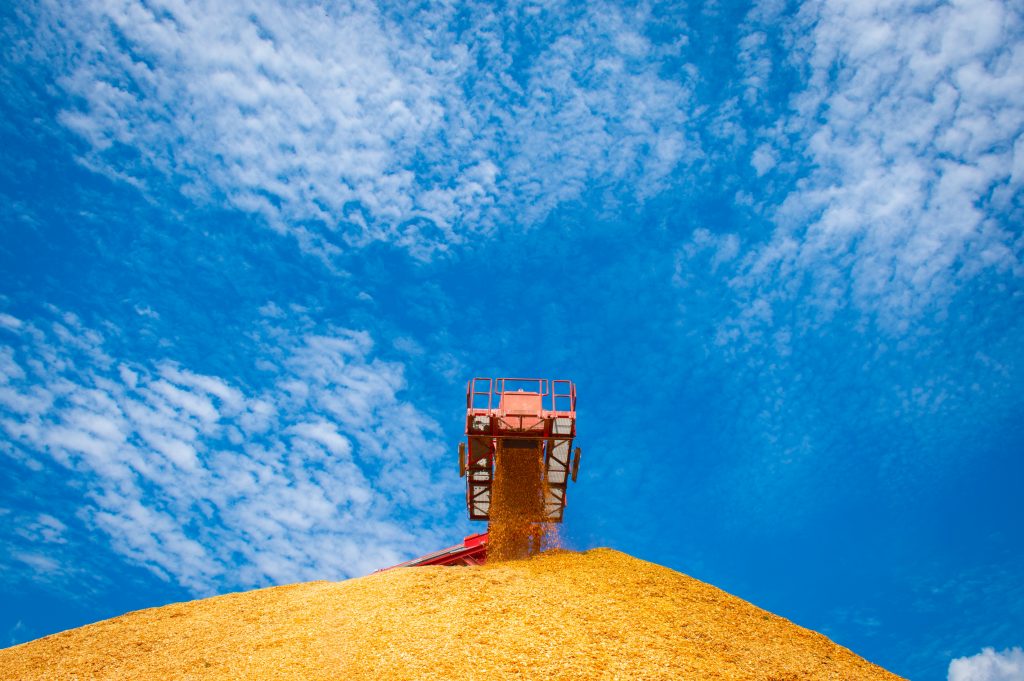
Sawmill residues used to manufacture sustainable biomass wood pellets at LaSalle BioEnergy in Louisiana.

Sawmill residues used to manufacture sustainable biomass wood pellets.

Drax CEO Will Gardiner said:

Drax Group CEO Will Gardiner [click to view/download]

“By developing these pellet plants Drax has created 120 jobs in Alabama, whilst supporting many more throughout our supply chains in the state.“I believe it’s important to support the communities where we operate and so as well as opening the Demopolis pellet mill, I’m also very pleased to announce the donation of $10,000 to the Demopolis City Schools Foundation, which will help ensure all children have access to an excellent education. I look forward to Drax continuing to work with the local community.”

Including Demopolis, Drax’s operates seven pellet plants in the US south, which use biomass sourced from the region’s sustainably managed working forests.

The Demopolis and Aliceville pellet plants support Drax’s plans to increase pellet production to meet growing demand in Europe and Asia for reliable, renewable electricity, which helps displace coal from energy systems, reducing emissions in line with global climate targets.

Drax also has ambitious plans to develop bioenergy with carbon capture and storage (BECCS). This vital negative emissions technology permanently removes carbon dioxide from the atmosphere whilst also generating renewable power – no other technology can do both.

ENDS

Media contacts:

Selina Williams
Media Manager
E: [email protected]
T: +44 07912 230 393

Annmarie Sartor
Media Manager
E: [email protected]
T: +1 318 801 0046

Editor’s Notes

  • Drax owns and operates the Aliceville and Demopolis pellet plants through its 90% stake in the Alabama Pellets joint venture partnership. Two Rivers Lumber Co. LLC holds the remaining 10% economic interest.
  • Drax acquired its stake in the Aliceville and Demopolis pellet plants through its April 2021 acquisition of Canadian pellet producers Pinnacle Renewable Energy.
  • The pellets are made from sawdust, shavings and chips – a by-product from the neighbouring Two Rivers Lumber Co sawmill. Siting the pellet plant near a sawmill reduces infrastructure, operational, and transportation costs.
  • The pellets from Demopolis are loaded onto river barges to head to the port at Mobile, Ala. for export.
  • Drax plans to increase its pellet production capacity to 8 million tonnes by 2030 to help meet its own requirements, as well as its customers’ needs in Europe and Asia, amid an expected increase in global demand for the low-carbon fuel.
  • Some of the pellets Drax produces in the US South East are used at Drax Power Station in England to generate renewable electricity for millions of UK homes and businesses.
  • Drax’s conversion of its UK power station to sustainable biomass from coal is Europe’s largest decarbonisation project, reducing emissions from Drax’s power generation by over 95% since 2012.

About Drax

Drax Group’s purpose is to enable a zero carbon, lower cost energy future and in 2019 announced a world-leading ambition to be carbon negative by 2030, using Bioenergy with Carbon Capture and Storage (BECCS) technology.

Drax’s around 3,000 employees operate across three principal areas of activity – electricity generation, electricity sales to business customers and compressed wood pellet production and supply to third parties. For more information visit www.drax.com

Power generation:

Drax owns and operates a portfolio of renewable electricity generation assets in England and Scotland. The assets include the UK’s largest power station, based at Selby, North Yorkshire, which supplies five percent of the country’s electricity needs.

Having converted Drax Power Station to use sustainable biomass instead of coal it has become the UK’s biggest renewable power generator and the largest decarbonisation project in Europe. It is also where Drax is piloting the groundbreaking negative emissions technology BECCS within its CCUS (Carbon Capture Utilisation and Storage) Incubation Area.

Its pumped storage, hydro and energy from waste assets in Scotland include Cruachan Power Station – a flexible pumped storage facility within the hollowed-out mountain Ben Cruachan.

The Group also aims to build on its BECCS innovation at Drax Power Station with a target to deliver 4Mt of negative CO2 emissions each year from new-build BECCS outside of the UK by 2030 and is currently developing models for North American and European markets.

Pellet production and supply:

The Group has 17 operational pellet plants and developments with nameplate capacity of 4.6Mt, which will increase to c.5Mt once developments are complete.

Drax is targeting 8Mt of production capacity by 2030, which will require the development of over 3Mt of new biomass pellet production capacity. The pellets are produced using materials sourced from sustainably managed working forests and are supplied to third party customers in Europe and Asia for the generation of renewable power.

Drax’s pellet mills supply around 30% of the biomass used at its own power station in North Yorkshire, England to generate flexible, renewable power for the UK’s homes and businesses.

Customers: 

Drax is the largest supplier of renewable electricity to UK businesses, supplying 100% renewable electricity as standard to more than 370,000 sites through Drax and Opus Energy.

It offers a range of energy-related services including energy optimisation, as well as electric vehicle strategy and management.

To find out more go to the website www.energy.drax.com