



Biomass in a secure, lower-carbon power system
Keeping the lights on while reducing emissions requires a diverse mix of technologies working together. Biomass plays an important role in that mix, providing dispatchable renewable power and system support services when the electricity system needs them most. Biomass generation is part of Drax’s broader portfolio, which includes flexible generation, hydro, battery storage, optimisation, solar and wind.
Our approach to biomass is built around responsible sourcing, sustainable forestry and clear sustainability requirements. Through our Biomass Sourcing Policy, due diligence processes and Biomass Tracker, we provide transparency around where our biomass comes from, the types of fibre used, transport routes, sustainability certification and carbon accounting across the supply chain.
When sustainably sourced, biomass can support good forestry and contribute to a lower-carbon energy system, alongside the reliable renewable energy needed to support UK energy security.
Key biomass facts:
7.0TWh generation
From biomass in H1 2026
99.9% SBP compliant
99.9% of material consumed at Drax Power Station in 2025 was SBP compliant
9.7m tonnes of fibre
Sourced from 13 sourcing regions in 2025
What is biomass and how does it work?
Biomass is used at Drax Power Station in North Yorkshire to generate renewable electricity and provide system support services. Biomass generation forms part of our broader asset base alongside hydro, battery storage, optimisation services, solar and wind. Biomass, when sustainably sourced, can support good forestry and make a positive contribution to achieving net zero, while providing renewable, dispatchable power.
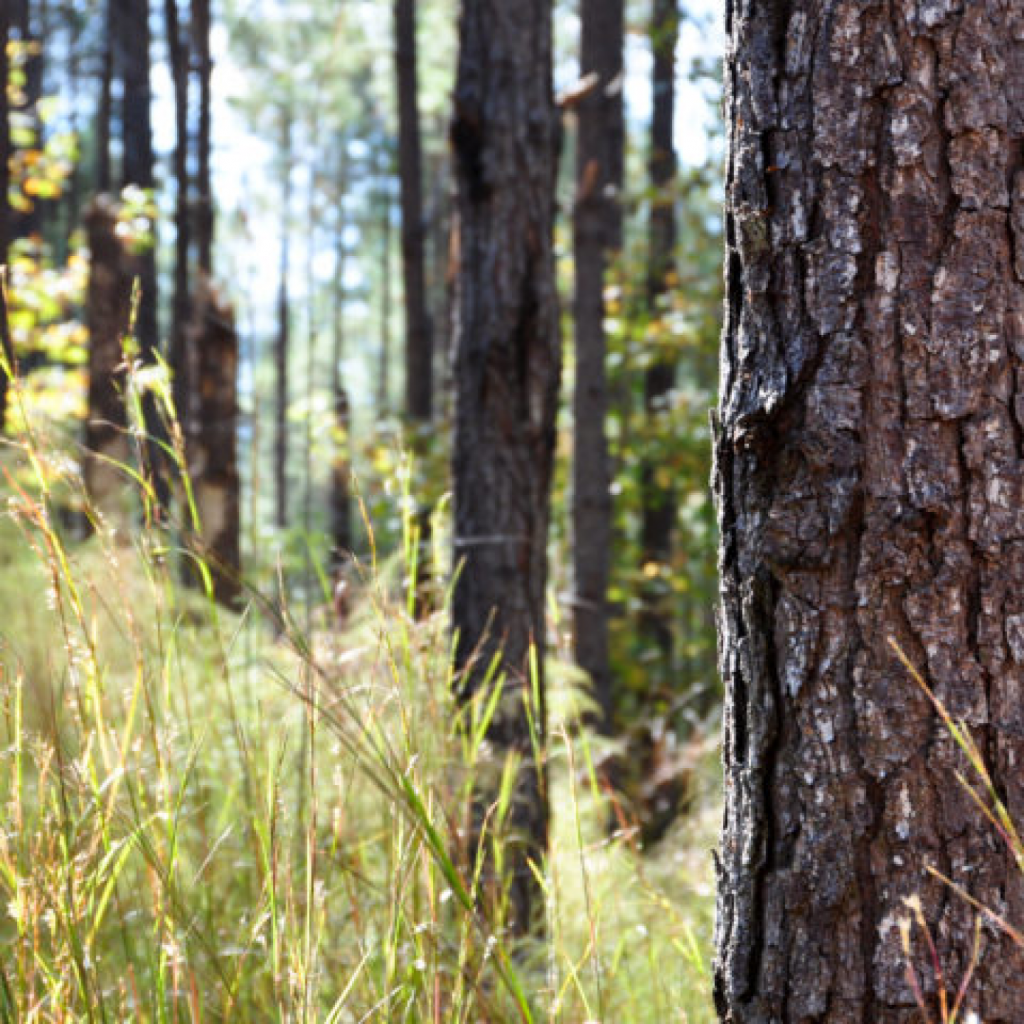
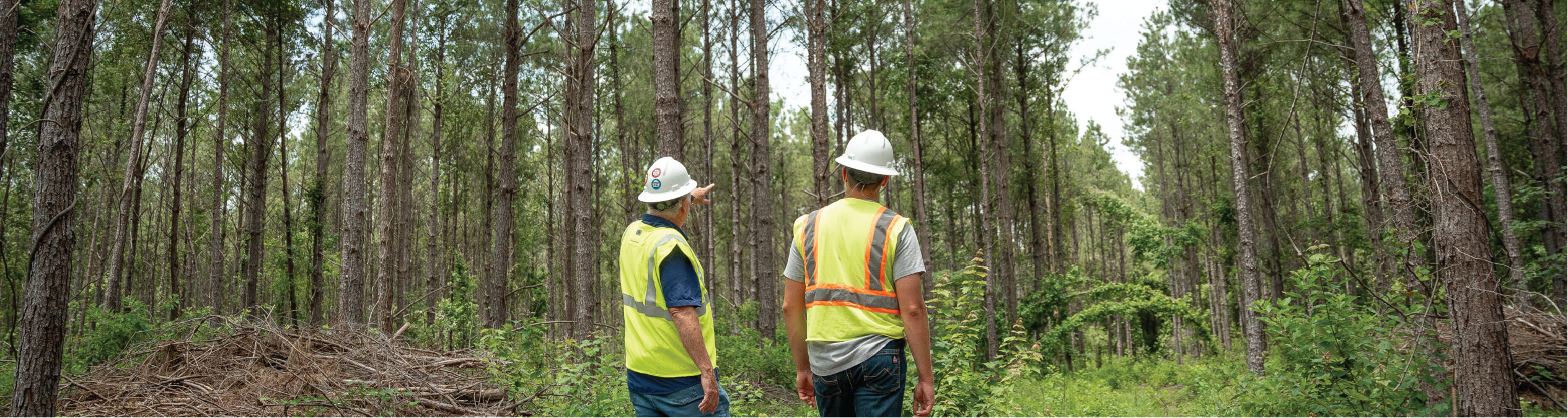
We source our biomass from well-established forestry markets mainly in the US and Canada, as well as Europe. The main outputs from these markets are sawlogs, which are processed for use in construction and manufacturing. We support these forest economies through the purchase of material that has limited value to a sawmill.
Our woody biomass comes from a range of fibre types, including sawmill and other wood industry residues, low-grade roundwood, thinnings, branches and tops, salvage trees and non-woody biomass. All the biomass we use is governed by our Biomass Sourcing Policy, which sets out our commitments to sustainable sourcing.
The Biomass Tracker shows the journey our woody biomass takes through the supply chain, from fibre origin to its final use. It uses real-world data to show the countries and states we source from, fibre types, transport routes, sustainability certification standards and the carbon associated with each stage of the supply chain.
Why biomass matters for the UK's electricity system
The UK needs renewable power that can support the electricity system when it is needed. Solar and wind are important sources of low-carbon electricity, but their output varies with weather conditions. Biomass generation can provide dispatchable renewable power and operational flexibility, helping strengthen security of supply and complement other renewable technologies.
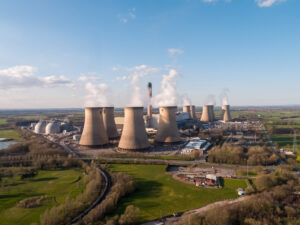
Our Biomass Generation business generated 7.0TWh in the first half of 2026, reflecting its continuing role in supporting the electricity grid. From April 2027, our biomass generation Contract for Difference (CfD) will allow dispatch of up to 2.6GW in line with demand. The power station can step in to increase generation when there isn’t enough electricity, potentially avoiding the need to burn more gas or import power from Europe. When there’s too much electricity, Drax can turn down and help to balance the system.
As the share of intermittent renewable generation grows, biomass can continue to play an essential role by providing dispatchable renewable power that supports both energy security and a reliable electricity supply.
National standards for responsible biomass

The biomass used at Drax Power Station must meet legal, regulatory and renewable support scheme requirements. To qualify for UK Government subsidies, it must meet two sustainability standards: the Land Criteria, which cover sustainable forest management for wood pellets, and the Greenhouse Gas (GHG) Criteria, which limit supply chain emissions to ensure significant savings compared with fossil fuels.
We regularly report on compliance with UK sustainability criteria and use certification and assurance processes to evidence compliance. Supplier compliance is supported through external certification schemes, internal assurance and third-party audits commissioned by us.
Our Biomass Sourcing Policy was updated in 2025 and reflects independent third-party standards such as SBP v2.0, biomass sourcing best practice, regulation and evolving science. This links responsible sourcing, sustainable forestry and carbon accounting to the way biomass is governed and reported.
Our commitments to sourcing biomass responsibly
At Drax, we recognise our responsibility to be a leader in sourcing biomass sustainably. We want to deliver climate, nature and people positive outcomes across our sourcing supply chain, and all the biomass we use is governed by our Biomass Sourcing Policy.
Our commitments include sourcing biomass that does not lead to deforestation, degradation or conversion of forest resources; does not degrade ecosystems with high biodiversity or conservation value; does not adversely impact the climate due to land-use change; and delivers net lifecycle greenhouse gas emissions savings.
Our commitments also include following our Indigenous Peoples Policy, including the concept of Free, Prior and Informed Consent, and helping us be a responsible neighbour to local communities while contributing to local prosperity. These are the foundations of how we source sustainable biomass and continue to improve transparency across the supply chain.
Biomass FAQs
- What is biomass energy and how does it work?
- Is biomass energy sustainable?
- What role does biomass play in the UK's energy system?
- How does biomass support renewable electricity generation?
- What are the most common questions about biomass sustainability?
Biomass energy uses organic material to generate renewable electricity. At Drax Power Station in North Yorkshire, we use wood pellets produced from a range of fibre types, including sawmill and other wood industry residues, low-grade roundwood, thinnings, branches and tops, salvage trees and non-woody biomass. Biomass generation forms part of our wider portfolio alongside flexible generation, hydro, battery storage, optimisation, solar and wind.
Biomass can provide dispatchable renewable power, meaning electricity can be generated when it is needed to support the grid. This helps complement other renewable technologies, such as wind and solar, whose output varies depending on weather conditions.
Source: Drax, 2026
Biomass, when sustainably sourced, can support good forestry and help make a positive contribution to achieving net zero. All the biomass we use is governed by our Biomass Sourcing Policy, which sets out our commitments to sustainable sourcing and delivering climate, nature and people positive outcomes across our supply chain.
Our commitments include sourcing biomass that does not lead to deforestation, degradation or conversion of forest resources, does not degrade ecosystems with high biodiversity value, delivers net lifecycle greenhouse gas emissions savings and supports local communities.
Source: Drax, 2026
Biomass supports UK energy security by providing dispatchable renewable generation and system support services. Unlike some renewable technologies that depend on weather conditions, biomass can generate electricity when the system needs it.
In the first half of 2026, our Biomass Generation business generated 7.0TWh, reflecting its continuing system support role. From April 2027, our biomass generation CfD will enable dispatch of up to 2.6GW in line with system needs.
Source: Drax, 2026
Biomass provides renewable electricity while supporting a more flexible and resilient power system. By providing dispatchable renewable power, it can complement technologies such as wind and solar, helping maintain security of supply as the electricity system incorporates increasing levels of intermittent renewables.
Biomass generation also contributes system support services and helps provide reliable renewable energy when demand is high or generation from other renewable sources is lower.
Source: Drax, 2026
Common questions about biomass sustainability include where biomass comes from, what fibre is used, whether sourcing supports sustainable forestry, how lifecycle emissions are calculated and how supply chains are verified.
We are committed to ensuring the woody biomass we source comes from forests managed in accordance with standards designed to support their health and growth over the long term. Forests in the areas where Drax sources material are subject to national and regional regulation and are typically supported, and independently monitored for compliance, by forest certification schemes. We supplement this regulation through our own Biomass Sourcing Policy and supply chain checks. This includes third party verification under the Sustainable Biomass Program (SBP).
We provide more information on these topics through our Biomass Sourcing Policy, sustainability reporting and Biomass Tracker.
The Biomass Tracker uses real-world data to show sourcing locations, fibre types, transport routes, sustainability certification data and the carbon associated with each stage of the supply chain.
Source: Drax, 2026
Biomass energy uses organic material to generate renewable electricity. At Drax Power Station in North Yorkshire, we use wood pellets produced from a range of fibre types, including sawmill and other wood industry residues, low-grade roundwood, thinnings, branches and tops, salvage trees and non-woody biomass. Biomass generation forms part of our wider portfolio alongside flexible generation, hydro, battery storage, optimisation, solar and wind.
Biomass can provide dispatchable renewable power, meaning electricity can be generated when it is needed to support the grid. This helps complement other renewable technologies, such as wind and solar, whose output varies depending on weather conditions.
Source: Drax, 2026
View MoreBiomass, when sustainably sourced, can support good forestry and help make a positive contribution to achieving net zero. All the biomass we use is governed by our Biomass Sourcing Policy, which sets out our commitments to sustainable sourcing and delivering climate, nature and people positive outcomes across our supply chain.
Our commitments include sourcing biomass that does not lead to deforestation, degradation or conversion of forest resources, does not degrade ecosystems with high biodiversity value, delivers net lifecycle greenhouse gas emissions savings and supports local communities.
Source: Drax, 2026
View MoreBiomass supports UK energy security by providing dispatchable renewable generation and system support services. Unlike some renewable technologies that depend on weather conditions, biomass can generate electricity when the system needs it.
In the first half of 2026, our Biomass Generation business generated 7.0TWh, reflecting its continuing system support role. From April 2027, our biomass generation CfD will enable dispatch of up to 2.6GW in line with system needs.
Source: Drax, 2026
View MoreBiomass provides renewable electricity while supporting a more flexible and resilient power system. By providing dispatchable renewable power, it can complement technologies such as wind and solar, helping maintain security of supply as the electricity system incorporates increasing levels of intermittent renewables.
Biomass generation also contributes system support services and helps provide reliable renewable energy when demand is high or generation from other renewable sources is lower.
Source: Drax, 2026
View MoreCommon questions about biomass sustainability include where biomass comes from, what fibre is used, whether sourcing supports sustainable forestry, how lifecycle emissions are calculated and how supply chains are verified.
We are committed to ensuring the woody biomass we source comes from forests managed in accordance with standards designed to support their health and growth over the long term. Forests in the areas where Drax sources material are subject to national and regional regulation and are typically supported, and independently monitored for compliance, by forest certification schemes. We supplement this regulation through our own Biomass Sourcing Policy and supply chain checks. This includes third party verification under the Sustainable Biomass Program (SBP).
We provide more information on these topics through our Biomass Sourcing Policy, sustainability reporting and Biomass Tracker.
The Biomass Tracker uses real-world data to show sourcing locations, fibre types, transport routes, sustainability certification data and the carbon associated with each stage of the supply chain.
Source: Drax, 2026
View MoreUpdated November 2026