







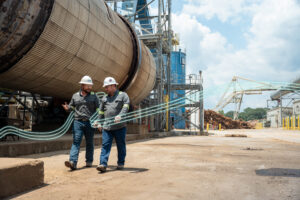
Powering a more flexible energy system
Drax is building a diversified energy storage portfolio designed to increase system flexibility, strengthen Britain’s energy security and support a lower-carbon power system. By combining battery energy storage, pumped storage hydro and asset optimisation, Drax is developing the infrastructure and expertise needed to manage electricity across a more dynamic and increasingly renewable network.
As electricity demand grows and renewable generation becomes a larger part of the energy mix, energy storage solutions play an increasingly important role in balancing supply and demand. Energy storage systems can absorb electricity when power is abundant and release it when the system requires additional capacity, helping make more efficient use of renewable generation while strengthening network resilience.
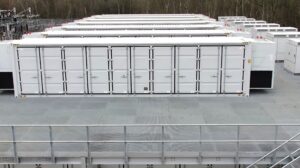
Drax is developing a gigawatt-scale pipeline of battery energy storage system (BESS) opportunities through owned assets and long-term tolling and floor agreements. These BESS projects are in development, with operations targeted from 2027 onwards. The current portfolio includes three owned battery storage sites totalling 260MW and tolling agreements covering a further 450MW of capacity. These assets complement Drax’s existing pumped storage hydro and hydro-electric generation portfolio in Scotland, including Cruachan Power Station, one of only four pumped storage hydro stations in the UK, which has the capacity to power up to 1.4 million homes. While battery storage provides rapid-response flexibility, pumped storage hydro acts as a large-scale, long-duration storage asset capable of storing surplus electricity and returning it to the network when required. Together, they broaden Drax’s energy storage capabilities and provide flexibility across multiple timescales.
Energy storage at scale:
260MW
Capacity from Drax’s owned BESS assets once fully commissioned
450MW
Drax’s additional BESS capacity secured through tolling agreements
£80m
Upgrade of pumped storage hydro plant, Cruachan to increase the plant’s generating capacity to 480MW
Delivering flexible storage for a changing energy system
Energy storage helps balance electricity supply and demand by storing energy when it is abundant and making it available when it is needed. Within Drax’s energy storage portfolio, BESS and pumped storage hydro perform complementary roles, providing flexibility across different timescales and operating conditions.
BESS store electricity in rechargeable batteries and can respond to changing system conditions within seconds. This rapid-response capability enables batteries to absorb electricity during periods of high renewable generation or lower demand and quickly return power to the grid when additional capacity is required. By helping to manage short-term fluctuations in supply and demand, battery storage supports grid stability and maximises the value of renewable electricity.
Pumped storage hydro provides a different form of flexibility. At Cruachan Power Station, electricity is used to pump water from a lower reservoir to an upper reservoir when supply exceeds demand. When additional power is required, the water is released back through turbines to generate electricity.
Together, battery storage and pumped storage hydro form a robust energy storage portfolio. Batteries provide fast-response, shorter-duration flexibility, while Cruachan delivers large-scale, long-duration storage and system support services. Combined with asset optimisation these technologies strengthen Drax’s ability to provide flexible energy solutions that support a secure, resilient and increasingly renewable electricity system.

Enabling a more resilient electricity network
As the UK accelerates the transition to a cleaner power system, energy storage is becoming increasingly important. The Government’s Clean Power 2030 ambition will see significantly more renewable generation connected to the grid, increasing the share of electricity from non-dispatchable sources such as wind and solar from less than 50% today to more than 80% by 2030. As a result, flexible technologies that can respond quickly to changes in supply and demand will play a critical role in maintaining system reliability and energy security.
The need for flexibility is expected to increase further as electricity demand grows. Analysis published by Drax Electric Insights found that installed battery storage capacity in Britain grew from just 10MW to nearly 7GW between 2016 and 2026. The report also highlighted increasing demand from AI data centres, electrified transport and the wider electrification of homes and industry as key factors driving the need for greater system flexibility and energy storage infrastructure.

Cruachan Power Station
Energy storage will therefore be an important part of enabling the UK’s energy transition. Alongside network upgrades, flexible generation and demand-side response technologies, storage can help support a power system that remains reliable as renewable generation forms a larger share of the energy mix. Reflecting its growing importance, the Government is targeting 23-27GW of battery storage capacity by 2030, compared with around 4.5GW today.
By enabling renewable electricity to be stored and deployed when needed, energy storage can help reduce system constraints, make better use of domestically generated renewable power and support a reliable and affordable electricity system as Britain progresses towards its clean energy ambitions.
Supporting Britain’s energy ambitions
The UK Government’s stated aims see energy storage as an important enabler of its Clean Power 2030 ambition and the transition to a decarbonised electricity system. As part of this, it has set a target for Britain to have 23-27GW of battery energy storage capacity by 2030, compared with around 4.5GW today. The Government has also recognised the role of longer-duration storage technologies, including pumped storage hydro, in supporting a more flexible electricity system.
Achieving these ambitions will require significant investment in new energy infrastructure alongside continued growth in renewable generation. By increasing storage capacity, the Government states that it aims to support a power system that can deliver reliable, secure and affordable electricity while reducing reliance on fossil fuels and making greater use of domestically generated renewable power.
Expanding Drax’s energy storage portfolio
Drax is helping to support a more flexible and resilient electricity system through investments in energy storage. Alongside its battery energy storage developments, Drax is progressing plans to increase the generating capacity of Cruachan Power Station to 480MWs.
Our BESS portfolio includes three two-hour battery storage developments at East Kilbride, Marfleet and Neilston, providing 260MW of combined capacity. Construction is expected to begin in 2026, with the first site targeting operation in 2027.
Two tolling agreements add further scale through a 250MW, 500MWh project at West Burton C and a 200MW, 800MWh project at Coalburn. Both projects are targeting commercial operation in 2028 and provide Drax with operational control and dispatch rights without the upfront capital requirements associated with asset construction.
From batteries to hydro: understanding energy storage
- What is battery energy storage and how does it work?
- Why is energy storage important for the UK's electricity system?
- How do batteries support renewable energy generation?
- What role does BESS play in energy security?
- What energy storage technologies are being deployed in the UK?
Battery energy storage systems (BESS) store electricity in rechargeable batteries and release it when it is needed. They charge when renewable generation is abundant or demand is low, and can return power to the grid within seconds. As part of Drax’s energy storage portfolio, battery energy storage provides fast-response flexibility that helps balance supply and demand and support a more reliable electricity system.
Source: Drax, 2026
As Britain increases its use of wind and solar power, energy storage systems are becoming increasingly important. They help ensure electricity is available when renewable generation is lower or demand is higher, improving flexibility, resilience and energy security. Drax’s portfolio combines battery storage and pumped storage hydro to help support a secure and increasingly renewable electricity network.
Source: Drax, 2026
Battery storage captures electricity when renewable generation is high and releases it when it is needed most. This helps reduce curtailment, manage fluctuations in supply and demand, and maximise the value of renewable power. Through its growing portfolio of BESS assets and tolling agreements, Drax is expanding the flexibility needed to support more renewable generation across the electricity system.
Source: Drax, 2026
BESS strengthens energy security by providing electricity and system support services at short notice when conditions change. Because battery energy storage systems can respond within seconds, they help maintain grid stability and support reliability during periods of increased demand or lower renewable output. Within Drax’s portfolio, battery storage complements longer-duration storage provided by Cruachan Power Station.
Source: Drax, 2026
Britain is deploying a range of energy storage solutions, including battery energy storage and pumped storage hydro. Batteries provide rapid-response flexibility, while pumped storage hydro assets such as Drax’s Cruachan Power Station provide large-scale, long-duration storage by storing energy and generating electricity when demand increases. Together, these technologies help support renewable integration, system resilience and energy security.
Source: Drax, 2026
Battery energy storage systems (BESS) store electricity in rechargeable batteries and release it when it is needed. They charge when renewable generation is abundant or demand is low, and can return power to the grid within seconds. As part of Drax’s energy storage portfolio, battery energy storage provides fast-response flexibility that helps balance supply and demand and support a more reliable electricity system.
Source: Drax, 2026
View MoreAs Britain increases its use of wind and solar power, energy storage systems are becoming increasingly important. They help ensure electricity is available when renewable generation is lower or demand is higher, improving flexibility, resilience and energy security. Drax’s portfolio combines battery storage and pumped storage hydro to help support a secure and increasingly renewable electricity network.
Source: Drax, 2026
View MoreBattery storage captures electricity when renewable generation is high and releases it when it is needed most. This helps reduce curtailment, manage fluctuations in supply and demand, and maximise the value of renewable power. Through its growing portfolio of BESS assets and tolling agreements, Drax is expanding the flexibility needed to support more renewable generation across the electricity system.
Source: Drax, 2026
View MoreBESS strengthens energy security by providing electricity and system support services at short notice when conditions change. Because battery energy storage systems can respond within seconds, they help maintain grid stability and support reliability during periods of increased demand or lower renewable output. Within Drax’s portfolio, battery storage complements longer-duration storage provided by Cruachan Power Station.
Source: Drax, 2026
View MoreBritain is deploying a range of energy storage solutions, including battery energy storage and pumped storage hydro. Batteries provide rapid-response flexibility, while pumped storage hydro assets such as Drax’s Cruachan Power Station provide large-scale, long-duration storage by storing energy and generating electricity when demand increases. Together, these technologies help support renewable integration, system resilience and energy security.
Source: Drax, 2026
View MoreUpdated November 2026