

Tag: community

Recognition is welcome – but the real test is how more doors can be opened for young people

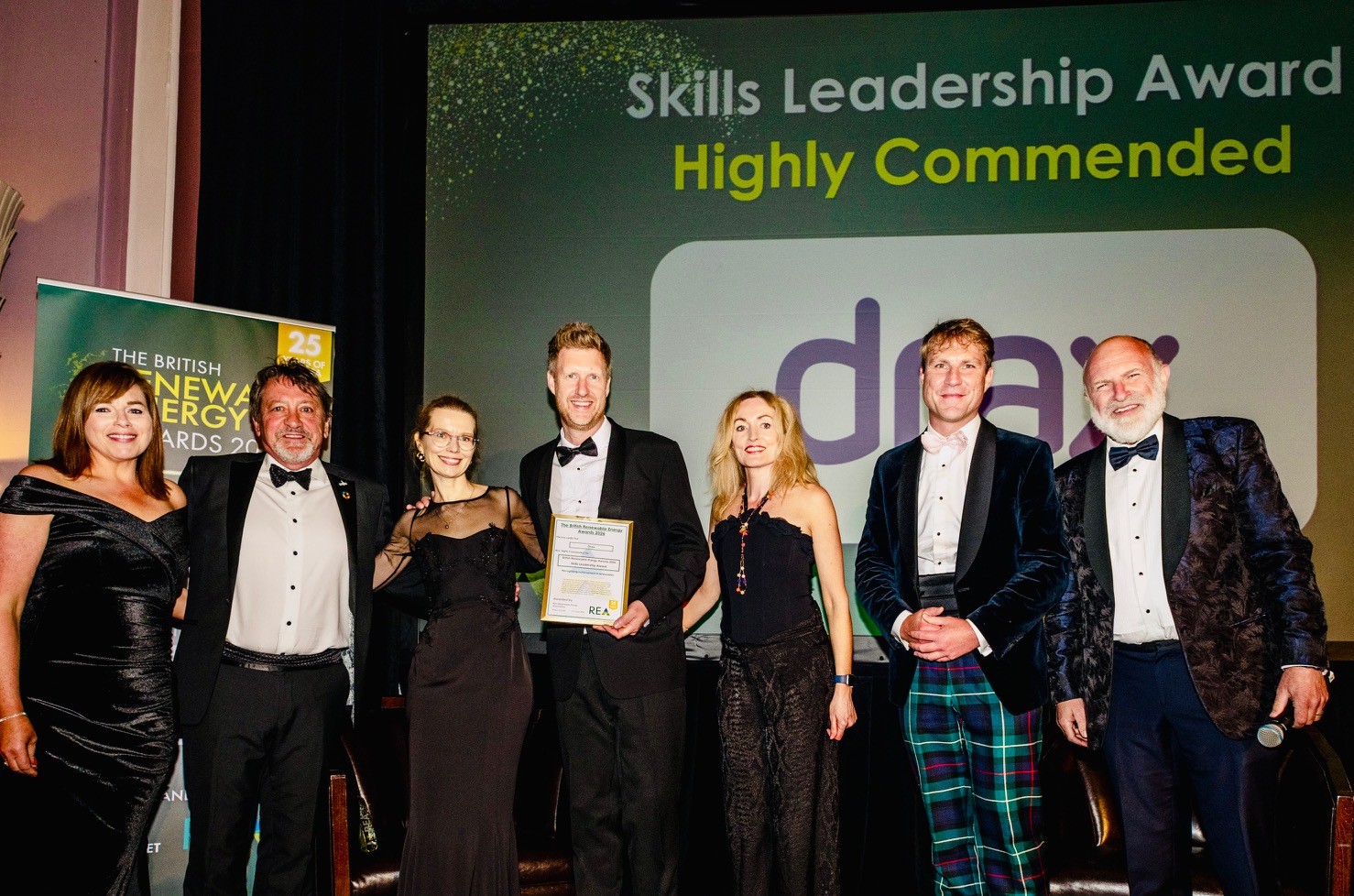
When Drax was Highly Commended for ‘Skills Leadership’ in this month’s Renewable Energy Association’s (REA) awards, it was welcome recognition. But awards matter most when they point to something deeper: sustained, practical work that helps young people see their futures, gives employers a route to engage with local talent, and builds the skills communities need for the economy ahead.

That recognition comes at a significant time. The recent Alan Milburn report on Young People & Work has renewed our focus on the number of young people not in education, employment or training (NEET), and on the long-term consequences of disconnection from opportunity. The challenge is not only unemployment. It is confidence, aspiration, access, networks and whether young people can see a credible path from the classroom into meaningful work.

For businesses rooted in their communities, this is where responsibility becomes practical. It is not enough to talk about future skills or the green economy in abstract terms. Young people need early exposure to workplaces, meaningful encounters with employers, mentoring, careers insight, work experience and clear routes into apprenticeships, technical education and employment.

This is the substance behind Drax’s REA recognition. Through work led by the Drax Community & Education team, we have been building a connected pathway from education to employment in Selby, North Yorkshire and the wider Humber region. In 2025, activity included 97 educational tours of Drax Power Station for 2,300 students, 111 STEM education and careers ns reaching more than 9,500 students, and 260 hours of mentoring delivered by 36 Drax Education Ambassadors.

The impact is visible in the detail. Drax Foundation support for SKILLZ CIC has helped deliver employability workshops and mentoring for young people at risk of becoming NEET in North Yorkshire, engaging 1,890 young people through mentoring, career talks and visits to Drax Power Station. Drax’s partnership with Springpod has opened free virtual work experience and project simulations for students aged 13–19, with nearly 4,000 enrolments and 98% of completers rating their awareness of sector careers as good or excellent. Our new partnership with Futures for All is providing meaningful experiences of work for young learners in the communities where we operate.

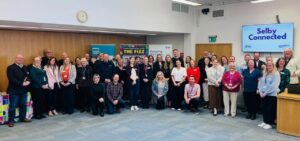
But reducing the risk of young people falling out of education, employment or training cannot be solved by one employer, school, charity or public body alone. That is why the launch of Selby Connected matters. Developed by Drax and Up for Yorkshire as a private, public and voluntary sector partnership, it brings local employers together with civic and community partners to coordinate action, pool insight and improve access to support across the region.

A key focus is on education, skills and employability. Local analysis has shown that awareness of specialist employment support, including skills training and work experience opportunities, remains low. Young people and residents also face barriers linked to geography, transport, access to services and suitable local opportunities. Selby Connected is designed to join up what exists, identify gaps and help more people find opportunities that can change their trajectory.

The lesson from both the Milburn report and Drax’s own experience is clear: employability is not created when someone applies for their first job. It is built earlier, through repeated experiences that develop confidence, communication, problem-solving, ambition and a sense of belonging in the world of work. It grows when employers show up consistently, schools have access to trusted partners, and community organisations are resourced to reach those who may otherwise miss out.

Drax’s Highly Commended REA award should therefore be seen as a proof point, not a finish line. It recognises the quality of work already being delivered by our Community & Education team and partner organisations, but the bigger opportunity lies in scaling that work through partnership. Selby Connected provides the platform to bring businesses, the public sector and voluntary organisations together around a shared ambition for Selby and the surrounding villages.

The challenge of NEETs is national, but the solutions will often be local. They depend on trusted relationships, practical collaboration, and employers willing to invest time, knowledge and opportunity in the next generation. In Selby, that work is already under way. The task now is to keep building it, so more young people can move from aspiration to experience, and from potential to meaningful employment

Local businesses or public and voluntary sector organisations in Selby and the surrounding villages who would like to learn more about Selby Connected or get involved can contact [email protected]

Backing smaller sustainability charities delivers lasting social impact

At a time when corporate-charity partnerships often prioritise social welfare1, there is a strong case for large energy companies to partner with smaller specialist sustainability charities to help tackle the ‘energy trilemma’. When built around shared purpose and practical delivery, these partnerships can deliver outsized results.

Corporate foundations often gravitate towards large, high-profile charities. Those partnerships matter, but the energy transition requires us to try different models: ones where a major company brings scale and long-term commitment, while a smaller charity brings specialist expertise, agility and a close understanding of local need.

At a time when communities are dealing with high energy costs, tight budgets and the challenge of decarbonisation, this matters more than ever. The best partnerships do more than offer short-term project funding; they build resilience by investing in the mission (not a single project) – to reduce carbon emissions, improve energy efficiency and help communities take practical action to reduce their energy costs.

The partnership between the Drax Foundation and Energy Sparks shows this in practice. Over three years, the Drax Foundation funding has helped Energy Sparks support schools across Drax’s operational footprint in the UK with energy analysis tools, and education to reduce energy use in ways that are practical, sustainable and lasting.

The results are significant: more than 240 schools saved a combined total of c. £2.8 million in energy costs and reduced carbon emissions by c. 3,900 tonnes over the three-year period.

This is where smaller charities can make an exceptional difference. They are often closer to the problem, more focused in their approach and better able to combine technical expertise with behaviour change and community engagement. For corporate foundations, backing that kind of specialist capability can be one of the most effective ways to create meaningful impact.

From funding to partnership

Strong partnerships are about more than funding. Larger companies can offer reach, profile and commitment through their corporate foundations. Smaller charities can offer innovation, specialist knowledge and trusted community connections. Together, they can deliver outcomes neither could achieve alone.

Schools show why this works so well. They are central to their communities, so savings made in schools can ease budget pressures, improve learning environments and help young people build lasting habits around energy efficiency and climate awareness.

For energy companies like Drax, the opportunity is clear. Partnering with smaller sustainability charities like Energy Sparks can turn corporate purpose into practical action, delivering measurable local results while supporting the long-term resilience needed for the energy transition. The Drax Foundation and Energy Sparks partnership shows how big organisations and small charities can achieve significant impact together.

Business Charity Awards

L-R Caludia Towner (Energy Sparks) with Drax Foundation team Stanmira Brown, Sarah Baird, Shona King – receiving a Business Charity Award in the category of ‘Best Response to the Cost-of-Living Crisis’, May 2026 .

This partnership between the Drax Foundation and Energy Sparks won a Third Sector Business Charity Award (2026) in the category of ‘Best Response to the Cost-of-Living Crisis’. The award-winning project also included LED and / or solar installations in 54 schools in the communities where Drax operates.

Find out more about the work EnergySparks does helping schools cut energy costs and fight climate change: https://energysparks.uk/

Community voices – Cruachan, Argyll and Bute

Cruachan Power Station, affectionately known as the ‘Hollow Mountain’, resides deep inside Ben Cruachan mountain in Argyll and Bute, Scotland. Over the past 60 years, Cruachan has been keeping the lights on for hundreds of thousands of homes across the UK.

But Cruachan is more than just hydropower: it’s been an iconic part of the landscape and local community since 1965. Through the Drax Foundation and Community Fund, Cruachan supports a range of community and educational projects, from Scottish rainforest restoration to STEM learning.

At Drax, we’re proud to be working to build a future that’s positive for climate, nature and people.

Hear from the local community voices in Cruachan, Argyll and Bute.

Berni McMillan, Head Teacher, Taynuilt Primary School

Sarah Cameron, Community Manager (Scotland), Drax; and Julie Young, CEO, Argyll Countryside Trust (ACT)

Kevin Roy, Production Manager, Drax

Voices from the wider community


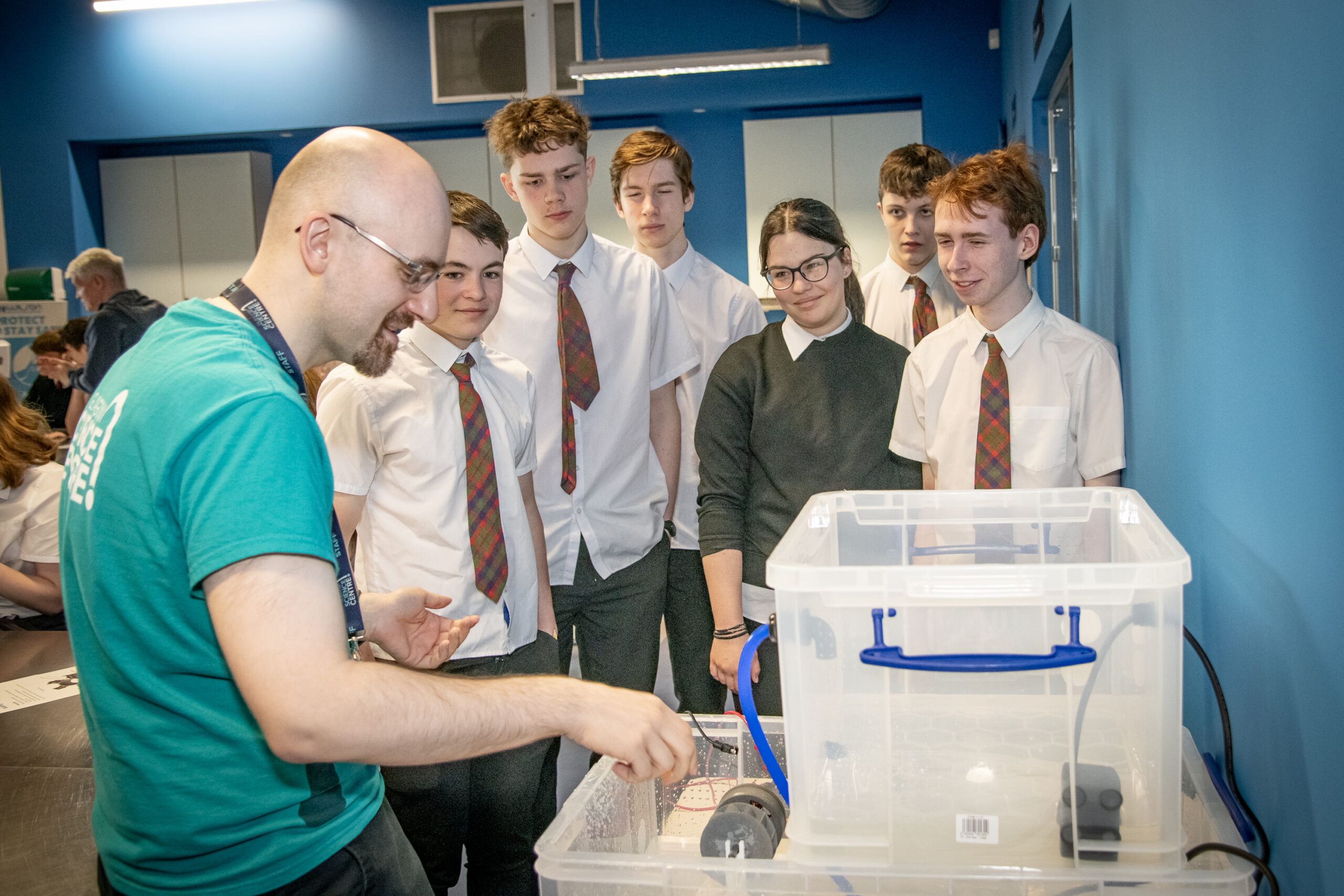
Featured image caption: Students take part in STEM learning sessions at the Glasgow Science Centre.

Community voices – Selby, North Yorkshire

At Drax, we believe the energy transition can and should benefit everyone. As part of our People Positive pillar, laid out in our Sustainability Framework, we’re seeking to make tangible improvements to the lives and livelihoods of the communities we operate in. This goes beyond providing jobs at Drax sites — it requires social investment, collaboration, education and long-term support.

DPS is the largest power station in the UK and located near Selby in North Yorkshire. In 2024 it provided the grid with enough power for five million homes – equivalent to every home in London, or Wales and Scotland combined. We also support the wider community by investing in local projects in North Yorkshire and beyond.

For us, sustainability isn’t about words, it’s about action. Constant tireless action to benefit climate, nature and people. 

Hear more from the local community voices in Selby, North Yorkshire.

Sam Wright, Principal & Chief Executive, Heart of Yorkshire Education Group

Talks about the proximity to Drax and the supporting role it plays for Selby College.

Diana Taylor, Managing Director, Future Humber

Speaking about Drax’s focus on community, building prosperity and local skills and talent.

Ben Shingler, Innovation Research Manager, Drax

Outlines Drax’s outreach into the community and the impact this can have.

Voices from the wider community

What Drax means to the local community.

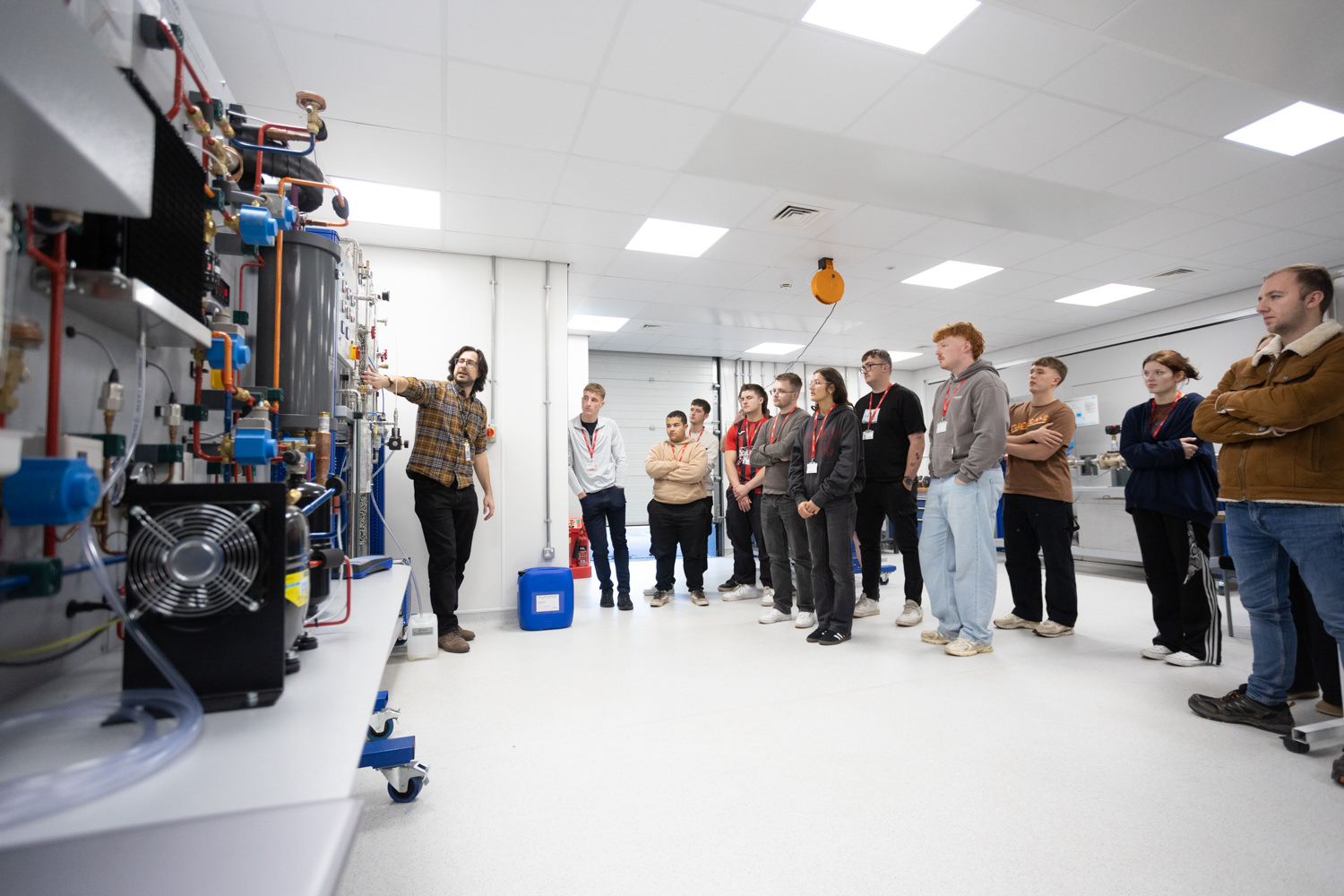
Featured image caption: Selby students take part in a carbon capture and storage bootcamp at Selby College.

How Wood Pellets Support Clean Energy Goals, Forests, and Communities

By Kyla Cheynet, Director of Sustainability, Drax

When we think of clean energy, solar panels and wind turbines often dominate the conversation, but as we work to enable a zero carbon, lower cost energy future, it’s going to take all clean energy industries working together. Biomass, in the form of wood pellets, has been quietly making a big impact by helping countries reduce carbon emissions, support sustainable forestry, and transition away from fossil fuels. 

What Are Wood Pellets? 

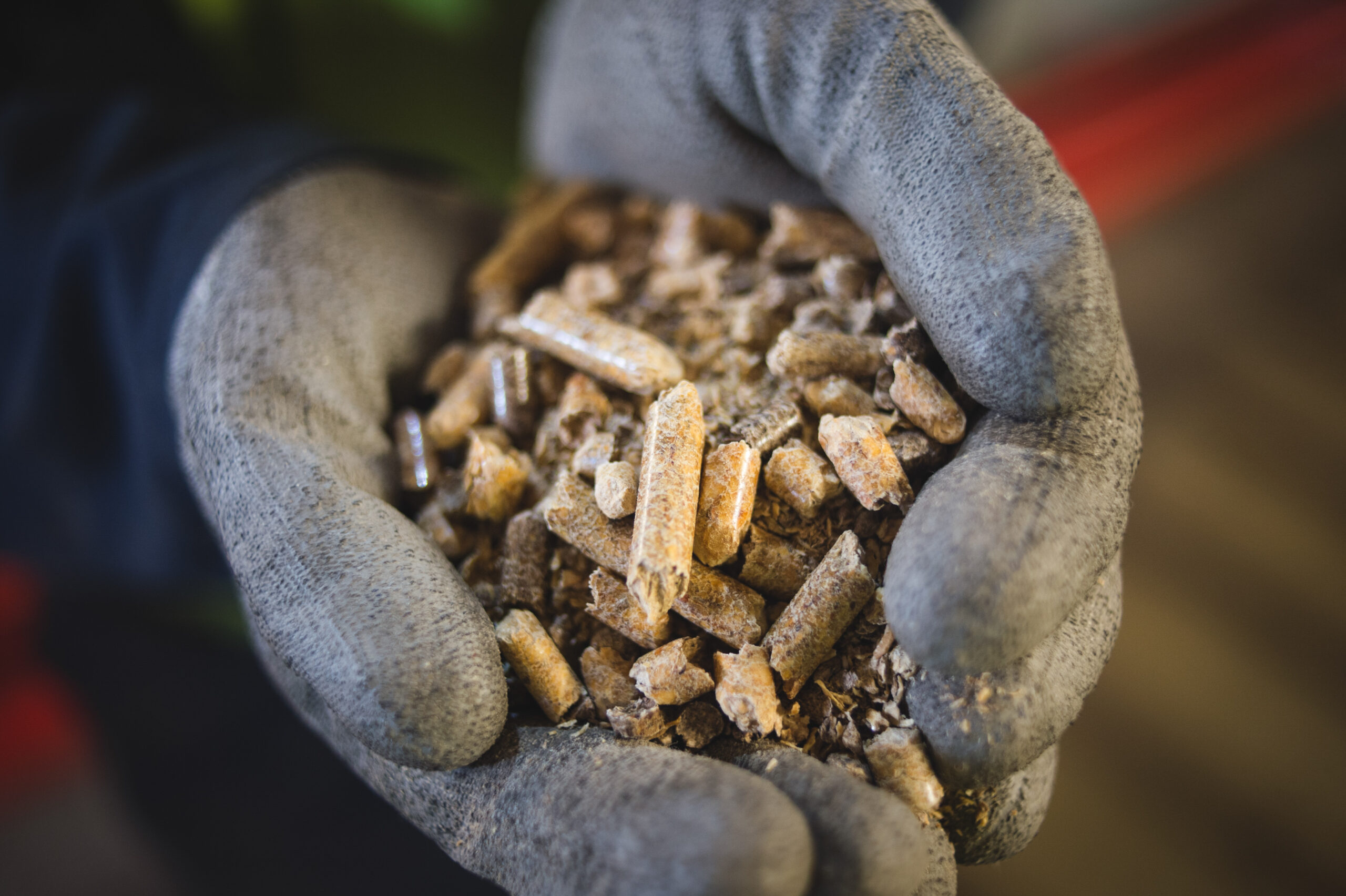
At Drax, we operate within the larger forest industry, making our wood pellets from sawmill residues and low-grade wood from the forest. Mill residuals come in the form of shavings, sawdust and chips, while material sourced from sustainable harvests comes from tree trunks, tops, and limbs which are too small or malformed to make sawtimber.  Wood that arrives in roundwood form is debarked and chipped on-site, with bark being used as fuel to dry the high-moisture chips and sawdust.  Once the fiber is dried it, is resized by “hammermills” into a very small particles which are then compressed under high pressure by “pellet mills” which cause the natural resins in the wood to bind together forming small wood pellets that look just like those used for pellet burning grills or home heating.  The wood pellets we produce are: 

  • Renewable: Sourced from sustainably managed forests and manufacturing residuals. 
  • Efficient: Low moisture content means high energy output. 
  • Easily transported: Pellets can be loaded on trucks, railcars, and ships with ease.  

Supporting Sustainable Forestry 

The forests that we source our biomass from are managed in accordance with best practices designed to support the health and growth of these forests over the long term.   We have strict criteria in place to ensure our fiber sourcing helps maintain or improve forest health, landscape-level carbon stocks, biodiversity, and forest-related values communities depend on.  

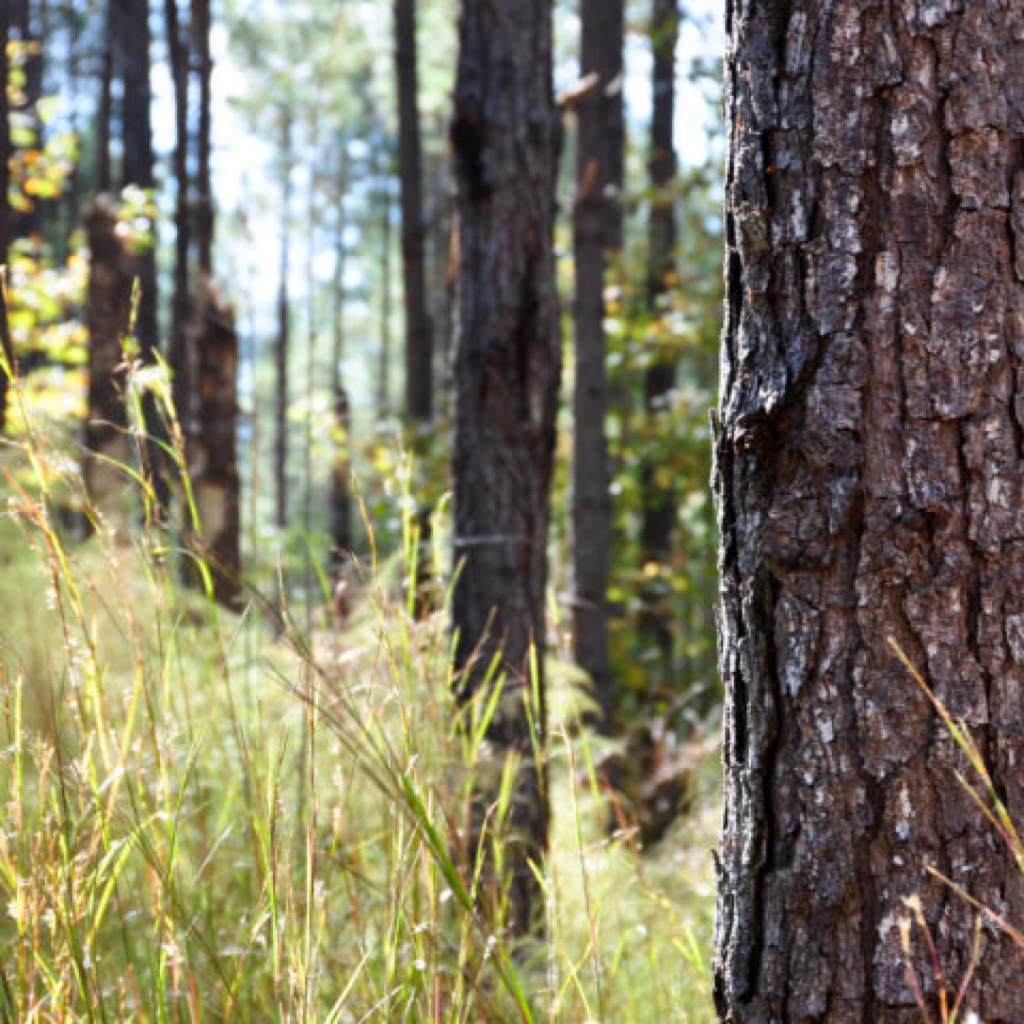
In the U.S. South, forest inventory has expanded rapidly in recent decades, largely due to improved forest management on private lands These vigorously growing forests are considered a wood basket to the world.  Active forest management is essential to maintaining the productivity and ecological value of these forests.  Thinning, an intermediate harvest aimed at reducing tree density, is essential to maintaining forest health. Thinning not only increases future sawtimber yields by allocating greater resources to “crop trees”, but also improves the forest’s resilience to pests, disease, and wildfire, all while enhancing understory plant diversity and wildlife habitat. 

Most trees removed during thinning operations are generally undersized or unsuitable for lumber, but they are ideal for producing wood pellets! In this way, the biomass market creates an incentive for managers to engage in practices that increase the health and vigor of forests on their land. 

Why Is This Important? 

At Drax, our mission is to help meet the world’s increasing demand for secure energy, sustainably. Sustainably sourced biomass plays an important role in supporting energy security as the world decarbonizes, displacing fossil fuels with renewable, dispatchable power that supports intermittent renewables like wind and solar.  

Biomass markets also bring business to rural communities. In addition to direct employment opportunities in manufacturing Drax’s operations supports hundreds of jobs throughout the larger forest industry in Mississippi. Drax pellet plants also create market opportunities for landowners hoping to generate a return on their forest investment.  Markets for low-grade biomass incentivize landowners to continue managing forests rather than converting or selling them off to other uses.  And we all benefit when forests remain forests!

To learn more about Drax’s impact in Gloster, Mississippi, visit www.drax.com/gloster  

Delivering positive action in our communities

Being a Chief Sustainability Officer makes me an optimist. I have a key part to play in how Drax embeds sustainability throughout the business, across our entire value chain, and that’s what gets me up every day.

For us at Drax, sustainability isn’t about words, it’s about action. Constant, tireless action to benefit climate, nature and people. It’s not just about our biomass sourcing, or the suppliers we choose to work with, or how we operate. It’s also about the impact we’re having in the communities where we operate.

Our commitment to be a good neighbour

Community investment is central to our commitment to be a good neighbour. We’re seeking to make tangible improvements to the lives and livelihoods of the communities we operate in through social investment, collaboration, education and long-term support.

One of the ways we do this is via the Drax Foundation and our Community Fund. Over the last 12 months we have invested more than ever before in our communities, disbursing £3.6m in charitable giving – a 33% rise from the previous year. This takes total investment to £6.3m since we launched the initiatives in 2023.

The Drax Foundation provides grant funding for non-profit organisations that improve access within underserved communities to science, technology, engineering and maths (STEM) education, community green spaces, and measures to address fuel poverty and energy-efficiency.

The Community Fund compliments the Foundation by investing in grassroots organisations and volunteer-led initiatives that support the unique needs and challenges of our communities.

Giving support where it’s needed the most

At Drax we have a dedicated Community Affairs team to ensure our charitable giving is focused on where it’s needed the most. Over the last 12 months our funding is projected to benefit more than 98,000 people in the regions where Drax operates This includes 13,606 children with access to STEM education and 75 adults with ‘green’ skills training programmes.

For the past two years we’ve been working with Scientists in Schools in Canada, helping them to expand their STEM programming in the regions where Drax operates in British Columbia and Alberta. With a particular focus on engaging indigenous groups, this year we’ll build on this partnership by enabling another 3,000 young learners to participate.

We’ve supported nature projects as diverse as rainforest restoration with the Argyll Countryside Trust in the Scottish Highlands (yes, rainforests in Scotland!) and protection of priority bird habitats in the Southern US with the National Audubon Society. 2024 funding is projected to provide 8,836 people with access to improved community green spaces and enable 7,406 young people to participate in nature-based learning.

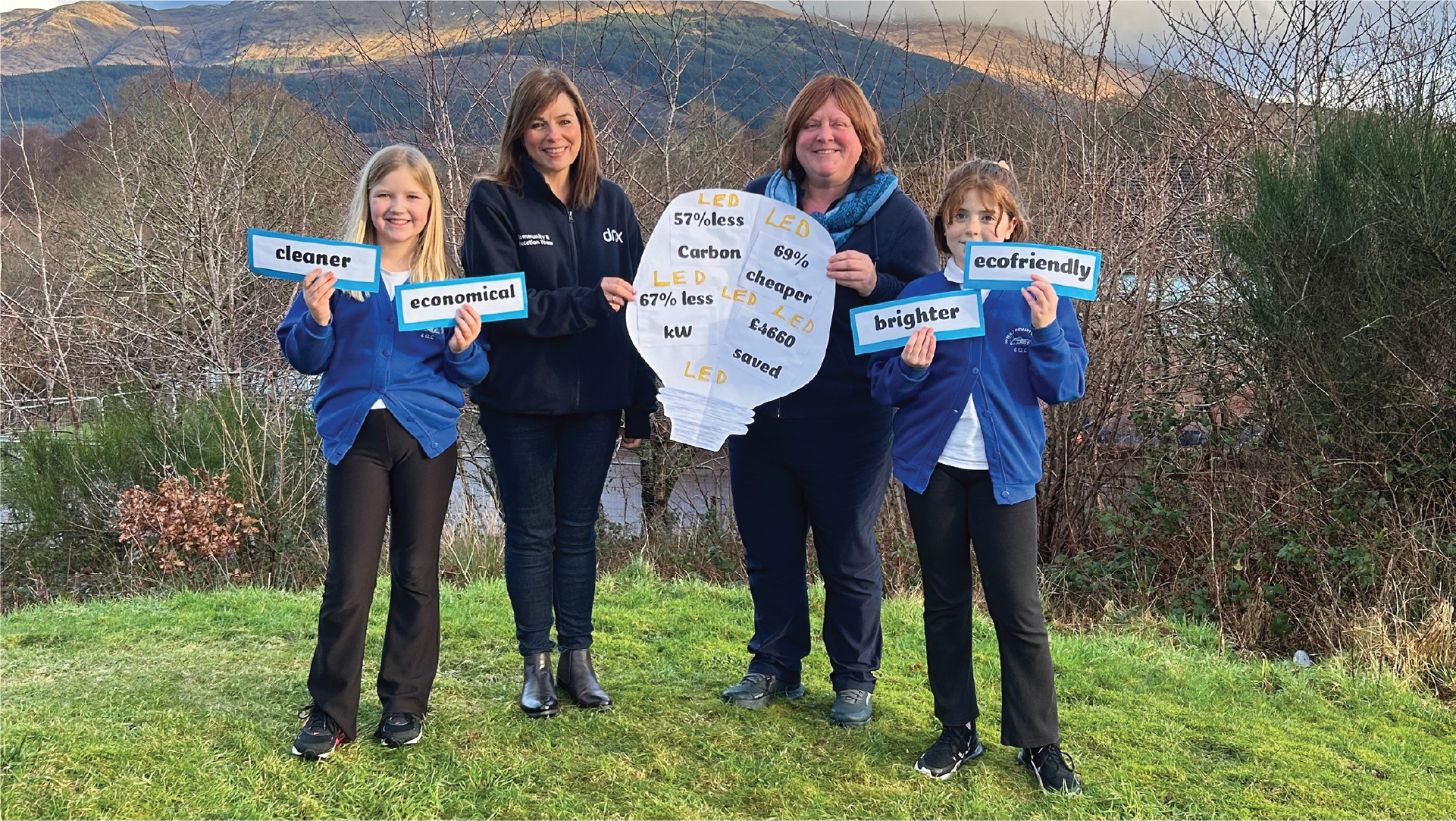
Across the UK we’re helping to reduce school energy bills and support those living in fuel poverty. We’ve funded energy efficiency improvements in over 260 schools near our operations in North Yorkshire, East Midlands, Scotland and East of England, and we’ve worked with partners to support 2,800 households in ‘fuel crisis’ so that they can receive financial and advisory support to keep the lights and heating on.

The range and diversity of projects we support is vast, but what they all have in common is that they fit within our wider business objective to deliver positive outcomes for the climate, nature and people.

What’s to come

For 2025, Drax’s major focus is sustainability. Continuing to partner with and invest in our communities is a key pillar of our new sustainability approach. To build on this commitment, we have pledged a further £1.5m to support 63 projects across our communities, working to enhance nature spaces, empower children and adults with STEM, and provide energy saving support. Within this we’re also addressing the unique needs of our communities through funding, outreach and direct engagement. We’ll share more soon on the progress of these projects.

We believe the energy transition should benefit everyone, and we believe in creating opportunities. For the year ahead, I look forward to how we can keep enhancing our positive social impact, listening and contributing to communities wherever we operate. It takes collaboration, determination and willingness to learn. Let’s take positive action.

Find out more in our latest Drax Foundation Annual Review