


Tag: sustainability

The different ways water powers the world

If the spectacular Roman aqueducts that still dot the landscape of Europe tell us anything, it’s that hydraulic engineering is nothing new. For thousands of years water power has been used to grind wheat, saw wood, and even tell the time.

Craigside in Northumberland

By the 19th century, water was able to go beyond performing rudimentary mechanical tasks and generate electricity directly. Cragside in Northumberland, England  became the first house powered entirely by hydroelectricity in 1878. By 1881, the whole town of Niagara Falls on the US-Canada border was being powered by the force of its eponymous river and waterfall.

Hydropower has many advantages: it’s predictable, consistent, often zero or low carbon and it can provide a range of ancillary services to power transmission systems. In Great Britain, there is 1.7 gigawatts (GW) of installed hydropower and another 2.8 GW of pumped hydro storage capacity, but it remains a small part of the overall electricity mix. In the fourth quarter of 2018, the 65% of British hydropower that is connected to the national grid accounted for less than one per cent electricity generation or 545,600 megawatt hours (MWh). By contrast, wind accounted for 14% of total generation that quarter (almost 9.5 million MWh).

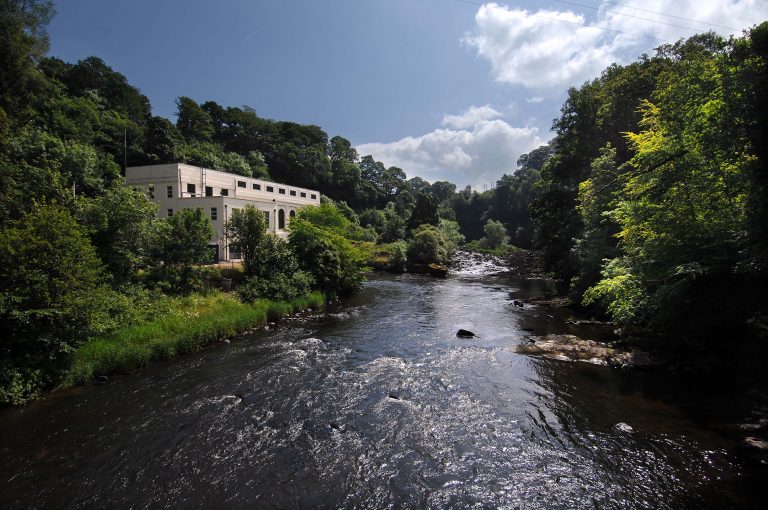
While hydropower projects can be expensive to construct, operational and maintenance costs are relatively low and they can run for an extremely long time – the Lanark Hydro Electric Scheme in Scotland, which Drax recently acquired, has been producing power since 1927.

Today, hydropower installations are found at all scales, all around the world. But the term hydropower covers many different types of facility. These are some of the ways water is used to generate electricity.

Impoundment power plants

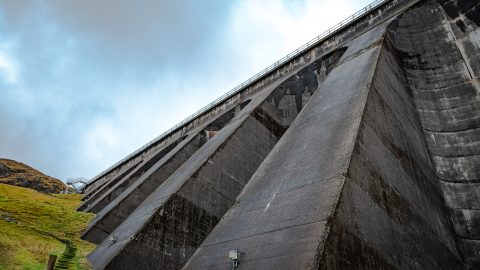
The simplest and most recognisable form of hydropower, impoundment facilities, work by creating a reservoir of trapped water behind a dam that is then selectively released, the water flows through a turbine, spinning it, which in turn activates a generator to produce electricity.

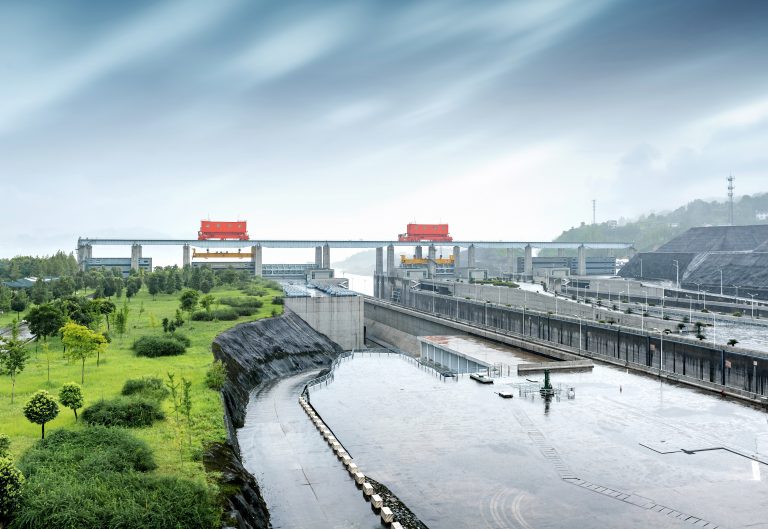
From the Hoover Dam on the Nevada-Arizona border, to the Three Gorges Dam in China – the world’s largest power station of any type, with a generating capacity of 22.5 GW – impoundment dams are some of the most iconic structures in modern engineering.

Three Gorges Dam, China

As well as having the potential to provide large quantities of baseload power, they can react extremely quickly to grid demands – just by opening or closing their floodgates as the power system operator requires.

Run-of-river generation

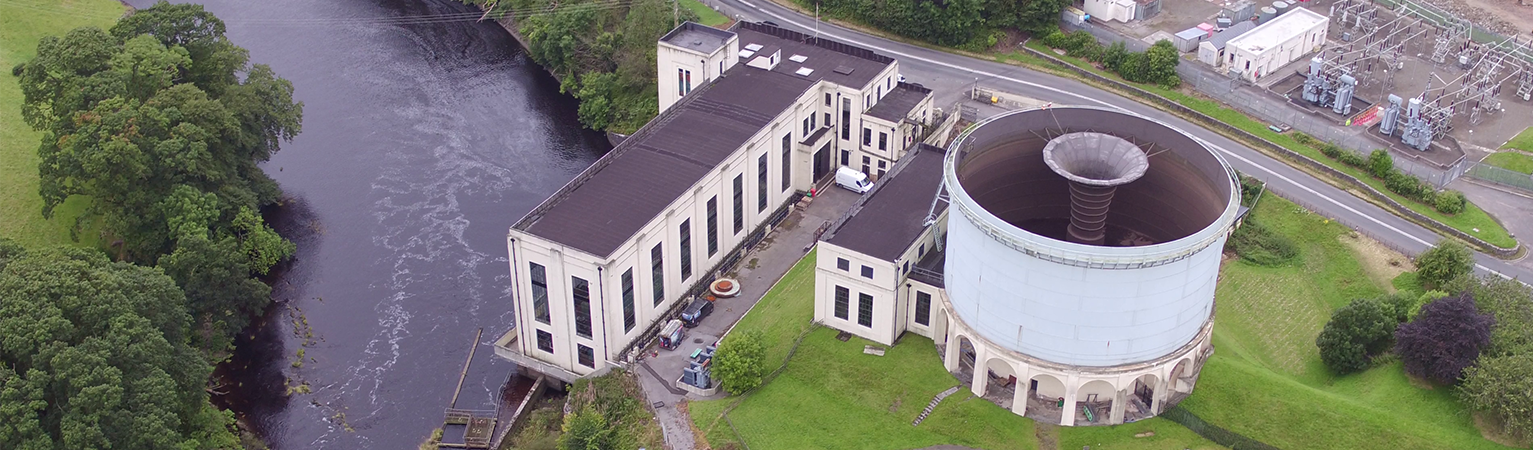
Rather than storing and releasing power from behind a dam, run-of-the-river generators channel off part of a river and use its natural flow to generate power.

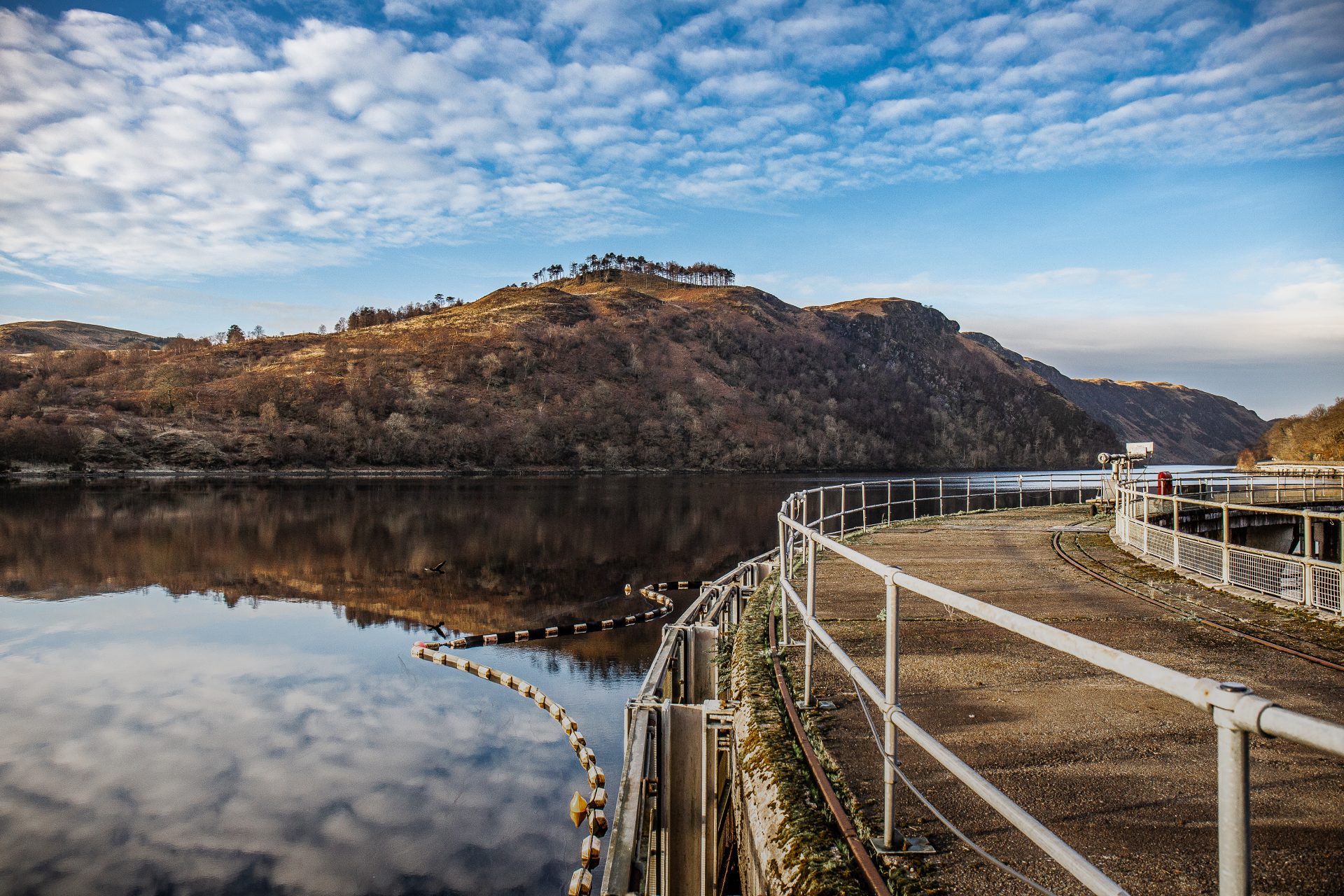
Tongland Power Station, Galloway Hydro Scheme

Because it doesn’t require large dams or reservoirs, run-of-river can be less environmentally disruptive, as there is not always a need for large scale construction and flooding is less common.

Stonebyres Power Station, Lanark Hydro Scheme

While run-of-river facilities tend to be smaller and less flexible than impoundment, they still have significant generating potential – the Jirau hydro-electric power plant on the Madeira river in Brazil has a generating capacity of 3.7 GW.

Pumped storage 

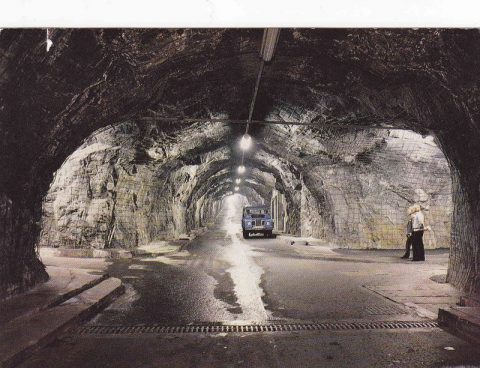
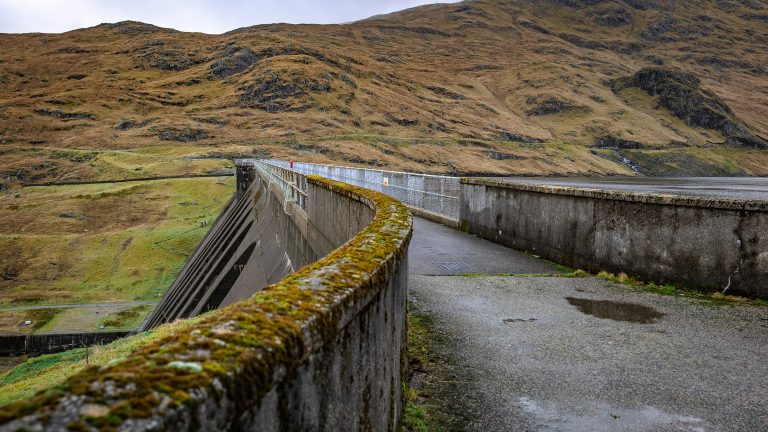
Water can also be good for storing energy that can then be converted to electricity. Pumped hydro storage facilities operate by pumping water uphill to a reservoir when electricity is cheap or plentiful, then letting it flow back downhill through tunnels to a series of turbines that activate generators to generate electricity (in the same way as an impoundment dam) when electricity is in high demand.

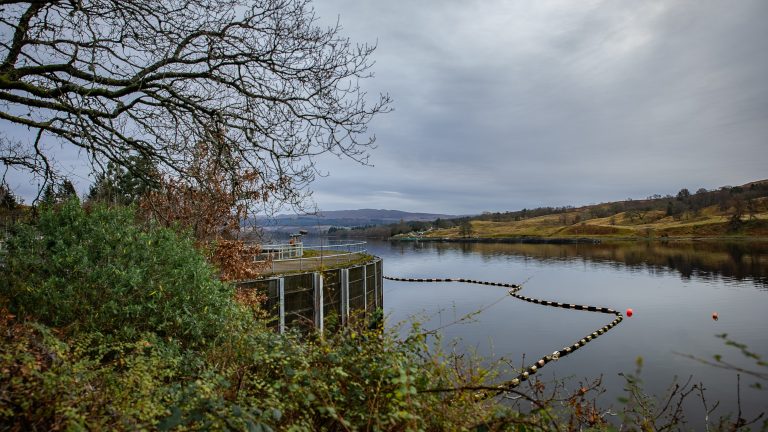
Dam and reservoir, Cruachan Power Station

Their ability to both produce and absorb electricity makes them a vital part of electricity networks, playing the role of energy storage systems. In fact, a massive 97% of all global grid storage capacity is in the form of pumped hydro. Their function as giant batteries will only become more important as intermittent renewable sources like wind and solar become more prevalent in the energy mix.

Outlet and loch, Cruachan Power Station.

So too will their ability to ramp up generation very quickly. Drax’s recently acquired Cruachan Power Station in Scotland can go from zero to 100 MW or more in less than 30 seconds when generation is called upon – for example, when there is a sudden spike in demand.   

Tidal range generation

Swansea Bay

The sea is also an enormous source of potential hydropower. Tidal range generation facilities exploit the movement of water levels between and high and low tide to generate electricity. Tidal dams trap water in bays or estuaries at high tide, creating lagoons. The dam then releases the water as the rest of the tide lowers, allowing it to pass through turbines, generating power.

There are limitations – like wind and solar’s dependence on the wind blowing and the level of sunlight, operators can’t control when tides go in or out. But its vast generating potential means that it could be a valuable source of baseload power if it were to be deployed more widely.

Great Britain in particular has major opportunities for tidal generation. The Severn Estuary between England and Wales has the second highest tidal range in the world (15 metres), and a barrage built across the estuary could have a generating capacity of up to 8.6 GW – enough to meet 6% of the Britain’s total electricity demands. Some environmental groups worry about the impact such projects could have on wildlife.

Due to the level of public funding required, the government rejected that plan in 2010, in favour of pursuing its nuclear policy. A second attempt at securing a government-backed investment contract, known as a CfD, for a smaller 320 MW ‘pathfinder’ project in Swansea Bay was also rejected, in 2018. The Welsh government is however supportive of the project, which already has planning permission.

Tidal stream generation

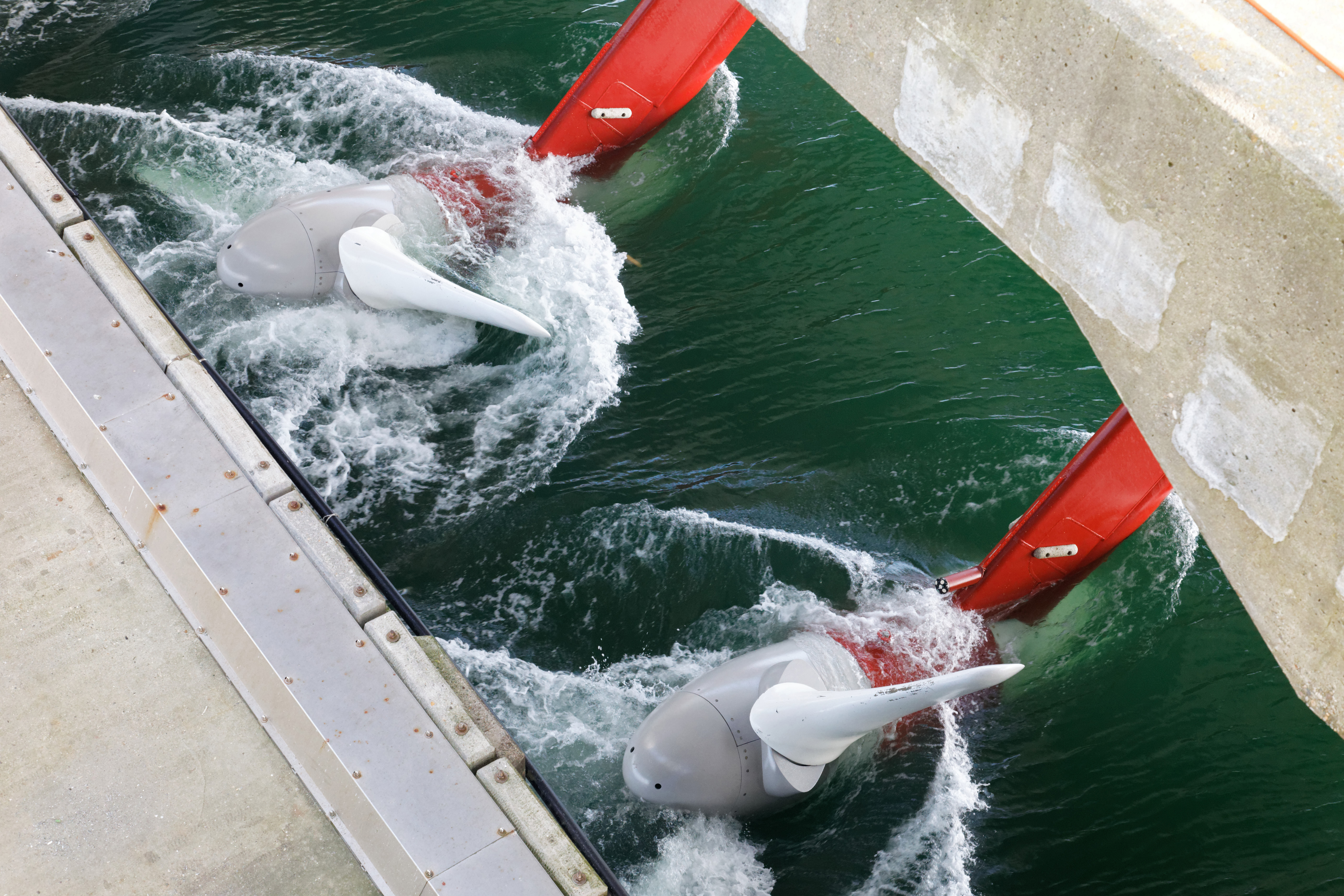
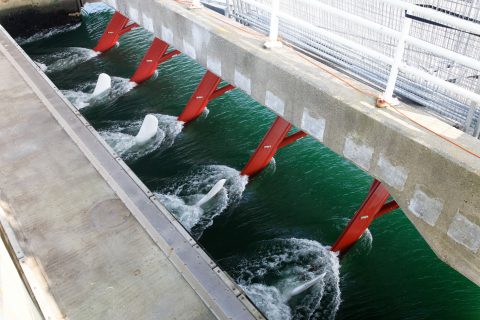
Rather than building a dam, tidal stream generators work like underwater wind turbines. Sturdy propellers or hydrofoils (wing-like blades which oscillate up and down rather than spinning around) are positioned underwater to transform the energy of tidal streams into electricity.

While tidal streams move far slower than wind, the high density of water compared to air means that more power is generated, even at much lower velocities.

Not reliant on large physical structures, tidal stream generators are a relatively cheap form of hydropower to deploy, and make a much smaller impact on their environment than tidal barrages.

Wave generation

Unlike tidal power, which is generated by the gravitational effects of the sun and moon on the Earth’s oceans, wave power ultimately comes from the winds that whip up the ocean’s surface.

There are a number of different methods that turn waves into generation, including funnelling waves into a tube floating on the surface of the water that contains electricity-generating turbines, or by using the vertical bobbing movement of a tethered buoy to pull and spin a fixed generator.

Wave power has yet to be widely implemented, but it has significant potential. It’s estimated that the waves off the coasts of the USA could have provided 66% of the country’s electricity generation needs in 2017 alone. Effectively commercialising wave power could provide another vital tool in developing a sustainable energy landscape for the coming future.

Tidal and wave power generation are less established generation technologies than their land-based cousins but they hold huge potential in delivering more sources of reliable, zero emissions electricity for energy systems in coastal locations around the world.

Supporting our employees’ mental health

It’s a free and confidential 24-hour service which offers support on anything from financial stress and family and relationship issues to addiction, housing concerns or legal information. There is a phoneline and an app and users can be referred for six sessions of counselling per issue, per year.

Opus Energy ran 15 voluntary workshops to help our leaders understand the benefits of this service and they were attended by 113 managers.

As a result of Opus Energy’s initiative first launched in 2017 to train Mental Health First Aiders, we now have 20 employees qualified to offer a first line of response across the business. They are available to all employees should they would want to speak with a peer about any mental health issues.

A further 16 employees will train as Mental Health First Aiders in 2019.

‘3D’ to drive an energy revolution

Think of the phrase ‘3D’ and may people instantly think of video games, television or cinema, along with the special glasses you needed to watch it.

But another form of 3D is, I believe, going to be at the heart of the energy revolution which is rapidly gathering place.

The three Ds in this case are Data, Diversification and Decarbonisation. Together, they will transform the way businesses buy, use and sell their energy, help companies take control of their energy use and save money and also play a key part in our journey towards a zero carbon, lower cost energy future.

We’re already seeing some real innovations in the energy sector. Our trial of a storage battery with a customer of Opus Energy is an example, offering a farming business in Northampton the chance to sell stored energy generated by solar panels back to the grid at times of peak demand – a potential new revenue stream.

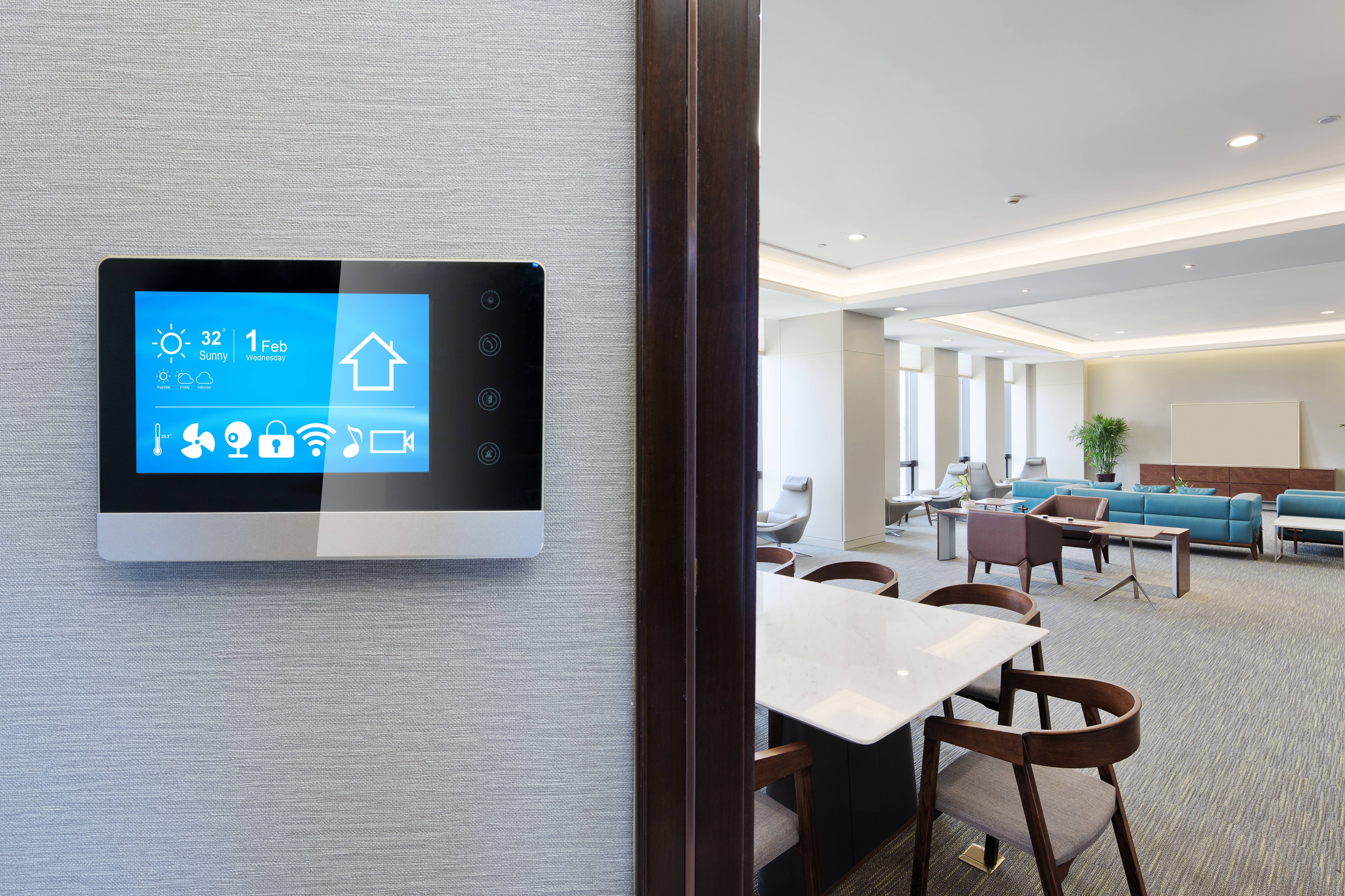
But other innovations and advances will maintain the pace of change and data will be at the core of this now the new generation of smart meters are being installed in businesses, revolutionising customer relationships with their energy suppliers.

The data from the new meters will finally give customers insight into where and when they use energy. Suppliers will have to work much more closely with customers to help them access new opportunities for cost savings, access to new markets and even new revenue streams.

An example would be a restaurant. With the data smart meters will provide, the restaurant’s supplier will be able to tell the owners how their energy use compares to the local competition and where improvements can be made.

The detail could go as far as identifying whether the restaurant’s equipment is older and less efficient, whether rivals have installed newer kit or whether other businesses are switching off their equipment earlier or using it at different, cheaper times.

Using energy during the peak weekday morning and early evening hours is often the most expensive time to do so. Data will give businesses the insight into how they can use energy more efficiently and when they use it, offering them the chance to avoid buying at peak times whenever possible and driving efficiencies.

This is why Haven Power’s trading team is now working closely with GridBeyond. The partnership allows our customers to trade the power they produce as well as optimise their operations to help balance the grid at times of peak demand. The really smart thing is that in doing so, customers are reducing their energy costs and making their operations more sustainable.

Trading desks at Haven Power’s Ipswich HQ

The way demand changes and is managed by businesses and consumers on a diversified power system will also be key. The business energy sector is already diversifying as many customers are able to generate and store their own power but the next step is for more customers to be paid to reduce their usage at peak times.

Think of a busy time for the National Grid – half time in the FA Cup Final or after the results in Strictly Come Dancing. Previously, the grid would have to pay a power station to ramp up generation to meet demand but these days, customers are paid to reduce demand for 30 minutes or so – in effect becoming a huge virtual power station.

This has happened for some time of course with larger, industrial customers but now, smaller companies can benefit from this too, thanks to the data and insight they will have from their smart meters. This empowers customers and puts them, not the energy companies, in control of the key decisions about their energy.

A close, advisory relationship between energy suppliers and their customers will become ever more important to make sure business can choose to avoid the high demand periods, and maximises use during the lower, cheaper times. In fact, I can see a time when customers will end up paying more for insight and advice than they do for the power they buy – and they’ll save money overall in doing so.

And if we get all this right, it will help drive one of the most important of the three Ds – decarbonisation.

Sustainability is increasingly becoming a primary focus for businesses and demand for renewable energy is growing because it is now cost-effective. That will help us in our drive towards a zero carbon future as more and more renewable energy comes onstream, though the UK will continue to need power generated from more flexible assets as well.

So there are huge opportunities out there to transform our energy landscape but they have to be viewed positively. The smart metering programme can be viewed as a regulatory burden or it can be seen as an opportunity. We take the positive view.

Likewise, batteries were once the preserve of massive companies only but now, as technology develops, they are becoming available for smaller firms too. The more we can innovative on a larger scale, the more the technology will work its way into smaller markets too, adding momentum to the energy revolution.

The opportunities are huge. If we get it right, so too will be the benefits to one of the biggest priorities of all – the work to decarbonise the UK and create the lower carbon future we all want.

The small devices that use lots of power and the big buildings that don’t

When Texas Instruments set about attempting to create the world’s first handheld calculator in the early sixties, it estimated that such a complicated device might require a battery as big and powerful as a car’s.

With some innovative thinking, the team were eventually able to power the device with just a five-volt battery, turning the calculator into a truly handheld device and kickstarting an electronics efficiency revolution. Continuous advances in the space mean that today’s super-powered smartphones run on more efficient, powerful – and smaller – sources than ever before.

But as more of our devices become ‘smart’ and grow in usage, their electricity demand is also increasing. On the other hand, many bigger objects that traditionally have used a lot of power are becoming more efficient and consuming less electricity than before.

The small devices eating up electricity

Think of the most electricity-intensive appliance in a home. Something constantly running like a fridge-freezer might come to mind – or something intensive that operates in short blasts like a hairdryer or kettle.

However, a surprising drain of electricity in homes is TV set-top boxes and consoles, which as recently as 2016 were reported to account for as much as half of all electricity usage by domestic electronics. This is because of how often they are left in standby mode, which means they are constantly using a small amount of electricity.

In 1999 the International Energy Agency (IEA) introduced the One Watt Initiative, which led to the electricity consumption of many devices on standby falling from around five watts to below one watt. And while this has helped reduce standby or ‘vampire power’, multiplied across the country – the electricity consumption becomes significant (in the UK there are an estimated 27 million TVs).

This is not just a TV-specific problem, however, it is symptomatic of many of the modern devices increasingly found in our homes, from smart lightbulbs to Amazon’s Alexa. These are constantly using small amounts of electricity, listening and connecting to the cloud even when not being directly used.

In 2014 the IEA estimated that by 2020 these networked-devices could result in $120 billion in wasted electricity. Adding to this is the increasing demand of the cloud and data storage, which has been estimated could account for 20% of the world’s electricity consumption by 2025.

Previous alarm bells surrounding the bitcoin network’s electricity usage highlights that it’s not just physical, connected objects that will put increasing pressure on electricity supply, but also entirely digital products.

Yet even as little things become smarter and require more electricity, some big things that have previously consumed huge amounts of electricity are becoming more efficient.

The big things becoming more efficient   

Buildings are a big source of electricity demand globally. Office blocks full of lights and blasting heating and air-conditioning units are among the main offenders, but poorly insulated homes that leak heat also have a significant impact.

Efforts are constantly being undertaken to reduce this via technological means such as companies generating their own electricity onsite from installed renewables. But cutting interstitial demand to a minimum doesn’t always have to be hi-tech.

The Bullitt Centre in Seattle is a 50,000 ft2office aiming to be ‘the greenest commercial building  in the world’. This is achieved in part through a rooftop solar array that allows the building to generate more electricity than it consumes, but is complimented by more straightforward steps such as maximising natural light and ventilation, collecting rainwater, and the use of geothermal heat pumps. On average the building consumes 230,000 kilowatt-hours (KWh)/year compared to the average of 1,077,000 KWh/year for Seattle offices.

Retrofitting can also make notable reductions to energy usage and New York art-deco icon, the Empire State Building, has been updated to consume 40% less electricity. This is largely thanks to straightforward renovations such as ensuring windows open properly and temperatures can be easily controlled.

Energy efficiency is even extending beyond the confines of the planet. The International Space station only consumes about 90 kW to run, which comes from a solar array stretching more than 2,400m2. When its solar panels are operational about 60% of their generation is used to refill batteries for when the station is in the Earth’s shadow.

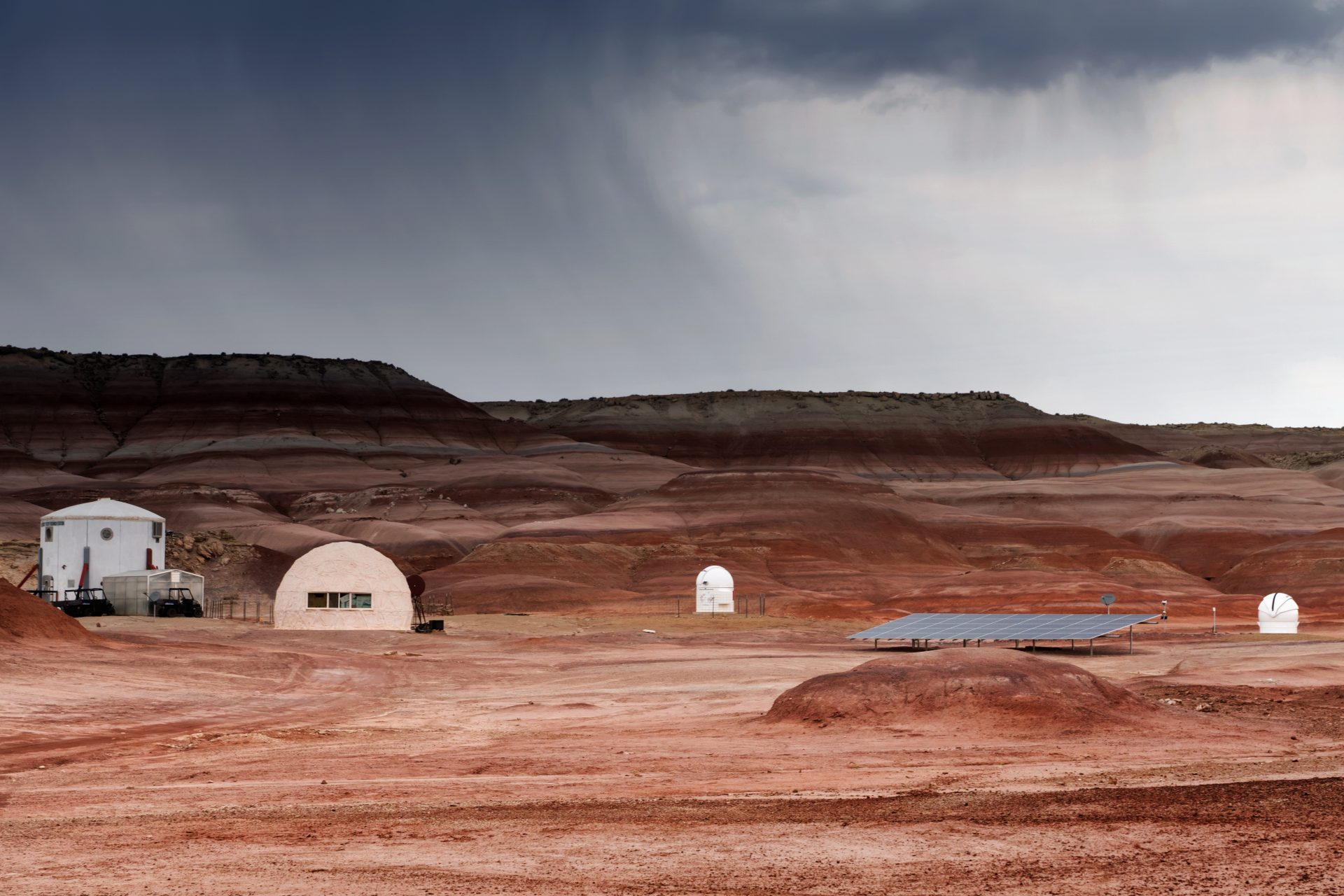
The Mars Desert Research Station (MDRS) in Utah

Technology like this will be essential if humans are going to put buildings on other planets where we will not have vast electricity generation and transmission systems we enjoy on earth. And if that is the ambition, continuously striving for ever more efficient devices on a smarter power grid is only going to help progress us further.

The renewable pioneers

People love to celebrate inventors. It’s inventors that Apple’s famous 90s TV ad claimed ‘Think Different’, and in doing so set about changing the world. The renewable electricity sources we take for granted today all started with such people, who for one reason or another tried something new.

These are the stories of the people behind five sources of renewable electricity, whose inventions and ideas could help power the world towards a zero-carbon future.

The magician’s hydro house

Using rushing rivers as a source of power dates back centuries as a mechanised way of grinding grains for flour. The first reference to a watermill dates from all the way back to the third century BCE.

However, hydropower also played a big role in the early history of electricity generation – the first hydroelectric scheme first came into action in 1878, six years before the invention of the modern steam turbine.

What important device did this early source of emissions-free electricity power? A single lamp in the Northumberland home of Victorian inventor William Armstrong. This wasn’t the only feature that made the house ahead of its time.

Water pressure also helped power a hydraulic lift and a rotating spit in the kitchen, while the house also featured hot and cold running water and an early dishwasher. One contemporary visitor dubbed the house a ‘palace of a modern magician’.

The first commercial hydropower power plant, however, opened on Vulcan Street in Appleton, Wisconsin in 1882 to provide electricity to two local paper mills, as well as the mill owner H.J. Rogers’ home.

After a false start on 27 September, the Vulcan Street Plant kicked into life in earnest on 30 September, generating about 12.5 kilowatts (kW) of electricity. It was very nearly America’s first ever commercial power plant, but was beaten to the accolade by Thomas Edison’s Pearl Street Plant in New York which opened a little less than a month earlier.

The switch to silicon that made solar possible

When the International Space Station is in sunlight, about 60% the electricity its solar arrays generate is used to charge the station’s batteries. The batteries power the station when it is not in the sun.

For much of the 20thcentury solar photovoltaic power generation didn’t appear in many more places than on calculators and satellites. But now with more large-scale and roof-top arrays popping up, solar is expected to generate a significant portion of the world’s future energy.

It’s been a long journey for solar power from its origins back in 1839 when 19-year old aspiring physicist Edmond Becquerel first noticed the photovoltaic effect. The Frenchman found that shining light on an electrode submerged in a conductive solution created an electric current. He did not, however, have any explanation for why this happened.

American inventor Charles Fritts was the first to take solar seriously as a source of large-scale generation. He hoped to compete with Thomas Edison’s coal powered plants in 1883, when he made the first recognisable solar panel using the element selenium. However, they were only about 1% efficient and never deployed at scale.

It would not be until 1953, when scientists Calvin Fuller, Gerald Pearson and Daryl Chapin working at Bell Labs cracked the switch from selenium to silicon, that the modern solar panel was created.

Bell Labs unveiled the breakthrough invention to the world the following year, using it to power a small toy Ferris wheel and a radio transmitter.

Fuller, Pearson and Chapin’s solar panel was only 6% efficient, a big step forward for the time, but today panels can convert more than 40% of the sun’s light into electricity.

The wind pioneers who believed in self-generation

Offshore wind farm near Øresund Bridge between Sweden and Denmark

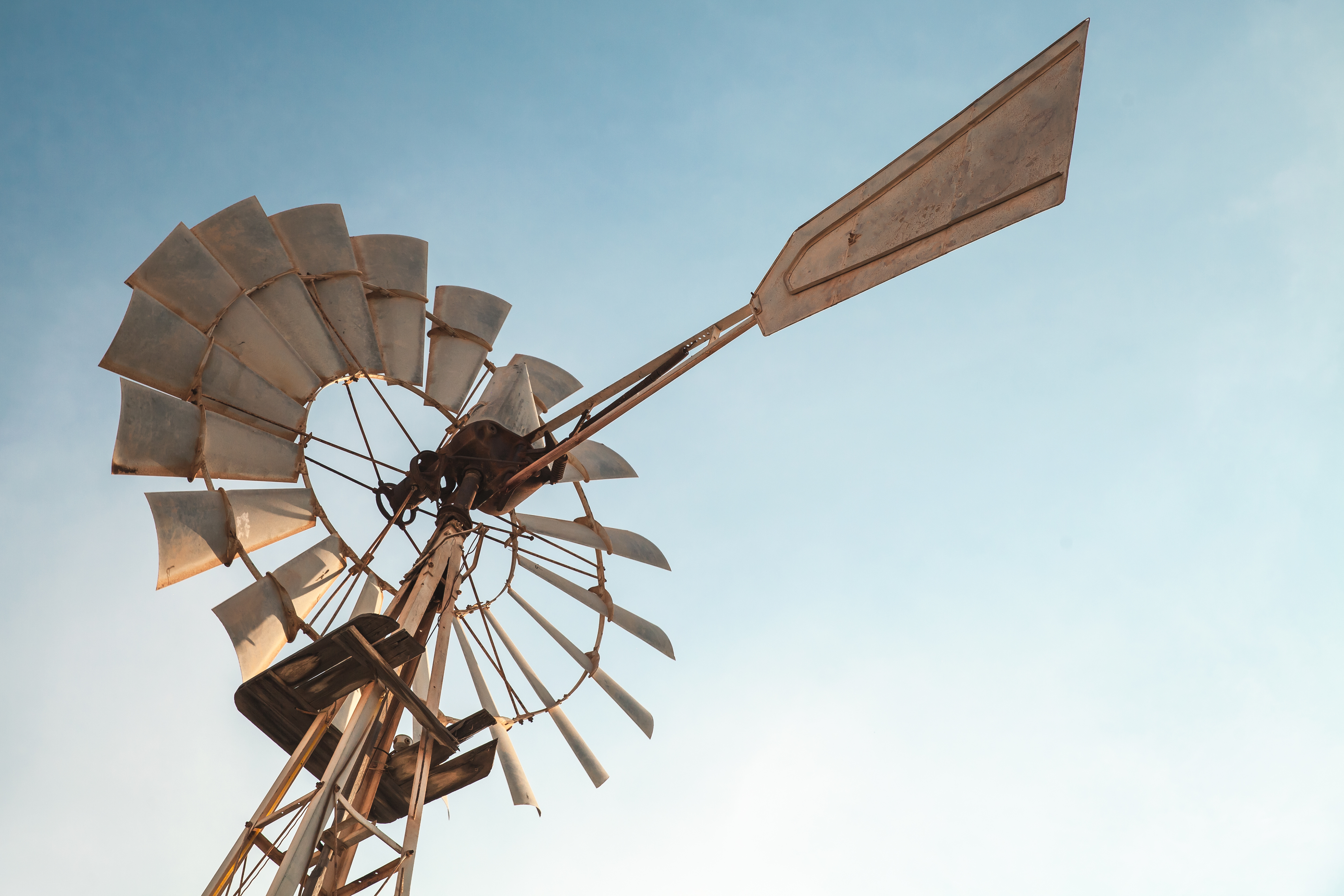
Like hydropower, wind has long been harnessed as a source of power, with the earliest examples of wind-powered grain mills and hydro pumps appearing in Persia as early as 500 BC.

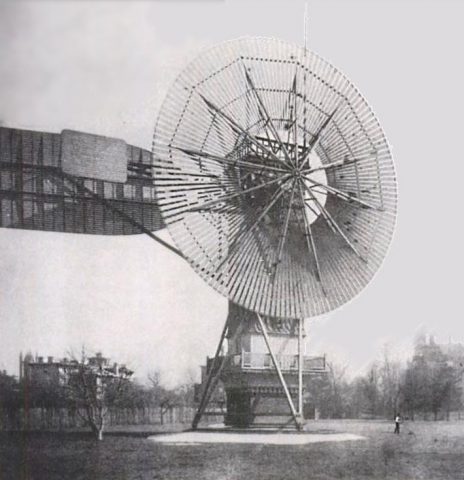
The first electricity-generating windmill was used to power the mansion of Ohio-based inventor Charles Brush. The 60-foot (18.3 metres) wooden tower featured 144 blades and supplied about 12 kW of electricity to the house.

Charles Brush’s wind turbine charged a dozen batteries each with 34 cells.

The turbine was erected in 1888 and powered the house for two decades. Brush wasn’t just a wind power pioneer either, and in the basement of the mansion sat 12 batteries that could be recharged and act as electricity sources.

Small turbines generating between 5 kW and 25 kW were important at the turn of the 19thinto the 20thcentury in the US when they helped bring electricity to remote rural areas. However, over in Denmark, scientist and teacher Poul la Cour had his own, grander vision for wind power.

La Cour’s breakthroughs included using a regulator to maintain a steady stream of power, and discovering that a turbine with fewer blades spinning quickly is more efficient than one with many blades turning slowly.

He was also a strong advocate for what might now be recognised as decentralisation. He believed wind turbines provided an important social purpose in supplying small communities and farms with a cheap, dependable source of electricity, away from corporate influence.

In 2017, Denmark had more than 5.3 gigawatts (GW) of installed wind capacity, accounting for 44% of the country’s power generation.

The prince and the power plant

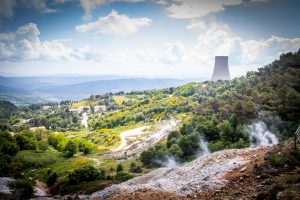
Larderello, Italy

Italian princes aren’t a regular sight in the history books of renewable energy, but at the turn of the last century, on a Tuscan hillside, Piero Ginori Conti, Prince of Trevignano, set about harnessing natural geysers to generate electricity.

In 1904 he had become head of a boric acid extraction firm founded by his wife’s great-grandfather. His plan for the business included improving the quality of products, increasing production and lowering prices. But to do this he needed a steady stream of cheap electricity.

In 1905 he harnessed the dry steam (which lacks moisture, preventing corrosion of turbine blades) from the geographically active area near Larderello in Southern Tuscany to drive a turbine and power five light bulbs. Encouraged by this, Conti expanded the operation into a prototype power plant capable of powering Larderello’s main industrial plants and residential buildings.

It evolved into the world’s first commercial geothermal power plant in 1913, supplying 250 kW of electricity to villages around the region. By the end of 1943 there was 132 megawatts (MW) of installed capacity in the area, but as the main source of electricity for central Italy’s entire rail network it was bombed heavily in World War Two.

Following reconstruction and expansion the region has grown to reach current capacity of more than 800 MW. Globally, there is now more than 83 GW of installed geothermal capacity.

The engineer who took on an oil crisis with wood 

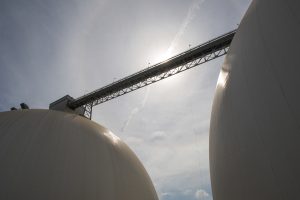
Compressed wood pellet storage domes at Baton Rouge Transit, Drax Biomass’ port facility on the Mississippi River

While sawmills had experimented with waste products as a power sources and compressed sawdust sold as domestic fuel, it wasn’t until the energy crisis of the 1970s that the term biomass was coined and wood pellets became a serious alternative to fossil fuels.

As a response to the 1973 Yom Kippur War, the Organization of Arab Petroleum Exporting Countries (OPEC) placed oil embargoes against several nations, including the UK and US. The result was a global price increase from $3 in October 1973 to $12 in March 1974, with prices even higher in the US, where the country’s dependence on imported fossil fuels was acutely exposed.

One of the most vulnerable sectors to booms in oil prices was the aviation industry. To tackle the growing scarcity of petroleum-based fuels, Boeing looked to fuel-efficiency engineer Jerry Whitfield. His task was to find an alternative fuel for industries such as manufacturing, which were hit particularly hard by the oil shortage and subsequent recession. This would, in turn, leave more oil for planes.

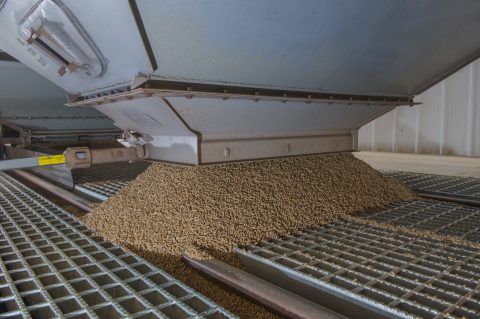
Wood pellets from Morehouse BioEnergy, a Drax Biomass pellet plant in northern Louisiana, being unloaded at Baton Rouge Transit for storage and onward travel by ship to England.

Whitfield teamed up with Ken Tucker, who – inspired by pelletised animal feed – was experimenting with fuel pellets for industrial furnaces. The pelletisation approach, combined with Whitfield’s knowledge of forced-air furnace technology, opened a market beyond just industrial power sources, and Whitfield eventually left Boeing to focus on domestic heating stoves and pellet production.

One of the lasting effects of the oil crisis was a realisation in many western countries of the need to diversify electricity generation, prompting expansion of renewable sources and experiments with biomass cofiring. Since then biomass pellet technology has built on its legacy as an abundant source of low-carbon, renewable energy, with large-scale pellet production beginning in Sweden in 1992. Production has continued to grow as more countries decarbonise electricity generation and move away from fossil fuels.

Since those original pioneers first harnessed earth’s renewable sources for electricity generation, the cost of doing so has dropped dramatically and efficiency skyrocketed. The challenge now is in implementing the capacity and technology to build a safe, stable and low-carbon electricity system.

Sustainability reporting 2017

Sustainability information

Our Approach

Through our integrated value chain and flexible lower-carbon energy proposition … [Read more]


Achieve together with our people

We are nothing without our people and we take our commitment to provide a safe and healthy workplace … [Read more]

Drax Group sustainability team


Deliver for our customers

We focus relentlessly on improving our service and developing stronger relationships with our customers … [Read more]


A lower-carbon company

We are committed to enabling a low-carbon future by moving away from coal … [Read more]


Responsible sourcing

Our commitment to sourcing natural resources responsibly is underpinned by our sustainability policy … [Read more]


Reduce our environmental impact

Our responsibility for the environment as a major power supplier goes beyond reducing carbon dioxide … [Read more]


Positive social impact

Our contribution to the community takes many forms, from our direct role in areas … [Read more]


Sustainability case studies

Building a sustainable business

The boundaries between users, suppliers and generators are blurring, writes CEO Will Gardiner … [Read more].


The sustainable development goals

Improved performance has guided our business purpose for over four decades … [Read more]


Commitment to the UNGC

Reporting on the 10 principles of the UN Global Compact … [Read more]


Drax Biomass invests in greenhouse gas efficiencies

Truck dumps, a new train line and use of sawmill residues are helping our own biomass producer … [Read more].


Gamlingay community turbine

Opus Energy works with thousands of renewable electricity generators. Find out more in this purchase power agreement … [Read more]


Partnering to build a Northern Powerhouse

We are passionate about supporting the economy of the North of England … [Read more]


Customer service excellence

Excellent customer service is at the heart of our business … [Read more]


Collaborating for biodiversity protection and enhancement

Drax is committed to protecting biodiversity and playing an active role in habitat enhancement … [Read more]


Drax Biomass creates value in the United States

In many US States, including those in which Drax Biomass operates, there is a system of local taxation … [Read more]


American Tree Farm

The oldest sustainable family woodland system in the US … [Read more]


People strategy

We continue to strengthen, develop and deliver our people strategy across the Group … [Read more]


Listening to local communities

We strive to make a positive impact on local communities to ensure we understand the potential impacts … [Read more]


The Sustainable Biomass Program

The Sustainable Biomass Program’s (SBP) vision is an economically, environmentally and socially sustainable … [Read more]


Working with our suppliers

Working with Pinewells, a supplier of sustainable wood pellets in Portugal … [Read more]


The Bettercoal initiative

Ensuring industry respects people’s rights and makes a positive contribution to the social and economic … [Read more]


Restoring Brickmakers’ Wood

Haven Power employees have worked with the Eden-Rose Coppice Trust to help transform a woodland … [Read more]

Building a sustainable business

The UK energy sector is changing rapidly. The boundaries between users, suppliers and generators are blurring as energy users are choosing to generate their own energy and are managing their energy use more proactively while, conversely, generators are increasingly seeing users as potential sources of generation and providers of demand management.

“The UK is undergoing an unprecedented energy revolution with electricity at its heart – a transition to a low-carbon society requiring new energy solutions for power generation, heating, transport and the wider economy”

In that context, our Group’s purpose is to help change the way energy is generated, supplied and used for a better future. This means that sustainability, in its broadest sense, must be at the very core of what we do. Successful delivery of our purpose depends on all our people, across all our businesses, doing the right thing, every day. With the right products and services, we can go even further and help our customers make the right, sustainable energy choices.

As our businesses transform and we embrace a larger customer base, different generation technologies and operate internationally, the range of sustainability issues we face is widening and becoming more complex. At the same time, the range of stakeholders looking to Drax for responsible leadership on sustainability is increasing. The need for transparency is greater than ever, so our website’s sustainability section provides a comprehensive insight into the Group’s environmental, social and governance management and performance during 2017.

Some of the highlights include:

  • Carbon reduction: I am pleased that, in 2017, the proportion of our energy generation from renewable sources remained high. 65% of our generation during the year came from sustainable biomass and accounted for 15% of the country’s overall renewable generation. We maintained our rigorous and robust approach to ensure that we only ever use biomass that is sustainably produced and legally sourced.
  • People: Another key achievement was the roll out of our people strategy to 2020 – One Drax – which focuses on talent to deliver on our strategic and operational objectives.
  • Safety: The health and safety of all our employees and contractors is of paramount importance to Drax. While the Group’s safety incident rate remained on target in 2017, the fire at our biomass rail unloading facilities in December did cause an outage, with disruption lasting into 2018. It highlighted once again that the risks of generating using biomass must be mitigated through robust safety procedures and a risk-based plant investment and maintenance programme. Safety therefore remains at the centre of our operational philosophy and we are determined to do even better.
  • Customers: Our business to business (B2B) Energy Supply business received recognition for their dedication to customer service. Opus Energy won “Utilities Provider of the Year” at the British Small Business Awards 2017.

We initiated a process which would allow us to participate in the United Nations Global Compact (UNGC). We are committed to the initiative and its ten principles, which align with our culture of doing the right thing.

Our website’s sustainability section also sets out our commitment to achieving the United Nations’ Sustainable Development Goals through our operations, the services we deliver to our customers and in partnership with others.

Global ambitions and goals are important, but so too are our ambitions for our local and regional communities. As such, we have played a key role in the UK Northern Powerhouse Partnership, initiatives such as POWERful Women and a comprehensive programme of stakeholder engagement.

“Sustainability, in its broadest sense, must be at the very core of what we do”

Finally, I do not believe any organisation, however well intentioned, can get its commitment to sustainability perfect on its own and I am very keen for Drax to learn from people reading our website’s sustainability section. It sets out what we see as our achievements and aspects in which we believe we need to do better. I would like to invite any stakeholder with an interest to comment on what we’re doing and help us improve where we can. Feedback can be submitted at Contact us or via our Twitter account or Facebook page.

Read the Chief Executive’s Review in the Drax Group plc annual report and accounts