Tag: investors

Robust trading and operational performance; 2020 Adjusted EBITDA currently in line with consensus; delivering for all stakeholders

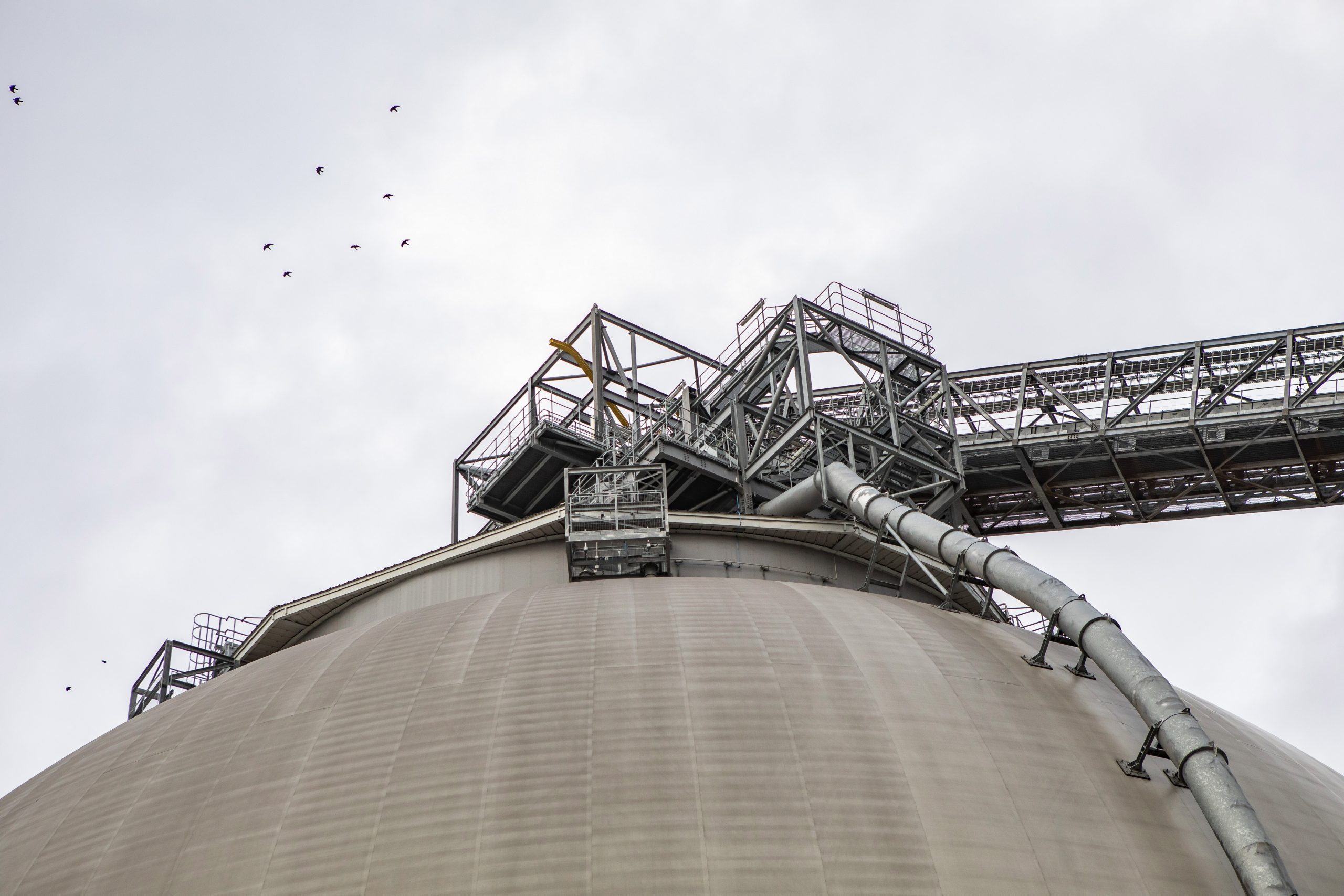
Drax employee in PPE in front of biomass storage dome

RNS Number : 4161K
Drax Group plc
(“Drax” or the “Company”; Symbol: DRX)

Highlights

  • Robust trading and operational performance in first three months of 2020

  • Strong contracted forward power sales supporting 2020-21 earnings visibility

  • 2020 full year Adjusted EBITDA(1) currently in line with consensus(2) inclusive of £60 million estimated potential impact from Covid-19

  • Principally lower power demand and increased bad debt risk in Customers business

  • Lower ROC(3) recycle prices in Generation, partially offset by system support services

  • Strong balance sheet at 31 March 2020 – net debt: £818 million, available cash and committed cash facilities: £663 million

  • 2019 final dividend of 9.5 pence per share (£37 million) to be paid in respect of 2019 performance, as previously announced – subject to shareholder approval at AGM

  • Strategic focus remains on biomass supply chain expansion and cost reduction
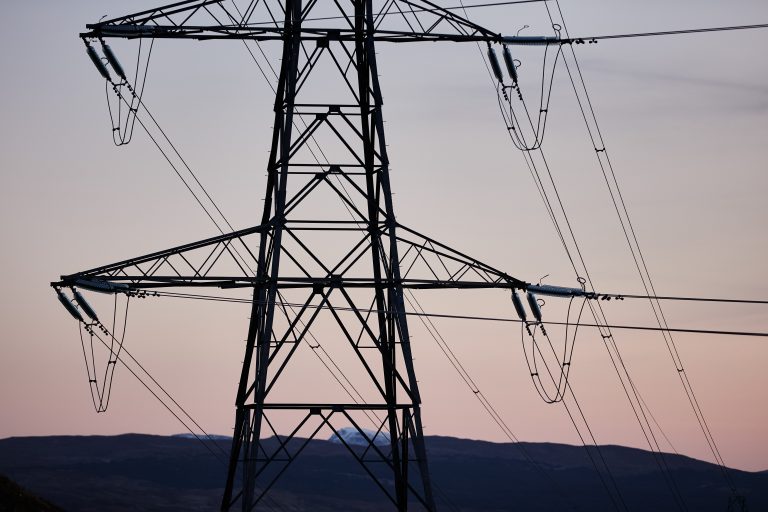
Electricity pylon near Cruachan Power Station, Argyll and Bute

Electricity pylon near Cruachan Power Station, Argyll and Bute [Click to view/download]

Will Gardiner, Drax Group CEO, said:

“With our strong balance sheet, robust trading and operational performance, and resilient sustainable biomass supply chain, Drax is in a strong position to support its employees, business customers and communities during the Covid-19 crisis, while continuing to generate returns for shareholders.

Drax Group CEO Will Gardiner

Drax Group CEO Will Gardiner in the control room at Drax Power Station. Click to view/download.

“As an important part of the UK’s critical national infrastructure, we recognise our responsibility to support the country’s response to Covid-19. We have strong business continuity plans in place and are in close contact with the UK Government. Our dedicated teams across England, Scotland and Wales, supported by our US biomass colleagues and business partners, are working around the clock to generate and supply the flexible, low-carbon and renewable electricity the UK needs, not least to the 250,000 businesses, including care homes, hospitals and schools we supply.

“The Group is also providing support for communities and others affected by Covid-19.

“Nevertheless, it is still early in this pandemic. As Covid-19 continues to develop, we remain vigilant in looking to protect all our stakeholders and will report further if there are significant changes to our outlook for 2020.”

Trading, operational performance and outlook

The trading and operational performance of the Group has been robust in the first three months of 2020.

While the impact of Covid-19 is still unfolding, the Group’s expectations for 2020 Adjusted EBITDA are currently in line with consensus inclusive of an estimated potential impact from Covid-19 of £60 million, principally in relation to its Customers business.

Full year expectations for the Group remain underpinned by good operational availability for the remainder of 2020.

In the Customers business, the consequences of Covid-19 are only now starting to become visible. It is expected to result in reduced demand and a potential increase in bad debt, which represents a major sensitivity, particularly in the SME(4) market. As a result, Drax has significantly increased its expectation of potential customer business failures and higher bad debt.

Assuming the continued impact of Covid-19 throughout 2020, Drax now expects a full year Adjusted EBITDA loss for the Customers business. The Group will closely monitor the impact on the Customers business and update the market accordingly.

In Generation, the Group’s expectations for the full year reflect a reduction in ROC recycle prices resulting from reduced power demand. Drax expects to partially offset this through increased activity in system support services across its generation portfolio.

The performance of the Generation business is dependent on the continuation of biomass deliveries to Drax Power Station. Biomass generation is currently the most material area of activity for the Group and a protracted suspension of the supply chain could lead to lower levels of biomass generation, resulting in a reduction in the Group’s expectations for the full year. At present there has been no impact from Covid-19 and the Group has a good supply of biomass throughout the supply chain, which continues to be robust and functioning well.

Engineer climbs cooling tower at Drax Power Station

Engineer climbs cooling tower at Drax Power Station [Click to view/download]

Generation

During the first three months of 2020 Drax’s generation portfolio performed well with good asset availability and optimisation of generation underpinning a strong financial performance.

The business benefits from a strong forward power sales position through 2022 which, combined with index-linked renewable schemes and capacity payments, provides a high level of earnings visibility, helping to protect the business from the current weakness in UK power prices.

In response to Covid-19, Drax has implemented robust business continuity procedures across its sites to protect employees and contractors and ensure continued operation. In addition to operating strategically important infrastructure, the components of the Group’s UK supply chain are considered key sectors allowing continued operation.

The Group’s biomass supply chain has a high level of operational redundancy designed to mitigate any potential disruption. Drax sources biomass from suppliers across North America and Europe, including the Group’s own facilities in Louisiana and Mississippi. In the UK, Drax utilises dedicated port facilities at Hull, Immingham, Tyne and Liverpool, with a capacity of eleven million tonnes, providing supply chain capacity in excess of the Group’s annual biomass usage of over seven million tonnes.

Sustainable biomass wood pellets destined for Drax Power Station unloaded from the Zheng Zhi bulk carrier at ABP Immingham

Sustainable biomass wood pellets destined for Drax Power Station unloaded from the Zheng Zhi bulk carrier at ABP Immingham [Click to view/download]

Drax Power Station has 300,000 tonnes of biomass storage capacity. Taken together with volumes throughout its supply chain the Group currently has visibility of over one million tonnes of biomass in transit – enough to operate the CfD(5) unit on its own for over four months, subject to managing deliveries to Drax Power Station.

Biomass generation has performed well in the first three months of 2020. Whilst Covid-19 has not had any measurable impact on biomass generation to date, a sustained reduction in electricity demand could result in a reduction in ROC recycle prices in the current compliance period. The Group has adjusted its expectations for the full year but the precise impact will be dependent on the depth and duration of any reduction in demand. Drax expects to partially offset this through increased activity in system support services across its generation portfolio.
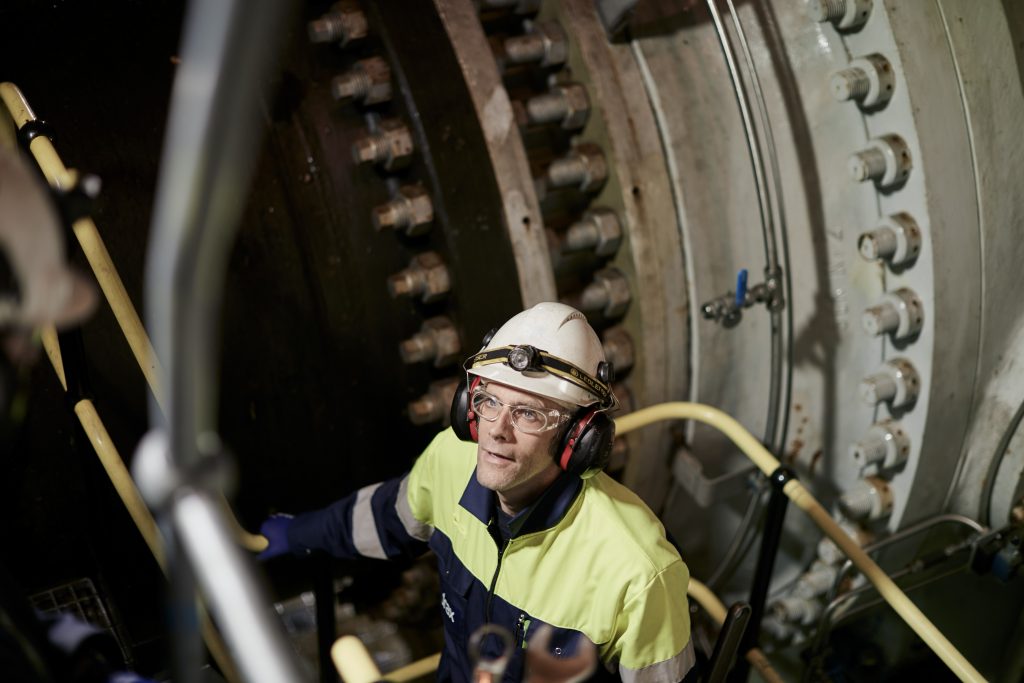
Engineer at Cruachan Power Station

Engineer at Cruachan Power Station [Click to view/download]

The Group’s hydro assets have performed well, particularly the pumped storage business, primarily driven by activity in the system support services market. As previously disclosed, Cruachan Pumped Storage Power Station was successful in a tender process run by the system operator to procure inertia and reactive power services. The contract is worth up to c.£5 million per year over six years and is expected to commence during the second quarter of 2020. This was the first tender of its kind and reflects the growing importance of system support services as the generation market becomes increasingly supplied by intermittent renewable power sources. The system operator is expected to conduct further tenders over the coming year.

Thermal generation is performing in line with Drax’s expectations.

Pellet Production
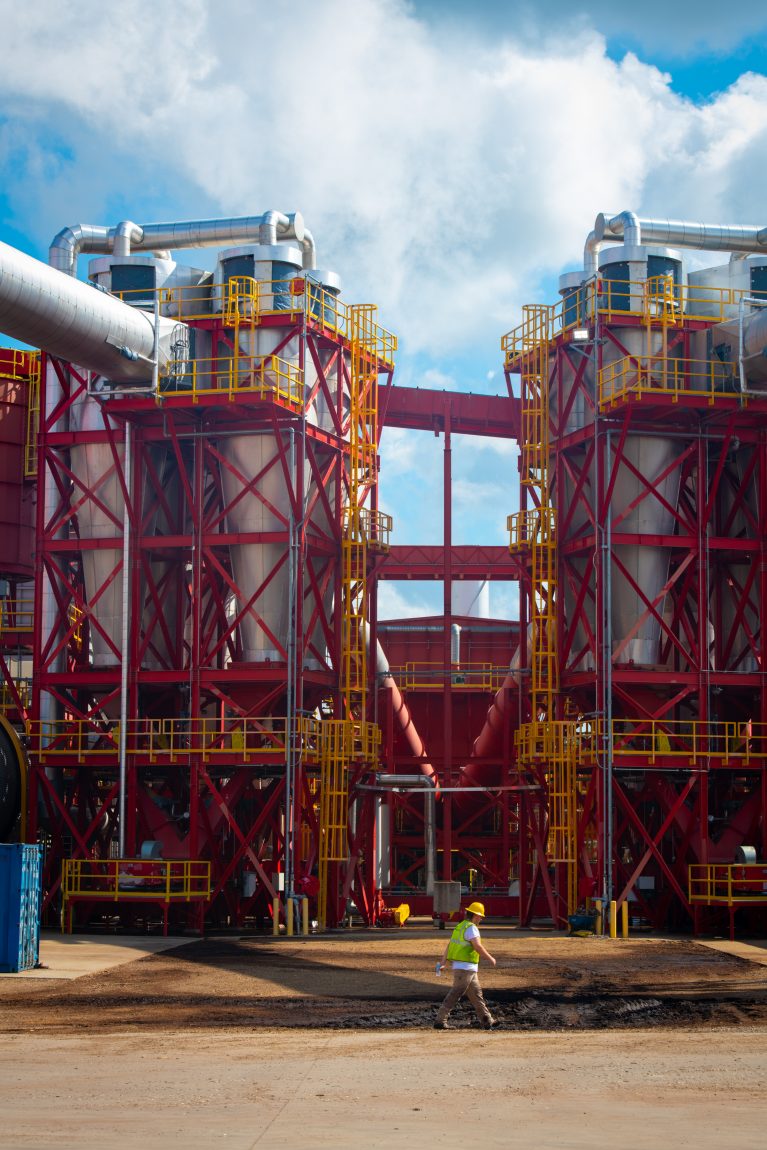
LaSalle BioEnergy wood pellet manufacturing plant in Louisiana

LaSalle BioEnergy wood pellet manufacturing plant in Louisiana [Click to view/download]

Pellet Production has performed well in the first three months of 2020.

At present there has been no disruption to production caused by Covid-19, although the State of Louisiana is experiencing a high number of cases. The semi-automated nature of the pellet production process limits the need for individuals to be in contact with each other and this has been enhanced by robust business continuity procedures to further reduce the risk to employees and contractors.

Drax continues to monitor developments closely and notes that energy, rail, port and forestry are designated key sectors in the USA allowing continued operation.

Customers

The Group’s Customers business, which sells power, gas and energy services to the I&C(6) and SME markets has seen a significant reduction in demand as a result of Covid-19. The Group has been working to assess the potential impact of this demand reduction, the increased risk of business failure and bad debt. The impact is expected to be most pronounced in the SME market, which represents c.30 percent of monthly billing. The impact is expected to be partially mitigated by credit insurance in respect of certain customers.

Balance sheet

At 31 December 2019 Drax had £404 million of cash, which increased to £454 million at 31 March 2020.

The Group’s plan for 2020 included capital investment of £230-£250 million, with half of this assigned to strategic investment in biomass expansion and cost reduction. Whilst the Group continues to see its biomass strategy as both a primary long and short-term source of value, Drax is reviewing the timing of its investment programme in 2020 and in the short-term investment is expected to be lower.

At 31 March 2020 net debt had reduced to £818m million and Drax continues to target around 2 x net debt to EBITDA for the full year.

The Group has available cash and committed facilities of £663 million including a cash line available within a £315 million Revolving Credit Facility (RCF), which is currently undrawn and matures in April 2021. The Group has an ESG facility with final maturity in 2022 and a £350m sterling bond which matures in 2022. The Group has a further $500 million fixed rate USD bond maturing in 2025 and infrastructure private placement loans maturing through 2024-2029.

The Group’s facilities include a maintenance covenant which, if triggered, requires a minimum EBITDA level requirement around 40% of 2020 current consensus Adjusted EBITDA. Customary covenants apply to all other facilities.

The Group’s rolling five-year foreign exchange hedge book continues to provide protection from the recent weakness in sterling to 2025. The Group actively manages risk limits with counterparties providing forward foreign exchange contracts and the current weakness in sterling has led to the rebasing of a number of contracts, resulting in the acceleration of cash flows from these contracts to the benefit of Drax.

Contracted power sales

As at 16 April 2020, the power sales contracted for 2020, 2021 and 2022 were as follows:

202020212022
Power sales (TWh) comprising:16.79.64.3
– Fixed price power sales (TWh) 17.110.14.3
Of which CfD unit (TWh)3.8
At an average achieved price (£ per MWh)53.249.448
– Gas hedges (TWh)-0.4-0.5-
At an achieved price (pence per therm)1.732-

Merchant power prices remain an important part of the Group’s earnings, but by focusing on flexible, renewable and low-carbon generation, which includes index-linked renewable schemes, capacity payments and system support services, the impact of power prices has reduced.

Exposure to merchant power prices by generation asset class

  • Biomass CfD – power produced by this unit is remunerated based on an index-linked strike price and underpinned by a private law contract which runs until March 2027. At baseload the unit is expected to produce over 5TWh per year. The current strike price is c.£116/MWh and taken together with a biomass cost at or below c.£75/MWh gives a margin of over £40/MWh and an annual contribution to gross profit of over £200 million, with daily cash settlement in 30 days
  • Biomass ROC – ROC buyout prices are index-linked and extend to March 2027, acting as a premium on UK power prices. The buyout price for the current compliance period is £50.05 per ROC. Annual generation is in the region of 9-10 TWh, with the associated power sold up to two years forward, providing strong earnings visibility over the period 2020-21
  • Hydro – a small but profitable volume of merchant power generation (144MW) with zero fuel cost
  • Pumped storage – operates in the system support services market and carries little net exposure to merchant power prices
  • Coal – commercial generation will end in March 2021, ahead of which date Drax will utilise its residual coal stock to realise further cash flows
  • Gas – the Group’s mid-merit CCGT(7) assets have power forward sales for 2020. To the extent that gas prices continue to set the price of power, the clean spark spread from these assets is expected to be maintained at or around current levels in future periods

Engineer working in PPE at Rye House Power Station in Hertfordshire

Engineer working in PPE at Rye House Power Station in Hertfordshire [Click to view/download]

Investment in biomass to increase capacity and reduce cost

Biomass sustainability remains at the heart of the Group’s activities and building a long-term future for sustainable biomass remains the Group’s strategic objective. Drax remains focused on reducing biomass costs to a level which makes biomass generation in the UK economically viable when the existing renewable schemes end in 2027.
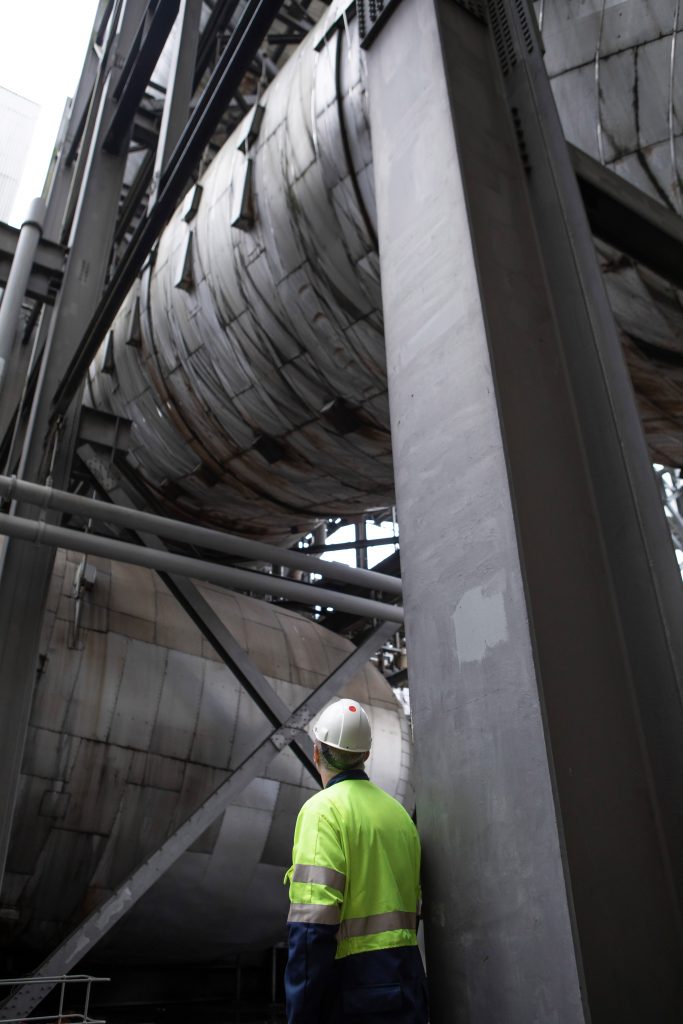
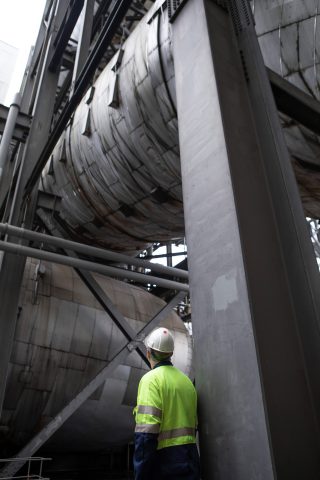
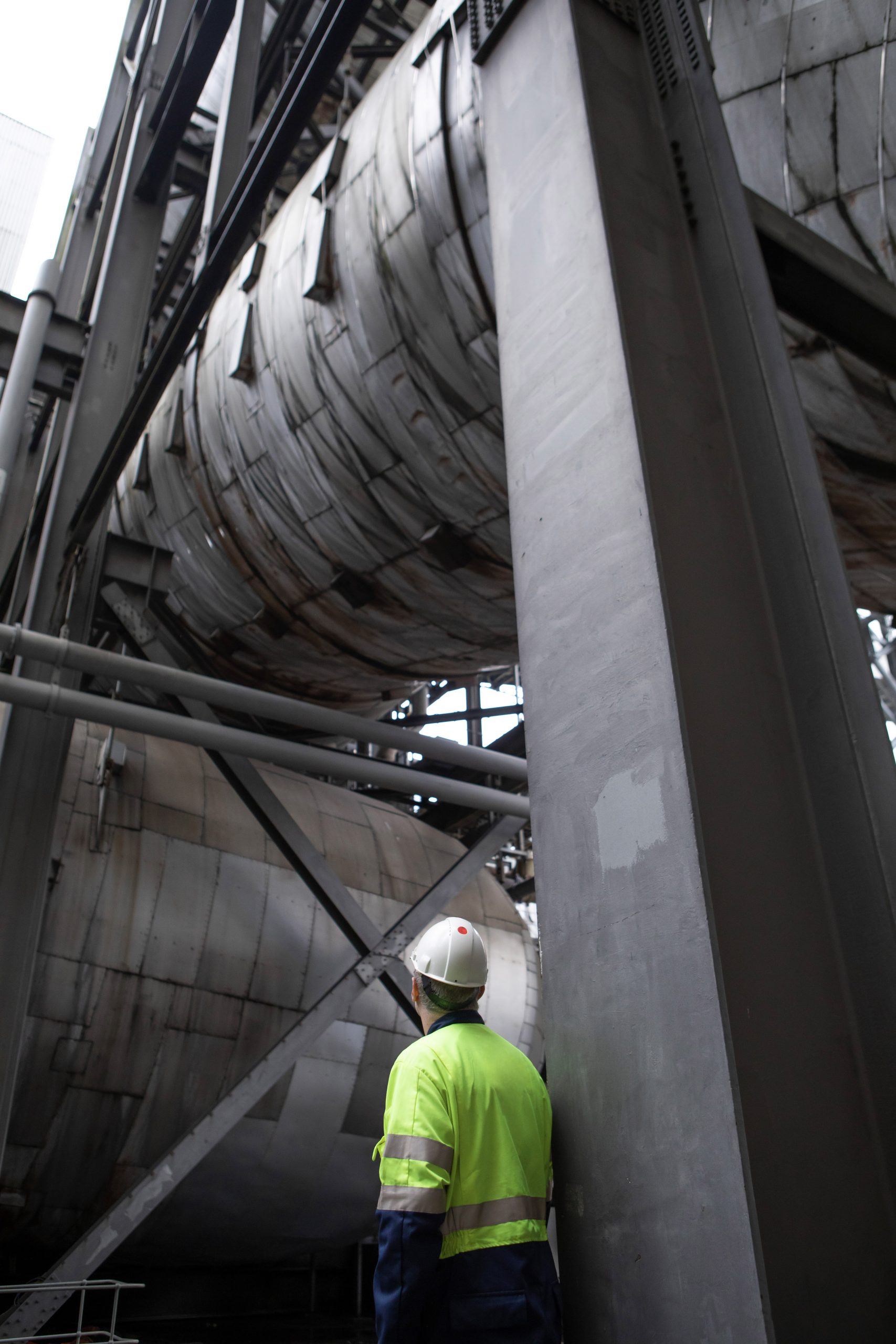
Innovation engineer looks up at flue gas desulphurisation unit. The massive pipe above him could be used to transport more than 90% of the carbon captured in the BECCS power generation process.

An engineer looks up at flue gas desulphurisation unit (FGD) at Drax Power Station. The massive pipe would transport flue gas from the Drax boilers to the carbon capture and storage (CCS) plant for CO2 removal of between 90-95%. [Click to view/download]

The Group is targeting five million tonnes of self-supply capacity by 2027 (1.5 million today, plus 0.35 million tonnes in development), with greater scope for operational leverage and cost reduction. These savings will be delivered through further optimisation of existing biomass operations, greater utilisation of low-cost wood residues and an expansion of the fuel envelope to incorporate other low-cost renewable fuels across its expanded self-supply chain. Drax remains alert to sector opportunities for organic and inorganic growth.

By 2027 these activities would enable Drax to develop a biomass generation business operating without the current renewable schemes and potentially the development of BECCS(8), subject to the right support from the UK Government. Drax notes the incremental progress and support announced for carbon capture and storage at the UK Government’s Budget in March 2020.

These efforts support the Group’s ambition to become a carbon negative company by 2030.

In addition, the Group is exploring options to service biomass demand in other markets – Europe, North America and Asia.

Capital allocation and dividend

The Group remains committed to its capital allocation policy established in 2017, through which it aims to maintain a strong balance sheet; invest in the core business; pay a sustainable and growing dividend and return surplus capital beyond investment requirements.

A final dividend of 9.5 pence per share in respect of 2019 performance was proposed at the 2019 Full Year Results on 27 February 2020 and, subject to shareholder approval at today’s Annual General Meeting, will be paid on 15 May 2020.

An interim dividend of 6.4 pence per share was paid in October 2019, making the total dividend in relation to 2019 performance 15.9 pence per share.

In determining the continued appropriateness of the dividend, the Board has considered a range of factors – trading performance, current liquidity, the outlook for the year in the context of Covid-19, as well as the steps being taken to support all stakeholders. The Board believes payment of the final dividend remains consistent with the Group’s commitment to stakeholders.

Drax will update on its expectations for the 2020 full year dividend at the 2020 interim results on 29 July 2020.

Enquiries:

Drax Investor Relations: Mark Strafford

+44 (0) 1757 612 491

Media:

Drax External Communications: Ali Lewis

+44 (0) 7712 670 888

Website: www.drax.com

END

Annual General Meeting arrangements in response to COVID19

Sunset Cityscape of Northampton
RNS Number : 6996J
Drax Group PLC
(“Drax” or the “Company”; Symbol:DRX)
On Wednesday 18 March 2020, Drax posted the notice (‘Notice’) of its annual general meeting (‘AGM’) to be held at 11:30am on Wednesday 22 April 2020 at Grocer’s Hall, Princes Street, London, EC2R 8AD (‘Grocer’s Hall’).

On Monday 23 March 2020, the UK Government announced mandatory measures concerning social distancing to reduce the transmission risks of Covid19. These measures require people to stay at home other than for limited purposes and stop all gatherings of more than two people in public. As a result, it is now prohibited for the Company to hold its AGM in the normal way.

Revised Arrangements

The Company has been advised by Grocer’s Hall that the venue is presently closed. Given the prevailing restrictions, the Company has decided to make alternative arrangements in order to ensure the AGM can lawfully be held to consider the business as set out in the Notice.

Arrangements have been made by the Company to hold the AGM at an alternative venue and to ensure that the required quorum will attend the meeting, whilst also complying with the UK Government’s mandatory measures.  The new venue for the AGM will be 8-10, The Lakes, Northampton, NN4 7YD.

Voting Details

Shareholders are encouraged to submit their votes in respect of the business to be conducted at the AGM.

As physical attendance at the AGM is prohibited, holders of ordinary shares who wish to register their votes on the resolutions to be put to the AGM should do so by completing and signing the proxy form that accompanied the 2020 AGM Notice (or appoint a proxy electronically if their shares are held in CREST) in accordance with the instructions printed on the proxy form. Please ensure that your proxy form appoints the chair of the meeting as proxy, since no other proxies will be allowed to attend the meeting in person.

As an alternative to completing the hard-copy Proxy Form, you can appoint a proxy electronically by visiting www.sharevote.co.uk. You will need your Voting ID, Task ID and Shareholder Reference Number (this is the series of numbers printed on your Proxy Form). Alternatively, if you have already registered with Company’s registrar’s online portfolio service, Shareview, you can submit your Proxy Form at www.shareview.co.uk using your usual user ID and password. Full instructions are given on both websites. As mentioned above, please ensure that your proxy form appoints the chair of the meeting as proxy, since no other proxies will be allowed to attend the meeting in person.

Please return your forms as soon as possible and in any event prior to 11:30am on Monday 20 April 2020, (being not less than 48 hours before the time of the meeting).

For Share Incentive Plan (SIP) participants, a Form of Direction should be sent to the Trustee, Equiniti Share Plan Trustees Limited, at Aspect House, Spencer Road, Lancing, West Sussex BN99 6DA to arrive by no later than 11:30am on Friday 17 April 2020.

If you do not have a proxy form or a Form of Direction and believe that you should have one, or if you require additional forms or have any additional queries on voting, please contact our registrar using the details set out below:

Equiniti Limited, (‘Equiniti’) Proxy Department, Aspect House, Spencer Road, Lancing, West Sussex BN99 6DA.

Enquiries can also be made to Equiniti using their telephone helpline service on 0371 384 2030 from within the UK or +44 121 415 7047 from outside the UK. Lines are open from 8:30am to 5:30pm, Monday to Friday – excluding public holidays in England and Wales.

The Board believes the actions being taken in these exceptional circumstances are necessary in order to comply with the measures introduced to safeguard the wellbeing and health of everyone, including our shareholders, employees and members of the wider community, which has to be our first priority.

Shareholder Engagement

As outlined in our annual report we continually undertake engagement with Company stakeholders through various means. We are sorry that we cannot meet at the AGM, which routinely is one such important aspect of enabling discussions with shareholders. If shareholders have any questions about Drax Group plc, please contact us using the details which we maintain on our website via the link https://www.drax.com/investors/investor-contacts/.

The details contained within this announcement have been mailed to shareholders and a copy is also available on the AGM and General Meeting section of our website https://www.drax.com/investors/results-reports-agm/

Ends

Enquiries:

Group Company Secretary: Brett Gladden
[email protected]
+44 (0)7936 362586

Directorate Change

Biomass wood pellet storage dome, Drax Power Station

RNS: 1329J
Drax Group plc

(“Drax” or the “Company”; Symbol:DRX)

Drax Group plc (the “Company”) is today announcing that Andy Koss, Chief Executive, Generation, Drax Group, resigned as a Director of the Company on 7 April 2020 and his service agreement with Drax Power Limited will terminate by reason of redundancy on 30 June 2020. His departure is part of the transition of a new executive management structure for the Generation business of the Company. Mr Koss will not seek re-election as an executive director of the Company at the forthcoming AGM being held on 22 April 2020.

Andy Koss

Andy Koss [Click to view/download]

In accordance with section 430(2B) of the Companies Act 2006, details of payments made to and receivable by Mr Koss after he ceases to be a director will shortly be available on the Drax website. All payments made to and receivable by Mr Koss are consistent with the Company’s Directors’ Remuneration Policy, and full details will be disclosed in the Remuneration Report within the Company’s Annual Report and Accounts for the year ending 31 December 2020.

Philip Cox

Philip Cox [Click to view/download]

Philip Cox, Chair, commented:

“On behalf of the Board I would like to thank Andy for his 15 years’ service at Drax, during which time he has made a major contribution to the transformation of Drax into a leading generator and supplier of renewable energy. We wish Andy the very best for the future.”

For further information, please contact:

Brett Gladden, Company Secretary
+44 (0)7936 362586
[email protected]

The UK needs negative emissions from BECCS to reach net zero – here’s why

Early morning sunrise at Drax Power Station

Reaching the UK’s target of net zero greenhouse gas emissions by 2050 means every aspect of the economy, from shops to super computers, must reduce its carbon footprint – all the way down their supply chains – as close to zero as possible.

But as the country transforms, one thing is certain: demand for electricity will remain. In fact, with increased electrification of heating and transport, there will be a greater demand for power from renewable, carbon dioxide (CO2)-free sources. Bioenergy is one way of providing this power without reliance on the weather and can offer essential grid-stability services, as provided by Drax Power Station in North Yorkshire.

Close up of electricity pylon tower

Close up of electricity pylon tower

Beyond just power generation, more and more reports highlight the important role the next evolution of bioenergy has to play in a net zero UK. And that is bioenergy with carbon capture and storage or BECCS.

A carbon negative source of power, abating emissions from other industries

The Committee on Climate Change (CCC) says negative emissions are essential for the UK to offset difficult-to-decarbonise sectors of the economy and meet its net zero target. This may include direct air capture (DAC) and other negative emissions technologies, as well as BECCS.

BECCS power generation uses biomass grown in sustainably managed forests as fuel to generate electricity. As these forests absorb CO2 from the atmosphere while growing, they offset the amount of COreleased by the fuel when used, making the whole power production process carbon neutral. Adding carbon capture and storage to this process results in removing more CO2 from the atmosphere than is emitted, making it carbon negative.

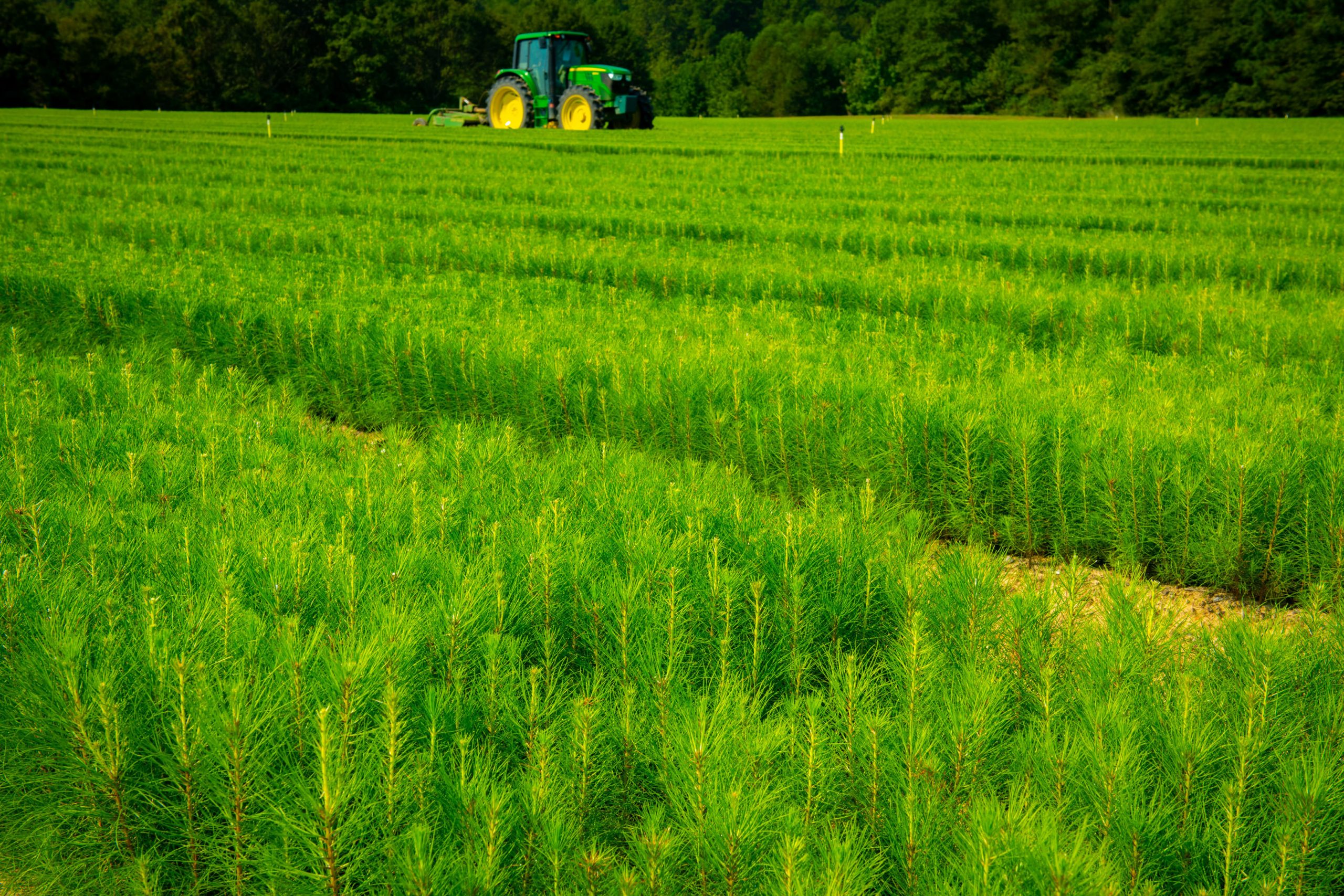
Pine trees grown for planting in the forests of the US South where more carbon is stored and more wood inventory is grown each year than fibre is extracted for wood products such as biomass pellets

Pine trees grown for planting in the forests of the US South where more carbon is stored and more wood inventory is grown each year than fibre is extracted for wood products such as biomass pellets

This means BECCS can be used to abate, or offset, emissions from other parts of the economy that might remain even as it decarbonises. A report by The Energy Systems Catapult, modelling different approaches for the UK to reach net zero by or before 2050, suggests carbon-intensive industries such as aviation and agriculture will always produce residual emissions.

The need to counteract the remaining emissions of industries such as these make negative emissions an essential part of reaching net zero. While the report suggests that direct air carbon capture and storage (DACCS) will also play an important role in bringing CO2 levels down, it will take time for the technology to be developed and deployed at the scale needed.

Meanwhile, carbon capture use and storage (CCUS) technology is already deployed at scale in Norway, the US, Australia and Canada. These processes for capturing and storing carbon are applicable to biomass power generation, such as at Drax Power Station, which means BECCS is ready to deploy at scale from a technology perspective today.

As well as counteracting remaining emissions, however, BECCS can also help to decarbonise other industries by enabling the growth of a different low carbon fuel: hydrogen.

Enabling a hydrogen economy

The CCC’s ‘Hydrogen in a low-carbon economy report’ highlights the needs for carbon zero alternatives to fossil fuels – in particular, hydrogen or H2.

Hydrogen produced in a test tube

Hydrogen produced in a test tube

When combusted, hydrogen only produces heat and water vapour, while the ability to store it for long periods makes it a cleaner replacement to the natural gas used in heating today. Hydrogen can also be stored as a liquid, which, coupled with its high energy density makes it a carbon zero alternative to petrol and diesel in heavy transport.

There are various ways BECCS can assist the creation of a hydrogen economy. Most promising is the use of biomass to produce hydrogen through a method known as gasification. In this process solid organic material is heated to more than 700°C but prevented from combusting. This causes the material to break down into gases: hydrogen and carbon monoxide (CO). The CO then reacts with water to form CO2 and more H2.

While CO2 is also produced as part of the process, biomass material absorbs CO2 while it grows, making the overall process carbon neutral. However, by deploying carbon capture here, the hydrogen production can also be made carbon negative.

BECCS can more indirectly become an enabler of hydrogen production. The Zero Carbon Humber partnership envisages Drax Power Station as the anchor project for CCUS infrastructure in the region, allowing for the production of ‘blue’ hydrogen. Blue hydrogen is produced using natural gas, a fossil fuel. However, the resulting carbon emissions could be captured. The CO2 would then be transported and stored using the same system of pipelines and a natural aquifer under the North Sea as used by BECCS facilities at Drax.

This way of clustering BECCS power and hydrogen production would also allow other industries such as manufactures, steel mills and refineries, to decarbonise.

Lowering the cost of flexible electricity

One of the challenges in transforming the energy system and wider economy to net zero is accounting for the cost of the transition.

The Energy Systems Catapult’s analysis found that it could be kept as low as 1-2% of GDP, while a report by the National Infrastructure Commission (NIC) projects that deploying BECCS would have little impact on the total cost of the power system if deployed for its negative emissions potential.

The NIC’s modelling found, when taking into consideration the costs and generation capacity of different sources, BECCS would likely be run as a baseload source of power in a net zero future. This would maximise its negative emissions potential.

This means BECCS units would run frequently and for long periods, uninterrupted by changes in the weather, rather than jumping into action to account for peaks in demand. This, coupled with its ability to abate emissions, means BECCS – alongside intermittent renewables such as wind and solar – could provide the UK with zero carbon electricity at a significantly lower cost than that of constructing a new fleet of nuclear power stations.

The report also goes on to say that a fleet of hydrogen-fuelled power stations could also be used to generate flexible back-up electricity, which therefore could be substantially cheaper than relying on a fleet of new baseload nuclear plants.

However, for this to work effectively, decisions need to be made sooner rather than later as to what approach the UK takes to shape the energy system before 2050.

The time to act is now

What is consistent across many different reports is that BECCS will be essential for any version of the future where the UK reaches net zero by 2050. But, it will not happen organically.

Sunset and evening clouds over the River Humber near Sunk Island, East Riding of Yorkshire

Sunset and evening clouds over the River Humber near Sunk Island, East Riding of Yorkshire

A joint Royal Society and Royal Academy of Engineering Greenhouse Gas Removal report, includes research into BECCS, DACCS and other forms of negative emissions in its list of key actions for the UK to reach net zero. It also calls for the UK to capitalise on its access to natural aquifers and former oil and gas wells for CO2 storage in locations such as the North Sea, as well as its engineering expertise, to establish the infrastructure needed for CO2 transport and storage.

However, this will require policies and funding structures that make it economical. A report by Vivid Economics for the Department for Business, Energy and Industrial Strategy (BEIS) highlights that – just as incentives have made wind and solar viable and integral parts of the UK’s energy mix – BECCS and other technologies, need the same clear, long-term strategy to enable companies to make secure investments and innovate.

However, for policies to make the impact needed to ramp BECCS up to the levels necessary to bring the UK to net zero, action is needed now. The report outlines policies that could be implemented immediately, such as contracts for difference, or negative emissions obligations for residual emitters. For BECCS deployment to expand significantly in the 2030s, a suitable policy framework will need to be put in place in the 2020s.

Beyond just decarbonising the UK, a report by the Intergovernmental Panel on Climate Change (IPCC) highlights that BECCS could be of even more importance globally. Differing scales of BECCS deployment are illustrated in its scenarios where global warming is kept to within 1.5oC levels of pre-industrial levels, as per the Paris Climate agreement.

BECCS has the potential to play a vital role in power generation, creating a hydrogen economy and offsetting other emissions. As it continues to progress, it is becoming increasingly effective and cost efficient, offering a key component of a net zero UK.

Learn more about carbon capture, usage and storage in our series:

Responsibility, wellbeing and trust during the COVID-19 outbreak

Engineers in PPE working at Drax Power Station

We are living through unprecedented times. Coronavirus is having far reaching effects on all industries not just here in the UK, but around the world. At Drax, we take our responsibilities as a member of critical national infrastructure and as an essential service provider very seriously. We are committed to maintaining a continuous, stable and reliable electricity supply for millions of homes and businesses in the UK.

The wellbeing of our people

Firstly, I’d like to thank our employees, contractors, supply chain workers and their families as well as the communities in the UK and US in which we operate, for their fantastic support and continued hard work during these difficult and uncertain times. Our employees’ health and wellbeing are vital, and we’re working hard to ensure we are supporting them with both their physical and mental health, whether working at home or at one of our sites.

Engineer maintaining equipment in Drax Power Station

Engineer maintaining equipment in Drax Power Station [Click to view/download]

Across all our sites we are have implemented strategies to reduce the chances of people spreading the virus and have operational plans in place to ensure continued delivery of power into the grid.

Power station resilience

At Drax Power Station, the UK’s largest power station, largest decarbonisation project in Europe and biggest source of renewable power into the national grid, we have arranged for the separation of key operational teams and employees so that they are physically distanced from each other. We have moved as many employees as possible to work from home, so that there are fewer people in our workplaces reducing the risk of the spread of infection, should it arise. We have strict controls on visitors to the site and on our contractors and suppliers. Our resilience teams are working well and we have contingency plans in place to manage risks associated with colleague absences.

We have closed the visitor centres at Cruachan pumped storage hydro power station and Tongland hydro power station in Scotland, as well as at Drax Power Station in North Yorkshire. We have also stopped all but critically important travel between our sites.

Our supply chain

Sustainable biomass wood pellets destined for Drax Power Station unloaded from the Zheng Zhi bulk carrier at ABP Immingham [Click to view/download]

It is vital we maintain a resilient supply chain for the sustainably sourced biomass wood pellets required to produce electricity at Drax Power Station, the country’s largest power station. We’re working closely with our suppliers in the US and Europe to maintain biomass supplies as well as with rail and port infrastructure in the US and UK to ensure continuity of supply.

Just last week Associated British Ports (ABP) and Drax received and unloaded the largest ever shipment of sustainable biomass to arrive at the Port of Immingham in the UK’s Humber region. The vessel transported 63,907 tonnes of Drax’s wood pellets from the US Port of Greater Baton Rouge in Louisiana. The consignment supplies Drax Power Station with enough renewable fuel to generate electricity for 1.3 million homes.

Our three wood pellet manufacturing plants are running well, with US authorities classifying our employees as key workers. The same is the case for our rail freight partners on both sides of the Atlantic. In the UK, GB Railfreight recognises the strategic importance of biomass deliveries to Drax Power Station.

Our customers

Businesses – both large and small – are feeling the economic effects of this virus. Our employees involved with the supply of electricity, gas and energy services to organisations are working hard to support them. More information can be found via these links:

We are working closely with BEIS, HM Treasury and our trade associations to explore how government and industry can further support business through this challenging time. Organisations facing financial difficultly can access the unprecedented level of support already announced by the Chancellor, Rishi Sunak via:

Drax employee in high visibility clothing on the telephone

Drax employee in high visibility clothing on the telephone [Click to view/download]

Leadership

Our Executive Committee is meeting regularly via video conference to discuss our contingency planning as the situation changes. We are working closely with the UK, US state and Canadian governments, National Grid and Ofgem to ensure that we remain up to date with the latest advice and that we are prepared for any further escalation.

This is an unprecedented time for the UK and the world. Rest assured that Drax’s critical national infrastructure and essential service operations, as well as its employees, are working hard 24/7 to make sure individuals, families, businesses and organisations are supplied with the vital electricity needed to keep the country running.

Mailing of the Annual Report and Accounts 2019, Annual General Meeting and key dates relating to the proposed final dividend

Red British post box set against a hedgerow

RNS: 7279G
Drax Group plc

(“Drax” or the “Company”; Symbol:DRX)

Mailing of the Annual Report and Accounts 2019 and ancillary documents to shareholders

The following documents have been mailed to the registered shareholders of Drax Group plc:

  • Annual Report and Accounts 2019;
  • Notice of the 2020 Annual General Meeting; and
  • Form of Proxy for the 2020 Annual General Meeting.

In accordance with Listing Rule 9.6.1 a copy of each of these documents will shortly be available for viewing on the National Storage Mechanism.

The Annual Report and Accounts 2019 and the Notice of the 2020 Annual General Meeting will also shortly be available as follows:

  • for viewing on the Company’s website, www.drax.com; and/or
  • by writing to the Company Secretary at the Registered Office; Drax Power Station, Selby, North Yorkshire YO8 8PH.

Annual General Meeting

The Company is to hold its Annual General Meeting (AGM) at 11.30am on Wednesday 22 April 2020, at Grocers’ Hall, Princes Street, London EC2R 8AD.

We are monitoring the potential impact of COVID-19 on the arrangements for the AGM. We expect to hold our AGM at the venue stated above and are encouraging all shareholders to vote in advance of the meetings using the proxy facilities set out in the Notice of Meeting. We will update shareholders in the event that alternative arrangements prove to be necessary.


Key dates relating to the proposed final dividend

Detailed below are the key dates regarding the proposed final dividend:

  • 23 April 2020 – ordinary shares marked ex-dividend.
  • 24 April 2020 – record date for entitlement to the dividend.
  • 15 May 2020 – payment date for the dividend.

The proposed rate of the final dividend is 9.5 pence per share.

Brett Gladden
Company Secretary