








Tag: communities

Community voices – Selby, North Yorkshire

At Drax, we believe the energy transition can and should benefit everyone. As part of our People Positive pillar, laid out in our Sustainability Framework, we’re seeking to make tangible improvements to the lives and livelihoods of the communities we operate in. This goes beyond providing jobs at Drax sites — it requires social investment, collaboration, education and long-term support.

DPS is the largest power station in the UK and located near Selby in North Yorkshire. In 2024 it provided the grid with enough power for five million homes – equivalent to every home in London, or Wales and Scotland combined. We also support the wider community by investing in local projects in North Yorkshire and beyond.

For us, sustainability isn’t about words, it’s about action. Constant tireless action to benefit climate, nature and people. 

Hear more from the local community voices in Selby, North Yorkshire.

Sam Wright, Principal & Chief Executive, Heart of Yorkshire Education Group

Talks about the proximity to Drax and the supporting role it plays for Selby College.

Diana Taylor, Managing Director, Future Humber

Speaking about Drax’s focus on community, building prosperity and local skills and talent.

Ben Shingler, Innovation Research Manager, Drax

Outlines Drax’s outreach into the community and the impact this can have.

Voices from the wider community

What Drax means to the local community.

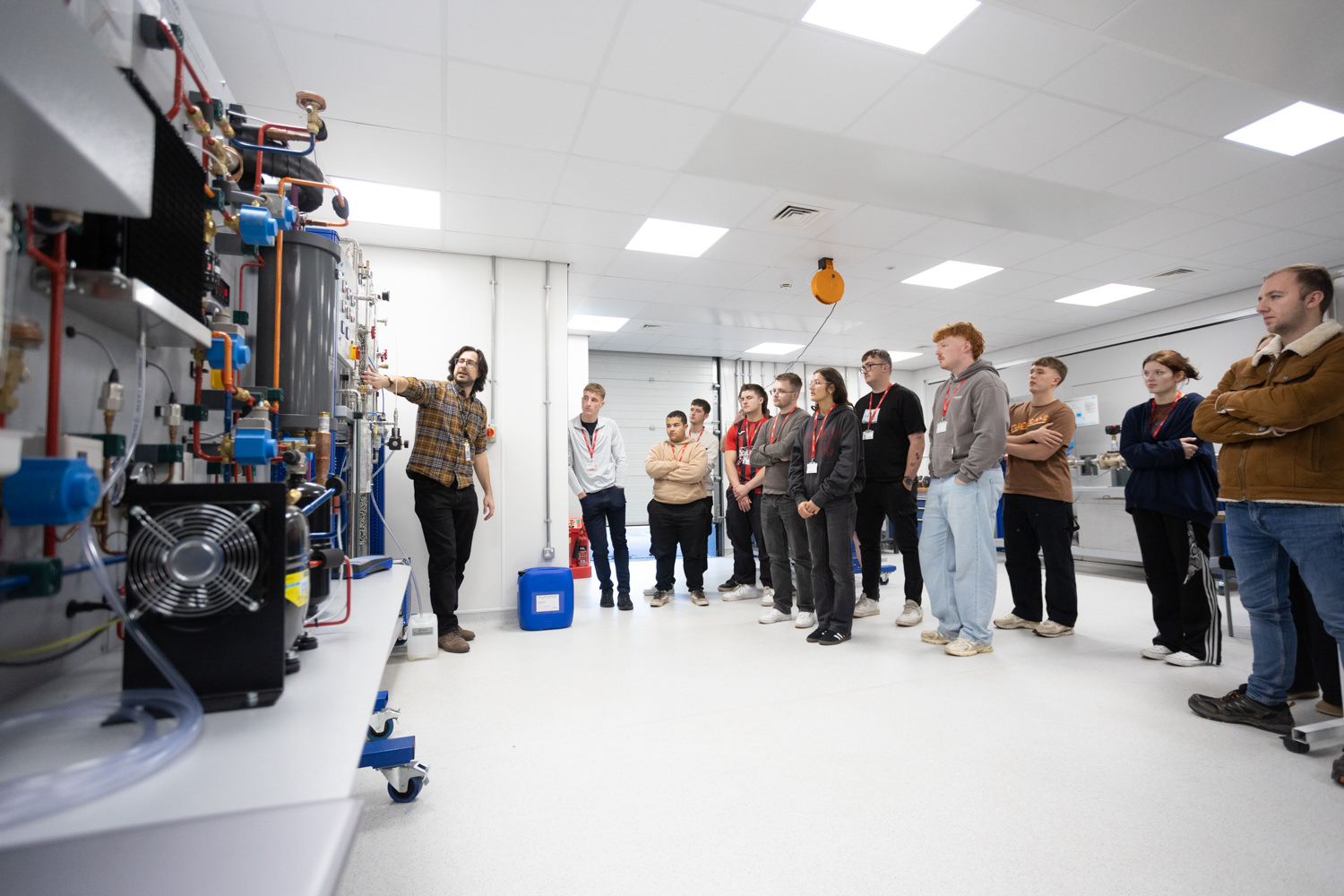
Featured image caption: Selby students take part in a carbon capture and storage bootcamp at Selby College.

Building stronger communities for a Net Zero future through the Drax Foundation

By Shona King, Group Head of Community at Drax 

At Drax, we’re committed to making a positive difference in the communities we operate in. During 2023, we strengthened our approach to supporting our communities with the launch of the Drax Foundation – a key part of our new global community strategy which encompasses active community engagement and local stakeholder relations, as well as a refreshed approach to philanthropic giving and social investment.

The Drax Foundation provides grant funding for non-profit organisations that share our commitment to improving equitable access to STEM education and skills development, nature and community green spaces, and support for energy efficiency measures. We seek to form multi-year partnerships with impactful non-profits so that we can address these issues at scale.

Each of our communities is unique. That’s why we have also established a new Community Fund to drive meaningful change through grassroots funding in each of our communities.

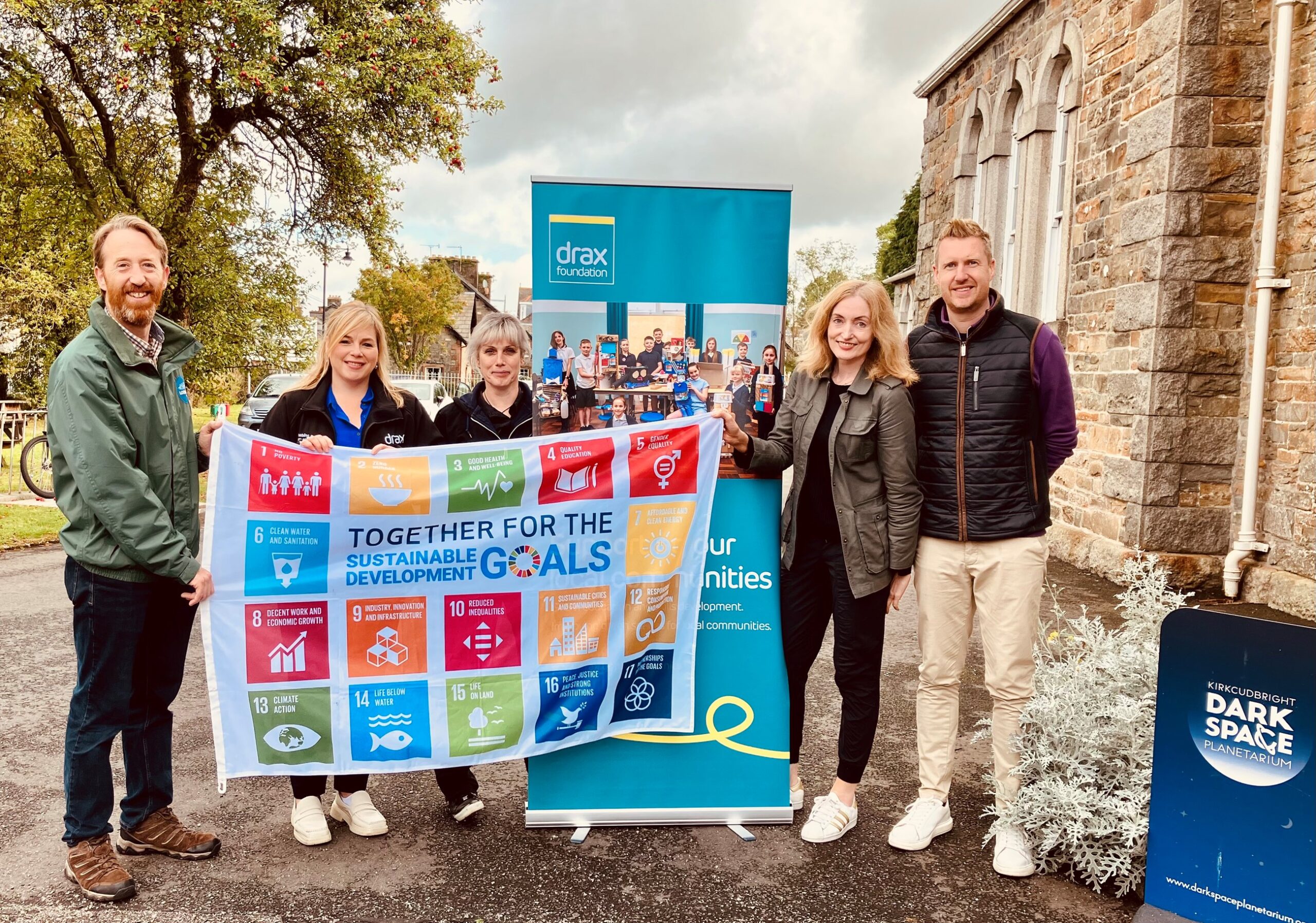
Through both of these Funds, we are committed to making a measurable contribution to the United Nations Sustainable Development Goals (SDGs). We have prioritised eight intersecting SDGs and will report annually on the progress and contributions we are making to achieve them.

The Drax Foundation’s impact so far

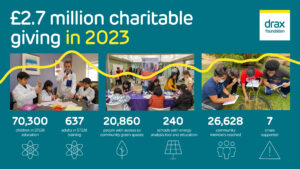
During 2023, we operated a wide range of community programming and corporate giving in the communities and regions where we operate, including the UK, US and Canada. In total, the Drax Foundation and Community Fund gave £2.7 million to support our communities throughout 2023 – this includes £1.3 million in the UK, £671,000 in the US and £576,000 in Canada.

In 2023, the Drax Foundation:

  • Funded STEM education and training for 70,300 children and 637 adults globally.
  • Helped 20,860 people with access to community green spaces and provided money to restore or protect 1,230 hectares of land.
  • Funded energy analysis tools and climate education at over 200 UK schools.
  • Installed LED lighting in 8 pilot schools to help UK schools to improve their energy efficiency.

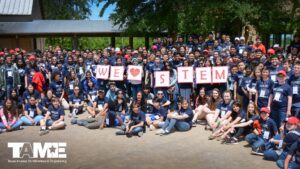
Examples of  grantees include Texas Alliance for Minorities in Engineering (TAME), who we provided two rounds of funding for in 2023 to help deliver STEM programmes for around 2,000 students, of which a minimum of 82% are girls or black, indigenous or people of colour. Speaking about the funding, Andrea Herrera Moreno, Executive Director of TAME, said: “TAME welcomes the Drax Foundation into our alliance as we continue to prioritise cross-sector partnerships that improve access to engineering pathways for Texas students. This support enables us to amplify our impact by investing in our programmes and capacity, and we’re very excited to engineer this new partnership.”

In the UK, we also provided funding to STEM Learning, helping them to deliver STEM education to 8,500 school children in areas of low social mobility. “We are delighted with the generous funding awarded by the Drax Foundation.” said Gill Collinson, Director of Strategy and Partnerships at STEM Learning. “The partnership will help STEM Learning’s mission to change the lives of thousands of young people by supporting teachers and introducing young people to inspiring role models and raising their aspirations.”

Plus, in Canada we’ve helped to promote nature-based experiences for youth with the University of British Columbia’s Wild & Immersive programme. “We are honoured to be awarded a grant from the Drax Foundation that will extend our trail system to enable more community members to connect and enjoy the outdoors in the natural environment around Williams Lake,” said Stephanie Ewen, Manager at Alex Fraser Research Forest.

In 2023, we were also proud to support 222 community projects via our Community Fund, reaching over 26,600 community members. This includes our annual donations to foodbanks in the run up to the December festive season, where we donated £110k to 33 foodbanks last year.

The third pillar of our corporate giving is our Communities in Crisis Fund, which was established to provide emergency aid in response to natural disasters, conflict and other humanitarian crises. In 2023, our Crisis Fund donated over £200k to seven different causes in the US, Canada, Morocco, Libya and Gaza-Israel.

Looking ahead

This year, we will be continuing our giving via the Drax Foundation and Community fund, placing greater emphasis on outreach and community engagement. For example, we recently announced the latest round of funding from our UK Community Fund, which will see over £35,000 donated to 33 organisations across the UK. Additionally, we will be expanding our community engagement across our operations with more community ‘listening’ sessions and focus group meetings to ensure that we understand community concerns and priorities.  

A key focus area for us will also be our new BECCS plant in the US, where we will deliver a full Community Benefit Plan to ensure we make a positive different in the community.

In supporting renewable energy and energy efficiency, we will also continue to roll out LED lighting, and solar panels in up to 45 schools in and around our operating communities to maximise energy efficiency and cost savings. Our LED pilot in 2023 is projected to save each school on average £8,600 per year on their energy bills, money that can be reinvested back into the children’s education.  

We are proud of all that has been achieved so far and are excited to accelerate our efforts in the year ahead to ensure we continue to be a good neighbour in our communities.

You can learn more via the Drax Foundation Annual Review 2023 here: https://www.drax.com/wp-content/uploads/2024/04/Drax-Foundation-Annual-Review_2023.pdf

Supporting a circular economy in the forests

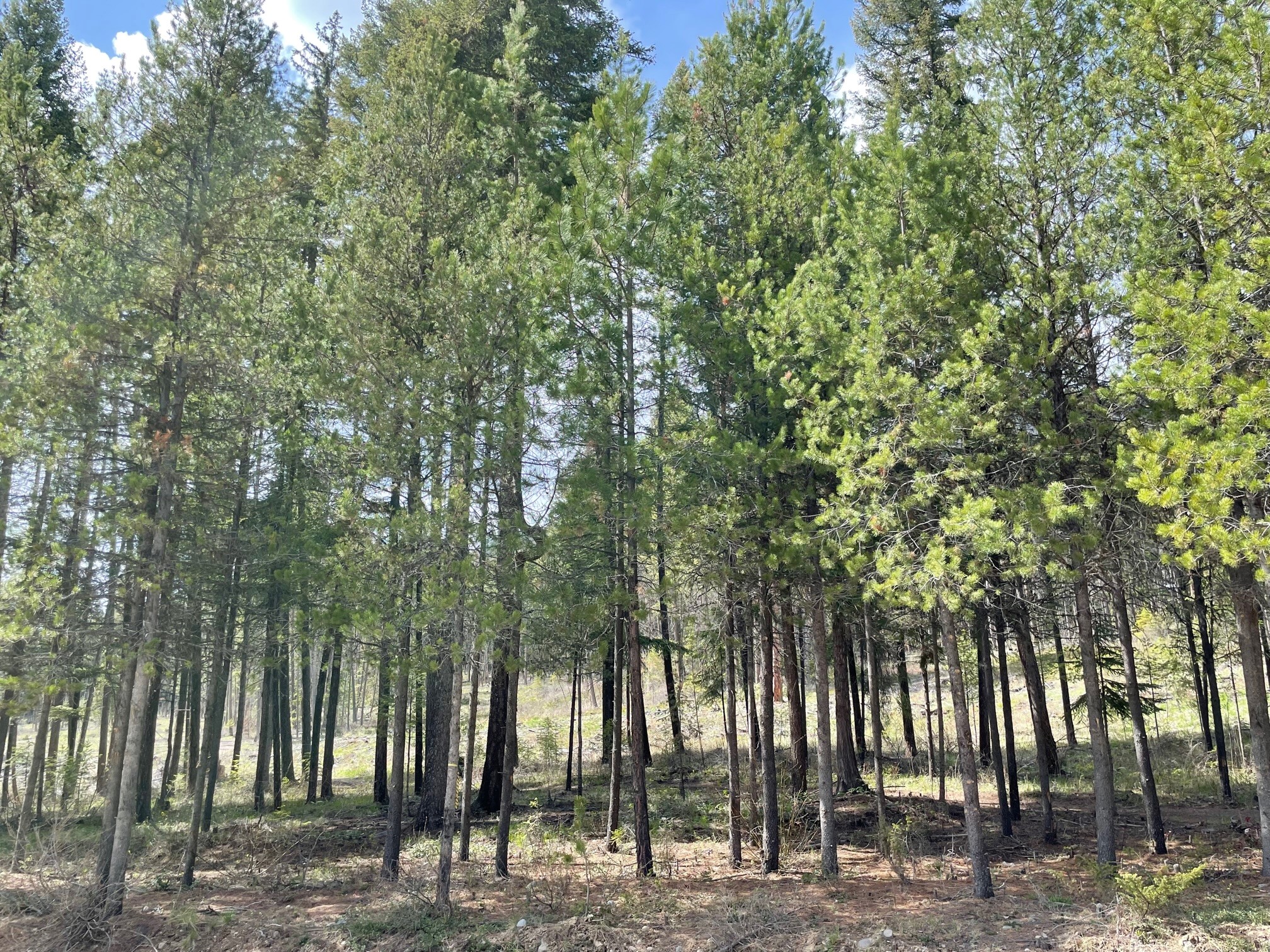
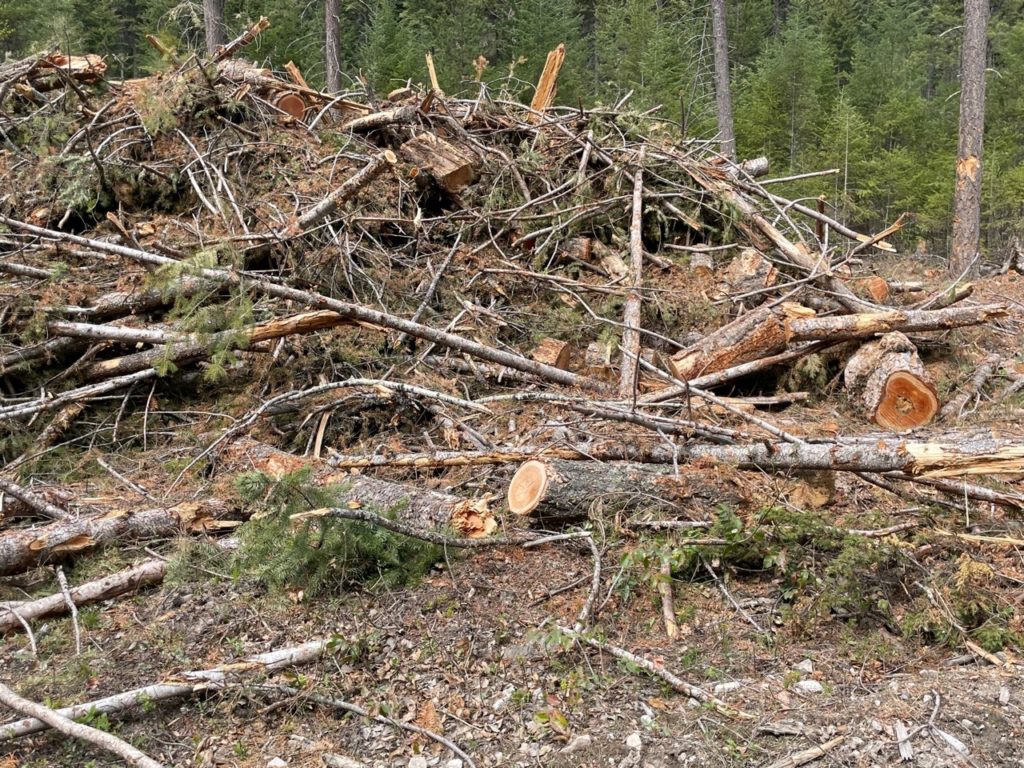
Every year in British Columbia, millions of tonnes of waste wood – known in the industry as slash – is burned by the side of the road.

Land managers are required by law to dispose of this waste wood – that includes leftover tree limbs and tops, and wood that is rotten, diseased and already fire damaged – to reduce the risks of wildfires and the spread of disease and pests.

The smoke from these fires is choking surrounding communities – sometimes “smoking out entire valleys,” air quality meteorologist from BC’s Environment Ministry Trina Orchard recently told iNFOnews.ca.

It also impacts the broader environment, releasing some 3 million tonnes of CO2 a year into the atmosphere, according to some early estimates.

Slash pile in British Columbia

Landfilling this waste material from logging operations isn’t an option as it would emit methane – a greenhouse gas that is about 25 times more potent than CO2. So you can see why it ends up being burned.

In its Modernizing Forest Policy in BC, the government has already identified its intention to phase out the burning of this waste wood left over after harvesting operations and is working with suppliers and other companies to encourage the use of this fibre.

This is a very positive move as this material must come out of the forests to reduce the fuel load that can help wildfires grow and spread to the point where they can’t be controlled, let alone be extinguished.

The wildfire risk is real and growing. Each year more forests and land are destroyed by wildfire, impacting communities, nature, wildlife and the environment.

In the past two decades, wildfires burned two and a half times more land in BC than in the previous 50-year period. According to very early estimates, emissions from last year’s wildfires in the province released around 150 million tonnes of CO2 – equivalent to around 30 million cars on the road for a year.

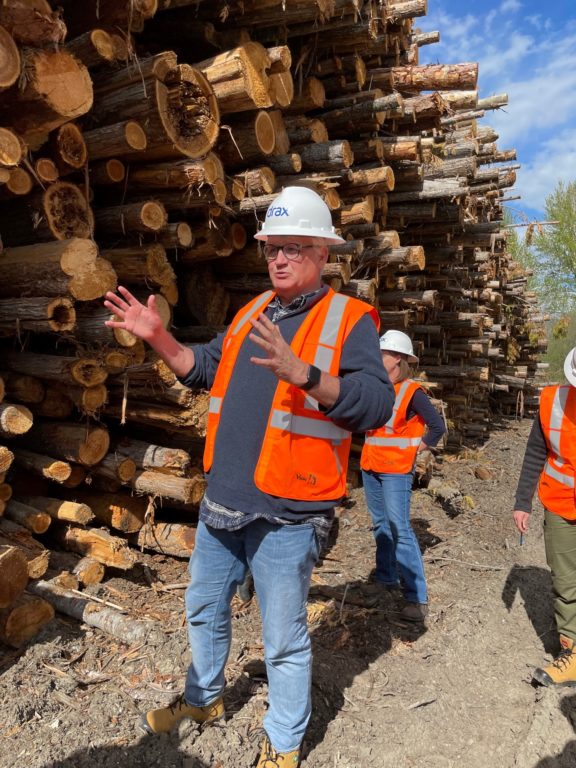
Alan Knight at the log yard for Lavington Pellet Mill in British Columbia

During my recent trip to British Columbia in Canada, First Nations, foresters, academics, scientists and government officials all talked about the burning piles of waste wood left over after logging operations.

Rather than burning it, it would be far better, they say, to use more of this potential resource as a feedstock for pellets that can be used to generate renewable energy, while supporting local jobs across the forestry sector and helping bolster the resilience of Canada’s forests against wildfire.

I like this approach because it brings pragmatism and common sense to the debate over Canada’s forests from the very people who know the most about the landscape around them.

Burning it at the roadside is a waste of a resource that could be put to much better use in generating renewable electricity, displacing fossil fuels, and it highlights the positive role the bioenergy industry can play in enhancing the forests and supporting communities.

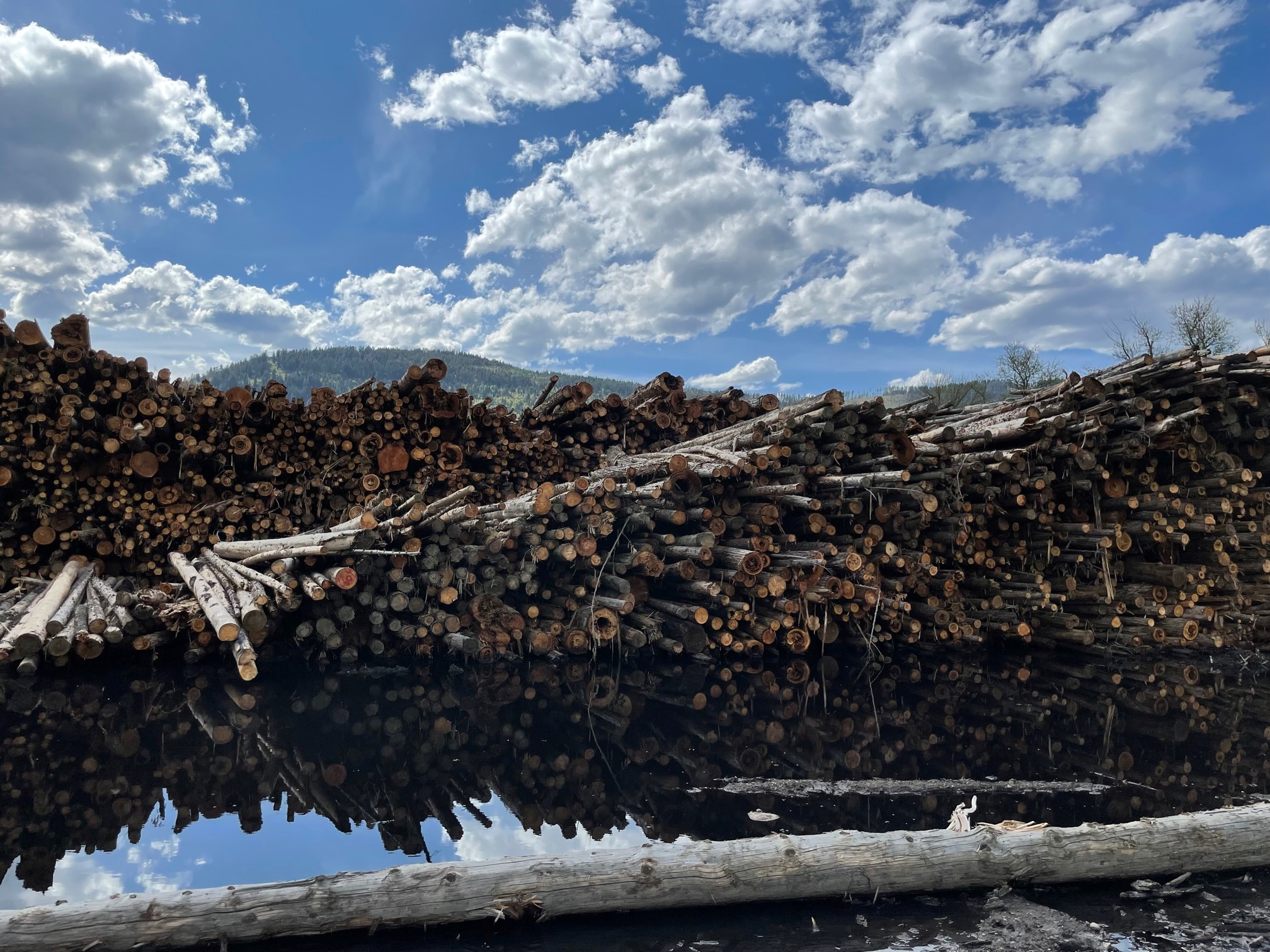
Drax is already using some of this waste wood – which I saw in the log yard for our Lavington Pellet mill in British Columbia. This waste wood comprises around 20% of our feedstock. The remaining 80% comes from sawmill residues like sawdust, chips and shavings.

Waste wood for pellets at Lavington Pellet Mill log yard

It’s clear to me that using this waste material that has little other use or market value to make our pellets is an invaluable opportunity to deliver real benefits for communities, jobs and the environment while supporting a sustainable circular economy in the forestry sector.