


Tag: flexible generation

Betting on batteries: addressing intermittent inefficiencies at scale

This article has been republished with permission from ESS News.

As shockwaves from the Iran war continue to ripple through global oil and gas markets, countries across Europe have experienced soaring energy prices. Here in the UK, the average consumer’s power bill price cap has already spiked 18% per year, while businesses are experiencing increases of up to 80%.

At the same time, Spain has been largely insulated from the same supply chain disruptions. Over the last six years, it has invested heavily in renewables – predominantly wind and solar – reducing the influence of fossil generators on its electricity price by 75% since 2019. Many renewables also offer a differentiated source of domestically produced power, which reinforces energy independence and security while hedging against single-source supply chain shocks.

This is yet another proof point that weather-dependent renewables are grid gamechangers, but it’s important to acknowledge that they cannot address all of the challenges we are trying to solve in the UK. We need to keep investing in the wider system.

A high-renewables grid: managing variability with flexibility

Not only do weather-dependent renewables support energy security, but they’re now cost competitive with fossil fuels. However, because intermittent renewables are dependent on external forces like wind and sunshine, they need complementary sources of flexibility to keep supply and demand balanced in real time to address:

  • Oversupply and curtailment. When the sun is shining and the wind is blowing at full force, energy generation sometimes exceeds demand and/or grid capacity limitations. As a result, the UK spends more than £1 billion annually on curtailment, where the government pays generators to reduce or turn off output during these periods.
  • Undersupply and “Dunkelflaute” risk. The weather patterns that hinder wind and solar often offset each other, but sometimes both can falter at the same time. This occurrence – referred to via the German term “Dunkelflaute” – is more likely to occur in the winter, resulting in supply drops right when demand to heat and power homes is at its highest.
  • Day-to-day swings. In a typical day, intermittent renewables have periods of high and low production. At the same time, demand also has high and low periods. These supply low points often correlate with periods of high demand; for example, as solar generation falls away with the sunset, at-home lighting and appliance usage ramps up. This can result in grid strain and higher energy prices during the times when power is needed most but renewables are less available.

The “Duck Curve” is an industry term that refers to the shape created by the peaks and troughs of contrasting energy demand and intermittent renewable energy supply. The chart above visualizes the typical “duck” shape: a high morning peak (the tail), a deep midday dip (the belly) caused by record solar, and a steep evening ramp (the neck) as the sun sets and household demand spikes.

From national security to data security, the UK relies on consistent access to responsible, affordable power. Managing these swings is an integration challenge – not a reason to slow renewables. It’s a reason to accelerate the tools that make a high-renewables grid work to solve inefficiencies and unpredictability that can undermine the system, particularly during times of stress.

Balancing – not compensating for – intermittent volatility

Baseload generation is another key ingredient to stabilise the grid, helping to compensate for these supply swings. While this foundational support has traditionally been supplied through fossil fuels like coal, the UK has moved to more responsible alternatives like natural gas and sustainable biomass to anchor grid fluctuations.

Baseload generation supports grid stability, and weather dependent renewables are also essential but together they still cannot directly address when clean power is produced at the “wrong” time or the “wrong” place. This is where energy storage steps in.

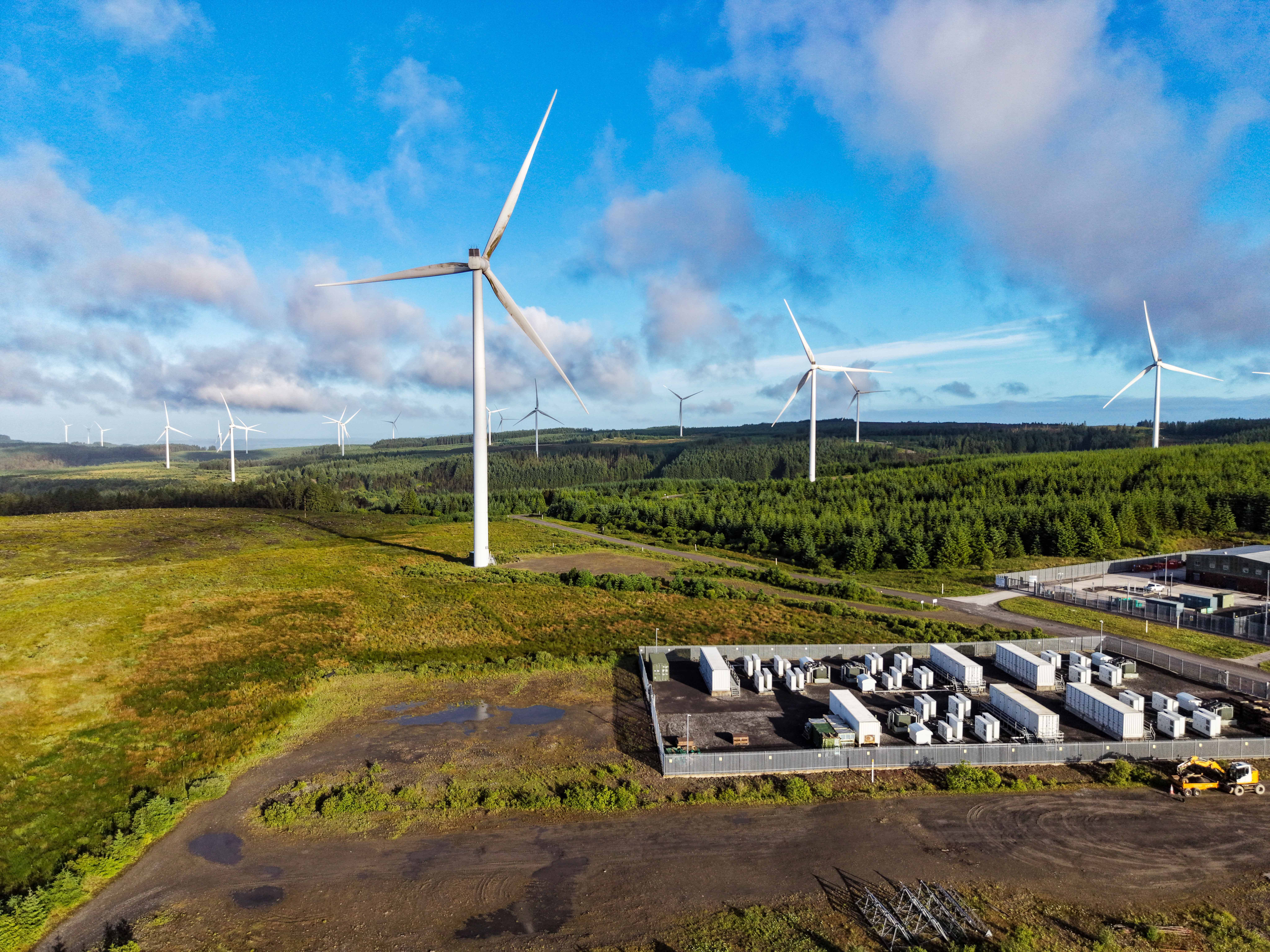
Energy storage, including batteries, pumped hydro, thermal, and chemical solutions, complements intermittent power generation. These technologies can capture excess clean energy when generation is high and deploy it when supply is low, balancing supply and demand and helping flatten the duck curve. Energy storage solutions can extend the benefits of clean power generation and supply, meeting peak demand even when they’re not actively generating power, all while reducing reliance on baseload generation.

The UK plans to double its energy storage by 2030, and Drax is investing in new battery storage projects in the UK accordingly. Building from Drax’s existing long-term hydro storage assets, the company is investing in new projects in the UK to bolster its battery storage portfolio and improve energy security.

Looking to the future, long-duration energy storage (LDES) batteries also have a key role to play. Current economic and market structures favour lithium-ion-based short-term batteries, but it’s only a matter of time until long-term battery technologies become more efficient and affordable, and the rate of adoption is expected to grow exponentially as a result.

Recent geopolitical conflicts have reiterated the importance of a diversified, balanced energy system. Nations that adapt toward a system built on flexible generation and storage – designed to deliver reliability, affordability, and sustainability while insulating against future shocks – will have a clear advantage, both today and in years to come. We believe there is no better time than now to bet on batteries as part of the UK’s evolution to a more flexible energy system.

Why the energy transition demands a new playbook

During the last bank holiday weekend, as Britain basked in the sunshine, the national grid quietly made history. Demand plummeted to an all-time low of just 12.6GW – roughly the average daily demand of the Philippines. This was nearly four times less than we consumed on a cold, dark Thursday evening in January when the nation cranked up the heating and turned on the kettle. 

Seasonal demand swings are nothing new, and for decades have proved a rule that traditional, dispatchable assets like Drax Power Station are the backbone of our energy security. But in this week of warm weather and unprecedented low demand, solar has generated as much as half of the power Britain consumed – an unthinkable achievement ten years ago.  

Intermittent wind and solar, battery storage, electric vehicles and AI are changing our energy system profoundly and in real time. How government, the system operator and companies like Drax manage this change can be measured not in the millions but in the billions of pounds of difference to the British economy every year.  

At Drax our mission has always been to deliver what the country needs. For over sixty years, our assets have provided secure electricity to millions of the UK’s households and businesses. When climate change became a national imperative, we did what many thought impossible and transformed Western Europe’s largest coal fired power station into Britain’s largest single source of renewable electricity. Today, we are once more investing to deliver in the national interest. 

Our recommended offer for Bluefield Solar Income Fund is a key moment for our business and its next phase. This would be the largest deal in our history, and with BESS and OCGT development sites included, our renewable generation business and flexible generation assets combined will have a larger power capacity of over 3GW than Drax Power Station’s 2.6GW for the first time.

Potentially adding around 900MW of solar and wind with another 2.9GW pipeline of development, including JVs, into the Drax portfolio could mean we are able to keep the lights on whether it is a baking hot bank holiday or a damp and dreary January. And critically the cost of power generated by solar and wind is not impacted by the ongoing situation in the Strait of Hormuz. 

We’re building a diverse portfolio of hydro, batteries, gas, and now potentially wind and solar alongside a trading capability that will enable us to help deliver the UK’s energy security efficiently and affordably. We’re proud to have been at the heart of Britain’s energy system for sixty years, and we’re investing in and evolving our business now to ensure we continue to deliver what the country needs for decades to come. 

Please find the full announcement of the recommended acquisition of BSIF through the following link: https://polaris.brighterir.com/public/drax_group/news/rns/story/r7kk2zw

Commissioning of First OCGT Plant

RNS Number: 1217G
Drax Group plc
(“Drax” or the “Company”; Symbol:DRX)

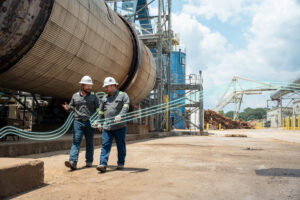
Drax is pleased to announce that commissioning of Hirwaun Power Station is now complete and Drax has assumed commercial control from the developer Metlen Energy & Metals. Hirwaun, which is located in South Wales, is the first of three 299MW Open Cycle Gas Turbine (OCGT) plants which Drax is developing in England and Wales.

Drax Group CEO, Will Gardiner, said: “The successful commissioning of our first OCGT plant is a landmark moment for Drax.

“The energy transition is creating opportunities for us to invest and grow our business in line with the country’s energy needs. Alongside our OCGT developments, we have made initial investments in Battery Energy Storage Systems (BESS), which we see as an attractive market. We are continuing to explore options to invest in flexible and renewable energy, supporting energy security, creating value for stakeholders and attractive returns for shareholders in line with our capital allocation policy.”

The three OCGTs combined will provide capacity of c.900MW when fully commissioned and be remunerated via a combination of peak power generation, system support services, and long-term index-linked Capacity Market agreements. These Capacity Market agreements extend to 2039 and are worth over £260 million in revenue.

The sites benefit from a low fixed cost base with operation and dispatch managed centrally by Drax and day-to-day management of the sites by Siemens Energy.

Power generation and system support capabilities

The flexibility of OCGTs allows them to switch on and off quickly to meet periods of high demand, which supports the increased use of intermittent renewables across the UK system, supporting energy security, with a reduced dependence on fossil fuels and a reduction in net carbon emissions.

In addition, the OCGTs have been built with a clutch mechanism between the turbine and generator, allowing for them to operate as a Synchronous Compensator, which can provide additional non-generation services, such as inertia and voltage control, without engaging the gas turbine.

With the evolution of the UK market, continued roll out of renewables and an increased focus on energy security, Drax believe that demand for and value of these types of services will increase.

Featured image credit: Metlen Energy and Minerals

Enquiries:

Drax Investor Relations:

Mark Strafford
[email protected]
+44 (0) 7730 763 949

Media:

Drax External Communications:

Aidan Kerr
[email protected]
+44 (0) 7849 090 368

Website: www.drax.com

How biomass delivers system stability in an uncertain energy landscape

This article first appeared in Bioenergy Insight.

The energy landscape has fundamentally shifted over the past five years. What began as a singular focus on decarbonisation has evolved into a more complex challenge balancing climate goals with energy security, reliability and the explosive growth in power demand from artificial intelligence and data centres. For Ross McKenzie, chief sustainability officer at Drax Group, this transformation has reinforced a central thesis: that sustainable energy systems require more than just weather-dependent renewables to succeed.

‘A resilient energy mix is one that can absorb shocks without compromising reliability, affordability or sustainability,’ McKenzie explains. ‘In practice, that means balancing three complementary technology groups rather than betting everything on a single approach.’

Those three pillars, according to McKenzie, are weatherdependent renewables like wind and solar; flexible, dispatchable generation including sustainable biomass; and energy storage across multiple technologies from batteries to pumped hydro.

It’s a framework that positions biomass as a strategic asset for grid stability, rather than just a carbon-neutral fuel source. This perspective is gaining traction as power systems grapple with the reliability challenges of high renewable penetration.

The flexibility imperative

Wind and solar now comprise 35-40% of UK electricity generation and around 17% in the US, with further growth expected. However, their weather-dependent nature creates what McKenzie describes as ‘structural challenges’ during extended low-wind, low-solar periods.

‘Biomass is often assessed through the lens of carbon, land-use and deforestation, and that is an important part of the picture,’ he says. ‘But its system value is also significant. As a firm, flexible renewable source it can generate when wind and solar cannot.’

This dispatchability distinguishes biomass from other renewable sources in crucial ways. Unlike wind turbines that idle when the wind drops or solar panels that produce nothing after sunset, biomass plants can ramp up or down on demand, operating across both baseload and peak requirements to maintain grid balance.

‘As grids incorporate more intermittent renewables, extended low-wind and low-solar periods become a structural challenge,’ McKenzie notes. ‘Sustainable biomass can operate across baseload and peak demand to help keep the system balanced and secure, without adding fossil carbon to the atmosphere.’

This capability becomes increasingly valuable as renewable penetration grows. The more wind and solar capacity connects to the grid, the more critical becomes the need for flexible backup generation that can respond quickly when conditions change.

Geopolitics reshapes the conversation

‘Recent geopolitical disruption and supply chain volatility have reinforced the importance of energy security and affordability alongside decarbonisation,’ McKenzie continues. ‘That has sharpened the focus on the risks of overdependence on any single fuel source, and on the value of resilient, diversified systems.’

The result is a more nuanced policy conversation that recognises biomass not only for its decarbonisation potential but as what McKenzie calls ‘a strategic asset that can provide firm capacity and support system stability.’

In the UK and Europe, this translates into clearer emphasis on diversified low-carbon generation combining both intermittent and dispatchable sources. In the US, biomass discussions increasingly focus on strengthening domestic supply chains and supporting allies through energy exports.

‘Overall, policymakers are prioritising systems that can absorb shocks and maintain stability and predictable costs,’ McKenzie says. ‘Which elevates the role of technologies that deliver both flexibility and security.’

For Drax specifically, this shift validates its North American biomass supply chain strategy. ‘That diversification supports more stable fuel costs for Drax Power Station in the UK than a system reliant on more volatile international gas markets, while continuing to support sustainability objectives,’ McKenzie explains.

The AI factor

The emergence of AI and data centres as major electricity consumers adds another dimension to energy planning. Hyperscale companies increasingly seek 24/7 clean power solutions to meet ambitious sustainability commitments whilst ensuring uninterrupted operations.

‘Many major tech companies have set ambitious clean energy targets and are increasingly looking for firm, dispatchable generation to complement wind and solar.’

This demand profile strengthens the case for balanced generation portfolios that combine weatherdependent renewables with flexible sources and storage. Unlike traditional industrial consumers that might adjust operations based on electricity availability, data centres require constant power supply regardless of weather conditions.

‘That strengthens the case for a balanced portfolio combining renewables with flexible generation and storage to deliver reliable power when the country needs it,’ McKenzie notes.

System thinking

Drax’s approach reflects what McKenzie describes as ‘system thinking’ — viewing different technologies as complementary rather than competing assets. The company operates biomass, hydro, pumped hydro storage and is investing in battery storage, seeing each technology as contributing different capabilities to overall system stability.

‘Each contributes at different timescales providing firm capacity, flexibility and fast response, so the overall portfolio can balance variability, respond to demand in real time and support grid stability as intermittent renewable generation increases.’

This portfolio approach addresses what McKenzie characterises as the energy trilemma: delivering reliability, affordability and decarbonisation simultaneously rather than trading one objective against another.

‘In practice, energy systems must deliver reliability, affordability and decarbonisation together,’ he says. ‘A resilient approach is to build a diversified portfolio of assets so the system can manage variability and remain secure, even during periods of geopolitical disruption or supply chain volatility.’

The BECCS dimension

Looking forward, McKenzie sees Bioenergy with Carbon Capture and Storage (BECCS) as potentially transformative for biomass’s role in energy systems. BECCS combines renewable electricity generation with permanent carbon removal — a dual function that could position biomass at the centre of net-zero strategies.

‘As net zero pathways become more defined, it is increasingly clear that carbon removals, including BECCS and other biogenic solutions, can play an important role for addressing residual emissions from hard-toabate sectors,’ he says.

The UK appears wellpositioned to develop BECCS at scale, given existing biomass infrastructure and access to carbon dioxide storage capacity in the North Sea. However, McKenzie emphasises that realising this potential requires coordinated infrastructure development.

‘The UK has many of the right ingredients to progress BECCS,’ he says. ‘Realising that potential at scale will depend on turning ambition into delivery, through CO2 transport and storage networks, investable market frameworks and long-term policy support.’

If those enabling conditions come together, McKenzie sees BECCS moving ‘from a promising option to a core part of the UK’s infrastructure toolkit — supporting energy security while delivering durable carbon removals.’

Balancing act

Ultimately, McKenzie’s vision for biomass reflects broader changes in how energy systems are conceived and managed. The focus has shifted from individual technologies competing for market share to integrated systems delivering multiple objectives simultaneously.

‘The objective is not a trade-off, but a balanced system that delivers immediate security of supply while staying aligned with a credible long-term pathway to net-zero,’ he concludes.

The UK’s energy trilemma requires more than price reform

This article first appeared in Energy Voice

The UK Government’s move to explore breaking the link between gas and electricity prices reflects a growing recognition that the current system is exposing consumers and businesses to unnecessary volatility. While reducing exposure to gas-driven pricing is an important step, it will not single-handedly remove the UK’s vulnerability to global markets if the system remains unbalanced. 

Historically, the UK has prioritised generation sources that offer ample supply and low cost, such as coal and gas. While coal has been phased out, and renewables like wind, solar, and biomass play a larger role than ever, the UK has become increasingly dependent on gas generation as a source of energy security. 

Recently, the energy debate in the UK has become unhelpfully polarised between those who believe we are either too dependent on gas or not dependent enough. While both arguments have merit, they miss the point entirely. The global energy transition has unlocked new technologies that make balancing the trilemma – affordability, security, and sustainability – possible for the first time. 

There are four main ways the UK benefits from these new technologies: 

  • Energy security and sovereignty: A growing number of generation technologies are scaling, meaning Britain can diversify its portfolio to produce and store a greater share of its power domestically, reinforcing energy independence. This in turn helps to protect consumers from geopolitical price shocks. 
  • Technological innovation and modernisation: Technologies like AI are expected to transform industries from healthcare to defence, finance and energy. Those able to power this demand stand to disproportionately benefit from them as they scale. 
  • Economic benefits and growth: Reliable, affordable energy is increasingly critical to attracting investment across sectors such as data centres and manufacturing, and a diversified system also helps stabilise prices. 
  • Environmental survival and sustainability: Decarbonising the system remains essential. By shifting to a mix of low-impact generation technologies, the UK can reduce emissions while maintaining reliability. 

Acknowledging the challenges 

The path ahead is exciting but also filled with obstacles, some known and many not. Political and economic uncertainty remains a key barrier to a balanced energy system. Investment decisions depend on confidence that projects will deliver stable returns. Volatility in inflation, regulation and policy increases risk and slows investment. 

As policymakers consider reforms to electricity pricing and market structures, clarity and predictability will be crucial. Signals that point towards more stable, contract-based approaches to generation can help unlock investment, but only if they are consistent and long-term. 

In the UK, where energy prices are among the highest in the world, limited energy storage and dependence on gas means shocks to oil and gas markets can spike energy costs. For example, since the war in Ukraine first choked off gas supplies to Europe, the UK has spent an additional £90 billion on gas – approximately £2,000 per adult.  

Closer to home, another influence can stall vital energy projects: community concerns. Companies should listen carefully to community leaders, communicate project benefits and stages clearly and consistently, and follow through on commitments to foster trust. Community support is essential to reach a final investment decision; if trust can’t be established in enough areas, it becomes difficult to meet future market needs.  

Another barrier is increased competition. While AI offers a potential pathway to a bright future, that same promise also lures away finite investable cash from vital industries including the energy sector. At the same time, supply chain constraints are increasing costs and delaying delivery. 

Compelling opportunities for the energy industry 

At the same time, there are clear opportunities for our industry to build an energy system that works for our future. 

The AI arms race hinges on access to power, with both the private and public sectors racing to secure supply. A growing mandate for companies to BYOP (bring your own power) provides increased autonomy for hyperscalers to choose how they provide the electricity for AI, and it offers a path forward that doesn’t require taxpayers to shoulder the financial burden. This private sector demand is already accelerating investment in new generation.  

It’s also becoming increasingly clear that nations need to fortify their energy security. Access to stable power is a game-changing differentiator to attract future economic opportunity, and strong energy independence and resilience can insulate against market swings – like those from international conflicts. 

Wind, solar, hydro, sustainable biomass, and geothermal diversify national energy portfolios, supporting reliability and price stability during supply chain disruptions. They can often be produced and/or stored domestically as well, further limiting exposure. 

Identifying responsible solutions 

To reach the full potential of these defining opportunities, the UK needs the right mix of technologies. A more balanced system – combining different technologies that can provide both low-carbon and reliable, dispatchable power – will be essential to making this work in practice. 

This includes weather-dependent renewables, such as wind and solar; flexible generation, such as open-cycle gas turbines (OCGTs) and biomass, to manage intermittency; and battery storage to manage peaks in demand and improve system stability. 

Market reforms can support this transition, but they will only succeed if they are matched by a system that is built for resilience, not just efficiency. 

As Ed Miliband set out, expanding clean, domestically produced power will be central to building a more secure energy system. It offers greater stability, control and a path to energy sovereignty. 

Making this a reality will depend on how the system is designed – combining renewables with flexible and dispatchable generation to ensure reliability. The direction is clear; the challenge now is delivery. 

Tolling agreement for 200MW (800MWh) of BESS

RNS Number: 5698T
Drax Group plc
(“Drax” or the “Group”; Symbol:DRX)

Drax is pleased to announce that it has signed a tolling agreement with Zenobē Coalburn Limited (“Zenobē”, an independent Battery Energy Storage Systems “BESS” developer)(1), for 200MW (800MWh) of new BESS capacity.

Highlights

  • Tolling agreement for 200MW 4-hour duration BESS at Coalburn, Scotland
    • No upfront capital cost – construction, maintenance and availability risk sits with Zenobē
    • 15-year tolling agreement with no indexation
    • Contract provides Drax with full operational control and dispatch rights
    • Protected grid connection, targeting a Commercial Operation Date (COD) in 2028
  • Expected returns significantly ahead of Drax’s Weighted Average Cost of Capital(2)
  • Strong strategic fit
    • Aligned with Drax’s FlexGen strategy, adding short duration and fast response capability
    • Complements Drax’s investments in physical ownership of BESS and asset optimisation
  • Closely aligned with UK energy objectives of energy security and decarbonisation

Drax Group Chief Executive Officer, Will Gardiner, said: “Flexible Generation technologies like battery storage support a secure, affordable and clean energy system for British homes and businesses. This new BESS tolling agreement, alongside our other recent tolling agreement and acquisitions of Flexitricity and three battery storage developments, shows we are building momentum in delivering a gigawatt-scale pipeline of battery storage opportunities.

“We are focused on allocating capital to growth and value creation opportunities across our FlexGen portfolio that are aligned with the UK’s energy needs, underpinned by strong cash generation and attractive returns for shareholders.”

Under the agreement Zenobē will retain responsibility for construction, maintenance and availability of the asset during the contract period. In return Drax will pay a fixed annual tolling fee over the agreed term of 15 years from the COD, in return for full operational control and dispatch rights, and retaining all revenues (excluding Capacity Market and certain other ancillary revenues).

Drax sees the agreement as an attractive opportunity to provide additional BESS capacity for the Group’s FlexGen portfolio without an up-front capital payment, alongside physical ownership of BESS assets(3) and the tolling agreement announced in January 2026(4). The agreement is subject to Zenobē taking a final investment decision on the project (expected within six months of the date of the agreement) and achieving commercial operations.

Strategic fit – aligned with UK energy needs and Drax FlexGen business

Drax is developing a GW scale pipeline of BESS opportunities comprised of (1) physical assets and (2) the capabilities to optimise owned and third-party assets with the provision of route to market, floor and tolling structures.

In October 2025, Drax signed an agreement with Apatura Limited to acquire three BESS projects, which when fully commissioned will provide capacity totalling 260MW(3). In January 2026 Drax announced the acquisition of Flexitricity, providing an optimisation platform for the development of the Group’s FlexGen business, including BESS(5), and a tolling agreement for 250MW with Fidra(4).

Taken together, Drax now has agreements in place for 710MW (c.1.8GWh) of tolling contracts and physical assets, in addition to a pipeline of additional opportunities.

Notes:

  1. Zenobē | Discover Zenobē
  2. The cash flow that Drax expects to generate over the life of the contract when compared to the present value of the annual toll payments is expected to deliver a return significantly above Drax’s WACC.
  3. Acquisition of 260MW 2-hour BESS portfolio – 07:00:11 30 Oct 2025 – DRX News article | London Stock Exchange
  4. Tolling agreement for 250MW (500MWh) of BESS – 07:00:05 30 Jan 2026 – DRX News article | London Stock Exchange
  5. Acquisition of Asset Optimisation Platform – 07:00:06 21 Jan 2026 – DRX News article | London Stock Exchange

Enquiries:

Drax Investor Relations:

Mark Strafford
[email protected]
+44 (0) 7730 763 949

Chris Simpson
[email protected]
+44 (0) 7923 257 815

Media:

Drax External Communications:

Chris Mostyn
[email protected]
+44 (0) 7743 963 483

Kieran Wilson
[email protected]
+44 (0) 7729 092 807

Website: www.drax.com

Forward-looking statements

This announcement may contain certain statements, expectations, statistics, projections and other information that are, or may be, forward-looking. The accuracy and completeness of all such statements, including, without limitation, statements regarding the future financial position, strategy, projected costs, plans, beliefs, and objectives for the management of future operations of Drax Group plc (“Drax”) and its subsidiaries (“the Group”), are not warranted or guaranteed. By their nature, forward-looking statements involve risk and uncertainty because they relate to events and depend on circumstances that may occur in the future. Although Drax believes that the statements, expectations, statistics and projections and other information reflected in such statements are reasonable, they reflect Drax’s current view and no assurance can be given that they will prove to be correct. Such events and statements involve risks and uncertainties. Actual results and outcomes may differ materially from those expressed or implied by those forward-looking statements.

There are a number of factors, many of which are beyond the control of the Group, which could cause actual results and developments to differ materially from those expressed or implied by such forward-looking statements. These include, but are not limited to, factors such as: projects achieving the required milestones, including delivery of required equipment, access to the requisite resources and completion of connections to enable operation within expected timeframes, future revenues being lower than expected; increasing competitive pressures in the industry; uncertainty as to future investment and support achieved in enabling the realisation of strategic aims and objectives; and/or general economic conditions or conditions affecting the relevant industry, both domestically and internationally, being less favourable than expected, including the impact of prevailing economic and political uncertainty; the impact of conflicts around the world; the impact of cyber-attacks on IT and systems infrastructure (whether operated directly by Drax or through third parties); the impact of strikes; the impact of adverse weather conditions or events such as wildfires; and changes to the regulatory and compliance environment within which the Group operates. We do not intend to publicly update or revise these projections or other forward-looking statements to reflect events or circumstances after the date hereof, and we do not assume any responsibility for doing so.

END

Trading Update – Strong performance and options to invest

RNS Number: 0978L
Drax Group plc
(“Drax” or the “Group”; Symbol:DRX)

Highlights

  • Strong performance – FlexGen(1), Pellet Production and Biomass Generation
  • Full year 2025 expectations for Adj. EBITDA(2) around the top end of consensus estimates(3)

Adj. EBITDA and free cash flow targets from existing business

  • Continuing to target post 2027 Adj. EBITDA of £600-700 million pa(4)
  • Targeting £3 billion of free cash flow(5) from the existing business (2025 to 2031), supporting:
    • >£1 billion returns to shareholders
    • Up to c.£2 billion for options to invest in growth

Options to invest in growth – energy security, data centres and flexible, renewable energy

  • FlexGen – flexible, renewable energy, including GW scale pipeline of BESS(6) opportunities
  • Drax Power Station site – development of options to utilise 4GW of capacity and grid access
    • Planning application in development for potential option for c.100MW data centre
    • Ambition to grow to >1GW data centre post 2031
    • Potential to further develop system support capabilities and FlexGen

Drax Group CEO, Will Gardiner said:

“It is vital that the UK maintains its energy security and delivers affordable routes to decarbonisation into the 2030s and beyond. Drax stands ready to invest in and grow our portfolio to deliver the renewable and flexible power the country needs while also supporting economic growth in the communities where we operate.

“By 2050, demand for power is expected to double, while secure gas generation reduces and intermittent renewable generation increases, meaning more dispatchable and reliable generation will be required to help keep the lights on when the wind isn’t blowing and the sun isn’t shining.

“Aligned to the UK’s future energy needs and underpinned by a strong balance sheet, good cash generation, and a disciplined approach to capital allocation, we are working to maximise the value of our existing portfolio, while driving growth over the short, medium and long term.

“Our year to date operational and financial performance has been strong, and we are focused on delivering c.£3 billion of free cash flow between 2025 and 2031, which can support investment in energy security, data centres and flexible, renewable energy underpinning long-term value creation and returns to shareholders.”

Full year expectations

Reflecting a strong performance across the Group in the second half of 2025, Drax now expects 2025 full year Adj. EBITDA to be around the top end of consensus estimates(3). Full year expectations remain subject to continued good operational performance.

Generation contracted power sales

As at 9 December 2025, Drax had c.£2.3 billion of contracted forward power sales between 2025 and Q1 2027 on its Renewables Obligation (RO) biomass, pumped storage and hydro generation assets. RO generation is fully hedged for 2025 and 2026, with over £1 billion of associated ROCs.

Contracted power sales as at 9 December 2025202520262027Total
Net RO, hydro and gas (TWh)(7)10.710.92.223.7
Average achieved £ per MWh(8)117.176.779.495.1
Contract for Difference (CfD) (TWh)4.81.8-6.5

Capital returns

In October 2025, the Group completed a £300 million share buyback programme which had commenced in August 2024. The Group subsequently began a £450 million share buyback programme (first announced in July 2025), with an initial £75 million tranche. In aggregate, during 2025, up to 9 December 2025, the share buyback programmes have purchased c.33 million shares for c.£216 million. The total number of voting rights in Drax Group, excluding treasury shares, as at 9 December 2025 was c.341 million. In October 2025 an interim dividend of 11.6 pence per share was paid, totalling c.£40 million.

Outlook

Adj. EBITDA and free cash flow targets from existing business

The Group is continuing to target post 2027 Adj. EBITDA of £600-700 million pa before development expenditure. Delivery of this target is underpinned by disciplined cost management and an operating model adapted to reflect the structure of the recently signed low-carbon, dispatchable CfD agreement with the Low Carbon Contracts Company (a UK Government body) for Drax Power Station, combined with a high-performance culture.

Reflecting growing UK power demand, combined with an increased system reliance on intermittent and inflexible generation, Drax expects to grow its FlexGen business to comprise a greater proportion of total Adj. EBITDA over time.

Open Cycle Gas Turbines (OCGTs) will be a key component of the FlexGen portfolio. The flexibility of these grid balancing assets can enable the increased use of intermittent renewables across the UK system, supporting energy security and a reduction in net carbon emissions. Reflecting these factors, Drax now expects to retain these assets as a part of its FlexGen portfolio.

Taking strong cash flows from the current business (2025-2026) together with targeted Adj. EBITDA (2027-2031), plus working capital, less maintenance capex, interest and tax, Drax is targeting free cash flow of c.£3 billion (2025-2031)(5).

The Group’s capital allocation policy remains unchanged. Drax expects to initially allocate >£1 billion of free cash flow to shareholder returns (2025-2031). This is inclusive of the ongoing £450 million three-year share buyback programme and the continuation of its long-standing policy to pay a sustainable and growing dividend, through which the dividend per share has grown on average by 11% pa since 2017.

Drax expects to allocate up to c.£2 billion to incremental investment, primarily in the flexible and renewable energy the UK needs, as well as opportunities to maximise value from the Drax Power Station site.

Returns to shareholders and investment for growth follow a capital ranking process which aims to maximise risk adjusted returns to shareholders.

Options to invest in growth – FlexGen – flexible, renewable energy

The UK National Energy System Operator’s Future Energy Scenarios indicate a doubling of power demand by 2050, via electrification and new sources of demand, including data centres. At the same time, the continued decarbonisation of the system is leading to a greater reliance on intermittent renewables. The system is becoming cleaner but more volatile, driving a growing need for dispatchable power and system support services, creating long-term earnings opportunities for, and value from, the Group’s FlexGen assets. While the trend is clear, it is hard to forecast from year to year, being dependent on weather and associated renewable activity as much as underlying commodity prices.

This position informs the Group’s view on the value of its FlexGen portfolio and opportunities for growth which can support energy security and the continued deployment of renewables. Since acquisition of the pumped storage and hydro assets in 2018, utilisation of these assets has increased significantly, delivering a five-year payback.

Pumped Storage and Hydro

An £80 million investment to refurbish and upgrade two units at Cruachan Power Station is progressing, with an initial planned outage programme through 2025. The project, which is underpinned by 15-year Capacity Market agreements worth over £220 million (c.£15 million Adj. EBITDA pa), will add 40MW of additional capacity by 2027 and improve unit operations. An additional planned outage programme associated with a transformer upgrade is expected to complete shortly.

OCGTs

Drax expects to take commercial control of the first of the three OCGTs (Hirwaun Power) in Q1 2026. The unit is now commissioning and receiving capacity market payments. The second and third sites are expected to commence commissioning in 2026.This is later than originally planned, primarily due to delays in grid connection by the relevant authorities.

Inclusive of the OCGTs Drax remains committed to its validated SBTi(9) targets and continues to assess options to realise this commitment.

BESS

The Group sees BESS as an important new technology for its FlexGen portfolio, adding fast response capabilities to long duration pumped storage and OCGT assets, which could allow the portfolio to provide a wider range of system support services to the grid.

Drax is developing a GW scale pipeline of BESS opportunities comprised of (1) physical assets and (2) the capabilities to optimise third-party assets with the provision of route to market, floor and tolling structures. In this regard, Drax already provides a route to market for c.2,000 embedded third-party renewable assets with capacity of c.800MW via its Energy Solutions business.

In October 2025, Drax signed an agreement with Apatura Limited (“Apatura”) to acquire three BESS projects, which when fully commissioned will provide capacity totalling 260MW. Drax will pay a fixed amount of £157.2 million in staged payments between 2025 and 2028, reflecting construction milestones and including payments to Apatura linked to their delivery of the projects. The acquisition of the Marfleet (England) and Neilston (Scotland) projects is now complete, with the acquisition of the East Kilbride (Scotland) project expected to be finalised in 2026.

The Group is also assessing options for other renewables, which can complement its FlexGen model.

Options to invest in growth – Drax Power Station Site

The Drax Power Station site comprises over 1,000 acres and 4GW of capacity and grid access, with 2.6GW of active dispatchable generation, cooling systems, and proximity to the UK fibre network.

The Group is focused on options to maximise value from the site, which could utilise multiple generation technologies including its existing biomass generation as well as flexible, renewable energy, to continue to support energy security, while potentially meeting the power demands of a large-scale data centre and in the long-term the potential for carbon removals from BECCS(10).

Data centre

Drax is considering a range of options for the site which could utilise its existing land, grid access, active generation, cooling solutions, site security, location and skilled workforce to meet the needs of data centre developers.

Drax is preparing a planning application to support the potential option for a first phase data centre of c.100MW on land identified at Drax Power Station, using existing infrastructure and transformers previously used to support coal generation to import power directly from the grid (front-of-the-meter). This could support the operation of a data centre at Drax Power Station as soon as 2027.

In November 2025, Drax signed a CfD agreement with the UK Government to provide c.6TWh of biomass generation pa between April 2027 and March 2031 – equivalent to c.30% of baseload output – with a strike price of £109.90/MWh (2012 real). In addition to the option to produce additional merchant generation above the cap and for system support and ancillary services, the agreement includes a mechanism for Drax to request up to 500MW to power a data centre during this period. This is subject to agreement with the UK Government, taking into account a number of factors, including value for money for consumers, energy security, and sustainability.

In the long term Drax is assessing options for over 1GW of data centre capacity, which is expected to utilise existing generation capabilities at Drax Power Station to provide a distributed (behind-the-meter) energy solution with around-the-clock renewable power directly to a data centre under a long-term Power Purchase Agreement, subject to necessary consents.

Any decision to develop data centres at Drax Power Station will require a full assessment of the capital cost and investment case as well as establishment of the commercial and development structures, including joint ventures.

Pellet Production

In the medium term, the Group’s US business is well underpinned by sales into the UK. The Group’s Canadian business, which primarily sells pellets into Asia, is expected to be more challenged, which has contributed to the decision to close Drax’s pellet plant in Williams Lake. Against this backdrop the Group does not currently expect to invest in additional capacity in the short to medium term, including the paused Longview project.

In the long term, Drax remains positive on biomass’ role in industrial decarbonisation and carbon removals via its Elimini business. Drax is continuing to assess options for own-use and third-party sales, from existing and new markets, including Sustainable Aviation Fuel, which could represent a major market opportunity from 2030 onwards.

Other matters

Drax will report its full year results on Thursday 26 February 2026.

Notes:

  1. Flexible Generation (FlexGen) is currently comprised of the Group’s pumped storage and hydro assets, three OCGT plants which are expected to enter commercial service in 2026 and an Energy Solutions business which provides renewable energy and services to I&C customers as well as a route to market for small renewable assets.
  2. Earnings before interest, tax, depreciation, amortisation, excluding the impact of exceptional items and certain remeasurements. Adj. EBITDA includes the Electricity Generator Levy (EGL).
  3. As of 4 December 2025, analyst consensus for 2025 Adj. EBITDA was £902 million, with a range of £892 – £909 million. The details of this consensus are displayed on the Group’s website.
    Consensus – Drax Global
  4. Excludes investment opportunities including development expenditure in Elimini, Innovation, Capital Projects and Other.
  5. Free cash flow pre-dividend, including targets for post 2027 Adj. EBITDA, c.£0.5 billion working capital inflow from end of RO scheme, maintenance capex, interest, taxes and EGL.
  6. Battery Energy Storage System.
  7. Includes <0.1TWh of structured power sales in 2026 and 2027 (forward gas sales as a proxy for forward power), transacted for the purpose of accessing additional liquidity for forward sales from RO units and highly correlated to forward power prices.
  8. Presented net of cost of closing out gas positions at maturity and replacing with forward power sales.
  9. Science Based Targets Initiative.
  10. Bioenergy with Carbon Capture and Storage.

Enquiries:

Drax Investor Relations:
Mark Strafford
[email protected]
+44 (0) 7730 763 949

Chris Simpson
[email protected]
+44 (0) 7923 257 815


Media:

Drax External Communications:
Chris Mostyn
[email protected]
+44 (0) 7743 963 483

Andy Low
[email protected]
+44 (0) 7841 068 415

Website: www.Drax.com

Forward Looking Statements

This announcement may contain certain statements, expectations, statistics, projections, and other information that are, or may be, forward looking. The accuracy and completeness of all such statements, including, without limitation, statements regarding the future financial position, strategy, projected costs, plans, beliefs, and objectives for the management of future operations of Drax Group plc (“Drax”) and its subsidiaries (the “Group”), are not warranted or guaranteed. By their nature, forward-looking statements involve risk and uncertainty because they relate to events and depend on circumstances that may occur in the future. Although Drax believes that the statements, expectations, statistics and projections and other information reflected in such statements are reasonable, they reflect Drax’s current view and no assurance can be given that they will prove to be correct. Such events and statements involve risks and uncertainties. Actual results and outcomes may differ materially from those expressed or implied by those forward-looking statements. There are a number of factors, many of which are beyond the control of the Group, which could cause actual results and developments to differ materially from those expressed or implied by such forward-looking statements. These include, but are not limited to, factors such as: future revenues being lower than expected; increasing competitive pressures in the industry; uncertainty as to future investment and support achieved in enabling the realisation of strategic aims and objectives; and/or general economic conditions or conditions affecting the relevant industry, both domestically and internationally, being less favourable than expected, including the impact of prevailing economic and political uncertainty, the impact of conflict including those in the Middle East and Ukraine, the impact of cyber-attacks on IT and systems infrastructure (whether operated directly by Drax or through third parties), the impact of strikes, the impact of adverse weather conditions or events such as wildfires, changes to the regulatory and compliance environment within which the Group operates. Drax do not intend to publicly update or revise these projections or other forward-looking statements to reflect events or circumstances after the date hereof, and we do not assume any responsibility for doing so.

END


Acquisition of 260MW 2-hour BESS portfolio

A battery storage facility taken from an aerial view

RNS Number: 4098F

Drax is pleased to announce that it has signed an agreement with Apatura Limited (“Apatura”)(1) to acquire three battery energy storage system (“BESS”) projects, which when fully commissioned will provide capacity totalling 260MW(2). Drax will pay a fixed amount of £157.2 million in staged payments between 2025 and 2028, reflecting construction milestones and including payments to Apatura linked to their delivery of the projects. Completion of the acquisition of the first two projects is expected to occur in 2025 with completion of the third project expected in Q1 2026.

Highlights

  • 260MW 2-hour duration development portfolio across three sites in Scotland and England
    • Construction on all three sites is expected to commence in 2026 with the first site operational in 2027
    • Agreement with Apatura provides contractual protections for cost overruns and delay
  • Expected returns significantly ahead of Drax’s Weighted Average Cost of Capital
  • Funded from cash and existing facilities
  • Strong strategic fit
    • Complements Drax FlexGen strategy, adding short duration and fast response capability
    • Option over a further eight sites (289MW) being developed by Apatura
  • Closely aligned with UK energy objectives of energy security and decarbonisation

Drax Group CEO, Will Gardiner said: “This acquisition is our first investment in short duration storage as part of our FlexGen portfolio, supporting UK energy security and a clean power system.

“We are looking forward to working with Apatura on the development of battery storage, which when commissioned will allow us to provide even more secure power to the country when it is needed. In combination with our long duration energy storage, flexible generation and renewable generation from biomass, we will be able to provide 4.4GW of dispatchable generation to meet demand.

“As the UK’s network increases its reliance on intermittent renewables, more dispatchable and reliable generation will be required to help keep the lights on when the wind isn’t blowing or the sun isn’t shining.

“Through the development of our strategy we are working to create value and growth in the short, medium and long-term, aligned to the UK’s energy needs and underpinned by strong cash generation, a disciplined approach to capital allocation and attractive returns for shareholders, significantly in excess of our weighted average cost of capital.”

260MW 2-hour duration development portfolio across three sites in Scotland and England

The portfolio consists of three ready-to-build BESS sites, two in Scotland and one in Northern England(2).

Construction on all three sites is expected to commence in 2026 with the first site in Scotland due to be operational in 2027, with the second and third sites expected to commence operations thereafter. Apatura will manage the development of the projects and bear the majority of the construction risk (cost and delay), reflected in the fixed cash consideration and contractual protections.

Linked to the transaction, Drax has agreed the option of a right of first offer over a further eight sites (289MW) being developed by Apatura, creating optionality for the continued development of the FlexGen portfolio.

Strategic fit – aligned with UK energy needs and complementary to Drax FlexGen business

Drax believes that the retirement of older thermal generation assets and increased reliance on intermittent renewables, as well as an increase in power demand, will drive a growing need for dispatchable power and system support services, creating long-term earnings opportunities for, and value from, the Group’s FlexGen portfolio. This is in line with National Energy System Operator’s (NESO’s) Future Energy Scenarios which show a potential doubling of total demand for electricity in the UK over the coming decades, as well as an increase in curtailment of wind and reduction in dispatchable thermal generation.

The Group’s FlexGen business currently comprises long duration pumped storage, hydro and Open Cycle Gas Turbines (OCGTs), but not short duration BESS with fast response capabilities. Drax believes that once commissioned, two-hour BESS provides as an attractive entry point into the short duration storage space, and complementary to the Group’s FlexGen business, allowing it to provide a wider range of system support services, as well as increased access to wholesale and balancing markets.

Once the BESS assets are operational, the Group’s FlexGen portfolio will comprise 1.8GW(3) of long and short duration storage and flexible generation across nine sites in England, Scotland and Wales, with access to demand side flexibility through the Group’s Industrial & Commercial customer portfolio. Drax Power Station provides 2.6GW, taking the Group’s total to 4.4GW(3) of dispatchable generation.

By operating BESS as part of an integrated portfolio across multiple technologies and sites, Drax expects to access more opportunities to provide services and support to the system, widening its earnings opportunities.

Notes:

  1. Apatura are a UK based renewable energy and BESS developer founded in 2014 and are responsible for Scotland’s largest energy storage pipeline, with 10GW of renewable energy capacity in development. Battery Energy Storage Systems – Apatura – Welcome to the Future
  2. Sites are located in Marfleet (Hull, England), Neilston (East Renfrewshire, Scotland) and East Kilbride (Lanarkshire, Scotland). Both Marfleet and Neilston have all necessary planning permission whilst East Kilbride has a planning application pending. Drax will not incur any cost for East Kilbride until the planning application is approved.
  3. 0.6GW pumped storage and hydro, 0.9GW OCGTs at three sites in England and Wales (under construction with first site currently commissioning), 0.3GW BESS, totalling 1.8GW, plus 2.6GW biomass generation.

Enquiries:

Drax Investor Relations:

Mark Strafford
[email protected]
+44 (0) 7730 763 949

Chris Simpson
[email protected]
+44 (0) 7923 257 815

Media:

Drax External Communications:

Chris Mostyn
[email protected]
+44 (0) 7743 963 483

Andy Low
[email protected]
+44 (0) 7841 068 415

Website: www.drax.com

Forward-looking statements

This announcement may contain certain statements, expectations, statistics, projections and other information that are, or may be, forward-looking. The accuracy and completeness of all such statements, including, without limitation, statements regarding the future financial position, strategy, projected costs, plans, beliefs, and objectives for the management of future operations of Drax Group plc (“Drax”) and its subsidiaries (“the Group”), are not warranted or guaranteed. By their nature, forward-looking statements involve risk and uncertainty because they relate to events and depend on circumstances that may occur in the future. Although Drax believes that the statements, expectations, statistics and projections and other information reflected in such statements are reasonable, they reflect Drax’s current view and no assurance can be given that they will prove to be correct. Such events and statements involve risks and uncertainties. Actual results and outcomes may differ materially from those expressed or implied by those forward-looking statements.


There are a number of factors, many of which are beyond the control of the Group, which could cause actual results and developments to differ materially from those expressed or implied by such forward-looking statements. These include, but are not limited to, factors such as: projects achieving the required milestones, including delivery of required equipment, access to the requisite resources and completion of connections to enable operation within expected timeframes, future revenues being lower than expected; increasing competitive pressures in the industry; uncertainty as to future investment and support achieved in enabling the realisation of strategic aims and objectives; and/or general economic conditions or conditions affecting the relevant industry, both domestically and internationally, being less favourable than expected, including the impact of prevailing economic and political uncertainty; the impact of conflicts around the world; the impact of cyber-attacks on IT and systems infrastructure (whether operated directly by Drax or through third parties); the impact of strikes; the impact of adverse weather conditions or events such as wildfires; and changes to the regulatory and compliance environment within which the Group operates. We do not intend to publicly update or revise these projections or other forward-looking statements to reflect events or circumstances after the date hereof, and we do not assume any responsibility for doing so.