





During the last bank holiday weekend, as Britain basked in the sunshine, the national grid quietly made history. Demand plummeted to an all-time low of just 12.6GW – roughly the average daily demand of the Philippines. This was nearly four times less than we consumed on a cold, dark Thursday evening in January when the nation cranked up the heating and turned on the kettle.
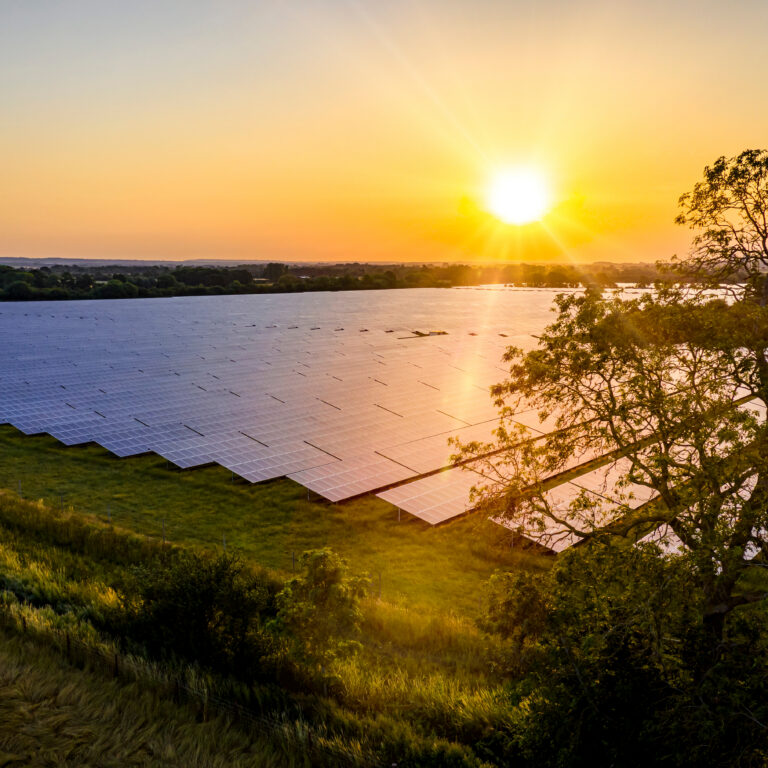
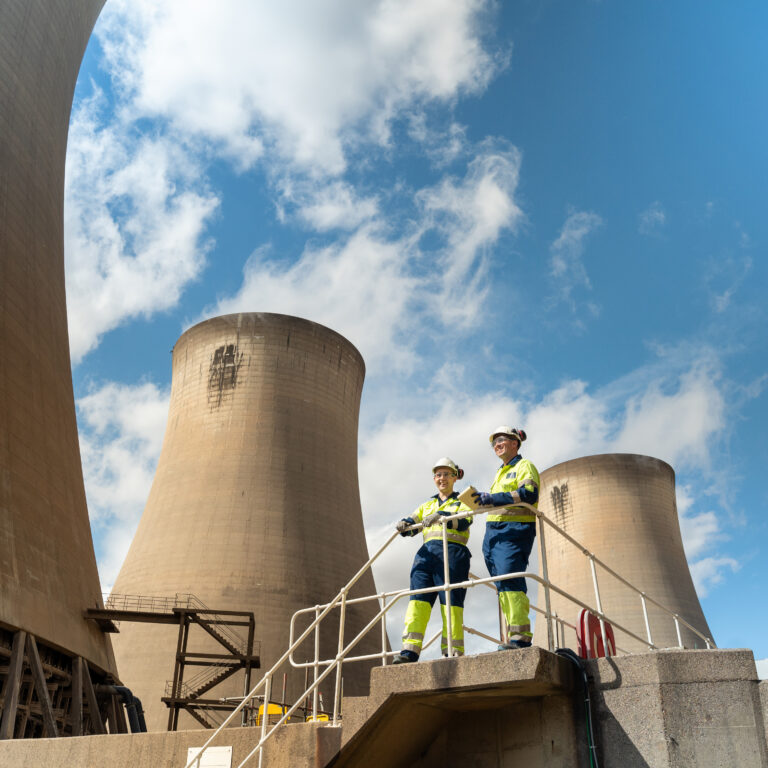
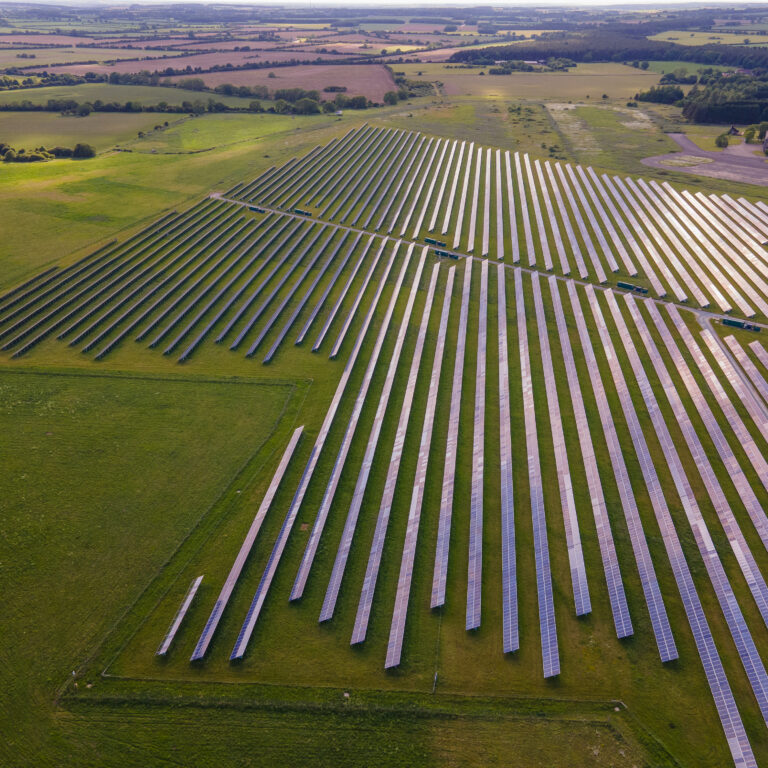
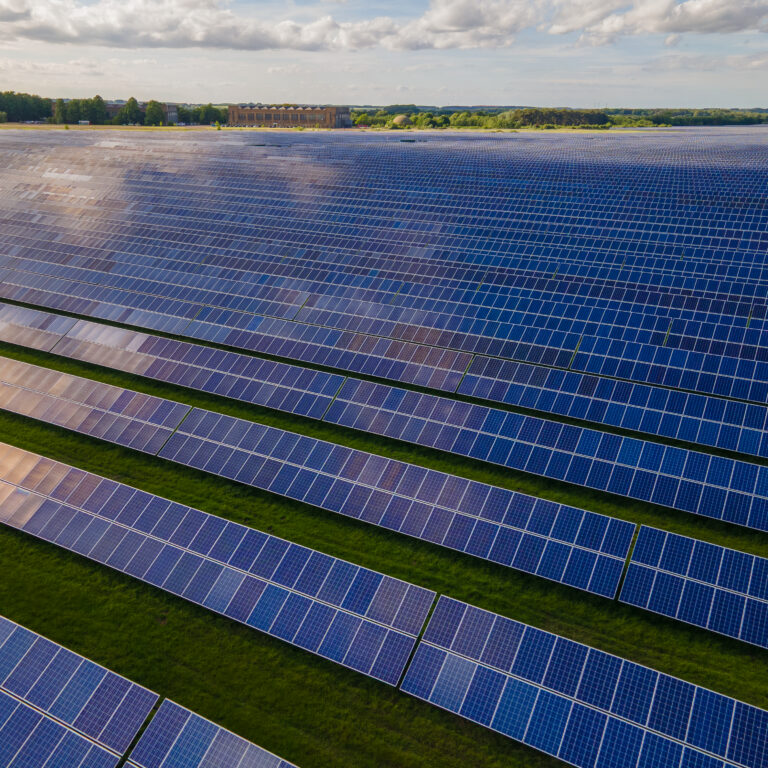
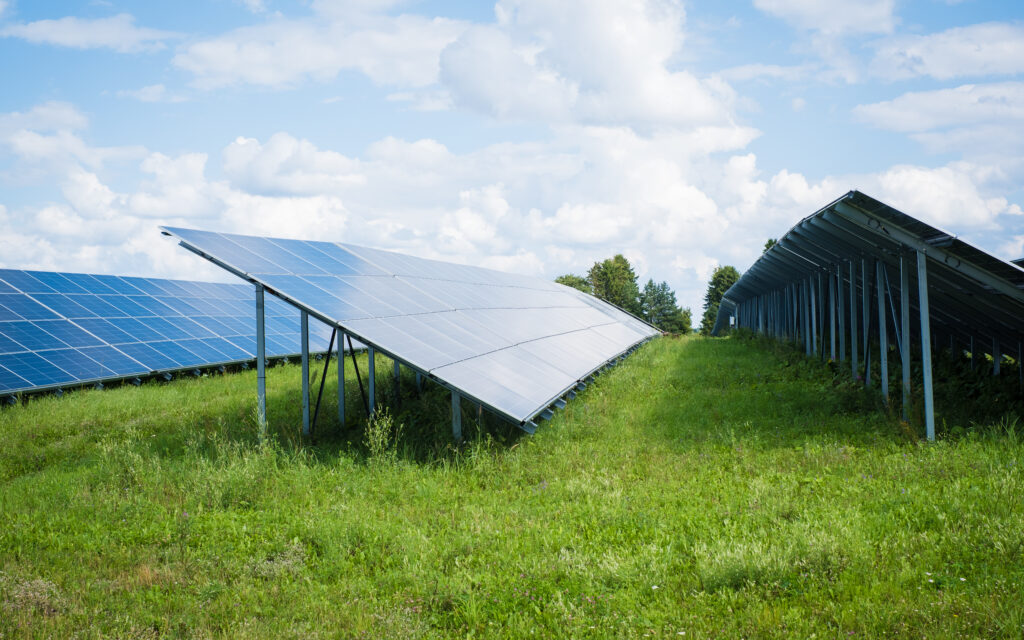
Seasonal demand swings are nothing new, and for decades have proved a rule that traditional, dispatchable assets like Drax Power Station are the backbone of our energy security. But in this week of warm weather and unprecedented low demand, solar has generated as much as half of the power Britain consumed – an unthinkable achievement ten years ago.
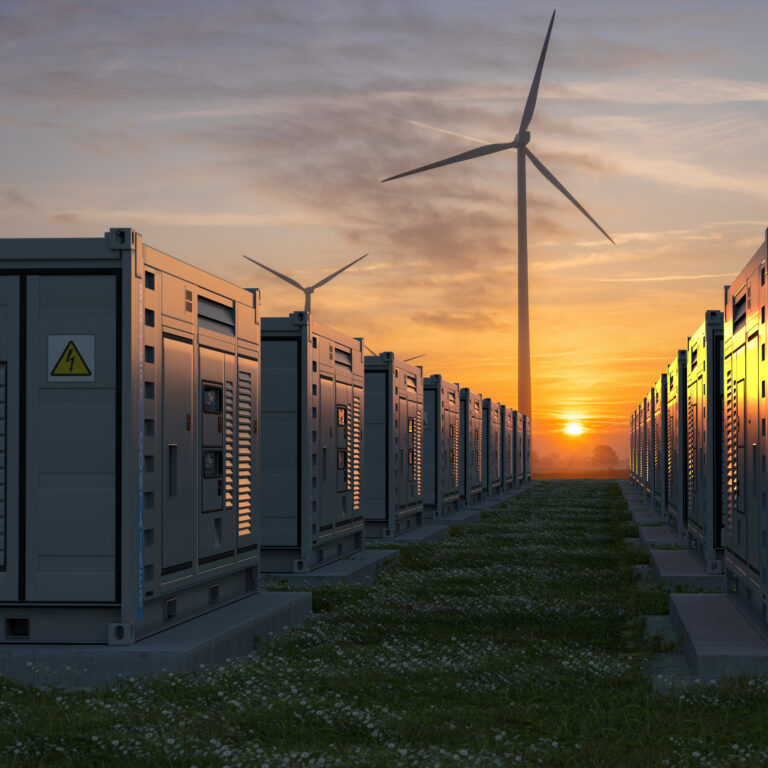
Intermittent wind and solar, battery storage, electric vehicles and AI are changing our energy system profoundly and in real time. How government, the system operator and companies like Drax manage this change can be measured not in the millions but in the billions of pounds of difference to the British economy every year.
At Drax our mission has always been to deliver what the country needs. For over sixty years, our assets have provided secure electricity to millions of the UK’s households and businesses. When climate change became a national imperative, we did what many thought impossible and transformed Western Europe’s largest coal fired power station into Britain’s largest single source of renewable electricity. Today, we are once more investing to deliver in the national interest.
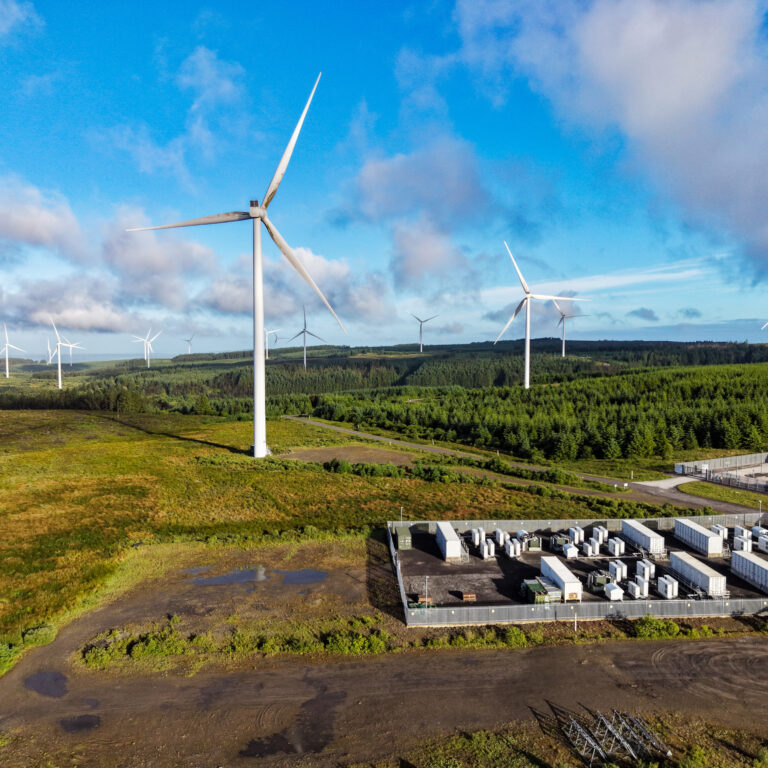
Our recommended offer for Bluefield Solar Income Fund is a key moment for our business and its next phase. This would be the largest deal in our history, and with BESS and OCGT development sites included, our renewable generation business and flexible generation assets combined will have a larger power capacity of over 3GW than Drax Power Station’s 2.6GW for the first time.
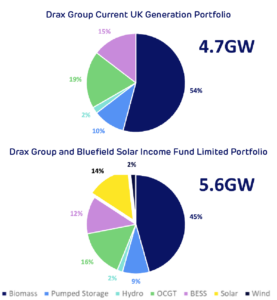
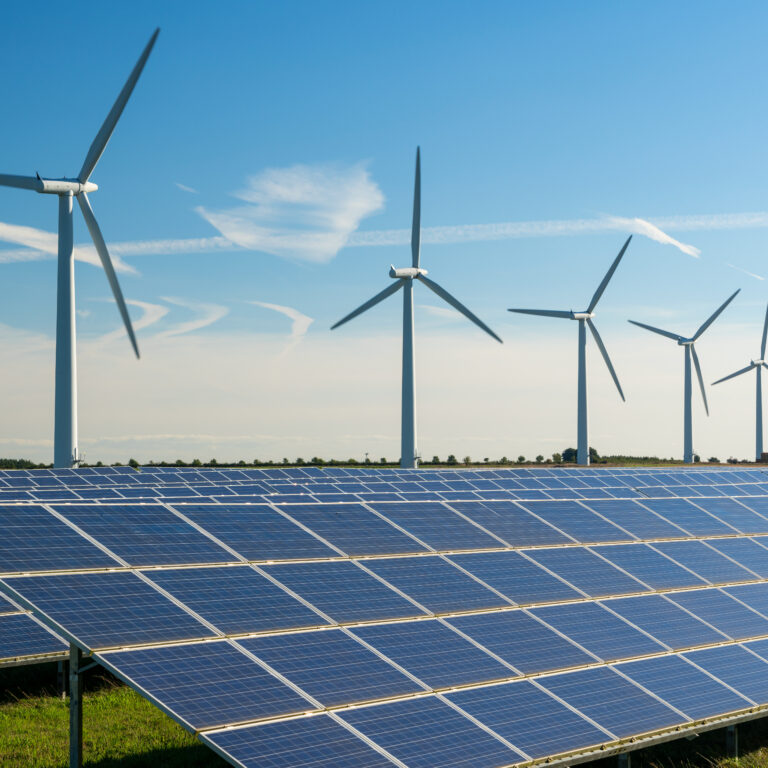
Potentially adding around 900MW of solar and wind with another 2.9GW pipeline of development, including JVs, into the Drax portfolio could mean we are able to keep the lights on whether it is a baking hot bank holiday or a damp and dreary January. And critically the cost of power generated by solar and wind is not impacted by the ongoing situation in the Strait of Hormuz.
We’re building a diverse portfolio of hydro, batteries, gas, and now potentially wind and solar alongside a trading capability that will enable us to help deliver the UK’s energy security efficiently and affordably. We’re proud to have been at the heart of Britain’s energy system for sixty years, and we’re investing in and evolving our business now to ensure we continue to deliver what the country needs for decades to come.
Please find the full announcement of the recommended acquisition of BSIF through the following link: https://polaris.brighterir.com/public/drax_group/news/rns/story/r7kk2zw