





This story first appeared in The Sunday Times Scotland.
By Ross McKenzie, Chief Corporate Affairs and Sustainability Officer at Drax, and Mariano Ruiz Funes, Group Director of Public Affairs, Policy and Stakeholder Relations at Drax.
While energy is always a key topic during the UK’s party conference season, it felt particularly prominent this year amidst mounting pressure to meet projected demand and the sting of geopolitical conflicts inflating costs. Britain’s energy system is more central than ever to almost every serious conversation about how to grow the economy, increase investment and improve living standards.
Prime Minister Andy Burnham captured this sentiment in his conference speech when he stated, ‘there’s a reason why you can’t build all over the Water Works and the Electric Company on the Monopoly board.’ In her speech, Conservative Party Leader Kemi Badenoch condensed the same point down into three words: ‘energy is growth.’
Parties may disagree on the answer, but it’s evident that soaring energy costs need to be addressed, long-term affordability will require system-level reforms, and economic pressure is changing how the energy transition is perceived.
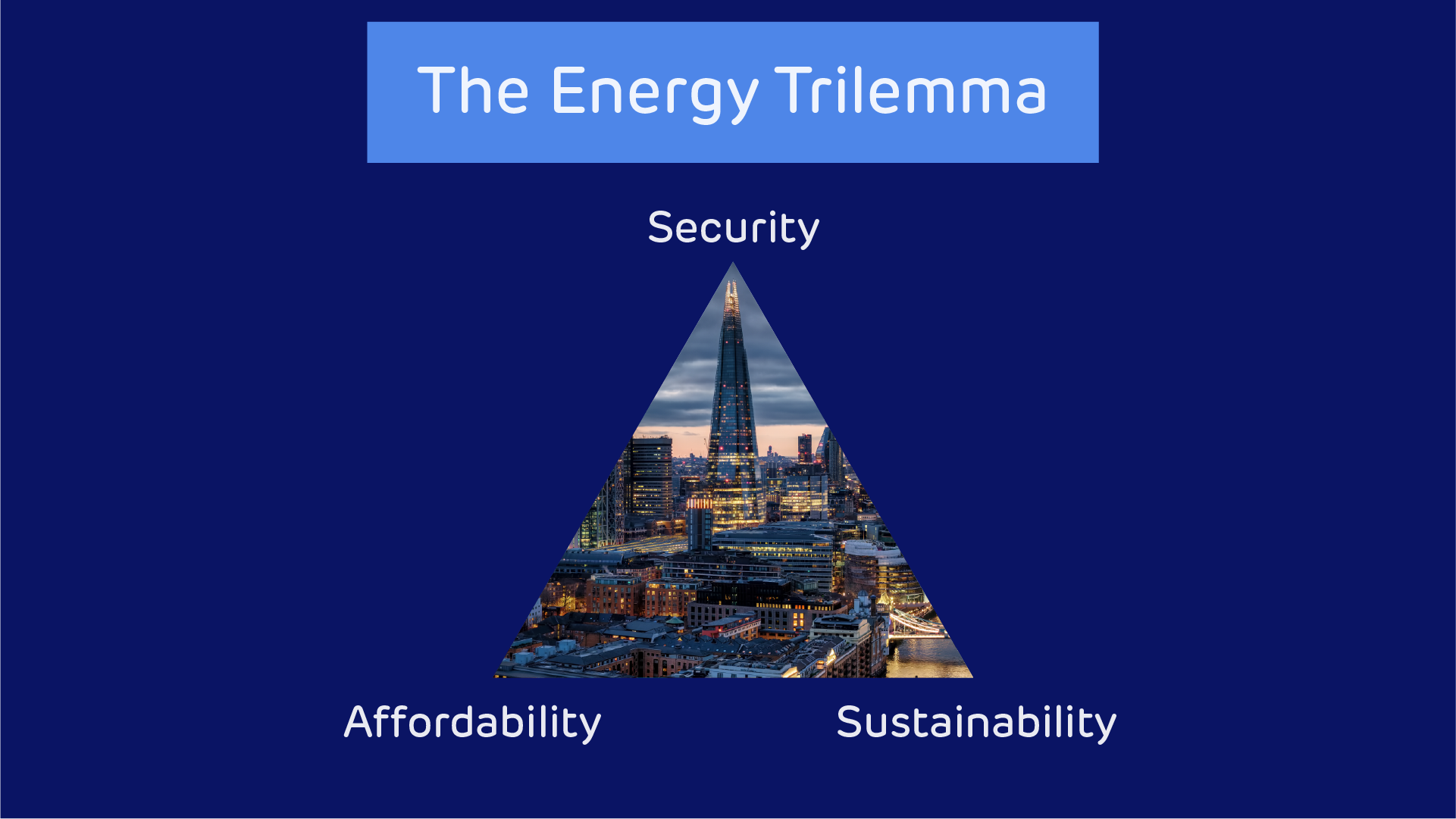
For an energy powerhouse like Scotland, this opens opportunities to support the Government’s ambitions to advance an energy system that reliably meets projected demand while stabilising costs without sacrificing sustainability.
Energy affordability is a crushing concern nationwide
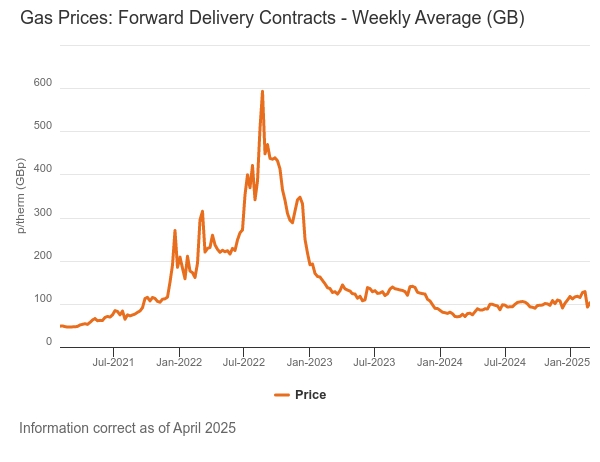
The UK currently has some of the highest energy costs in the world, and geopolitical shocks to energy markets have only exacerbated the issue. Not only has this resulted in additional strain for financially squeezed consumers, but it also harms the nation’s ability to compete for the economic opportunities and innovations that will drive quality of life for years to come.
In Burnham’s words, ‘Businesses need the basics to be functional and affordable too, as does the wider economy.’ The prime minister announced his intent to bring energy costs in line with comparable EU countries within 10 years, with details expected in his upcoming 10-year plan.
Meanwhile, Conservatives’ proposed strategy to tackle energy costs focuses on a shift away from strict Net Zero targets while prioritizing domestic fossil fuel production.
While these proposed approaches diverge in key areas, there is a shared recognition that cost is a product of the broader energy system, and long-term affordability will ultimately require system-level changes.
Cost is a symptom of an energy system that needs reforming
When the energy bill arrives, it measures more than the kWh consumed by a home or business. It represents the infrastructure, policy and regulation, supply chains, technologies, markets, geopolitical climates – even the weather – that all influence the cost of power at that moment in time.
To meaningfully change energy affordability in the long term, the system incorporating all of those cost-driving factors must evolve.
In her speech, Miatta Fahnbulleh, Secretary of State for Energy Security and Net Zero, hammered this point home: ‘Bills…are high because Britain has left itself exposed: exposed to global fossil fuel markets we cannot control; exposed to price shocks; exposed to conflicts happening thousands of miles away. This is not energy security, so we must change it.’
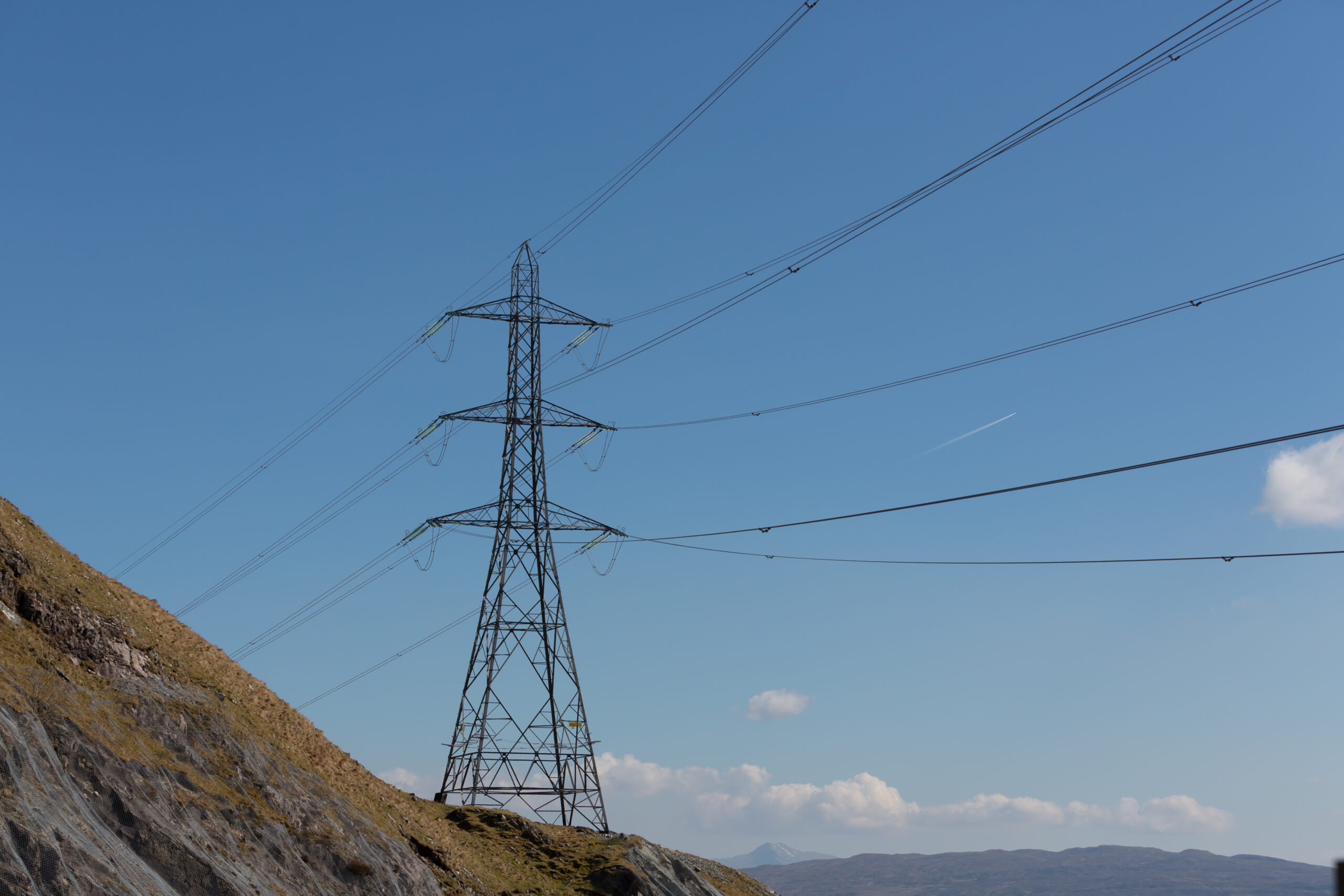
Increasing the share of UK-produced energy on the grid is key to reducing our exposure to global markets, but it’s only one piece of the puzzle. For example, Scotland and northern England produce over half of the nation’s low-carbon power while consuming less than a fifth of it. This often means there is a power surplus that gets exported to other parts of the country, but when the grid’s capacity for transporting electricity gets overwhelmed then power gets wasted – and our nation has spent over £1 billion curtailing excess wind this year alone.
Drax COO Lee Dawes recently called this out as a ‘clear need to improve the network itself [by] continuing to invest in high-voltage transmission infrastructure, including new lines and subsea connections.’
The prime minister also acknowledged that wait times for energy projects to get connected to the grid have become a formidable hurdle: ‘You would not believe how many businesses complain to me they can’t get going because they can’t get connected to the grid. It pushes costs up, it drags growth down, and it holds Britain back. We won’t get the growth and inward investment we need if we don’t fix it.’
Anyone trying to develop major energy infrastructure will recognise this frustration. We are certainly not being constrained by ambition, rather it is the system around it.
To help address these bottlenecks, Conservatives pledged a ‘bonfire of planning rules and environmental regulations’ that currently stall infrastructure development.
Burnham took a more direct approach, announcing plans to launch Great British Grid in a move he said, ‘will increase competition, drive down costs and speed up connections so businesses can expand and grow more quickly.’ This has the potential to be an important part of the solution, but success will be judged on whether it delivers faster connections, greater certainty for investors and helps ensure strategic projects can connect to the grid when they are needed most. The announcement also comes on the heels of NESO’s recent policy change to prioritise projects that are serious and/or strategically vital to the UK.
While these system-level changes can and should also deliver meaningful improvements for energy reliability and sustainability, the key will be to lower costs and open new economic opportunities so consumers and businesses can directly experience that the system is working for them.
Economic pressure is reshaping how the energy transition is valued
Much of the energy transition’s initial momentum came from a fundamental need to prioritise sustainability after decades of neglect. Now, with geopolitical conflicts roiling global energy markets and driving up prices, stabilising energy costs and ensuring reliability are paramount.
Fortunately, the core technologies advancing the energy transition have matured and can now go head-to-head against legacy sources on cost. Wind and solar are often more affordable than fossil fuels, batteries are providing cheaper power to data centres than natural gas turbines, and diversified energy systems are increasingly proving their effectiveness at insulating against market shocks and other disruptions.
Reducing emissions is more critical than ever – as evidenced by the cluster heatwaves that roasted the UK this summer – but sustainability must link to pragmatic benefits to be meaningfully considered in today’s environment.
Increasingly, one of the key benefits being associated with the energy transition is economic opportunity. Not only can modernised energy infrastructure help to attract business investment into specific regions, but it’s seen as a driver of high-quality jobs and skills development. In fact, only five percent of the public would oppose a flexible energy site being built in their area if it brought jobs and apprenticeship opportunities for young people, according to a poll we recently conducted in partnership with More in Common.
A majority (53%) of people don’t see enough opportunities for good, high-skilled jobs where they live. Youth disengagement in particular is a significant and growing challenge, with more than 1 million young people aged 16–24 categorised as NEET in the UK. This creates long-term risks for productivity, wellbeing and social mobility.
Place-based support is critical, particularly for Scotland and other regions outside of London’s centre of gravity, as opportunities and barriers vary significantly across the UK. With the vast resources currently being poured into energy and tech infrastructure development, these industries can play a central role in opening pathways to meaningful employment – particularly for young people from under-served backgrounds.
Fahnbulleh’s speech drove this point home: ‘The transition we are on is not simply an environmental project. It is an economic project; a force for reindustrialisation; one capable of bringing investment back into our cities, into our towns, into our communities.’
Even with the financial pressure from a world in conflict, political leaders and their constituents are recognising energy’s role in prosperity and hailing the energy transition as a potential pathway to better days ahead. With the right system-level support to remove bottlenecks and increase flexibility, Scotland is well positioned to build on its status as an energy powerhouse to attract future economic opportunity, grow meaningful employment and upskilling, and support innovations that will increase quality of life for everyone.