




Archives: Press Release

Ministerial roundtable seeks to unlock investment in UK energy storage

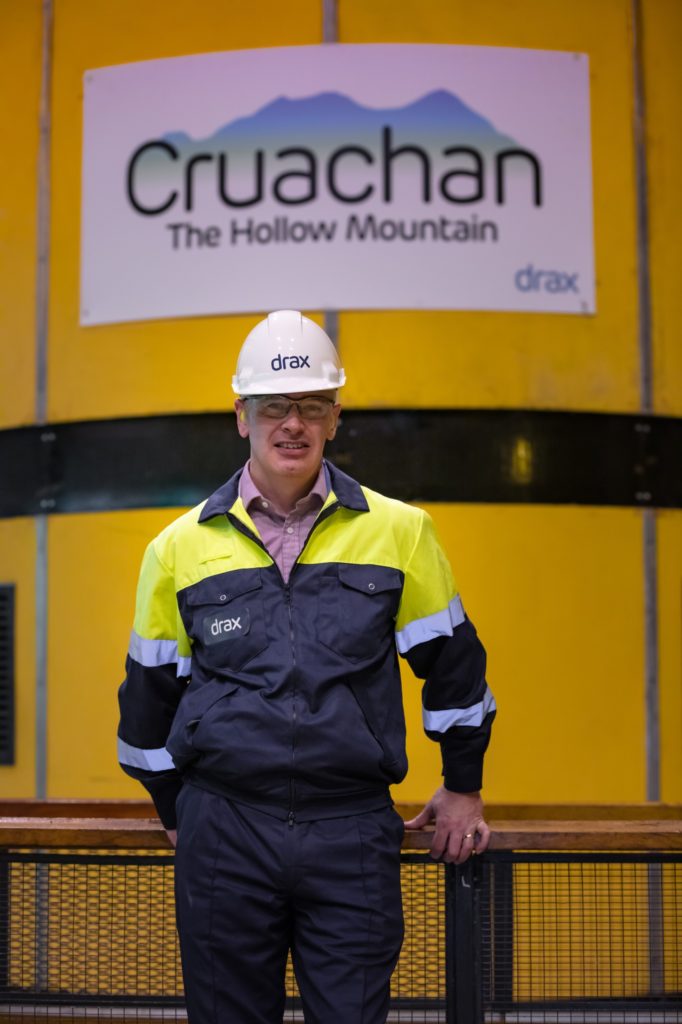
View of Power Station and electricity pylon Where: Cruachan


Business leaders have met with UK Energy Minister the Rt Hon Greg Hands MP to discuss how the government could unlock significant investment in vital energy storage technologies needed to decarbonise the power sector and help ensure greater energy independence.

The meeting was organised by the Long-Duration Electricity Storage Alliance, a new association of companies, progressing plans across a range of technologies to be first of their kind to be developed in the UK for decades.

Representatives from Drax, SSE Renewables, Highview Power and Invinity Energy Systems met with The Rt Hon Greg Hands MP, Minister of State for Business, Energy and Clean Growth on Thursday.

He heard how decarbonising the UK’s electricity system by 2035 will require a range of flexible home-grown, long-duration energy storage (LDES) technologies to strengthen the contribution of cheap but variable renewables and deliver enhanced system stability. A recent report by Aurora showed that the UK may need an eight-fold increase in long-duration electricity storage capacity by 2035.

As such, LDES technologies will not only play a major role in significantly reducing the UK’s reliance on imported gas, and supporting the UK government’s ambitions to supercharge renewables, but they will also deliver massive efficiency gains to the UK grid – helping to lower consumer energy bills.

The Long-Duration Electricity Storage Alliance intends to work with the UK Government to unlock potential developments in new pumped storage hydro capacity and to accelerate the commercial deployment of exciting emerging technologies such as liquid air energy storage and flow batteries, to put the UK in the vanguard of LDES innovation.

Following the meeting, Greg Hands MP said:

“The Long-Duration Electricity Storage Alliance is a key part of our plan to get the full benefit from our world-class renewables sector. Government have already committed £68 million of funding toward the development of these technologies.

“This will support the UK as we shift towards domestically-produced renewable energy that will boost our energy security and create jobs and investment.”

Will Gardiner, Drax Group CEO said:

“Enough renewable electricity from wind to supply around a million UK homes is wasted each year, because there isn’t enough storage available to harness that power and ensure it is available when we need it. We cannot afford to allow that to continue, especially with current concerns around energy security.

“Drax has plans to invest £500m developing 600 MW of additional pumped storage hydro capacity at our Cruachan power station in the West of Scotland – a project which, with the right policies from government, will not only contribute to UK energy security, but also deliver around 1,000 jobs in rural areas during construction.”

Finlay McCutcheon, SSE Renewables, Director of Onshore Europe said:  

“In response to the current situation in the energy markets, the UK needs to not only supercharge cheap renewables but also home-grown long-duration storage technologies to cost-effectively decarbonise the grid and reduce our dependence on imported gas.

“The swift introduction of an adapted Cap & Floor mechanism by government this year could unlock billions of pounds of investment in these vital technologies and create thousands of skilled jobs. As the UK’s clean energy champion, with our consented and shovel-ready 1,500 MW Coire Glas pumped storage project in the Scottish Highlands, we stand ready to play our part.”

Rupert Pearce, Highview Power CEO, added:

Highview Power’s liquid air energy storage technology is ready for commercial deployment and we believe that it can make a substantial contribution to the UK’s net zero ambitions for the UK grid. As we move into the delivery phase for our matured technology, we recognise that the UK leads the world in innovation in the UK grid and has already made extraordinary strides in admitting renewables to its system.

“We are very grateful for the UK Government’s strong interest in LDES and their willingness to engage with UK industry, to accelerate and embed key LDES capabilities in the UK economy, and to create UK leaders in a fast-emerging global LDES marketplace.”

Larry Zulch, CEO of Invinity Energy Systems, said:

“Wind and solar power will clearly play an increasing role in the UK’s long-term energy security, reducing reliance on imported gas and supporting climate goals. Renewable energy requires energy storage to fill in the missing hours and make zero-carbon electricity available when it is needed, not just when the wind is blowing, or the sun is shining. The more dependent the UK is on renewables, the more urgent it is that long-duration energy storage, such as that provided by Invinity’s vanadium flow batteries, be made available.

“We couldn’t be more pleased to see the UK take a leadership role in the deployment of long duration energy storage projects and welcome further Government policy and investment support to facilitate the rapid adoption of critical energy storage technology.”

ENDS

Media Contacts

Drax: Aidan Kerr [email protected] T: 07849090368

SSE Renewables: Richard Holligan [email protected] T: 07341 725026

Highview Power:  Wendy Prabhu [email protected] t: +44.203.617.1930

Invinity: Joe Worthington [email protected]  T: 0204 5510361

Editor’s Notes

The four companies are progressing development plans on their separate projects:

  • Drax is currently progressing plans to build a new underground pumped hydro storage power station at its existing Cruachan site in Argyll, Scotland.
  • SSE Renewables is currently progressing plans to build the 1,500 MW Coire Glas pumped storage hydro project on the shores of Loch Lochy in the Scottish Highlands. It would more than double Great Britain’s existing electricity storage capacity.
  • Highview Power is developing a liquid air energy storage plant at Trafford Energy Park, just outside Manchester.
  • Invinity Energy Systems energised a 5MWh Vanadium Flow Battery at the Energy Superhub Oxford in December 2021 and was recently awarded BEIS funding for the first phase of a project aiming to deliver the UK’s largest co-located solar + energy storage project.
  • Long-duration electricity storage can be defined as technologies that are able to respond to supply and demand variations caused by daily peaks, weather events and seasonal patterns, providing power for more than four hours at their full capacity.
  • The UK government’s 2021 Smart Systems and Flexibility Plan recognised long-duration electricity storage as “…essential for achieving net zero”.
  • The government held a call for evidence to hear the industry’s views on de-risking investment which closed in September 2021 and aims to evaluate options and respond early this year.
  • A recent report from Aurora Energy Research showed that up to 24 GW of long-duration electricity storage – equivalent to eight times the current installed capacity – could be needed to integrate wind power into a secure net zero electricity system.
  • The last long duration electricity storage project to be built in the UK was Dinorwig pumped hydro storage power station in 1984, the last of four PSH power stations built before privatisation of the electricity markets.
  • Since then, despite their vital role in enabling more renewable power to come online, no others have been built due to the barriers that exist to securing private investment in projects.
  • A number of options exist for reforming the market to incentivise long-duration electricity storage, with a report published in January by KPMG recommending a cap and floor mechanism to be introduced.

About Drax

Drax Group’s purpose is to enable a zero carbon, lower cost energy future and in 2019 announced a world-leading ambition to be carbon negative by 2030, using Bioenergy with Carbon Capture and Storage (BECCS) technology.

Drax’s around 3,000 employees operate across three principal areas of activity – electricity generation, electricity sales to business customers and compressed wood pellet production and supply to third parties. For more information visit www.drax.com

Drax donates £280,000 to support humanitarian effort in Ukraine

Renewable energy company Drax Group is donating £280,000 to the Disasters Emergency Committee Ukraine Humanitarian Appeal to support relief efforts for the Ukrainian people following Russia’s invasion.

The sum includes £30,000 of employee match funding from Drax’s employees based in the UK, US and Canada, maximising its collective impact to help those fleeing the conflict.

Drax CEO Will Gardiner said:

Will Gardiner, Chief Executive Officer, Drax Group

Drax CEO, Will Gardiner

“Our first concern is for the Ukrainian people – for their safety and wellbeing. Drax stands behind and recognises their bravery and we hope this donation will go some way to helping those most in need.

“Like many others around the world, I absolutely condemn the Russian invasion. The resolute stance of NATO, the EU and many companies is heartening, but the situation for those in Ukraine is very worrying.”

The DEC Ukraine Humanitarian Appeal aims to provide food, water, shelter, healthcare and protection to families fleeing the conflict who have left their homes.

Drax has ceased the supply of a very small percentage of Russian biomass used at its power station in Yorkshire to generate renewable electricity and is working with its suppliers and customers to identify any further links to Russia.

Drax’s biomass supply chain is large and diversified with the vast majority of its supply coming from long-standing allies, the US and Canada.

ENDS

Picture captions: DEC logo and Drax CEO Will Gardiner

Media contacts:

Selina Williams
Media Manager
E: [email protected]
T: 07912 230 393  

About Drax

Drax Group’s purpose is to enable a zero carbon, lower cost energy future and in 2019 announced a world-leading ambition to be carbon negative by 2030, using Bioenergy with Carbon Capture and Storage (BECCS) technology.

Its 3,400 employees operate across three principal areas of activity – electricity generation, electricity sales to business customers and compressed wood pellet production and supply to third parties. For more information visit www.drax.com

Drax starts operations at Leola satellite pellet plant in Arkansas

Leola, in Grant County, Arkansas is part of a $40 million investment by Drax in the state, creating approximately 30 new direct jobs across all the three sites planned for Arkansas as well as many more indirect jobs.

Including Leola, Drax’s operates six pellet plants in the US, which use biomass sourced from sustainably managed working forests in Louisiana, Arkansas and Mississippi. The pellets are used at Drax Power Station in England to generate renewable electricity for millions of UK homes and businesses.

Drax’s conversion of its UK power station to sustainable biomass from coal was Europe’s largest decarbonisation project, reducing emissions from Drax’s power generation by 90% since 2012. Sustainable biomass is enabling Drax’s plans to deploy bioenergy with carbon capture and storage (BECCS) – a pioneering negative emissions technology which permanently removes millions of tonnes of carbon dioxide from the atmosphere.

Matt White, Drax Executive Vice President, Pellet Operations said:

“Drax has made excellent progress in delivering our $40m investment in Arkansas, with Leola – the first of three planned satellite pellet plants – now in operation.

“The investments we’re making will bring 30 direct jobs and many more indirect jobs and opportunities to rural communities in Arkansas alongside supporting international efforts to tackle climate change. These plants support Drax’s plans to develop bioenergy with carbon capture and storage – a vital negative emissions technology that will be needed around the world to tackle the climate emergency.”

The three satellite plants in Arkansas are expected to produce a total of around 120,000 tonnes of sustainable biomass pellets a year from sawmill residues. This supports Drax’s plans to double its pellet production capacity to 8 million tonnes by 2030 to meet its own requirements, as well as its customers’ needs in Europe and Asia, amid an expected increase in global demand for the low-carbon fuel.

The satellite plants are located near sawmills, so they can use the sawdust and other by-products produced when timber is processed, to make the pellets. Siting the pellet facilities near sawmills reduces infrastructure, operational, and transportation costs.

Construction of the second Arkansas satellite plant in Russellville, Pope County is underway with commissioning expected this year. Drax is continuing to develop plans for a third plant.

Picture caption: Aerial view of the Drax Leola pellet plant site in Grant County, Arkansas.

Media contacts:

Selina Williams
Media Manager
E: [email protected]
T: +44 7912 230 393

Editor’s Notes

  • The sustainable biomass pellets produced at the new satellite plants will be transported to Bruce Oakley terminal in Little Rock, Ark. before being shipped south to Louisiana to oceangoing vessels.
  • Each pellet plant is expected to produce 40kt per year, with the cluster expected to produce120kt per year in total.
  • In addition to Leola, Drax has 13 operational pellet plants across the US South and Western Canada with nameplate capacity of c.4Mt, plus a further plant currently commissioning (in Demopolis, Alabama), with other developments/expansions which will increase production capacity to c.5Mt.
  • The pellets are produced using materials sourced from sustainably managed working forests and are supplied to Drax’s power station in the UK and third-party customers in Europe and Asia to generate renewable power.
  • In 2020, around 43% of the material used to produce the pellets used to generate renewable power at Drax Power Station came from sawmill residues (sawdust and other by-products). The rest came from low-grade material such as treetops, limbs and misshapen and diseased trees not suitable for other use and thinnings – small trees removed to maximise the growth of the forest.

About Drax

Drax Group’s purpose is to enable a zero carbon, lower cost energy future and in 2019 announced a world-leading ambition to be carbon negative by 2030, using Bioenergy with Carbon Capture and Storage (BECCS) technology.

Its 3,400 employees operate across three principal areas of activity – electricity generation, electricity sales to business customers and compressed wood pellet production and supply to third parties. For more information visit www.drax.com

Power generation:

Drax owns and operates a portfolio of renewable electricity generation assets in England and Scotland. The assets include the UK’s largest power station, based at Selby, North Yorkshire, which supplies five percent of the country’s electricity needs.

Having converted Drax Power Station to use sustainable biomass instead of coal it has become the UK’s biggest renewable power generator and the largest decarbonisation project in Europe. It is also where Drax is piloting the groundbreaking negative emissions technology BECCS within its CCUS (Carbon Capture Utilisation and Storage) Incubation Area.

Its pumped storage, hydro and energy from waste assets in Scotland include Cruachan Power Station – a flexible pumped storage facility within the hollowed-out mountain Ben Cruachan.

The Group also aims to build on its BECCS innovation at Drax Power Station with a target to deliver 4Mt of negative CO2 emissions each year from new-build BECCS outside of the UK by 2030 and is currently developing models for North American and European markets.

Pellet production and supply:

The Group has 13 operational pellet plants with nameplate capacity of c.4Mt, plus a further two plants currently commissioning and other developments/expansions which will increase this to c.5Mt once complete.

Drax is targeting 8Mt of production capacity by 2030, which will require the development of over 3Mt of new biomass pellet production capacity. The pellets are produced using materials sourced from sustainably managed working forests and are supplied to third party customers in Europe and Asia for the generation of renewable power.

Drax’s pellet mills supply around 30% of the biomass used at its own power station in North Yorkshire, England to generate flexible, renewable power for the UK’s homes and businesses.

Customers:  

Drax is the largest supplier of renewable electricity to UK businesses, supplying 100% renewable electricity as standard to more than 370,000 sites through Drax and Opus Energy.

It offers a range of energy-related services including energy optimisation, as well as electric vehicle strategy and management.

To find out more go to the website www.energy.drax.com
North American sustainable biomass pellet producers Pinnacle and Drax Biomass rebrand to Drax

Drax Group acquired Pinnacle, which has operations across British Columbia and Alberta in Canada and Alabama in the US, last year. Drax’s existing operations in the US South were known as Drax Biomass.

Drax Group has 17 pellet plants and developments in the US and Canada, which use byproducts from sustainably managed working forests, such as sawmill and forestry residues, for pellet feedstock. The pellets are used at Drax Power Station in England to generate renewable electricity for millions of UK homes and businesses or are sold to customers in Europe and Asia seeking to decarbonise their power sectors to meet their climate commitments.

Staff at the Drax Meadowbank site

Drax is also developing a pioneering negative emissions technology – bioenergy with carbon capture and storage (BECCS) which permanently removes millions of tonnes of carbon dioxide from the atmosphere. The world’s leading climate scientists at the UN’s IPCC say BECCS is critical to addressing the climate emergency.

Matt White, Executive Vice President, Pellet Operations

Drax’s Executive Vice President of Pellet Operations Matt White said:

“Last year’s acquisition of Pinnacle advanced Drax’s strategy to increase sustainable biomass production capacity and reduce costs, creating the world’s leading biomass generation and supply business that is well placed to play a critical role in helping countries to meet net zero.

“We have made good progress integrating Pinnacle and this rebrand will provide a firm foundation for the business to meet the expected growth in global demand for sustainable biomass and our negative emissions technology BECCS.”

Drax plans to increase its annual pellet production capacity to 8 million tonnes by 2030 from around 4 million tonnes currently and is doubling global pellet sales to 4Mt by 2030 to meet an expected increase in global demand for the low-carbon fuel.

Drax is the UK’s largest source of renewable power by output, and the UK’s largest supplier of renewable electricity to businesses. The conversion of Drax Power Station to use sustainable biomass instead of coal was Europe’s largest decarbonisation project and reduced the company’s generation emissions by over 90% in under a decade.

ENDS

Top image image: Staff installing the new signage at the Drax Prince George site

Media contacts:

Karen Brandt
Communications, Canada
E:  [email protected]
T: +1 250 510 0545

Selina Williams
Media Manager
E: [email protected]
T: +44 7912 230 393

Editor’s Notes

  • Drax’s compressed wood pellets are produced using materials sourced from sustainably managed working forests.
  • In 2020, around 43% of the material used to produce the pellets used to generate renewable power at Drax Power Station in the UK came from sawmill residues (sawdust and other byproducts).
  • The rest came from low-grade forestry residuals and byproducts such as treetops, limbs and misshapen and diseased trees not suitable for other use and thinnings – small trees removed to maximise the growth of the forest.
  • Drax is rebranding the pellet mills it fully owns and is working with joint-venture partners at the six pellet mills it has interests in to ensure they are also branded appropriately.
  • Drax has interests in Canadian plants in Houston, Smithers, High Level and Lavington and US plants Aliceville and Demopolis in Alabama.

About Drax

Drax Group’s purpose is to enable a zero carbon, lower cost energy future and in 2019 announced a world-leading ambition to be carbon negative by 2030, using Bioenergy with Carbon Capture and Storage (BECCS) technology.

Its 3,400 employees operate across three principal areas of activity – electricity generation, electricity sales to business customers and compressed wood pellet production and supply to third parties. For more information visit www.drax.com

Power generation:

Drax owns and operates a portfolio of renewable electricity generation assets in England and Scotland. The assets include the UK’s largest power station, based at Selby, North Yorkshire, which supplies five percent of the country’s electricity needs.

Having converted Drax Power Station to use sustainable biomass instead of coal it has become the UK’s biggest renewable power generator and the largest decarbonisation project in Europe. It is also where Drax is piloting the groundbreaking negative emissions technology BECCS within its CCUS (Carbon Capture Utilisation and Storage) Incubation Area.

Its pumped storage, hydro and energy from waste assets in Scotland include Cruachan Power Station – a flexible pumped storage facility within the hollowed-out mountain Ben Cruachan.

The Group also aims to build on its BECCS innovation at Drax Power Station with a target to deliver 4Mt of negative CO2 emissions each year from new-build BECCS outside of the UK by 2030 and is currently developing models for North American and European markets.

Pellet production and supply:

The Group has 13 operational pellet plants with nameplate capacity of c.4Mt, plus a further two plants currently commissioning and other developments/expansions which will increase this to c.5Mt once complete.

Drax is targeting 8Mt of production capacity by 2030, which will require the development of over 3Mt of new biomass pellet production capacity. The pellets are produced using materials sourced from sustainably managed working forests and are supplied to third party customers in Europe and Asia for the generation of renewable power.

Drax’s pellet mills supply around 30% of the biomass used at its own power station in North Yorkshire, England to generate flexible, renewable power for the UK’s homes and businesses.

Customers: 

Drax is the largest supplier of renewable electricity to UK businesses, supplying 100% renewable electricity as standard to more than 370,000 sites through Drax and Opus Energy.

It offers a range of energy-related services including energy optimisation, as well as electric vehicle strategy and management.

To find out more go to the website www.energy.drax.com
Drax celebrates National Apprenticeship Week with masterclass for students and teachers

Drax is partnering with local schools during National Apprenticeship Week (7th-11th February) as part of its commitment to helping young people kickstart their careers.

The energy company is offering interactive sessions for students and teachers in years 11-13 to raise awareness of the apprenticeships that Drax and other businesses have to offer.

The sessions will include an overview of everything related to apprenticeships and the opportunities that are available, tips for the application process and a Q&A session with some of Drax’s own apprentices. Students will also receive a writing guide to help them develop or polish up their CVs.

Karen McKeever, Drax’s Chief HR Officer, said: “National Apprenticeship Week is a great opportunity to demonstrate the value of apprenticeships and highlight them as a potential career pathway.

This year’s theme for National Apprenticeship Week of ‘Build the Future’ is especially important to Drax as we strive to equip our region’s workforce with the education and skills needed to work on climate-saving technologies like bioenergy with carbon capture (BECCS).”

Sarah Mulholland, Head of Policy at the Northern Powerhouse Partnership, said: “Net zero has the potential to unlock massive economic benefits across the north, particularly in the Humber – but we can only unlock that opportunity through investment in skills.

Businesses like Drax are leading the charge in this area and this initiative will help create a pipeline of workers for green jobs such as in BECCS and other new technologies.

Ultimately, levelling up boils down to creating well-paid jobs across all northern towns and cities, while giving local people the education, skills and transport they need to reach those jobs.”

Last year, Drax announced its Mobilising a Million initiative, which aims to increase social mobility by creating opportunities to support education and improve employability, ensuring the country has the skilled workforce needed to support a post-covid, green economic recovery.

These workshops build on this campaign by encouraging young people to consider the career options available to them, answer any questions they may have and give them the opportunity to hear first-hand from current apprentices.

The ‘Apprenticeships at Drax: What You Need to Know’ sessions will take place on Wednesday 9th February. Teachers and students can register to take part online.

Drax’s long-running apprenticeship scheme is part of its commitment to developing new talent as well as upskilling the workforce across the region. Drax has 52 apprentices as well as 50 existing employees working towards apprenticeship qualifications within the business.

Drax also recently transferred some of its apprenticeship levy to allow smaller local businesses to hire apprentices as part of its commitment to supporting the communities near to its operations.

Photo caption: Some of Drax’s award winning apprentices Ben Senior, Callum O’Grady and Cameron Shipstone

ENDS

Media contacts:

Megan Hopgood
Communications Officer
E:
[email protected]
T: 07936 350 175

Editor’s Notes

Drax has been running an apprenticeship scheme for almost two decades at its eponymous power station in North Yorkshire. In recent years it has extended this across the whole business in the UK, as well as offering internships and graduate schemes as part of its dedication to improving skills and increasing opportunities for young people. For more details go to www.drax.com/careers.

Drax’s craft apprenticeship scheme gives new recruits the opportunity to gain skills and expertise by working alongside highly qualified engineers. It is a four-year programme, and specialises in three engineering disciplines: Mechanical, Electrical and Control & Instrumentation. In addition to engineering disciplines, Drax also offers apprenticeship qualifications in business support areas such as HR, cyber security, and administration. For current vacancies, go to https://www.drax.com/careers/apprenticeships/.

Drax runs a number of other initiatives to support STEM education and skills, including:

Drax plans to deploy the pioneering negative emissions technology, bioenergy with carbon capture and storage (BECCS) at its power station in North Yorkshire. If successful, Drax could develop two BECCS units by 2030, capturing and storing at least 8 million tonnes of COa year.

BECCS at Drax would support over 10,000 jobs at its peak, which is why it is vital that the region’s workforce has the skills needed to implement this green energy technology, enabling the UK to meet its 2050 net zero target whilst generating the renewable electricity the country needs.

Drax has partnered with Selby College to develop the UK’s first educational programme in carbon capture to help ensure that the region has the skilled workforce needed to operate the vital climate saving technology BECCS.

Drax announced its Mobilising a Million initiative in January 2021, when it published its Opportunity Action Plan in partnership with the Social Mobility Pledge led by former Education Secretary, the Rt Hon Justine Greening.

About Drax

Drax Group’s purpose is to enable a zero carbon, lower cost energy future and in 2019 announced a world-leading ambition to be carbon negative by 2030, using Bioenergy with Carbon Capture and Storage (BECCS) technology.

Its 3,400 employees operate across three principal areas of activity – electricity generation, electricity sales to business customers and compressed wood pellet production and supply to third parties. For more information visit www.drax.com

Power generation:

Drax owns and operates a portfolio of renewable electricity generation assets in England and Scotland. The assets include the UK’s largest power station, based at Selby, North Yorkshire, which supplies five percent of the country’s electricity needs.

Having converted Drax Power Station to use sustainable biomass instead of coal it has become the UK’s biggest renewable power generator and the largest decarbonisation project in Europe. It is also where Drax is piloting the groundbreaking negative emissions technology BECCS within its CCUS (Carbon Capture Utilisation and Storage) Incubation Area.

Its pumped storage, hydro and energy from waste assets in Scotland include Cruachan Power Station – a flexible pumped storage facility within the hollowed-out mountain Ben Cruachan.

The Group also aims to build on its BECCS innovation at Drax Power Station with a target to deliver 4Mt of negative CO2 emissions each year from new-build BECCS outside of the UK by 2030 and is currently developing models for North American and European markets.

Pellet production and supply:
The Group has 13 operational pellet plants with nameplate capacity of c.4Mt, plus a further two plants currently commissioning and other developments/expansions which will increase this to c.5Mt once complete.

Drax is targeting 8Mt of production capacity by 2030, which will require the development of over 3Mt of new biomass pellet production capacity. The pellets are produced using materials sourced from sustainably managed working forests and are supplied to third party customers in Europe and Asia for the generation of renewable power.

Drax’s pellet mills supply around 30% of the biomass used at its own power station in North Yorkshire, England to generate flexible, renewable power for the UK’s homes and businesses.

Customers: 

Drax is the largest supplier of renewable electricity to UK businesses, supplying 100% renewable electricity as standard to more than 370,000 sites through Drax and Opus Energy.

It offers a range of energy-related services including energy optimisation, as well as electric vehicle strategy and management.

To find out more go to the website www.energy.drax.com
Drax partners with local businesses to increase career opportunities for young people

Renewable energy company Drax has partnered with businesses local to its operations to help them hire new talent as part of the company’s commitment to supporting education and upskilling.

To help smaller businesses take on apprentices and increase opportunities for young people, Drax has transferred a proportion of its apprenticeship levy to two smaller businesses, construction and equipment company The Bennie Group, based in Northampton, and Hull based EN: Able Futures CIC, which connects young people with apprenticeship opportunities in the construction sector.

Karen McKeever, Drax’s Chief HR Officer, said: “Drax is committed to championing and supporting people in their early careers. Hiring and developing a talented workforce of the future is essential for businesses like ours and we’re pleased to be able to support companies with similar values to us, as well as helping young people in the areas local to our operations to kickstart their careers. We hope this will be a great opportunity for both the company and the apprentices starting out in the industry.”

Matthew Ayres, Group MD of The Bennie Group said: “We are thrilled to have partnered with Drax to deliver two new apprenticeship roles within our equipment solutions business, Bennie Equipment. We would like to thank Drax for their support, which has enabled us to take on additional apprentices and further spread the net of opportunity for these young people.

“We are proud to share the same passion in supporting the next young generation of UK workers in learning a trade, developing practical skills, and kick-starting a career. We are both focused on boosting highly skilled workers across the UK and inspiring the next generation of the UK workforce.”

Keith Holiday, age 19 and Harvey Dobson, age 16 from Hull have started Civil Engineering apprenticeships at Alan Wood & Partners, facilitated by EN: Able Futures as a result of the levy transfer.

Keith said: “My apprenticeship is going really well. At Alan Wood & Partners I’ve been involved in a variety of projects already and I’m learning something new every day. I’ve always been interested in design and I think this apprenticeship will open up a lot of different options for me.”

Julie Deeley, Director of Operations at EN:Able Futures said: “It’s fantastic that Drax has shared its apprenticeship levy with EN:Able Futures, without it Keith and Harvey would not have been able to start their apprenticeships which could have meant them following a completely different career path, one which they may not have enjoyed as much as they are enjoying working at Alan Wood & Partners.

“Nationally the number of apprenticeship starts are falling and EN:Able Futures is working hard to create as many new apprenticeships in construction, housing and civil engineering as possible, helping to generate new career opportunities that help people achieve their aspirations.”

Drax’s long-running apprenticeship scheme is part of its commitment to developing new talent as well as upskilling the workforce across the region. Drax has 52 apprentices as well as 50 existing employees working towards apprenticeship qualifications within the business.

ENDS

Media contacts:

Megan Hopgood
Communications Officer
E: [email protected]
T: 07936350175

Editor’s notes

Drax has been running an apprenticeship scheme for almost two decades at its eponymous power station in North Yorkshire and in recent years has extended this across the whole business as well as offering internships and graduate schemes as part of its dedication to improving skills and increasing opportunities for young people across the region.

Drax runs a number of other initiatives to support STEM education and skills, including:

Applications are now open for Drax’s next work experience for students in Y10-Y12 or S4-S6 in Scotland. For more details go to www.drax.com/careers. The closing date is 23rd January 2022.

Drax recently launched a major public consultation at its North Yorkshire power station to advance its plans to deploy the pioneering negative emissions technology, bioenergy with carbon capture and storage (BECCS). If successful, Drax could develop two BECCS units by 2030, capturing and storing at least 8 million tonnes of CO a year.

Scaling up BECCS at Drax would support over 10,000 jobs at its peak which is why it is vital that the region’s workforce has the skills needed to implement this green energy technology, enabling the UK to meet its 2050 net zero target whilst generating the renewable electricity the country needs.

About Drax

Drax Group’s purpose is to enable a zero carbon, lower cost energy future and in 2019 announced a world-leading ambition to be carbon negative by 2030, using Bioenergy with Carbon Capture and Storage (BECCS) technology.

Its 3,400 employees operate across three principal areas of activity – electricity generation, electricity sales to business customers and compressed wood pellet production and supply to third parties. For more information visit www.drax.com

Power generation:

Drax owns and operates a portfolio of renewable electricity generation assets in England and Scotland. The assets include the UK’s largest power station, based at Selby, North Yorkshire, which supplies five percent of the country’s electricity needs.

Having converted Drax Power Station to use sustainable biomass instead of coal it has become the UK’s biggest renewable power generator and the largest decarbonisation project in Europe. It is also where Drax is piloting the groundbreaking negative emissions technology BECCS within its CCUS (Carbon Capture Utilisation and Storage) Incubation Area.

Its pumped storage, hydro and energy from waste assets in Scotland include Cruachan Power Station – a flexible pumped storage facility within the hollowed-out mountain Ben Cruachan.

The Group also aims to build on its BECCS innovation at Drax Power Station with a target to deliver 4Mt of negative CO2 emissions each year from new-build BECCS outside of the UK by 2030 and is currently developing models for North American and European markets.

Pellet production and supply:

The Group has 13 operational pellet plants with nameplate capacity of c.4Mt, plus a further two plants currently commissioning and other developments/expansions which will increase this to c.5Mt once complete.

Drax is targeting 8Mt of production capacity by 2030, which will require the development of over 3Mt of new biomass pellet production capacity. The pellets are produced using materials sourced from sustainably managed working forests and are supplied to third party customers in Europe and Asia for the generation of renewable power.

Drax’s pellet mills supply around 30% of the biomass used at its own power station in North Yorkshire, England to generate flexible, renewable power for the UK’s homes and businesses.

Customers: 

Drax is the largest supplier of renewable electricity to UK businesses, supplying 100% renewable electricity as standard to more than 370,000 sites through Drax and Opus Energy.

It offers a range of energy-related services including energy optimisation, as well as electric vehicle strategy and management.

To find out more go to the website www.energy.drax.com
Drax donates £10,000 to Shelter

Employees at Britain’s biggest renewable power station have donated over £10,000 to the charity Shelter, which aims to end homelessness and poor housing in Britain.

Drax’s Christmas parties did not go ahead this year, in order to reduce Covid risks, and instead employees were offered a festive hamper or to donate the equivalent value to the charity Shelter.

As a result of the generosity of employees, Drax raised more than £10,000 for the charity, which provides support to thousands of people in the UK who face homelessness and unsafe housing.

Alan Knight, Drax’s Director of Sustainability, said: “I hope the generosity of Drax’s employees will help Shelter to deliver the vital services to those most in need of safe housing this winter.

“Drax has a long history of supporting charities and it is important that we continue to do so especially at the moment, as their ability to fundraise and provide services to vulnerable people has been impacted by the pandemic.”

Drax is committed to supporting the communities local to its operations. It has invested more than £840,000 to support its customers and local communities since the start of the Covid-19 crisis.

ENDS

Media contacts:

Megan Hopgood
Communications Officer
E: [email protected]
T: 07936350175

About Drax

Drax Group’s purpose is to enable a zero carbon, lower cost energy future and in 2019 announced a world-leading ambition to be carbon negative by 2030, using Bioenergy with Carbon Capture and Storage (BECCS) technology.    

Its 3,400 employees operate across three principal areas of activity – electricity generation, electricity sales to business customers and compressed wood pellet production and supply to third parties. For more information visit www.drax.com 

Power generation:  

Drax owns and operates a portfolio of renewable electricity generation assets in England and Scotland. The assets include the UK’s largest power station, based at Selby, North Yorkshire, which supplies five percent of the country’s electricity needs.   

Having converted Drax Power Station to use sustainable biomass instead of coal it has become the UK’s biggest renewable power generator and the largest decarbonisation project in Europe. It is also where Drax is piloting the groundbreaking negative emissions technology BECCS within its CCUS (Carbon Capture Utilisation and Storage) Incubation Area.  

Its pumped storage, hydro and energy from waste assets in Scotland include Cruachan Power Station – a flexible pumped storage facility within the hollowed-out mountain Ben Cruachan.   

The Group also aims to build on its BECCS innovation at Drax Power Station with a target to deliver 4Mt of negative CO2 emissions each year from new-build BECCS outside of the UK by 2030 and is currently developing models for North American and European markets. 

Pellet production and supply:  

The Group has 13 operational pellet plants with nameplate capacity of c.4Mt, plus a further two plants currently commissioning and other developments/expansions which will increase this to c.5Mt once complete.  

Drax is targeting 8Mt of production capacity by 2030, which will require the development of over 3Mt of new biomass pellet production capacity. The pellets are produced using materials sourced from sustainably managed working forests and are supplied to third party customers in Europe and Asia for the generation of renewable power.  

Drax’s pellet mills supply around 30% of the biomass used at its own power station in North Yorkshire, England to generate flexible, renewable power for the UK’s homes and businesses.  

Customers:    

Drax is the largest supplier of renewable electricity to UK businesses, supplying 100% renewable electricity as standard to more than 370,000 sites through Drax and Opus Energy.  

It offers a range of energy-related services including energy optimisation, as well as electric vehicle strategy and management.  

To find out more go to the website www.energy.drax.com 
Potential solution to unlock investment in climate-critical storage technologies

  • With no new long-duration energy storage projects built in the UK since the 1980s, enough wind power to supply more than a million homes was wasted in 2020 as excess renewable power could not be stored anywhere.
  • New report identifies suitable revenue stabilisation mechanism to help unlock private investment in new generation of storage technologies to help stabilise the power grid and enable more renewables to come online – cutting costs and reducing emissions.
  • Drax plans to build UK’s first new pumped storage hydro plant in a generation at its iconic Cruachan facility in Scotland, helping the country meet its climate targets whilst supporting hundreds of jobs.

A new report by KPMG, commissioned by Drax Group, has looked at different revenue stabilisation mechanisms which could be deployed to unlock private investment in these vital storage technologies.

No new long duration storage infrastructure, such as pumped hydro storage power stations, have been built in the UK for more than 30 years. However, KPMG’s analysis has found that an existing mechanism could be part of the solution to attract a wave of new investment in large-scale electricity storage infrastructure projects.

Possible solutions were assessed through a rigorous framework to find which stabilisation regime would not only incentivise investment but would also address system needs and provide best value for money for consumers.

The report found that a cap and floor mechanism, like the regime used to incentivise investment in cross-border interconnectors, is the standout solution to overcome the hurdles currently blocking investment in long duration storage technologies.

This model would reduce risks for investors while at the same time encouraging operators of the new storage facilities to respond to system needs, helping the Electricity System Operator to maintain secure supplies on an increasingly volatile grid.

Penny Small, Drax Group Generation Director, said:

“The UK has decarbonised its electricity system at a faster rate than any other country as a result of the successful deployment of renewables including wind, solar, hydro and sustainable biomass.

“With more long-duration storage, the system would operate more effectively in terms of reducing emissions, cutting costs and maintaining secure supplies. This report sets out a clear pathway to unlock private investment in a new generation of pumped hydro power stations in the UK, and which also gives value for money for consumers.

“Innovative technologies like pumped storage hydro are key to achieving the UK’s net zero target, because they help stop excess renewable power from wind farms going to waste by storing it and making it available at lightning speed when the country needs it.”

Cruachan Power Station

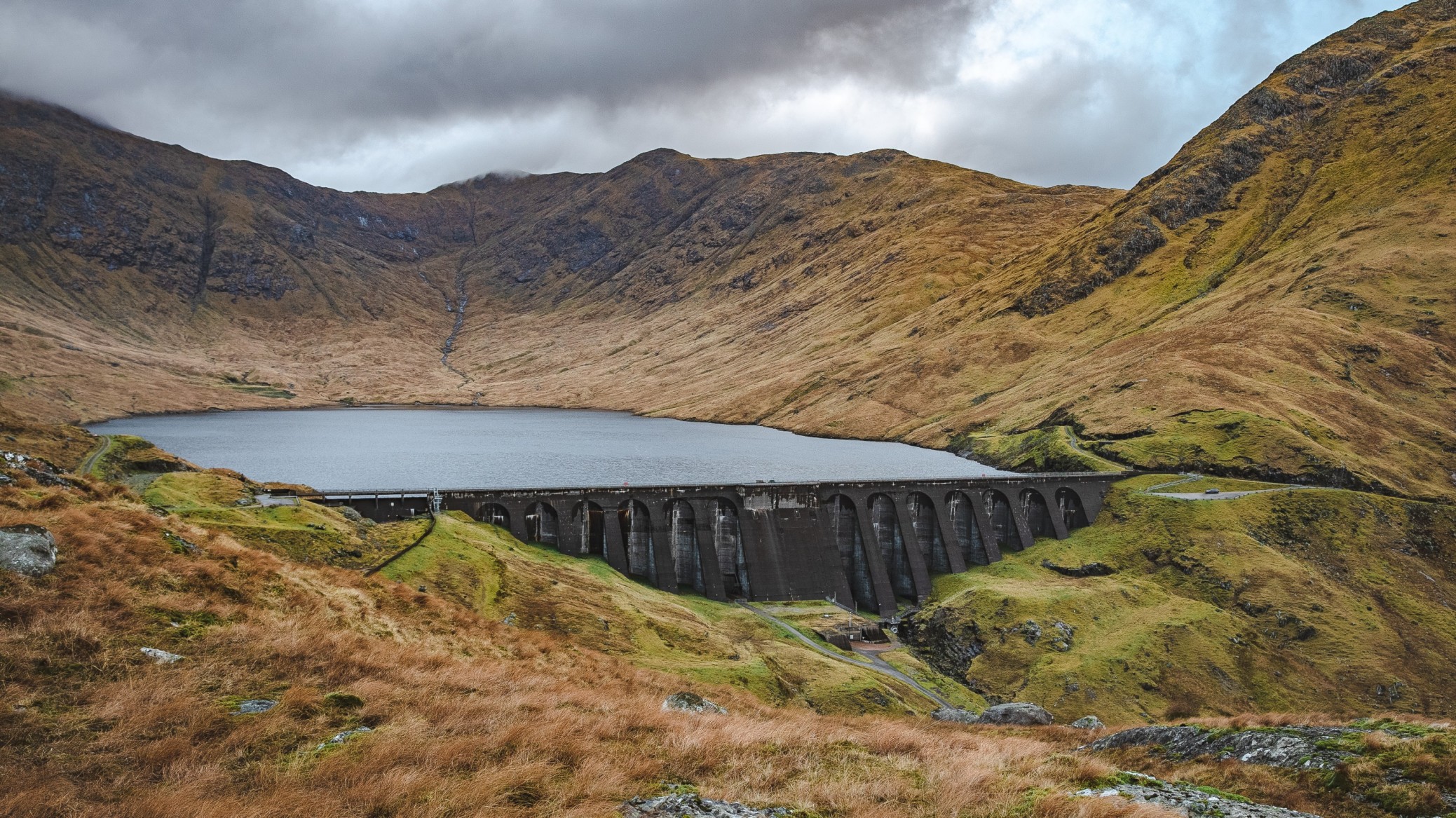
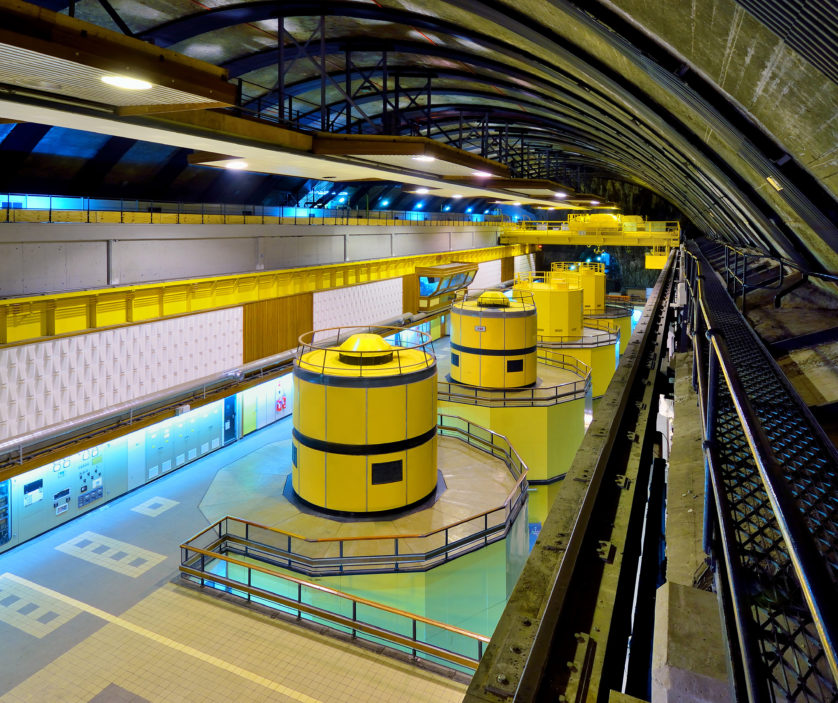
Drax is moving forward with ambitious plans to build a new underground pumped storage hydro plant at its existing Cruachan facility in Argyll, Scotland. The new 600MW station would be built within a new, hollowed-out cavern that would be large enough to fit Big Ben on its side.

Supporting around 900 jobs during its construction, the new facility would bring the site’s total generating capacity to 1.04GW – enough to power more than a million homes – capacity which could be available by 2030 with a suitable investment framework.

Developments such as Cruachan 2 are critical to realising the UK’s climate targets. In 2020 enough wind power to supply a million homes went to waste in the UK because there wasn’t enough capacity to store this excess renewable power.

There are many prospective long duration energy storage projects in the UK, but none have shovels in the ground as businesses require more certainty from the government before giving the green light to development.

ENDS

Media contacts:

Aidan Kerr
Media Manager
E: [email protected]
T: 07849090368 

Editor’s Notes

  • An executive summary of the KPMG report can be found here on the Drax website.
  • The report considered external factors such as the UK’s target to significantly expand offshore wind power to 40GW by 2030 and the rise in power demand from electric vehicles and heat pumps through to 2050.
  • Four investment mechanisms were examined: Contracts for Difference, Regulated Asset Base model, Cap and Floor regime and a reformed Capacity Market.
  • A Cap and Floor regime was found to be the optimal solution against an 11-area assessment framework.
  • The same support regime has been transformational in unlocking private investment in cross-border interconnectors since its launch in 2014. This is because investors can see the project’s annual maximum and minimum revenues over a 25-year period, which reduces risks.
  • Nine interconnector projects with a combined flow capacity of 10.5GW have been awarded agreements during the first two application windows, securing enough capacity to keep the lights on for around 29 million homes if all projects are developed.
  • Separate independent analysis by Lane, Clark and Peacock (LCP) found the UK curtailed 3.6TWh of wind power in 2020, enough renewable electricity to supply around a million homes.
  • Despite their benefits to the grid, attracting private investment in long duration storage technologies has been difficult due to their build times often being longer than the timeframes offered by existing mechanisms designed to incentivise investment in energy infrastructure projects, such as the Capacity Market.
  • You can read more about Drax’s plans to build a new 660MW pumped storage hydro power station at Cruachan here.

About Drax

Drax Group’s purpose is to enable a zero carbon, lower cost energy future and in 2019 announced a world-leading ambition to be carbon negative by 2030, using Bioenergy with Carbon Capture and Storage (BECCS) technology.

Its 3,400 employees operate across three principal areas of activity – electricity generation, electricity sales to business customers and compressed wood pellet production and supply to third parties. For more information visit www.drax.com

Power generation:

Drax owns and operates a portfolio of renewable electricity generation assets in England and Scotland. The assets include the UK’s largest power station, based at Selby, North Yorkshire, which supplies five percent of the country’s electricity needs.
Having converted Drax Power Station to use sustainable biomass instead of coal it has become the UK’s biggest renewable power generator and the largest decarbonisation project in Europe. It is also where Drax is piloting the groundbreaking negative emissions technology BECCS within its CCUS (Carbon Capture Utilisation and Storage) Incubation Area.
Its pumped storage, hydro and energy from waste assets in Scotland include Cruachan Power Station – a flexible pumped storage facility within the hollowed-out mountain Ben Cruachan.
The Group also aims to build on its BECCS innovation at Drax Power Station with a target to deliver 4Mt of negative CO2 emissions each year from new-build BECCS outside of the UK by 2030 and is currently developing models for North American and European markets.

Pellet production and supply:

The Group has 13 operational pellet plants with nameplate capacity of c.4Mt, plus a further two plants currently commissioning and other developments/expansions which will increase this to c.5Mt once complete.
Drax is targeting 8Mt of production capacity by 2030, which will require the development of over 3Mt of new biomass pellet production capacity. The pellets are produced using materials sourced from sustainably managed working forests and are supplied to third party customers in Europe and Asia for the generation of renewable power.
Drax’s pellet mills supply around 30% of the biomass used at its own power station in North Yorkshire, England to generate flexible, renewable power for the UK’s homes and businesses.

Customers:

Drax is the largest supplier of renewable electricity to UK businesses, supplying 100% renewable electricity as standard to more than 370,000 sites through Drax and Opus Energy.


Greenest Christmas: fossil fuels fall to all-time low on Britain’s power grid

Just before midnight yesterday (Wednesday), fossil fuels generated 1.7 GW of electricity – just 6% of the power on Britain’s electricity grid at the time.

Instead of coal and gas supplying most of the country’s electricity like in years gone by, renewable sources such as biomass, wind and hydro were keeping Britain’s lights on.

Renewables generated 24.19 GW – 65% of the country’s entire electricity needs – while fossil fuels were at a new record low.

Power from renewables at 23:45, 29 December 2021:

  • Biomass – 2.34 GW (8.27%)
  • Hydro – 0.3 GW (1.05%)
  • Solar – 0 GW (0%)
  • Wind – 15.62 GW (55.32%)

The new record is a further example of the renewables revolution that has transformed Britain’s power grid in recent years.  A decade ago, at the same time on 30 December 2011, fossil fuels generated 18.78 GW, totalling 58.79% of the country’s power needs.

The carbon intensity of the power system fell to just 125g/KWh during the seven days from Christmas Eve – almost 75% lower than a decade earlier when in 2012 the carbon intensity over the same period was 464g/KWh.

A report by Drax Electric Insights last year found that the UK had decarbonised its power grid over the previous decade faster than any other major economy.

ENDS

Media contacts:

Aidan Kerr
Media Manager
E: [email protected]
T: 07849090368

Editor’s Notes

  • The new all-time low record can be viewed on the Drax Electric Insights dashboard by clicking here.
  • Data from a decade ago can also be accessed from the Drax Electric Insights dashboard.

Carbon intensity of the power system over seven days from December 24:

Carbon intensity g/KWhYear
1252021
1562020
1532019
2142018
1882017
2292016
2292015
4322014
4132013
4642012

About Drax

Drax Group’s purpose is to enable a zero carbon, lower cost energy future and in 2019 announced a world-leading ambition to be carbon negative by 2030, using Bioenergy with Carbon Capture and Storage (BECCS) technology.

Its 3,400 employees operate across three principal areas of activity – electricity generation, electricity sales to business customers and compressed wood pellet production and supply to third parties.

Power generation:

Drax owns and operates a portfolio of renewable electricity generation assets in England and Scotland. The assets include the UK’s largest power station, based at Selby, North Yorkshire, which supplies five percent of the country’s electricity needs.

Having converted Drax Power Station to use sustainable biomass instead of coal it has become the UK’s biggest renewable power generator and the largest decarbonisation project in Europe. It is also where Drax is piloting the groundbreaking negative emissions technology BECCS within its CCUS (Carbon Capture Utilisation and Storage) Incubation Area.

Its pumped storage, hydro and energy from waste assets in Scotland include Cruachan Power Station – a flexible pumped storage facility within the hollowed-out mountain Ben Cruachan.

Pellet production and supply:

Drax owns and has interests in 17 pellet mills in the US South and Western Canada which have the capacity to manufacture 4.9 million tonnes of compressed wood pellets (biomass) a year. The pellets are produced using materials sourced from sustainably managed working forests and are supplied to third party customers in Europe and Asia for the generation of renewable power.

Drax’s pellet mills supply around 30% of the biomass used at its own power station in North Yorkshire, England to generate flexible, renewable power for the UK’s homes and businesses.

Customers: 

Through its two B2B energy supply brands, Haven Power and Opus Energy, Drax supplies energy to 250,000 businesses across Britain.

For more information visit www.drax.com