





Tag: investors

Pricing of offering of Senior Secured Notes due 2025

RNS Number: 8306C
Drax Group PLC (Symbol: DRX)

Drax Group plc (“Drax“) today announced that its indirect wholly owned subsidiary, Drax Finco plc (the “Issuer”), priced its offering (the “Offering“) of euro denominated senior secured notes due 2025 (the “Notes“) in an aggregate principal amount of €250 million.

The Notes will bear interest at an interest rate of 25/per cent. per annum and will be issued at 100 per cent. of their nominal value.

Drax has placed cross-currency swaps to convert the proceeds of the Offering into Sterling, as a result of which the effective Sterling-equivalent interest rate is 3.24 per cent. per annum.  The Notes will extend the Group’s average debt maturity profile and reduce the Group’s overall cost of debt.

Drax intend to use the gross proceeds of the Offering (i) for general corporate purposes, which may include the repayment of indebtedness, and (ii) to pay estimated fees and expenses of the Offering, including Initial Purchasers’ fees and commissions, professional fees and other associated transaction costs.  Drax intend to repay the existing £350 million 4 ¼ per cent. Senior Secured Fixed Rate notes due 2022 issued by the Issuer in full before 31 December 2020.

Enquiries:

Drax Investor Relations: Mark Strafford

+44 (0) 1757 612 491

Media:

 Drax Head of Media and PR: Ali Lewis

+ 44 (0) 203 9434311

Website: www.drax.com

Cautionary Statement

This release is being issued pursuant to Rule 135c under the U.S. Securities Act of 1933, as amended (the “Securities Act“) and is for information purposes only and does not constitute a prospectus or any offer to sell or the solicitation of an offer to buy any security in the United States of America or in any other jurisdiction. Securities may not be offered or sold in the United States of America absent registration or an exemption from registration under the Securities Act. The Notes and related guarantees were offered in a private offering exempt from the registration requirements of the Securities Act and were accordingly offered only to persons outside the United States in compliance with Regulation S under the Securities Act. No indebtedness incurred in connection with any other financing transactions will be registered under the Securities Act.

This communication is directed only at persons who (i) have professional experience in matters relating to investments falling within Article 19(5) of the Financial Services and Markets Act 2000 (Financial Promotion) Order 2005 as amended (the “Order“), (ii) are persons falling within Article 49(2)(a) to (d) (“high net worth companies, unincorporated associations, etc.”) of the Order, (iii) are persons who are outside the United Kingdom, or (iv) are persons to whom an invitation or inducement to engage in investment activity (within the meaning of section 21 of the Financial Services and Markets Act 2000) in connection with the issue or sale of any notes may otherwise lawfully be communicated or caused to be communicated (all such persons together being referred to as “relevant persons”).

Any investment activity to which this communication relates will only be available to, and will only be engaged in with, relevant persons. Any person who is not a relevant person should not act or rely on this document or any of its contents.

This announcement is not a public offering in the Grand Duchy of Luxembourg or an offer of securities to the public under Regulation (EU) 2017/1129, and any amendments thereto.

The Notes are not intended to be offered, sold or otherwise made available to and should not be offered, sold or otherwise made available to any retail investor in the European Economic Area (the “EEA”) or in the United Kingdom (the “UK”). For these purposes, a retail investor means a person who is one (or more) of: (i) a retail client as defined in point (11) of Article 4(1) of Article 4(1) of MiFID II; (ii) a customer within the meaning of the Insurance Distribution Directive), where that customer would not qualify as a professional client as defined in point (10) of Article 4(1) of MiFID II; or (iii) not a qualified investor as defined in Regulation (EU) 2017/1129 (as amended, the “Prospectus Regulation”). Consequently no key information document required by Regulation (EU) No 1286/2014 (as amended, the “PRIIPs Regulation”) for offering or selling the Notes or otherwise making them available to retail investors in the EEA or in the UK will be prepared. Offering or selling the Notes or otherwise making them available to any retail investor in the EEA or in the UK may be unlawful under the PRIIPs Regulation. Any offer of Notes in any Member State of the EEA or in the UK will be made pursuant to an exemption under the Prospectus Regulation from the requirement to publish a prospectus for offers of Notes.

The Manufacturer target market (MiFID II product governance) is eligible counterparties and professional clients only (all distribution channels).

In connection with any issuance of the Notes, a stabilising manager (or person(s) acting on behalf of such stabilising manager) may over-allot Notes or effect transactions with a view to supporting the market price of the Notes at a level higher than that which might otherwise prevail. However, stabilisation may not necessarily occur. Any stabilisation action may begin on or after the date on which adequate public disclosure of the terms of the offer of the Notes is made and, if begun, may be ended at any time, but it must end no later than 30 days after the date on which the issuer received the proceeds of the issue, or no later than 60 days after the date of the allotment of the Notes, whichever is earlier. Any stabilisation action or over-allotment must be conducted by the stabilising manager (or person(s) acting on behalf of the stabilising manager) in accordance with all applicable laws and rules.

Forward Looking Statements

This release includes forward-looking statements within the meaning of the securities laws of certain applicable jurisdictions. These forward-looking statements can be identified by the use of forward-looking terminology, including, but not limited to, terms such as “aim”, “anticipate”, “assume”, “believe”, “continue”, “could”, “estimate”, “expect”, “forecast”, “guidance”, “intend”, “may”, “outlook”, “plan”, “predict”, “project”, “should”, “will” or “would” or, in each case, their negative, or other variations or comparable terminology. These forward-looking statements include, but are not limited to, all statements other than statements of historical facts and include statements regarding Drax’s intentions, beliefs or current expectations concerning, among other things, Drax’s future financial conditions and performance, results of operations and liquidity, strategy, plans, objectives, prospects, growth, goals and targets, future developments in the markets in which Drax participate or are seeking to participate, and anticipated regulatory changes in the industry in which Drax operate. By their nature, forward-looking statements involve known and unknown risks, uncertainties and other factors because they relate to events and depend on circumstances that may or may not occur in the future. Readers are cautioned that forward-looking statements are not guarantees of future performance and are based on numerous assumptions. Given these risks and uncertainties, readers should not rely on forward looking statements as a prediction of actual results.

END
Building back better by supporting negative emissions technologies

CCUS Incubation Unit, Drax Power Station
Rt Hon Rishi Sunak MP, Chancellor of the Exchequer
Rt Hon Alok Sharma MP, Secretary of State for Business, Energy & Industrial Strategy
Rt Hon George Eustice MP, Secretary of State for Environment, Food & Rural Affairs
Rt Hon Grant Shapps MP, Secretary of State for Transport
Rt Hon Michael Gove MP, Chancellor of the Duchy of Lancaster

Dear Chancellor, Secretaries of State,

Building back better by supporting negative emissions technologies

Today our organisations have launched a new coalition with a shared vision: to build back better as part of a sustainable and resilient recovery from Covid-19, by developing pioneering projects that can remove carbon dioxide (CO2) and other pollutants from the atmosphere. Together, we represent hundreds of thousands of workers across some of the UK’s most critical industries, including aviation, energy and farming, each of which contribute billions of pounds each year to the economy.

A growing number of independent experts, including the Committee on Climate Change, Royal Society and Royal Academy of Engineering and the Electricity System Operator, have recognised the crucial role of ‘negative emissions’ or ‘greenhouse gas removal’ technologies in fighting the climate crisis. Whilst we should seek to decarbonise sectors such as aviation, heavy industry and agriculture as far as practically possible, due to technical or commercial barriers it is unlikely we will eliminate their greenhouse gas emissions completely. Negative emissions technologies are critical therefore to balancing out these residual emissions and ensuring we achieve Net Zero in a credible, cost effective and sustainable way.

As well as benefiting the environment, negative emissions technologies and projects can build back a cleaner, greener economy in the wake of Covid-19. The foundations for this are already being laid by our coalition’s members today.

For example:

  • The National Farmers Union has set out a Net Zero vision for the agricultural sector whereby UK farmers harness the ability to capture carbon to create new income streams.
  • The aviation industry through the Sustainable Aviation initiative has identified negative emissions projects, alongside other measures as sustainable jet fuel, as being crucial to greening the industry.
  • In North Yorkshire, Drax is developing plans to combine sustainable biomass with carbon capture technology (BECCS) to create the world’s first carbon negative power station – supporting thousands of jobs in the process.
  • In North East Lincolnshire, Velocys with the support of British Airways is developing the Altalto waste-to-jet fuel project that could produce negative-emission jet fuel once the Humber industrial cluster’s carbon capture and storage infrastructure is established.
  • Finally, Carbon Engineering has announced a partnership with Pale Blue Dot Energy to deploy commercial-scale Direct Air Capture projects in the UK that would remove significant volumes of carbon dioxide from the atmosphere.

With COP26 fast approaching, there is a real and compelling opportunity for the UK Government to demonstrate to the world it is taking a leadership position on negative emissions. Conversely if the UK does not act quickly, it could jeopardise the delivery of projects in the 2020s that can support innovation, learning by doing and the scale-up of negative emissions in the 2030s. It also risks Britain falling behind in the race to scale and commercialise these technologies, with a view to exporting them to other countries around the world to support their own decarbonisation efforts.

We therefore call on this Government, supported by your departments, to pursue the following ‘low regrets’ interventions to support this critical emerging industry:

  1. Adopt a clear, unambiguous commitment to supporting negative emissions in the 2020s and beyond. The last significant reference to negative emissions by Government was in the 2017 Clean Growth Strategy. Between now and the end of the year there is a window of opportunity for the Government to go further, reflecting the changed reality of a Net Zero world and the growing consensus on the need for negative emissions. A clear signal of intent would also give greater confidence to investors and developers in negative emissions projects, in the absence of a long-term strategy.
  2. Develop targeted policies to support viable negative emissions projects in the 2020s. In order to scale up in the 2030s at a pace compatible with the UK’s climate commitments, it is essential that Government works with industry to bring forward early projects in the 2020s that are viable and represent value for money. However, there is no marketplace or regulatory regime in the UK today that incentivises or rewards negative emissions, making financing projects extremely challenging. Dedicated policy frameworks and business models for solutions such as afforestation, BECCS and Direct Air Capture are therefore urgently needed.
  3. Seize the opportunity to make negative emissions a point of emphasis at COP26. The UK has already led the way at a global level by adopting Net Zero as a legally binding target. At COP26, the UK can showcase its further commitment to continuous innovation around the decarbonisation agenda by signposting the early actions it has taken to deploy negative emissions – which other countries will also need to meet their own zero carbon ambitions. This statement would be particularly powerful as it can be credibly supported by several pioneering projects already being undertaken by British businesses and research organisations in this space.

We would welcome the opportunity to meet with each of you to discuss these points in further detail.

Yours,

The Coalition for Negative Emissions

carbon engineering logo carbon removal centre cbi logo
CCSA logo climeworks logo drax logo
energy uk logo heathrow logo iag logo
nfu logo velocys logo

View/download the letter as a PDF

Infrastructure debt facility

Close up of dryer in biomass wood pellet plant

RNS Number : 9331Y
Drax Group PLC (Symbol: DRX)

Drax is pleased to announce that it has agreed a new infrastructure term loan facilities agreement (the “Agreement”) that provides committed facilities of approximately £160 million with a range of maturities between 2024 and 2030(1), further extending Drax’s debt maturity profile.

The facilities have an average margin of 2.07%(2). Taken together with Drax’s existing borrowing, including a carbon-linked ESG(3) facility which was recently extended to 2025, this Agreement further reduces the Group’s all-in cost of debt below 4%.

The Agreement also includes an option for Drax to obtain up to a further £75 million of facilities, if agreed between Drax and its lenders. If utilised, these additional facilities could have a maturity of up to 2030.

The facilities under this Agreement also have a delayed draw(4) and proceeds are expected to be used in the ordinary course of business.

Enquiries:

Drax Investor Relations: Mark Strafford

+44 (0) 7730 763 949

Media:

Drax External Communications: Selina Williams

+44 (0) 7912 230 393

Website: www.drax.com

END
Half year results for the six months ended 30 June 2020

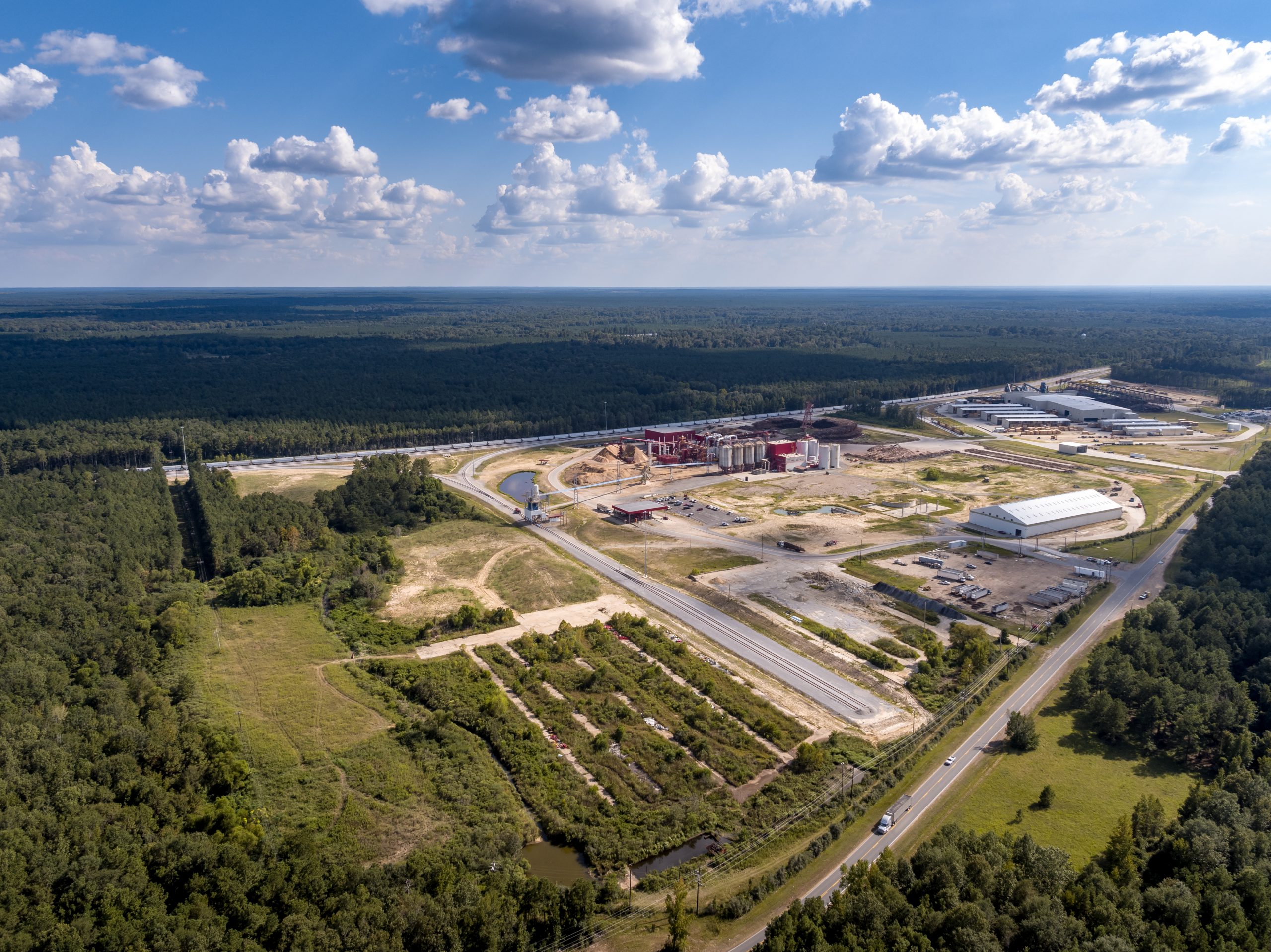
LaSalle BioEnergy (centre) and co-located sawmill (right), Louisiana

RNS Number : 3978U
Drax Group PLC (Symbol: DRX)

Six months ended 30 JuneH1 2020H1 2019
Key financial performance measures
Adjusted EBITDA (£ million) (1)(2)179138
Cash generated from operations (£ million)226229
Net debt (£ million) (3)792924
Interim dividend (pence per share)6.86.4
Adjusted basic earnings per share (pence) (1)10.82
Total financial performance measures
Coal obsolescence charges-224-
Operating (loss) / profit (£ million)-3234
(Loss) / profit before tax (£ million)-614
Basic (loss) / earnings per share (pence)-141

Financial highlights

  • Group Adjusted EBITDA up 30% to £179 million (H1 2019: £138 million)
    • Includes estimated £44 million impact of Covid-19, principally in Customers SME business
    • £34 million of capacity payments (H1 2019: nil) following re-establishment of the Capacity Market
    • Strong biomass performance in both Pellet Production and Generation
  • Strong cash generation and balance sheet
    • £694 million of cash and total committed facilities
    • Extended £125 million ESG CO2 emission-linked facility to 2025
    • DBRS investment grade rating
  • Sustainable and growing dividend
    • Expected full year dividend up 7.5% to 17.1 pence per share (2019: 15.9 pence per share), subject to good operational performance and impact of Covid-19 being in line with current expectations
    • Interim dividend of 6.8 pence per share (H1 2019: 6.4 pence per share) – 40% of full year
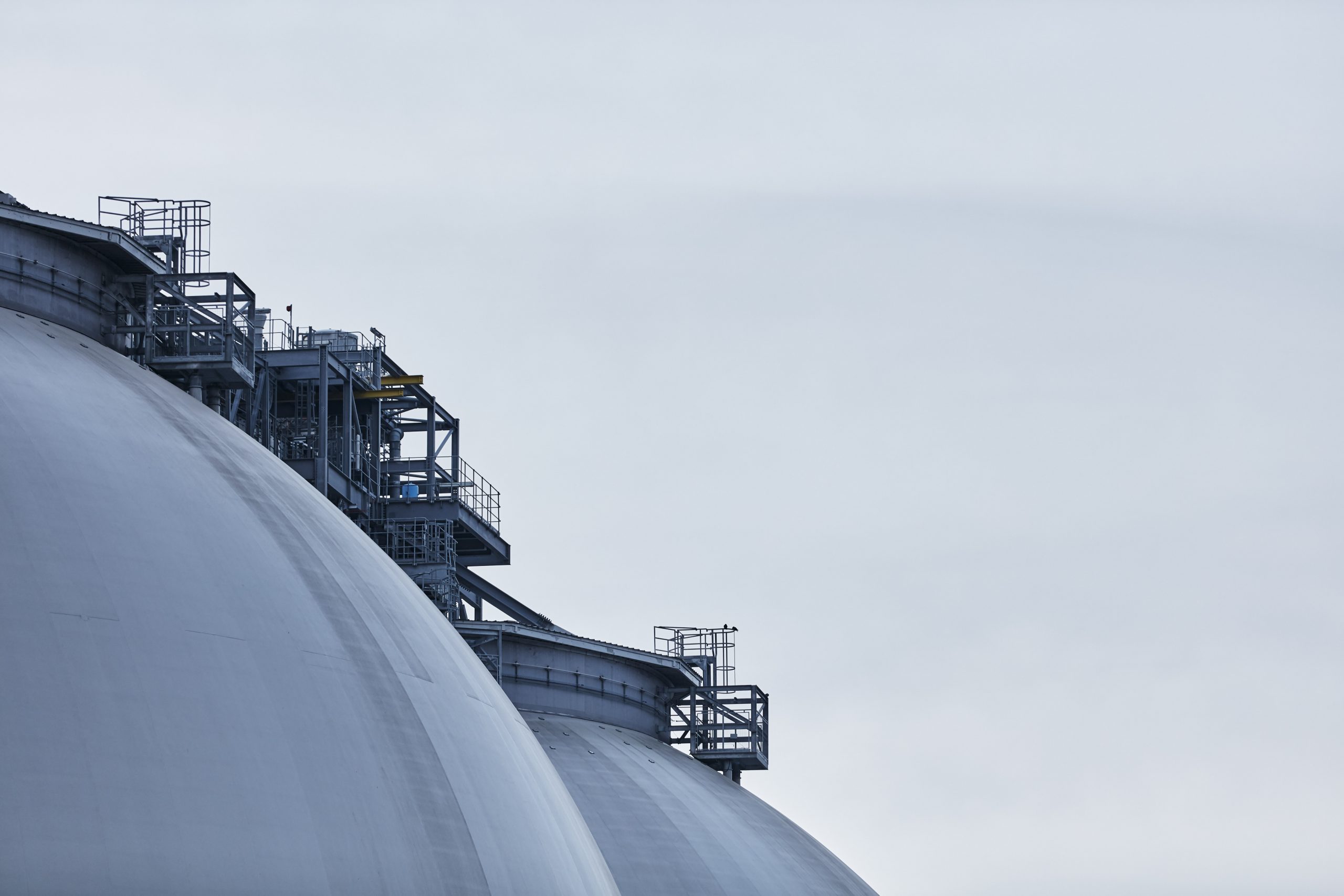
Biomass storage dome with conveyor in the foreground, Drax Power Station, North Yorkshire

Biomass storage dome with conveyor in the foreground, Drax Power Station, North Yorkshire [Click to view/download]

Operational highlights

  • Biomass self-supply – 9% reduction in cost, 15% increase in production and improved quality vs. H1 2019
  • Generation – 11% of UK’s renewable electricity, strong operational performance and system support services
  • Customers – lower demand and an increase in bad debt provisions, principally in SME business

Progressing plans to create a long-term future for sustainable biomass

  • Targeting five million tonnes of self-supply at £50/MWh(4) by 2027 from expanded sources of sustainable biomass
    • Plan for $64 million ($35/t, £13/MWh(4)) annual savings on 1.85Mt by 2022 vs. 2018 base
    • Investment in new satellite plants in US Gulf – targeting 20% reduction in pellet cost versus current cost
  • BECCS(5) – developing proven and emerging technology options for large-scale negative emissions
  • End of coal operations – further reduction in CO2 emissions and lower cost operating model for biomass

Outlook

  • Full year Adjusted EBITDA, inclusive of c.£60 million estimated impact of Covid-19, in line with market consensus
  • Evaluating attractive investment options for biomass growth: cost reduction and capacity expansion
  • Strong contracted power sales (2020–2022) 34TWh at £51.4/MWh and high proportion of non-commodity revenues

Will Gardiner, CEO of Drax Group said:

“With these robust half-year results, Drax is delivering for shareholders with an increased dividend while continuing to support our employees, communities and customers during the Covid-19 crisis.

Drax Group CEO Will Gardiner

Drax Group CEO Will Gardiner in the control room at Drax Power Station [Click to view/download]

“As well as generating the flexible, reliable and renewable electricity the UK economy needs, we’re delivering against our strategy to reduce the costs of our sustainable biomass and we’re continuing to make progress pioneering world-leading bioenergy with carbon capture technologies, known as BECCS, to deliver negative emissions and help the UK meet its 2050 net zero carbon target.

“National Grid stated this week that the UK can’t reach net zero by 2050 without negative emissions from bioenergy with carbon capture and storage. BECCS delivers for the environment and also provides an opportunity to create jobs and clean economic growth in the North and around the country.”
Operational review

Pellet Production – capacity expansion, improved quality and reduced cost

  • Adjusted EBITDA up 213% to £25 million (H1 2019: £8 million)
    • Pellet production up 15% to 0.75Mt (H1 2019: 0.65Mt) – impact of adverse weather in H1 2019
    • Cost of production down nine per cent to $154/t(6) (H1 2019: $170/t(6))
    • Reduction in fines (larger particle-sized dust) in each cargo
  • Cost reduction plan – targeting $64 million ($35/t, £13/MWh(4)) annual savings on 1.85Mt by 2022 vs. 2018 base
    • Expect to deliver $27 million of annual savings by end of 2020 – a saving of $18/t vs. 2018
    • Greater use of low-cost fibre, LaSalle (improved rail infrastructure, woodyard and sawmill co-location) and relocation of HQ from Atlanta to Monroe
    • Savings from projects to be delivered in 2020-2022
    • 35Mt capacity expansion (LaSalle, Morehouse and Amite), increased use of low-cost fibre, improved logistics and other operational enhancements
  • $40 million investment in three 40kt satellite plants in US Gulf – commissioning from 2021, potential for up to 0.5Mt
    • Use of Drax infrastructure and sawmill residues – targeting 20% reduction in pellet cost versus current cost
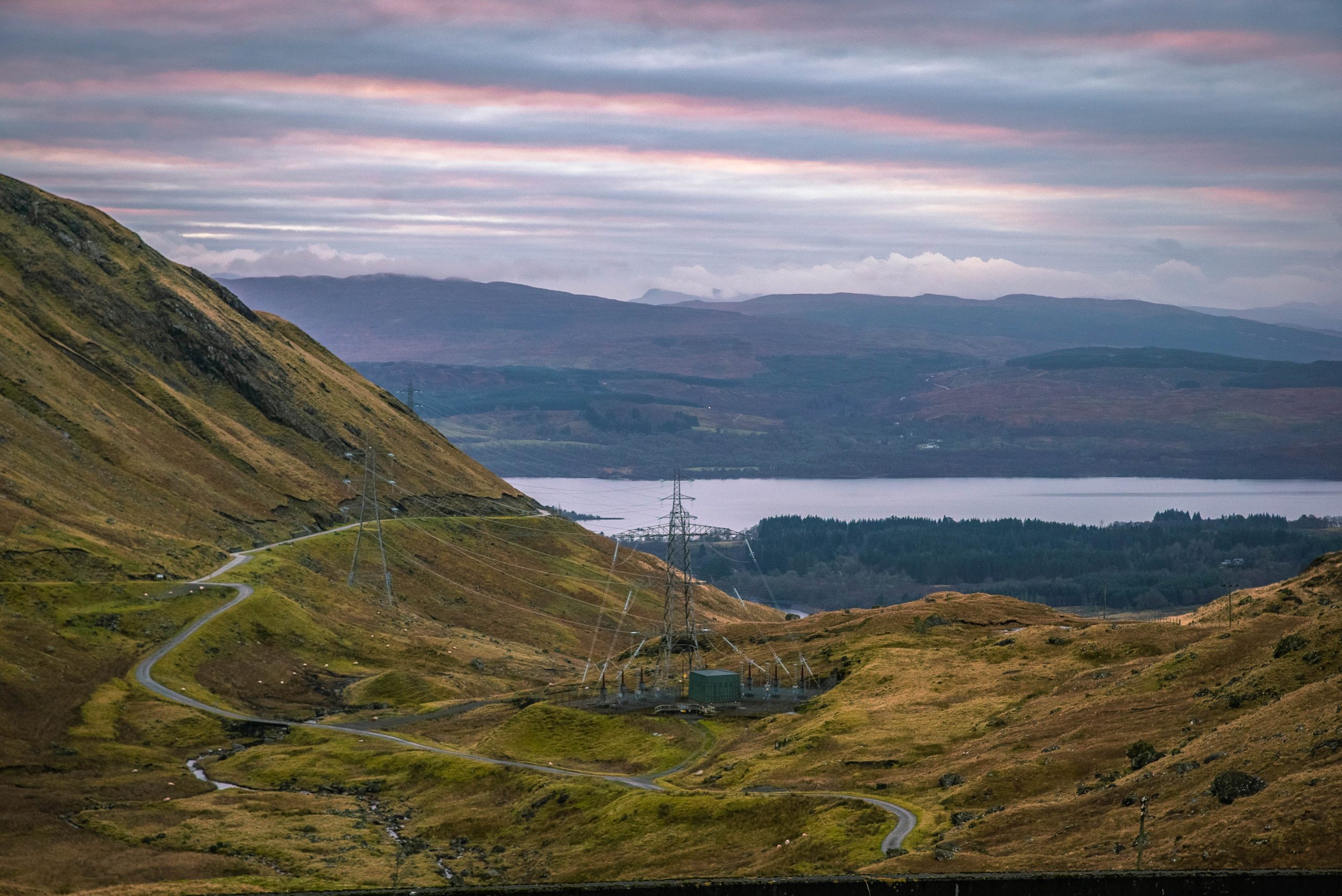
Power lines and pylon above Cruachan Power Station, viewed from Ben Cruachan above

Power lines and pylon above Cruachan Power Station, viewed from Ben Cruachan above [Click to view/download]

Power Generation – flexible, low-carbon and renewable generation

  • Adjusted EBITDA up 45% to £214 million (H1 2019: £148 million)
    • Limited impact from Covid-19 – strong contracted position provided protection from lower demand, reduction in ROC(7) prices offset by increased system support services
    • £34 million of Capacity Market income (H1 2019: nil; £36 million in relation to H1 2019 subsequently recognised in H2 2019 following re-establishment of the Capacity Market)
    • £54 million of Adjusted EBITDA from hydro and gas generation assets (H1 2019: £36 million)
    • System support (Balancing Market, ancillary services and portfolio optimisation) up 8% to £66 million (H1 2019: £61 million)
    • Good commercial availability across the portfolio – 91% (H1 2019: 87%)
  • Covid-19 – business continuity plan in place to ensure safe and uninterrupted operations
  • Biomass generation up 16% to 7.4TWh (H1 2019: 6.4TWh)
    • Strong supply chain (impact of adverse weather in H1 2019) and record CfD availability (Q2 2020 – 99.5%)
  • Pumped storage / hydro – excellent operational and system support performance
  • Gas – excellent operational and system support performance, Damhead Creek planned outage underway
  • Coal – 10% of output in H1 2020 – utilisation of coal stock before end of commercial generation (March 2021)

Customers – managing the impact of Covid-19 on SME business

  • Adjusted EBITDA loss of £37 million (H1 2019: £9 million profit) inclusive of estimated £44 million impact of Covid-19 – reduced demand, MtM loss on pre-purchased power and increase in bad debt, principally in SME business
  • Covid-19 – implemented work from home procedures to allow safe and continuous operations and customer support
  • Good performance in Industrial and Commercial market – new contracts with large water companies providing five-year revenue visibility, while supporting the Group’s flexible, renewable and low-carbon proposition
  • Monitoring and optimisation of portfolio to ensure alignment with strategy

Other financial information

  • Total financial performance measures reflects £108 million MtM gain on derivative contracts, £224 million coal obsolescence charges and £10 million impact (£6 million adjusted impact) from UK Government’s reversal of previously announced corporation tax rate reduction resulting in revaluation of deferred tax asset and increased current tax charge
    • Additional c.£25–£35 million for coal closure costs expected to be reported as exceptional item in H2 2020 when coal consultation process is further advanced
  • Capital investment – continuing to invest in biomass strategy, some delay in investment due to Covid-19
    • H1 2020: £78 million (H1 2019: £60 million)
    • Full year expected investment £190–£210 million (was £230–£250 million), includes 0.35Mt expansion of existing pellet plants and $20 million initial investment in satellite plants ($40 million in total)
  • Net debt of £792 million, including cash and cash equivalents of £482 million (31 December 2019: £404 million)
    • Remain on track for around 2.0x net debt to Adjusted EBITDA by end of 2020

View complete half year report

View analyst presentation

Listen to webcast

View/download main image. Caption: LaSalle BioEnergy (centre) and co-located sawmill (right), Louisiana


Notice of half year results announcement

Biomass domes at Drax Power Station
RNS Number : 6129T
Drax Group PLC

Drax Group plc (“Drax”) confirms that it will be announcing its Half Year Results for the six months ended 30 June 2020 on Wednesday 29 July 2020.

Information regarding the results presentation meeting and webcast is detailed below.

Results presentation and webcast arrangements

Management will host a webcast presentation for analysts and investors at 9:00am (UK Time), Wednesday 29 July 2020.

The presentation can be accessed remotely via a live webcast link, as detailed below. After the meeting, the webcast recording will be made available and access details of this recording are also set out below.

A copy of the presentation will be made available from 7:00am (UK time) on Wednesday 29 July 2020 for download at: www.drax.com>>investors>>results-reports-agm>> #investor-relations-presentations or use the link https://www.drax.com/investors/results-reports-agm/#investor-relations-presentations

Event Title: Drax Group plc: Half Year Results

Event Date: Wednesday 29 July 2020, 9:00am (UK time)

Webcast Live Event Link: https://secure.emincote.com/client/drax/drax007

Conference call and pre-register Link: https://secure.emincote.com/client/drax/drax007/vip_connect

Start Date: Wednesday 29 July 2020

Delete Date: Thursday 31 December 2020

Archive Link: https://secure.emincote.com/client/drax/drax007

For further information, please contact Rosie Corbett: [email protected]

Website: www.drax.com
£125 million ESG facility extended to 2025

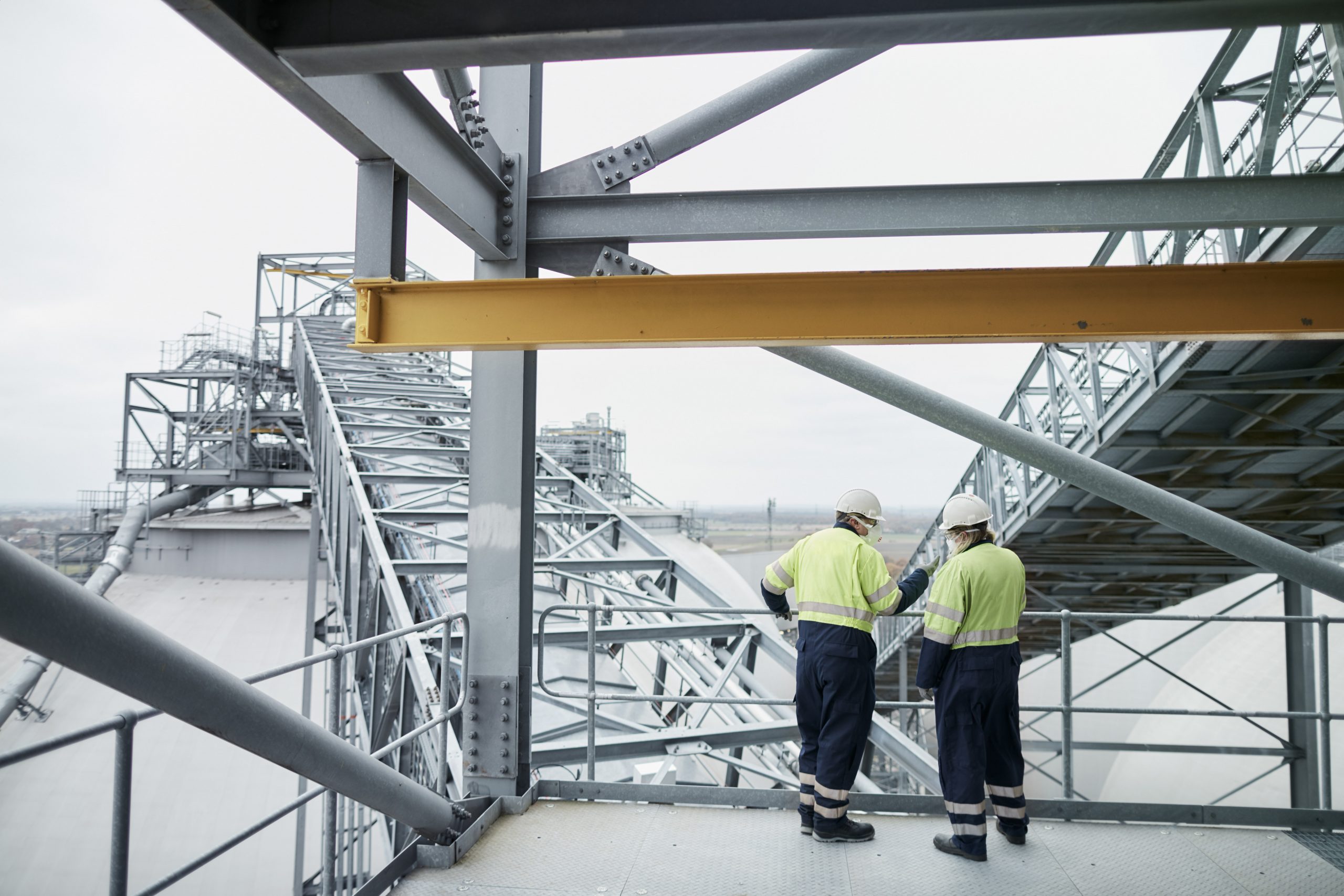
Engineers in PPE high above Drax Power Station looking towards biomass wood pellet storage dome

RNS Number: 7379P
Drax Group plc
(“Drax” or the “Company”; Symbol: DRX)

Drax is pleased to announce that it has completed a three-year extension to the £125 million Environmental, Social and Governance (ESG) facility agreement entered into in July 2019. The contractual final maturity of the facility is 2025, further extending the profile of Drax’s existing facilities, which include maturities to 2029.

The ESG facility includes a mechanism that adjusts the rate of interest paid based on Drax’s carbon emissions against an annual benchmark, reflecting Drax’s continued commitment to reducing its carbon emissions as a part of its overall purpose of enabling a zero-carbon, lower cost energy future and an ambition to become carbon negative by 2030.

The average all-in interest rate during the first year of the extended facility is less than 2%. The Group’s overall cost of debt is less than 4% per annum.

Enquiries:

Drax Investor Relations: Mark Strafford

+44 (0) 7730 763 949

Media:

Drax External Communications: Ali Lewis

+44 (0) 7712 670 888

Website: www.drax.com

END

In a crisis people come first

This crisis will be remembered for many things. Many are not positive, but some are inspiring. Around the world we’ve seen tremendous acts of kindness and witnessed remarkable resilience from people continuing to live, work and to support one another. The actions we are all taking as individuals, businesses and communities will not only help us get through this crisis, they will shape how we emerge from it.

At Drax we are proud of the ongoing role we’re playing in supporting the UK and its essential services, continuing to generate and supply the electricity needed to keep people healthy and the economy running.

It is what we have always done, and it is what we will continue to do.

This is possible because our people have continued to carry out their important work in these uncertain times safely and responsibly. My leadership team in the UK and US must continue to support them, and we must also support the communities they are a part of.

Employees Drax Power Station show their support and appreciation for the heroic efforts of those within the NHS by turning one of its cooling towers blue at 8pm each Thursday

Employees Drax Power Station show their support and appreciation for the heroic efforts of those within the NHS by turning one of its cooling towers blue at 8pm each Thursday

Our communities are at the core of what we do and who we are. They support our business globally and enable us to supply energy to the country. We have a responsibility to do what we can to help them through this crisis.

To do this we have put together a Covid-19 support package totalling more than three quarters of a million pounds that goes beyond just financing to make a positive impact. I’d like to highlight a few of these.

Supporting communities in Great Britain and the US

The Robinson family collect their laptop at Selby Community Primary School

The closures of schools and the need to turn homes into classrooms has been one of the biggest changes for many families. With children now depending on technology and the internet for schooling, there’s a very real chance those without access may fall behind, with a long term negative impact on their education.

We want to ensure no child is left out. So, we have donated £250,000 to buy 853 new laptops, each with three months of pre-paid internet access, and delivered them to schools and colleges local to our sites across the UK.

This has been implemented by Drax, working closely with headteachers. As one of our local heads Ian Clennan told us: “Schools don’t just provide education – they’re a whole support system. Having computers and internet access means pupils can keep in touch with their teachers and classmates more easily too – which is also incredibly important at the moment.”

In the US, we’re donating $30,000 to support hardship funds for the communities where we operate. Our colleagues in Louisiana are playing an active role in the community, and in Amite County, Mississippi, they have helped provide PPE to first responders as well as supporting charities for the families worse affected.

Helping businesses, starting with the most vulnerable

As an energy supplier to small and medium sized businesses (SMEs), we must act with compassion and be ready to help those who are most economically exposed to the crisis. To do this, we are launching a number of initiatives to support businesses, starting with some of the most vulnerable.

It’s clear that care homes require extra support at this time. We are offering energy bill relief for more than 170 small care homes situated near our UK operations for the next two months, allowing them to divert funds to their other priorities such as PPE, food or carer accommodation.

But it is also important we understand how difficult a period this is for small businesses of all kinds. Many of our customers are facing financial pressure that was impossible to forecast. To help relieve this, we have agreed deferred payment plans with some of our customers who are unable to pay in full. We have also extended current energy prices for three months for 4,000 customers of Opus Energy who have not been able to secure a new contract during this period.

The impact of this crisis will be long term, so we made a significant, two-year charitable donation to Business Debtline. A dedicated phoneline and webpage will be provided to our small businesses customers, offering free debt advice and helping them to recover for the future.

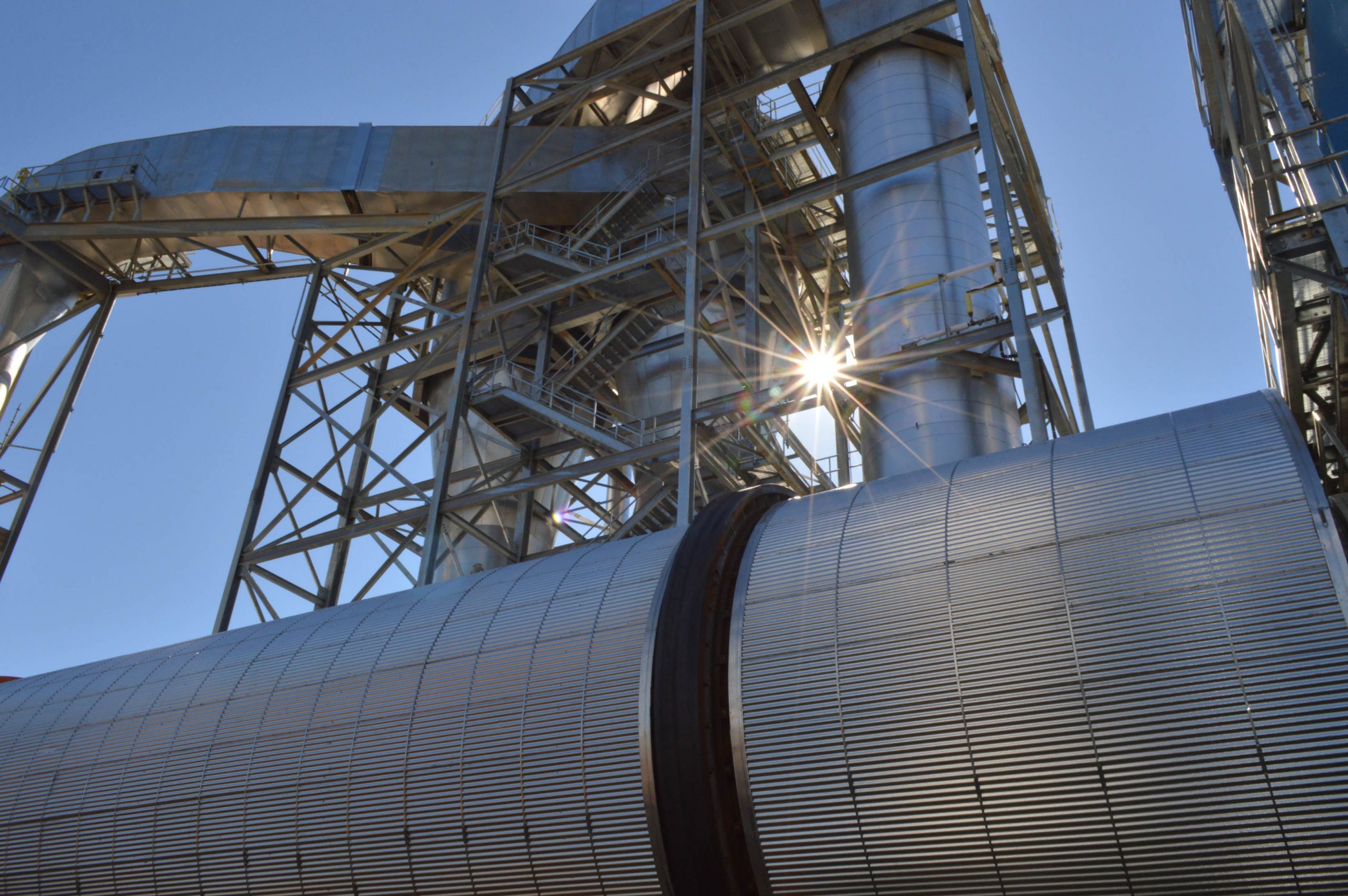
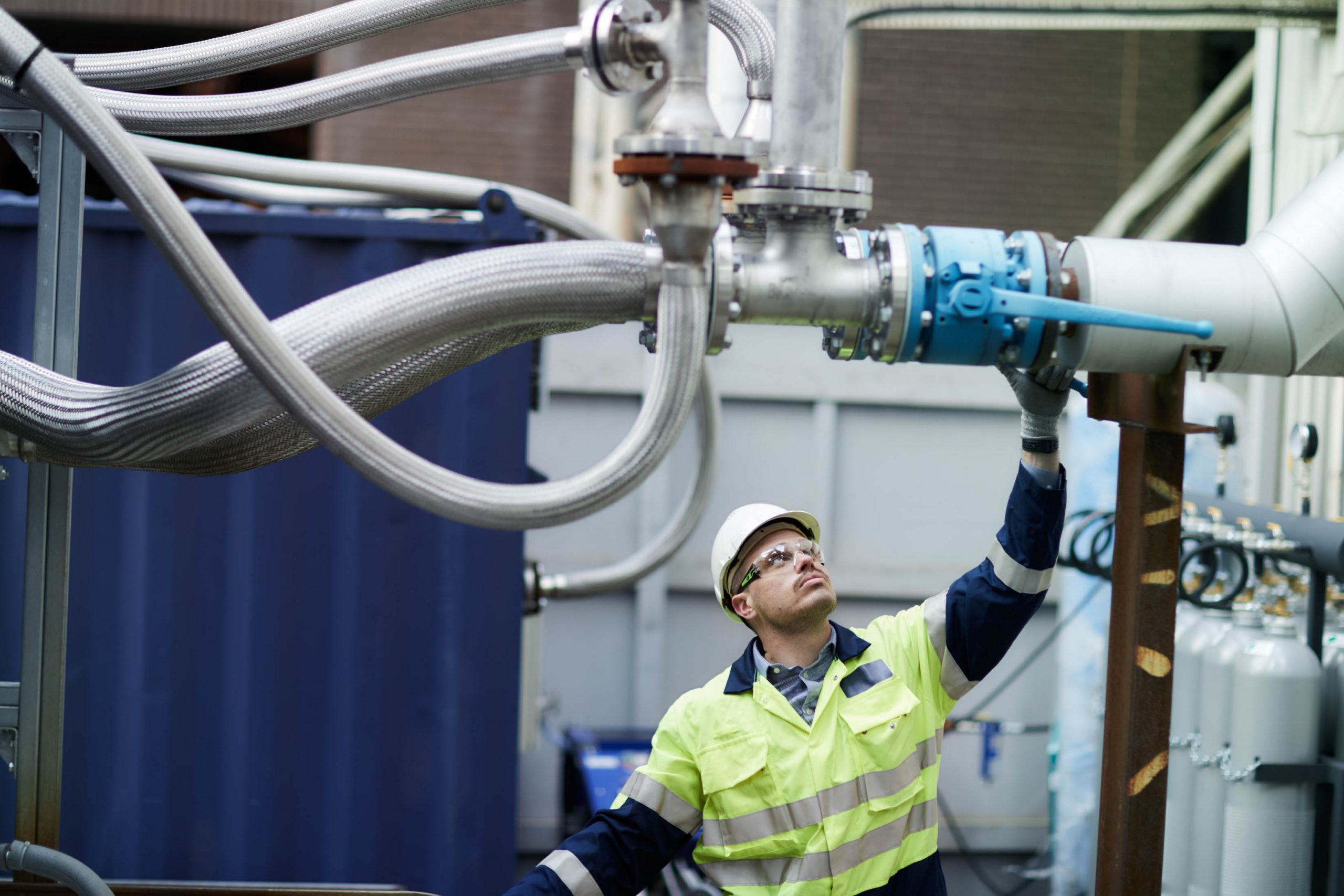
An engineer looks up at flue gas desulphurisation unit (FGD) at Drax Power Station. The massive pipe would transport flue gas from the Drax boilers to the carbon capture and storage (CCS) plant for CO<sub>2</sub> removal of between 90-95%.

An engineer looks up at flue gas desulphurisation unit (FGD) at Drax Power Station. The massive pipe would transport flue gas from the Drax boilers to the carbon capture and storage (CCS) plant for CO2 removal of between 90-95%.

Change for the future recovery

While there is still uncertainty around how the UK, the US and the world will emerge from the pandemic it is the responsibility of the whole energy industry to show compassion for its customers and to take the actions needed to soften the economic blow that Covid-19 is having across the globe.

The disruption to normal life caused by the pandemic has changed how the country uses electricity overnight. In the coming weeks we will be publishing a more in-depth view from Electric Insights showing exactly what effect this has had and what it might reveal for the future of energy.

No matter what that future holds, however, we will remain committed to enabling a zero carbon, lower cost energy future. This will mean not only supporting our people, our communities and our countries through the coronavirus crisis, but striving for a bright and optimistic future beyond it. A future where people’s immediate health, safety and economic wellbeing are prioritised alongside solutions to another crisis – that of climate change.