




Tag: community

Hundreds of local families enjoy Halloween fun at Drax’s Skylark Centre

More than 500 people visited Drax Power Station’s Skylark Centre and Nature Reserve over two days of free Halloween activities, with £300 raised for a local wildlife charity.

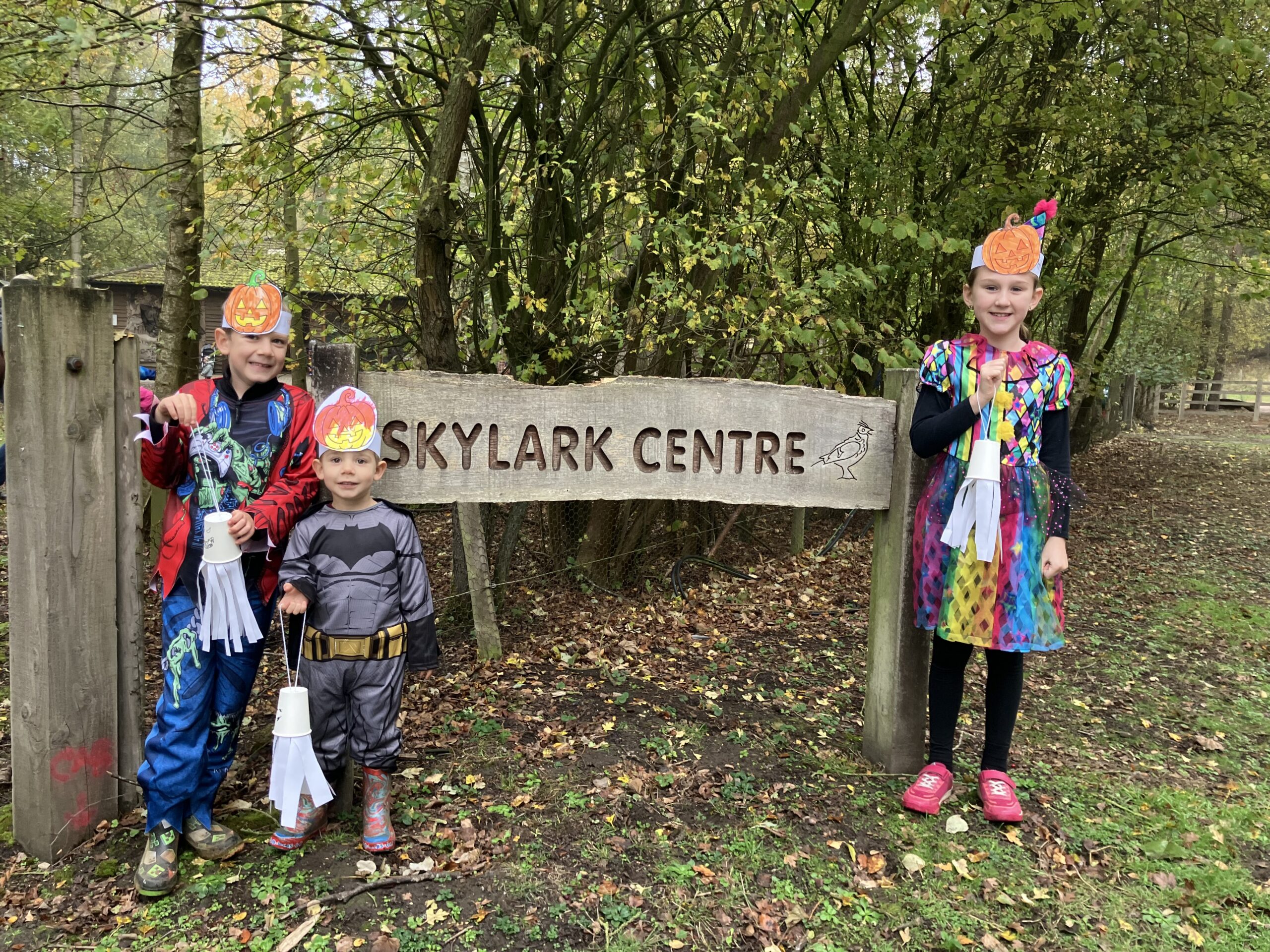
Families from across the local community came together for two days of Halloween fun at Drax Power Station’s Skylark Centre and Nature Reserve on 29 and 30 October.

The event welcomed 504 visitors, including 303 children, who enjoyed a range of free activities organised by Drax’s Community and Education team during the October half-term holidays.

Young visitors got creative with Halloween-themed crafts, while other activities included a giant marble run, Connex construction challenges and Halloween quizzes. Families also had the opportunity to explore the surrounding woodland on walks through the nature reserve.
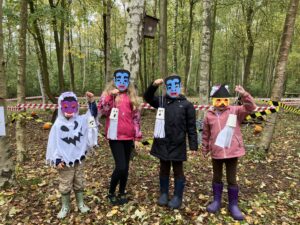
The two-day event was designed to give local families the opportunity to enjoy a free day out, discover more about the Skylark Centre and spend time exploring the natural environment on their doorstep.

Alongside the activities, the event raised approximately £300 for the Yorkshire Swan Rescue Hospital, which cares for injured and sick swans and other wildlife.

Nick Robinson, Community and Education Manager at Drax, said:

“We were really pleased to welcome so many local families to Skylark over the two days. It’s always good to see children getting involved in the activities and families taking the opportunity to explore the nature reserve.

“Events like this are a great way for people in the local area to find out more about what the Skylark Centre has to offer. We’re also pleased to have raised around £300 for the Yorkshire Swan Rescue Hospital, which does such important work supporting local wildlife.”

Developed by Drax in the early 1970s, the Skylark Centre and Nature Reserve sits on reclaimed land at Barlow Mound, near Selby. It is home to a variety of wildlife and provides a space for local people to enjoy nature, as well as an educational resource for schools, colleges and community groups.

Drax hosts a programme of free family events at the centre throughout the year, giving local residents opportunities to take part in activities focused on nature, sustainability and STEM learning.

For more information about the Skylark Centre and upcoming events, visit the Drax website.

ENDS

Media contacts:

Kieran Wilson
E: [email protected]
T: 07729092807

About Drax

Drax’s purpose is to enable a zero carbon, lower cost energy future. Our strategic aims are to be a UK leader in flexible, renewable generation and a global leader in sustainable biomass pellet production.

Our operations

Drax owns and operates a portfolio of flexible, low-carbon and renewable UK power assets – biomass, hydro, pumped storage and OCGT generation – which provide dispatchable power and system support services to the electricity grid.

We are the UK’s largest source of renewable power by output, and Drax Power Station is the UK’s largest single source of renewable electricity by output.

Through our pellet production facilities in North America, Drax is a leading integrated producer of sustainable biomass.

Drax supplies renewable electricity to UK industrial and commercial customers, offering a range of energy-related services including energy optimisation, as well as electric vehicle strategy and management.

Provide Yorkshire pupils sustained contact with employers and mentors to tackle the NEET crisis

This story first appeared in The Yorkshire Post

A young person can grow up within sight of a major local employer yet leave education with no clear route to a job there. Yorkshire should be a place where young people can build a future without having to leave home to find it. A workplace may be only a few miles away but the distance between seeing it and envisioning a career inside it can feel worlds apart.

That distance should concern every Yorkshire business. We cannot assume that the opportunities we advertise are understood or feel attainable simply because they exist nearby. Creating jobs matters enormously, but those jobs will remain out of reach for some young people unless we help them understand how to pursue them.

Youth Futures Foundation’s 2025 analysis placed Yorkshire and the Humber among England’s worst-affected regions for disengaged youth. The rate of individuals not in education, employment or training (NEET) is currently 15.1 per cent, compared with 13.1 per cent across England. Nationally, the latest Office for National Statistics estimates put the number of NEET 16-to-24-year-olds at 981,000. Yorkshire must ask whether young people can see a practical path into the jobs being created around them.

As we await Milburn’s final recommendations, businesses should already be asking what their own response should be. His review is examining how to successfully bring NEETs into the workforce, and its findings should matter to every employer in the region. The Government can lay the foundations, but it is contingent on businesses to connect local opportunities with local schools, colleges, charities and community organisations to support long-term partnerships. Those organisations reach young people who might otherwise fall through the cracks. The rising generation should not be left to navigate this system alone, and Yorkshire needs businesses, schools, local leaders and community groups to work as one local system to tackle this challenge together.

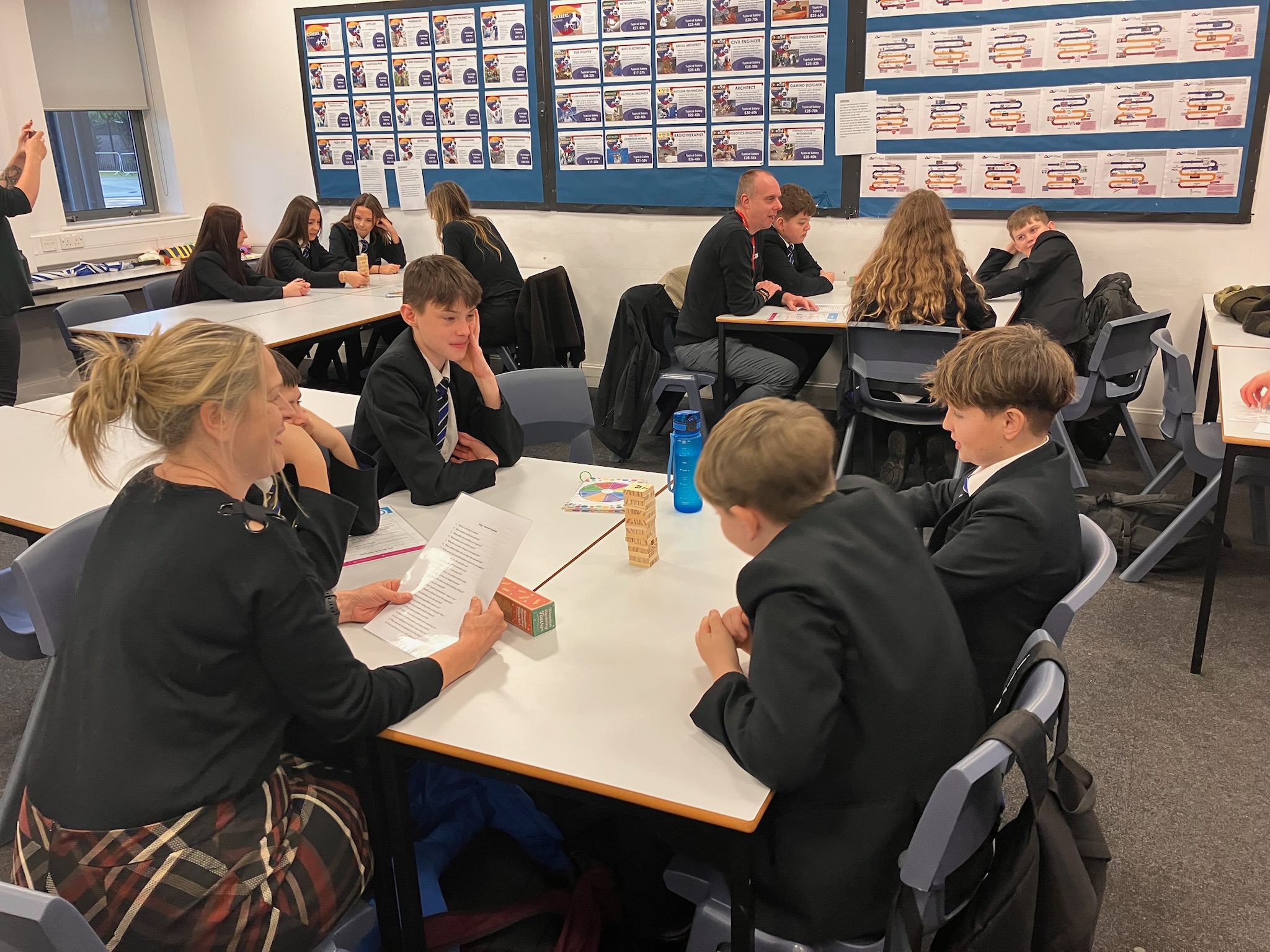
Preventing young people from becoming NEET means engaging them whilst they are in their most formative years at school before uncertainty becomes disengagement. A careers fair can provide a useful introduction, but a single conversation cannot carry the whole journey. Pupils need sustained contact with employers and mentors to ask pertinent questions and receive guidance regarding next steps.

For a young person with little workplace experience, knowing what to expect from an interview can make all the difference in how they approach it. Practising with someone who works locally gives them a chance to ask questions, make mistakes and try again before a job depends on it.

That is the value of Drax’s Education Ambassadors, where colleagues work with pupils in Selby, Goole and surrounding villages on the practical steps between wanting a job and feeling equipped to apply for one. Employers must recognise that recruitment can feel intimidating and familiarity with the process can build confidence.

That familiarity needs to begin long before a first job application. Introducing children to the world of work in primary school gives them time to explore what interests them, with careers advice, mentoring and practical experience building on that foundation as they grow older.

The same principle sits behind the Drax Foundation’s support for SKILLZ CIC, which has engaged nearly 2,000 young people at risk of becoming NEET in North Yorkshire. Visits to Drax Power Station put careers conversations in the context of an actual workplace. But a visit alone is not enough. Pupils need time and meaningful conversations to explore how the opportunities they see connect with their strengths and interests. We hear directly from schools we work with who point to better careers awareness and stronger links with local employers. These are encouraging signs, but the real measure of success is whether young people can build on that confidence to move into training or work.

Sustaining that support takes more than one employer, which is why Drax and Up for Yorkshire established Selby Connected to bring employers, public bodies and community organisations into the same conversation about what local people need. Businesses can offer jobs, skills and workplace insight, while community partners understand the barriers young people may be facing day to day. Used well, that connection can turn separate efforts into a joined-up route from education into work.

Yorkshire businesses do not need to build a new programme from scratch. They can work with schools and community partners to give young people regular contact with employers, practical experience and a clearer understanding of what local jobs require. What truly matters is continuity. Each conversation should lead to a practical next step.

Fundamentally, we must listen to young people’s concerns when designing support for them.

Yorkshire’s young people should be able to look at the businesses around them and see a future for themselves.

Selby business leaders launch 12-month action plan for jobs, high street regeneration and community health

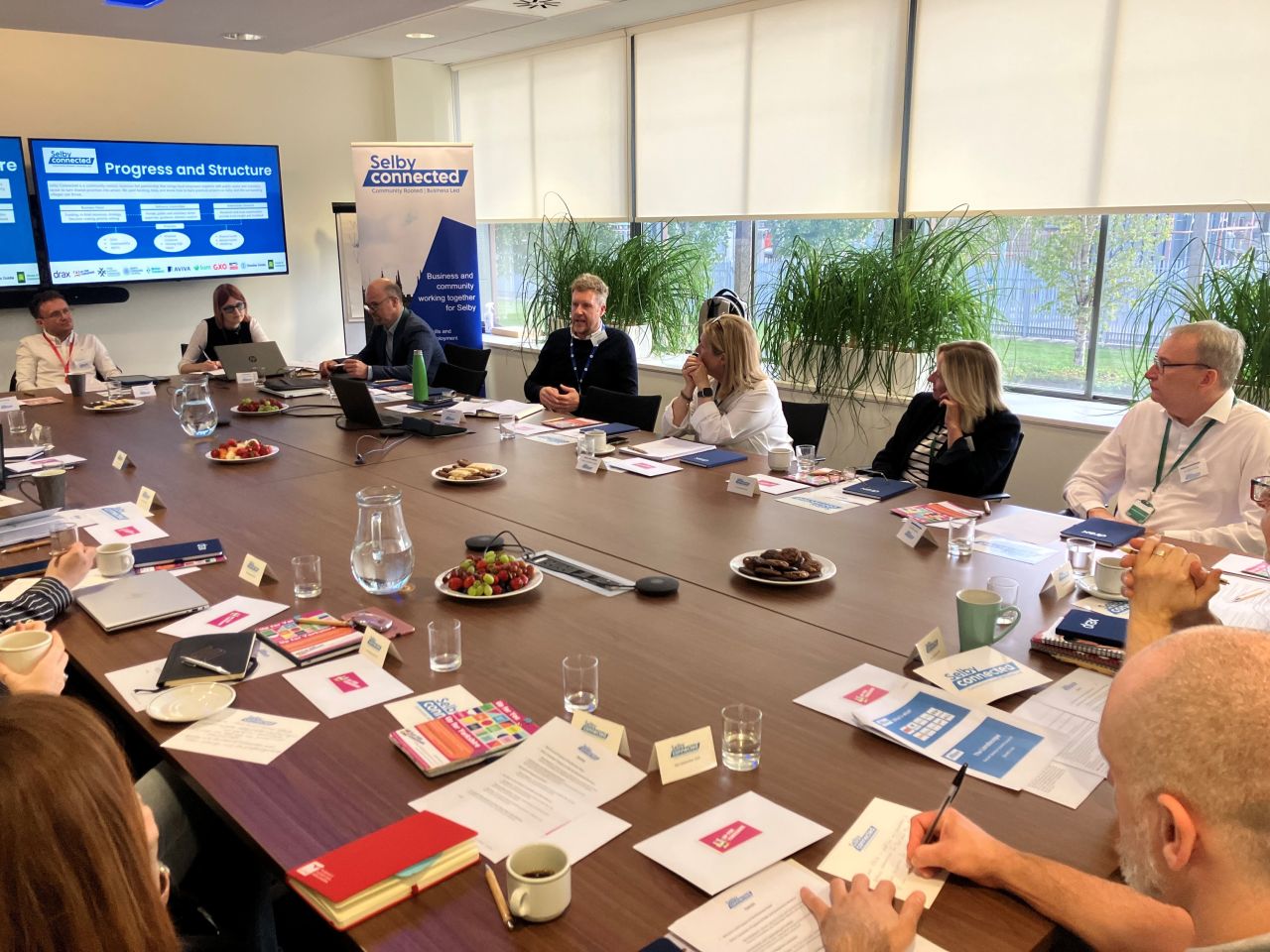
Business leaders and major employers across Selby have agreed three priority areas for practical action over the next 12 months, marking the first formal meeting of the Selby Connected Business Panel.

Twenty representatives from some of the area’s major employers and organisations, including Altrad, Aviva, BAM Infrastructure, Drax and Smailes Goldie, joined public and voluntary sector partners for the inaugural meeting, hosted by Drax on Wednesday 16th September.

The panel agreed to develop practical projects focused on employability, high street vibrancy, and health and wellbeing, with work now taking place to turn the discussions into activity over the coming year.

The meeting marks the next stage of Selby Connected, the partnership led by Up for Yorkshire and Drax which connects the resources and expertise of local organisations with needs identified within Selby’s communities.

Tom Meares, Head of Community at Up for Yorkshire, said:

“There has already been a great deal of work behind the scenes to understand where the needs are and build relationships between organisations across Selby. This first formal Business Panel was about moving that work forward into action.

There are now 20 people around the table representing organisations with very different expertise, resources and networks. The next step is to use that collective strength to develop practical projects that respond to what communities have told us they need.”

Nick Robinson, Community and Education Manager at Drax, said:

“Since Selby Connected was launched, the aim has always been to get local businesses, charities, community organisations and public sector partners around a table so we can tackle the issues our area faces.

“Our first business panel meeting proved just how committed the partnership is to improve the area for people who live and work here. We have already seen the importance of pooled resources and facilities amongst the partnership, now it is about turning that momentum into projects that produce tangible benefits for Selby and the wider community.”

The Business Panel sits at the strategic centre of Selby Connected and will help guide where businesses and partner organisations can contribute investment, expertise, facilities, networks and other resources.

Work will now continue on projects across the three priority areas ahead of the next Business Panel meeting in December.

Ends

Notes to editors

About Selby Connected

Selby Connected was established by Drax and Up for Yorkshire this year as a collaborative programme for Selby district and surrounding villages. It is business-led and community-rooted, bringing together businesses and public, voluntary, community and social enterprise (VCSE) organisations to align local needs with their resources, expertise and networks. The programme seeks to strengthen communities, support local people and promote inclusive economic growth.

Students gain real-world event management experience through Drax and Selby College partnership

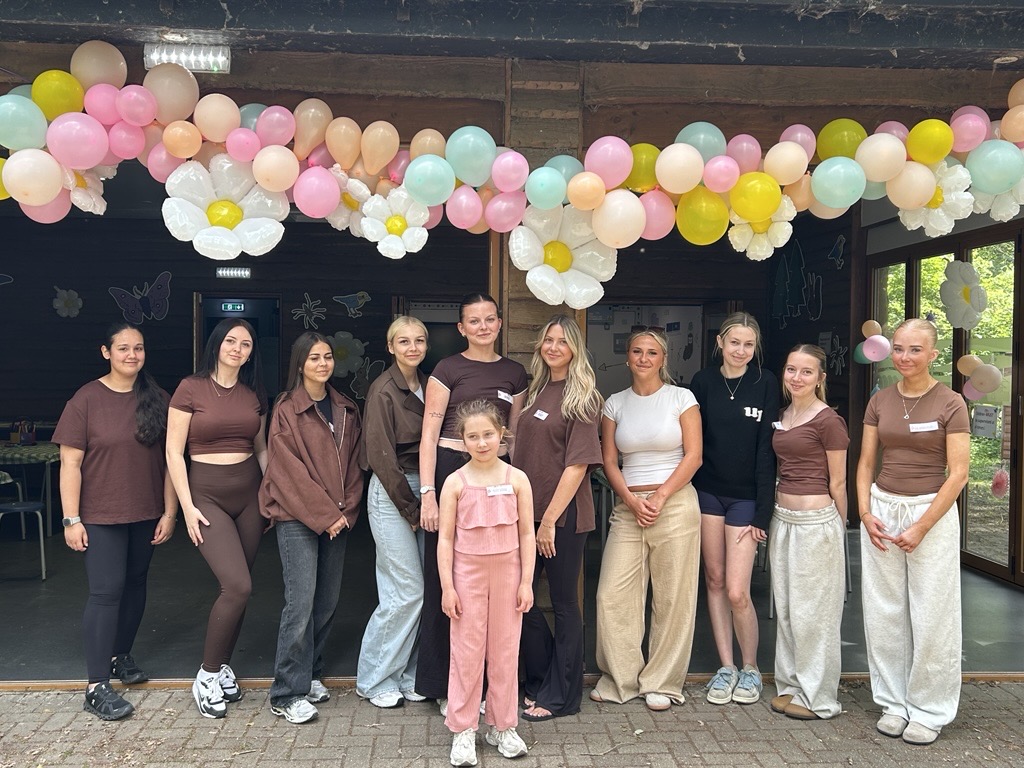
Students from Selby College have gained valuable hands-on experience planning and delivering a public event at Drax Power Station’s Skylark Centre in June, helping them develop practical skills and experience of working with a major local employer.

The project, delivered by Selby College and facilitated by Drax’s Community and Education team, was designed to provide students studying Event Management with the opportunity to plan and deliver a live event from concept through to execution.

Nick Robinson, UK Community and Education Manager at Drax, said:

“Providing meaningful opportunities for young people to develop workplace skills is an important part of our commitment to supporting the communities where we operate.

“This project gave students the chance to take ownership of a real event and experience the challenges and rewards of delivering it from start to finish. They demonstrated creativity, professionalism and strong teamwork throughout the process.

“By working directly with Drax colleagues and delivering an event for the local community, the students gained valuable experience that will support them as they progress into further education, training and employment.”

Working collaboratively in teams, the students developed event proposals for the Skylark Centre before presenting their ideas in a Dragons’ Den-style pitching session to Drax Education Ambassadors. Following the presentations, ambassadors selected the strongest proposal to be developed into a fully delivered public event.

The successful student team took responsibility for planning, promoting and delivering the event, which welcomed members of the local community to the Skylark Centre, showcasing the venue as a space for learning, community engagement and environmental education and raised £818 for the Yorkshire Children’s Charity.

Activities included nature-themed walks through the woodland surrounding the Skylark Centre, including a popular Bear Hunt trail, as well as indoor crafting activities for families. Refreshments were also available, with proceeds donated to charity.

The project gave students practical experience of event management while helping them build skills in teamwork, communication, problem solving and project delivery. It also provided valuable interaction with a local employer and increased awareness of career opportunities available across a range of sectors.

The event forms part of Drax’s wider commitment to improving access to work experience opportunities and strengthening pathways into employment for young people across the region.

ENDS

Notes to editors

Media contacts:

Kieran Wilson
E: [email protected] 
T: 07729092807

About Drax

Drax’s purpose is to enable a zero carbon, lower cost energy future. Our strategic aims are to be a UK leader in flexible, renewable generation and a global leader in sustainable biomass pellet production.

Our operations

Drax owns and operates a portfolio of flexible, low-carbon and renewable UK power assets – biomass, hydro, pumped storage and OCGT generation – which provide dispatchable power and system support services to the electricity grid.

We are the UK’s largest source of renewable power by output, and Drax Power Station is the UK’s largest single source of renewable electricity by output.

Through our pellet production facilities in North America, Drax is a leading integrated producer of sustainable biomass.

Drax supplies renewable electricity to UK industrial and commercial customers, offering a range of energy-related services including energy optimisation, as well as electric vehicle strategy and management.
Recognition is welcome – but the real test is how more doors can be opened for young people

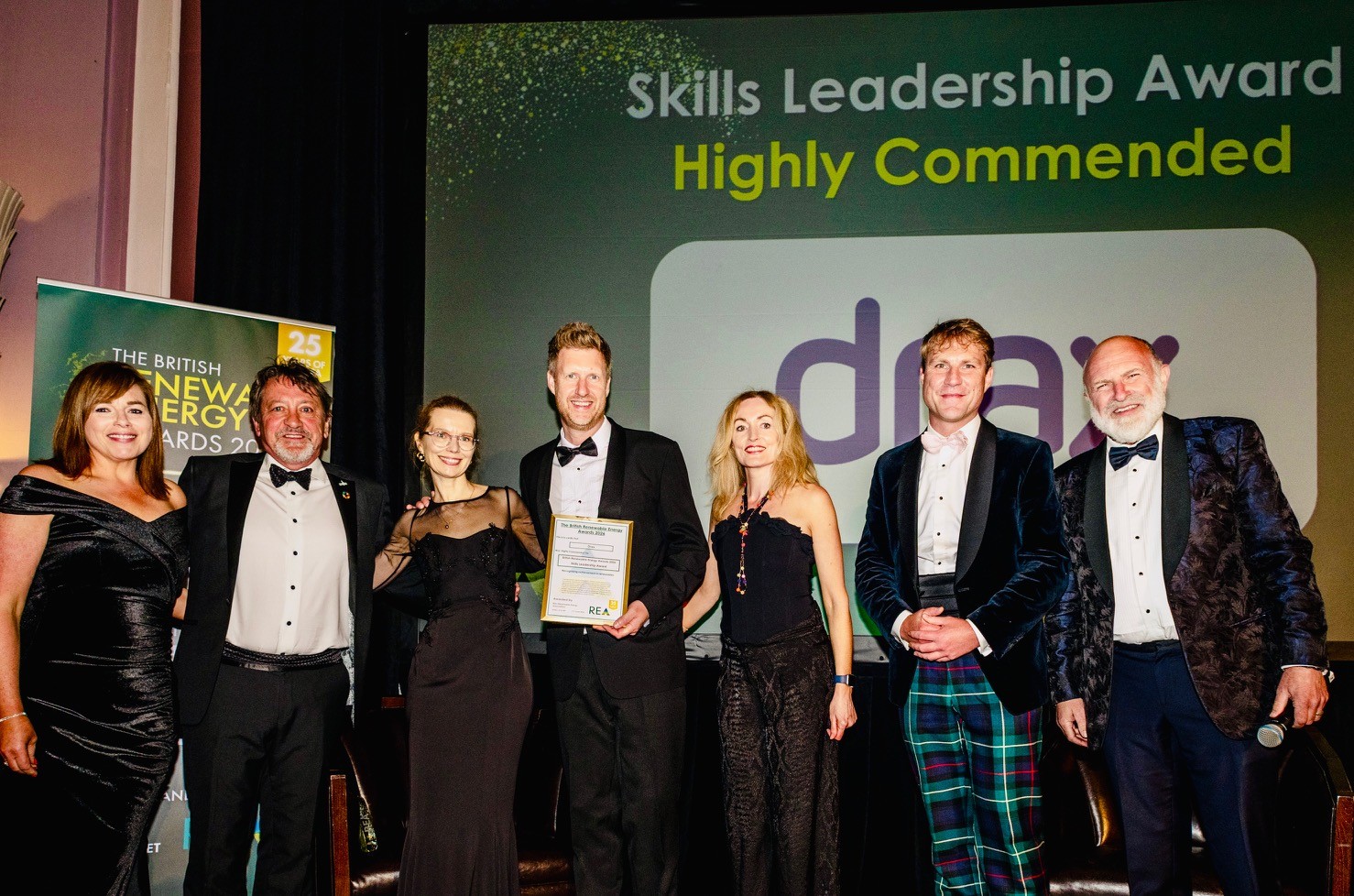
When Drax was Highly Commended for ‘Skills Leadership’ in this month’s Renewable Energy Association’s (REA) awards, it was welcome recognition. But awards matter most when they point to something deeper: sustained, practical work that helps young people see their futures, gives employers a route to engage with local talent, and builds the skills communities need for the economy ahead.

That recognition comes at a significant time. The recent Alan Milburn report on Young People & Work has renewed our focus on the number of young people not in education, employment or training (NEET), and on the long-term consequences of disconnection from opportunity. The challenge is not only unemployment. It is confidence, aspiration, access, networks and whether young people can see a credible path from the classroom into meaningful work.

For businesses rooted in their communities, this is where responsibility becomes practical. It is not enough to talk about future skills or the green economy in abstract terms. Young people need early exposure to workplaces, meaningful encounters with employers, mentoring, careers insight, work experience and clear routes into apprenticeships, technical education and employment.

This is the substance behind Drax’s REA recognition. Through work led by the Drax Community & Education team, we have been building a connected pathway from education to employment in Selby, North Yorkshire and the wider Humber region. In 2025, activity included 97 educational tours of Drax Power Station for 2,300 students, 111 STEM education and careers ns reaching more than 9,500 students, and 260 hours of mentoring delivered by 36 Drax Education Ambassadors.

The impact is visible in the detail. Drax Foundation support for SKILLZ CIC has helped deliver employability workshops and mentoring for young people at risk of becoming NEET in North Yorkshire, engaging 1,890 young people through mentoring, career talks and visits to Drax Power Station. Drax’s partnership with Springpod has opened free virtual work experience and project simulations for students aged 13–19, with nearly 4,000 enrolments and 98% of completers rating their awareness of sector careers as good or excellent. Our new partnership with Futures for All is providing meaningful experiences of work for young learners in the communities where we operate.

But reducing the risk of young people falling out of education, employment or training cannot be solved by one employer, school, charity or public body alone. That is why the launch of Selby Connected matters. Developed by Drax and Up for Yorkshire as a private, public and voluntary sector partnership, it brings local employers together with civic and community partners to coordinate action, pool insight and improve access to support across the region.

A key focus is on education, skills and employability. Local analysis has shown that awareness of specialist employment support, including skills training and work experience opportunities, remains low. Young people and residents also face barriers linked to geography, transport, access to services and suitable local opportunities. Selby Connected is designed to join up what exists, identify gaps and help more people find opportunities that can change their trajectory.

The lesson from both the Milburn report and Drax’s own experience is clear: employability is not created when someone applies for their first job. It is built earlier, through repeated experiences that develop confidence, communication, problem-solving, ambition and a sense of belonging in the world of work. It grows when employers show up consistently, schools have access to trusted partners, and community organisations are resourced to reach those who may otherwise miss out.

Drax’s Highly Commended REA award should therefore be seen as a proof point, not a finish line. It recognises the quality of work already being delivered by our Community & Education team and partner organisations, but the bigger opportunity lies in scaling that work through partnership. Selby Connected provides the platform to bring businesses, the public sector and voluntary organisations together around a shared ambition for Selby and the surrounding villages.

The challenge of NEETs is national, but the solutions will often be local. They depend on trusted relationships, practical collaboration, and employers willing to invest time, knowledge and opportunity in the next generation. In Selby, that work is already under way. The task now is to keep building it, so more young people can move from aspiration to experience, and from potential to meaningful employment

Local businesses or public and voluntary sector organisations in Selby and the surrounding villages who would like to learn more about Selby Connected or get involved can contact [email protected]

Backing smaller sustainability charities delivers lasting social impact

At a time when corporate-charity partnerships often prioritise social welfare1, there is a strong case for large energy companies to partner with smaller specialist sustainability charities to help tackle the ‘energy trilemma’. When built around shared purpose and practical delivery, these partnerships can deliver outsized results.

Corporate foundations often gravitate towards large, high-profile charities. Those partnerships matter, but the energy transition requires us to try different models: ones where a major company brings scale and long-term commitment, while a smaller charity brings specialist expertise, agility and a close understanding of local need.

At a time when communities are dealing with high energy costs, tight budgets and the challenge of decarbonisation, this matters more than ever. The best partnerships do more than offer short-term project funding; they build resilience by investing in the mission (not a single project) – to reduce carbon emissions, improve energy efficiency and help communities take practical action to reduce their energy costs.

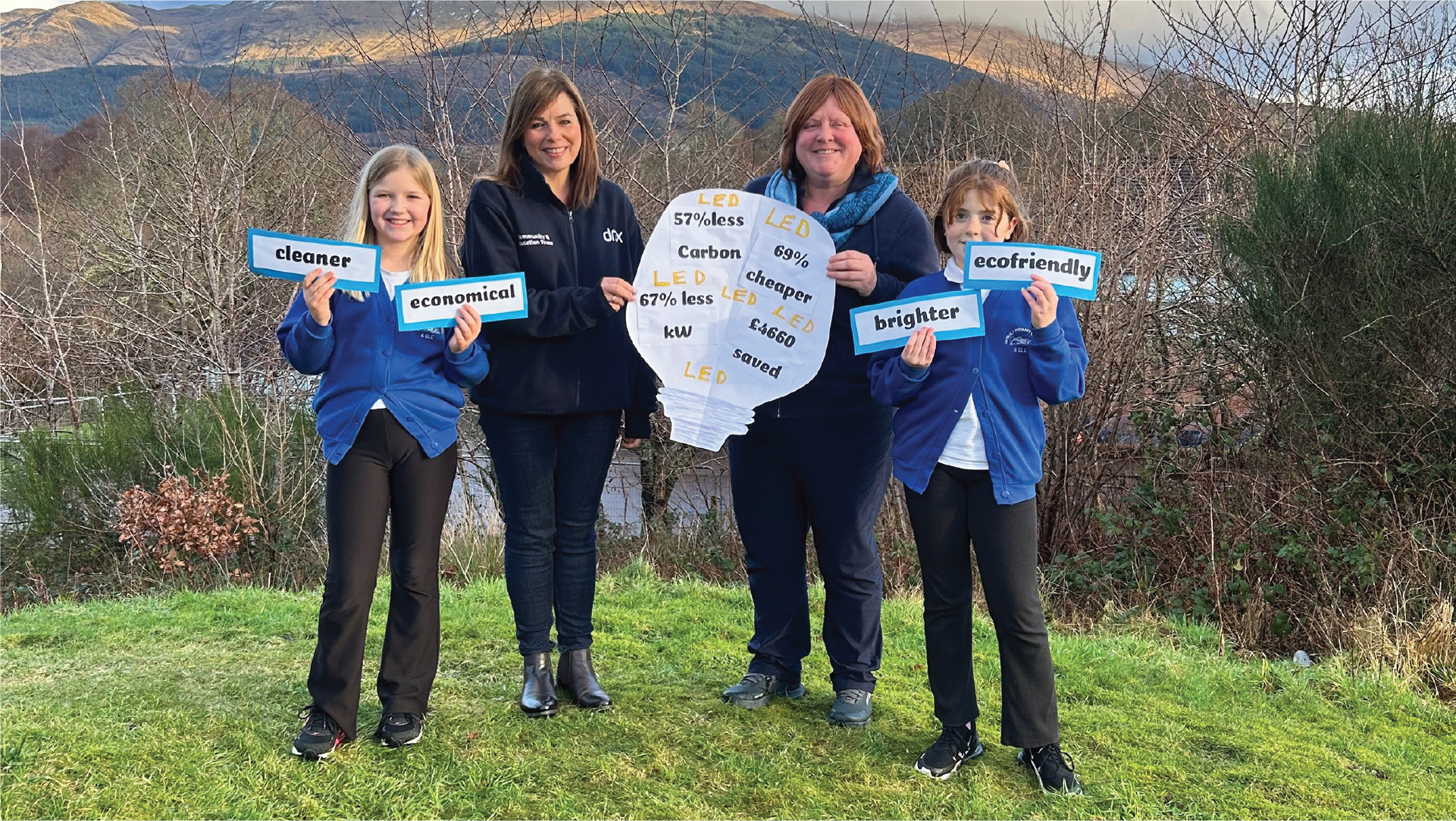
The partnership between the Drax Foundation and Energy Sparks shows this in practice. Over three years, the Drax Foundation funding has helped Energy Sparks support schools across Drax’s operational footprint in the UK with energy analysis tools, and education to reduce energy use in ways that are practical, sustainable and lasting.

The results are significant: more than 240 schools saved a combined total of c. £2.8 million in energy costs and reduced carbon emissions by c. 3,900 tonnes over the three-year period.

This is where smaller charities can make an exceptional difference. They are often closer to the problem, more focused in their approach and better able to combine technical expertise with behaviour change and community engagement. For corporate foundations, backing that kind of specialist capability can be one of the most effective ways to create meaningful impact.

From funding to partnership

Strong partnerships are about more than funding. Larger companies can offer reach, profile and commitment through their corporate foundations. Smaller charities can offer innovation, specialist knowledge and trusted community connections. Together, they can deliver outcomes neither could achieve alone.

Schools show why this works so well. They are central to their communities, so savings made in schools can ease budget pressures, improve learning environments and help young people build lasting habits around energy efficiency and climate awareness.

For energy companies like Drax, the opportunity is clear. Partnering with smaller sustainability charities like Energy Sparks can turn corporate purpose into practical action, delivering measurable local results while supporting the long-term resilience needed for the energy transition. The Drax Foundation and Energy Sparks partnership shows how big organisations and small charities can achieve significant impact together.

Business Charity Awards

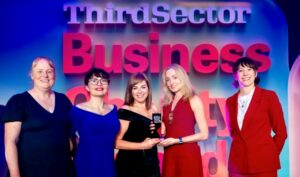
L-R Caludia Towner (Energy Sparks) with Drax Foundation team Stanmira Brown, Sarah Baird, Shona King – receiving a Business Charity Award in the category of ‘Best Response to the Cost-of-Living Crisis’, May 2026 .

This partnership between the Drax Foundation and Energy Sparks won a Third Sector Business Charity Award (2026) in the category of ‘Best Response to the Cost-of-Living Crisis’. The award-winning project also included LED and / or solar installations in 54 schools in the communities where Drax operates.

Find out more about the work EnergySparks does helping schools cut energy costs and fight climate change: https://energysparks.uk/

Community voices – Cruachan, Argyll and Bute

Cruachan Power Station, affectionately known as the ‘Hollow Mountain’, resides deep inside Ben Cruachan mountain in Argyll and Bute, Scotland. Over the past 60 years, Cruachan has been keeping the lights on for hundreds of thousands of homes across the UK.

But Cruachan is more than just hydropower: it’s been an iconic part of the landscape and local community since 1965. Through the Drax Foundation and Community Fund, Cruachan supports a range of community and educational projects, from Scottish rainforest restoration to STEM learning.

At Drax, we’re proud to be working to build a future that’s positive for climate, nature and people.

Hear from the local community voices in Cruachan, Argyll and Bute.

Berni McMillan, Head Teacher, Taynuilt Primary School

Sarah Cameron, Community Manager (Scotland), Drax; and Julie Young, CEO, Argyll Countryside Trust (ACT)

Kevin Roy, Production Manager, Drax

Voices from the wider community


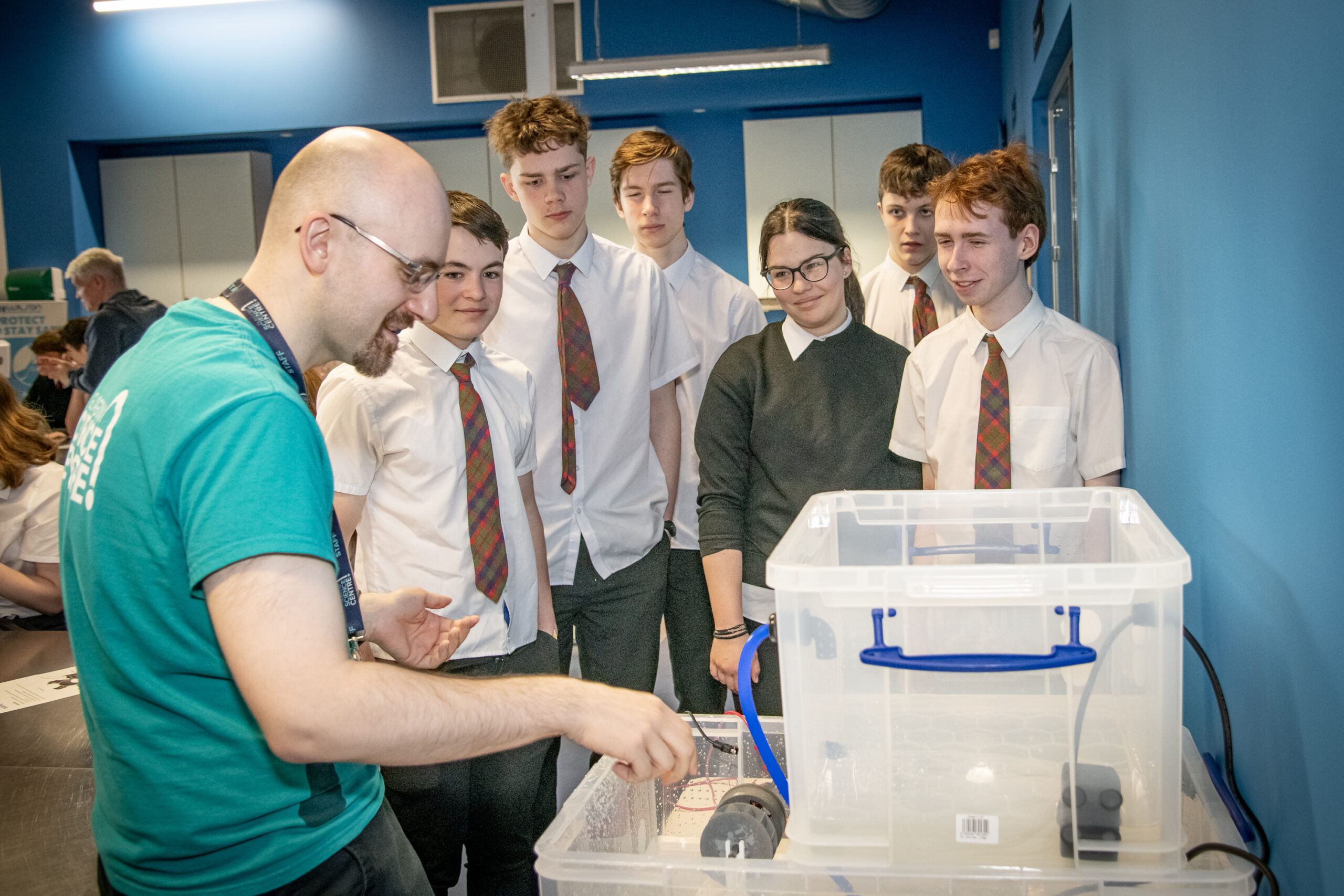
Featured image caption: Students take part in STEM learning sessions at the Glasgow Science Centre.

Community voices – Selby, North Yorkshire

At Drax, we believe the energy transition can and should benefit everyone. As part of our People Positive pillar, laid out in our Sustainability Framework, we’re seeking to make tangible improvements to the lives and livelihoods of the communities we operate in. This goes beyond providing jobs at Drax sites — it requires social investment, collaboration, education and long-term support.

DPS is the largest power station in the UK and located near Selby in North Yorkshire. In 2024 it provided the grid with enough power for five million homes – equivalent to every home in London, or Wales and Scotland combined. We also support the wider community by investing in local projects in North Yorkshire and beyond.

For us, sustainability isn’t about words, it’s about action. Constant tireless action to benefit climate, nature and people.​ 

Hear more from the local community voices in Selby, North Yorkshire.

Sam Wright, Principal & Chief Executive, Heart of Yorkshire Education Group

Talks about the proximity to Drax and the supporting role it plays for Selby College.

Diana Taylor, Managing Director, Future Humber

Speaking about Drax’s focus on community, building prosperity and local skills and talent.

Ben Shingler, Innovation Research Manager, Drax

Outlines Drax’s outreach into the community and the impact this can have.

Voices from the wider community

What Drax means to the local community.

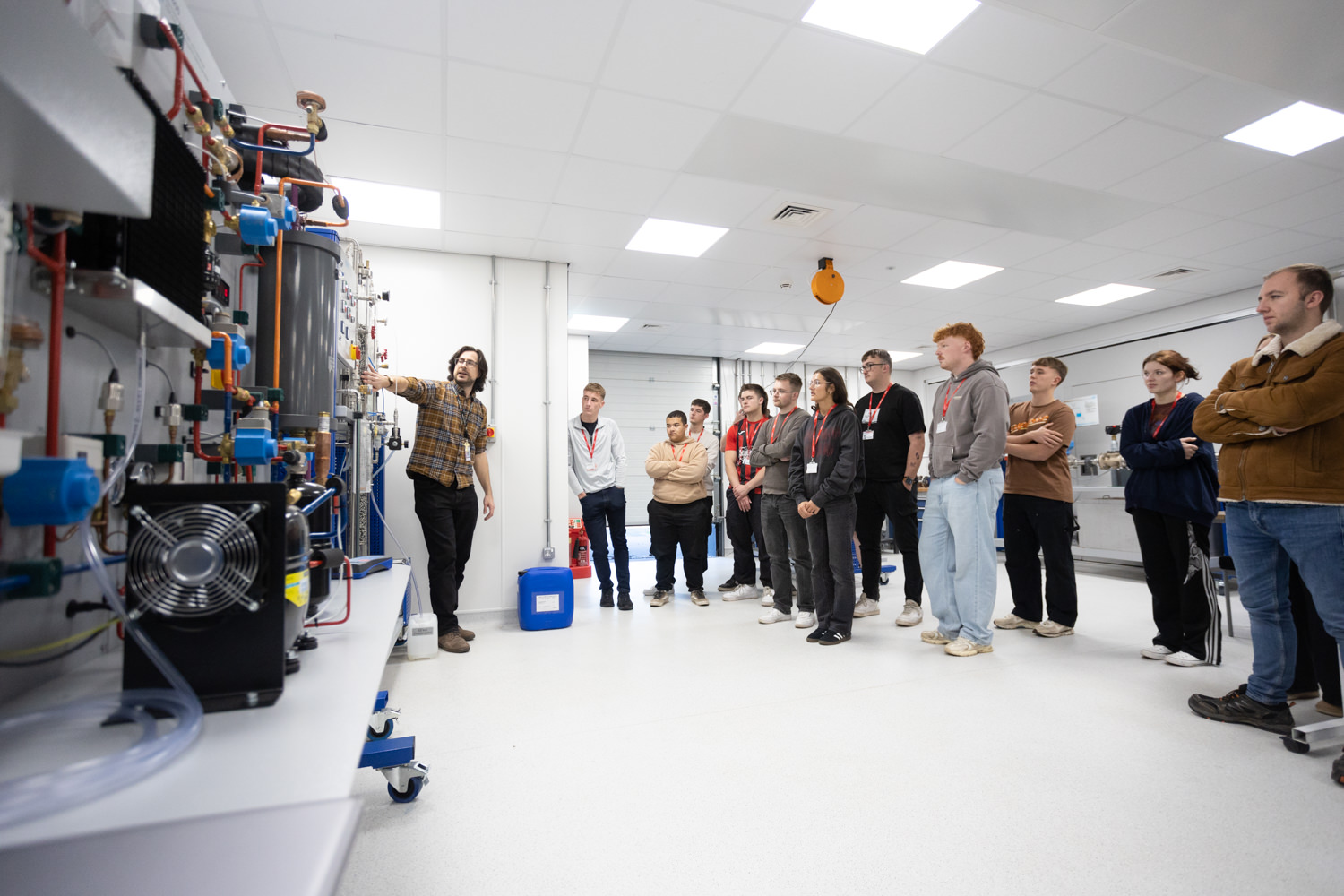
Featured image caption: Selby students take part in a carbon capture and storage bootcamp at Selby College.

How Wood Pellets Support Clean Energy Goals, Forests, and Communities

By Kyla Cheynet, Director of Sustainability, Drax

When we think of clean energy, solar panels and wind turbines often dominate the conversation, but as we work to enable a zero carbon, lower cost energy future, it’s going to take all clean energy industries working together. Biomass, in the form of wood pellets, has been quietly making a big impact by helping countries reduce carbon emissions, support sustainable forestry, and transition away from fossil fuels. 

What Are Wood Pellets? 

At Drax, we operate within the larger forest industry, making our wood pellets from sawmill residues and low-grade wood from the forest. Mill residuals come in the form of shavings, sawdust and chips, while material sourced from sustainable harvests comes from tree trunks, tops, and limbs which are too small or malformed to make sawtimber.  Wood that arrives in roundwood form is debarked and chipped on-site, with bark being used as fuel to dry the high-moisture chips and sawdust.  Once the fiber is dried it, is resized by “hammermills” into a very small particles which are then compressed under high pressure by “pellet mills” which cause the natural resins in the wood to bind together forming small wood pellets that look just like those used for pellet burning grills or home heating.  The wood pellets we produce are: 

  • Renewable: Sourced from sustainably managed forests and manufacturing residuals. 
  • Efficient: Low moisture content means high energy output. 
  • Easily transported: Pellets can be loaded on trucks, railcars, and ships with ease.  

Supporting Sustainable Forestry 

The forests that we source our biomass from are managed in accordance with best practices designed to support the health and growth of these forests over the long term.   We have strict criteria in place to ensure our fiber sourcing helps maintain or improve forest health, landscape-level carbon stocks, biodiversity, and forest-related values communities depend on.  

In the U.S. South, forest inventory has expanded rapidly in recent decades, largely due to improved forest management on private lands These vigorously growing forests are considered a wood basket to the world.  Active forest management is essential to maintaining the productivity and ecological value of these forests.  Thinning, an intermediate harvest aimed at reducing tree density, is essential to maintaining forest health. Thinning not only increases future sawtimber yields by allocating greater resources to “crop trees”, but also improves the forest’s resilience to pests, disease, and wildfire, all while enhancing understory plant diversity and wildlife habitat. 

Most trees removed during thinning operations are generally undersized or unsuitable for lumber, but they are ideal for producing wood pellets! In this way, the biomass market creates an incentive for managers to engage in practices that increase the health and vigor of forests on their land. 

Why Is This Important? 

At Drax, our mission is to help meet the world’s increasing demand for secure energy, sustainably. Sustainably sourced biomass plays an important role in supporting energy security as the world decarbonizes, displacing fossil fuels with renewable, dispatchable power that supports intermittent renewables like wind and solar.  

Biomass markets also bring business to rural communities. In addition to direct employment opportunities in manufacturing Drax’s operations supports hundreds of jobs throughout the larger forest industry in Mississippi. Drax pellet plants also create market opportunities for landowners hoping to generate a return on their forest investment.  Markets for low-grade biomass incentivize landowners to continue managing forests rather than converting or selling them off to other uses.  And we all benefit when forests remain forests!

To learn more about Drax’s impact in Gloster, Mississippi, visit www.drax.com/gloster