





This story first appeared in Biomass Magazine.

I’ve always thought of energy as the silent partner behind economic growth and technological progress—rarely visible when it’s working; unmistakable the moment it isn’t.
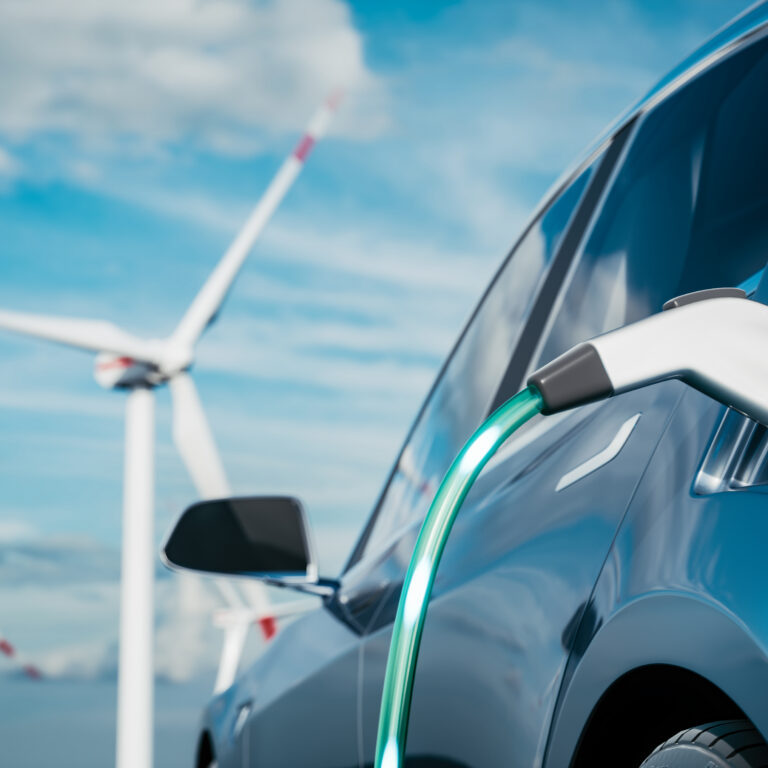
When London opened the world’s first electric underground railway in 1890, it showed the scale a new technology can achieve when matched with the right energy infrastructure. I see the same test facing today’s emerging technologies, from AI-enabled healthcare and electric transport to advanced manufacturing and digital public services. It is going to be very difficult to scale them unless the electricity system has enough power, keeps prices sensible and can flex generation by the minute rather than the season.
Where the strain is showing
The U.K. government projects that electricity demand could double by 2050. AI and data centers alone are expected to account for up to 16% of Britain’s electricity demand within a decade, and that’s before we include everything else electrifying around them.
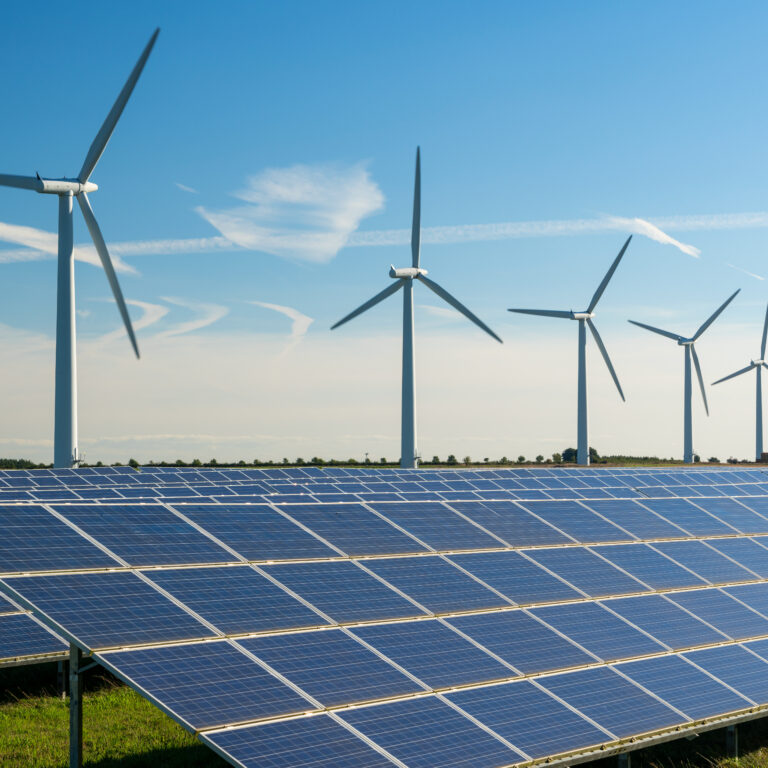
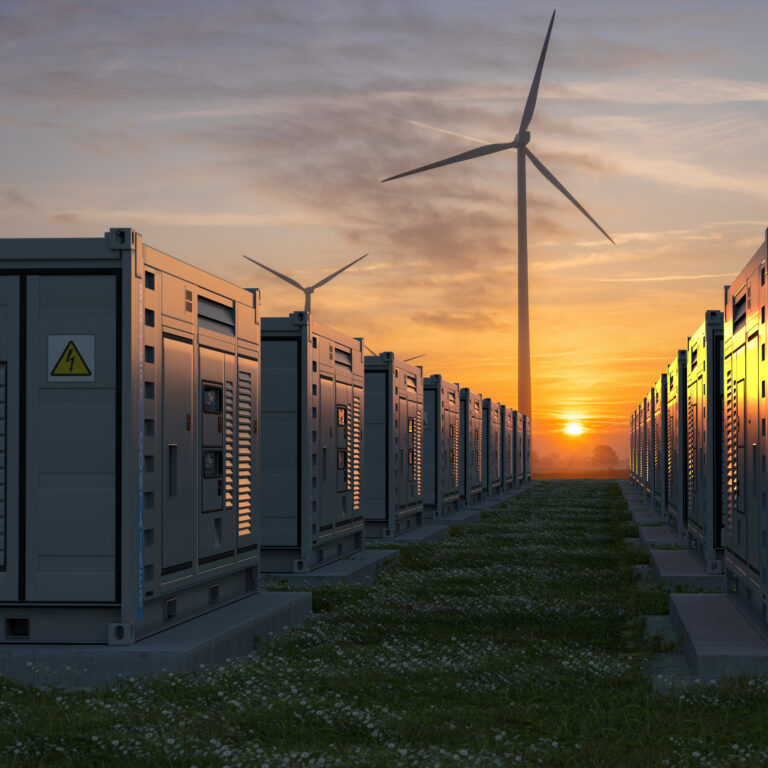
The system is already proving it can evolve. Wind was Britain’s largest electricity source for four consecutive quarters, with the first quarter of 2026 the most productive on record, while fossil fuel generation fell by 16% year over year, according to Drax’s Electric Insights report. Growth on that scale changes the job in front of us: The more we lean on wind and solar, the more critical flexible generation and storage become.
Russia’s invasion of Ukraine and renewed tensions in the Middle East have exposed the risks of overreliance on single fuel sources or geographies. The core lesson remains that resilience comes from a mix of energy sources, and that includes both intermittent renewables and baseload power such as biomass generation.
Solving the energy trilemma
Much of what’s needed already exists. The right combination of technologies can deliver a more affordable, secure and sustainable system.
Affordability: Wind and solar are already among the cheapest sources of electricity available, but affordability is about more than the cost of generation. A balanced system uses flexible generation and storage to manage weather and supply swings while reducing exposure to price volatility.
Security: Renewables made up around half of Britain’s electricity last year. But an important part of security is whether the system can deliver it reliably. Maintaining that reliability as the renewable share grows will require dispatchable sources that can generate power exactly when it’s needed, including sustainable biomass.
Sustainability: When sustainably sourced, biomass supports healthy forest management and helps limit new atmospheric carbon, while complementing other renewable technologies rather than competing with them.
Real challenges remain: political and investment uncertainty, local opposition to new infrastructure and intensifying global competition for capital all slow progress. So do practical constraints—some data center projects are facing grid connection delays of up to 15 years.
Bills reflect the entire system
For most people, energy only becomes visible when the bill arrives, reflecting the entire system—from the generation we’ve built to the networks we’ve established. Prices are signals. When demand outpaces supply or supply is constrained, costs and volatility rise.
Three forces will shape where prices go from here:
Policy: Market and planning reform and faster grid connections will decide how quickly Britain can turn investment into infrastructure.
Demand: Accelerating electrification and data center growth will decide how much expansion is needed.
Exposure: Our continued reliance on the global gas market and other single sources of energy will decide how much of that cost moves with events far outside our control.
Building the system behind the bill
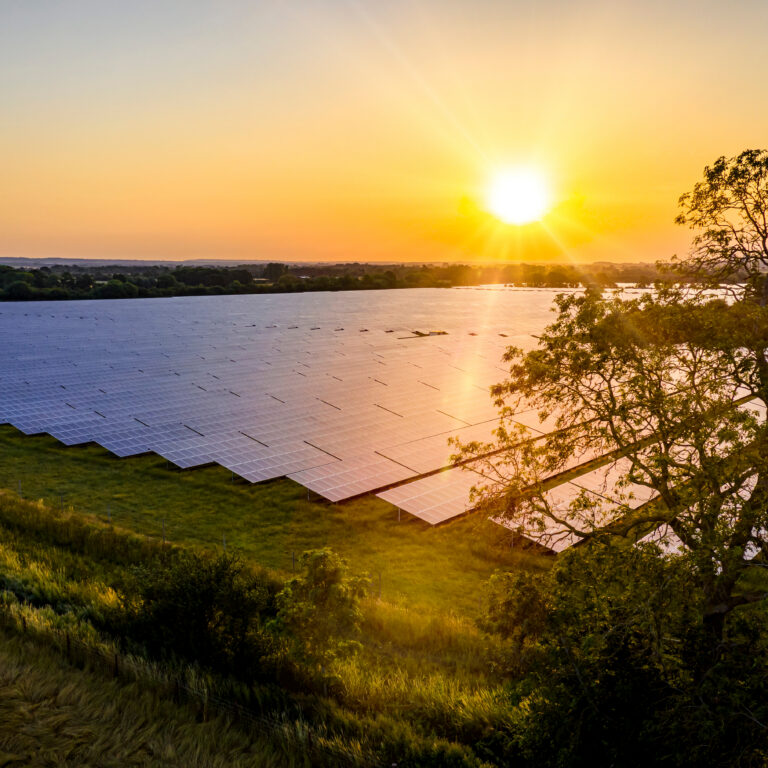
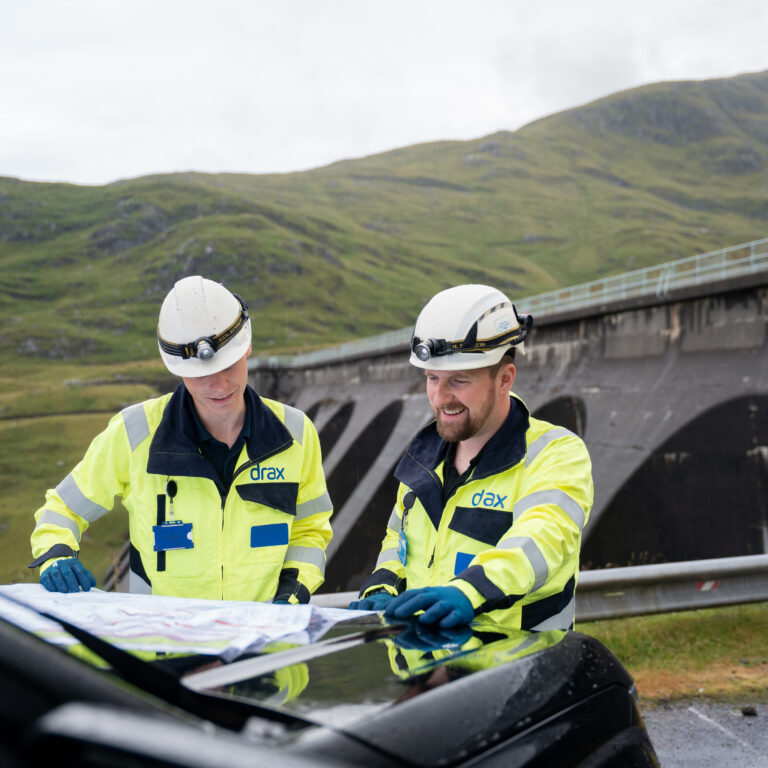
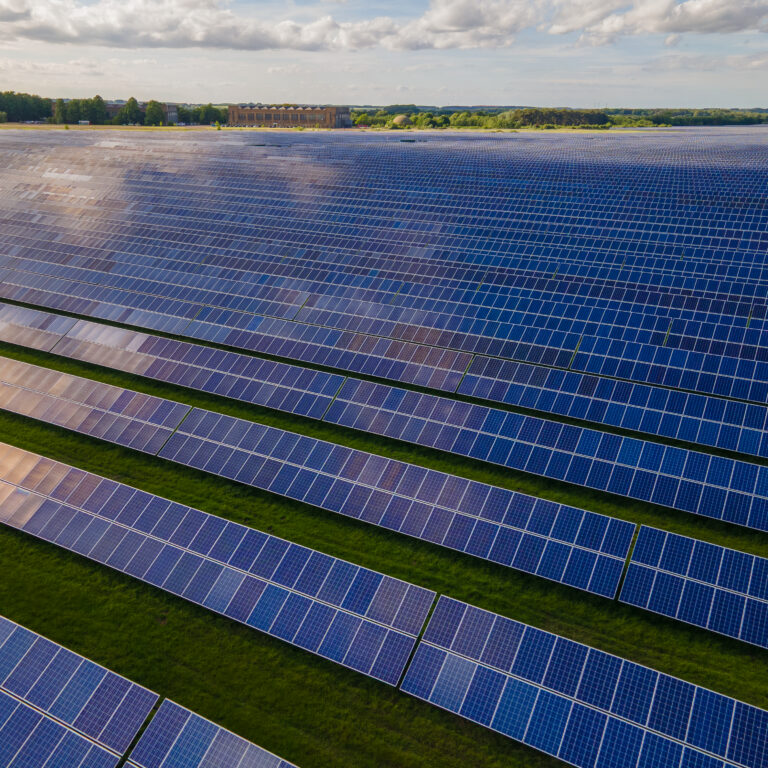
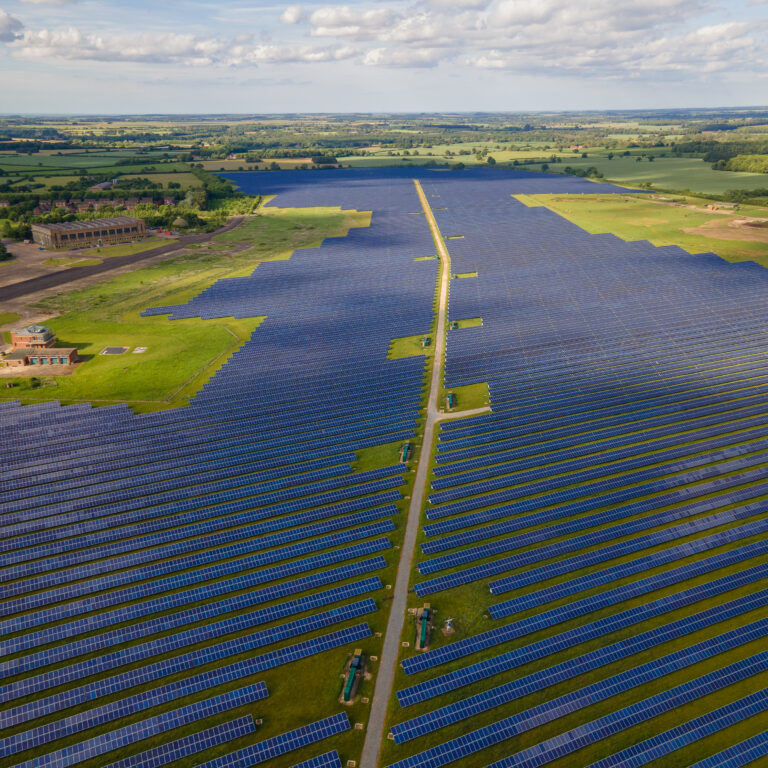
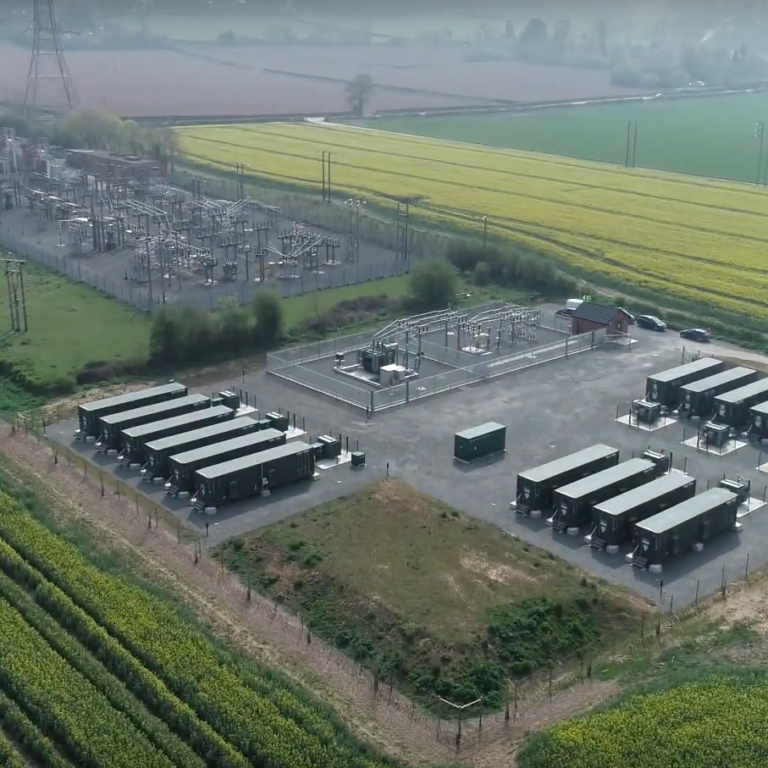
At Drax, we’re investing in a diverse portfolio across the country to support the U.K.’s energy needs. That includes our £548 million ($742.5 million) acquisition of Bluefield Solar’s wind and solar portfolio, alongside our continued investment in biomass and battery storage.
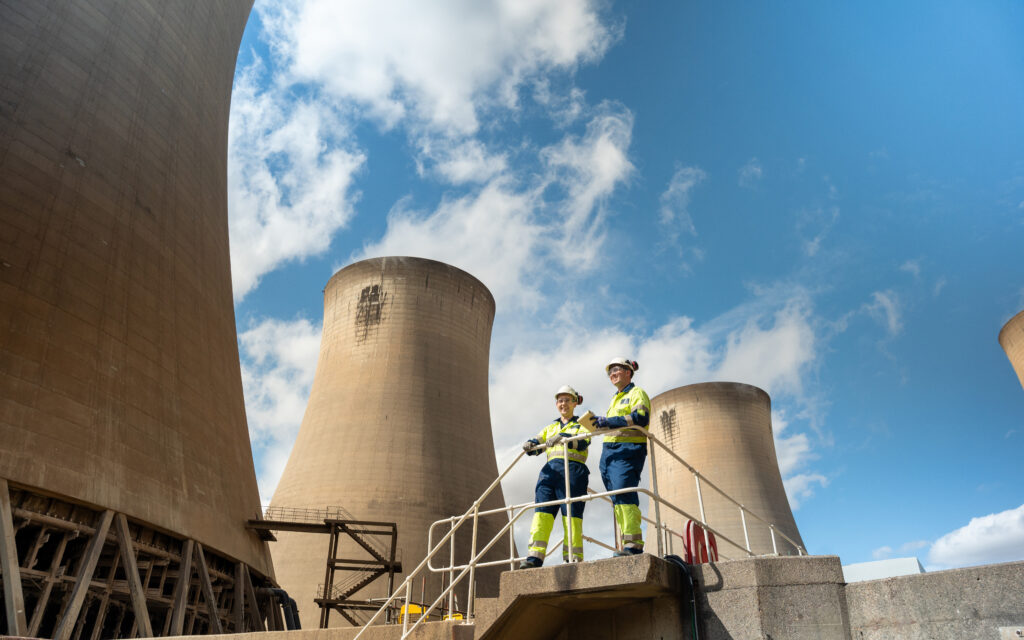
Biomass plays a distinct role in that mix as a renewable, dispatchable source of generation capable of running when intermittent renewables cannot. Drax Power Station also provides vital system services beyond generation, including inertia and electricity system restoration, helping to maintain stability and support the restoration of electricity supplies following a major disruption.
Renewable energy, data centers, advanced manufacturing and grid investment can become engines of regional growth and job creation, not competitors for the same limited capacity. If we truly want to tackle affordability, we need to invest ahead of demand to build the flexibility Britain needs into the system before today’s constraints become tomorrow’s bottlenecks.
I think about London’s first electric railways often and how we now hop on and off the Tube without thinking about the energy systems working quietly in the background. The technologies defining our next era are no different; they depend on the electricity system behind them that is often forgotten. But we can’t forget to invest in the silent partner for innovation.