





This article has been republished with permission from The Sunday Times Scotland.

Britain is making meaningful progress in developing a lower-carbon electricity system, thanks in large part to northern low-carbon generation.
The next challenge is building networks and sources of flexibility that can make the most of that investment, while supporting the growth of businesses and communities across the country.
Britain’s energy system is changing rapidly, and as it does it reshapes how regions are positioned to compete for opportunities to grow and prosper.
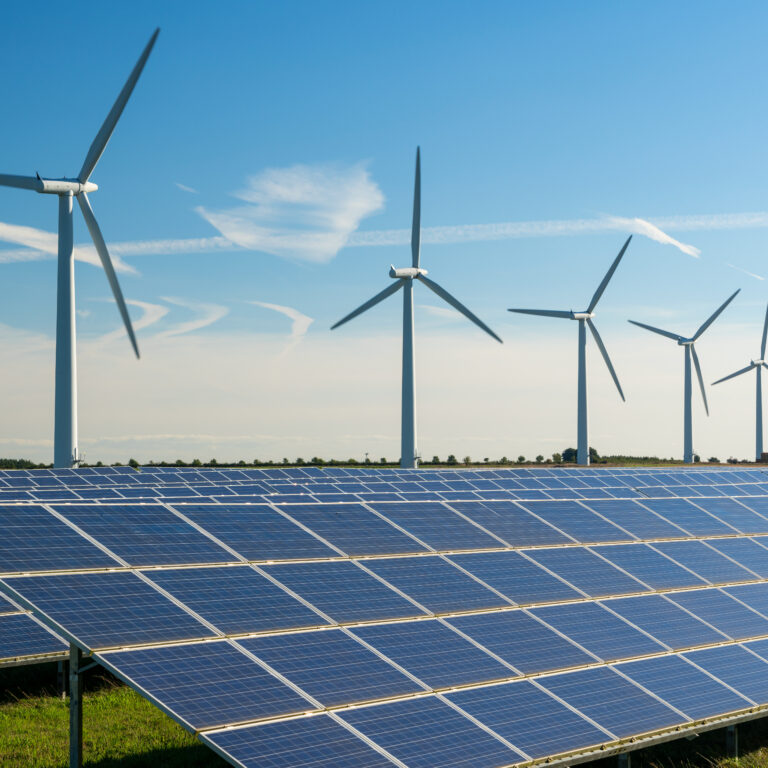
Offshore wind has become a major source of electricity, solar is growing rapidly, and investment into onshore renewables, energy storage and other forms of generation continues to advance.
Changing how we generate electricity also changes the demands we place on the grid.
One of the most noteworthy challenges is simply where electricity is being generated compared with where it is being used.
Why is electricity generation concentrated in Scotland and northern England?
A majority of the UK’s new generation and storage is being developed in Scotland and the north of England. Together, these areas account for more than half of Britain’s low-carbon generation capacity, while representing less than a fifth of electricity demand.
So, when the wind is blowing strongly in Scotland, for example, there can be a significant electricity surplus produced in the north while demand is much higher elsewhere.
Transmission lines whisk most of this power away to other regions experiencing higher demand, but there are limits to how much the system can handle at one time. Once those limits are exceeded, generators are often compensated to reduce their output – and the UK has already paid out more than £1bn in wind curtailment costs this year.
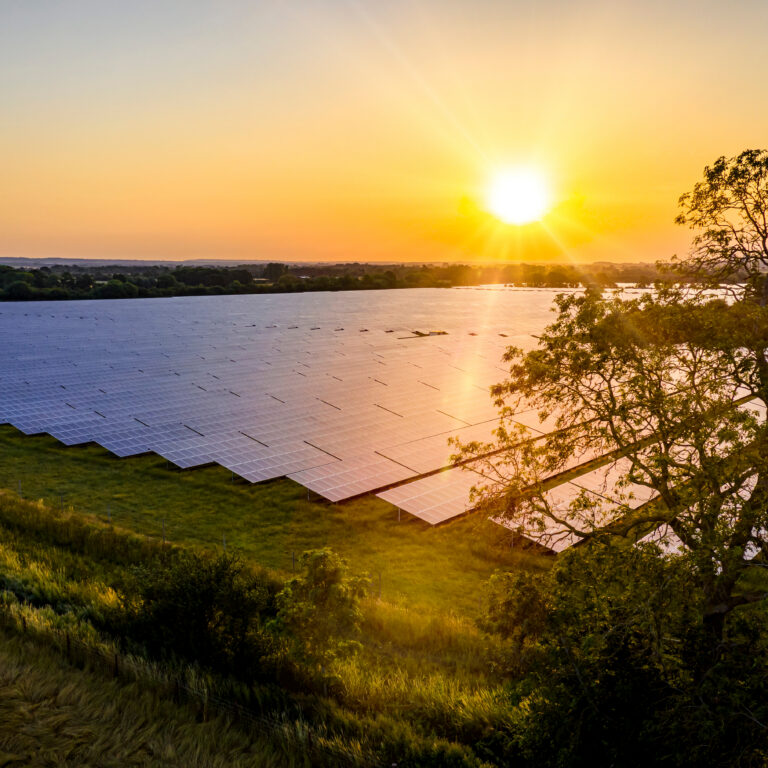
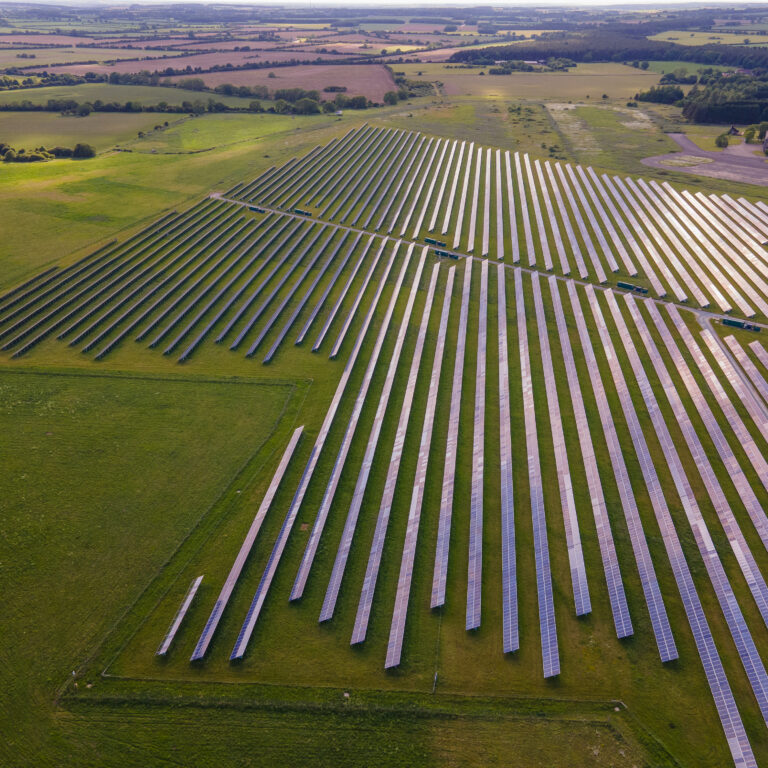
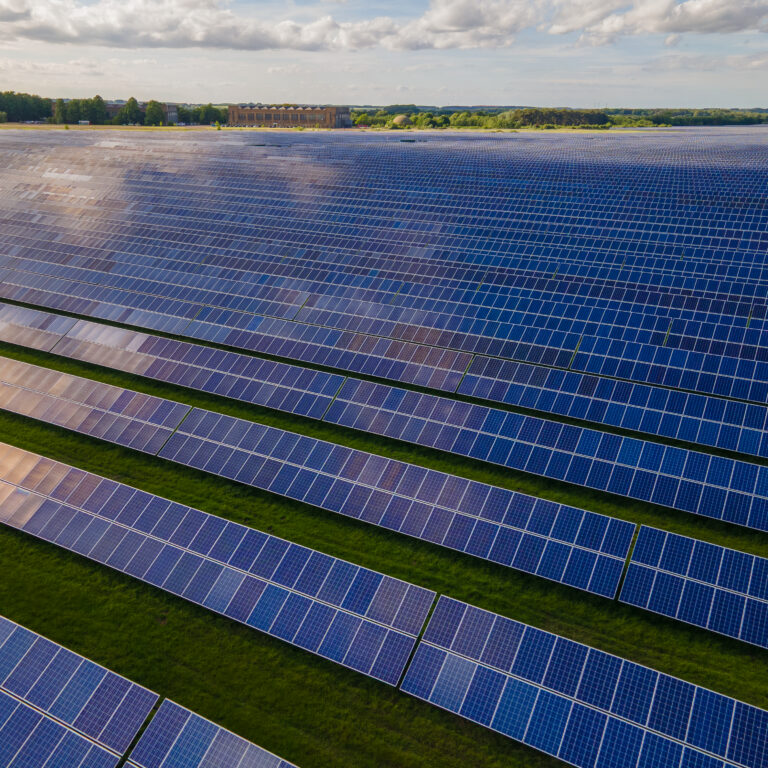
Solar adds another dimension. Large solar farms are now an established part of the generation mix, while thousands of homes and businesses are generating their own electricity from rooftop panels.
On a sunny summer day, solar can make a significant contribution to meeting demand but, naturally, output varies throughout the day and falls away altogether overnight.
Wind and solar are very different technologies, but they have something important in common: their output depends on the weather, and neither is guaranteed to produce electricity at the same time or place as it is needed.
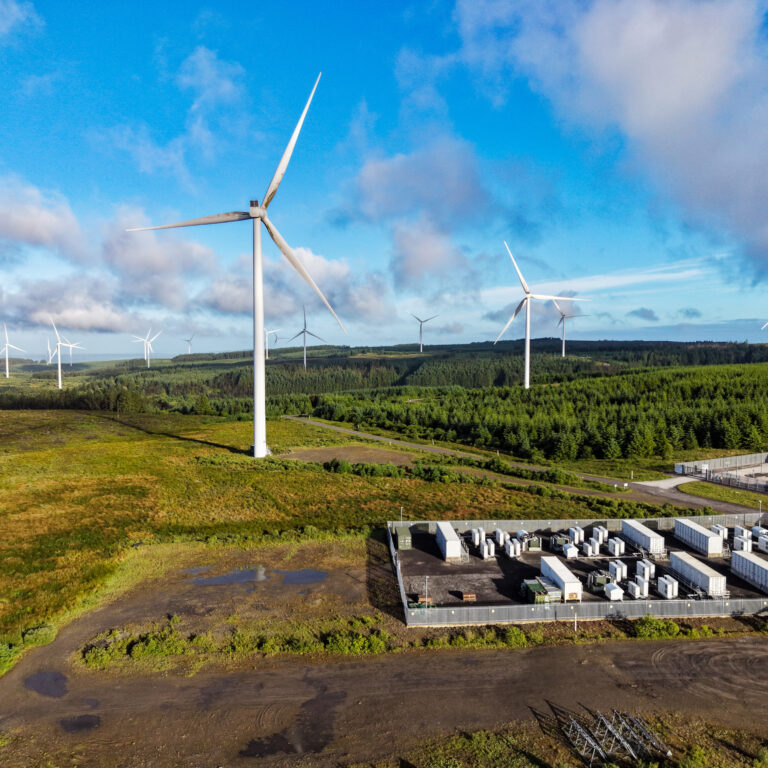
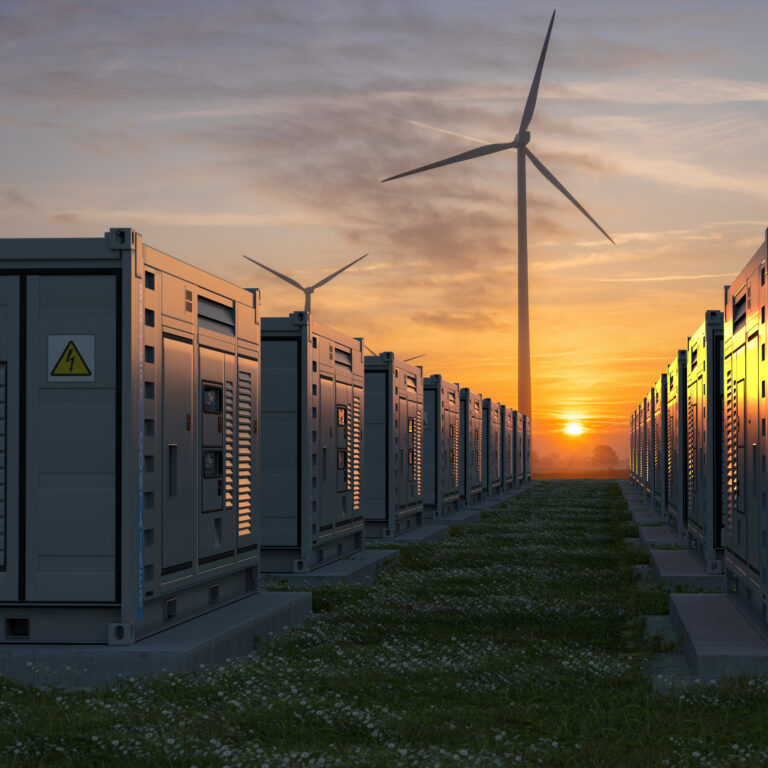
Energy storage from technologies such as batteries and pumped hydro storage can soak up some of this excess power and deploy it when demand is high but, despite a recent battery boom, capacity today is still nowhere near the levels needed to utilise all of it.
Why does Britain need more transmission capacity?
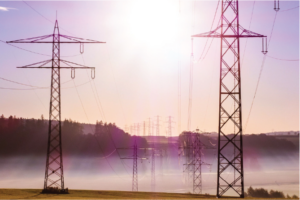
To reduce our reliance on power redirection, there is a clear need to improve the network itself. That means continuing to invest in high-voltage transmission infrastructure, including new lines and subsea connections.
High-voltage direct current links will also have an important role to play in moving large amounts of electricity between regions.
This is particularly relevant as electricity becomes more important to the wider economy.
We need to think about the electricity network not just in terms of keeping the lights on, but as part of the infrastructure that supports economic growth.
A business deciding where to build a new factory, data centre or other major facility needs to know that it will be able to get the electricity it requires. Long connection times can make that decision much harder.
How is clearing grid connections backlog helping viable projects move forward?
The legacy first-come, first-served approach left more than 700GW of projects waiting for grid connections, including projects that are less likely to get built or less strategically vital. Prompting the National Energy System Operator’s (NESO) move towards giving greater priority to projects that are viable and strategically important is a sensible development.
We need to make sure that genuine projects can progress, while avoiding a system where network capacity is effectively reserved for projects that are less likely to go ahead. Getting this right will help unlock investment that is currently waiting on the sidelines.
What role do energy storage and flexible generation play in an efficient system?
A system that is increasingly reliant on wind and solar needs to be able to respond to generation changes and demand mismatches.
To maximise renewable generation at scale, the system needs to adapt seamlessly, shifting power across timelines and geographies to meet demand head on. When a diversified generation and storage portfolio is paired with a flexible grid, the system can absorb volatility to keep reliability, affordability and sustainability all stable under pressure.
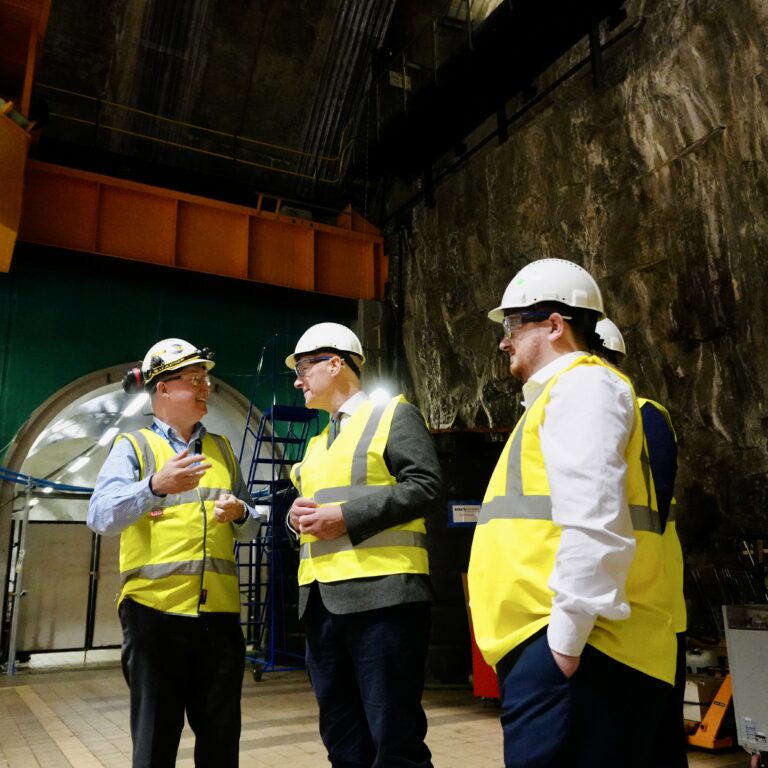
Our acquisition of Scotland-based asset optimisation platform Flexitricity earlier this year reflects a key component of this mix, incorporating a tech-enabled solution to help streamline how and when organisations use power in response to the needs of the system. Long-duration storage, including pumped hydro, can also help by storing electricity when it’s abundant and releasing it when it’s needed.
Gas and biomass generation can also provide dispatchable power when the system needs it, helping to provide the reliability that consumers and businesses expect. As the generation mix changes, having a range of technologies that can respond at different times will become increasingly important.
It’s critical to remember that no single technology can solve every problem. The electricity system of the future will need the right combination of generation, transmission, storage and flexibility to meet projected demand consistently.
Powering future economic opportunity with a stronger electricity grid
Power is essential to all economy opportunity, and reliable access to power is a game-changing differentiator at both the regional and national level.
As electrification continues to advance across major industries ranging from technology and transportation to manufacturing and healthcare, it’s increasingly clear that power has become a prerequisite for growth.
At the same time, building and upgrading the grid requires engineers, construction workers, manufacturers and a wide range of specialist businesses. Developing energy infrastructure can support skilled jobs and supply chains across the country.
There is an opportunity here to make sure the benefits of the energy transition are felt beyond the places where electricity demand is highest. Scotland and the north of England have enormous renewable energy potential, and better connections can open opportunities and help attract industries that want access to clean and reliable power.
That could be particularly important as Britain looks to strengthen its industrial base and compete for investment in areas such as manufacturing, technology and other energy intensive industries.
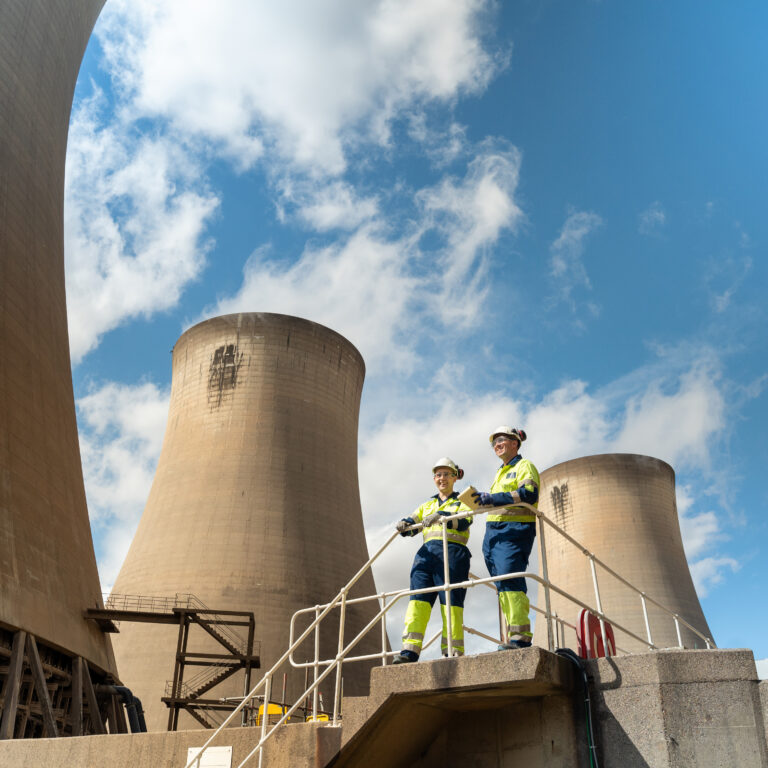
Companies like Drax are already working to build out the right mix of low-carbon generation and storage to meet the needs of the future. The next step is to ensure the infrastructure surrounding that generation is capable of keeping pace.
A stronger transmission network, a more effective approach to grid connections and a good mix of flexible technologies will allow us to make better use of the electricity we are already generating.
It will also give businesses, consumers, investors, and governments greater confidence that the power they need will be available when and where they need it.
The energy transition is changing not just how Britain generates electricity, but where that electricity comes from and how the energy system as a whole needs to operate.
If we build the right system, developing the network alongside our changing generation mix, that flexibility will help to insulate against market shocks, improve affordability, unlock future innovation, and strengthen our collective competitiveness for current and future economic opportunities.