







This article has been republished with permission from The Engineer.

Prime minister Andy Burnham has designated electricity affordability as one of his most pressing priorities in office, and for good reason.
High energy bills continue to put pressure on households already dealing with a rising cost of living. They’re also a drag on the wider economy, with high power costs leaching away around £30bn from energy-intensive industries between 2019 and 2024. But this doesn’t have to be the future; we have the power to change it.
The new government has responded by removing the five per cent VAT charge from domestic electricity bills for six months from 1 October onward. The move comes on the heels of Ofgem raising the household energy price cap by 13 per cent, and it should reduce the annualised cap by around £45.
This will give households some welcome breathing room, but it doesn’t address the deeper issue. Electricity still carries policy costs that gas does not, which keeps power comparatively expensive and sends a contradictory message to households and businesses that are being encouraged to electrify.
Pressure for wider reform is already growing. The Climate Change Committee has called for remaining policy costs to be removed from electricity bills, arguing that lower electricity prices would make it easier for households and businesses to electrify. The CBI and Energy UK have also proposed shifting key business levies into general taxation or another funding mechanism.
Britain needs to stop treating energy security and net zero as competing priorities when, with the right approach, it can achieve both. We need secure, affordable power while continuing to cut emissions and give investors the certainty needed to build the energy system the transition depends on. Wider reform, starting with how we fund green levies, can help bring those objectives together.
A step in the right direction
The current policy contradiction between electricity and gas has an impact on both household bills and businesses. High electricity costs can make Britain less attractive to data centres and other power-hungry industries tied to future economic opportunity that have a choice about where they invest.
The Climate Change Committee has argued that removing policy costs from electricity would allow the greater efficiency of electric heating to show up more clearly in household running costs.
Moving green levies into general taxation could spread the cost across a broader funding base rather than concentrating it on people and businesses that use electricity. This is not about reducing support for renewable energy. It’s about funding that support in a way that helps Britain move away from fossil fuels rather than making that transition harder. If we leave the system unchanged, we risk prolonging our exposure to volatile global gas markets and making the country less competitive.
A more competitive route to electrification
UK businesses pay around 45 per cent more for electricity than the G7 median, while four in ten companies have reduced investment because of energy costs.
Switching industrial heat from gas to grid electricity wasn’t commercially viable because of the price gap between the two fuels, according to an insight paper from CPI and Cornwall Insight.
The same research found that businesses cannot confidently base investments lasting 25 years or more on exemptions or policy support that may expire or change.
This illustrates that cost matters, but certainty matters too. As electricity demand continues to rise, it will drive increased need for flexible generation and storage to smooth fluctuations in wind and solar generation.
Lower bills need long-term investment
Moving green levies into general taxation can reduce pressure on electricity bills, but we also need to protect the system consumers rely on every day.
Energy infrastructure takes years to finance and build. If costs move to the Treasury, the government should pair that change with a durable, multi-year settlement. Agreed support needs to be protected under any proposed model; it cannot be reopened at every Budget or Spending Review without creating uncertainty across the sector.
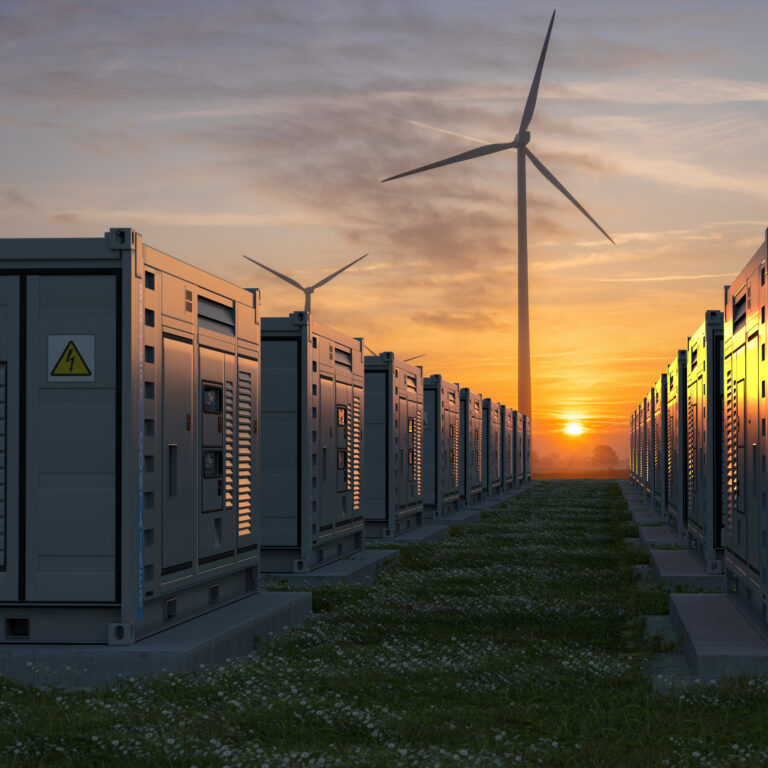
Drax continues to invest in flexible generation and storage because Britain will need more capacity to keep power reliable as demand rises. The same long-term certainty matters for the broader industry.
To be clear, this is not about putting investors ahead of consumers. It is about making sure lower bills today do not come at the cost of a weaker or less reliable system tomorrow. For a country already facing high energy costs, getting this right means lowering bills now while making sure Britain still has the energy system it needs to compete in the future.
The VAT cut has changed the direction of the debate by recognising that electricity costs must fall, particularly as more households and businesses are encouraged to electrify. The next 28 October Budget offers the government an opportunity to move beyond temporary relief and set a course to tackle the wider cost of electricity.
If Britain is serious about reducing electricity costs, improving energy security and supporting long-term growth, moving green levies into general taxation is the clearest place to start – but it’s critical that we don’t stop there.