






Media headlines have portrayed biomass as a high-carbon energy source, sometimes even suggesting it can be worse for the climate than coal or gas. Why then do the UK, as well as the IPCC and a host of other countries recognise sustainable biomass as a low carbon source of energy?
The science is more nuanced than the headlines. It tells us that biomass can be low carbon. But how and where it is sourced matters.
When is sustainable biomass low carbon?
Biomass should not be viewed as automatically carbon neutral or inherently high carbon. Its carbon impact depends on the circumstances in which it is produced and used.
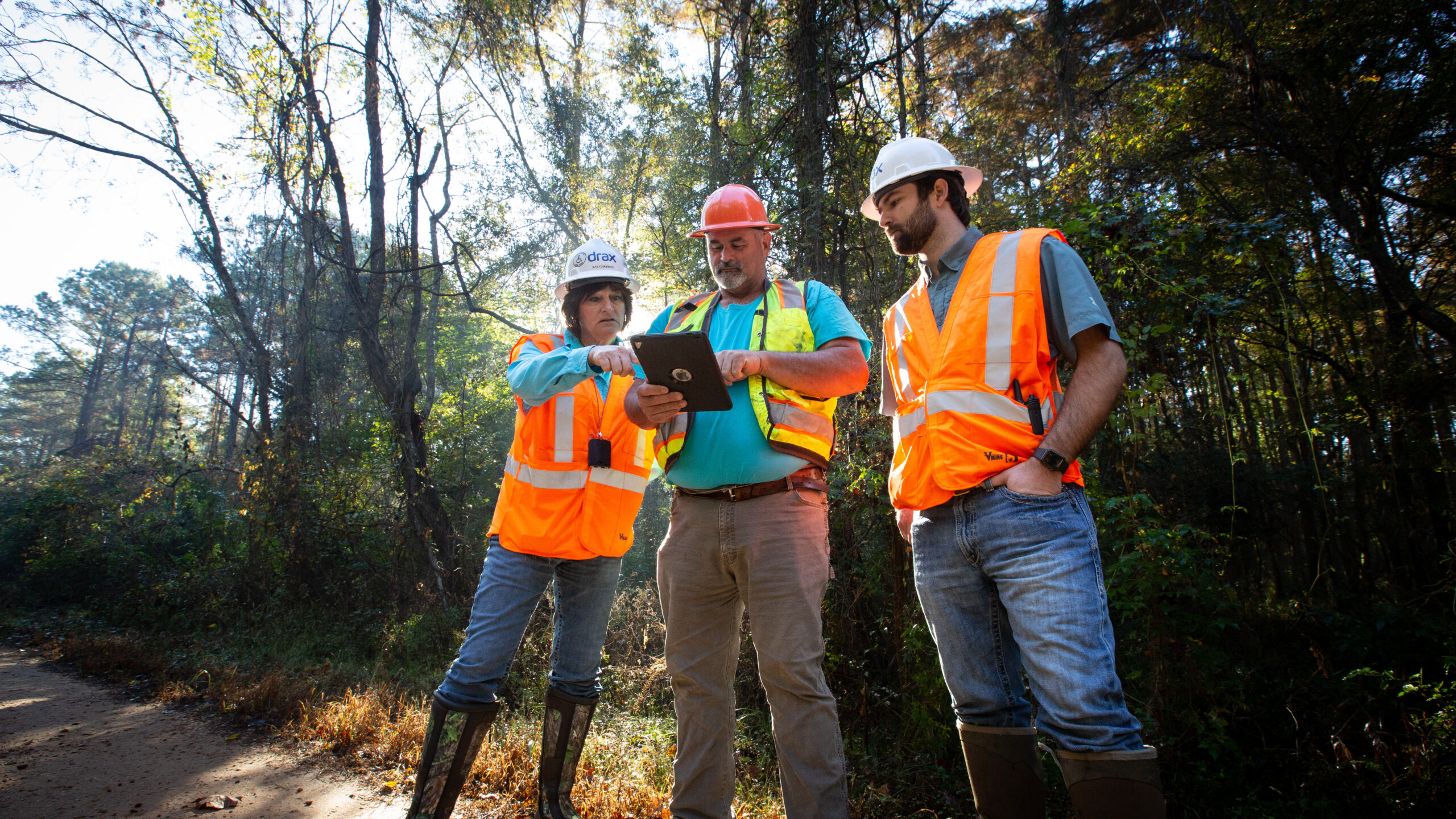
When biomass is sourced responsibly, from appropriate materials and well-managed forests, it can be low carbon. Establishing this requires understanding the supply chain, including the location and type of forest, how it is managed, the material used and what would have happened to that material in the absence of biomass sourcing.
Understanding the biogenic carbon cycle
Forests continually exchange carbon with the atmosphere. Trees remove carbon dioxide as they grow, while carbon returns to the atmosphere when wood is burned or decomposes.
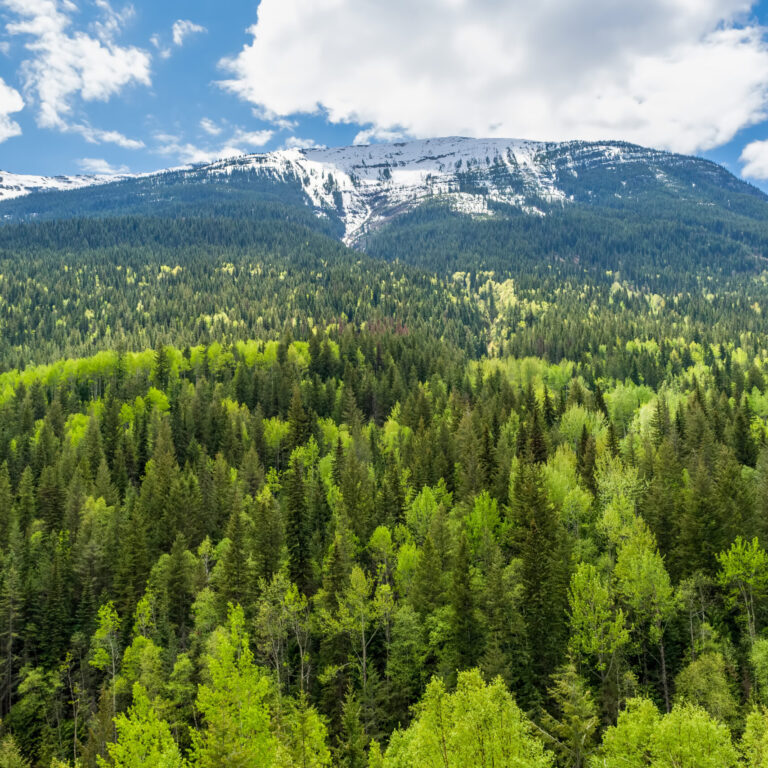
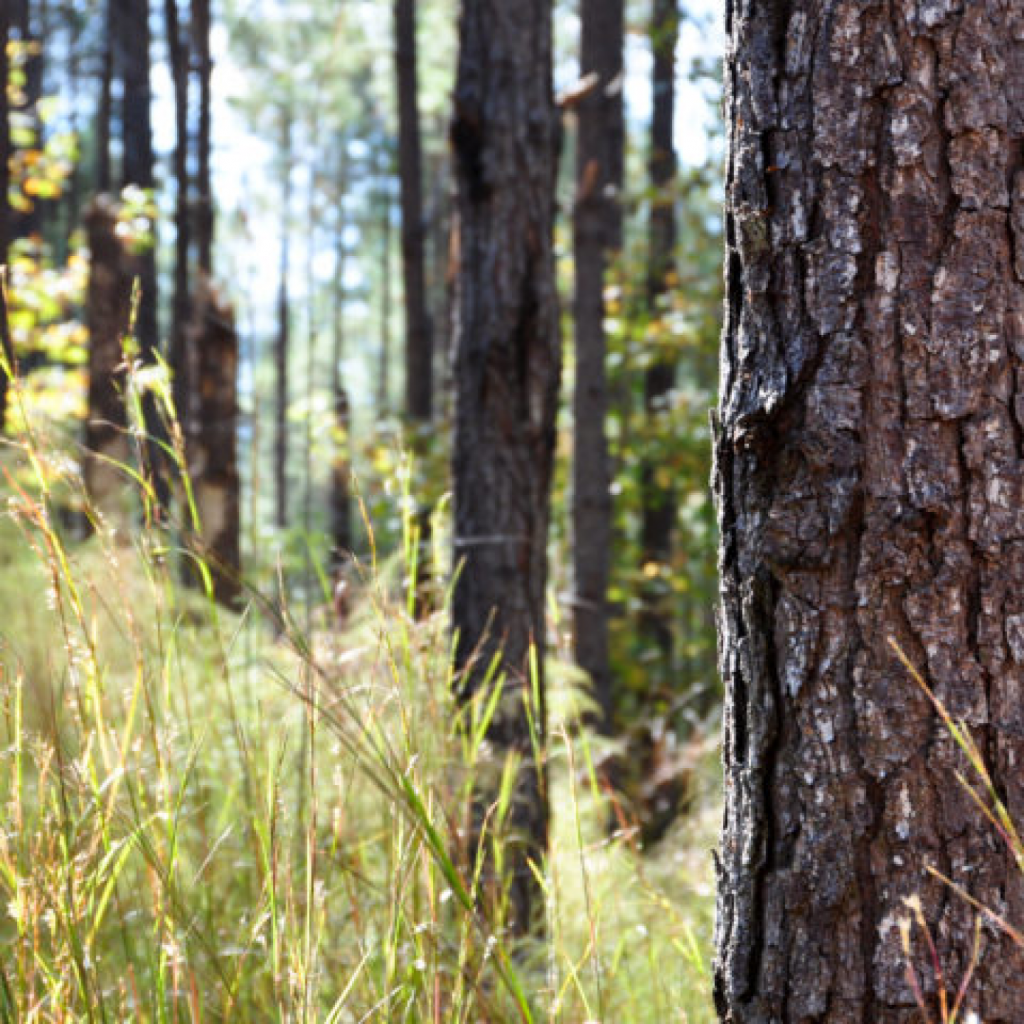
In a sustainably managed forest system, trees are growing, being harvested and regenerating at the same time across a large landscape.
Higher quality timber is typically used for products such as construction materials. Lower grade wood, thinnings, treetops, branches and sawmill residues can be used for other purposes, including bioenergy.
This distinction matters. Using a tree for bioenergy that could be made into a long lived product can have a very different carbon impact from using a sawmill residue or branch that might otherwise decompose or be burned without producing energy. The critical question is whether using the material for energy generation creates a carbon ‘debt’.
What is carbon debt and when can a carbon debt arise?
A carbon debt can arise when using biomass results in more carbon being released into the atmosphere, or less carbon being stored in forests, than would otherwise have been the case.
However, carbon debt is not an inevitable consequence of biomass sourcing. The risk is highest when trees are harvested intensively and solely for bioenergy. It is likely to be much lower when biomass comes from thinnings, harvesting residues, salvage wood, mill residues and other low-value materials from well-managed, productive forests.
In some circumstances, biomass sourcing may create little or no carbon debt. This could be the case when harvest residues used for bioenergy would otherwise have been burned in the forest, a practice used in some regions as part of forest management to remove debris and help limit the spread of wildfire. Using that material to generate energy can make productive use of something that would have released carbon anyway.
Biomass markets can also support good forest management and investment, helping forests remain productive and continue storing carbon over the long term, with potential for carbon gain in some cases.
Why conclusions differ
Studies on biomass can reach different conclusions on carbon impact because their results depend on both the circumstances examined and the assumptions they make.
What material is being used? What would have happened to it otherwise? What happens to the forest after harvesting? What fossil fuel or other energy source is biomass replacing? What emissions are avoided when replacing these energy sources? And over what time period and geographical scale should carbon impact be measured?
Change those circumstances and assumptions and the answer can change significantly.
This is why broad claims that biomass is either always carbon neutral or always worse than fossil fuels miss an important part of the picture.
Key takeaways
Feedstock choice and sourcing location matter. Responsibly sourcing appropriate materials from well-managed forests and understanding what would happen without biomass demand are fundamental to ensuring that sustainable biomass is low carbon.
We have recently published a comprehensive summary of the science of low carbon biomass, including details of how we are acting on the science to minimise carbon debt in our supply chain so that we can credibly say our biomass is low carbon.
To understand more about the science of low carbon biomass click here.