Tag: investors

The Beast from the East

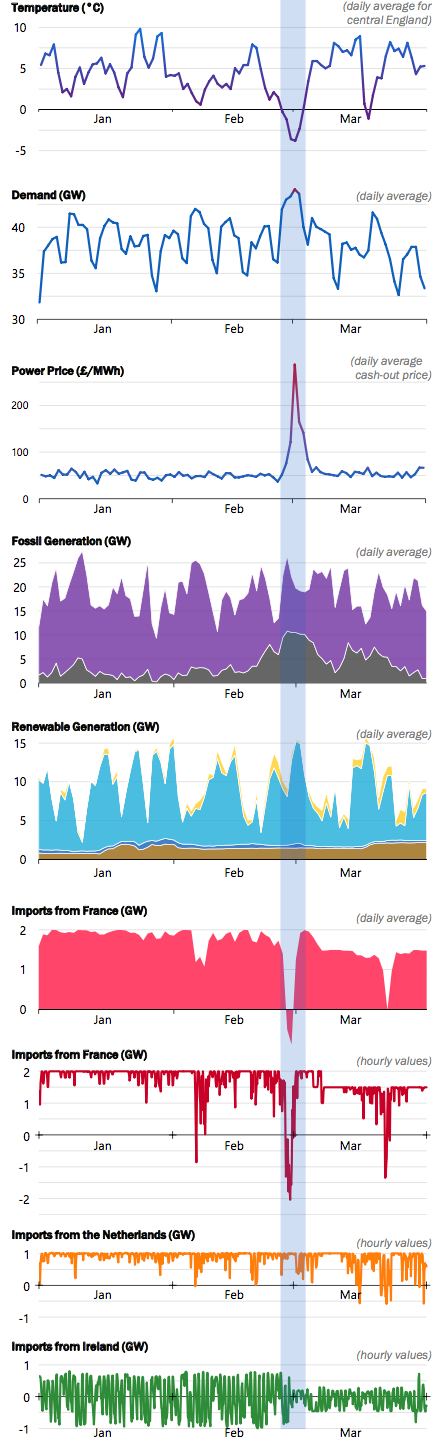
Thursday 1 March was the coldest spring day on record, averaging –3.8°C. The six days from 26 February to 3 March (highlighted in blue) were the coldest Britain has been since Christmas 2010.

This pushed electricity demand up 10%, as people used more electric heating to keep warm. The evening peak demand on 1 March was the highest in three years, and so was not stretching the system to its limits.

Electricity prices rose to five times the average for the quarter. They peaked at £990 per megawatt hour (MWh) for half an hour, and also fell to –£150 per MWh as the market became volatile.

Coal generation surged for the weeks surrounding the cold spell. Not because more output from conventional plants was needed, but rising gas prices made it more economical to burn than gas. Total generation from fossil fuels remained around 20–25 GW.

Biomass and hydro ran solidly throughout the cold spell. Wind output was particularly high when it was most needed, ranging from 11.8 to 13.8 GW during 1 March. Whilst wind certainly helped, the lights would not have gone off without it, as up to 19 GW of spare gas capacity was available if needed.

Britain’s links to other countries were not so helpful. We exported to France through much of the cold spell. French electricity demand is more impacted by temperature than British, as more French homes use electric heating.

Looking in more detail at the UK’s links to other countries:

  • Britain had been largely importing from France all year, but then exported solidly through 27–28 February, when power prices were higher in France.
  • Prices remained lower in the Netherlands, so Britain continued importing from them.
  • Britain and Ireland traded power back and forth to help balance their systems. On 3 March the East-West link between North Wales and Dublin was taken offline for (unrelated) maintenance.

Download the PDF version

Read the press release

Explore this data live on the Electric Insights website

Commissioned by Drax, Electric Insights is produced independently by a team of academics from Imperial College London, led by Dr Iain Staffell and facilitated by the College’s consultancy company – Imperial Consultants.

The electric transport revolution

With rapid technological improvements and falls in battery prices, improving performance and reducing the cost, experts predict that by 2050, 90% of new-build cars will be powered by electricity.

However, it’s not only roads where transport is decarbonising; electricity may soon power more of the world’s trains, plus its planes and boats.

Taking trains forward

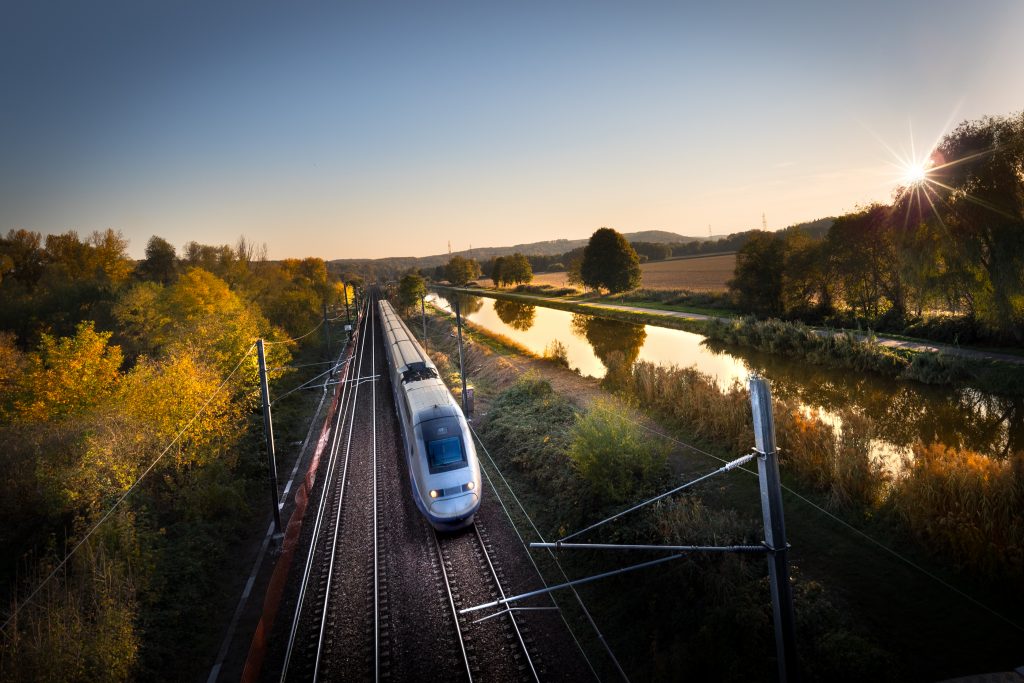
The electrification of the rail industry has arguably been in the making for a lot longer than EVs but there’s still progress to be made. Trains are already one of the most-efficient modes of long-distance transport, and Network Rail claims electric models’ carbon emissions are 20% to 35% lower than diesel trains. Electric trains also accelerate and brake faster than diesel-powered models, and cause less wear to tracks.

Electrified trains are already commonplace in many parts of the world – Japan’s famously fast and reliable Shinkansen railways are electric. Meanwhile in the UK, less than 50% of the rail network is electrified, with Transport Secretary Chris Grayling’s recent ‘pause’ on development casting doubts on previous ambitious plans to electrify 850-miles of track.

Nevertheless, advancements are still being made to enable the sector to utilise solar energy as an alternative to the national power grid. The concept would prove cost effective and reduce the carbon footprint of trains even further.

According to a report by climate change charity 10:10 and researchers at Imperial College’s Energy Futures Lab, rail companies could cut their annual running costs by millions of pounds through installing their own trackside solar panels to power electric trains directly. With companies spending around £500 million a year on power, the savings on self-generation would enable them to cut fares for passengers, as well as emissions.

Take off for electric planes

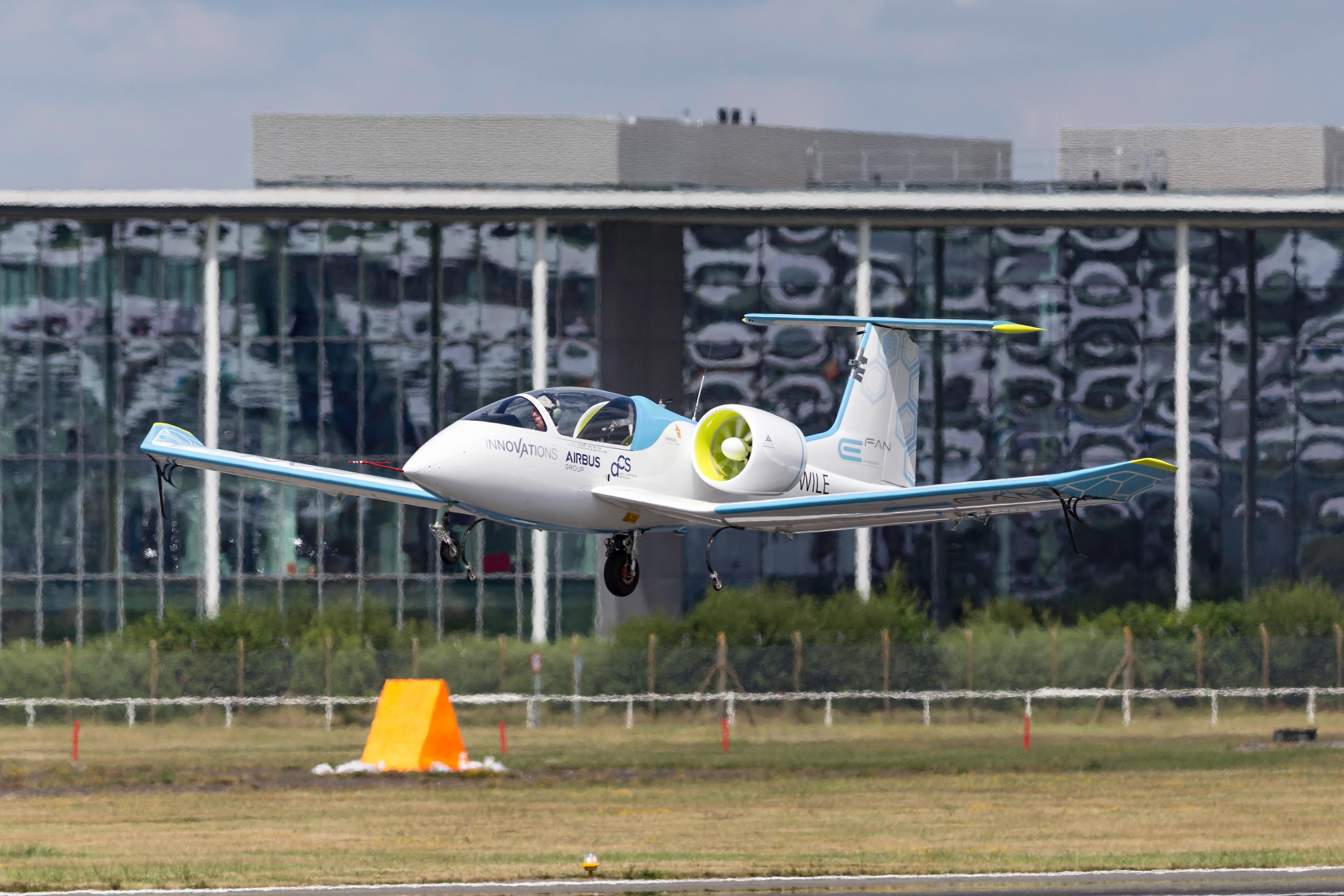
Of all transport modes, air travel has made the least progress in electrification but there’s hope yet. Airbus, Rolls-Royce and Siemens recently teamed up to develop the technology needed to create electrically-powered aircraft. The companies plan to fly a demonstrator aircraft with one of its existing jet engines replaced by an electric unit in 2020.

Paul Stein, chief technology officer at Rolls-Royce, said: “Aviation is the last frontier of the electrification of transport. It could lead to a step change in the way we fly with greater efficiency and less noise.”

These proposed hybrid-electric aircraft are not powered by on-board batteries like EVs but with a gas turbine that generates electricity to drive the propellers. This could reduce fuel consumption by up to 10%, predicted Mark Cousin, head of flight demonstration at Airbus.

Moving to electric aircraft would also help the aviation industry meet EU targets of a 60% reduction in emissions of carbon dioxide (CO2) by 2020, as well as 90% less nitrogen oxides and a noise reduction of around 75%.

UK-based airline EasyJet also announced it could be flying electric planes within a decade and is teaming up with US firm Wright Electric to build battery-powered aircraft.

According to EasyJet, the move would enable battery-powered aeroplanes to travel short-haul routes such as London to Paris and Amsterdam, and Edinburgh to Bristol. Wright Electric is aiming for an aircraft range of 335 miles, which would cover the journeys of about a fifth of EasyJet passengers. The challenge comes in making lithium-ion batteries light and safe enough for the air.

The airline said this was the next step in making air travel less harmful for the environment, after cutting carbon emissions per passenger kilometre by 31% between 2000 and 2016. Wright Electric claims that electric planes will save up to 15% in fuel burn and CO2 emissions, be 50% quieter and 10% cheaper for airlines to buy and operate, with the cost saving potentially passed on to passengers.

Testing new waters

There’s a lot of buzz coming out of the maritime industry too. Every year marine transport emits 1,000 million tonnes of CO2, which is why the International Maritime Organization (IMO) has agreed that a reduction of 50% should come by 2050 compared with 2008 levels. Although the deal fell short of more ambitious targets preferred by those ranging from the European Union to environmental NGOs, the IMO did also commit to pursue efforts toward phasing out CO2 emissions entirely.

As Paris Agreement goals to cut carbon dioxide emissions loom, businesses around the world are innovating.


Small fleets of battery-powered boats designed for fjords and inland waterways in Norway, Belgium and the Netherlands are preparing to set sail, including some able to run autonomously without a crew.

Dutch company Port-Liner is also gearing up to launch the first fully-electric, emission-free barges in Europe. Dubbed ‘Tesla’ ships, Port-Liner Chief Executive Officer Ton van Meegen claims these barges would be the first in the world to sail on carbon-neutral batteries. The first six barges alone are expected to remove 23,000 trucks from the roads annually in the Netherlands, replacing them with zero-emission methods of transport.

China also recently launched an electric cargo ship to haul coal which, whilst not doing much for its ambitions to cut pollution, will at least eliminate shipping emissions from diesel engines. Electric ships may not yet be the norm globally but progress is underway to cut the 2.5% of global greenhouse emissions that result from the maritime transport industry.

Once a far-flung fantasy in some areas, electrified transport is fast becoming a reality. EVs and rail are leading the way, but it’s clear the electric transport revolution has a long way to travel.

Sustainability reporting 2017

Sustainability information

Our Approach

Through our integrated value chain and flexible lower-carbon energy proposition … [Read more]


Achieve together with our people

We are nothing without our people and we take our commitment to provide a safe and healthy workplace … [Read more]

Drax Group sustainability team


Deliver for our customers

We focus relentlessly on improving our service and developing stronger relationships with our customers … [Read more]


A lower-carbon company

We are committed to enabling a low-carbon future by moving away from coal … [Read more]


Responsible sourcing

Our commitment to sourcing natural resources responsibly is underpinned by our sustainability policy … [Read more]


Reduce our environmental impact

Our responsibility for the environment as a major power supplier goes beyond reducing carbon dioxide … [Read more]


Positive social impact

Our contribution to the community takes many forms, from our direct role in areas … [Read more]


Sustainability case studies

Building a sustainable business

The boundaries between users, suppliers and generators are blurring, writes CEO Will Gardiner … [Read more].


The sustainable development goals

Improved performance has guided our business purpose for over four decades … [Read more]


Commitment to the UNGC

Reporting on the 10 principles of the UN Global Compact … [Read more]


Drax Biomass invests in greenhouse gas efficiencies

Truck dumps, a new train line and use of sawmill residues are helping our own biomass producer … [Read more].


Gamlingay community turbine

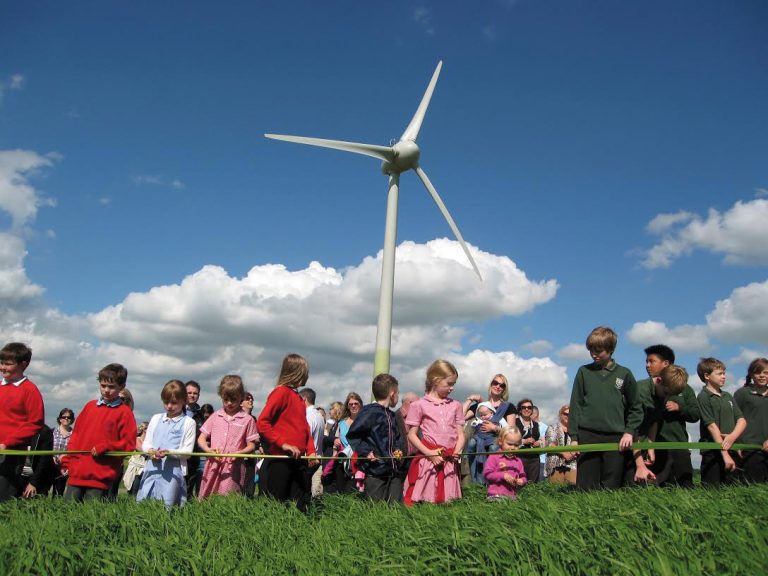
Opus Energy works with thousands of renewable electricity generators. Find out more in this purchase power agreement … [Read more]


Partnering to build a Northern Powerhouse

We are passionate about supporting the economy of the North of England … [Read more]


Customer service excellence

Excellent customer service is at the heart of our business … [Read more]


Collaborating for biodiversity protection and enhancement

Drax is committed to protecting biodiversity and playing an active role in habitat enhancement … [Read more]


Drax Biomass creates value in the United States

In many US States, including those in which Drax Biomass operates, there is a system of local taxation … [Read more]


American Tree Farm

The oldest sustainable family woodland system in the US … [Read more]


People strategy

We continue to strengthen, develop and deliver our people strategy across the Group … [Read more]


Listening to local communities

We strive to make a positive impact on local communities to ensure we understand the potential impacts … [Read more]


The Sustainable Biomass Program

The Sustainable Biomass Program’s (SBP) vision is an economically, environmentally and socially sustainable … [Read more]


Working with our suppliers

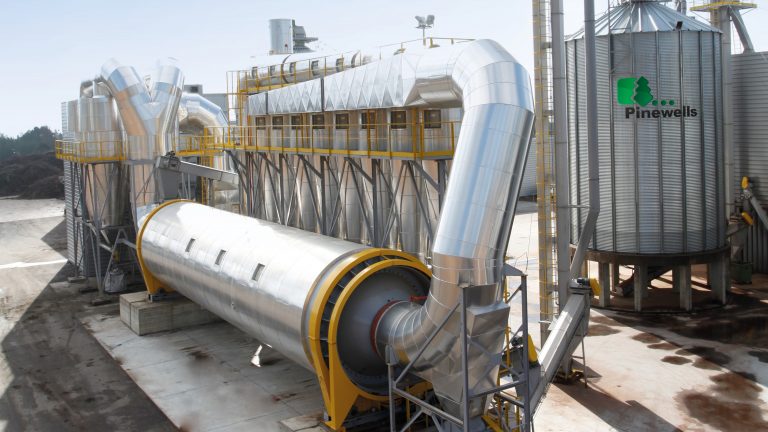
Working with Pinewells, a supplier of sustainable wood pellets in Portugal … [Read more]


The Bettercoal initiative

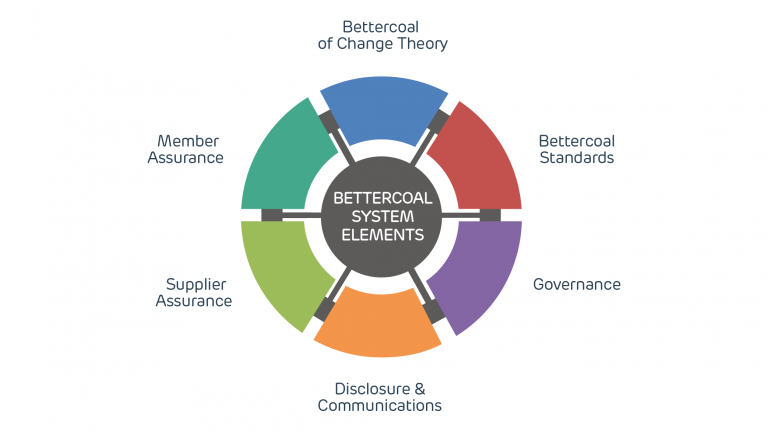
Ensuring industry respects people’s rights and makes a positive contribution to the social and economic … [Read more]


Restoring Brickmakers’ Wood

Haven Power employees have worked with the Eden-Rose Coppice Trust to help transform a woodland … [Read more]

Building a sustainable business

The UK energy sector is changing rapidly. The boundaries between users, suppliers and generators are blurring as energy users are choosing to generate their own energy and are managing their energy use more proactively while, conversely, generators are increasingly seeing users as potential sources of generation and providers of demand management.

“The UK is undergoing an unprecedented energy revolution with electricity at its heart – a transition to a low-carbon society requiring new energy solutions for power generation, heating, transport and the wider economy”

In that context, our Group’s purpose is to help change the way energy is generated, supplied and used for a better future. This means that sustainability, in its broadest sense, must be at the very core of what we do. Successful delivery of our purpose depends on all our people, across all our businesses, doing the right thing, every day. With the right products and services, we can go even further and help our customers make the right, sustainable energy choices.

As our businesses transform and we embrace a larger customer base, different generation technologies and operate internationally, the range of sustainability issues we face is widening and becoming more complex. At the same time, the range of stakeholders looking to Drax for responsible leadership on sustainability is increasing. The need for transparency is greater than ever, so our website’s sustainability section provides a comprehensive insight into the Group’s environmental, social and governance management and performance during 2017.

Some of the highlights include:

  • Carbon reduction: I am pleased that, in 2017, the proportion of our energy generation from renewable sources remained high. 65% of our generation during the year came from sustainable biomass and accounted for 15% of the country’s overall renewable generation. We maintained our rigorous and robust approach to ensure that we only ever use biomass that is sustainably produced and legally sourced.
  • People: Another key achievement was the roll out of our people strategy to 2020 – One Drax – which focuses on talent to deliver on our strategic and operational objectives.
  • Safety: The health and safety of all our employees and contractors is of paramount importance to Drax. While the Group’s safety incident rate remained on target in 2017, the fire at our biomass rail unloading facilities in December did cause an outage, with disruption lasting into 2018. It highlighted once again that the risks of generating using biomass must be mitigated through robust safety procedures and a risk-based plant investment and maintenance programme. Safety therefore remains at the centre of our operational philosophy and we are determined to do even better.
  • Customers: Our business to business (B2B) Energy Supply business received recognition for their dedication to customer service. Opus Energy won “Utilities Provider of the Year” at the British Small Business Awards 2017.

We initiated a process which would allow us to participate in the United Nations Global Compact (UNGC). We are committed to the initiative and its ten principles, which align with our culture of doing the right thing.

Our website’s sustainability section also sets out our commitment to achieving the United Nations’ Sustainable Development Goals through our operations, the services we deliver to our customers and in partnership with others.

Global ambitions and goals are important, but so too are our ambitions for our local and regional communities. As such, we have played a key role in the UK Northern Powerhouse Partnership, initiatives such as POWERful Women and a comprehensive programme of stakeholder engagement.

“Sustainability, in its broadest sense, must be at the very core of what we do”

Finally, I do not believe any organisation, however well intentioned, can get its commitment to sustainability perfect on its own and I am very keen for Drax to learn from people reading our website’s sustainability section. It sets out what we see as our achievements and aspects in which we believe we need to do better. I would like to invite any stakeholder with an interest to comment on what we’re doing and help us improve where we can. Feedback can be submitted at Contact us or via our Twitter account or Facebook page.

Read the Chief Executive’s Review in the Drax Group plc annual report and accounts

The sustainable development goals

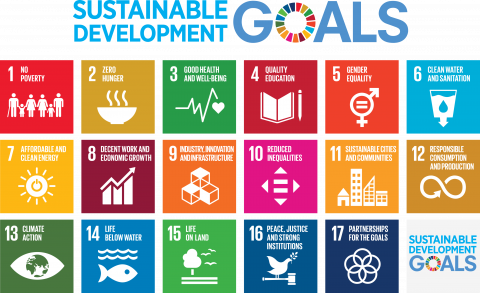
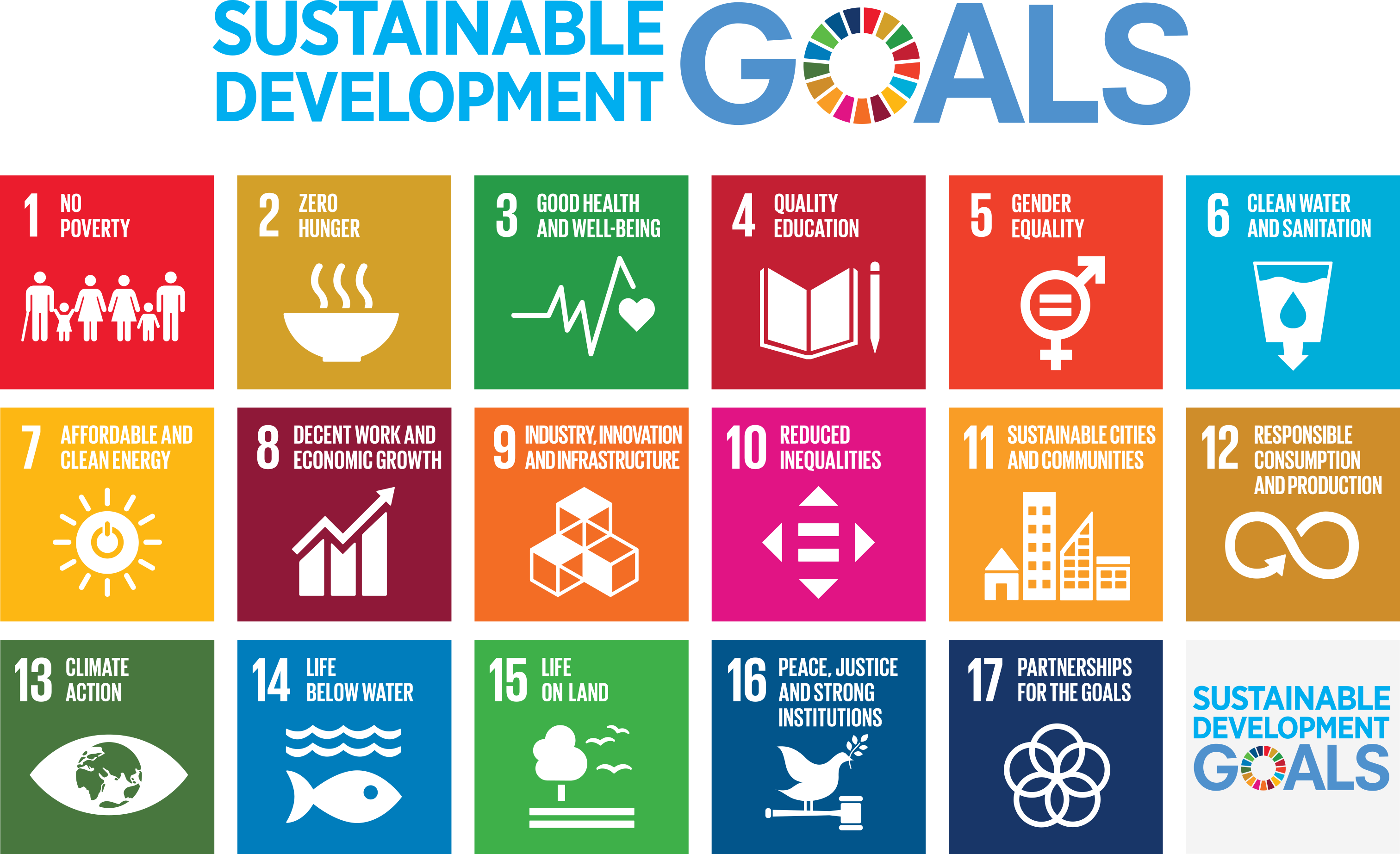
In 2015, the United Nations launched 17 Sustainable Development Goals (SDGs) to end poverty, protect the planet and ensure prosperity for all by 2030. At Drax, improved performance has guided our business purpose for over four decades. We are committed to play our part in achieving the UN SDGs through our operations, the services we deliver to our customers and in partnership with others.

Drax Group has the most significant impact on the Global Goals listed below:

Affordable and clean energy

We provide 6% of the UK’s electricity and play a vital role in helping change the way energy is generated, supplied and used as the UK moves to a low-carbon future. In 2017, 65% of the electricity we produced came from biomass, rather than coal. Our B2B Energy Supply businesses encourage customers to be more sustainable, including through the provision of reliable, renewable electricity at no premium compared to fossil fuel-generated electricity.

Customers

Low Carbon

Decent work and economic growth

We directly employ over 2,500 people in the United Kingdom and United States and their health, safety and wellbeing remains our highest priority. Our B2B Energy Supply business offers energy solutions and value-added services to industrial, corporate and small business customers across the UK.

Society

Industry, innovation and infrastructure

We develop innovative energy solutions to enable the flexible generation and lower-carbon energy supply needed for a low-carbon future. We also innovate to improve the efficiency of our operations and increase our production capacity, notably in our biomass supply chain. Our B2B Energy Supply business offers “intelligent sustainability” and innovative products and services to our customers.

Customers

Low Carbon

Climate action

Our electricity generation activities are a source of carbon emissions. We are committed to helping a low-carbon future by moving away from coal and towards renewable and cleaner fuels, including biomass electricity generation and our planned rapid-response gas plants. We also help our business customers to be more sustainable through the supply of renewable electricity.

Low Carbon

Life on land

We source sustainable biomass for our electricity generation activities and engage proactively with our supply chain to ensure that the forests we source from are responsibly managed. We work closely with our suppliers and through tough screening and audits ensure that we never cause deforestation, forest decline or source from areas officially protected from forestry activities or where endangered species may be harmed.

Low Carbon

Sourcing

Environment

Partnerships for the goals

We engage with stakeholders regularly and build relationships with partners to raise our standards and maximise what can be achieved. Our collaborations align closely with our business, purpose and strategy.

Stakeholder Engagement

Society

Commitment to the UNGC

In 2017, we initiated a process which will allow us to participate in the United Nations Global Compact (UNGC) a global sustainability initiative and we will evidence progress next year. We made progress in preparing for participation outlined in the following sections:

Human rights

We seek to safeguard fundamental human rights for our employees, contractors and anyone that is affected by our business. We ensure that our suppliers apply high standards to protect human rights.

Modern Slavery Statement

Labour

We have policies and standards in place to safeguard our employees and contractors. We respect our employees’ rights in areas such as freedom of association and collective bargaining and we do not tolerate forced, compulsory or child labour. We are committed to providing a safe and healthy workplace for all our people and we strive to prevent discrimination and promote diversity in our workforce.

People

Environment

As a generator and supplier of electricity, we take our responsibility to protect the environment very seriously. We have transformed our generation business and are seeking to further reduce our environmental impact. We focus on reducing our emissions to air, discharges to water, disposal of waste, and on protecting biodiversity and using natural resources responsibly. We have invested heavily in lower-carbon technology as we continue to transition away from coal to renewable and lower-carbon fuels.

Customers

Low Carbon

Environment

Anti-corruption

We do not tolerate any forms of bribery, corruption or improper business conduct. Our “Doing the Right Thing” framework sets out the ethical principles our people must uphold, which is supported by the Group corporate crime policy. Our strict ethical business principles apply to all employees and contractors and we expect the same high standards from anyone we do business with.

Ethics and Integrity

Bitcoin’s electricity consumption problem

Bitcoin is having a breakout year. Its price fluctuations are making headlines all over the world and major investment banks are finally beginning to take it seriously. In short, bitcoin is no longer a fringe currency – it’s becoming a major player.

But for all the advantages it and other decentralised currencies offer, such as low-transaction fees and no intermediaries, there’s a fundamental problem at their core: they use an extraordinary amount of electricity.

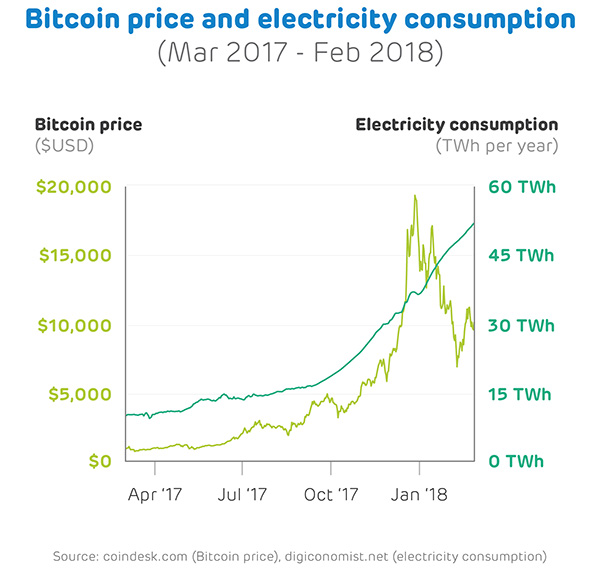
According to bitcoin analysis site Digiconomist, the bitcoin network now uses more than 52 terawatt hours (TWh) every year – more than the whole of Portugal, Ireland or Peru. If this rate of growth continues, it’s forecast that by July 2019 it is expected to use more electricity than the US.

So, while bitcoin may be heralded as a saviour from the monopolies of big banks, what does its incredible appetite for electricity spell for the world’s power networks?

Why does bitcoin use so much electricity?

Bitcoin might be an entirely digital currency, but it still needs to be ‘created’, and this requires a process called bitcoin mining.

Bitcoin is a decentralised network, meaning transactions are carried out directly between parties without any central authority. Instead, bitcoin securely records all its transactions through a network made up of thousands of users’ computers.

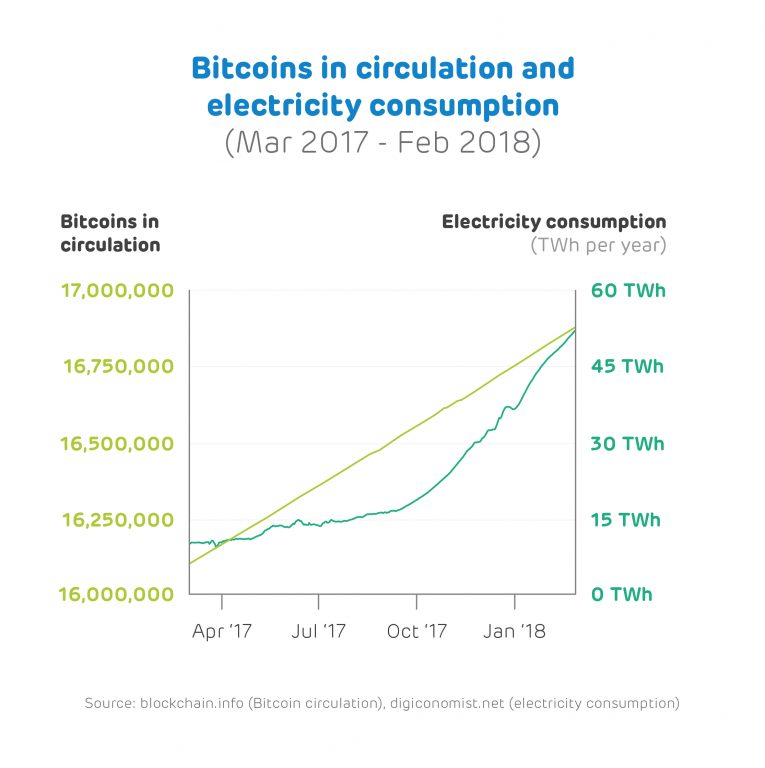
Bitcoin mining is essentially the process of recording and adding these transactions to the public network or ledger – known as the blockchain. Every 10 minutes, each pending bitcoin transaction is converted into a complex mathematical problem that needs to be solved.
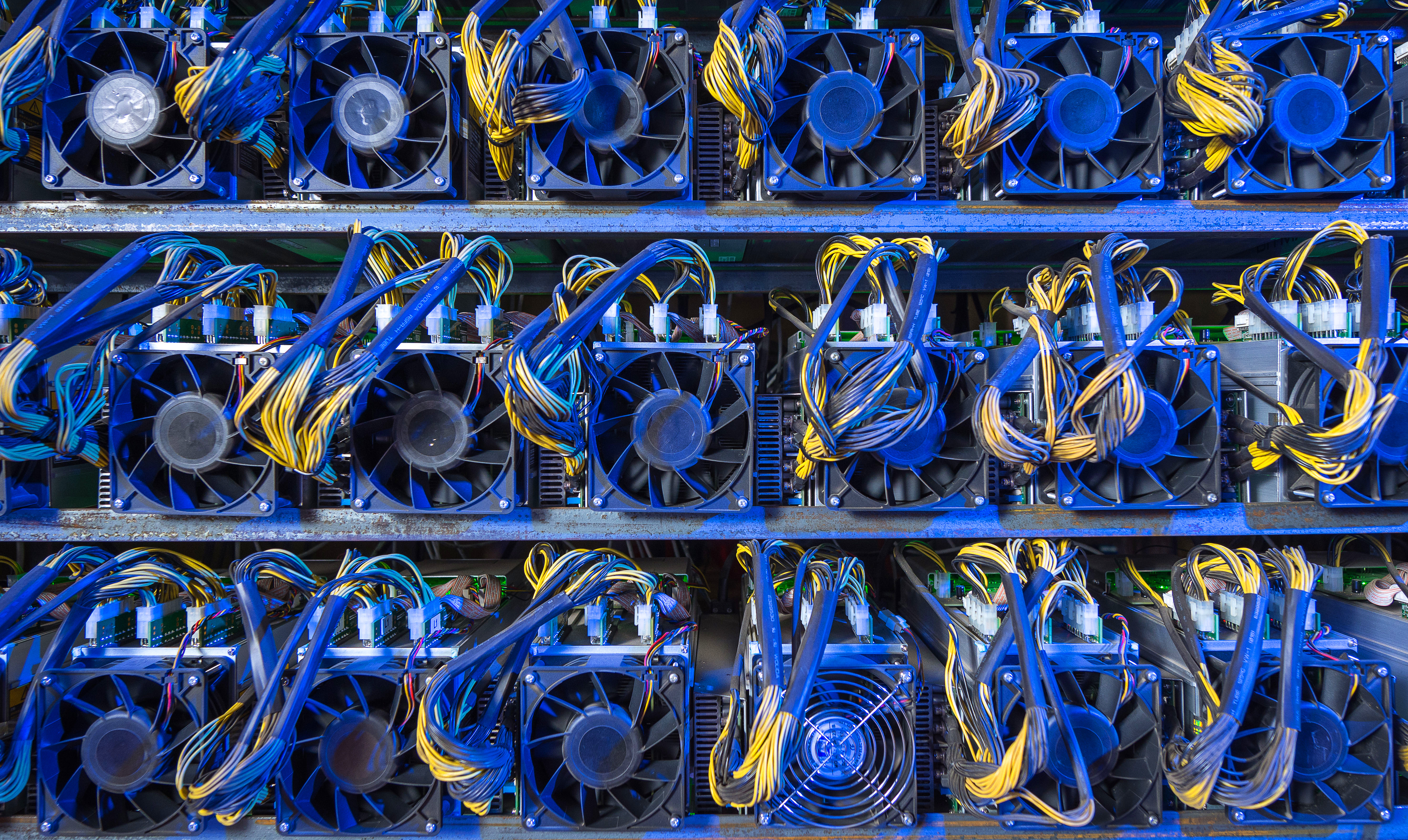
This is where the ‘mining’ computers come in, which use high-powered processing hardware to tackle the mathematical equations and ‘solve’ each transaction. The first miner to successfully crack one of these problems adds that bitcoin transaction to the ledger and is rewarded with an amount of newly ‘mined’ bitcoins – currently set at 12.5 bitcoins (BTC), worth roughly $140,000.

This process isn’t a quick one and relies on large numbers of high-powered computers to solve the problems. One of the largest bitcoin mining rigs in the world – in Ordos, Inner Mongolia –  is made up of eight buildings crammed with 25,000 machines, all cranking through calculations 24 hours a day.

Unsurprisingly, this huge amount of processing power uses a lot of electricity. It also requires a huge amount of space and generates a lot of heat, all of which have sent bitcoin miners around the world in search of cheap electricity, plentiful space and cold weather.

The search for cheap tech power

Iceland and Sweden have become popular destinations for bitcoin mining thanks to its climate (which keeps computer equipment from overheating) and plentiful electricity. In fact, in Iceland, mining is set to reach 840 gigawatt hours (GWh) this year – more than the 700 GWh used by the country’s households.
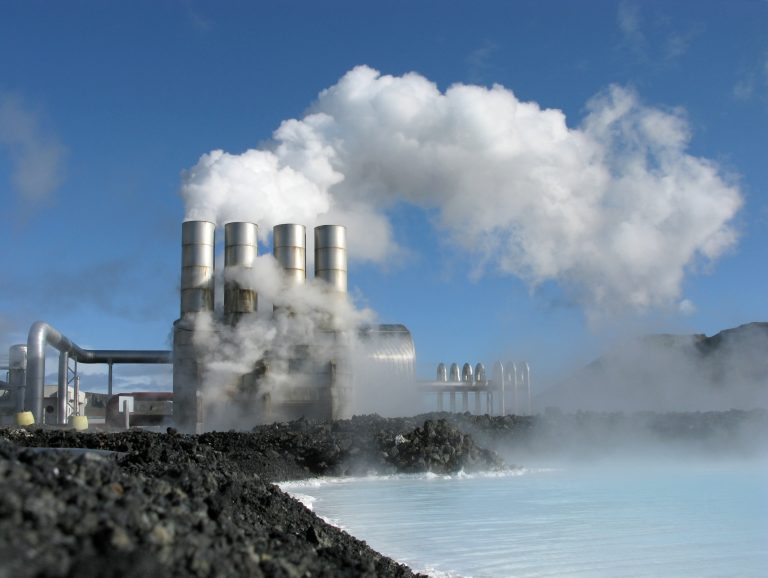
Iceland’s high level of geothermal and hydroelectric power means these mining operations have a low environmental impact. However, the same can’t be said of the largest bitcoin miner in the world: China.

While it has an abundance of hydropower and an increasing renewable capacity, a large amount of China’s electricity still comes from coal – 72% of its total generation came from the fossil fuel in 2015. This raises concerns around the environmental impact of bitcoin’s increasing electricity needs.

Digiconomist estimates the emissions of just one large-scale, coal-powered bitcoin mining operation (e.g. the operation in Ordos) could fall between 24-40 tonnes of carbon dioxide (CO2) per hour – roughly the same as flying a full Boeing 747-400 for the same period.

However not everyone is convinced the network is as energy intensive as reports suggest, and part of the challenge is that – despite knowing how many bitcoins are in existence – there’s no precise way of knowing how much mining is going on.

What is known, however, is that even as cryptocurrency prices fluctuate, mining is increasing. In short, bitcoin’s incredible appetite for electricity isn’t going anywhere soon. But could it get cleaner?
Moving towards cleaner mining

Some companies are tackling the problem of making bitcoin more sustainable by bringing it off grid and linking it directly to cleaner sources of power, much like how tech companies are striking deals with local renewable suppliers when locating data centres.

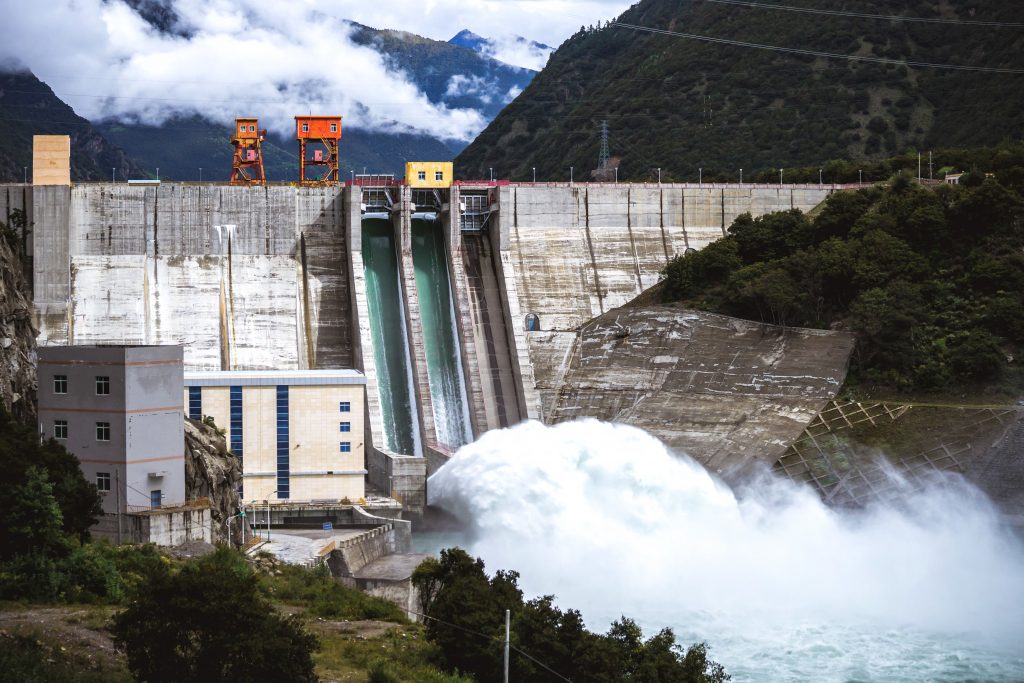
Hydrominer, for example, is placing mining hardware directly into hydropower stations, while HARVEST aims to use dedicated wind turbines to power mining, which takes pressure off national grids and their electricity sources.
However, a more fundamental change could be possible: making the protocol used to create bitcoins less energy-intensive.

Ethereum, arguably the main rival cryptocurrency to bitcoin, this year switched from proof-of-work-based mining to proof-of-stake. This means coin creation is not depended on high-powered computers cranking through calculations, but instead through owners validating their stake in the cryptocurrency and ‘voting’ on block creation.

Another alternative is Chia Network, which harnesses unused hard drive storage space for blockchain verification Chia ‘farmers’ for offering storage space for the network.

Both have significant ground to cover to catch the market leader, however, so the more pressing question remains: What’s next for bitcoin? And what will happen as the number of available bitcoins decreases?

The future of bitcoin

Like gold there are a limited number of bitcoins that can ever be mined – 21 million to be precise. This means the reward for bitcoin mining halves roughly every four years as they become more abundant. The next drop is scheduled for 2020 when the reward will slide to 6.25 BTC.

But this doesn’t mean they’re getting easier to mine. In fact, it is growing increasingly difficult, and this means more computer power and a need for even more electricity, which in turn means higher overheads.

A report from JP Morgan estimates the price of mining a single bitcoin has grown tenfold in the last year to $3,920,  a change that could send miners in search of cheaper utilities. More than this, the added stress on grids could lead to a growth in dirtier (and cheaper) fossil fuels which can generate and power mining operations around the clock.

This could mean that as mining becomes more difficult and rewards drop, it will be controlled by fewer, larger-scale operators which can absorb the spiraling costs. Either way, it’s expected they will be forced to reduce their electricity consumption (or at least the cost of it) to remain economical as the rewards they earn cover less of their expenses.

Ultimately, however, if cryptocurrency is set to play a positive role in our future it must become less electricity intensive and work with evolving energy systems to be as sustainable and progressive for the environment as it could be for the global economy.

Drax Group plc Chief Executive comments on full year results

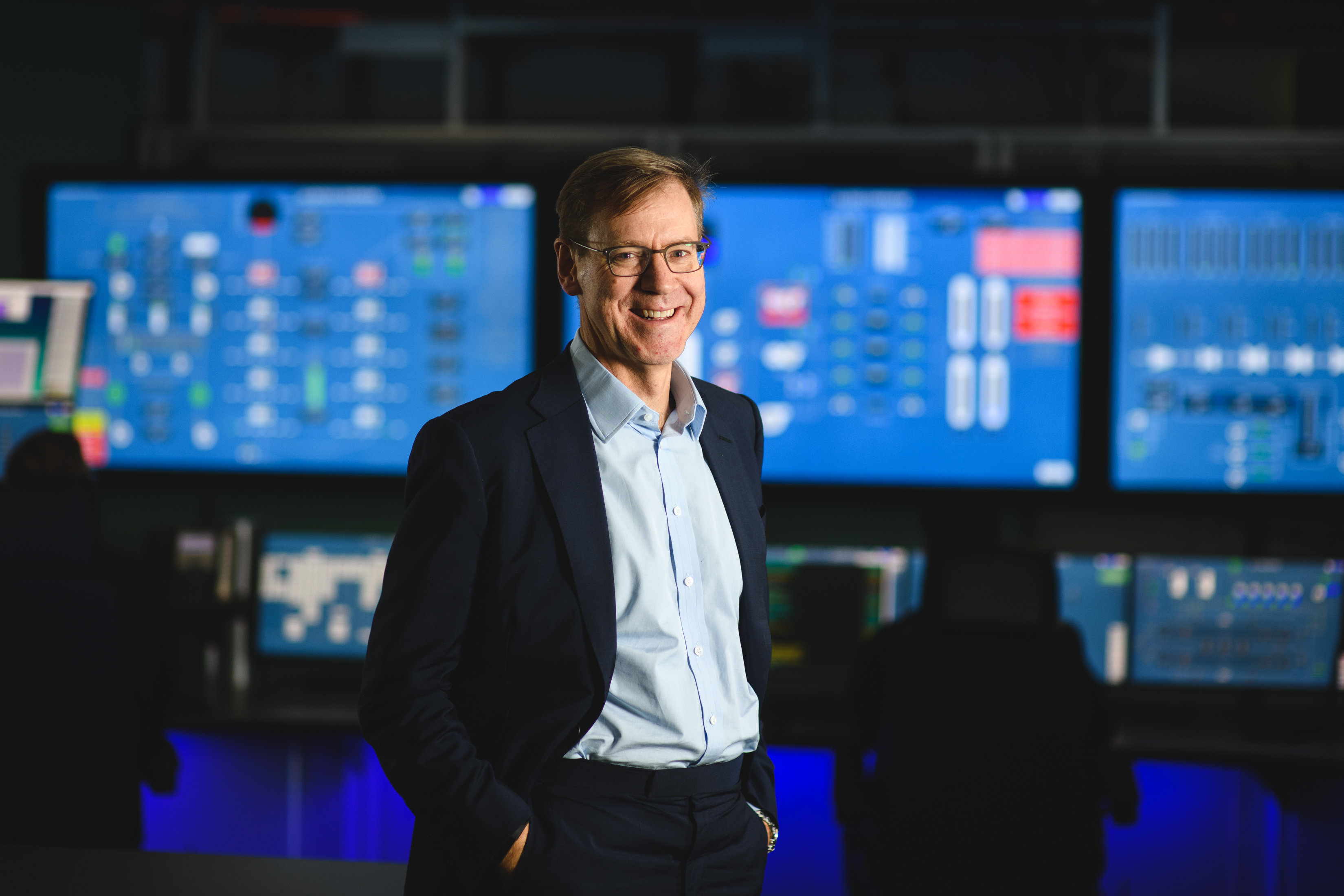
Will Gardiner, CEO, Drax Group

We continued to transform the business in 2017, delivering a strong EBITDA performance, in line with expectations. This was delivered by all parts of the business making positive contributions for the first time.
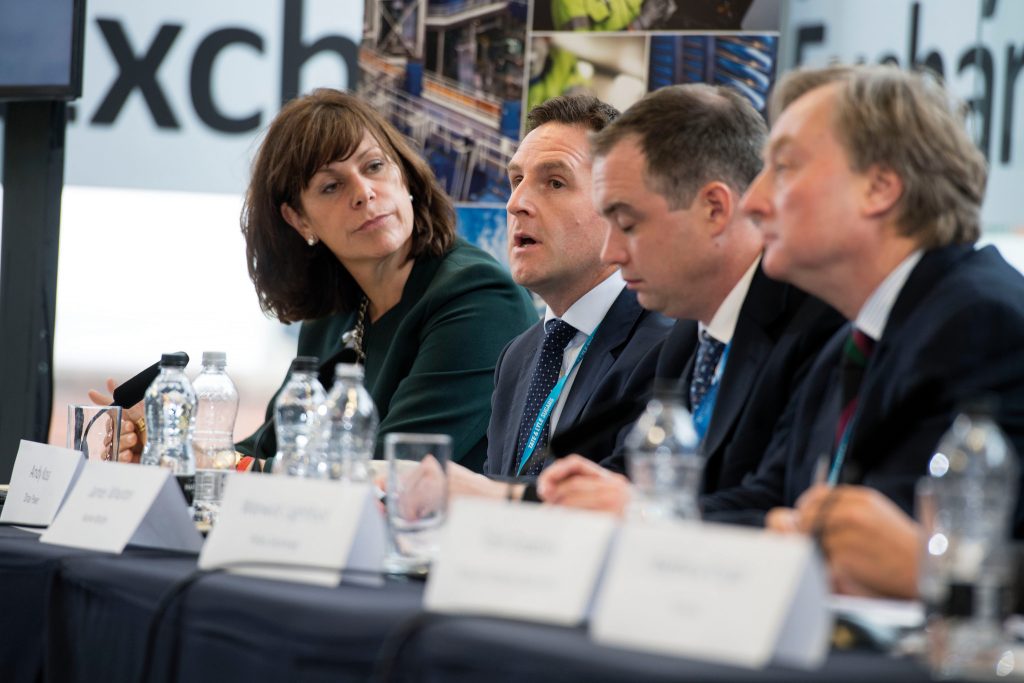
We also made good progress delivering our strategy, which is clear and unchanged. We are increasing biomass self-supply, developing projects to diversify our generation mix and growing our B2B energy supply business.

The UK is undergoing an energy revolution, starting with a significant reduction in carbon emissions, and to support that we are helping to change the way energy is generated, supplied and used.

View full report

View investor relations presentation