Tag: Cruachan Power Station

Community voices – Cruachan, Argyll and Bute

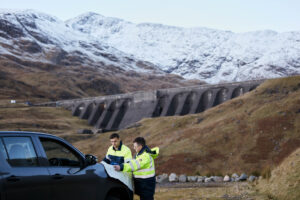
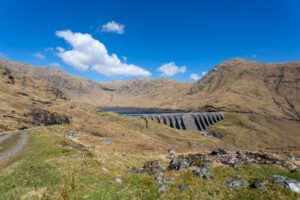
Cruachan Power Station, affectionately known as the ‘Hollow Mountain’, resides deep inside Ben Cruachan mountain in Argyll and Bute, Scotland. Over the past 60 years, Cruachan has been keeping the lights on for hundreds of thousands of homes across the UK.

But Cruachan is more than just hydropower: it’s been an iconic part of the landscape and local community since 1965. Through the Drax Foundation and Community Fund, Cruachan supports a range of community and educational projects, from Scottish rainforest restoration to STEM learning.

At Drax, we’re proud to be working to build a future that’s positive for climate, nature and people.

Hear from the local community voices in Cruachan, Argyll and Bute.

Berni McMillan, Head Teacher, Taynuilt Primary School

Sarah Cameron, Community Manager (Scotland), Drax; and Julie Young, CEO, Argyll Countryside Trust (ACT)

Kevin Roy, Production Manager, Drax

Voices from the wider community


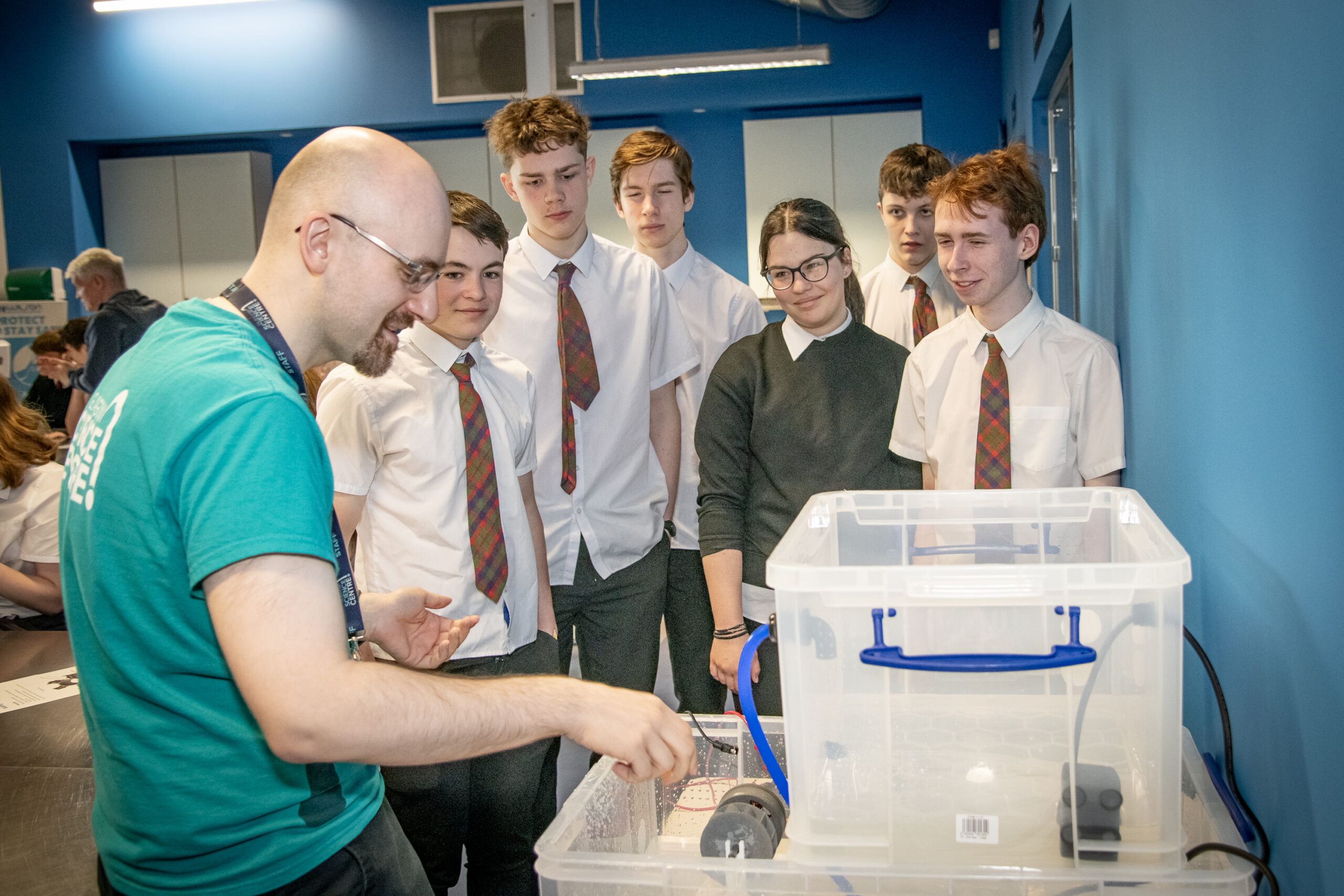
Featured image caption: Students take part in STEM learning sessions at the Glasgow Science Centre.

Drax’s plans can help the next Government deliver UK energy security

The UK has decarbonised its energy system at a quicker rate than any other country, but having done ‘the easy bit’ and with demand for electricity forecast to increase by 50% by 2035, we are now at an inflection point.

Additionally, leading thinktank Public First’s research shows that in 2028 the UK is on course to hit an energy security “crunch point” – with peak demand predicted to exceed secure dispatchable and baseload capacity by 7.5GW.

This is due to delays in bringing new generation on to the system, anticipated increased demand for power, and aging assets, including coal, nuclear and gas, coming off the electricity grid.

That means to deliver energy security, meet rising demand for power and to reach binding net zero targets, including the 5th and 6th carbon budgets, the next government needs to go further and faster.

This year marks half a century that Drax has been powering the UK and contributing to security of supply. Today, the flexible, dispatchable power that our assets in North Yorkshire and Scotland produce keep the lights on when the wind doesn’t blow and the sun doesn’t shine.

Drax Power Station, the UK’s largest single-source of renewable electricity, powers 4 million homes. In Scotland, Cruachan Power Station and our other hydro power sites provide the grid flexibility, reduce the need for curtailment payments to wind farms and help meet the demand for energy.

In total our business delivers about 4% of the UK’s electricity and 8% of its renewable power.

Subject to getting the right policy support, we stand ready to invest billions to deliver carbon removals and renewable power using bioenergy with carbon capture and storage (BECCS) at Drax and more than double the pumped hydro storage capacity at Cruachan.

Completing these projects will mean we can play a vital long-term role in providing secure power to the country and supporting the next government in meeting the goal of a decarbonised grid by 2030 or 2035. Without Drax’s assets delivering these targets will be extremely challenging.

Our plans for BECCS and the expansion at Cruachan will also reduce the country’s exposure to commercially volatile and imported fossil fuels, enhance our national security and create and support thousands of jobs during construction.

But to realise this potential, the next government must prioritise and speed up implementing the support required to unlock the investment for these major infrastructure projects.

To deliver the first pumped storage hydro power stations in the UK for decades, including the Cruachan expansion, we need to see a cap and floor mechanism implemented. This would provide an investment framework to reduce risks for investors while at the same time encouraging operators of the new storage facilities to respond to system needs.

And all large-scale biomass generators planning to transition to BECCS need the certainty of a bridging mechanism to maintain their flexible, dispatchable renewable power between the end of the current renewable support and BECCS operations starting.

The carbon removals BECCS can deliver are recognised by the world’s leading climate scientists, including the UN’s IPCC and the UK’s CCC, as crucial to almost all pathways to reach net zero and fighting climate change. The carbon credits produced through BECCS can be purchased by companies with emissions that are hard or impossible to abate providing a pathway for them to permanently remove carbon from the atmosphere.

Energy security, jobs and skills and net zero should go hand in hand and we want to work with the next Government to swiftly implement these policies. Doing so will give new ministers the best chance possible to maintain progress on decarbonising the UK’s energy system while ensuring there is sufficient, secure capacity to meet the country’s energy needs without relying on foreign fossil fuels.

Learn more about how Drax supports the UK energy system here.

Expanding pumped storage hydro to support the UK’s transition to Net Zero

By Steve Marshall, Drax’s Development Manager 

In July 2023, Drax received development consent from the Scottish Government to build a new 600MW underground pumped storage hydro plant at its existing Cruachan facility in Argyll, which will more than double its electricity generating capacity.

Whilst a major milestone for the Cruachan expansion project, the right support is still needed from the UK Government to facilitate its development and we’re pleased to see some positive progress has recently been made.
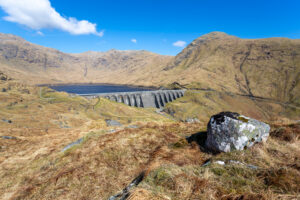
During a visit to Cruachan Power Station following last year’s announcement of development consent, Scotland’s First Minister, Humza Yousaf, called on the UK Government to “provide an appropriate market mechanism” for projects including Cruachan’s expansion. Mr Yousaf also wrote to the Prime Minister urging him to take action so developers can have the certainty required to build a new generation of pumped storage hydro plants.

In order to incentivise investment for new-build pumped storage hydro plants, new financial mechanisms are needed to enable investors to back capital-intensive, long-length construction projects that will save consumers and the grid millions. The current lack of these frameworks is a key reason why no new pumped storage hydro plants have been built in the UK since 1984.

Growing the UK’s pumped storage hydro capacity is crucial to integrating more wind and solar power onto the energy grid, enhancing the nation’s energy security while tackling climate change. Pumped storage plants act like giant water batteries by using reversible turbines to pump water from a lower reservoir to an upper reservoir which stores excess power from sources such as wind farms when supply outstrips demand. These same turbines are then reversed to bring the stored water back through the plant to generate power when the country needs it.

At the start of this year, the UK Government announced that it has selected a cap and floor regime as its preferred investment framework for new large-scale, long-duration electricity storage projects, which is a huge step towards making a new generation of pumped storage hydro plants a reality.

What is a ‘cap and floor’ mechanism?

A cap and floor mechanism works by setting an upper and lower revenue limit an operator participating in the mechanism can earn from a particular asset. The lower revenue limit, or ‘floor’, is the guaranteed minimum amount of revenue that a generation asset can earn. If a generation asset does not generate enough revenue from its operations, this gets topped up to reach that floor level from the system operator using an allocated budget. At the other end of the limit, the ‘cap’ is the maximum amount of revenue the operator can earn from the asset. In cases where an asset’s revenue exceeds the cap, a proportion of the funds earned above the cap threshold are paid back to the system operator and used to reduce the cost of using the system for customers.
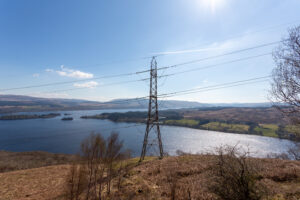
The cap and floor mechanism enables private investors in long-duration electricity storage projects, such as Drax’s planned expansion of Cruachan, to have a better degree of confidence by alleviating a significant amount of risk and uncertainty around whether they can recover their costs. Having a predictable revenue stream makes it more likely investors and lenders will support projects with high upfront capital costs. As well as de-risking investment and providing better value for money to customers, a cap and floor mechanism also rewards availability and efficiency, as operators are still exposed to opportunities between the cap and the floor. This includes participating in a number of different markets like the ancillary services markets, where Cruachan is able to earn revenue by providing critical inertia and stability to the grid, ensuring the safe and stable operation of the electricity system. Similarly, wholesale market arbitrage allows Cruachan to respond to price signals both in times of low/high generation and peak demand. These market opportunities incentivise operators to optimise their operations to generate revenue towards the highest end of the cap thresholds, driving innovation and efficiency in the sector. This efficiency is not only beneficial for the operators but also for the overall National Grid, bolstering the stability and reliability of the UK’s electricity supply. This enables projects to benefit from competitive market opportunities and provide services in response to price changes and benefit the consumer by providing critical services that the system needs at a competitive price.

What does this mean for Drax’s Cruachan expansion project and what are the next steps?

The UK Government’s consultation on designing a policy framework to enable investment in long-duration electricity storage ran from 9 January to 5 March 2024, and is now closed.

The consultation proposal of a cap and floor is very positive news for Drax’s planned Cruachan expansion, as it will provide the project with a route to market once the mechanism is in place. Without it, the significant upfront capital expenditure and revenue uncertainty would remain a barrier to investing in the project.

One of the most immediate benefits of pumped storage hydro is that it provides extremely quick back-up during periods of peak demand. For example, when deployed alongside intermittent renewables like wind or solar power, Cruachan can step in to store excess energy and provide it back to the grid when the wind doesn’t blow and the sun doesn’t shine. This reduces the waste and cost to customers associated with renewable curtailment.

With the Government’s ambition to deliver 50GW of offshore wind by 2030 as part of its Net Zero targets, it is in the interest of both Government and the grid to ensure enough storage is available by this point to manage the inherent intermittency of this technology. Pumped storage hydro projects have long construction times, over 5 years in the case of the planned Cruachan expansion. This means that delivery of the mechanism in the near-term is critical to ensuring that it’s available to support the electricity system in the early 2030s and beyond.

What are the benefits of pumped storage hydro for the UK?

A report by Scottish Renewables and BiGGAR Economics recently found that six projects currently under development in Scotland, including the Cruachan expansion project, will:

  • More than double the UK’s pumped storage hydro capacity to 7.7GW.
  • Create almost 15,000 jobs.
  • Generate up to £5.8 billion for the UK economy by 2035.

During its construction phase, the Cruachan expansion is projected to provide up to £73m GVA and over 150 jobs in Argyll and Bute. Across Scotland this increases up to £260m GVA and over 500 jobs, which is a total possible UK benefit of over £470m GVA added to the economy and over 1,100 jobs supported amongst the wider supply chain and indirect local area support.
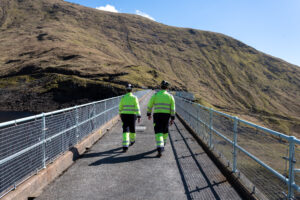
Pumped storage hydro can also provide a number of extra balancing and ancillary services outside of energy storage and generation, across multiple different markets. These markets play a critical role in ensuring the safe and stable operation of the electricity system by providing grid inertia, voltage control frequency response and restoration services, alongside quick flexible response to price signals both in times of low and peak demand. Being able to support wider services in this manner means pumped storage hydro offers better value for money to both investors and consumers, with an Imperial College study finding that it could help to reduce total system costs like these by between £44m and £316m per annum by 2050.

We look forward to working constructively with the UK Government and other stakeholders to help deliver a policy environment which secures investment, strengthens our energy security, and delivers for consumers. We’re ready to move mountains to tackle climate change.

Find out more about Cruachan’s plans for expansion here: drax.com/cruachan2

Capacity Market Agreements

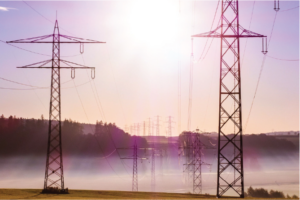
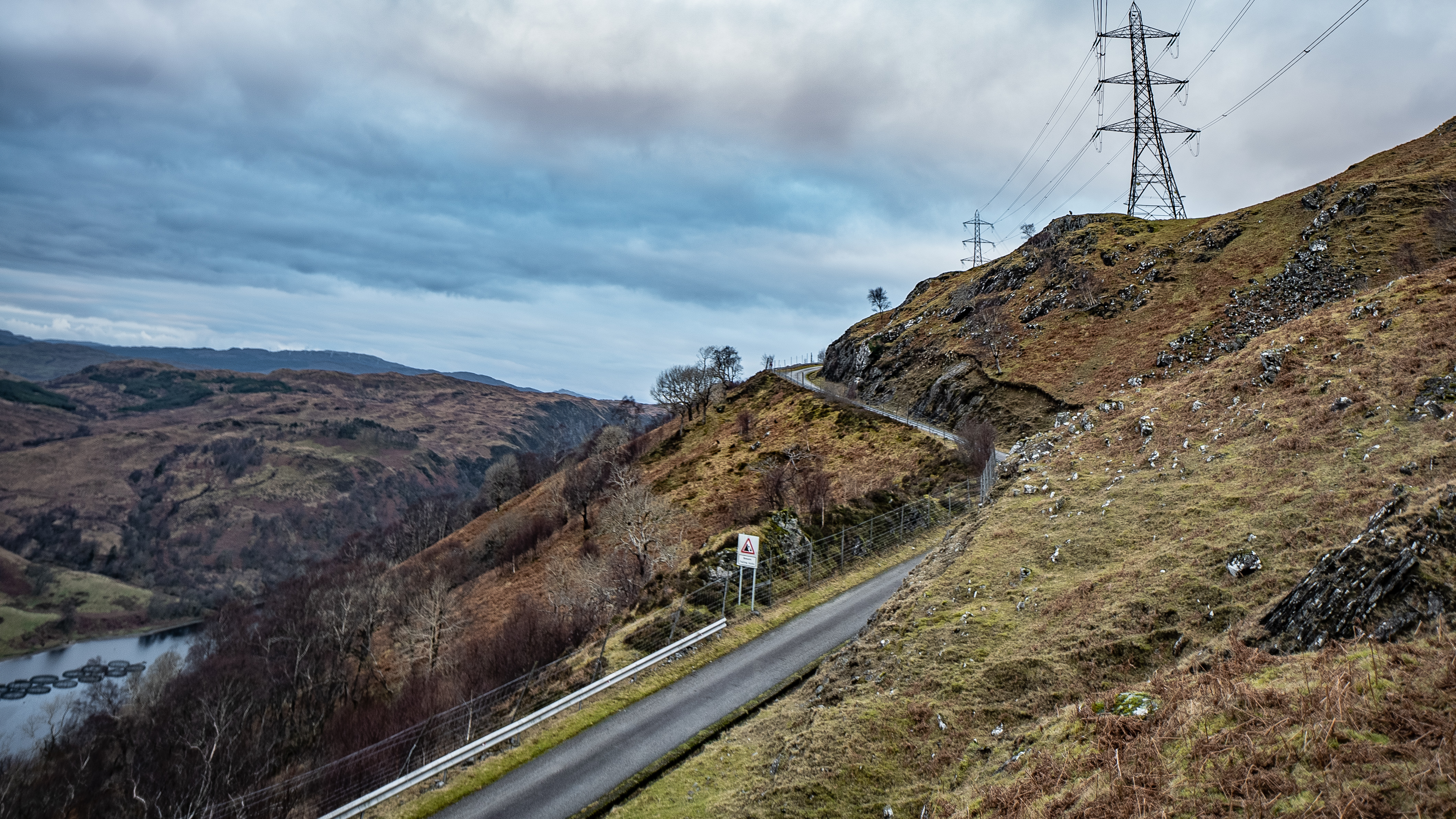
Cruachan pylons

Drax Group plc
(“Drax” or the “Group”; Symbol:DRX)
RNS Number : 8747R

T-4 auction – provisional results for existing pumped storage and hydro assets

Drax confirms that it has provisionally secured agreements to provide a total of 617MW of capacity (de-rated 582MW) principally from its pumped storage and hydro assets(1). The agreements are for the delivery period October 2024 to September 2025, at a price of £18/kW(2) and are worth around £10 million in that period. These are in addition to existing agreements which extend to September 2024.

T-4 auction – provisional results for new build system support assets

Drax confirms that it has provisionally secured 15-year agreements for three new 299MW (de-rated 284MW) Open Cycle Gas Turbine (OCGT) projects at sites in England and Wales(3). The agreements are for the delivery period October 2024 to September 2039, at a price of £18/kW(2) and are worth around £230 million in that period.

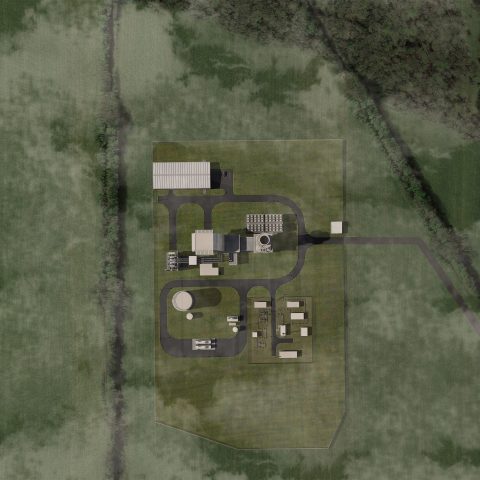
Artist’s impression of a Drax rapid-response gas power station (OCGT)

Artist’s impression of a rapid-response gas power station (OCGT)

These assets are intended to operate for short periods of time to meet specific system support needs. As the UK transitions towards a net zero economy, it will become increasingly dependent on wind generation and as such, fast response system support technologies such as these OCGTs are increasingly important to the energy system as a means to enable more wind to run more often and more securely.

The total capital cost of these projects is approximately £80-90 million each, with a build time of around two years.

A further OCGT project participated in the auction but exited above the clearing price and did not accept an agreement.

Drax will now evaluate options for all four OCGT projects including their potential sale.

Continued focus on biomass strategy and the development of negative emissions

In December 2019 Drax announced an ambition to become a carbon negative company by 2030 using Bioenergy Carbon Capture and Storage (BECCS) and the Group remains focused on its biomass strategy. In January 2021 Drax completed the sale of its Combined Cycle Gas Generation (CCGT) assets and in March 2021 ends commercial coal generation. Drax believes that its remaining portfolio of sustainable biomass, pumped storage and hydro will be amongst the lowest carbon generation portfolios in Europe.

Enquiries

Drax Investor Relations: Mark Strafford

+44 (0) 7730 763 949

Media

Drax External Communications: Ali Lewis

+44 (0) 7712 670 888

Website: www.drax.com

Capacity Market agreements for existing assets

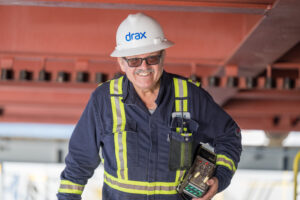
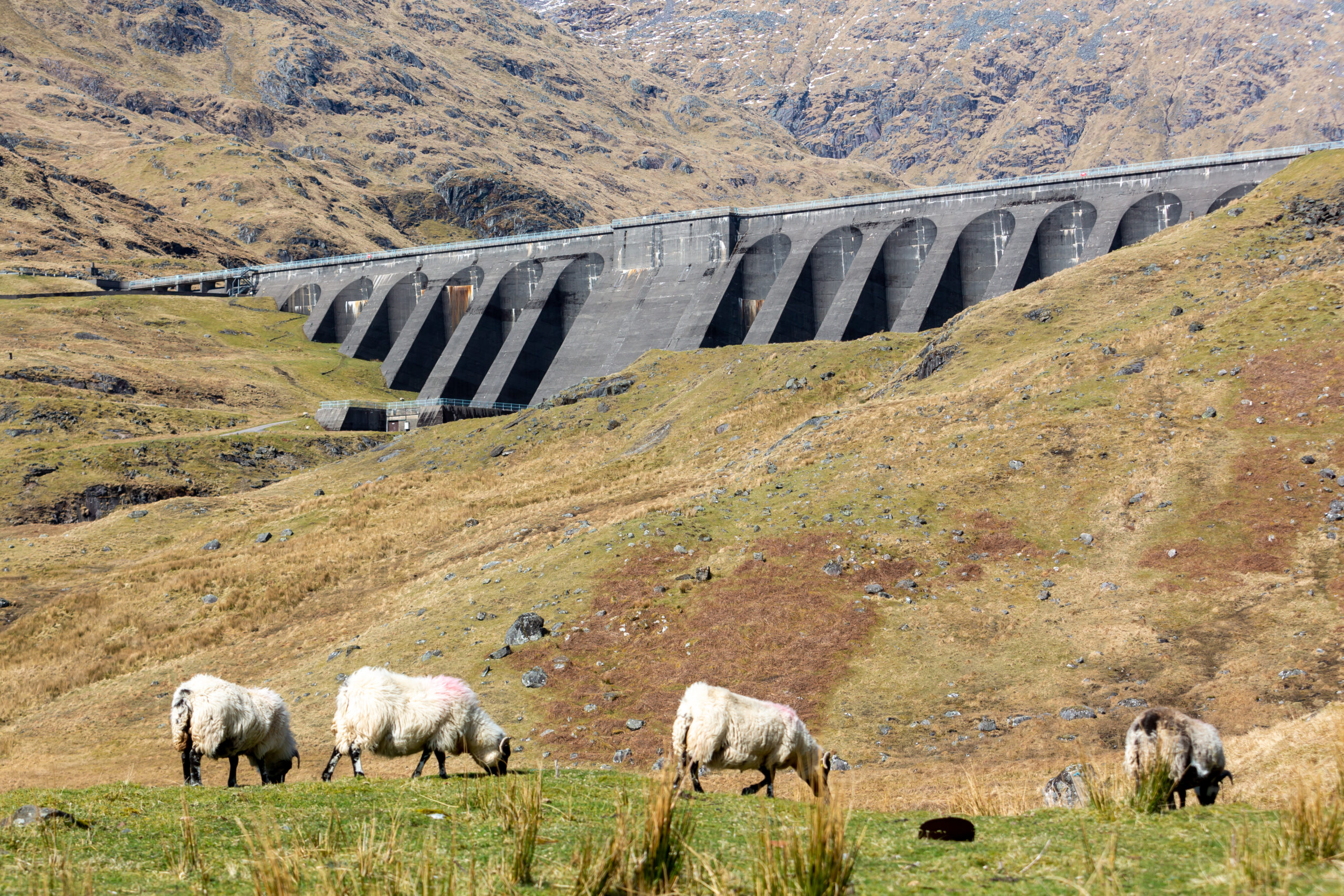
Engineer below Cruachan Power Station dam

RNS: 3530F
Drax Group plc

(“Drax” or the “Company”; Symbol:DRX)

Drax confirms that it has provisionally secured agreements to provide a total of 2,562MW of capacity (de-rated 2,333MW) from its existing gas, pumped storage and hydro assets(1). The agreements are for the delivery period October 2023 to September 2024, at a price of £15.97/kW(2) and are worth £37 million in that period. These are in addition to existing agreements which extend to September 2023.

Drax did not accept an agreement for the 60MW Combined Cycle Gas Turbine (CCGT) at Blackburn Mill.

A new-build CCGT at Damhead Creek and four new-build Open Cycle Gas Turbine projects participated in the auction but exited above the clearing price and did not accept agreements.

Enquiries:

Drax Investor Relations: Mark Strafford
+44 (0) 7730 763 949

Media:

Drax External Communications: Ali Lewis
+44 (0) 7712 670 888

Website: www.drax.com

Notes:

  1. Existing assets – gas (Damhead Creek, Rye House, Shoreham and three existing small gas turbines at Drax Power Station), Cruachan Pumped Storage and the Galloway hydro scheme (Tongland, Kendoon and Glenlee).
  2. Capacity Market agreements stated in 2018/19 real-terms, with payments indexed to UK CPI.

END

Capacity Market agreements for existing assets and review of coal generation

Drax's Kendoon Power Station, Galloway Hydro Scheme, Scotland

RNS Number : 6536B

T-3 Auction Provisional Results

Drax confirms that it has provisionally secured agreements to provide a total of 2,562MW of capacity (de-rated 2,333MW) from its existing gas, pumped storage and hydro assets(1). The agreements are for the delivery period October 2022 to September 2023, at a price of £6.44/kW(2) and are worth £15 million in that period. These are in addition to existing agreements which extend to September 2022.

Drax did not accept agreements for its two coal units(3) at Drax Power Station or the small Combined Cycle Gas Turbine (CCGT) at Blackburn Mill(4) and will now assess options for these assets, alongside discussions with National Grid, Ofgem and the UK Government.

A new-build CCGT at Damhead Creek and four new-build Open Cycle Gas Turbine projects participated in the auction but exited above the clearing price and did not accept agreements.

T-4 Auction

Drax has prequalified its existing assets(5) and options for the development of new gas generation to participate in the T-4 auction, which takes place in March 2020. The auction covers the delivery period from October 2023.

CCGTs at Drax Power Station

Following confirmation that a Judicial Review will now proceed against the Government, regarding the decision to grant planning approval for new CCGTs at Drax Power Station, Drax does not intend to take a Capacity Market agreement in the forthcoming T-4 auction. This project will not participate in future Capacity Market auctions until the outcome of the Judicial Review is known.

Enquiries:

Drax Investor Relations
Mark Strafford
+44 (0) 7730 763 949

Media:

Drax External Communications
Matt Willey
+44 (0) 0771 137 6087

Photo caption: Drax’s Kendoon Power Station, Galloway Hydro Scheme, Scotland

Website: www.drax.com