




Protecting nature needs to be part of the energy transition. The forests, watersheds, and ecosystems that make up our natural world are essential to sustaining resilient economies, communities, and industries.
Enabling reliable access to energy, defending the climate, and protecting nature are not separate challenges, and that connection is becoming increasingly important for business. While climate change has rightfully been at the heart of the sustainability agenda for many years, frameworks such as the Taskforce on Nature-related Financial Disclosures (TNFD) are helping companies better understand how their activities both depend on and affect the natural world.
For Drax, that work has brought our relationship with nature into sharper focus. Today, we are publishing our first TNFD report, providing a systemic assessment of our nature-related dependencies, impacts, risks and opportunities, and helping to embed those considerations more deeply into our business performance and strategic outlook. The report enables us to learn what more we can do to care for the forests, rivers and wildlife connected to our business.
Nature and Energy Security are Deeply Connected
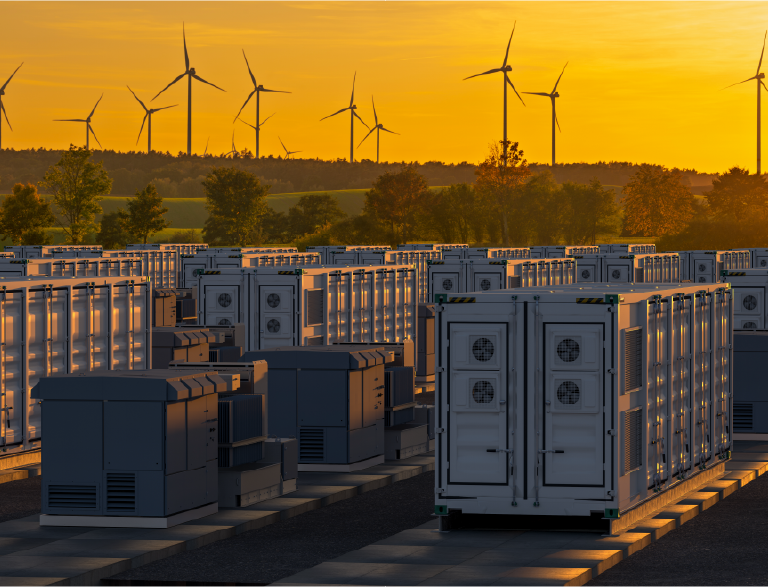
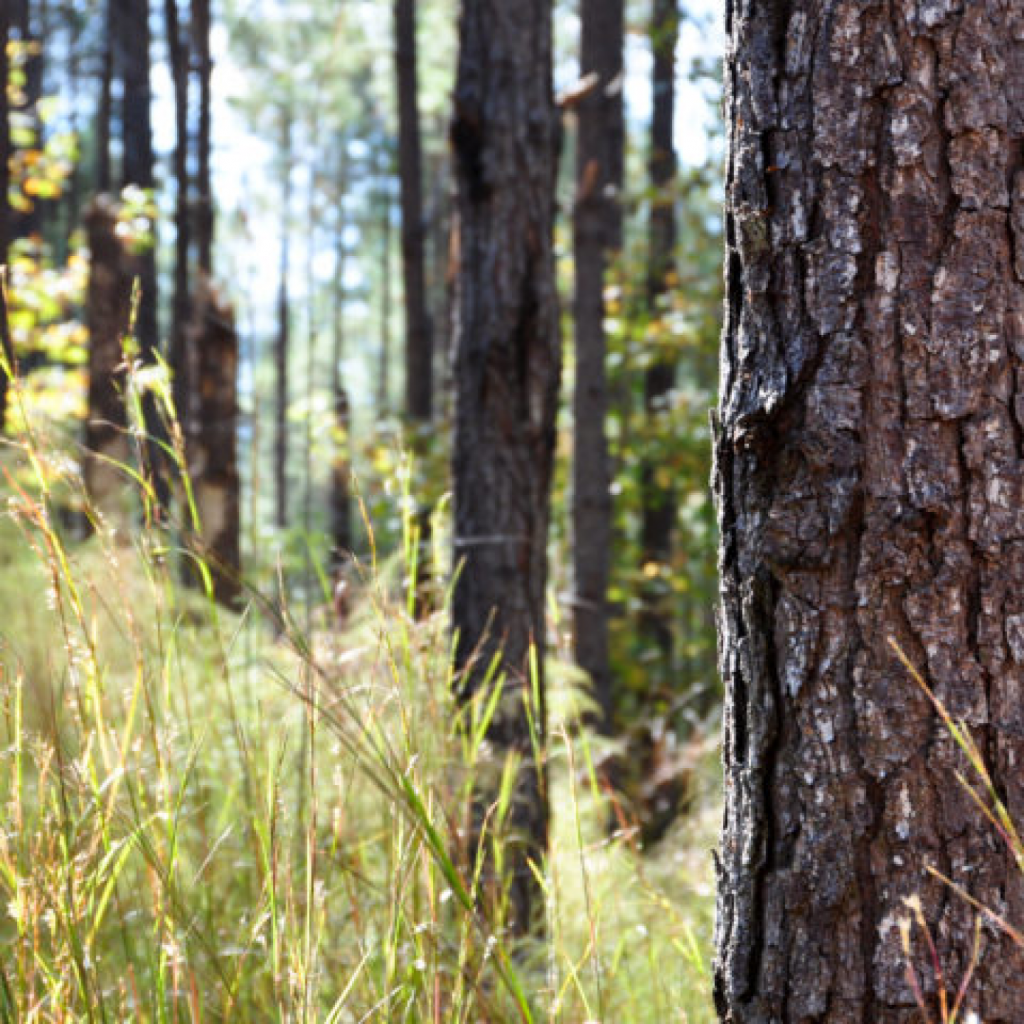
As we look ahead to the next decade of the UK’s energy transition, the focus is understandably on ensuring security, affordability, and decarbonisation. For Drax, delivering dispatchable, renewable power depends on the sustainable forests that supply biomass, the healthy watersheds that power our hydroelectric facilities, and the continued integration of wind and solar infrastructure into the landscape around us. The degradation of wider natural systems can create risks for the resources, landscapes, and communities on which business activities depend.
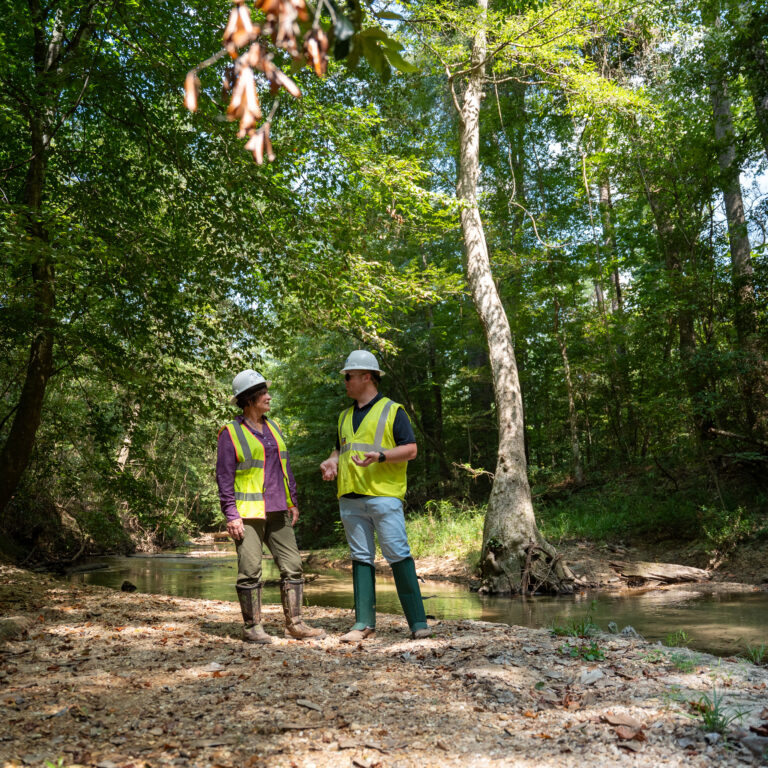
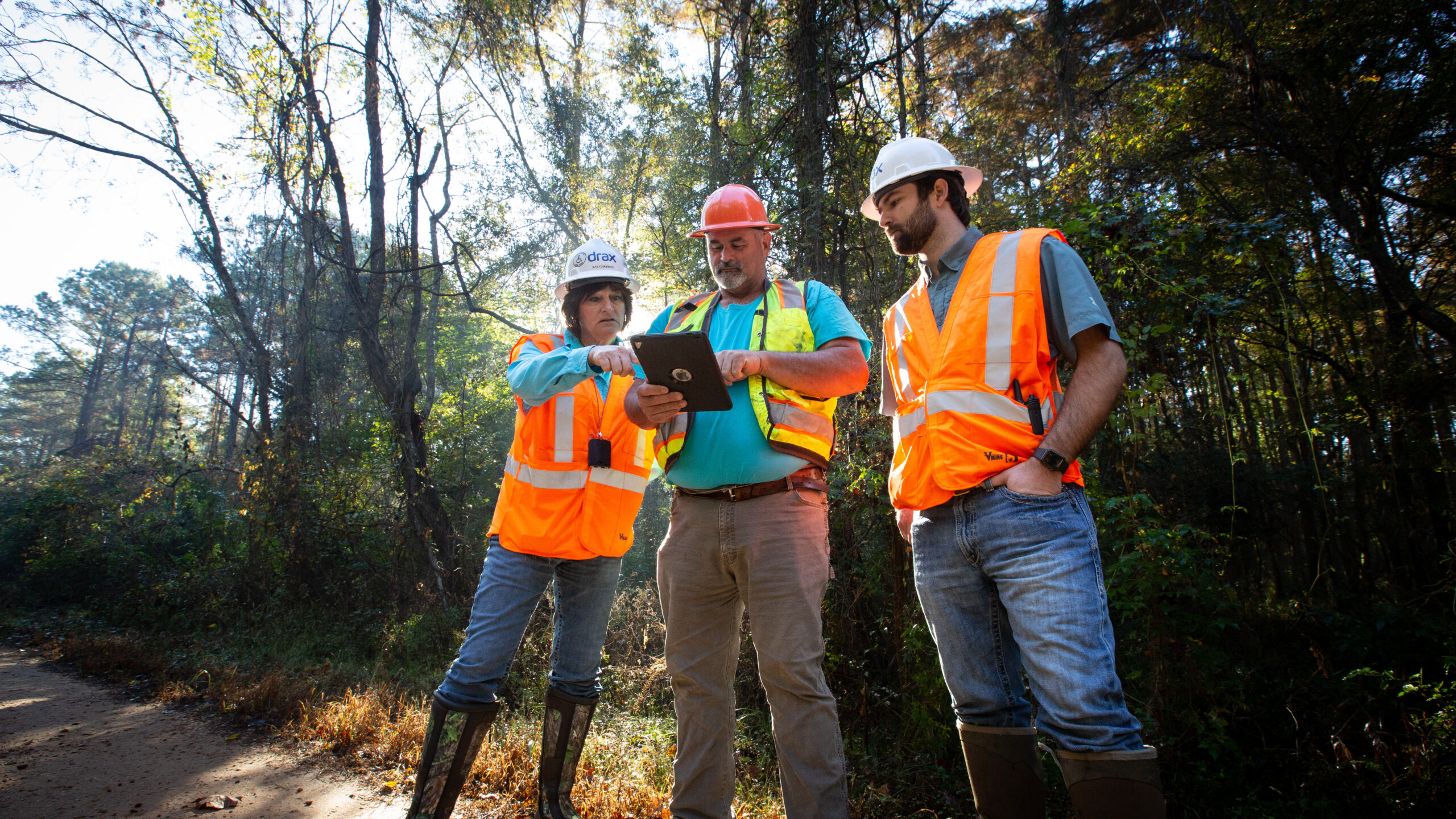
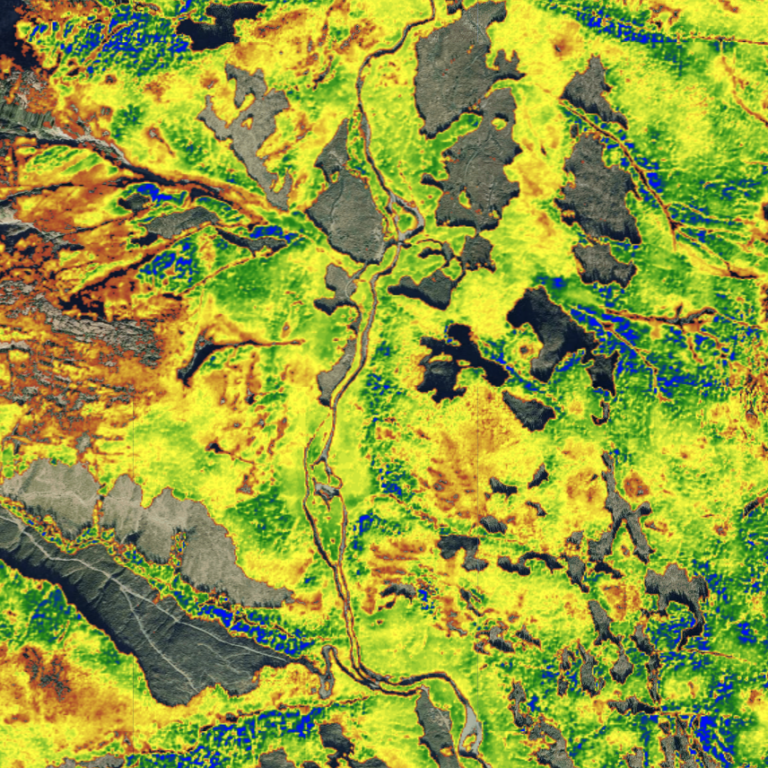
The TNFD framework helps us understand these dependencies, and opportunities for action at our operations and in collaboration with suppliers. In our biomass supply chain, our role is to source responsibly, and to use our relationships and influence to support good stewardship and better biodiversity outcomes across the landscapes from which we source.
Real Action, On the Ground
Nature is inherently local, which means our actions should be local too, responding to the particular ecosystems and landscapes in which we operate and source.
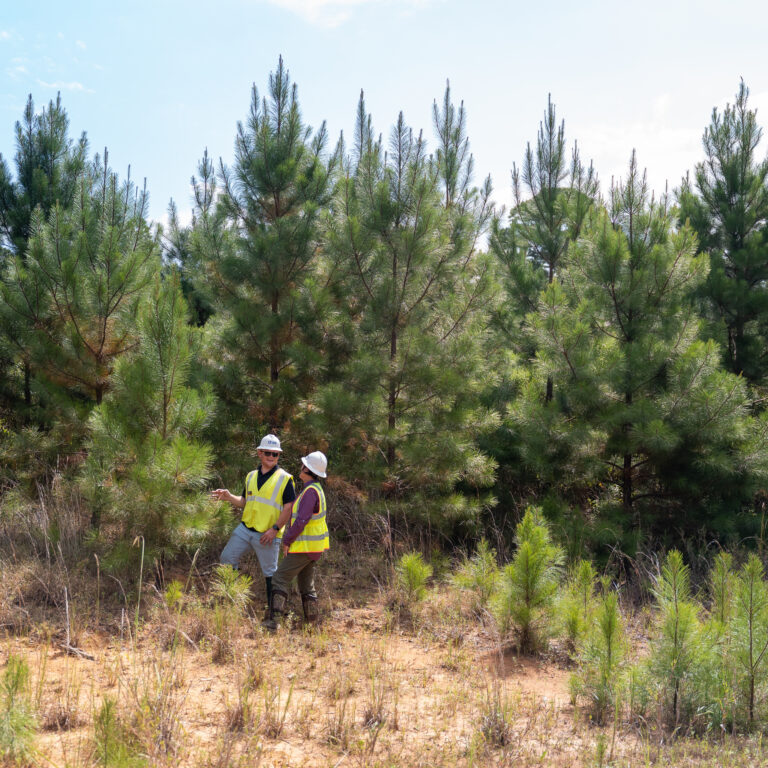
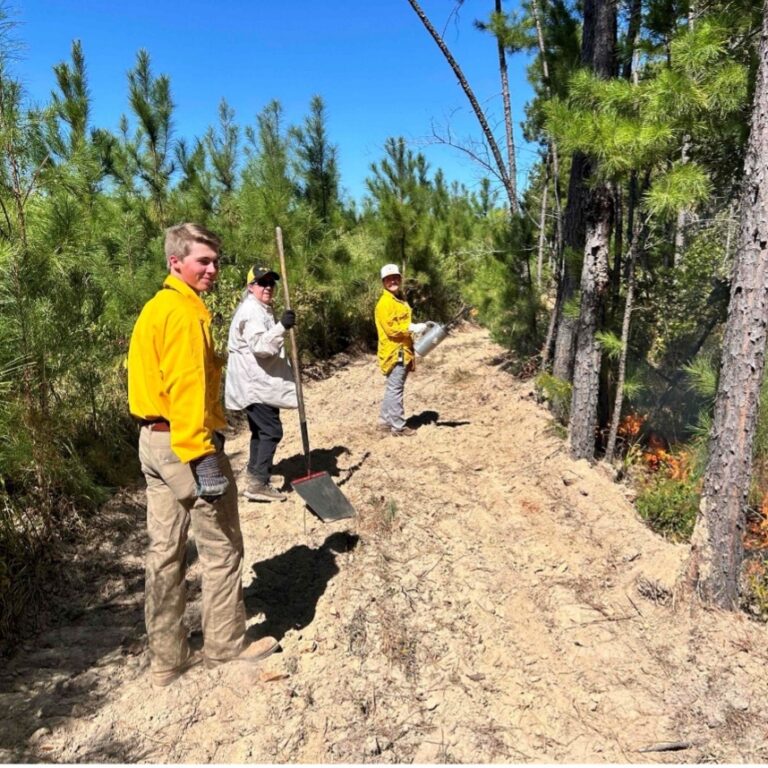
- In the US South, we are partnering with organisations who focus on conservation at scale, such as Quail Forever, a conservation group that actively engages to protect quail, pheasants and other wildlife through habitat improvements and education.
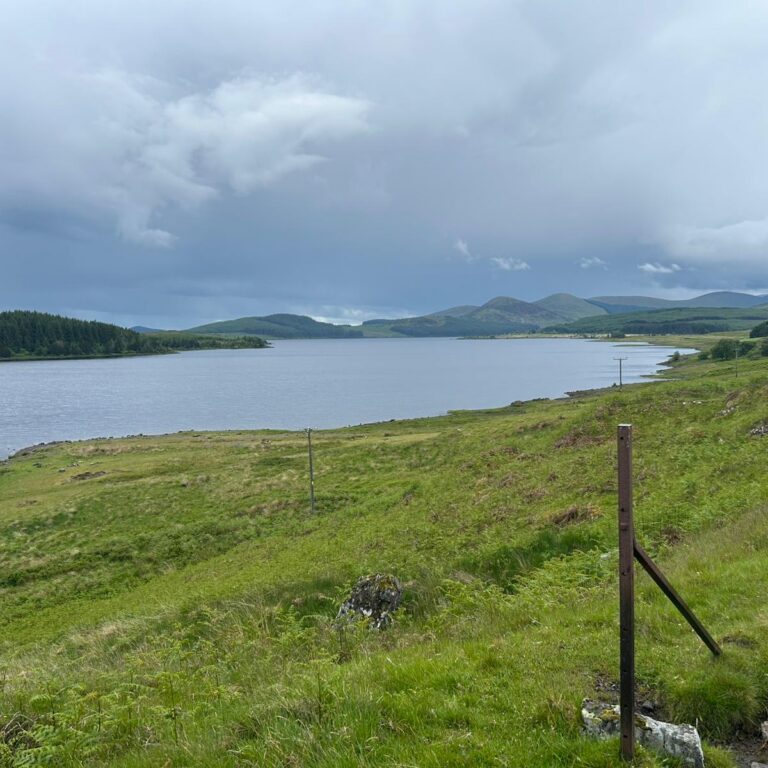
- In Scotland, we have invested in a five-year partnership with the Galloway Rivers Trust to help critically endangered European eels navigate past the Tongland Dam and promote river resilience and biodiversity.
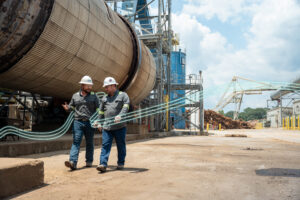
- At Drax Power Station in Yorkshire, we are reclaiming legacy coal ash to provide lower-carbon material for the cement industry while restoring part of an industrial landscape and creating wildlife habitats.
Publishing our TNFD report is an important milestone, but the real value will come from what we do with what we learn. We will continue to deepen our understanding, strengthen our approach, and integrate nature more closely into our business.
As the energy transition moves forward, the challenge is not simply to deliver more power, but to do so in a way that supports positive outcomes for the climate, nature, and the communities we operate in.
To read Drax’s first TNFD report, click here.
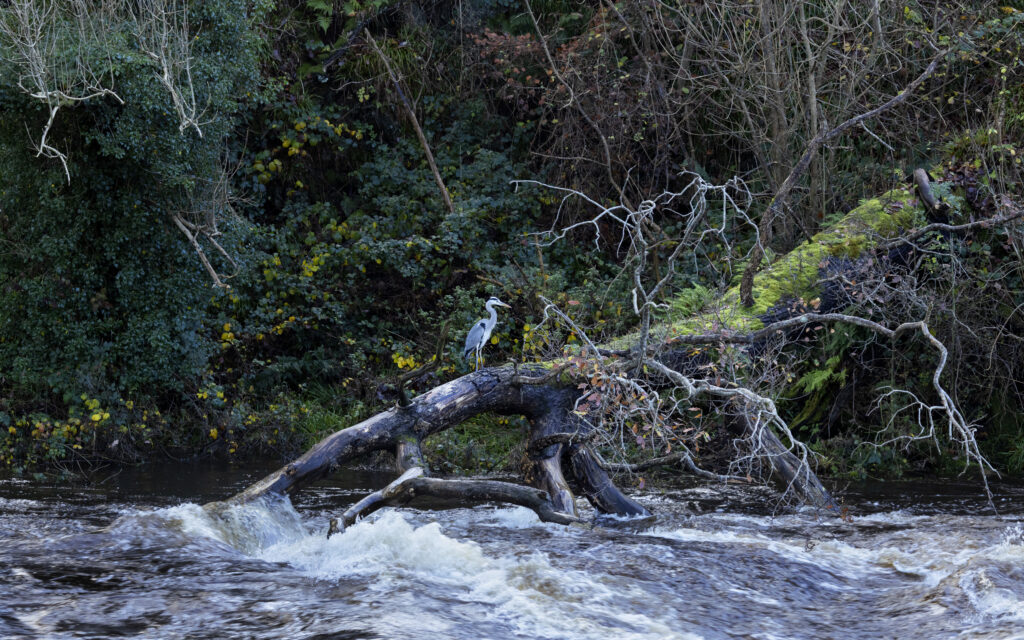
Featured image caption: Heron opposite Tongland Power Station, Galloway Hydro Scheme, Scotland.