





Tag: about us

Appointment of new non-executive director

RNS Number :5094W
DRAX GROUP PLC
(Symbol: DRX)

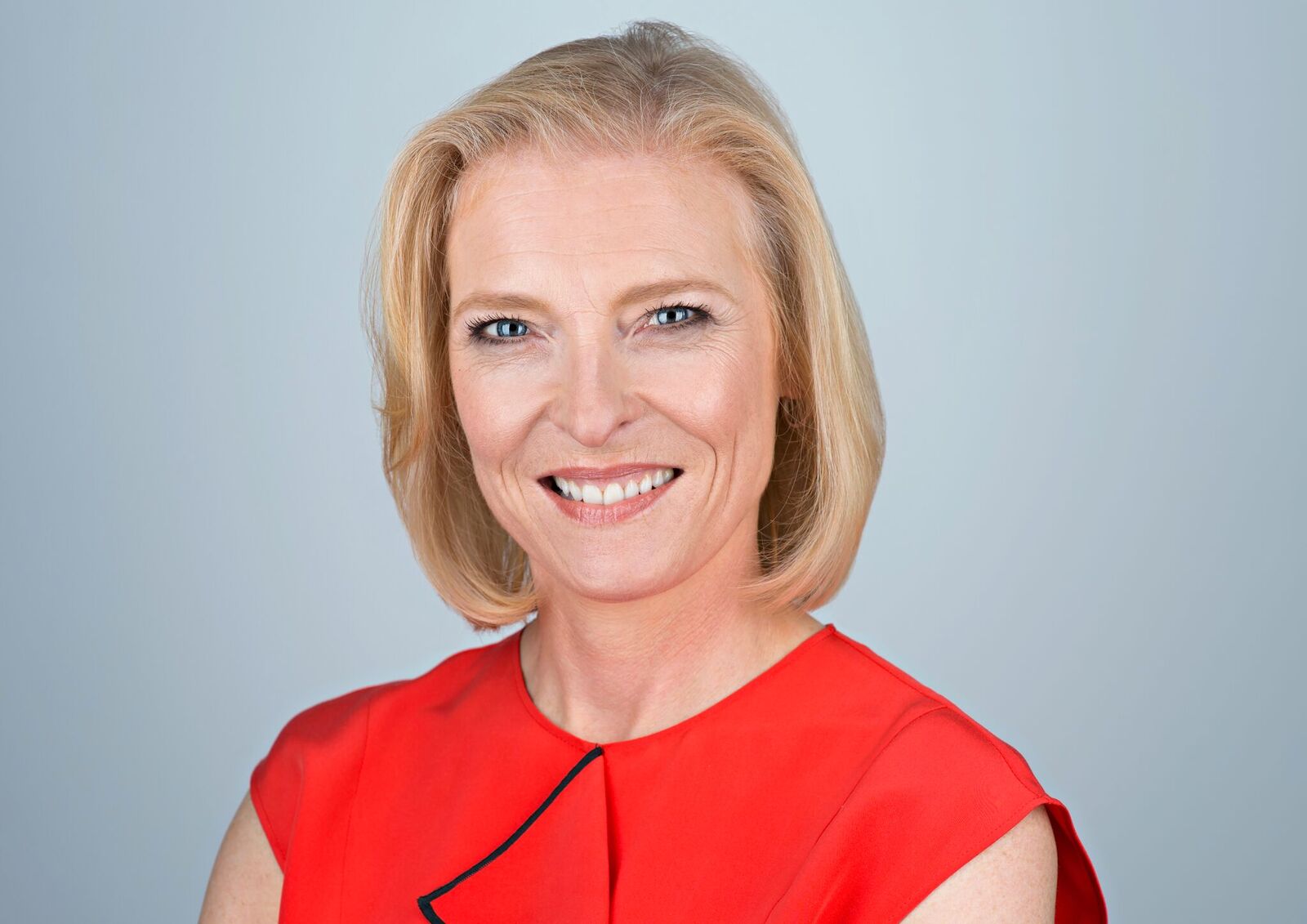
The Board of Drax Group plc (“Drax”) is pleased to announce that Nicola Hodson is to be appointed as a Non-Executive Director, with effect from 12 January, 2018.

Nicola served as a Non-Executive Director at Ofgem(1) between January 2015 and July 2017. She is currently Vice President, Global Sales and Marketing, Field Transformation at Microsoft(2), having worked with the company in various roles since 2008, including Chief Operating Officer of its UK business and leading its UK public sector business.

Prior to Microsoft(2) she held senior roles at Siemens, CSC, Ernst & Young and British Nuclear Fuels. She has also been a member of TechUK’s(3) Board since 2012 and was previously a board member of the UK Council for Child Internet Safety (UKCCIS) (4) and the Child Exploitation and Online Protection group (CEOP)(5).

Commenting on the appointment, Philip Cox, Chairman of Drax, said:  “The directors are delighted to welcome Nicola to the Board. Her broad experience gained in the technology, business transformation, energy and consulting sectors, across a range of strategy, marketing and change roles will provide real value as Drax delivers on its strategy to help change the way energy is generated, supplied and used in the UK.”

Nicola added: “The energy sector is changing fast so this is an exciting time to be joining Drax’s Board. I believe Drax is well-placed to grow and support the decarbonisation of the UK economy through low carbon generation and fuel sourcing. I am particularly inspired by the prospect of joining a leading challenger-brand which puts customers at the heart of the business and allows them to maximise the opportunities presented by the emerging energy landscape.”

Nicola has also been appointed as a member of the Company’s Audit, Remuneration and Nomination Committees.

Enquiries:

Drax Investor Relations: Mark Strafford

+44 (0) 1757 612 491

Media:

Drax External Communications: Matt Willey

+44 (0) 1757 612 285

Website: www.drax.com

Notes:

  1. Ofgem is a non-ministerial government department and an independent National Regulatory Authority. Its objective is to protect the interests of electricity and gas consumers by promoting value for money, promoting security of supply and sustainability, supervise markets and competition and regulate government schemes.
  2. Microsoft (Nasdaq “MSFT” @microsoft) is the leading platform and productivity company for the mobile-first, cloud-first world, and its mission is to empower every person and every organization on the planet to achieve more.
  3. TechUK is an organisation that represents its 900 members and drives links with Government.
  4. The UK Council for Child Internet Safety (UKCCIS) is a group of more than 200 organisations drawn from across government, industry, law, academia and charity sectors that work in partnership to help keep children safe online.
  5. The Child Exploitation and Online Protection Group (CEOP) works with child protection partners across the UK and overseas to identify the main threats to children and coordinates activity against these threats to bring offenders to account. We protect children from harm online and offline, directly through National Crime Agency led operations and in partnership with local and international agencies.

END

My four principles of leadership

1. Have vision  

The first task of any leader is to have the vision for the future of their organisation. This doesn’t mean creating it on his or her own. It means that a leader needs to be ready to challenge assumptions, embrace change, have courage and be brave when necessary.

When I think about this I’m reminded of the challenges we faced when we decided to upgrade our power station in Yorkshire to use compressed wood pellets instead of coal .

In delivering this strategy, we faced three major hurdles:

  • Nobody had ever done it before.  There was no technical solution readily available. We had to create one ourselves using our own engineering know-how.
  • There was no supply chain for the compressed wood pellets. We would need to build our own.
  • Civil servants doubted we could deliver it and regardless, there was no Government support for our vision.

Because we had been so thorough, I knew that we had our facts right. In particular, I was certain that we could produce the same amount of electricity while cutting carbon by 80 per cent.

The only logical conclusion was to drive forward. It would never have happened if we hadn’t been confident about our vision.

I’m particularly proud of the way Drax engineers have developed a world-leading technology to transform the way the UK’s largest power station works without any interruption to supply. In 2015, we generated 7.9% of the UK’s electricity or 26.7 TWh from the one single site in North Yorkshire, according to data in our annual report and from the Department for Energy and Climate Change (DECC). That included 11.5 TWh of compressed wood pellet power – equal to around 13% of the UK’s total renewable electricity (up from 12% a year earlier) or enough to meet the needs of around three million homes (one in every 10 in the country). From the fourth quarter of 2015, we began generating more electricity from sustainable biomass than from coal.

There’s still a long way to go – at least three years if not more – before we can say our work is done, but it’s already a massive achievement.

2. Always be open and approachable

Everyone in your organisation needs to understand what you’re seeking to achieve and why.

For me, being open is also about being honest, approachable and interested in other views. Not just as an individual, but as an entire organisation. As President Obama said while addressing young people on his recent visit to the UK:

“Seek out people who don’t agree with you, and it will also help you to compromise.”

In some instances you need to push forward, while in others you need to compromise. That means a leader needs to trust in their vision while being open to challenges.

At Drax, we know our employees have integrity and can be trusted. At all levels, people need to have highly sensitive information to do their job. This can be a very challenging issue for a company listed on the London Stock Exchange, where a leak could do very serious damage indeed.

When we first listed in 2005, this led to boardroom disagreement. On one side, directors wanted to restrict information to a minimum because they felt this was the best way to limit risk.

As Chief Executive, I strongly disagreed with this. Obviously some things need to be kept confidential, but I really believe that it is important for a leader to be open. In fact, I think one of the key strengths of the Group is our open and frank culture. We have never suffered a significant leak in my time in charge.

3. Together we’re stronger 

A leader’s role is not to take all the decisions. Leadership is about getting the best out of everyone around you. That includes the team you work with on a day-to-day basis, the wider team across the whole organisation, and all your stakeholders.

You never know in advance where the best idea is going to come from. If you’re recruitment is right, you’re surrounded by highly qualified experts.

At Drax, I encourage colleagues to have their say. I am surrounded by people who are willing and able to challenge my views and those of my colleagues on our Executive Committee. I would be silly not to listen to them. We all are more engaged when we’re involved in finding the solution to a problem than when we’re merely dictated to.

Central business district, Gaborone, Botswana

4. Drive the future  

No leader can wait for events to unfold. You have to drive your organisation forward in order to shape its future. In my opinion, indecision is the worst decision of all.

In my 20s I worked for the National Development Bank of Botswana in Gaborone. The bank provided farmers with short- term loans to buy seed to grow their crops.

One day a farmer who was clearly very poor turned up to see the loan officer who shared an office with me. He hadn’t received his loan, because the loan officer hadn’t processed his application in time. So there were no seeds to plant and no crops for the next season.

For years I blamed the loan officer for the farmer’s misfortune. However, from my practical experience as a leader, I now know better. The loan officer’s manager, who was afraid to reprimand him because he came from a privileged local family, should have had more courage. Because they couldn’t decide how to handle the situation, the company and the community it served suffered. Leadership is not an exact science and nothing can compare to experience.

For the sake of future generations, the world needs to urgently move away from coal. Unlike the manager in Gaborone who jeopardised a farmer’s future, my Drax colleagues and I know our leadership is driving the future towards the decarbonisation of our economy.