







Our mission is to lead the transformation of the UK’s energy system. As the UK moves towards a flexible system that balances reliable access, cost and environmental impact, what is required of power generators is changing and we are adapting our business to help lead that change.
Our strategy is to become a bigger, broader and more resilient integrated UK power company by growing capacity, operating with excellence and making the system work smarter. By investing in renewables and flexibility, and running our assets safely, reliably and efficiently, we aim to help build a more secure, affordable and lower-carbon energy system.
To this end, we have published our most comprehensive Climate Transition Plan to date, setting out a roadmap to achieve our Science Based Targets and support the wider transition to Net Zero. Our 2040 Net Zero targets were validated by the Science Based Targets Initiative (SBTi) this year, highlighting the ambition behind our long-term decarbonisation plans.
Our latest Climate Transition Plan sets out our climate ambitions and targets, and the actions, timings and investment needed to deliver them across our full portfolio. With a greater focus on the Transition Plan Taskforce principles of Ambition, Action and Accountability, it integrates our decarbonisation actions, climate-related risks and opportunities, and support for the wider economy’s transition. It connects our own decarbonisation plans with Drax’s role in leading the transformation of the UK’s energy system.
How Drax Supports Flexibility and Storage to Increase Renewable Electricity Uptake
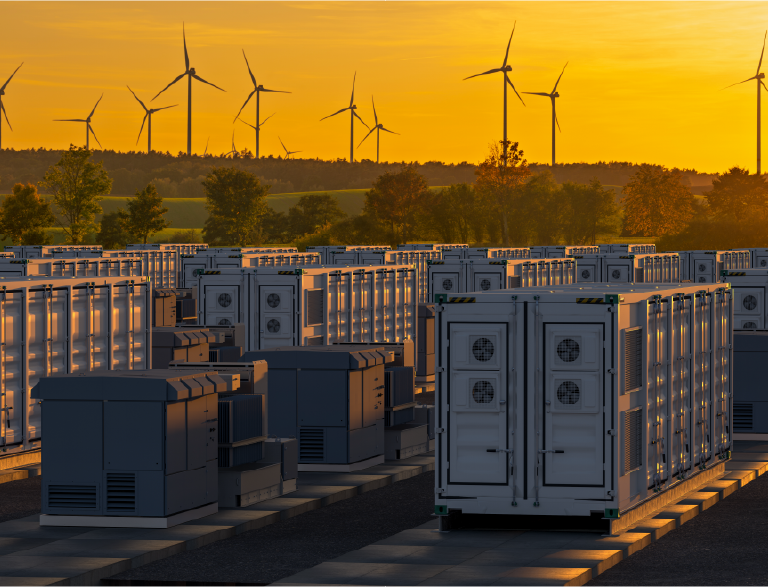
Following the rapid growth of wind and solar construction in the UK over the past decade, the focus is increasingly on how flexible generation and storage can complement these sources and how the gaps in generation can be filled to provide 24-hour renewable power, with the aim of maintaining a reliable, increasingly renewable electricity system.
The GHG Protocol has raised concerns around supporting the uptake of renewable electricity and a new focus for temporal matching of renewable electricity generation and consumption. Drax’s plan puts flexible generation and storage at the centre of how we support the grid to ensure renewable electricity is available to meet demand, and four takeaways stand out:
- A new low carbon Contract for Difference (CfD) has been signed for Drax Power Station to run from 2027 to 2031. The CfD will enable Drax Power Station to operate more flexibly, enabling the power station to provide renewable electricity when intermittent renewable sources are not able to generate.
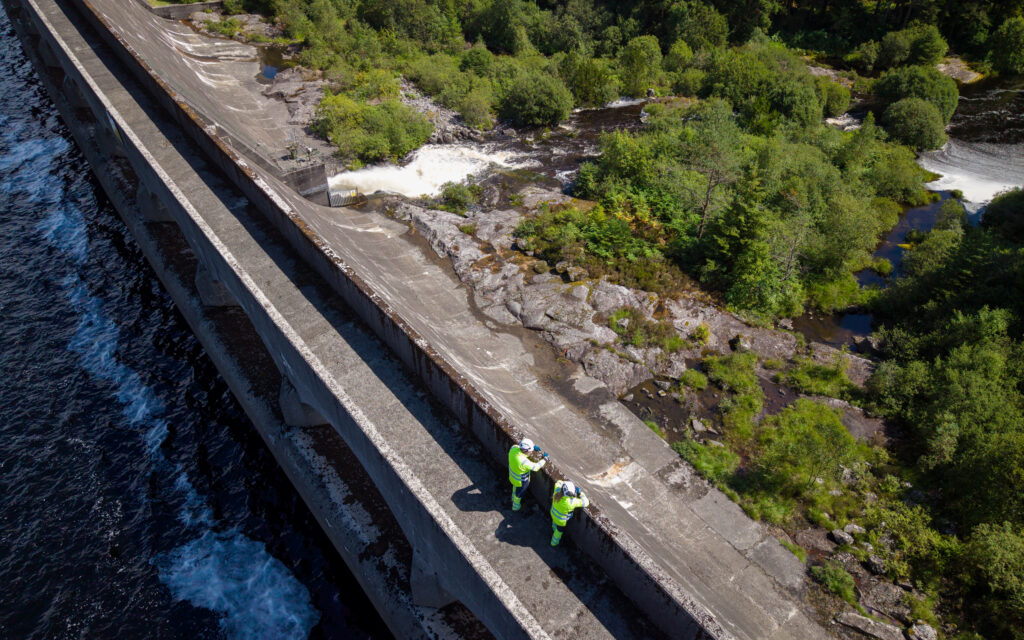
- Drax has been investing in battery energy storage systems (BESS) with fleet totalling 260MW once operational of long- and short-duration storage and flexible generation across three UK sites. The investment in BESS is also supported by a 40MW expansion at Cruachan pumped storage backed by an £80 million upgrade. This will enable the import of electricity at times when renewable electricity generation is high or in excess, then deploy electricity when demand – and cost – rises. This will reduce the reliance on fossil based flexible generation sources.
- Drax also has three Open Gas Cycle Turbines (OCGTs), one of which is currently operational and two in development. They will provide flexible generation when renewable output falls and help maintain grid stability as more wind and solar power are added to the system. We are considering options for low-carbon generation with on option being use of the synchronous condenser, which can enable low carbon grid support where the turbines are spun using renewably generated electricity.
- Drax’s acquisition of the BSIF has also added 0.9GW of solar and wind capacity, with a development pipeline of 2.9GW of new assets. This has provided Drax with a diverse portfolio of wind and solar assets to support Drax’s biomass, hydro, and BESS assets.
Drax will be able to optimise its asset base to provide renewable electricity when the wind is blowing and sun is shining, and when these intermittent renewables drop off, Drax can provide flexible renewable electricity through hydropower and biomass. This places Drax in a unique position within the UK energy market to be able to support the provision of 24-hour renewable electricity.
Growth in Drax’s portfolio of flexible and intermittent renewable assets may increase our absolute greenhouse gas emissions in the nearer term. Our commitment to reach Net Zero by 2040 remains unchanged, but delivering it will require us to address our own emissions as the portfolio grows. Alongside this, our assets can support wider energy system decarbonisation, helping to avoid emissions across the UK economy. These wider benefits are not a substitute for reducing our own emissions. Drax’s 2026 Climate Transition Plan brings together these two priorities: supporting the wider transition and implementing the decarbonisation measures needed to deliver our own targets.