







Britain’s rapid growth in solar power is helping cut emissions from the electricity system, but a lack of storage is leaving the grid increasingly exposed to higher prices and periods of tight supply, according to the latest Drax Electric Insights quarterly report authored by independent academics from Imperial College London.
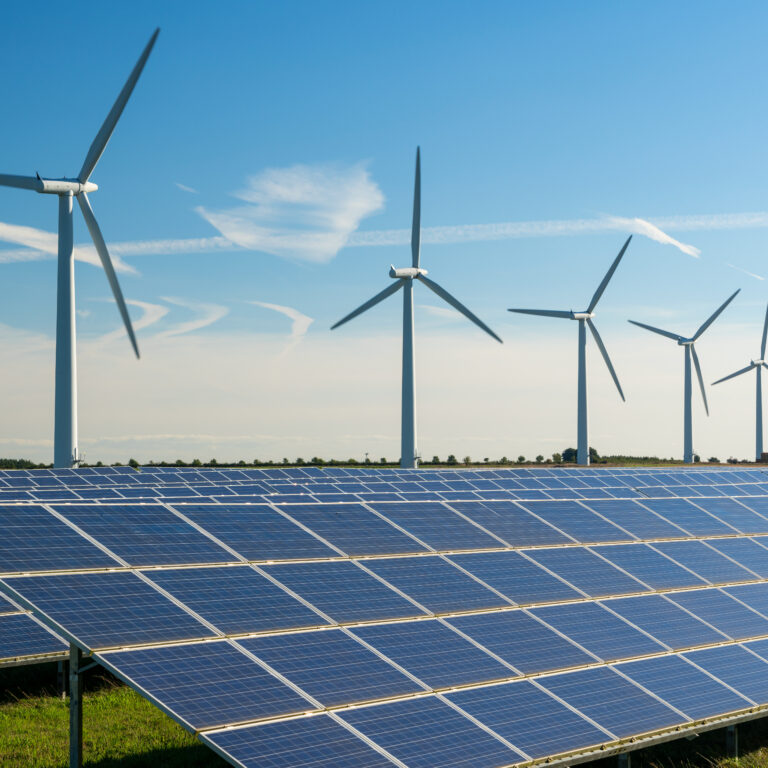
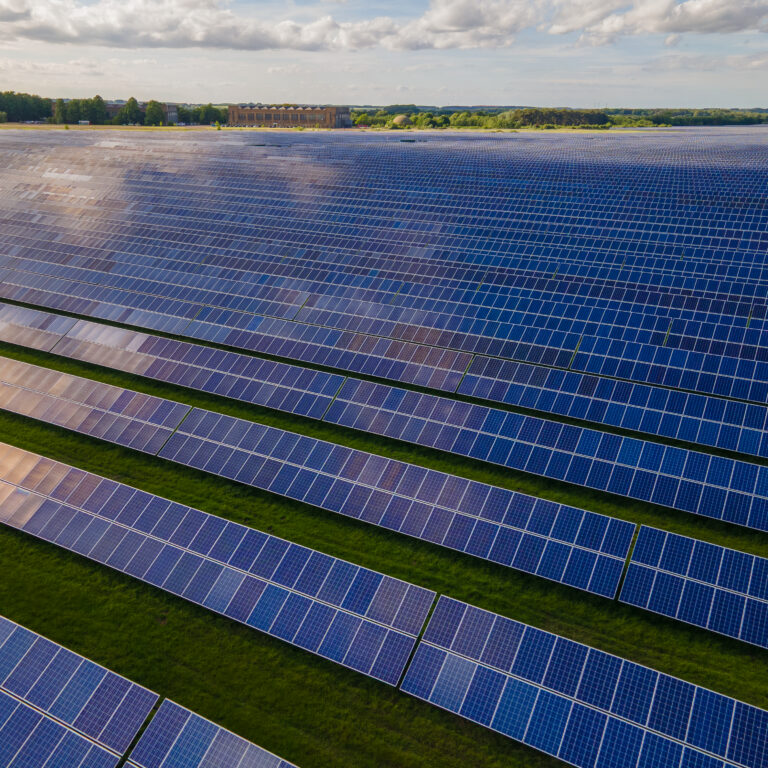
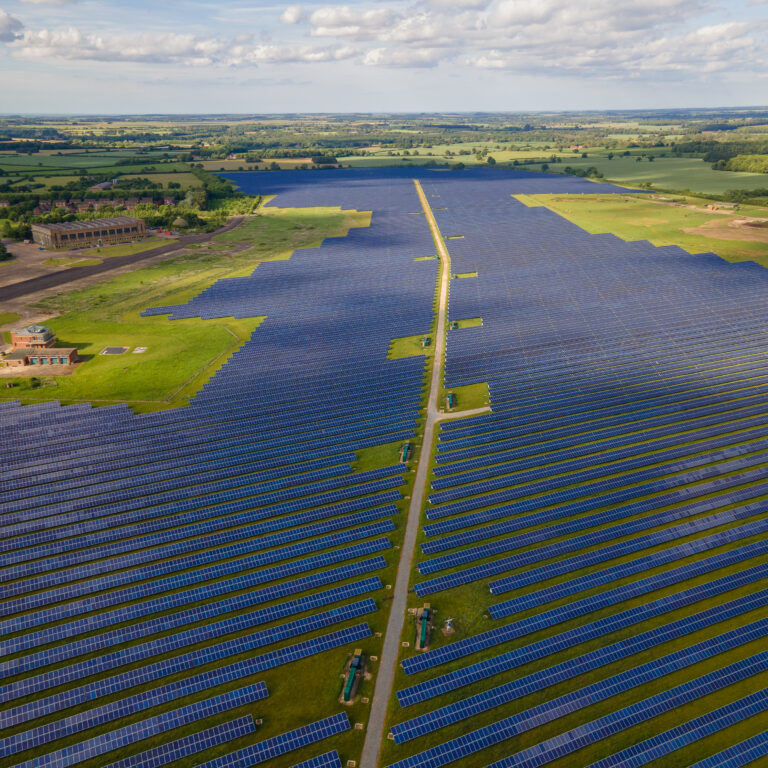
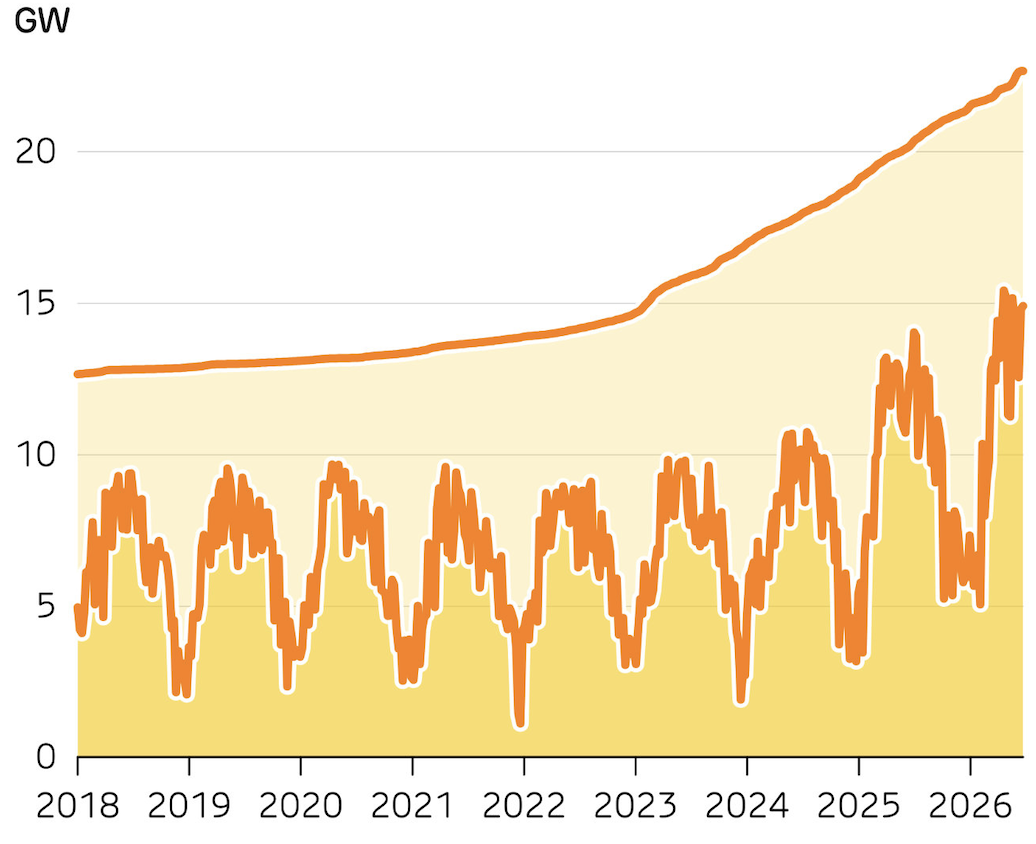
The report found that Britain’s power system can now operate with very high levels of low-carbon generation during periods of strong sunshine. Britain added 2 GW of solar capacity over the past year, and during April, solar generation reached a record 15.4 GW. This helped zero-carbon sources account for a record 98.8% of electricity supply for one half-hour period.
The installed capacity (top line) and peak power output (bottom line) of Britain’s solar panels.
Strong solar generation reduces Britain’s reliance on gas during the day and helps meet demand for air conditioning during heat waves. The challenge comes later, as solar output falls sharply in the evening, just as electricity demand typically increases, leaving Britain reliant on gas-fired generation to fill the gap. In June, Britain’s wholesale electricity prices after 7pm rose to over double their level at 2pm.
June’s heatwaves exposed the pressures on the system. Wholesale electricity prices rose above £500/MWh, their highest ever recorded in the month of June, while NESO issued its first-ever summertime Electricity Margin Notice.
Heatwaves can put further pressure on the electricity system, as we have seen over the summer. Air conditioning and greater cooling load increases demand just as high temperatures reduce the efficiency of power lines and thermal plants. Calm, low-wind evenings can also add to the pressure, leaving grid operators with fewer sources of generation available to meet the required demand.
Dr Iain Staffell, lead author of the report and Associate Professor at Imperial College London, said:
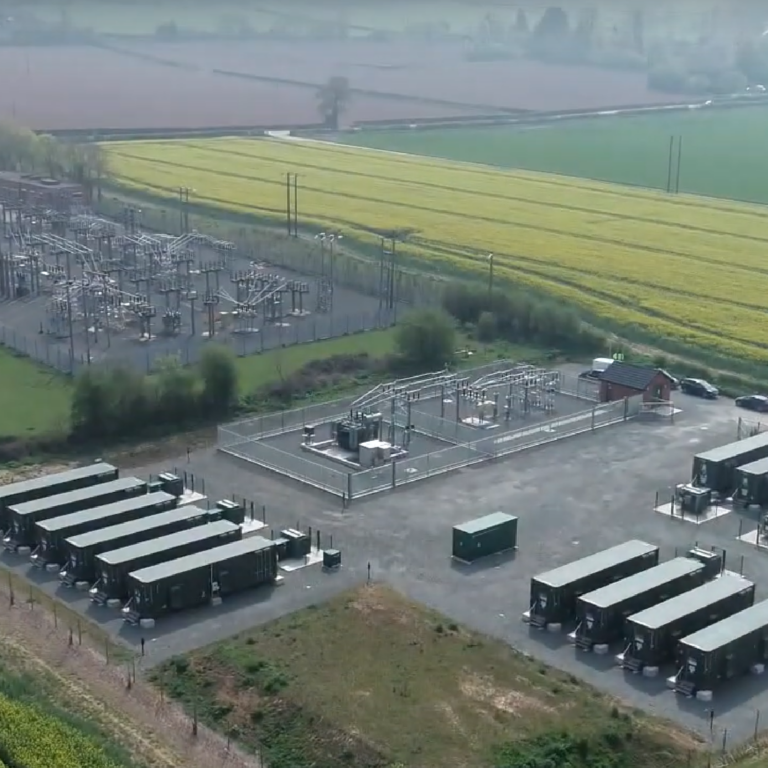
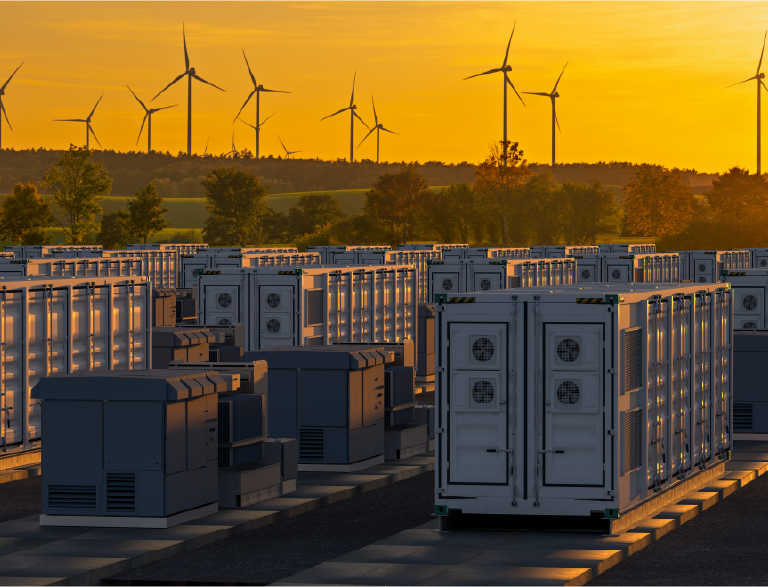
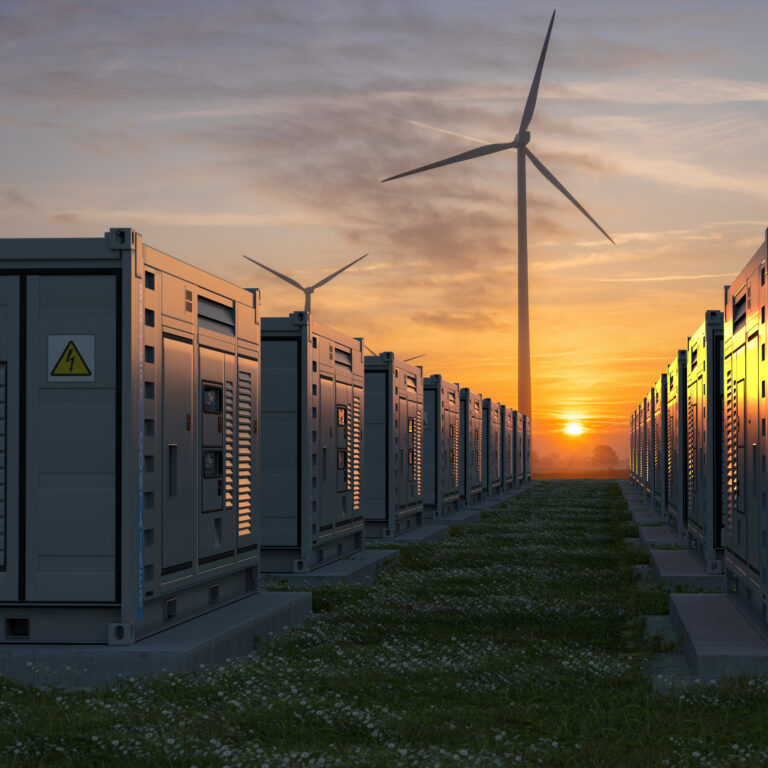
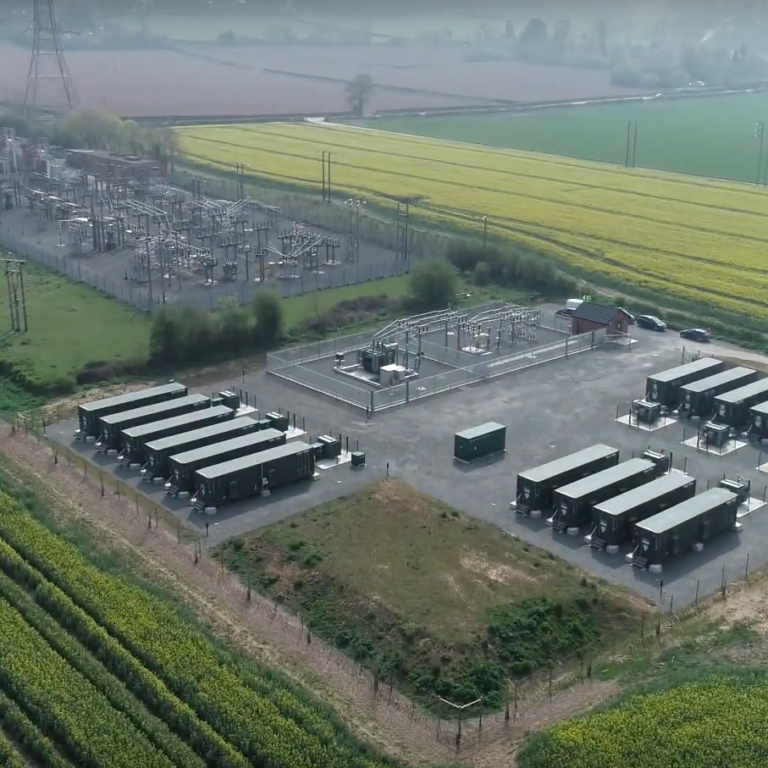
“Britain’s solar success should not end when the sun goes down. Batteries, pumped hydro and other storage tech can keep that daytime electricity flowing into the evening, which will reduce our reliance on gas and exposure to foreign market price spikes.
“Every new solar panel strengthens the case for storage. We need to build the two together. Otherwise, we risk breaking clean-power records at lunchtime and paying for expensive gas-fired power by dinnertime.”
The Government’s Solar Roadmap aims to put solar panels on an extra 3 million homes, adding a further 10 GW by 2030. The report warns that this will need to be accompanied by investment in electricity storage, flexible infrastructure and other forms of reliable generation if the additional power is to be used effectively.
Will Gardiner, CEO, Drax said:
“There is a feeling that Britain has made real progress in decarbonising its power system and now has a real opportunity to turn some of its energy challenges into solutions that can strengthen energy security, support growth and deliver wider benefits. We need to continue the plan of rolling out homegrown renewables, because they are doing much of the heavy lifting, we are reducing reliance on imported fossil fuels, improving energy security, reducing emissions and lowering bills.
“The key challenge we have is we need to be faster and more joined up. At Drax we’re all about delivering resilient, reliable, renewable power today while investing in the flexible, low-carbon technologies that we need to effectively meet demand. This means looking beyond single technologies, it is a whole-system challenge, where renewable generation, dispatchable low-carbon power, storage and flexibility all need to work together.”
Read the full Electric Insights report here.
ENDS
Media contacts:
Kieran Wilson
E: [email protected]
T: 07729092807
About Drax
Drax’s purpose is to enable a zero carbon, lower cost energy future. Our strategic aims are to be a UK leader in flexible, renewable generation and a global leader in sustainable biomass pellet production.
Our operations
Drax owns and operates a portfolio of flexible, low-carbon and renewable UK power assets – biomass, hydro, pumped storage and OCGT generation – which provide dispatchable power and system support services to the electricity grid.
We are the UK’s largest source of renewable power by output, and Drax Power Station is the UK’s largest single source of renewable electricity by output.
Through our pellet production facilities in North America, Drax is a leading integrated producer of sustainable biomass.
Drax supplies renewable electricity to UK industrial and commercial customers, offering a range of energy-related services including energy optimisation, as well as electric vehicle strategy and management.