


Britain’s energy system is being pulled in many directions at once, with record levels of renewable generation alongside ongoing challenges around affordability, security and resilience.
As part of the Q2 2026 Electric Insights analysis, our CEO Will Gardiner spoke with Electric Insights author and Associate Professor of Sustainable Energy at Imperial College London, Iain Staffell, about what Britain’s latest electricity trends reveal about the direction of the power system and what it will take to deliver reliable, affordable net zero electricity.
Watch the full video conversation here:
Or read the transcript here:
Iain: Hello, I’m Iain Staffell, Associate Professor of Sustainable Energy at Imperial College London and author of Electric Insights. Today, I’m joined on the call by Will Gardiner, CEO of Drax, as part of our Electric Insights Quarterly analysis. We’ll look at what Britain’s latest electricity trends tell us about where the system is heading and what it will take to make net zero power more affordable and reliable.
Will, thank you for joining me. It feels like Britain’s energy system is being pulled in every direction at once. Bills remain stubbornly high, security is back at the top of the agenda, and we’ve struggled through record temperatures. But we also have record levels of renewable generation. When you put all of these trends together, what stands out the most?
Will: Hi, Iain, and thanks very much for having me today. And there’s definitely a feeling that we’ve made, we here in Britain have made real progress in decarbonising the power system. Now we have a real opportunity to turn some of the challenges into solutions in a way that will strengthen energy security, support growth and deliver wider benefits.
So for me, for example, the idea that actually people talk about Clean Power 2030. Are we going to get there by 2030? And for me, that’s not really the question. I mean, the question is we are going to get there and it’s not so important as to when it’s a question of will. And so I think for me, we need to continue this plan of rolling out homegrown renewables because they are doing much of the heavy lifting. We are reducing reliance on imported fuels. And as we know, in a world where imported fuels, often the price is impacted by geopolitics in ways that is very unhelpful for improving energy security while also reducing emissions and lowering bills. The key challenge we have, of course, is that we need to be fast and we need to be more joined up.
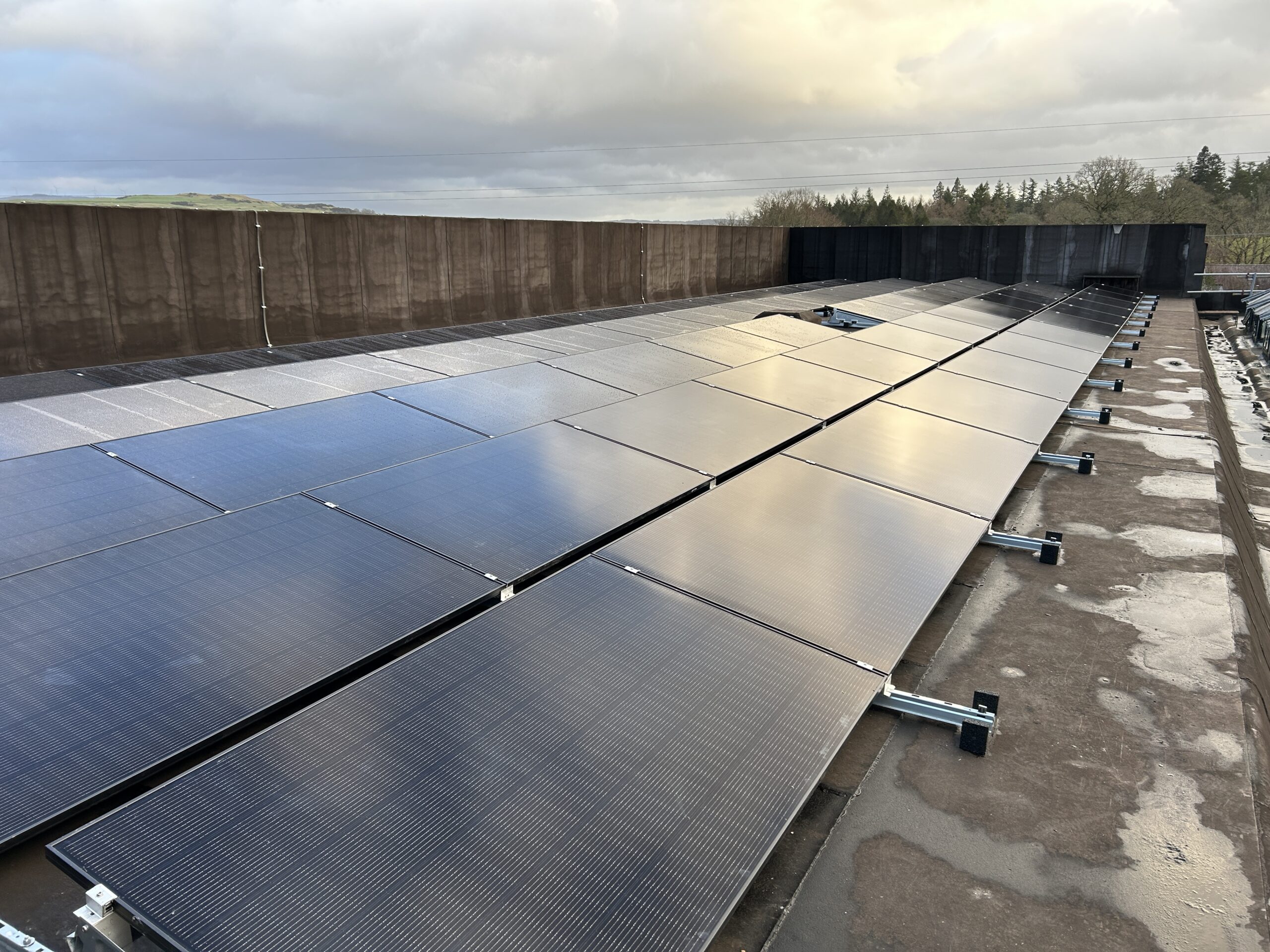
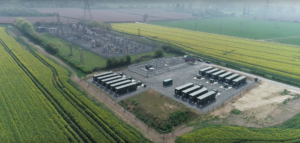
You know, we at Drax have real plans, for example, to add more generation. So we’re adding solar, we’re adding wind. We want to add batteries. And it’s just very difficult still to get stuff connected. So we need to be able to actually join things up and add more stuff that’s actually going to make this transition happen.
But what we’re doing at Drax, is we’re all about delivering resilient, reliable, renewable power and investing in the flexible, low carbon technologies that we need to effectively meet demand.
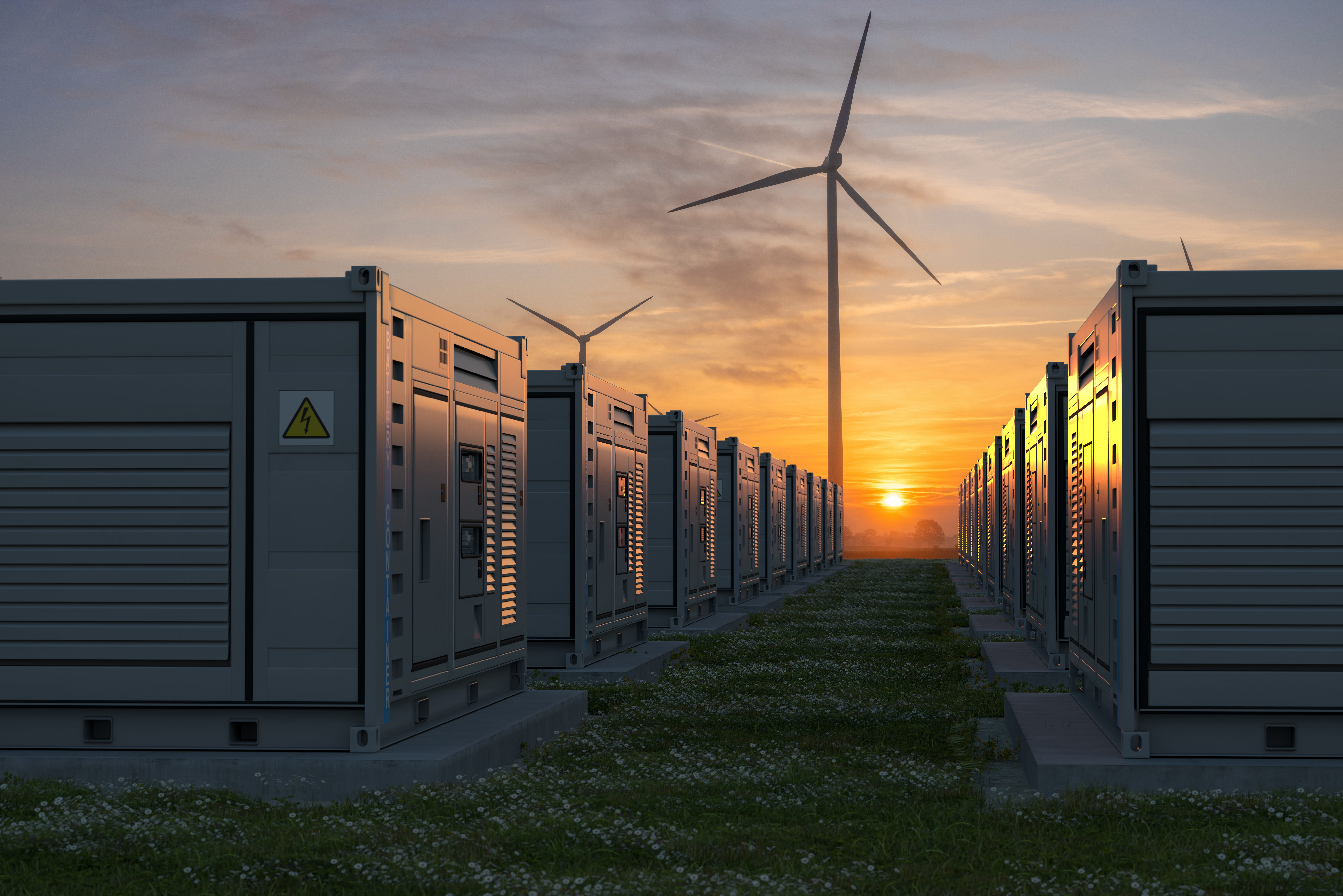
So we’re looking beyond single technologies. It’s a whole system challenge. How do we get a system which allows for dispatchable renewable, Sorry, for intermittent renewable generation, as in wind and solar, to be more supported by dispatchable generation, whether that’s biomass, whether that’s batteries, whether that’s long duration storage. So I think that’s the whole system challenge I think we need to sort of focus on solving.
But that’s my perspective Iain. And I’d be much more interested in what does the data say to you about where we’re heading and are we heading in the right direction?
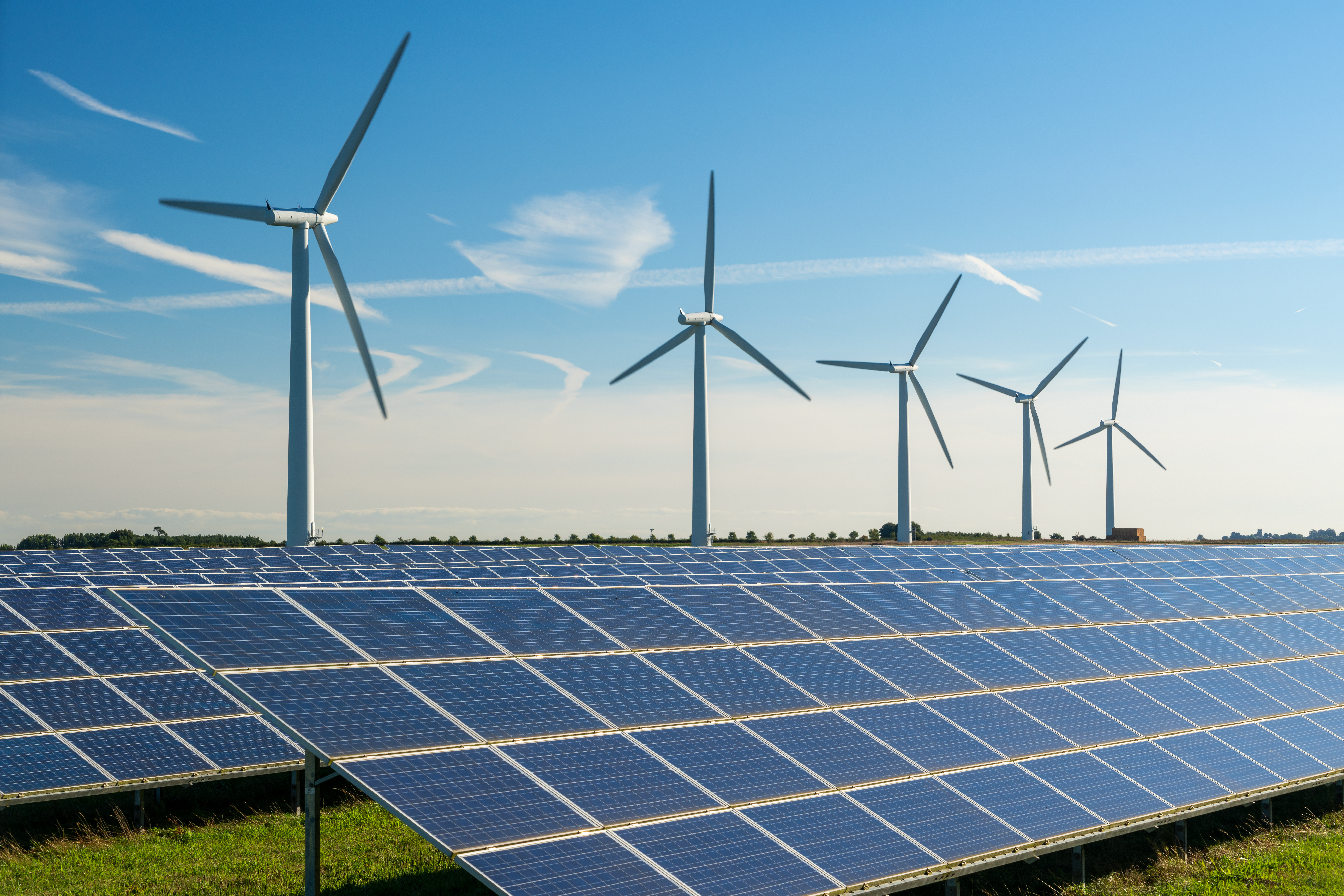
Iain: Yeah, I’d say broadly, yes. When wind and solar now produced 40% of our electricity in Britain, cutting the need for imported gas. But the data also show the practical challenges that this is causing. I mean, we’ve got renewables being curtailed. We’ve got more hours with negative power prices and there’s growing strain on the balancing system. So the direction’s encouraging. But we’re paying the price for falling behind on flexibility.
And I think the cost of energy is what concerns most people. And critics point to rising offshore wind prices, expensive grid reinforcement and curtailment costs. And they ask whether the economics of the energy transition still stack up. And how do you respond to that?
Will: I fundamentally do believe that the economics of the transition stack up, right? I mean, things like wind, solar batteries, the technologies that are driving the advancements in those technologies are continuing to drive costs down. Well, at the same time, fossil fuels continue to be volatile. They continue to be impacted by geopolitics, as I already mentioned. So renewables reduces our exposure to that volatility. But obviously there’s also a cost. And that’s about again how do we find that balance.
We have to invest in the grid. We have to invest in storage. We have to invest in flexibility so we can actually to balance the supply and demand. And as I mentioned before, we need to invest in dispatchable low carbon generation that makes renewable power possible.
So one of the things that I think we in the again, in Britain should be more proud of and sort of speak more sort of proudly and happily about, is that we have had policy certainty. We’re very close to policy certainty for a long time about the generation of trying to move to a decarbonised energy system, and that’s really important. And that’s been, I think, more significant than in many countries. And as a result, we’ve made a lot of progress. And the next step is actually how do we now start to encourage more of that flexibility or that resilience that can support intermittent renewables.
Iain: So I mean, you talk about all of the sort of incredible achievements and the investment that we’ve had, but it’s going to take a staggering amount of coordinated work to meet the infrastructure needs over the next decade.
You know, the government’s Clean Power 2030 targets imply adding about 60 to 70GW of solar and wind capacity this decade. So that’s more than doubling what we currently have on the system. Do you think the main challenge is now the technology, or is it delivering it quickly enough and at the right price?
Will: So I actually think the technology is ready. And actually I’m not sure ready is the right phrase. The technology continues to evolve in a positive way. Batteries are going from 2 hours to 4 hours, ultimately to eight hours. The efficiency of solar panels continues to improve. So the technology is there, you know, and many developers like ourselves have significant pipelines, solar, battery storage, etc. that they want to put in place. So I think the technology is there, the investor base is there, and it’s now really all about delivery. And that delivery is the hard part and the barriers are familiar. So planning, getting grid connections, the supply chains, investor confidence. I mean investor confidence is still there. But we need to make sure we don’t lose that. So overcoming these things is not impossible. Absolutely I think we can do it. And I think we need, for example, finding ways to make it easier to get connections is a big topic for us here at Drax. So working on ways that we can do that. So for example, for me, one of the things that’s very challenging is that as a generator trying to get a connection, we don’t actually get firm commitment from the system operators. When this will happen, we could make those more firm and more legally binding. That would be a great step forward. So we need to find ways again to make it easier for us and others to deliver.
Iain: So you’re talking about generation and everyone focuses on electricity supply. It’s always a supply side issue. But do you think demand is also becoming a hot topic?
Will: Absolutely. I mean, and it’s really I would say maybe I’ll make three different points here. So people have been talking about for a while, maybe the last ten years, that electrification is the way to accelerate decarbonisation. And you’re starting to see that happen. That’s electric vehicles, electrifying heat, parts of industry. So that’s a trend that we’ve been seeing and I think starting to have an impact over time.
The second thing which we’re all aware of is data centres. And clearly they’re attracting a lot of controversy. But it is happening and it needs to happen, and we need to do it in the right way. That again will drive demand.
But the third part of this, which I think is an interesting question, is that if we could make the cost of electricity to the end user less expensive, then effectively, that would accelerate the drive and demand, and then the more demand you get a positive virtuous cycle, because if you can have more demand, you can spread the fixed cost of a lot of this grid reinforcement, for example, over a broader sort of land based that would bring the unit cost down over time. So ideas like, for example, moving some of the renewable cost off the energy or the electricity bill, moving on to general taxation, we think would be a very interesting idea to sort of drive the demand. So we think demand will grow, but we think there’s ways that government policy could accelerate that.
Iain: So I mean, a renewable power system has these problems of reduced asset utilisation, but it still has to always be there when people and businesses need electricity. And we all know that the wind doesn’t always blow and the sun doesn’t always shine. And I think batteries, they’re an excellent way for covering the short peaks. But Britain is a windy country, so unlike a lot of the other countries in the world, we need to keep power flowing for days or weeks at a time when it’s particularly cold and the weather is still. So to cope with our weather, we need to get serious about long duration energy storage and clean, dispatchable generation so that supply remains secure in all situations.
Will: Absolutely true. And long duration storage is absolutely part of our plans and we think the UK needs more of it. I think again, technology is helping move in that direction. For example, batteries get to be longer term. But as you say in the UK we left to complain about the weather, don’t we? But do you see that becoming more of a problem in the years ahead?
Iain: Yeah, absolutely. I mean, just look at the summer that we’ve been through. We’re seeing Britain’s climate changing before our eyes. You know, we’ve got heat waves and we’ve got droughts at a scale that we haven’t seen before. And I think climate resilience needs to become central to planning hotter summers, stronger winter storms and changing rainfall. They’re all affecting demand generation and the electricity infrastructure. I don’t think we can hold the design for the weather. I don’t think we can design for the weather that we remember from childhood. I mean, the power system needs to cope with wider swings and more extreme conditions that the future will throw at us.
But that said, I don’t want to finish on a negative. We’ve talked a lot about the challenges and the costs. So let me ask, what do you think are the biggest opportunities for Britain as we move forward with the Clean Power Plan?
Will: So, as we as we started this conversation, I think Britain has made more progress than many countries in decarbonising, which means we have a bigger share of power driven by intermittent renewables, means that we actually now are starting to adjust problems, like how do you build a grid to deal with that? And for companies like ours. How do you use technology to optimise when you dispatch it and how you deliver the power when it’s needed most, etc., from batteries or from peaking plants, those types of things and these types of challenges will become global challenges. Because, you know, my very strong view is that the world will move to a renewable system over time. And so the UK is developing skills that actually which could become exportable over time. We become very good at managing a dispatchable system which requires both intermittent renewables but also flexible generation, batteries, etc., to support it as we become the world’s leaders in that, that’s absolutely something that we should exploit. And so I think, again, building that system is something that should give the UK over time significant industrial advantage. And that’s what we’re working on here.
Iain: Well thank you very much Will. That’s great.
And if you want to find out more, head to Electric Insights for all the latest.