



This article has been republished with permission from Enlit World.

Britain’s electricity system has never stood still. Over the past century it has continually reinvented itself to meet the needs of the country it serves.
The first major tasks of energy transformation in the twentieth century included mass electrification and cleaning up power generation – driven by the formation of the National Grid in 1926, the phase out of coal, and the growth of renewable energy.
Today, three major pressures have converged including the continued growth of renewable energy, which is bringing greater intermittency into the electricity system, electricity demand is rising sharply as more sectors electrify and the grid is coming under greater strain as new technologies and infrastructure connect to the network.
These are creating a new defining test: building system flexibility that can respond to more variable supply, volatile demand, and a strained grid. Flexibility is not a nice-to-have. It is the system’s shock absorber.
Essential flexibility
Flexibility operates on both the supply and demand sides of the energy equation, in the form of storage, generation (dispatchable and renewable), smart energy management, and shifting workloads.
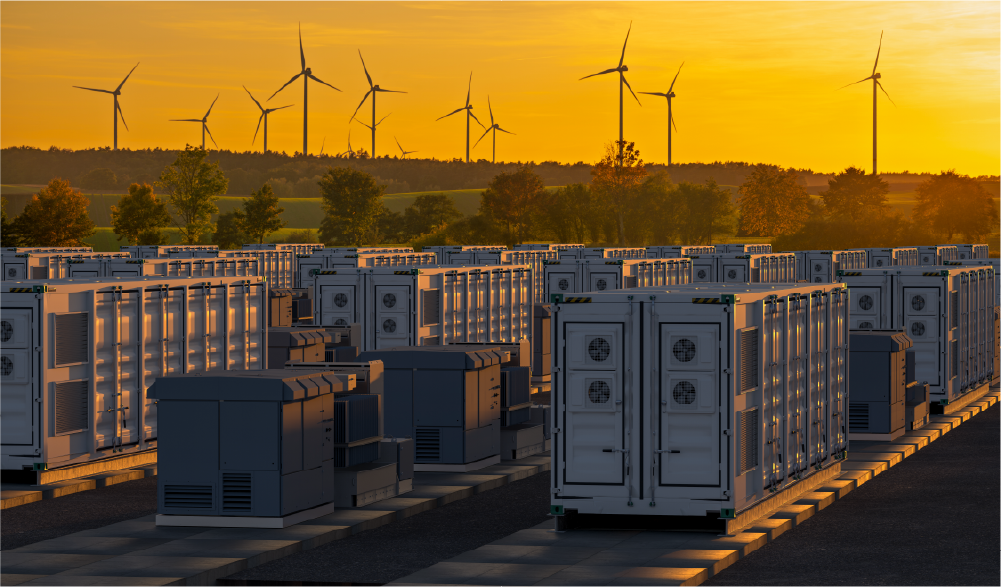
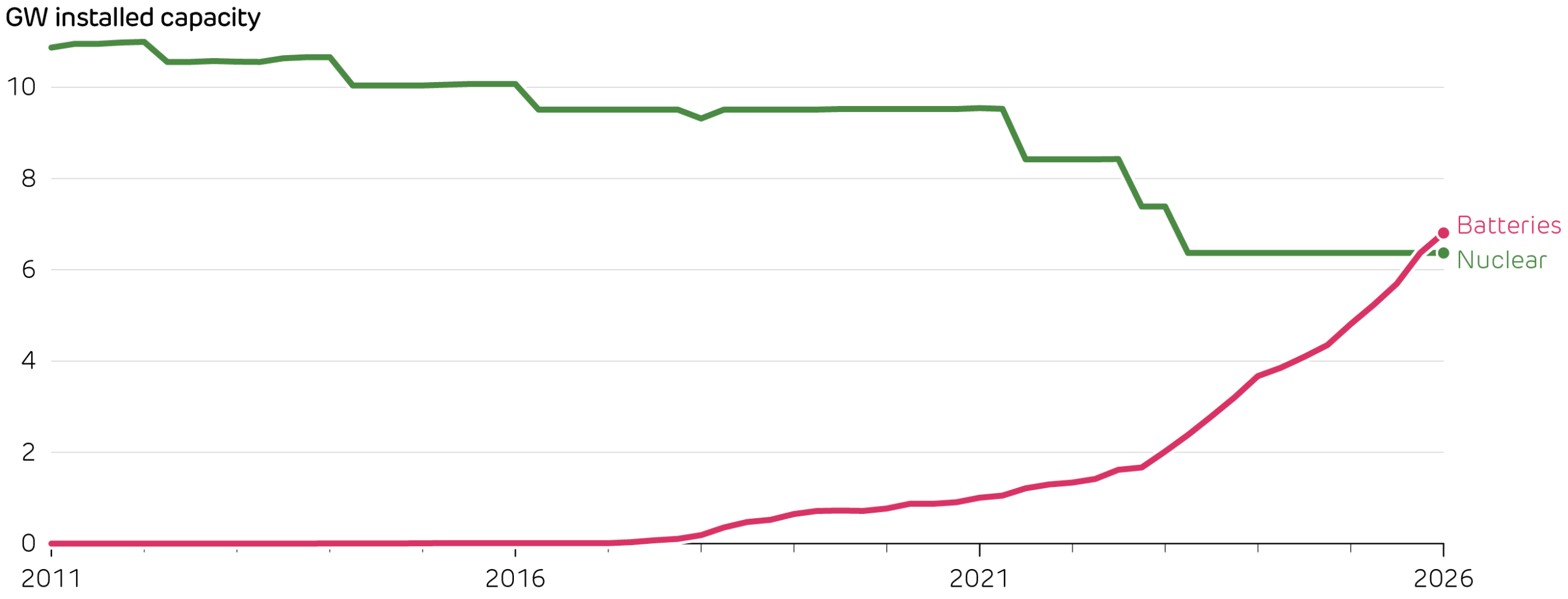
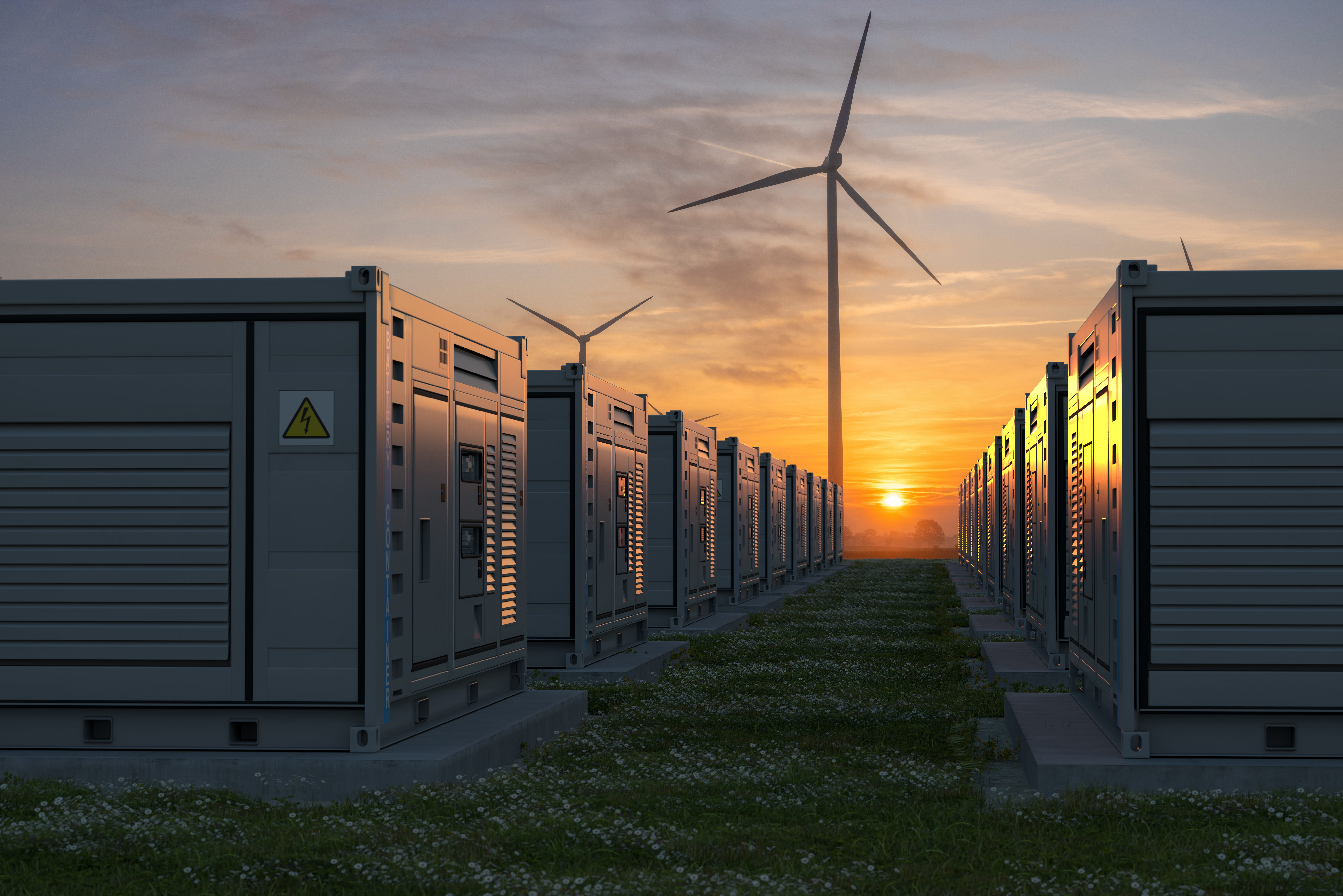
Achieving this depends on a range of technologies – including transmission infrastructure, flexible generation assets, long-duration energy storage and battery energy storage systems (BESS), and asset optimisation platforms that help manage electricity demand and supply in real time – each playing an important role in supporting a more resilient grid.
No single technology provides the answer. Together, they help balance intermittent renewable generation, maintain system reliability, improve resilience during periods of high demand and reduce overall system costs.
As energy requirements continue to evolve, flexibility has become just as important as generation itself in ensuring the UK can deliver a secure, reliable and lower-carbon electricity system.
Beyond energy
Getting flexibility right delivers benefits that extend well beyond the energy sector.
Recent geopolitical events – from Russia’s invasion of Ukraine to renewed tensions in the Middle East – have highlighted how quickly international energy markets can become volatile. Energy security and national security are becoming increasingly difficult to separate.
Greater domestic generation and increased system flexibility can help reduce that exposure, improve overall system efficiency, support more stable long-term energy costs, encourage investment and job creation, and strengthen the UK’s industrial competitiveness.
Most importantly, it creates the platform for broader economic modernisation. A flexible and resilient electricity system will help enable the technologies, industries and businesses that will drive the UK’s next chapter of growth.
Powering innovation
Any discussion about the future of the UK’s electricity system quickly turns to artificial intelligence. The UK Government forecasts that the country will need at least 6GW of AI-capable data centre capacity by 2030, which is roughly three times more than today’s capacity.
Data centres’ energy needs constantly fluctuate – sometimes by hundreds of megawatts per minute. As workloads surge, pause and restart, the challenge cannot be met by more power alone, but also needs to account for how that power is managed dynamically.
AI will undoubtedly play an important role in shaping future electricity demand patterns, but it is only one part of a much broader picture.
Reliable electricity underpins almost every area of modern innovation. We often think about breakthroughs in healthcare, advanced manufacturing or artificial intelligence as separate stories. The reality is they are not.
They all have one thing in common: they depend on a resilient, flexible electricity system. From more effective cancer treatments and AI-enabled medical imaging to increasingly automated factories and the data centres powering the digital economy, electricity is what makes those innovations possible.
I’ve always considered energy the silent partner behind economic growth. It may not always be the focus of public attention, but it is fundamental to enabling innovation across every sector. However, flexibility is what will decide whether that partner can keep up.
Without a system that can respond to changing patterns of demand, many of those ambitions simply cannot happen at the same speed, or they come at greater cost.
This changing reality has shaped our own thinking. We’ve been evolving from a predominantly single-technology business into a provider of system flexibility.
Defining test
Today, we’re investing across open cycle gas turbines (OCGTs), BESS and renewable generation. Our recommended offer for Bluefield Solar Income Fund has the potential to add approximately 900MW of solar and wind generation. Combined with our other flexible generation assets, our portfolio could exceed 3GW of power capacity if our offer is accepted.
For me, that’s not simply about growing our portfolio. It’s about ensuring we’re investing in the dynamic capabilities the UK will need to power progress. This is where Drax can play a different role not just producing power but helping the system respond when it matters most.
The UK’s electricity system has continually adapted to meet new challenges over the past century, and effectively managing rising demand, intermittency, and more complex patterns of supply and demand will be no different.
That is why the next phase of our energy transition relies not simply on generating more renewable power, but ensuring we have the flexible infrastructure required to use it effectively.