



This story first appeared in Data Center POST

- Data centers are so vital to modern life that the UK has granted them critical national infrastructure status, elevating data and energy security to matters of national security.
- While AI-driven energy demand is rising rapidly, the real hurdle is managing highly unpredictable, variable daily load patterns rather than just generating more total power.
- Resilience requires a flexible electricity system capable of balancing supply and demand in real time using solutions like energy storage, dispatchable generation, smart energy management, and workload shifting.
- Energy flexibility has become a business differentiator with companies like Google and Meta diversifying their power sources, while grid trials and rapid battery storage growth show real momentum.
Data Centers are so essential to modern life that, in 2024, the UK granted them the same critical national infrastructure status as water, energy and emergency services.
Protecting data infrastructure relies in part on protecting power and maintaining energy security. This has exposed a new reality: as data and energy become strategic dependencies, both are matters of national security.
As further proof of this, data centers and critical energy sites are known to be targeted in times of international conflict; such actions can exacerbate ongoing supply disruption and price volatility.
Against this backdrop, it’s clear that systems built on concentrated energy sources, such as an overreliance on one fuel type, can leave countries and operators exposed.
At the same time, it’s impossible to ignore the speed at which AI-driven energy demand is climbing. Data Centers are already consuming 6% of electricity in the UK and US, and that growth is not anticipated to slow.
However, because AI workloads are unevenly distributed and highly variable, data centers can have unpredictable fluctuations in power needs, surging during processing, dipping when they pause to share data or sync, and then repeating that cycle when they start the next batch. While daily averages might look consistent, demand throughout the day can fluctuate by hundreds of megawatts every few minutes.
In an environment of rising demand, unpredictable and dynamic load patterns, and geopolitical risk, simply adding more generation will not be enough. The real challenge is flexibility.
Flexibility will define the next era of energy
There is no single technology that can deliver the secure supply that AI will require. Resilience comes from combining dispatchable generation, renewable energy sources, storage, and smart energy management into a system flexible enough to respond to growing demand while guarding against volatility and disruption.
A data center’s ability to consistently access energy depends on the electricity system’s ability to adapt to changing conditions in real time, balancing supply and demand while maintaining a steady flow of power. Generation provides the power. Flexibility determines how effectively that power can be delivered and used, acting as a shock absorber against swings in supply and demand.
Historically, electricity systems have been designed around relatively predictable demand patterns.
Today, AI is introducing a new kind of demand. This dynamic is the reason flexibility will become one of the defining aims for the energy industry in years to come.
Flexibility as a business differentiator
Technology companies like Google and Meta are already diversifying to ensure energy security for their facilities. Google, for example, is purchasing nuclear power from Kairos Power’s small modular reactors to serve its AI facilities, while Meta has introduced a space-solar partnership with Overview Energy.
These investments demonstrate how energy resilience and flexibility are emerging as commercial differentiators for operators. Reliable access to power can be the difference between a data center’s success or failure. It allows organizations to manage risk, control costs, and scale more confidently. Flexibility can come from both the supply side (storage, dispatchable generation, and intermittent renewable generation) and the demand side (smart energy management, shifting workloads).
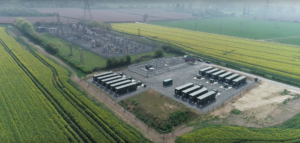
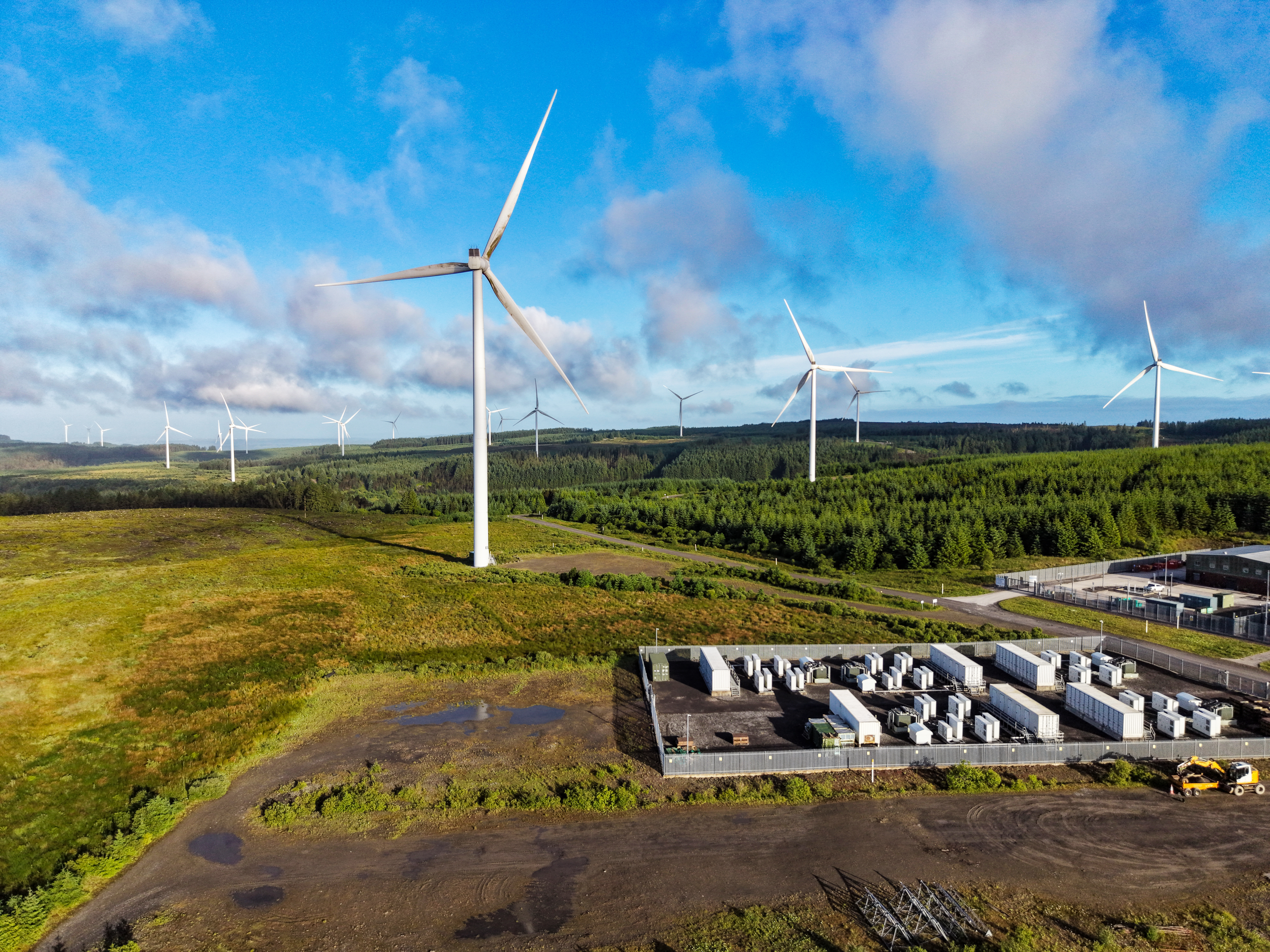
- Energy Storage: Captures electricity when supply is abundant to be used later on when demand is high. Solutions include battery energy storage systems and pumped storage hydro.
- Dispatchable Generation: Can ramp up quickly to generate electricity when needed. Examples include biomass and natural gas power plants.
- Smart Energy Management: Using advanced software and AI, virtual power plants and other solutions can optimise cooling systems, server utilisation, and power consumption in real-time based on grid conditions.
- Shifting Workloads: Moves non-urgent workloads to off-peak periods or physical locations to reduce stress on energy systems when demand is higher.
Together, these approaches can bolster energy systems and enable them to better respond to AI’s increasingly dynamic demand, while insulating against volatility and price swings.
Where We Stand Today
The good news is that there are signs of meaningful progress. In the UK, battery storage capacity surpassed nuclear generation for the first time, leaping from just under 10 MW to almost 7 GW in less than a decade. Elsewhere, earlier this year Emerald AI and the National Grid joined with other partners to complete a trial which proved that, through smart software, AI facilities can adjust electricity consumption in response to real-time demand signals without impacting critical operations.
Data centers need more of these solutions quickly because the cost of getting system flexibility wrong can be high, including rising costs, renewable curtailment, and reduced energy security. Meanwhile, as the geopolitical shocks that rocked energy markets have shown, reverting to and relying on the cheapest or fastest deployed single source also carries great risk.
AI’s energy demand is often framed as a race for more megawatts, but that’s an oversimplification. AI’s growth will depend just as much on the electricity system’s ability to adapt and continue delivering as it will on the megawatts.
To build a secure energy system capable of supporting the next generation of AI infrastructure, the UK must invest in flexible technologies that can meet the dynamic needs of future energy demand.