





Tag: Drax Power Station

North Yorkshire tops chart for renewable energy

A new survey from the Green Alliance and Regen SW shows that Selby in North Yorkshire produces the most renewable energy of any area in England and Wales. As you can see, Drax’s home tops the chart by a large margin.

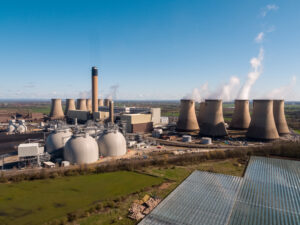
That’s because between three and four per cent of the UK’s electricity is generated from sustainable biomass here at Drax power station.

We’ve already converted half the station to use compressed wood pellets. That half of Drax has reduced its carbon emissions by more than 80 per cent as a result.

But there’s so much more Drax could do to help the UK get more coal off the grid. And if the Green Alliance’s next data visualization pitted renewables against fossil fuels, a renewable-only Drax as our country’s biggest power station would give low carbon technologies an even bigger share than would be the case today.

Drax can not only generate more renewable power ourselves, but also help solar and wind power to cope with demand as some of the older coal, gas and nuclear plant retire over the coming years.

Moving towards a balanced mix of renewables including further biomass upgrades at Drax could save bill payers billions of pounds found research carried out by NERA and Imperial College London.

This was commissioned by Drax to establish the ‘true’ cost of the main forms of renewable energy – wind, solar and biomass.

The UK is already far below the European average when it comes to using wood for energy.

If the government made the right decision and levelled the playing field for biomass in the UK, Drax could help our country climb the table, meet our national climate change targets more quickly and contribute to saving bill payers billions of pounds. Upgrading from coal to wood pellets is also ensuring Drax Group – which employs more than 1,400 people – has a real future at the heart of the Northern Powerhouse.

However it’s not just for government to change the status quo – businesses have a role to play too. Many UK businesses have made firm commitments to limit and reduce their impact on the environment. For all, their use of energy is a critical area to consider and address. Some of the biggest electricity users such as Thames Water and Manchester Airport Group are increasingly demanding renewable electricity. Drax Group’s Haven Power is proud to offer the only 100% guaranteed renewable electricity product in the market to businesses big and small.

Perhaps that’s what the Green Alliance’s next index could investigate – which businesses have taken practical steps towards a renewable future.
How to plug the electricity gap

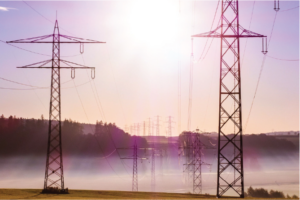
By 2025, the UK will face a 40-55 per cent gap between electricity supply and demand, according to a report from the Institute of Mechanical Engineers. The government has disputed IMechE’s projection but its own forecasting suggests that UK electricity demand will be 19% higher in 2035 vs. 2015.

The alleged 2025 gap will be caused by the closure of coal-fired power stations to meet targets for carbon reduction. According to the IMechE, current plans to plug the gap by building new gas-fired capacity are unrealistic. (It would require a staggering 30 new power stations to be planned and built from scratch within the next 10 years.)

At Drax, we have already developed a solution. We can do it quickly, cheaply and safely. In fact, it would drastically reduce the time and money involved in building all of those 30 new gas power stations from scratch.

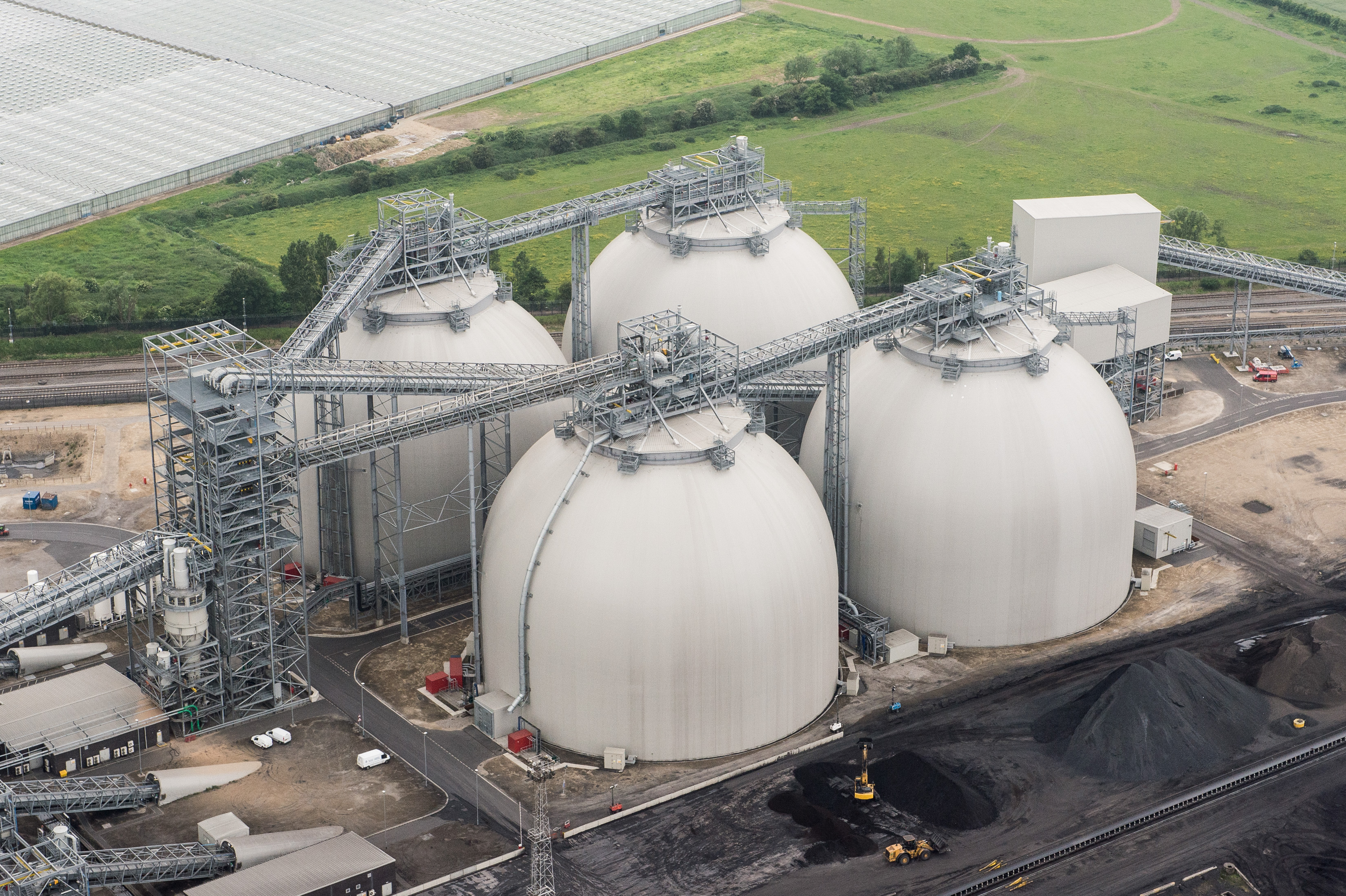
We’ve already adapted three of our coal-fired generating units to use high-density pellets made from compressed low-grade wood. And we’re using world-beating technology developed by our own engineers here in the UK to do it.

In all, around four or five per cent of the UK’s entire electricity needs every single day of the year are already being met thanks to our unique biomass technology at Drax. It’s an approach that could be adopted elsewhere in the country, providing a huge contribution to plugging the electricity gap.

Our high-density compressed wood pellets are the only non-fossil fuel that can bring about these changes in the time we have left.

Given the right support, within two or three years, we could convert the remaining three units at Drax power station to run on biomass wood pellets.

With all six units converted, plus Lynemouth power station – which already has that future secured – and one or two other, smaller biomass power stations, around 10 per cent of the UK’s electricity could be generated using this technology well before 2025 – long before new gas-fired capacity could come on stream.

The costs involved would be dramatically lower too. We invested around £650 million to convert three generating units, develop a supply chain and build new storage at Drax. It is estimated that the equivalent in new combined cycle gas turbine power stations would cost more as it would be new rather than repurposed infrastructure.

Energy hierarchy

The IMechE has developed an energy hierarchy, listing five sustainability-related priorities against which to judge any future energy strategy. The two that focus on energy generation are a perfect fit in terms of coal-to-biomass conversions at Drax and Lynemouth.

“Priority 3 – utilisation of renewable, sustainable resources”

High density compressed wood pellets are made from low-grade wood sourced according to the highest levels of forestry conservation.

“Priority 5 – utilisation of conventional resources as we do now”

Using world-leading engineering skills and avoiding the need to build brand new power stations, our coal units can be converted without the need for new National Grid connections.

Many of our European neighbours such as Sweden and Germany already use a far higher proportion of biomass to meet their energy needs. Catching up with the European average is the simplest, quickest and most affordable way to avoid a shortfall between supply and demand predicted by 2015.