
Tag: Drax Power Station

The UK must not squander its energy legacy

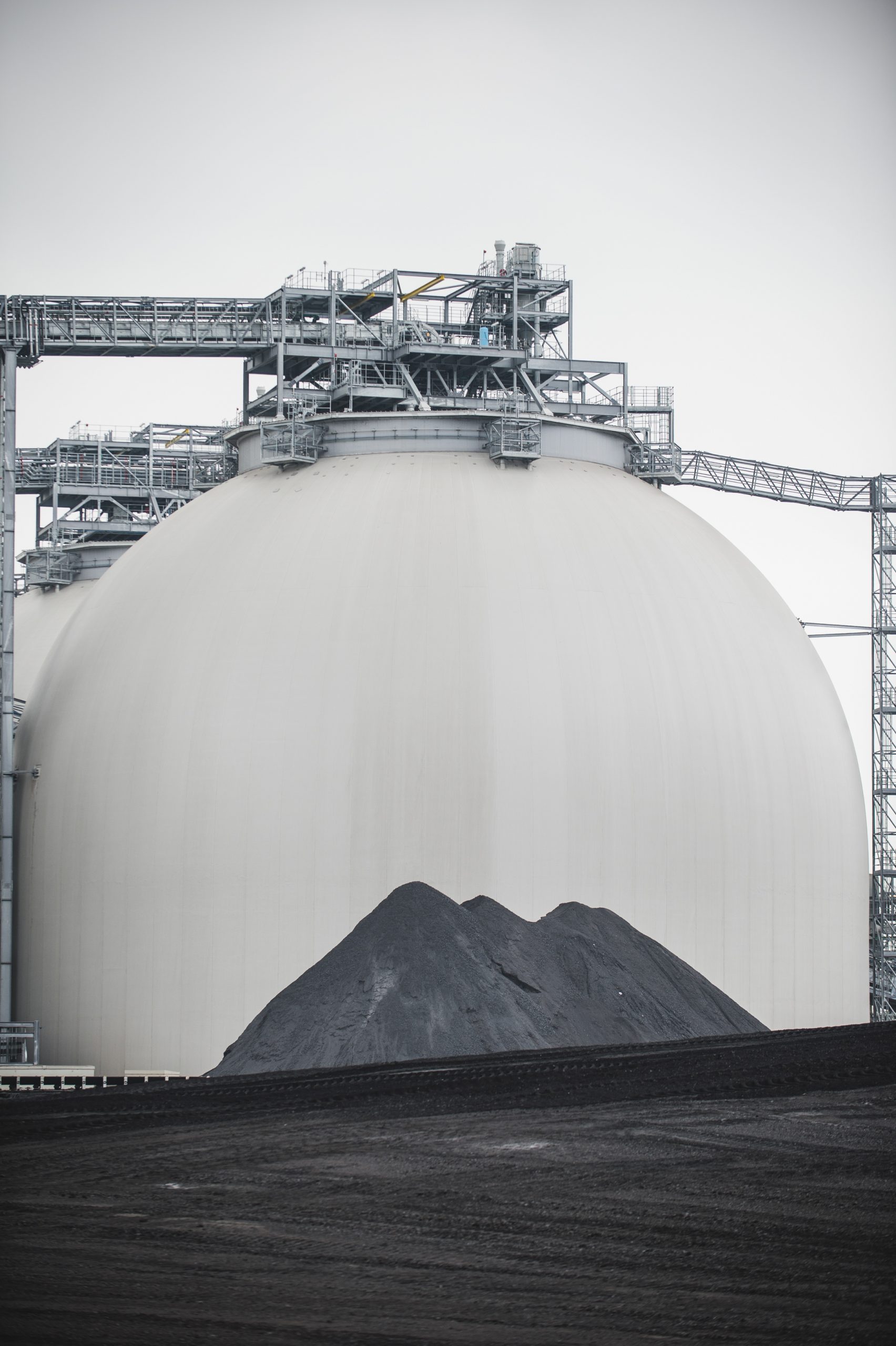
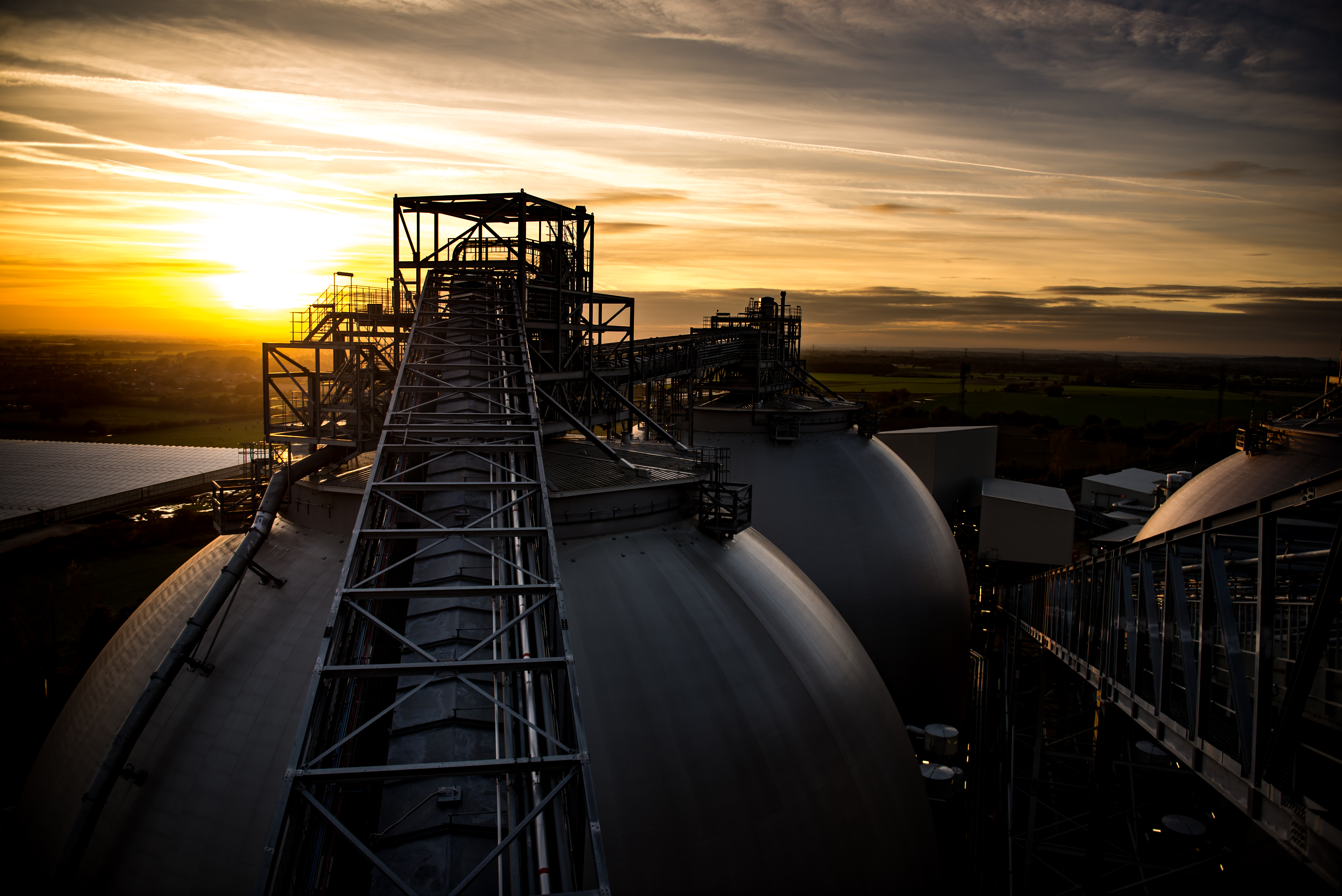
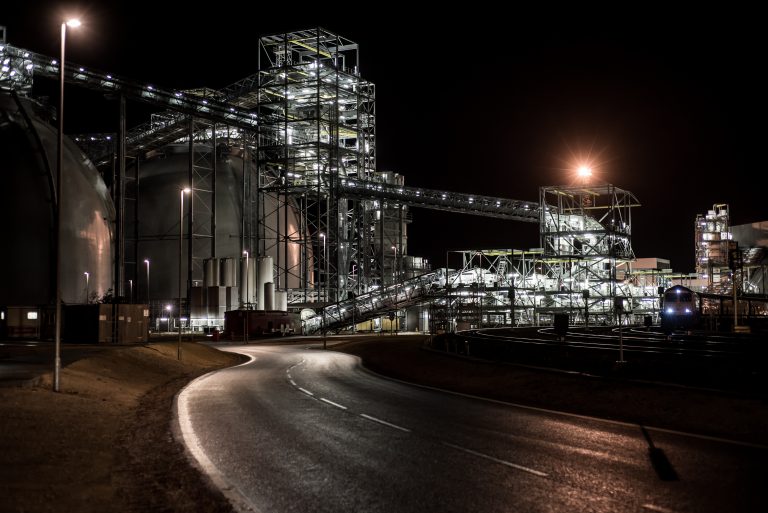
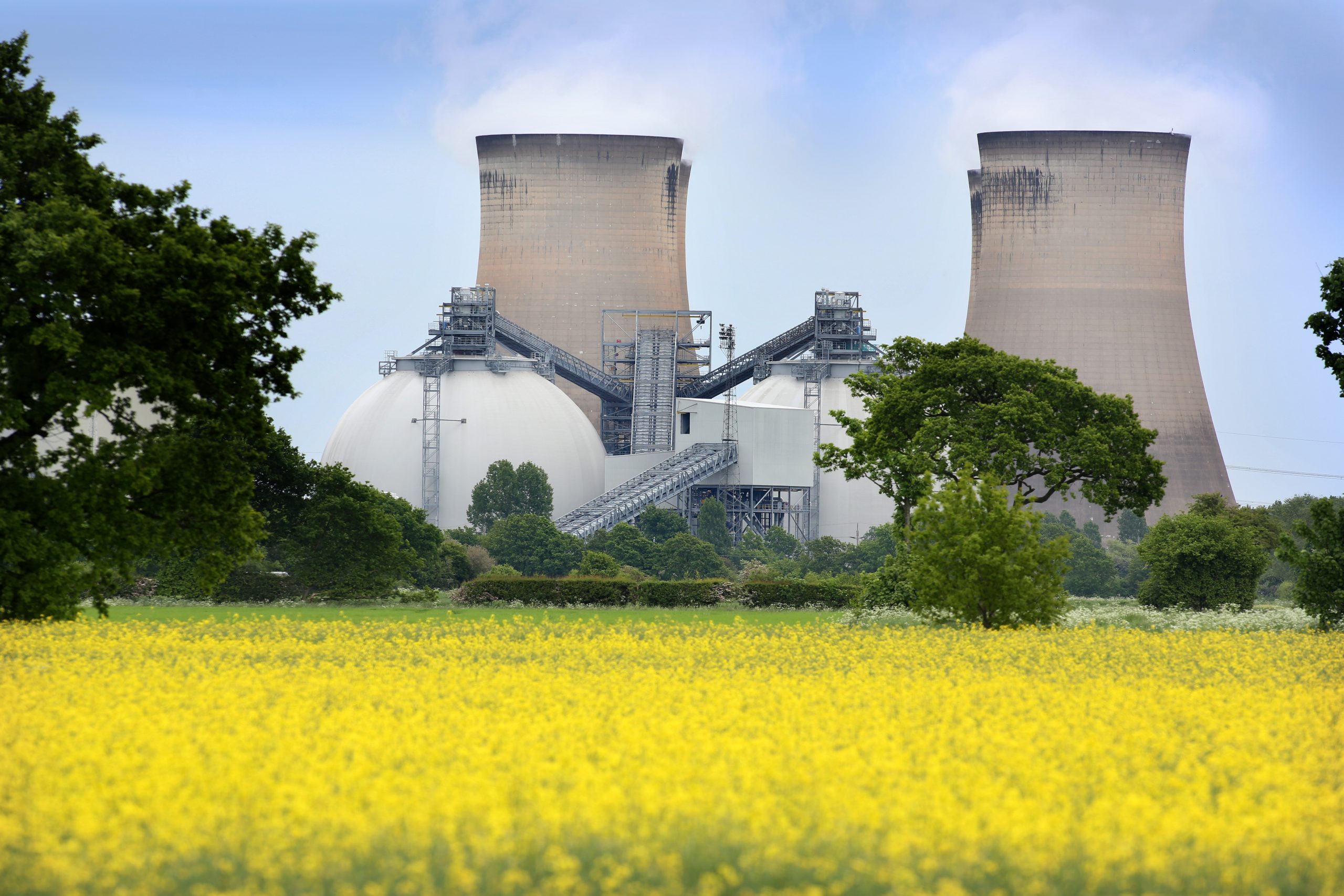
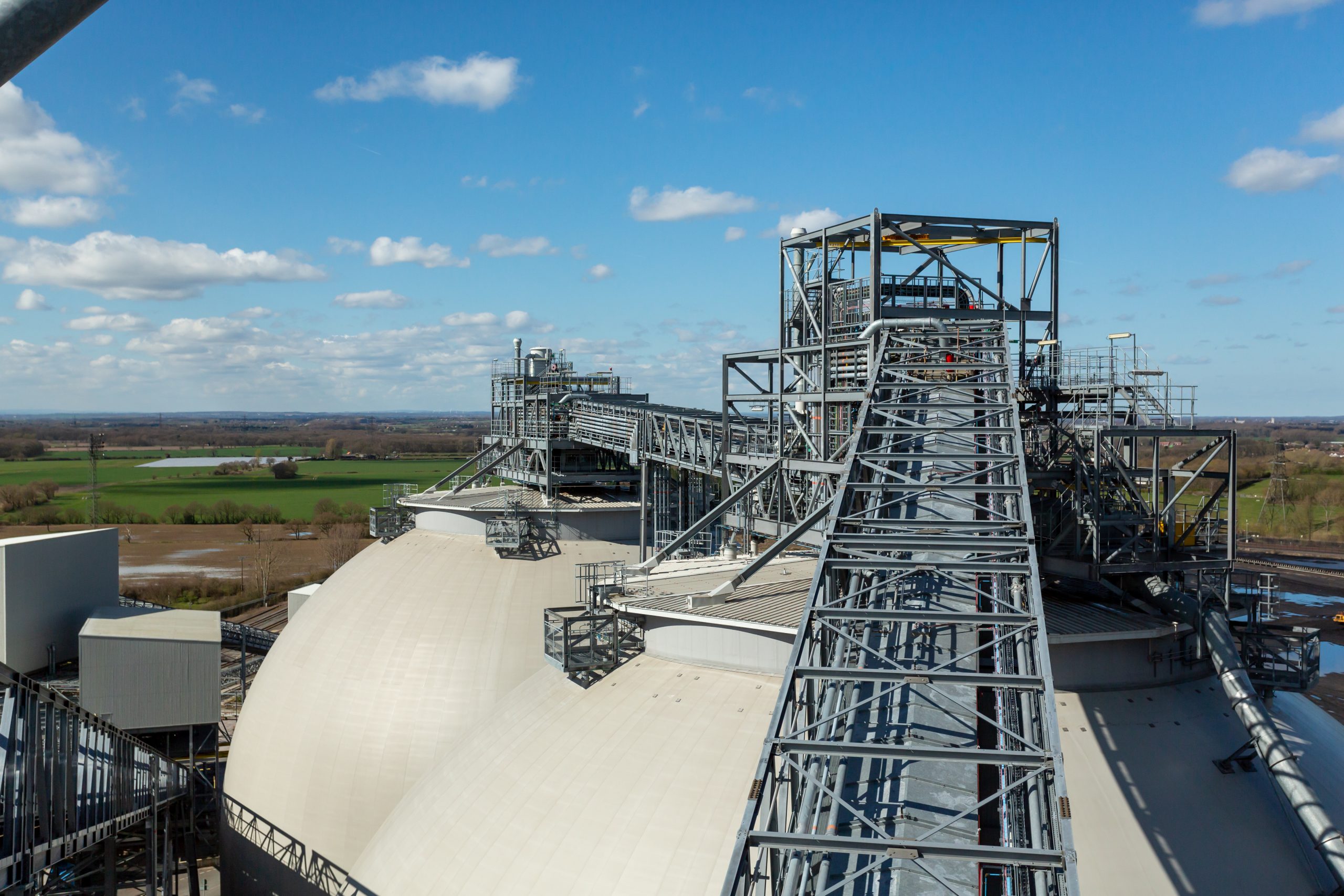
Biomass storage domes and water cooling towers at Drax Power Station in North Yorkshire

This article appeared in the Yorkshire Post on  24 October 2024

Many of the original climate change heroes live and work here in Yorkshire and it is these men and women who have worked so hard to keep the lights on whilst also ensuring that Britain became the first major economy to halve its emissions.

However, whilst this may sound like an encouraging accolade, the new Government has inherited a challenging situation where Britain is now lagging behind on delivering its targets for generating renewable energy and stopping climate change.

The UK’s carbon budgets are a legacy that the Conservative Party should be proud of and the legally binding targets that the last Government committed to form the basis of a set of world leading pathways that, if delivered, will make a meaningful contribution to slowing decarbonisation and ultimately improve everyone’s quality of life.

Critically, they also underpin long-term energy forecasts which demonstrate that global electricity usage is expected to more than double by 2050.

Both Government and industry will have to work closely together to ensure that billions of pounds of investment is made into the UK in order to enable the delivery of the renewable energy infrastructure required to power this increase in demand.

This is most true here in Yorkshire and the Humber, where due to the legacy of our fossil fuel industries, we have the biggest decarbonisation opportunity of any region.

The decisions businesses are making drive economic growth, support thousands of high-quality jobs and signal that the nation is also open to foreign investment.

In Government, the Conservative Party understood the value of this long-term perspective but in opposition they currently seem more focused on short term political calculations that put them in danger of spoiling their legacy.

Last week the former Energy Secretary, Claire Coutinho, set alight the Conservative Party’s proud record of introducing carbon budgets and rowed back on her work to put the policies in place to meet them when she was Secretary of State.

She singled out Yorkshire’s Drax Power Station as being surplus to the country’s requirements, despite it powering 4 million homes and providing 4% of the country’s total power and 8% of its renewable electricity. Crucially, she neglected to say what could replace this significant amount of renewable and reliable generation capacity.

Everyone who works at Drax Power Station is proud of our 50-year history, the role we play today in delivering dispatchable, renewable power to the country when it needs it, not just when the wind is blowing and the sun is shining, and the ongoing contribution it can make to tackling climate change.

The transformation of the site from the country’s largest coal-fired power station into the single biggest source of renewable power, saw its carbon emissions slashed by 99% and in turn made a significant contribution to the UK meeting its current climate targets.

And now we want to go even further, by installing the game changing carbon removals technology, bioenergy with carbon capture and storage (BECCS) at the site.

BECCS at Drax will make it significantly easier for the country to meet its short and long-term climate targets, deliver the new Government’s 2030 clean electricity grid and, critically, our binding carbon budgets.

As the National Energy System Operator and Government work at pace to set out and implement their plans for the sector, we are ready to engage positively to play our part in a solution that delivers the essential objectives of security of supply, grid stability and decarbonisation.

The UK needs a consistent and assured energy strategy that keeps the lights on, delivers the decarbonisation agenda that society needs and wants, and stimulates economic growth and prosperity.

Track-1 expansion process update

As part of the update, DESNZ set out its draft expectation to run the Track-1 extension and Track-2 processes in parallel, subject to T&S capacity and ministerial sign off. Following the designation of the Viking CCS cluster as a Track-2 cluster in July 2023, there are now two potential routes which could support the Drax Power Station BECCS project and wider CCS in the Humber region by 2030 – the East Coast Cluster and Viking CCS cluster.

DESNZ also set out an indicative timeline that shortlisted projects would commence negotiations from Autumn 2024. DESNZ will now receive feedback on its draft proposals pending further updates and the publication of final guidance in due course.

Will Gardiner, Drax CEO, said:

“The Government’s statements are a helpful step forward not just for BECCS in the UK, but for the wider fight against climate change. We can only reach net zero by investing in critical, new green technologies such as BECCS. I welcome the Government’s draft position and urge them to progress with both Track-1 expansion and Track-2 processes in parallel this winter”.

Separately, in August 2023 the UK Government published a Biomass Strategy which set out its position on the use of biomass in the UK’s plans for delivering net zero. The Biomass Strategy outlined the potential “extraordinary” role which biomass can play across the economy in power, heating and transport, including a priority role for BECCS, which is seen as critical for meeting net zero plans due to its ability to provide large-scale carbon dioxide removals. This is in addition to formal bilateral discussions between Drax and the Government in relation to a potential bridging mechanism between the end of the current renewable schemes in 2027 and the commissioning of BECCS at Drax Power Station.

Enquiries:

Drax Investor Relations:
Mark Strafford
+44 (0) 7730 763 949

Media:

Drax External Communications:
Aidan Kerr
+44 (0) 0784 909 0368

Website: www.Drax.com

END

Global collaborationis key to tacklingthe climate crisis

Leaders from 40 countries are meeting today, albeit virtually, as part of President Joe Biden’s Leaders’ Summit on Climate. The event provides an opportunity for world leaders to reaffirm global efforts in the fight against climate change, set a clear pathway to net zero emissions, while creating jobs and ensuring a just transition.

Since taking office President Biden has made bold climate commitments and brought the United States back into the Paris Agreement. Ahead of the two-day summit, he announced an ambitious 2030 emissions target and new Nationally Determined Contributions. The US joins other countries that have announced significant reduction goals. For example, the EU committed to reduce its emissions by at least 55%, also South Korea, Japan and China have all set net-zero targets by mid-century.

Here in the UK, Prime Minister Boris Johnson this week outlined new climate commitments that will be enshrined in law. The ambitious new targets will see carbon emissions cut by 78% by 2035, almost 15 years earlier than previously planned. If delivered, this commitment which is in-line with the recommendations of the Climate Change Committee’s sixth carbon budget will put the UK at the forefront of climate action, and for the first time the targets include international aviation and shipping.

What makes climate change so difficult to tackle is that it requires collaboration from many different parties on a global scale never seen before. As a UK-North American sustainable energy company, with communities on both sides of the Atlantic, at Drax we are keenly aware of the need for thinking that transcends borders, creating a global opportunity for businesses and governments to work together towards a shared climate goal. That’s why we joined other businesses and investors in an open letter supporting the US government’s ambitious climate actions.

Collaboration between countries and industries

It’s widely recognised that negative emissions technologies will be key to global efforts to combat climate change.

At Drax we’re pioneering the negative emissions technology bioenergy with carbon capture and storage (BECCS) at our power station in North Yorkshire, which when up and running in 2027 will capture millions of tonnes of carbon dioxide (CO2) per year, sending it for secure storage, permanently locking it away deep under the North Sea.

Experts on both sides of the Atlantic consider BECCS essential for reaching net zero. The UK’s Climate Change Committee says it will play a major role in removing CO2 emissions that will remain in the UK economy after 2050 from industries such as aviation and agriculture that will be difficult to fully decarbonise. Meanwhile, a report published last year by New York’s Columbia University revealed that rapid development of BECCS is needed within the next 10 years in order to curb climate change and a recent report from Baringa, commissioned by Drax, showed it will be a lot more expensive for the UK to reach its legally binding fifth carbon budget between 2028 and 2031 without BECCS.

A shared economic opportunity

Globally as many as 65 million well-paid jobs could be created through investment in clean energy systems. In the UK, BECCS and negative emissions are not just essential in preventing the impact of climate change but will also be a key component of a post-Covid economy.

Government and private investments in clean energy technologies can create thousands of well-paid jobs, new careers, education opportunities and upskill workforces. Developing BECCS at Drax Power Station, for example, would support around 17,000 jobs during the peak of construction in 2028, including roles in construction, local supply chains and the wider economy. It would also act as an anchor project for the Zero Carbon Humber initiative, which aims to create the world’s first net zero industrial cluster. Developing a carbon capture, usage, and storage (CCUS) and hydrogen industrial cluster could spearhead the creation and support of tens of thousands of jobs across the Humber region and more than 200,000 around the UK in 2039.

Under the Humber Bridge

Additional jobs would be supported and created throughout our international supply chain. This includes the rail, shipping and forestry industries that are integral to rural communities in the US South and Western Canada.

A global company

As a British-North American company, Drax embodies the positive impact that clean energy investments have. We directly employ 3,400 people in the US, Canada, and the UK, and indirectly support thousands of families through our supply chains on both sides of the Atlantic. Drax is strongly committed to supporting the communities where we operate by investing in local initiatives to support the environment, jobs, education, and skills.

From the working forests of the US South and Western Canada to the Yorkshire and Humber region, and Scotland, we have a world-leading ambition to be carbon negative by 2030. At Drax, we believe the challenge of climate change is an opportunity to improve the environment we live in. We have reduced our greenhouse gas emissions by over 80% and transformed into Europe’s largest decarbonisation project. Drax Power Station is the most advanced BECCS project in the world and we stand ready to invest in this cutting-edge carbon capture and removal technology. We can then share our expertise with the rest of the world – a world where major economies are committing to a net zero future and benefiting from a green economic recovery.

If we are to reach the targets set in Paris, global leaders must lock in this opportunity and make this the decade of delivery.

Capacity Market agreements for existing assets

Engineer below Cruachan Power Station dam

RNS: 3530F
Drax Group plc

(“Drax” or the “Company”; Symbol:DRX)

Drax confirms that it has provisionally secured agreements to provide a total of 2,562MW of capacity (de-rated 2,333MW) from its existing gas, pumped storage and hydro assets(1). The agreements are for the delivery period October 2023 to September 2024, at a price of £15.97/kW(2) and are worth £37 million in that period. These are in addition to existing agreements which extend to September 2023.

Drax did not accept an agreement for the 60MW Combined Cycle Gas Turbine (CCGT) at Blackburn Mill.

A new-build CCGT at Damhead Creek and four new-build Open Cycle Gas Turbine projects participated in the auction but exited above the clearing price and did not accept agreements.

Enquiries:

Drax Investor Relations: Mark Strafford
+44 (0) 7730 763 949

Media:

Drax External Communications: Ali Lewis
+44 (0) 7712 670 888

Website: www.drax.com/uk

Notes:

  1. Existing assets – gas (Damhead Creek, Rye House, Shoreham and three existing small gas turbines at Drax Power Station), Cruachan Pumped Storage and the Galloway hydro scheme (Tongland, Kendoon and Glenlee).
  2. Capacity Market agreements stated in 2018/19 real-terms, with payments indexed to UK CPI.

END

End of coal generation at Drax Power Station

Coal picker, Drax Power Station, 2016

Drax Group plc
(“Drax” or the “Group”; Symbol:DRX)
RNS Number : 2747E

Following a comprehensive review of operations and discussions with National Grid, Ofgem and the UK Government, the Board of Drax has determined to end commercial coal generation at Drax Power Station in 2021 – ahead of the UK’s 2025 deadline.

Commercial coal generation is expected to end in March 2021, with formal closure of the coal units in September 2022 at the end of existing Capacity Market obligations.

Will Gardiner, Drax Group CEO, said:

“Ending the use of coal at Drax is a landmark in our continued efforts to transform the business and become a world-leading carbon negative company by 2030. Drax’s move away from coal began some years ago and I’m proud to say we’re going to finish the job well ahead of the Government’s 2025 deadline.

“By using sustainable biomass we have not only continued generating the secure power millions of homes and businesses rely on, we have also played a significant role in enabling the UK’s power system to decarbonise faster than any other in the world.

“Having pioneered ground-breaking biomass technology, we’re now planning to go further by using bioenergy with carbon capture and storage (BECCS) to achieve our ambition of being carbon negative by 2030, making an even greater contribution to global efforts to tackle the climate crisis.

“Stopping using coal is the right decision for our business, our communities and the environment, but it will have an impact on some of our employees, which will be difficult for them and their families.

“In making the decision to stop using coal and to decarbonise the economy, it’s vital that the impact on people across the North is recognised and steps are taken to ensure that people have the skills needed for the new jobs of the future.”

Coal in front of biomass storage domes at Drax Power Station, 2016

Coal in front of biomass storage domes at Drax Power Station, 2016

Drax will shortly commence a consultation process with employees and trade unions with a view to ending coal operations. Under these proposals, commercial generation from coal will end in March 2021 but the two coal units will remain available to meet Capacity Market obligations until September 2022.

The closure of the two coal units is expected to involve one-off closure costs in the region of £25-35 million in the period to closure and to result in a reduction in operating costs at Drax Power Station of £25-35 million per year once complete. Drax also expects a reduction in jobs of between 200 and 230 from April 2021.

The carrying value of the fixed assets affected by closure was £240 million, in addition to £103 million of inventory at 31 December 2019, which Drax intends to use in the period up to 31 March 2021. The Group expects to treat all closure costs and any asset obsolescence charges as exceptional items in the Group’s financial statements. A further update on these items will be provided in the Group’s interim financial statements for the first half of 2020.

As part of the proposed coal closure programme the Group is implementing a broader review of operations at Drax Power Station. This review aims to support a safe, efficient and lower cost operating model which, alongside a reduction in biomass cost, positions Drax for long-term biomass generation following the end of the current renewable support mechanisms in March 2027.

While previously being an integral part of the Drax Power Station site and offering flexibility to the Group’s trading and operational performance, the long-term economics of coal generation remain challenging and in 2019 represented only three percent of the Group’s electricity production. In January 2020, Drax did not take a Capacity Market agreement for the period beyond September 2022 given the low clearing price.

Enquiries

Drax Investor Relations:
Mark Strafford
+44 (0) 7730 763 949

Media

Drax External Communications:
Ali Lewis
+44 (0) 7712 670 888


Website: www.drax.com/uk

END

Capacity Market agreements for existing assets and review of coal generation

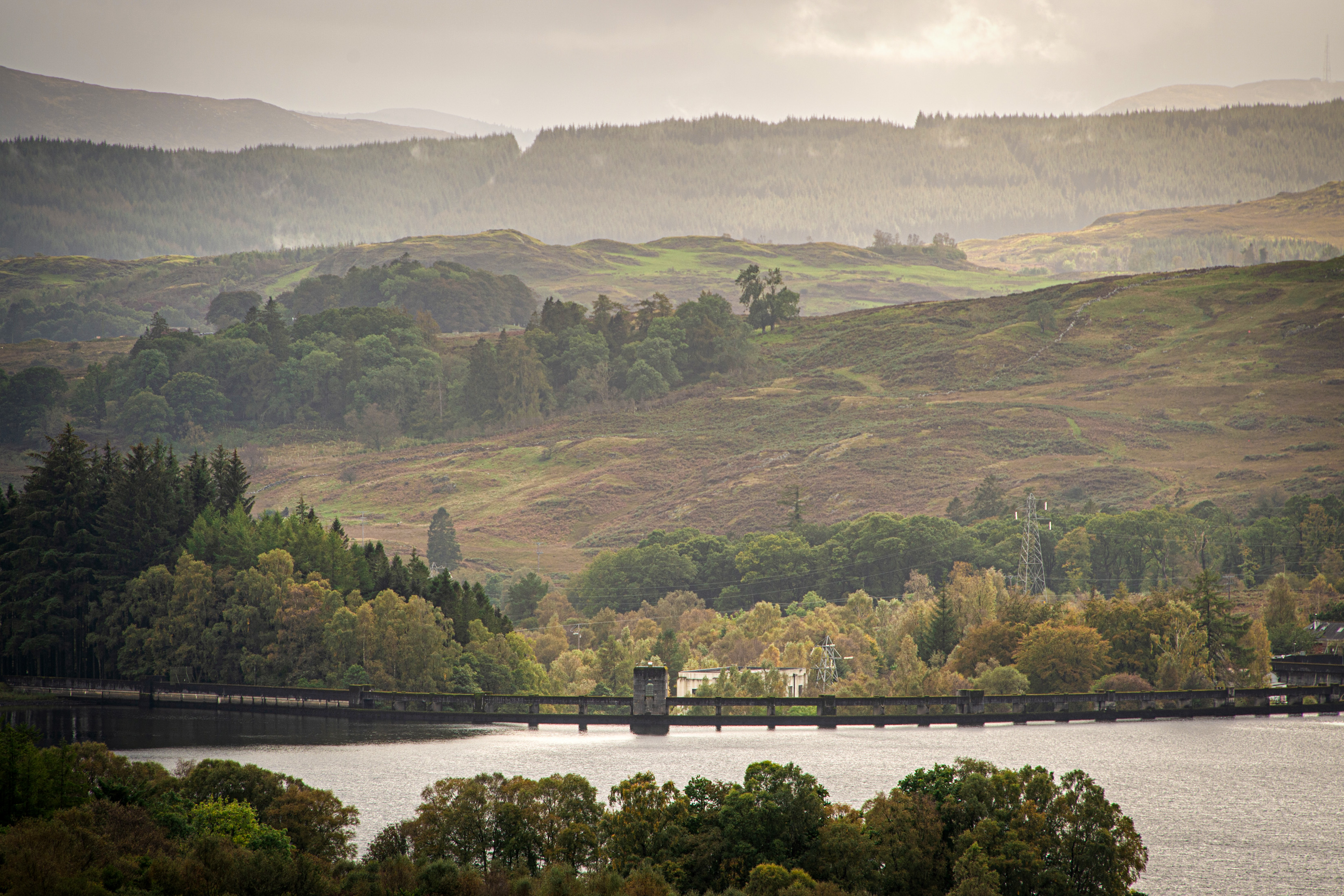
Drax's Kendoon Power Station, Galloway Hydro Scheme, Scotland

RNS Number : 6536B

T-3 Auction Provisional Results

Drax confirms that it has provisionally secured agreements to provide a total of 2,562MW of capacity (de-rated 2,333MW) from its existing gas, pumped storage and hydro assets(1). The agreements are for the delivery period October 2022 to September 2023, at a price of £6.44/kW(2) and are worth £15 million in that period. These are in addition to existing agreements which extend to September 2022.

Drax did not accept agreements for its two coal units(3) at Drax Power Station or the small Combined Cycle Gas Turbine (CCGT) at Blackburn Mill(4) and will now assess options for these assets, alongside discussions with National Grid, Ofgem and the UK Government.

A new-build CCGT at Damhead Creek and four new-build Open Cycle Gas Turbine projects participated in the auction but exited above the clearing price and did not accept agreements.

T-4 Auction

Drax has prequalified its existing assets(5) and options for the development of new gas generation to participate in the T-4 auction, which takes place in March 2020. The auction covers the delivery period from October 2023.

CCGTs at Drax Power Station

Following confirmation that a Judicial Review will now proceed against the Government, regarding the decision to grant planning approval for new CCGTs at Drax Power Station, Drax does not intend to take a Capacity Market agreement in the forthcoming T-4 auction. This project will not participate in future Capacity Market auctions until the outcome of the Judicial Review is known.

Enquiries:

Drax Investor Relations
Mark Strafford
+44 (0) 7730 763 949

Media:

Drax External Communications
Matt Willey
+44 (0) 0771 137 6087

Photo caption: Drax’s Kendoon Power Station, Galloway Hydro Scheme, Scotland

Website: www.drax.com/uk

Acquisition Bridge Facility refinancing completed

Private placement

The £375 million private placement with infrastructure lenders comprises facilities with maturities between 2024 and 2029(2).

ESG Facility

The £125 million ESG facility matures in 2022. The facility includes a mechanism that adjusts the margin based on Drax’s carbon emissions against an annual benchmark, recognising Drax’s continued commitment to reducing its carbon emissions as part of its overall purpose of enabling a zero-carbon, lower cost energy future.

Together these facilities extend the Group’s debt maturity profile beyond 2027 and reduce the Group’s overall cost of debt to below 4 percent. 

Enquiries:

Drax Investor Relations:
Mark Strafford
+44 (0) 1757 612 491

Media:

Drax External Communications:
Matt Willey
+44 (0) 7711 376 087 

Website: www.drax.com/uk

Note

(1)  Drax Corporate Limited drew £550 million under an acquisition bridge facility on 2 January 2019 used to partially fund the acquisition of ScottishPower Generation Limited for initial net consideration of £687 million. £150 million of the acquisition bridge facility was repaid on 16 May 2019.

(2)  £122.5 million in 2024, £122.5 million in 2025, £80 million in 2026 and £50 million in 2029.

Fourth biomass unit conversion

RNS Number : 1114C
Drax Group PLC

Drax welcomes the UK Government response to the consultation on cost control for further biomass conversions under the Renewable Obligation scheme, which will enable Drax to convert a fourth unit to biomass.

The response proposes that, rather than imposing a cap on ROC(1) support for any future biomass unit conversions, a cap would be applied at the power station level across all ROC(1) units. This would protect existing converted units and limit the amount of incremental ROCs attributable to additional unit conversions to 125,000 per annum.

The response would enable Drax to optimise its power generation from biomass across its three ROC units under the cap, whilst supporting the Government’s objective of controlling costs under the Renewable Obligation scheme.

Drax will now continue its work to deliver the low cost conversion of a fourth biomass unit, accelerating the removal of coal-fired generation from the UK electricity system, whilst supporting security of supply.

Drax plans to complete the work on this unit as part of a major planned outage in the second half of 2018, before returning to service in late 2018. The capital cost is significantly below the level of previous conversions, re-purposing the existing co-firing facility on site to deliver biomass to the unit.

The unit will likely operate with lower availability than the three existing converted units, but the intention is for it to run at periods of higher demand, which are often those of higher carbon intensity, allowing optimisation of ROC(1) generation across three ROC(1) accredited units. The CfD(2) unit remains unaffected.

Will Gardiner, Chief Executive of Drax Group, commented:

“We welcome the Government’s support for further sustainable biomass generation at Drax, which will allow us to accelerate the removal of coal from the electricity system, replacing it with flexible low carbon renewable electricity.”

“We look forward to implementing a cost-effective solution for our fourth biomass unit at Drax.”

Enquiries:

Investor Relations:

Mark Strafford

+44 (0) 1757 612 491

Media:

Ali Lewis

+44 (0) 1757 612 165


Website: www.drax.com/uk

Notes

  1. Renewable Obligation Certificate
  2. Contract for Difference

END


Capacity Market Contracts

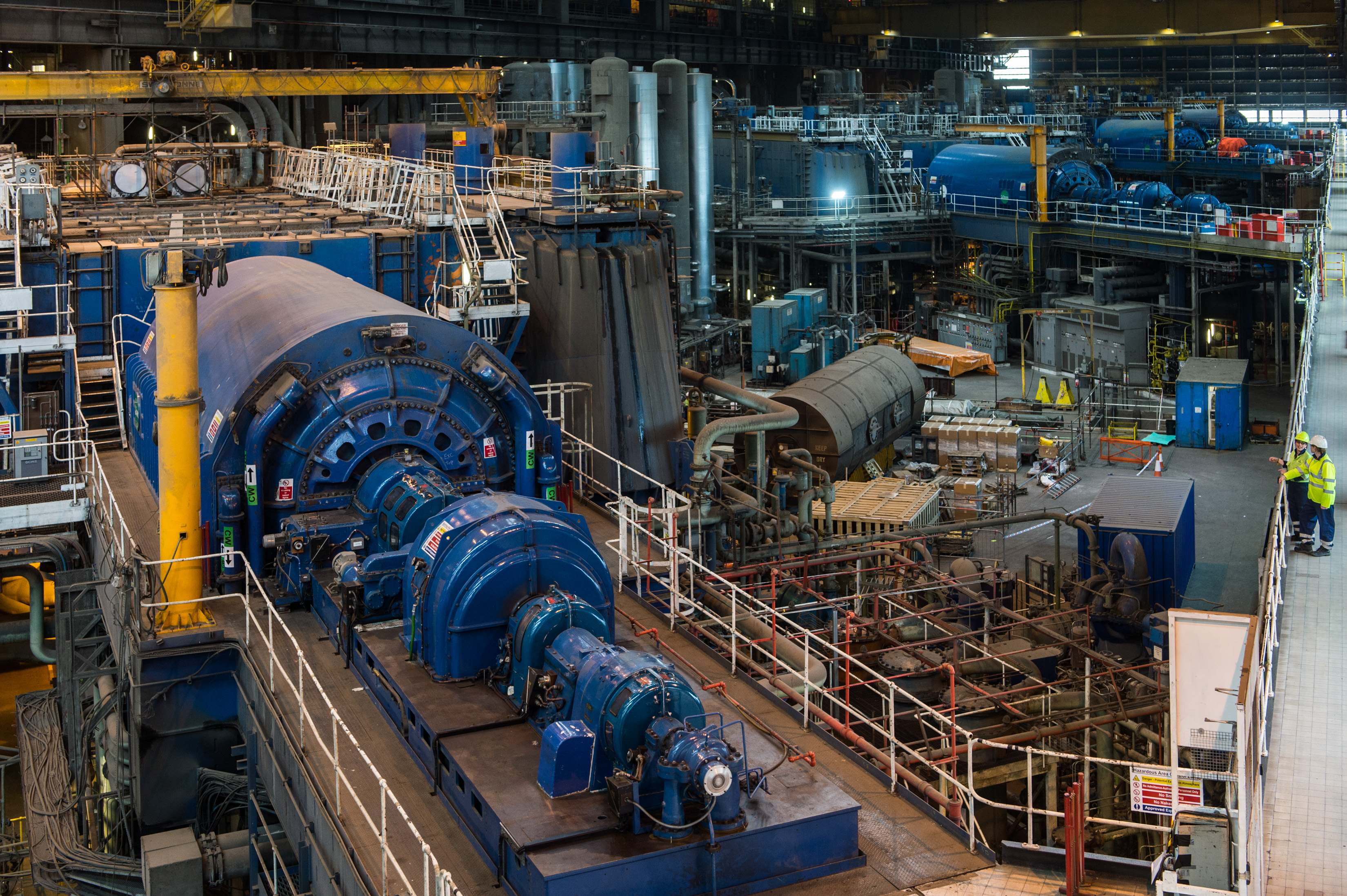
Drax Turbine Hall
RNS Number : 4484R
Drax Group PLC
(Symbol:DRX)

Drax confirms that it has provisionally secured contracts to provide 1,203MW of derated capacity, from existing units, in the 2016 T-4 capacity market auction. The contracts are for the delivery period October 2020 to September 2021, at a price of £22.5/kW(1) and are worth £27 million.

Two Open Cycle Gas Turbine (OCGT) development projects participated in the auction but exited above the clearing price. It is expected that these projects will now go on to participate in the 2017 T-4 auction.

The purchase of these projects, along with two others, was announced by Drax on 6 December(2). The initial purchase price for all four projects was £18.5 million, with the total consideration payable dependent on the clearing price in future capacity market auctions(3).

Enquiries:

Drax Investor Relations: Mark Strafford

+44 (0) 1757 612 491

Media:

Drax External Communications: Paul Hodgson

+44 (0) 1757 612 026

Website: www.drax.com/uk

Notes:

(1)   2015 real.

(2)   On Tuesday 6 December Drax announced that it had entered into an agreement with Watt Power Limited, a developer of OCGT assets, to acquire four 299MW OCGT development projects. OCGTs are gas-fired power plants that can be used by Drax to provide flexible support to the electricity system to make up any shortfall in generation.

Two of these projects are in an advanced stage of development and participated in the 2016 T-4 capacity market auction. The other two projects require further development in anticipation of their targeted participation in the 2019 T-4 capacity market auction.

The details of the OCGT projects, each with capacity of 299MW, are as follows:

a.     Progress Power Limited is a company holding a proposed development on land located at Eye Airfield in mid-Suffolk. The site has a Development Consent Order (DCO)

b.     Hirwaun Power is a company holding a proposed development on land located at Hirwaun Industrial Estate, Aberdare in the County of Swansea. The site has a Development Consent Order (DCO)

c.     Millbrook Power is a company holding a proposed development on land located at Rookery South Pit near Marston Moreteyne in Bedfordshire

d.     Abergelli Power is a company holding a proposed development on land located at Abergelli Farm, in the County of Swansea

(3)   The range of consideration payable for the four assets is £18.5 million to £90.5 million, dependent on the capacity market auction clearing price, with the top of this range being associated with a price of £75/kW (the current 2016 auction price cap).


END