






Bioenergy with carbon capture, use and storage (BECCS) and negative emissions
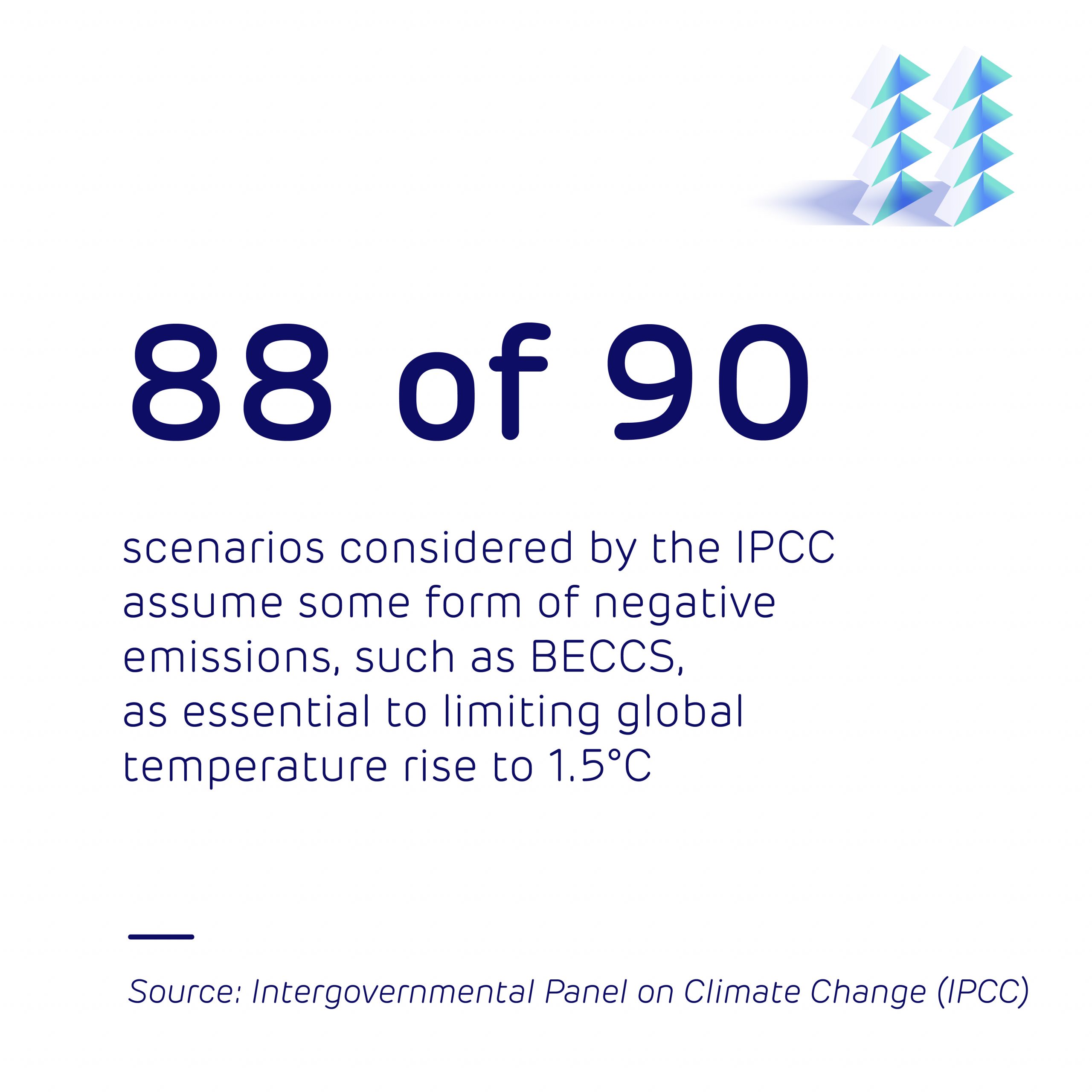
The UK needs negative emissions technologies to meet its 2050 net zero target to help combat the global climate crisis.
Negative emissions are a vital part of a solution that also includes decarbonising all sectors of the economy, deploying more renewables, hydrogen and electric vehicles (EVs) as well as improving energy efficiency.
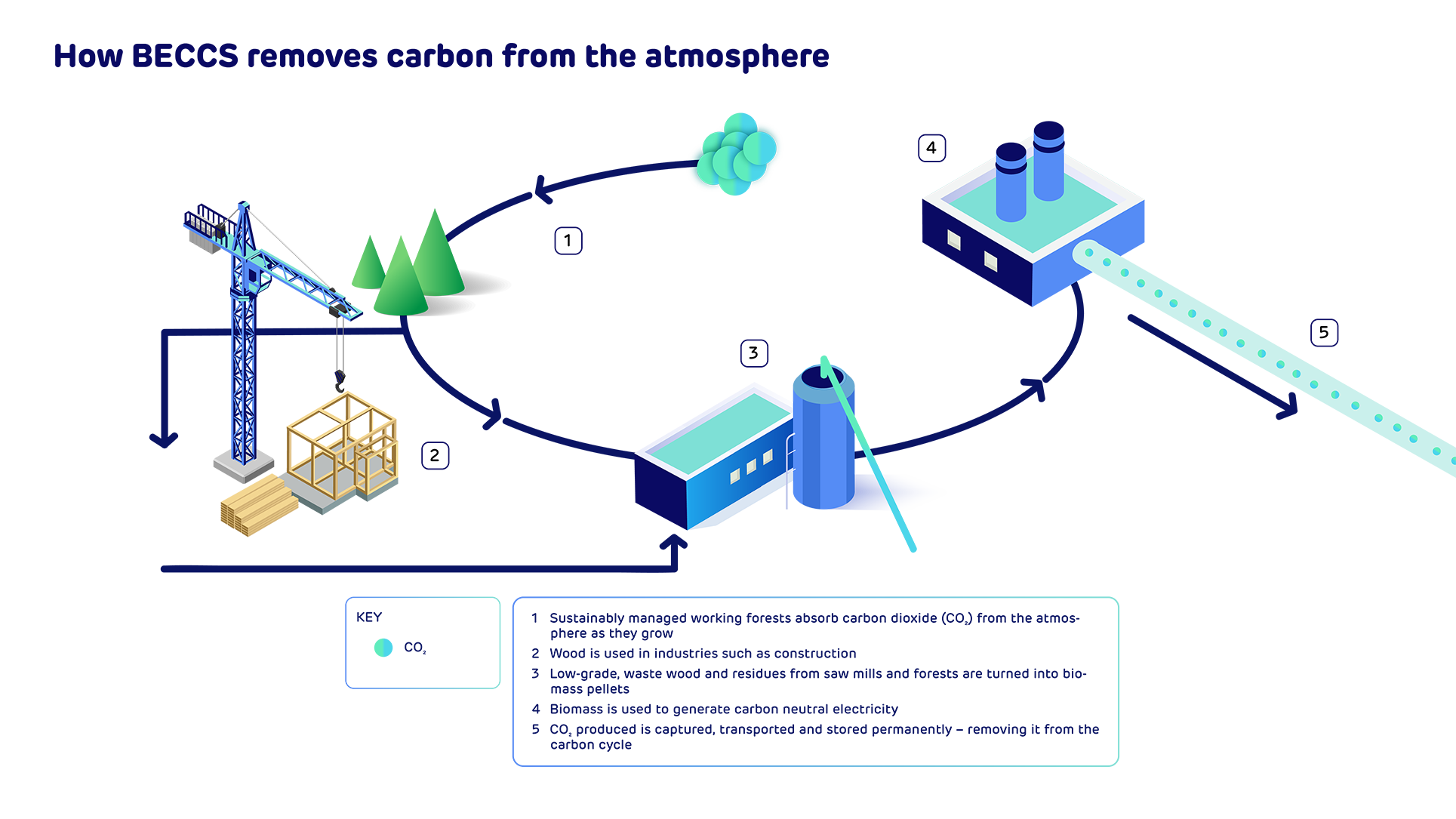
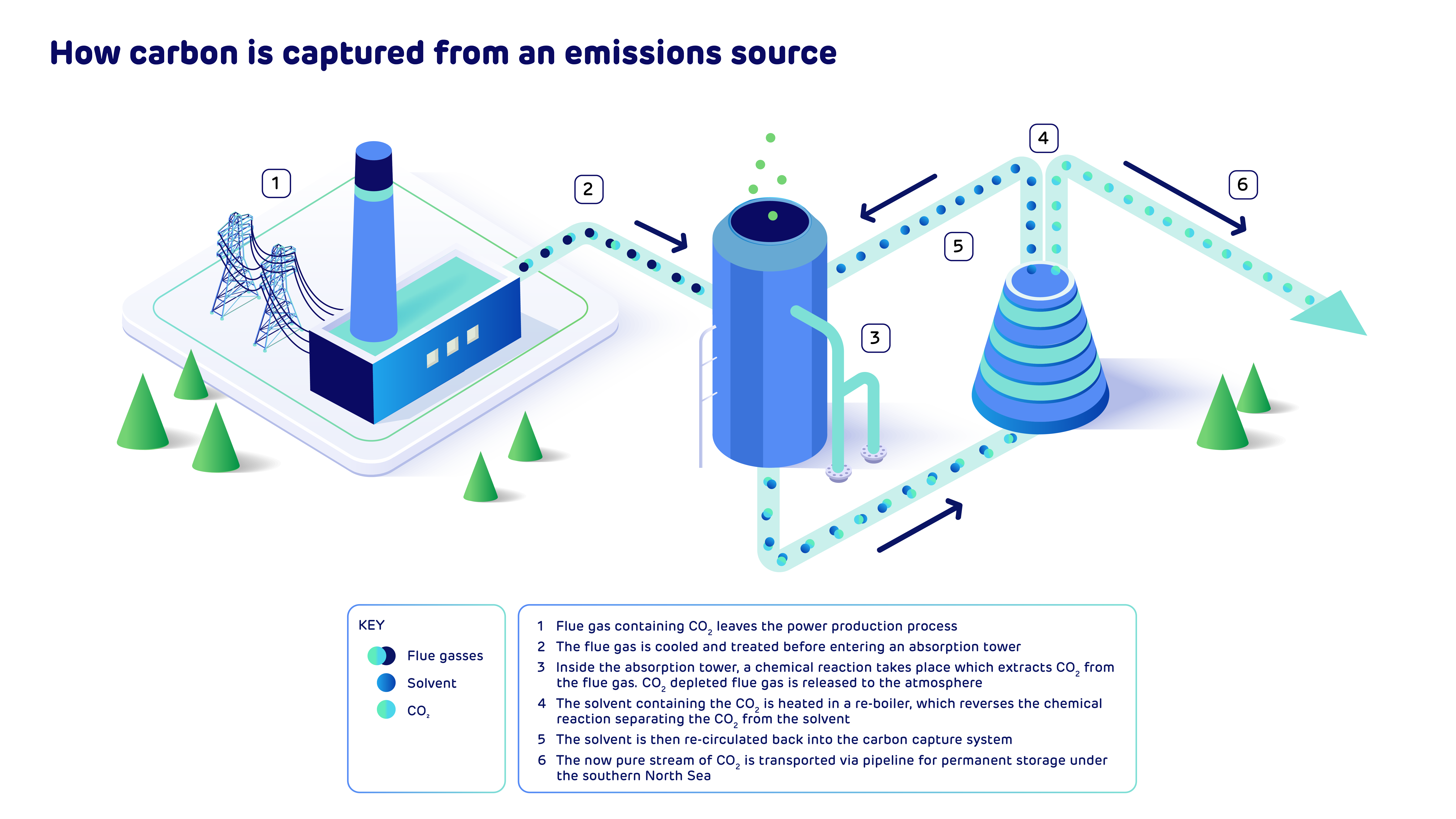
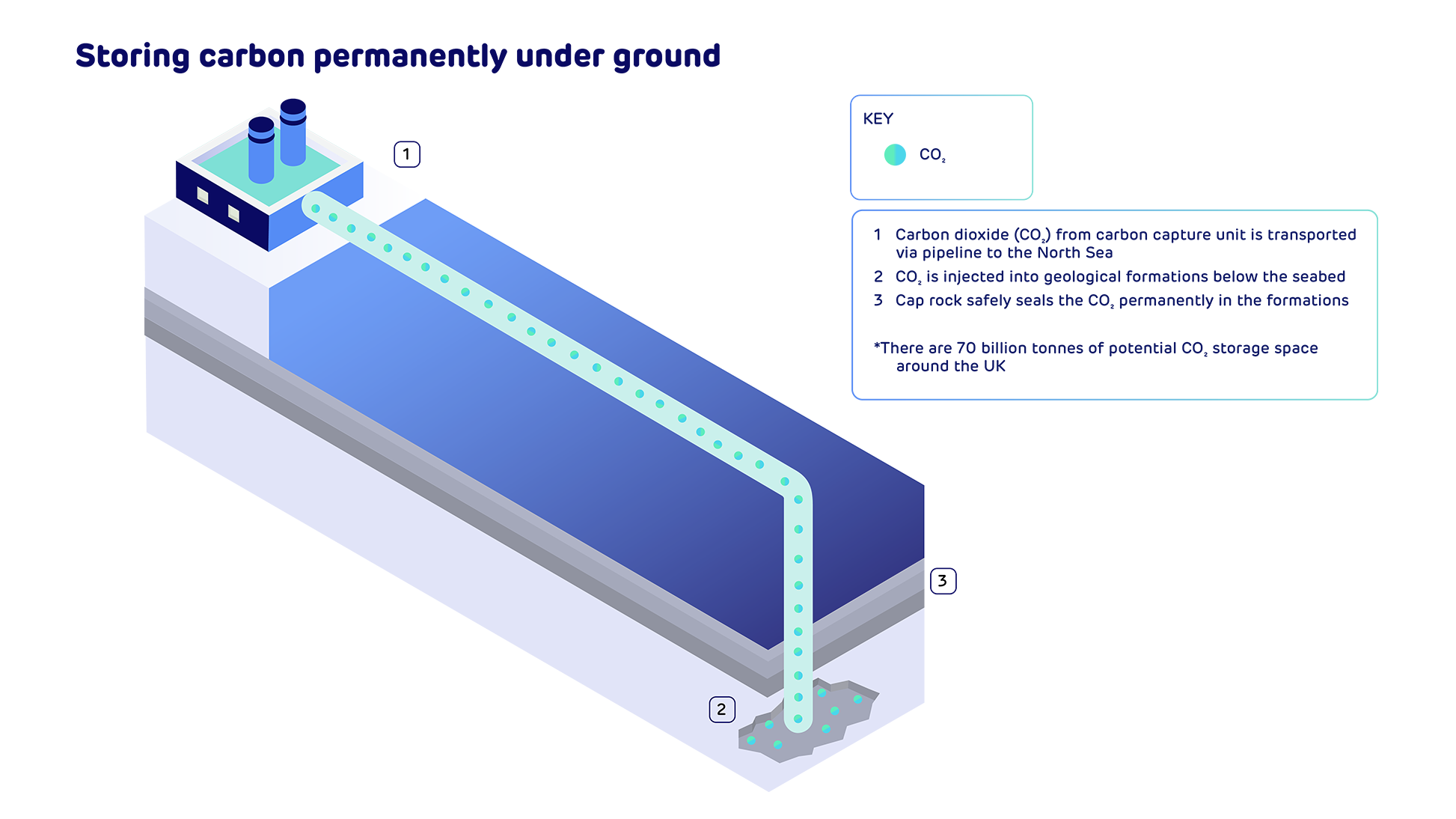
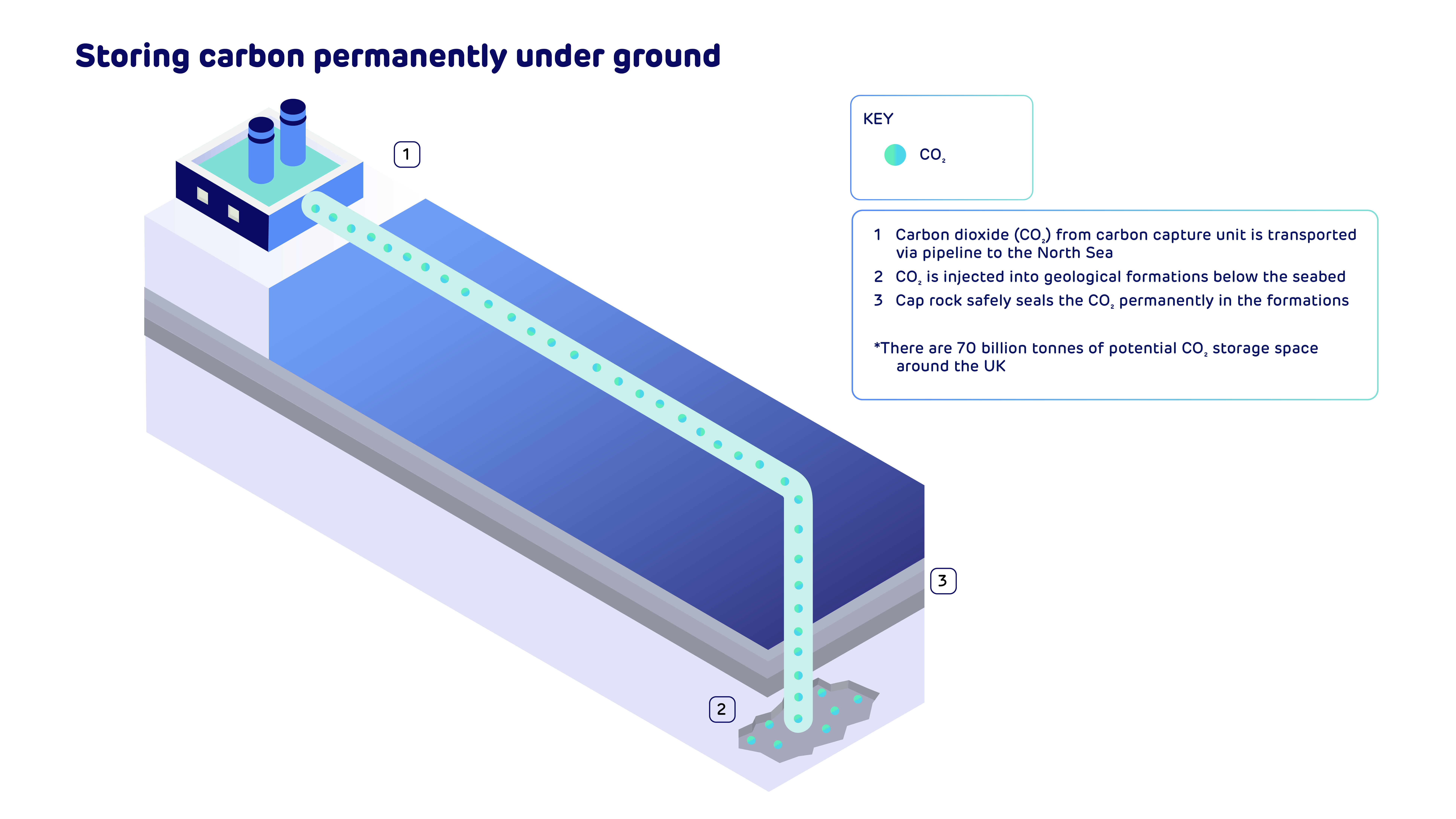
Bioenergy with carbon capture and storage (BECCS) is the most scalable negative emissions technology available today to remove CO2 from the atmosphere.
BECCS delivers a triple benefit:
- Negative emissions essential for fighting the climate crisis
- Clean economic growth — preserving and creating jobs
- Reliable renewable electricity to support the grid as more wind and solar are connected


Our BECCS projects and partnerships
Capture technologies
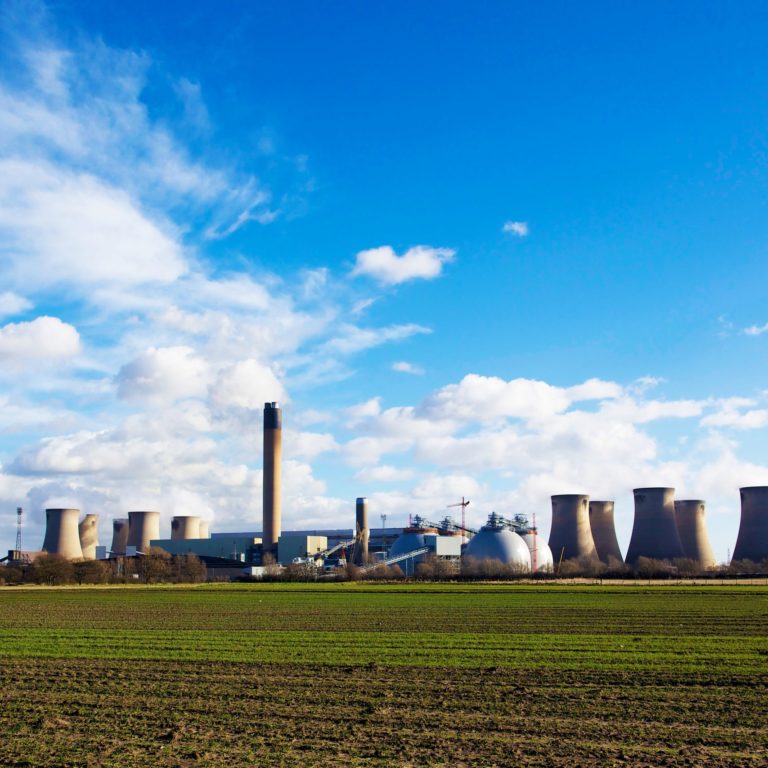
We began to pilot the first bioenergy carbon capture and storage (BECCS) project of its kind in Europe at Drax Power Station in October 2018.
The pilot project with C-Capture technology captured its first carbon at the UK’s largest renewable power station in early 2019.
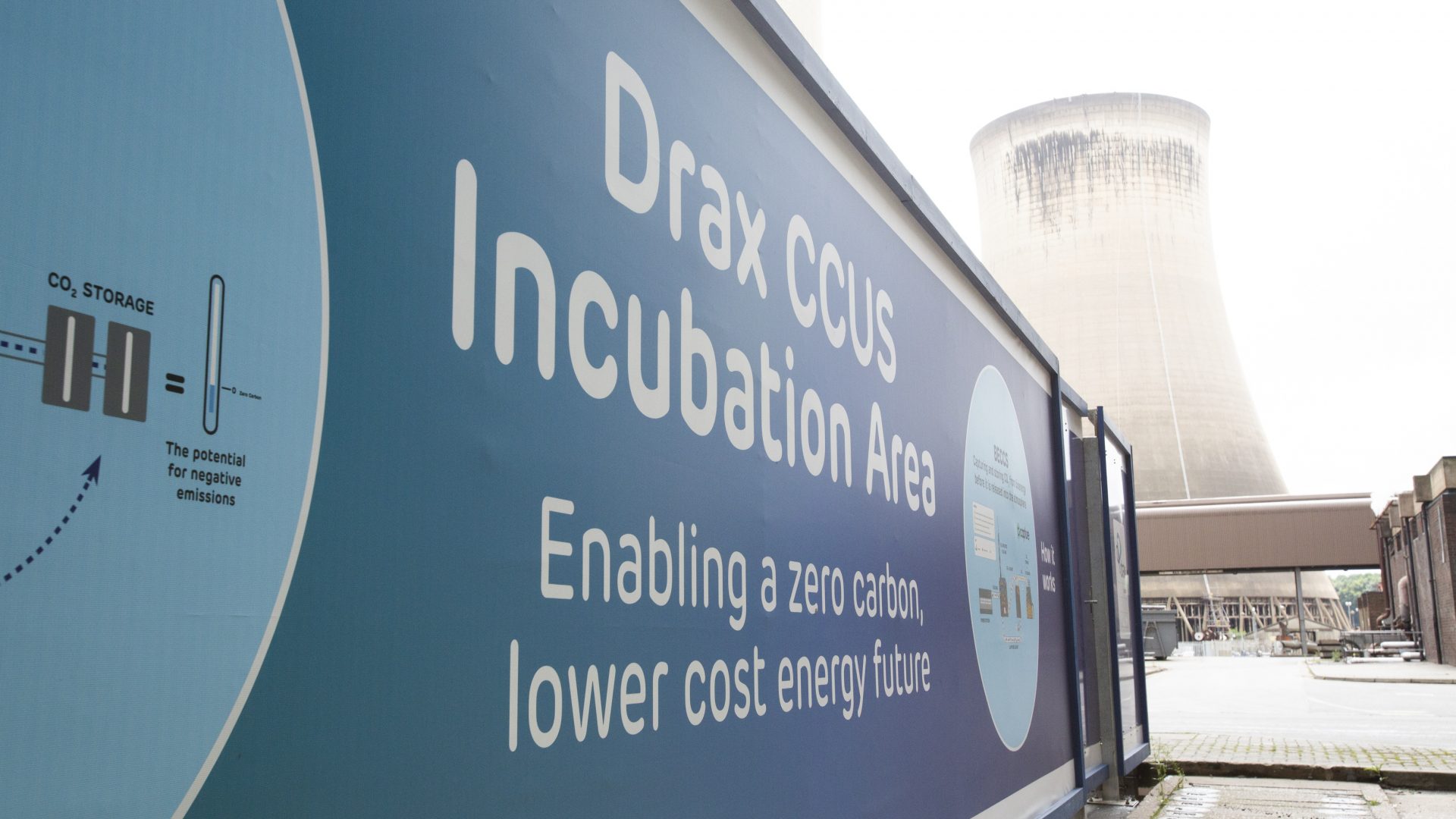
A second BECCS pilot facility, installed by Mitsubishi Heavy Industries (MHI) within the North Yorkshire power plant’s carbon capture usage and storage (CCUS) incubation area in autumn 2020, enhanced Drax’s technical understanding for delivering negative emissions.
That successful pilot led the two companies to agree a long-term contract for Drax to use MHI’s carbon capture technology, the Advanced KM CDR process™️.