




Supporting the UK's evolving energy system
Drax is evolving from a single-site biomass generator into a broader, multi-site portfolio operating across renewable generation, flexible generation, energy storage, asset optimisation and customer solutions.
As electricity demand grows and a higher proportion of weather-dependent renewables are connected to the system, the UK needs reliable electricity that can be generated, stored, optimised and dispatched when needed.
Drax’s FlexGen business supports this by combining assets such as pumped storage hydro, hydro-electric schemes, open cycle gas turbines (OCGTs), battery energy storage systems (BESS) and asset and demand optimisation capabilities. The addition of solar and wind assets to Drax’s portfolio broaden the role it can play in supporting UK energy security and helping decarbonise the power system. Together, these assets support energy flexibility, balancing the grid and the transition to a lower-carbon electricity system.
How Drax’s Generation Portfolio is evolving:
2025: 4.0GW
(4 generation sites)
Biomass, pumped storage and hydro, plus route-to-market agreements.
2026: 6.1GW
(>200 generation sites)

Addition of Hirwaun, Flexitricity, and solar and wind assets, broadening Drax’s portfolio.
2029: 7.4GW
(>200 generation sites)

Additional OCGTs and BESS, with route-to-market agreements supporting further flexibility.
How flexible generation supports a balanced power system
Flexible generation is the part of the electricity system that can respond when supply or demand changes. It includes technologies and services that can generate power quickly, store energy for later use, or optimise when assets export electricity to, or import electricity from, the grid. In a power system with a higher proportion of intermittent renewables, this flexibility becomes increasingly important because renewable output varies with the weather and time of day.
Drax’s portfolio brings together renewable generation and flexible power generation and services. Solar and wind assets generate low-carbon electricity when conditions allow. Pumped storage hydro can store energy by moving water between reservoirs and release it rapidly through turbines when demand rises. Hydro-electric schemes provide renewable power and system support. Biomass generation at Drax Power Station provides dispatchable renewable power and system support services, helping support energy security and complement variable renewable generation. BESS can store electricity and discharge it quickly to help stabilise the grid. OCGTs provide dispatchable generation that can respond during periods of high demand or lower renewable output.
Drax also provides route-to-market and optimisation services through Drax Energy Solutions and Flexitricity, helping manage customer and third-party assets so they can participate more effectively in flexibility markets. Drax Energy Solutions has an established renewable PPA portfolio with c.0.8GW across more than 2,000 small generators, while Flexitricity provides route-to-market services for c.0.9GW of assets, primarily flexible generation assets. This combination of generation, storage and optimisation helps match electricity supply with electricity demand UK-wide, while creating more options for system support as the energy mix changes.
Keeping the lights on: Why flexibility matters
Britain’s energy system needs to be secure, affordable, lower carbon, flexible and scalable. Electricity demand changes throughout the day, while renewable generation can rise and fall depending on wind and solar conditions, and the time of day. Without enough flexibility, the system may need to curtail renewable power when output is high or rely on alternative sources when output is low.
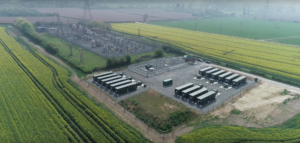
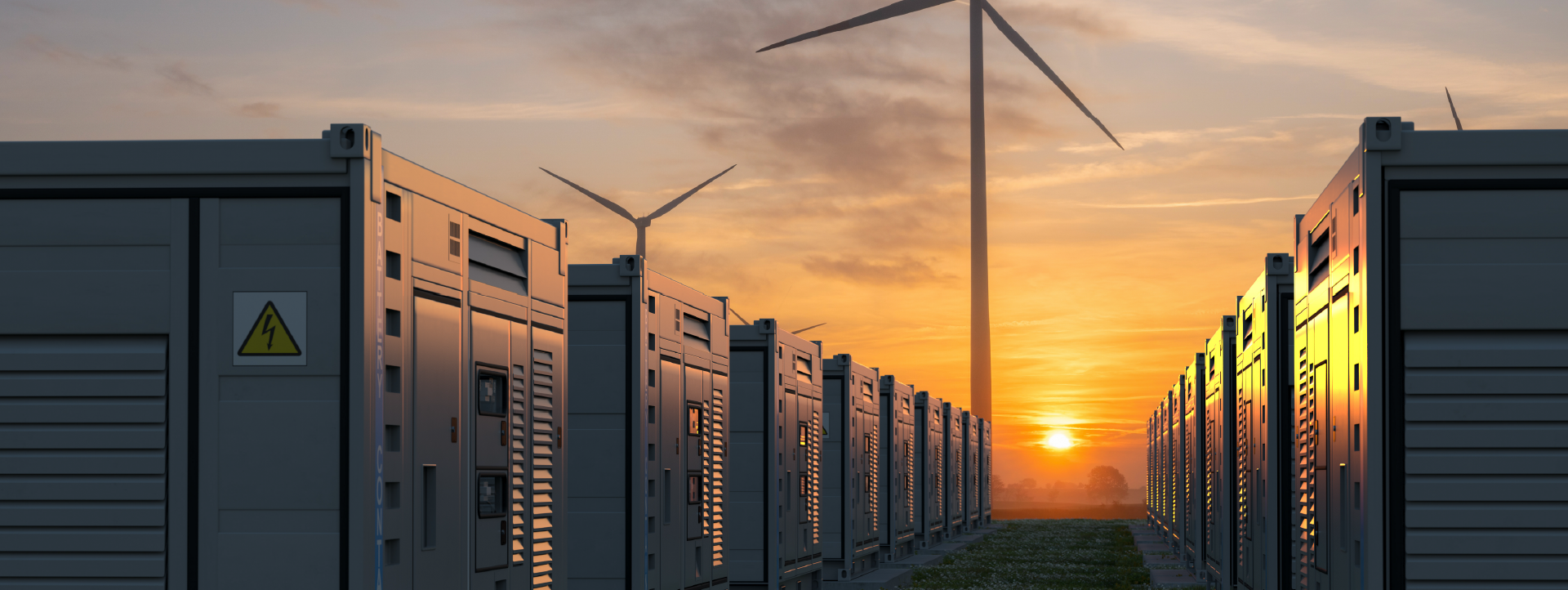
Apatura battery energy storage site
Flexible generation helps reduce that challenge by providing reliable electricity when the grid needs it most. It supports UK energy security by helping maintain supply during peak demand periods, disruptions or changing weather conditions. It also helps balance the grid in real time, making better use of renewable electricity and supporting a more efficient power system.
As the UK electrifies transport, heating, industry and new technologies such as AI and data centres, the need for flexible, dispatchable generation and energy storage is expected to grow. Drax’s role is to combine generation, flexibility, optimisation and customer solutions, adding more MW under management to create more flexibility and more value for the UK energy system. This is particularly important as Drax broadens its portfolio with solar and wind, because renewable output and flexible assets work best when planned together. More flexible capacity gives the system more tools to respond to volatility, keep power moving and support homes, businesses and industry when demand is highest.
National priorities: The UK's approach to energy flexibility
The UK Government, Ofgem and the National Energy System Operator have identified flexibility as essential to delivering a secure, affordable and lower-carbon electricity system. The Clean Flexibility Roadmap says flexibility is needed to integrate home-grown renewable power, reduce reliance on volatile international fossil fuel markets and support clean power by 2030.
Galloway Hydro Scheme
The Government’s Clean Power 2030 Action Plan sets out the need for a two-to-three-fold increase in clean flexible capacity, reaching 51GW to 66GW by 2030. This includes short-duration and long-duration flexible technologies, storage and demand-side solutions. Drax’s flexible and renewable portfolio, including biomass, hydro, pumped storage, OCGTs, BESS, solar, wind and optimisation services, aligns with this direction by supporting system stability and UK energy security.
Building the energy system of the future
Drax is investing to build a larger and more diverse asset base that can provide more power to the country when needed. The business is targeting growth across FlexGen, renewables and strategic options at Drax Power Station. Example include BESS, OCGTs, pumped storage upgrades, solar and wind.
Drax has set out plans for growth from 4.0GW across four generation sites in 2025 to 6.1GW across more than 200 generation sites in 2026, with a target of 7.4GW across more than 200 generation sites by 2029. The addition of approximately 1.1GW of solar and wind assets in operation and under construction, and a 2.6GW pipeline, broadens Drax’s ability to support energy security, decarbonisation and future electricity demand.
Flexible Generation FAQs
- What is flexible generation and why is it important?
- What is dispatchable low-carbon power?
- Why is flexibility needed in a power system with increasing renewable generation?
- What role does flexible generation play in UK energy security?
- What technologies and assets provide flexible power generation in the UK?
Flexible generation refers to technologies and services that can respond to changes in electricity supply and demand. It is important because it helps maintain reliable electricity, integrates more renewable power and supports grid balancing.
Source: Drax, 2026; UK Government, Clean Flexibility Roadmap.
Dispatchable power is electricity that can be made available when needed. Dispatchable low-carbon power can support the grid during periods of high demand or lower renewable output while helping reduce the carbon intensity of the electricity system.
Source: Drax, 2026
Wind and solar output varies with the weather. Flexibility from storage, hydro, dispatchable generation, demand-side response and optimisation services helps match supply with demand and make better use of renewable electricity.
Source: UK Government, Clean Flexibility Roadmap; Drax, 2026.
Flexible generation supports UK energy security by helping keep electricity available during peaks in demand, changes in renewable output or wider system stress. It gives the grid more options to respond quickly.
Source: Drax, 2026
Flexible power generation can come from pumped storage hydro, hydro-electric schemes, BESS, OCGTs, biomass, demand-side response and optimisation platforms. Drax also now owns solar and wind assets, which work alongside flexible technologies in its broader portfolio.
Source: Drax, 2026
Flexible generation refers to technologies and services that can respond to changes in electricity supply and demand. It is important because it helps maintain reliable electricity, integrates more renewable power and supports grid balancing.
Source: Drax, 2026; UK Government, Clean Flexibility Roadmap.
View MoreDispatchable power is electricity that can be made available when needed. Dispatchable low-carbon power can support the grid during periods of high demand or lower renewable output while helping reduce the carbon intensity of the electricity system.
Source: Drax, 2026
View MoreWind and solar output varies with the weather. Flexibility from storage, hydro, dispatchable generation, demand-side response and optimisation services helps match supply with demand and make better use of renewable electricity.
Source: UK Government, Clean Flexibility Roadmap; Drax, 2026.
View MoreFlexible generation supports UK energy security by helping keep electricity available during peaks in demand, changes in renewable output or wider system stress. It gives the grid more options to respond quickly.
Source: Drax, 2026
View MoreFlexible power generation can come from pumped storage hydro, hydro-electric schemes, BESS, OCGTs, biomass, demand-side response and optimisation platforms. Drax also now owns solar and wind assets, which work alongside flexible technologies in its broader portfolio.
Source: Drax, 2026
View MoreUpdated November 2026
