





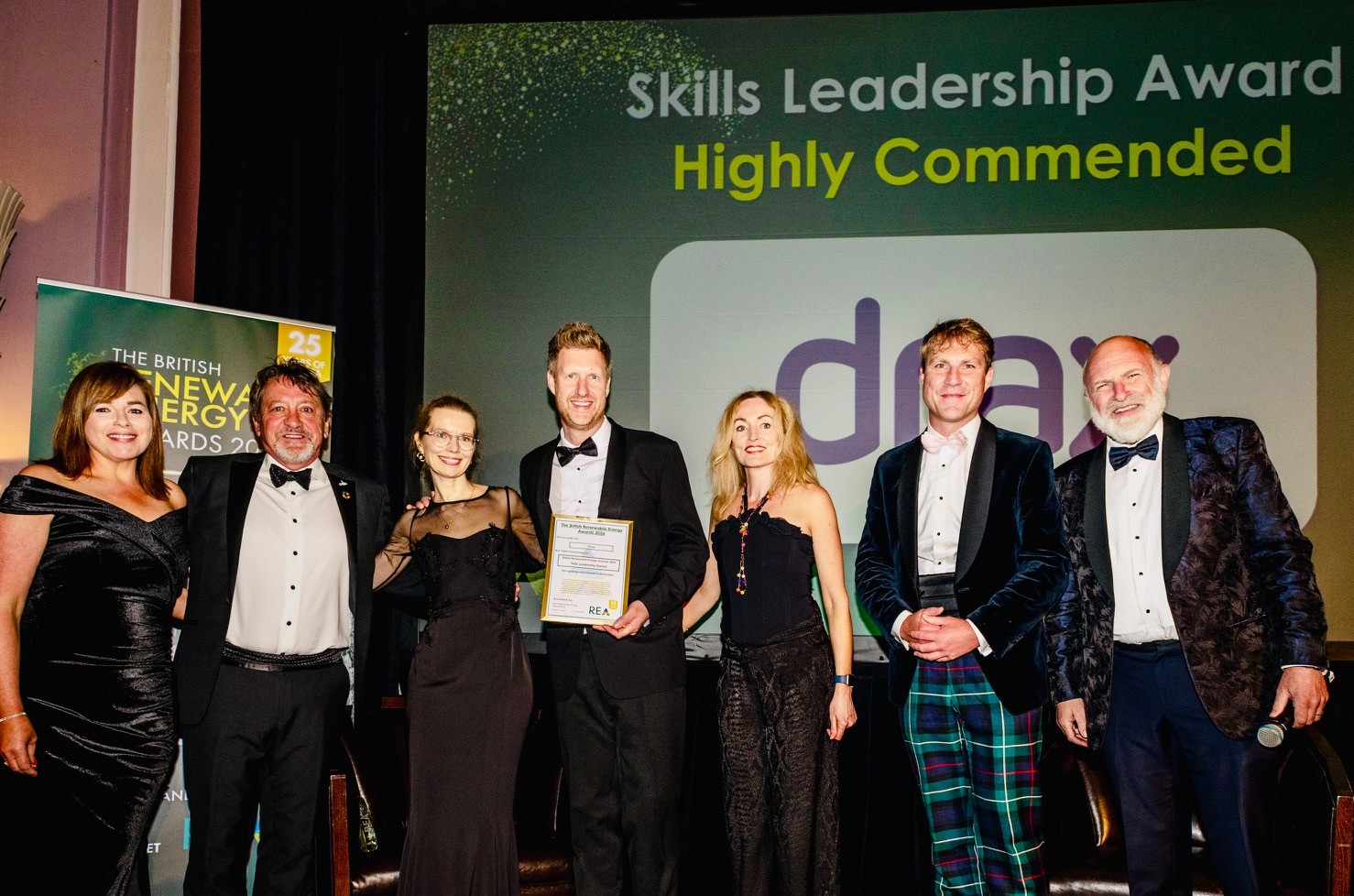

When Drax was Highly Commended for ‘Skills Leadership’ in this month’s Renewable Energy Association’s (REA) awards, it was welcome recognition. But awards matter most when they point to something deeper: sustained, practical work that helps young people see their futures, gives employers a route to engage with local talent, and builds the skills communities need for the economy ahead.
That recognition comes at a significant time. The recent Alan Milburn report on Young People & Work has renewed our focus on the number of young people not in education, employment or training (NEET), and on the long-term consequences of disconnection from opportunity. The challenge is not only unemployment. It is confidence, aspiration, access, networks and whether young people can see a credible path from the classroom into meaningful work.
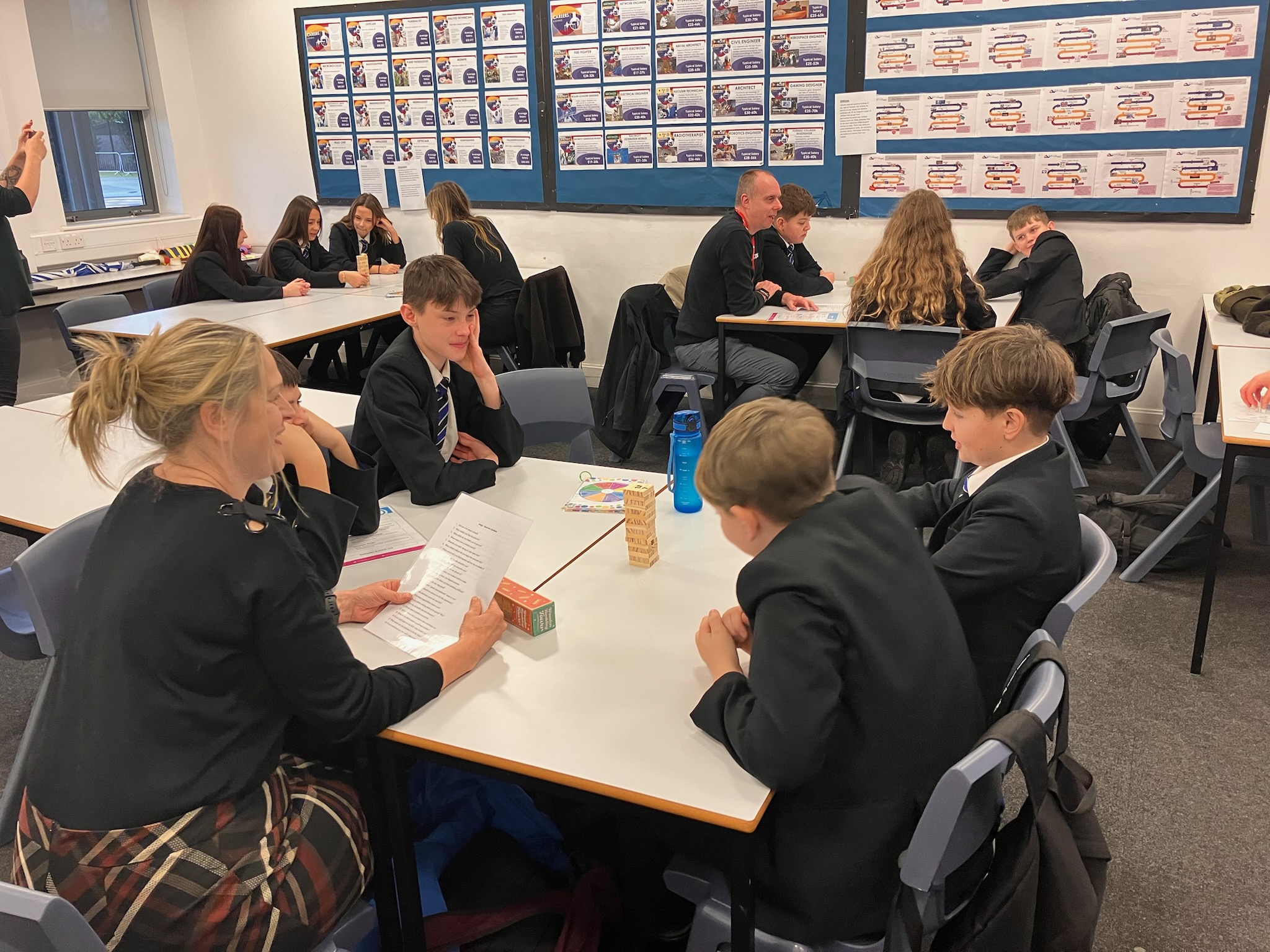
For businesses rooted in their communities, this is where responsibility becomes practical. It is not enough to talk about future skills or the green economy in abstract terms. Young people need early exposure to workplaces, meaningful encounters with employers, mentoring, careers insight, work experience and clear routes into apprenticeships, technical education and employment.
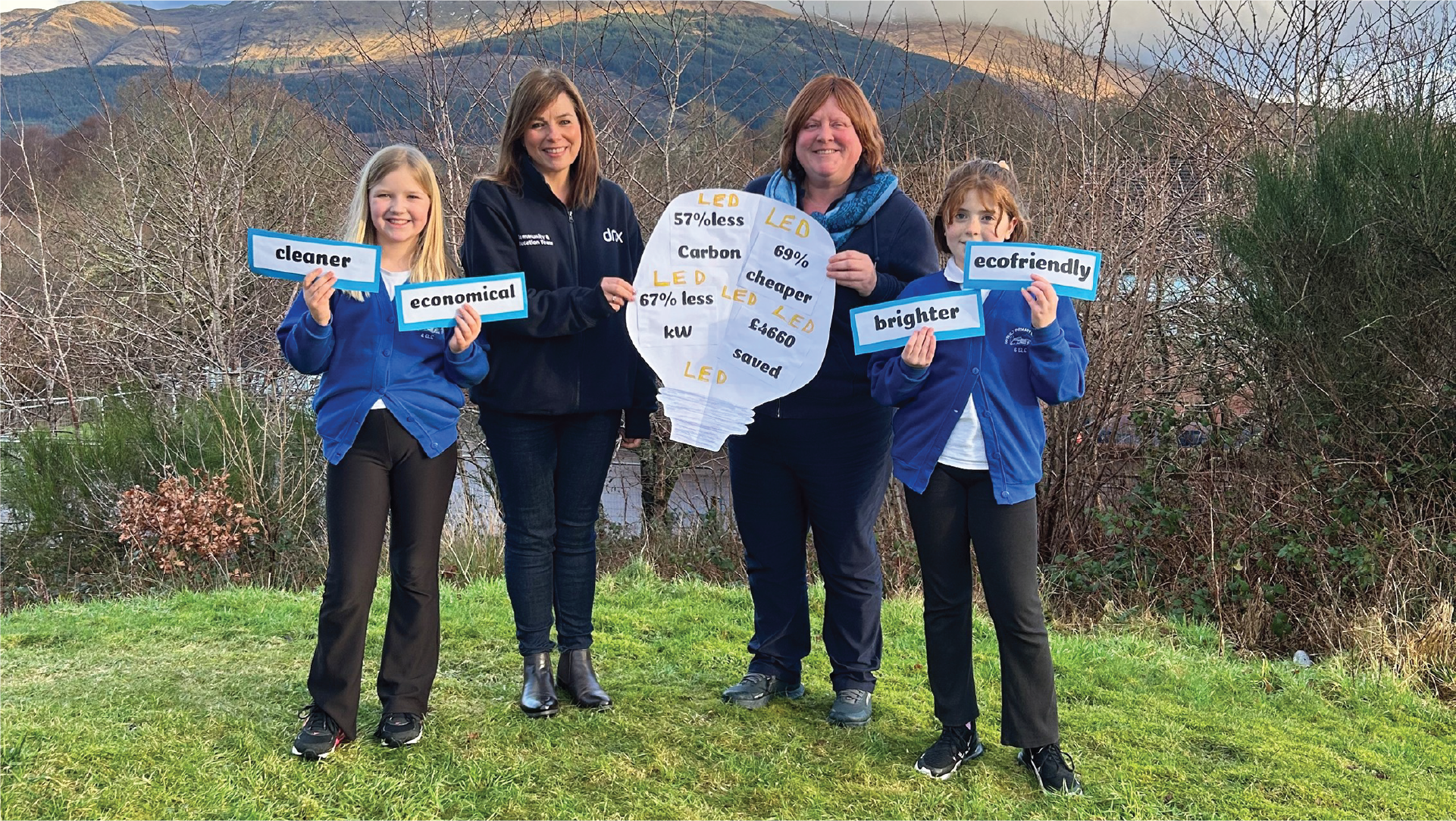
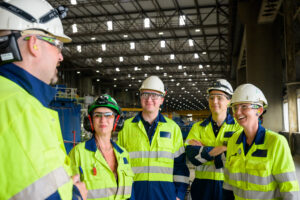
This is the substance behind Drax’s REA recognition. Through work led by the Drax Community & Education team, we have been building a connected pathway from education to employment in Selby, North Yorkshire and the wider Humber region. In 2025, activity included 97 educational tours of Drax Power Station for 2,300 students, 111 STEM education and careers ns reaching more than 9,500 students, and 260 hours of mentoring delivered by 36 Drax Education Ambassadors.
The impact is visible in the detail. Drax Foundation support for SKILLZ CIC has helped deliver employability workshops and mentoring for young people at risk of becoming NEET in North Yorkshire, engaging 1,890 young people through mentoring, career talks and visits to Drax Power Station. Drax’s partnership with Springpod has opened free virtual work experience and project simulations for students aged 13–19, with nearly 4,000 enrolments and 98% of completers rating their awareness of sector careers as good or excellent. Our new partnership with Futures for All is providing meaningful experiences of work for young learners in the communities where we operate.
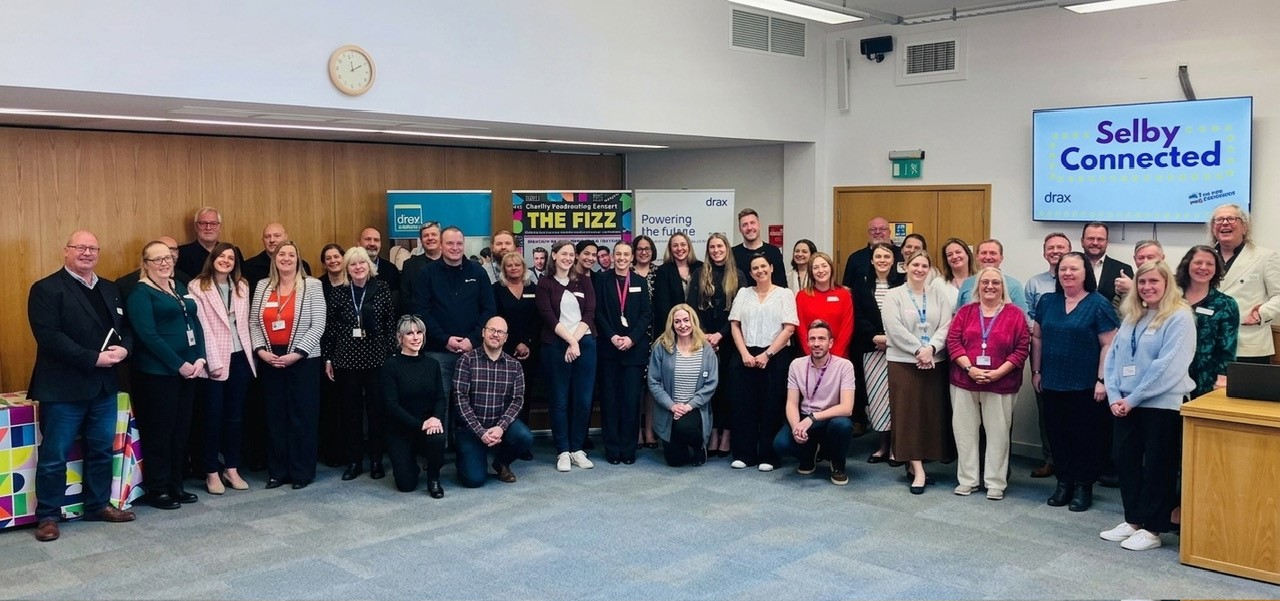
But reducing the risk of young people falling out of education, employment or training cannot be solved by one employer, school, charity or public body alone. That is why the launch of Selby Connected matters. Developed by Drax and Up for Yorkshire as a private, public and voluntary sector partnership, it brings local employers together with civic and community partners to coordinate action, pool insight and improve access to support across the region.
A key focus is on education, skills and employability. Local analysis has shown that awareness of specialist employment support, including skills training and work experience opportunities, remains low. Young people and residents also face barriers linked to geography, transport, access to services and suitable local opportunities. Selby Connected is designed to join up what exists, identify gaps and help more people find opportunities that can change their trajectory.
The lesson from both the Milburn report and Drax’s own experience is clear: employability is not created when someone applies for their first job. It is built earlier, through repeated experiences that develop confidence, communication, problem-solving, ambition and a sense of belonging in the world of work. It grows when employers show up consistently, schools have access to trusted partners, and community organisations are resourced to reach those who may otherwise miss out.
Drax’s Highly Commended REA award should therefore be seen as a proof point, not a finish line. It recognises the quality of work already being delivered by our Community & Education team and partner organisations, but the bigger opportunity lies in scaling that work through partnership. Selby Connected provides the platform to bring businesses, the public sector and voluntary organisations together around a shared ambition for Selby and the surrounding villages.
The challenge of NEETs is national, but the solutions will often be local. They depend on trusted relationships, practical collaboration, and employers willing to invest time, knowledge and opportunity in the next generation. In Selby, that work is already under way. The task now is to keep building it, so more young people can move from aspiration to experience, and from potential to meaningful employment