





Tag: nature positive

Alicia Newton, Senior Scientific Officer at Drax: “Here comes the science bit – concentrate!”

As Senior Scientist at Drax, it’s my job to bring the latest science into our business. My team and I are the “science bit”.

We take the latest scientific thinking on everything from sustainable biomass sourcing to electricity grid resilience and make sure it shapes how we think and operate as a business.

Science, by its nature, is dynamic and keeping a business at the leading edge is a full-time endeavour, requiring collaboration with the science and academic community, as well as Government and regulators.

This month we held our inaugural science summit, Positively Net Zero, which brought together these groups to assess the underpinning science and future science needed to deliver positive outcomes for people, climate, and nature in Yorkshire, the Humber and beyond.
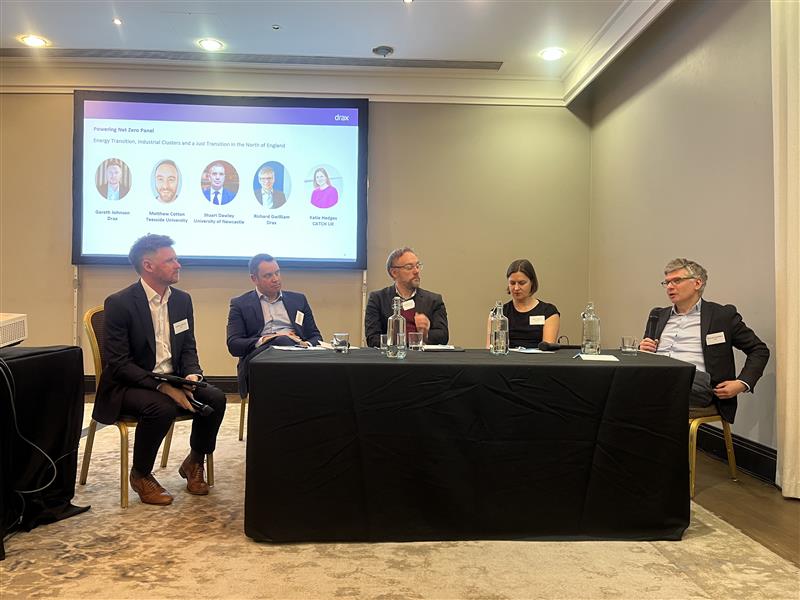
Richard Gwilliam, our Future of DPS Director, speaking on a panel “Powering Net Zero Energy Transition, Industrial Clusters and a Just Transition in the North of England”

Here are my personal, 4 key takeaways from the event.
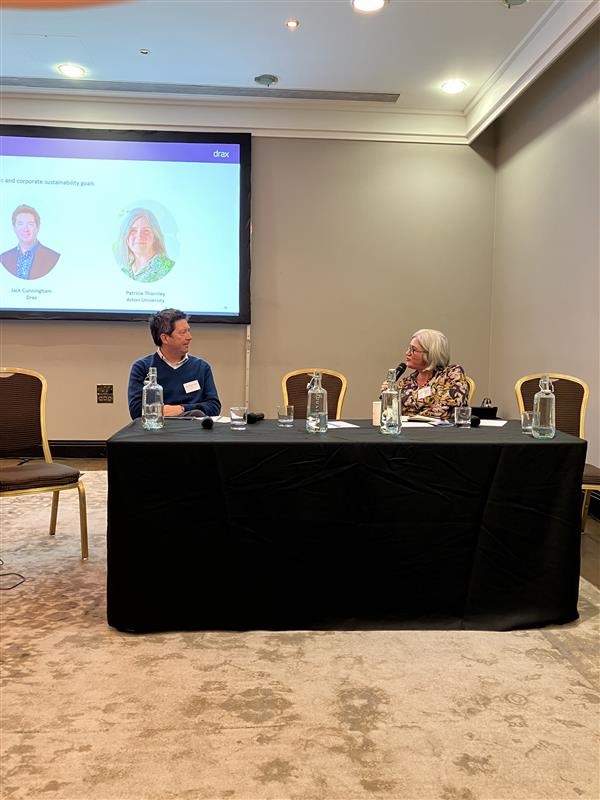
Jack Cunningham, our Group Sustainability Director, in conversation with Patricia Thornley of Aston University, during a fireside chat

  1. Science, industry, and government must align to achieve our climate and environment goals. It’s an obvious one, but critical if we’re going to meet our climate goals at lowest cost while also hitting other goals like nature restoration and economic growth. For example, we heard at the event how scientists and corporates have developed to innovative bio-based packaging to reduce plastic waste. But misalignment with existing infrastructure means the UK’s waste sector isn’t ready to handle it and it’s ending up in landfill or incinerators. A huge, missed opportunity.
  2. Decarbonising industrial clusters, like the Humber, will be a catalyst for social, economic and environmental change. Decarbonising industrial clusters like the Humber is achievable with existing technology, will make a material difference in the UK’s carbon emissions, and helps deliver a just transition for people and communities. But achieving decarbonisation requires a supportive policy environment to ensure that individual companies aren’t carrying all the risk and that communities can capture the economic benefit through localised value chains and secure employment.
  3. The right policy frameworks unlock private investment. The UK’s consultation on a common biomass sustainability framework was highlighted as a particularly welcome example of policy enabling industrial investment. Bioenergy is a key part of the UK’s low carbon energy mix and will play an increasingly important role in supporting the expansion of intermittent renewables. Clear, evidence-based guidance, informed by academic research, on how bioenergy operators should source sustainable biomass gives the industry the certainty they need to secure, grow, and innovate their supply chains.
  4. Corporates can meaningfully contribute to the recovery of nature. The discussion on nature has rightly shifted from do no harm to actively promoting biodiversity and nature gains. Leading regulation from the UK on biodiversity net gain is creating the investment required to fund land restoration and encouraging developers to make space for nature. All enabled by the rapid scientific development of sophisticated data packages and models and the distilling of that data into easy-to-use platforms for corporates and citizen scientists. A perfect example of the positive outcomes achievable when science, policy, and industry align.

Creating a forum for dissemination was the ambitious aim of our summit and judging from the lively discussions amongst panellists and during breaks, we more than achieved our aim. And we left the day with the recognition that it’s up to us to work together to deliver the promise held by the Humber and surrounding industrial clusters to deliver a just, nature positive, net zero future.

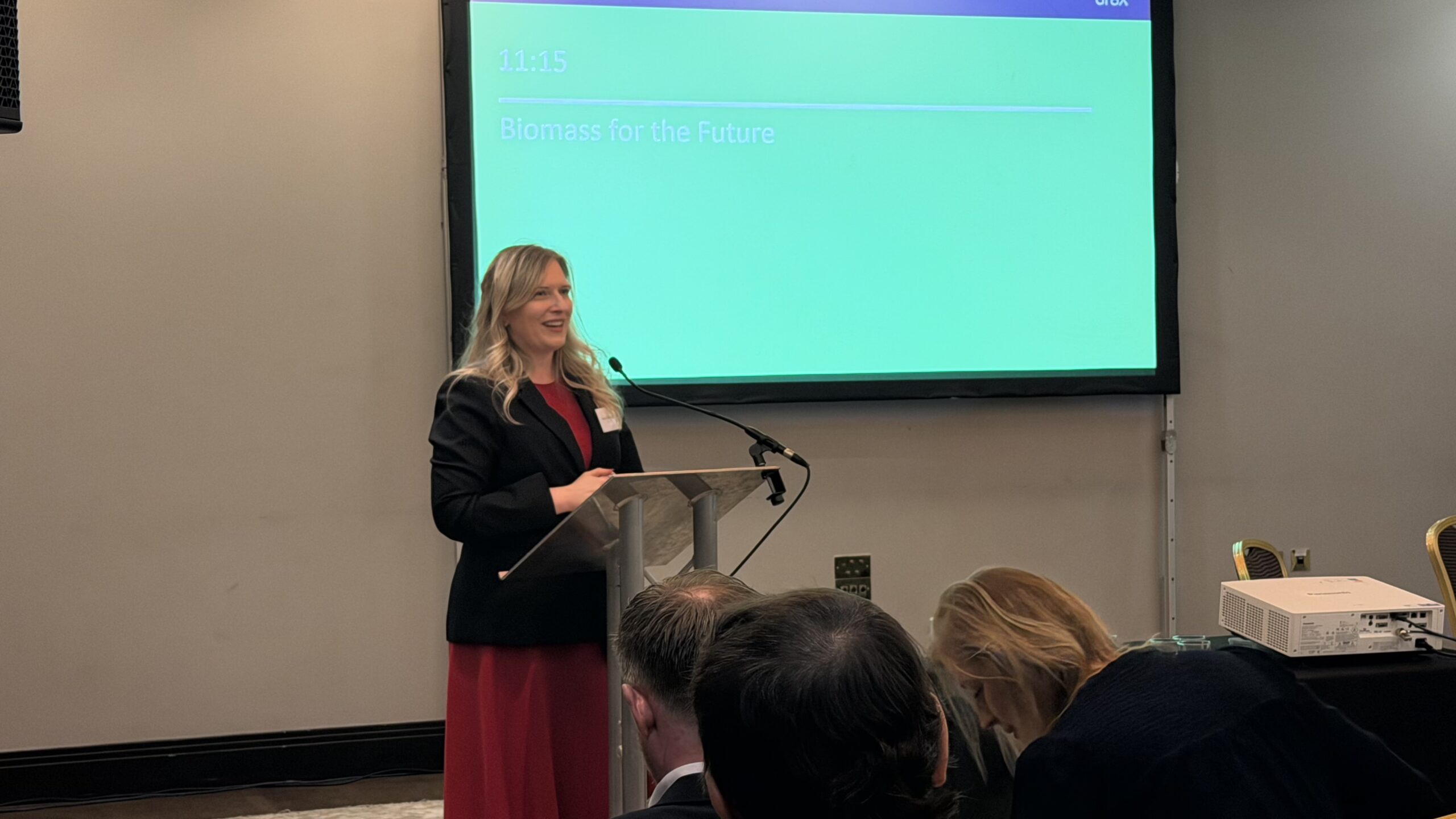
Featured image caption: Alicia Newton, Senior Scientific Officer at Drax, speaking during the event
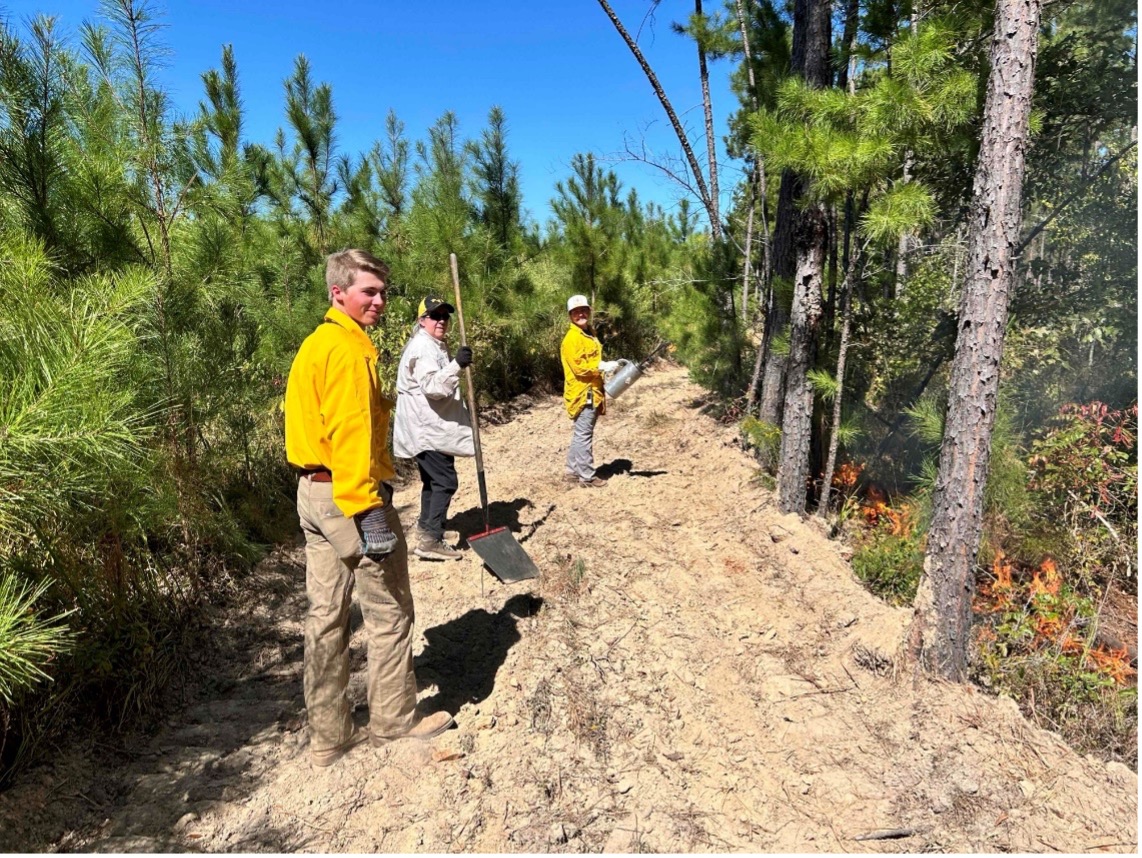
Creating and maintaining wildlife habitats through prescribed burns

By Jackson Martini, Quail Forever Louisiana State Coordinator

The 2025 U.S. State of the Birds report reveals continued widespread declines in American bird populations, especially grassland birds, with 229 species requiring urgent conservation action. When done thoughtfully, forest management practices can mimic natural disturbances, maintain healthy ecosystems, and create diverse habitats that birds need to thrive.

Quail Forever works to restore habitats

This is where conservation organizations like Quail Forever tap in. In 2005, as quail numbers continued to decline nationwide, Pheasants Forever worked with and activated passionate conservationists across the country to form Quail Forever. Quail Forever is a division within Pheasants Forever that works throughout the quail ranges of North America, creating and restoring wildlife habitat. Pheasants Forever and Quail Forever’s mission is to conserve pheasants, quail, and other wildlife populations through habitat improvements, public access, education and conservation advocacy. Drax is supporting Quail Forever in their conservation efforts by funding a prescribed burn trailer.

Drax is a long-time supporter of Quail Forever in Louisiana – the partnership existed before we had a team of biologists in the state. When Drax heard we were seeking funding opportunities to purchase and equip a prescribed burn trailer to support the local Prescribed Burn Association and Quail Forever Chapter, they were quick to step in. Their support made this dream a reality and is a testament to Drax’s commitment to investing in local communities, ecosystems, and conservation.

Prescribed fire, sometimes called a “controlled burn” or “prescribed burn” is one of many tools used to meet land management objectives. Prescribed burns are an efficient method of creating and maintaining wildlife habitats. Fire removes dense underbrush, creating critical space for birds like quail, wild turkeys, and woodpeckers that thrive in open, fire-maintained woodlands and savannas. Prescribed fire mimics natural processes that many native species of plants and wildlife rely on.

Ecosystem maintenance through the natural process of fire

Fire is a natural process which maintains ecosystems. Because of human development, fire suppression, and changes in land use, non-native and invasive species gained a stronghold, and forests have become very dense. Areas of Louisiana which historically had healthy numbers of quail, turkeys, and even prairie chickens have become overgrown forests which cannot support those grassland and savannah bird species. This habitat loss and fragmentation is the primary reason we’ve been experiencing these long-term population declines. To counter this, we need to thin the forests and get fire back on the landscape. This will control invasive plant species, allow sunlight to reach the soil, and stimulate the growth of a wide diversity of plants that provide food and cover for wildlife.

Improving the health of forests

Prescribed burns also improve and maintain the health of forests. For example, prescribed burning mitigates the risk of devastating wildfire by reducing the accumulation of dead vegetation, woody debris and brush.  This “fuel” can turn a lightning strike or campfire spark into a devastating wildfire.

Prescribed fire also removes unhealthy and diseased trees, as well as invasive species, which improves the overall ecological health of the stand. Removal of these weakened and non-desirable species allows for more light to hit the forest floor, encouraging native plant growth. Establishment of  native fire-adapted species improves the resilience and health of the ecosystem.

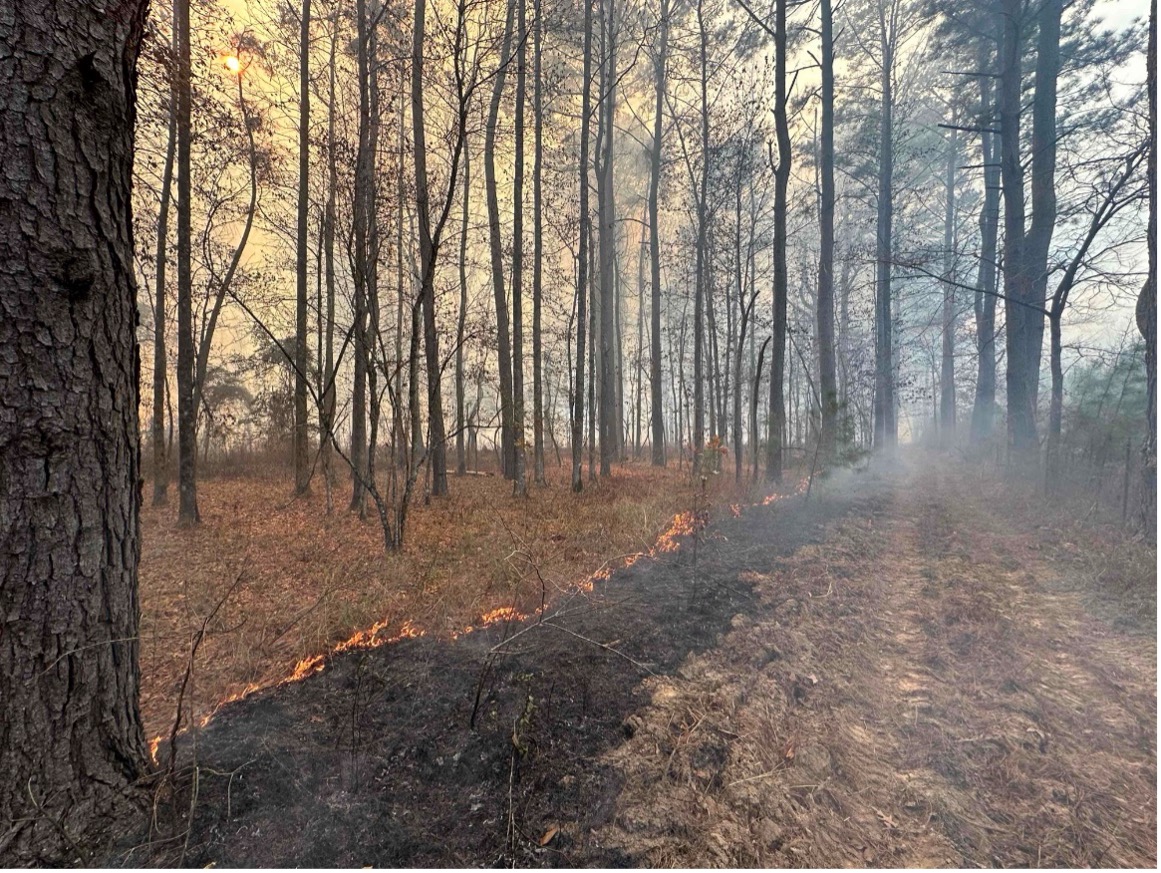
Prescribed burns can be conducted year-round depending on the management goal but generally take place from December to April in Louisiana. These understory burns are controlled so that they burn at a low intensity, targeting the lower vegetation layers. The fire should consume accumulated debris, and invasive plants, while sparing larger trees and native vegetation. This practice is planned in coordination with the local forestry agency.

The burn trailer and its equipment will be stored and maintained by the Piney Hills Prescribed Burn Association (PBA) out of Ruston and made available to Piney Hills PBA members. Quail Forever, a partner of the Piney Hills PBA, plans to help activate volunteers to support the PBA. PBA members pay annual dues and are required to complete training to earn prescribed fire credentials through LSU Ag Center. PBA members work together to manage their properties using prescribed fire in North Central Louisiana.

To learn more about Quail Forever, visit here. Or contact Jackson Martini, Quail Forever Louisiana State Coordinator at [email protected] or 814-771-3679.

To learn more about the Piney Hills Prescribed Burn Association, contact Jessie Davis at 318-278-1030.

Featured image caption: PBA members lighting a controlled burn.

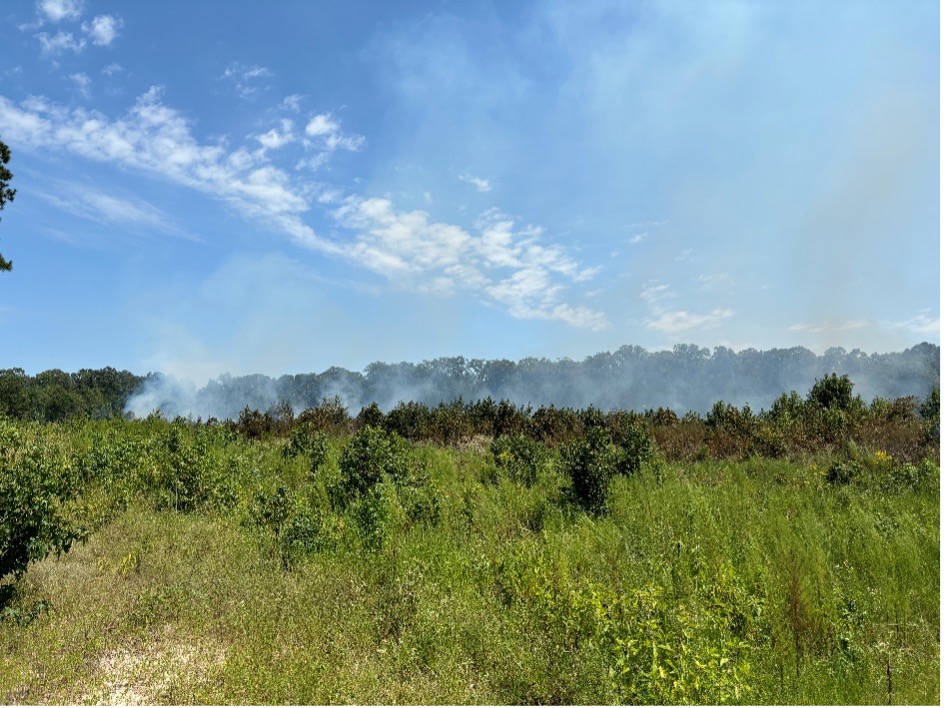
Image caption 1: A growing season burn conducted by the Piney Hills PBA in August 2024.

Image caption 2: A low intensity, controlled burn cleaning up fuel load and killing invasive woody stems.