







For decades, governments of all political colours have wrestled with the same challenge: how do we create more balanced economic growth across the UK and overcome the north-south divide.
We’ve called it regional policy. We’ve called it levelling up. We’ve called it the industrial strategy. We’ve had the Northern Way, Regional Development Agencies, Local Enterprise Partnerships, National Renewal and of course the Northern Powerhouse.
Yet despite the progress in many places driven by direct policy intervention, the imbalance persists. The Institute for Fiscal Studies recently described the UK as one of the most spatially unequal countries in OECD.
As we head for a refreshed government which is expected to deepen its commitment to devolution and refresh its approach to industrial strategy, it is worth asking whether we’ve been looking for the answer in the wrong place.
Greater devolution will undoubtedly help regions shape their own futures. But beyond changes in governance, where can the UK create genuinely new competitive advantage that delivers lasting regional growth?
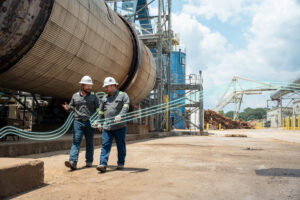
At first glance, AI might seem an unlikely answer. It is often presented as a digital revolution – a story about algorithms, software and innovation. But beneath the headlines, AI is also about something else: physical infrastructure.
The development and deployment of AI requires vast amounts of power, grid capacity, digital connectivity, land, investment, skills and capital. Any region that can provide those foundations could attract a disproportionate share of future investment, and that could have significant implications for the economic geography of the UK.
For much of the last thirty years, our country’s economic success has been driven by services, clustered in and around major cities, and detached from physical infrastructure, but the AI economy may be different.
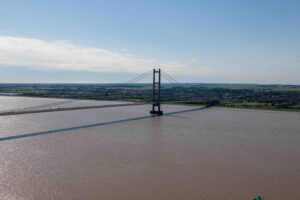
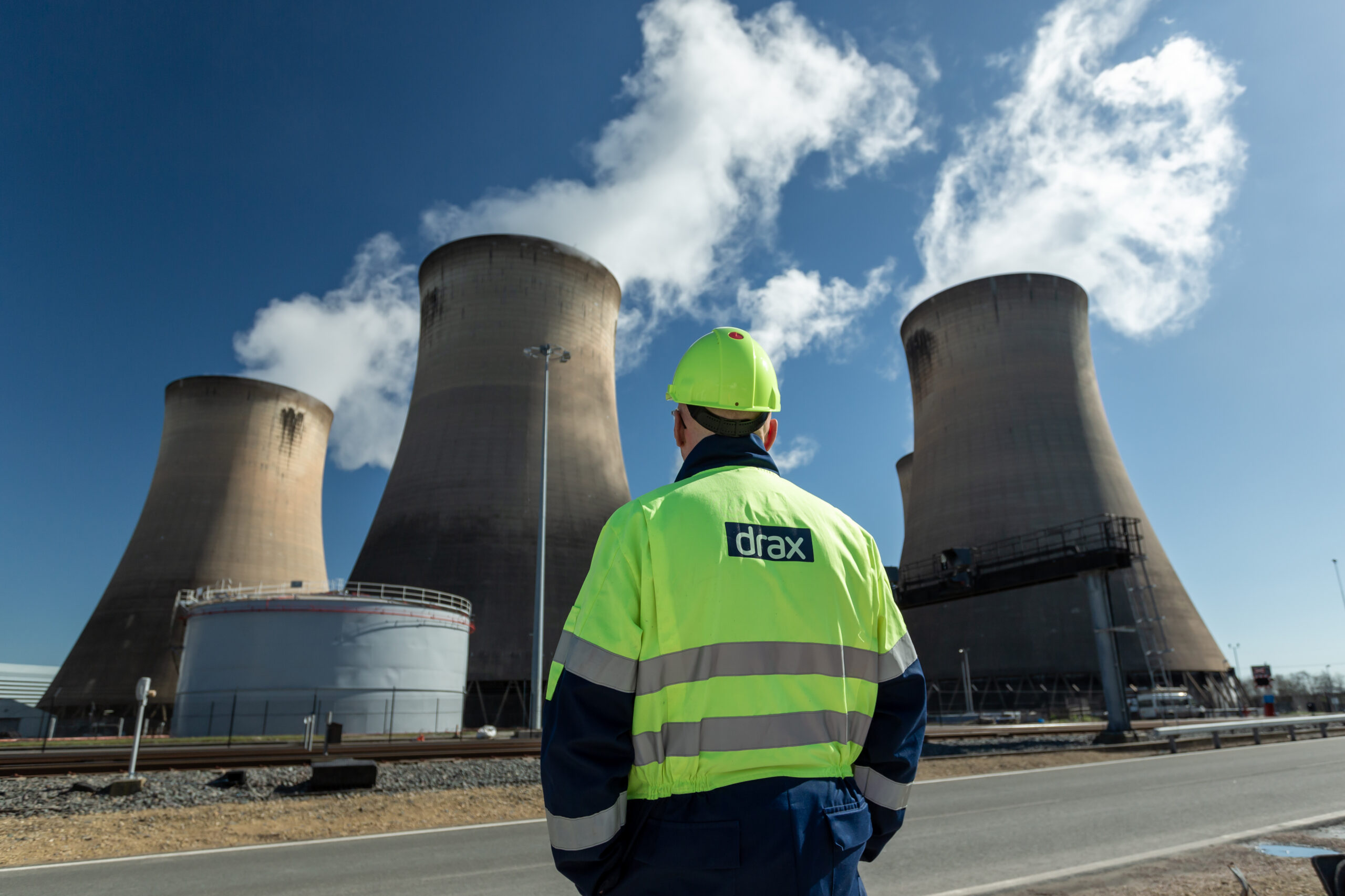
Across places like the Humber, Teesside, Merseyside, we already possess many of these infrastructure assets. For years, these sites have been talked about as a problem to be solved through industrial transition and decarbonisation. But with AI so dependent on energy and industrial capability we could see them once again become the key drivers of UK growth.
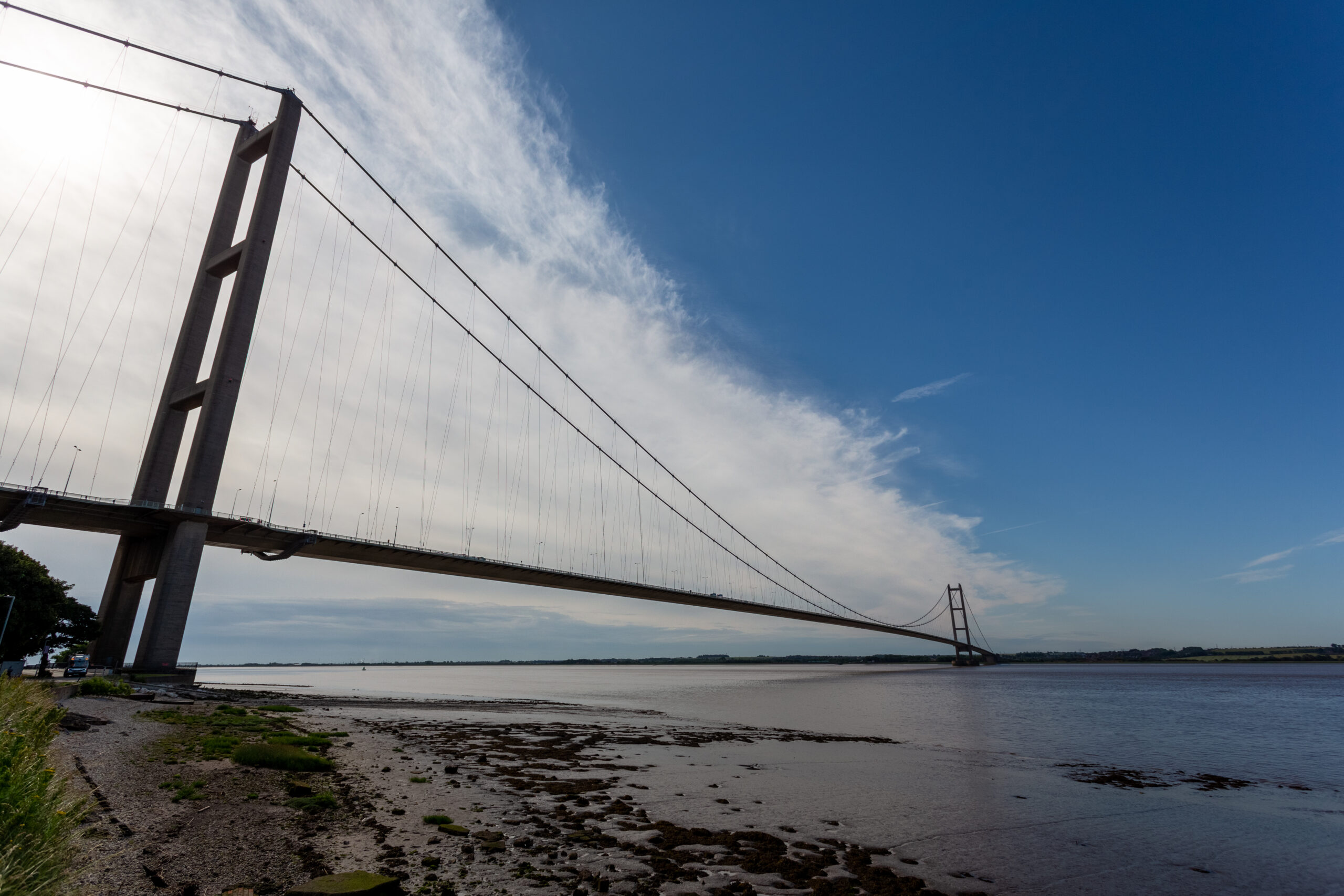
In the Humber we have ports that connect us to global markets, industrial operators with deep engineering expertise, energy infrastructure that keeps the country powered, development land capable of supporting major investment and educational institutions training the workforce of tomorrow.
And for data centre developers repurposing existing infrastructure and working with operators who have a longstanding track-record of delivery reduces the need for lengthy planning and other regulatory processes.
So, could AI achieve something policymakers have been trying to deliver for decades, drive industrial renewal, deliver competitive advantage and grow the economy in Britian’s northern industrial regions?
The challenge for policymakers and regulators is to ensure we have an energy system fit for the future, to refocus on regional growth alongside national resilience, to consider the role of a decentralisation of the national electricity grid to enhance the role that regional assets play in local prosperity; ultimately ensuring that proximity to nationally important infrastructure can support growth.
The prize could be significant: industrial renewal leading to a more balanced, more resilient, and more prosperous British economy, built on the foundations of what we already have, and delivered through a refreshed political agenda focused on regional growth.