



At Drax, we recognise our responsibility to be a leader in sourcing biomass sustainably.
We want to deliver climate, nature, and people positive outcomes across our sourcing supply chain.
9 million
Tonnes of fibre sourced by Drax (2024)
100%
All of the biomass we use and produce is certified by SBP (Sustainable Biomass Program)
A-
CDP (Carbon Disclosure Project) Climate Change rating (2024)
Sourcing sustainable biomass
Biomass, when sustainably sourced, supports good forestry and can help make a positive contribution to achieving net zero. It can provide a source of renewable, dispatchable power, as well as carbon removals, which are both needed in the fight against climate change.
At Drax, we recognise our responsibility to be a leader in sourcing biomass sustainably. We want to deliver climate, nature, and people positive outcomes across our sourcing supply chain.
All the biomass we use is governed by our Biomass Sourcing Policy, which confirms our commitments to sustainable sourcing.
Our commitments include sourcing biomass which:
- Doesn’t lead to deforestation, degradation, or conversion of the forest resource
- Doesn’t degrade ecosystems with high biodiversity or conservation value
- Doesn’t adversely impact the climate due to land change use
- Delivers net lifecycle greenhouse gas emissions savings
- Follows our Indigenous Peoples Policy, including the concept of Free and Prior Informed Consent
- Helps us to be a responsible neighbour to our local communities, and contributes to local prosperity.
Where does Drax source it’s biomass from
Case Study: US - The Federation of Southern Cooperatives (TFSC)
Drax is proud to acknowledge its ongoing Memorandum of Cooperation with The Federation of Southern Cooperatives.
Drax and the Federation of Southern Cooperatives share a joint understanding of the important role that small forest landowners play in delivering forest health, environmental justice, and good economic and social outcomes in rural communities. We also share an ambition to increase access for small forest landowners to the fibre market, where these landowners have been previously disadvantaged.
- Sources of fibre at Drax Power Station (2024)
- Types of biomass material explained
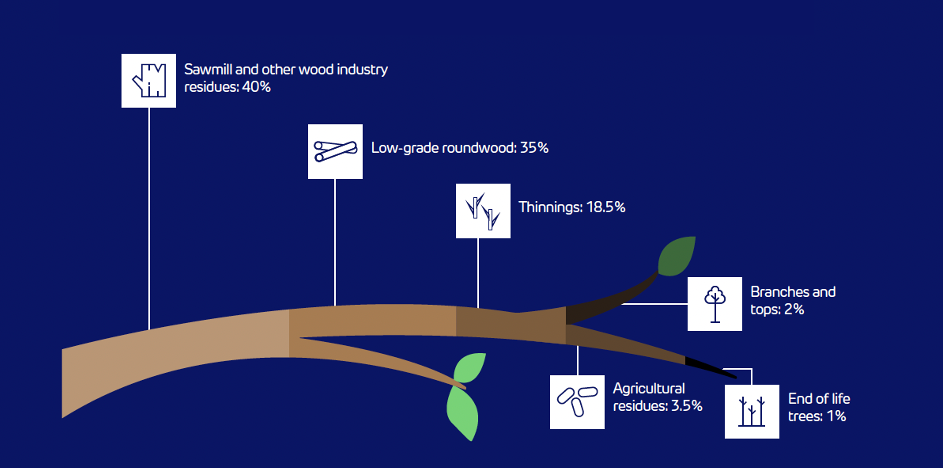
Sawmill and other wood factory residues
- Woody material produced during the processing of wood at the sawmill, such as sawdust, shavings, chips and offcuts.
Low-grade roundwood
- Low-grade roundwood is a material which doesn’t satisfy the quality standards set by the timber industry and is unsuitable for use in a sawmill.
Thinnings
- Wood from a silvicultural operation where the main objective is to reduce the density of trees in a stand, improve the quality and growth of the remaining trees and produce a saleable product.
Agricultural residues
- Non-woody processing residues, that aren’t the end product that a production process directly seeks to produce.
Branches and tops
- Tops, bark and limbs of trees that have been left behind post harvest.
End-of-life trees
- Trees that are felled because they have defective stems, are ill or damaged or trees that are removed from a plantation because they have reached the end of their productive lifetime or trees that must be removed for the permitted construction of infrastructures.
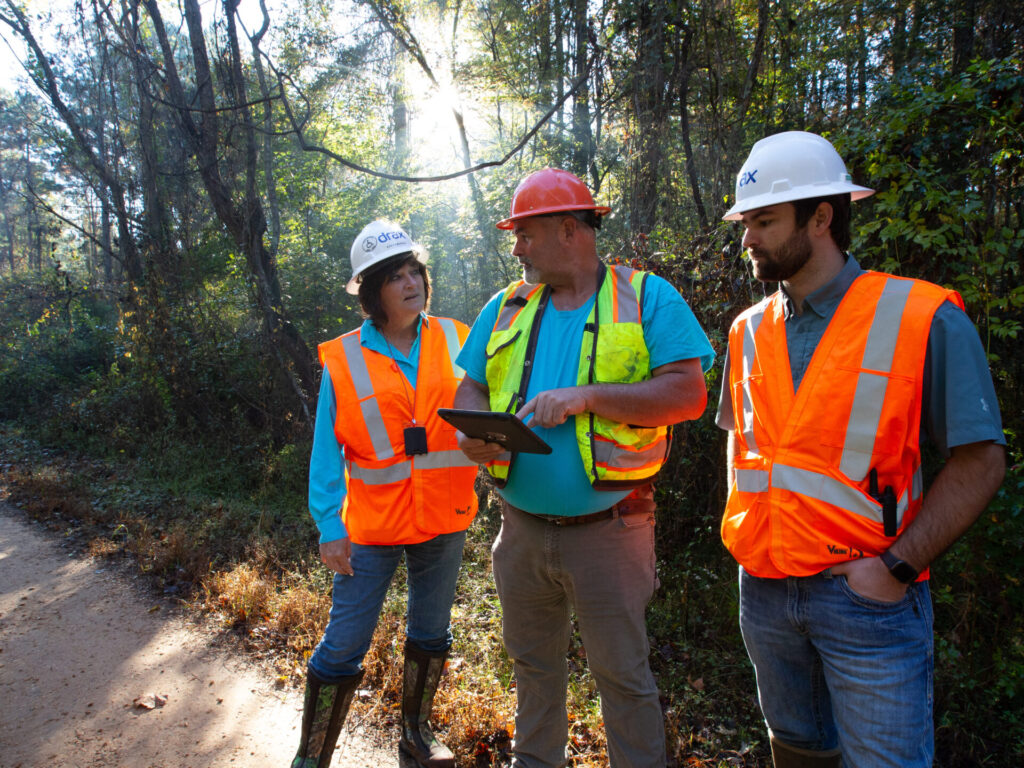
Third party certifications and accreditations
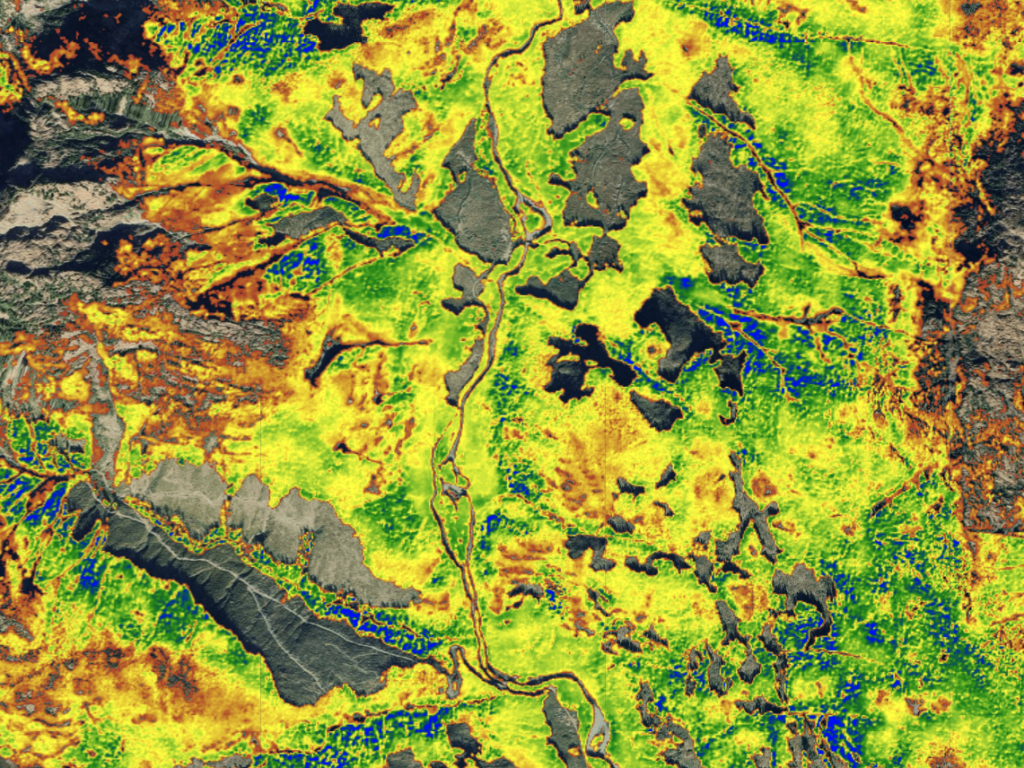
Delivering evidence on forest carbon stocks in all principal biomass feedstock sourcing areas
Traceability and Transparency
The Drax Biomass Tracker is a digital tool showing the journey our woody biomass takes through the supply chain, from fibre origin to its final use at Drax Power Station or by third-party customers.
It uses real-world data to show:
- The countries and states we source from.
- The different types of fibre used in our woody biomass, including sawmill residues, wood that doesn’t meet timber quality standards, and more.
- How our woody biomass is transported, including the truck, train and shipping journeys, and the carbon accrued at each stage.
- Sustainability certification standards data.
Case Study: Canada - Old Growth Deferral Areas and our approach
In 2021, the Government of British Columbia introduced Old Growth Deferral Areas (OGDAs) as an interim measure before a new forest management approach could be agreed with First Nations.
These began to be implemented in 2022 and are separate to Legal Old Growth Management Areas (OGMAs).
Whilst the work to implement this interim policy alongside the permanent new forest management approach is continuing, Drax has made the decision to stop sourcing wood fibre directly from OGDAs, even if a legal harvest was subsequently granted.
The implementation of this policy change is ongoing and is in addition to our commitment to not source fibre from OGMAs which are protected.