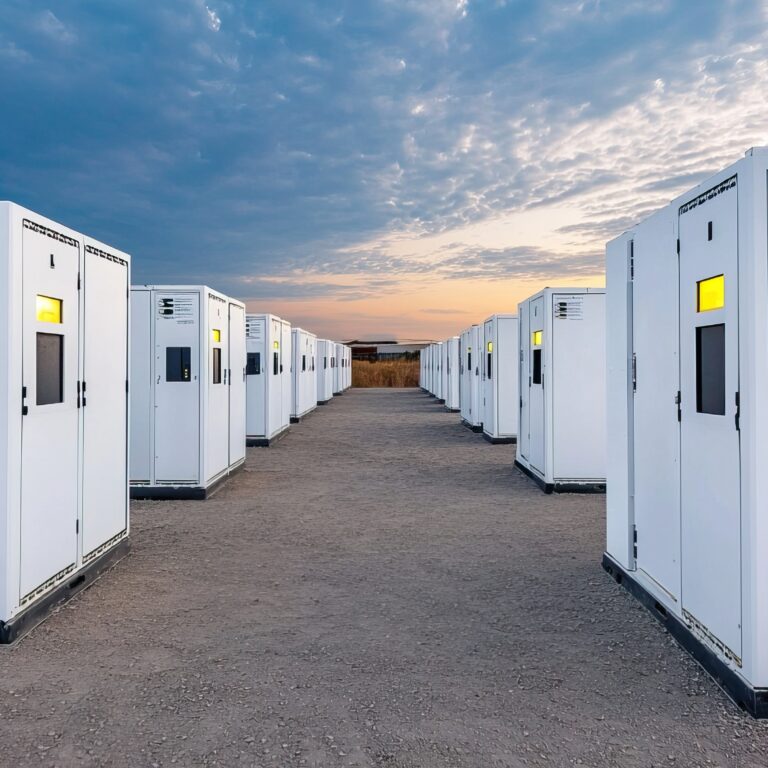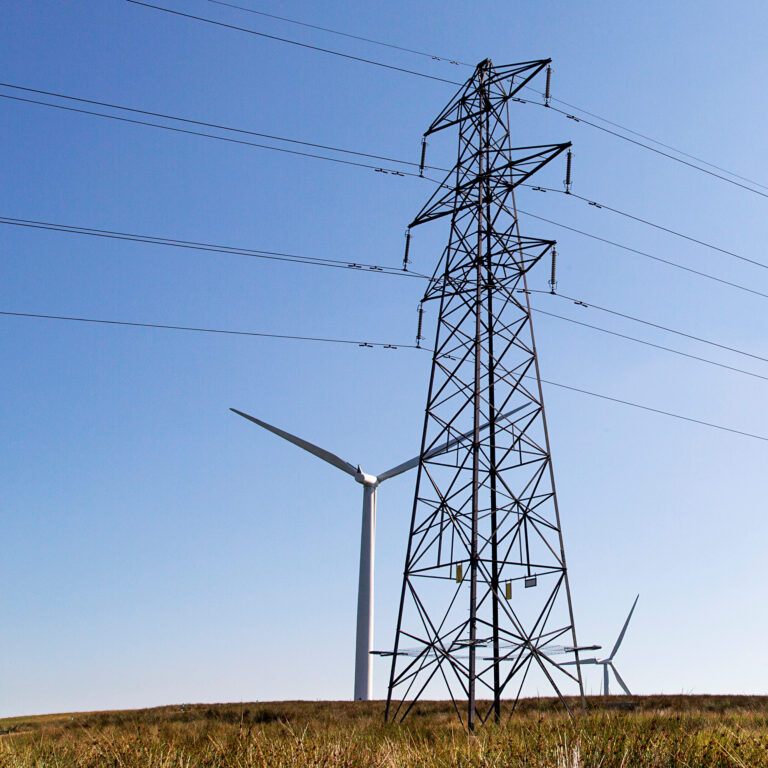








The findings are from a new report which highlights the growing influence Britain’s weather now has on supply and demand for electricity, and ultimately how much it costs. It is expected that the gap between demand for power and the supply from weather-dependent sources of electricity, such as wind and solar, could grow to as much as 75 GW during still winter days by 2035. This is because demand is set to rise steeply in the coming years through the growth of electric vehicles, heat pumps and data centres.
The report, produced by academics from Imperial College London and commissioned by Drax, shows that almost a fifth (17%) of the UK’s electricity was supplied from biomass power stations during a dark, still September morning as demand spiked. Biomass also provided its largest ever monthly share of power in July, and a new daily output record was also set in the same month.
“Obsessing about the weather has long been a national pastime for Brits,” says Dr Iain Staffell, lead author of Electric Insights at Imperial College London.
“Now there is another reason to keep up to date with the forecast, as electricity prices are increasingly influenced by the weather. Storms, heatwaves, snow, and periods of no wind all have big impacts on both how we get our electricity and how much we pay for it.
“Power demand is rising at its fastest rate for ten years as we swap petrol and diesel cars for electric vehicles and new data centres power more of our lives online. Bridging the gaps in supply when the wind is not blowing or the sun is not shinning is the ultimate test for our electricity system. It’s clear we need more dispatchable power sources plugged into the grid in the coming years to meet these challenges.”
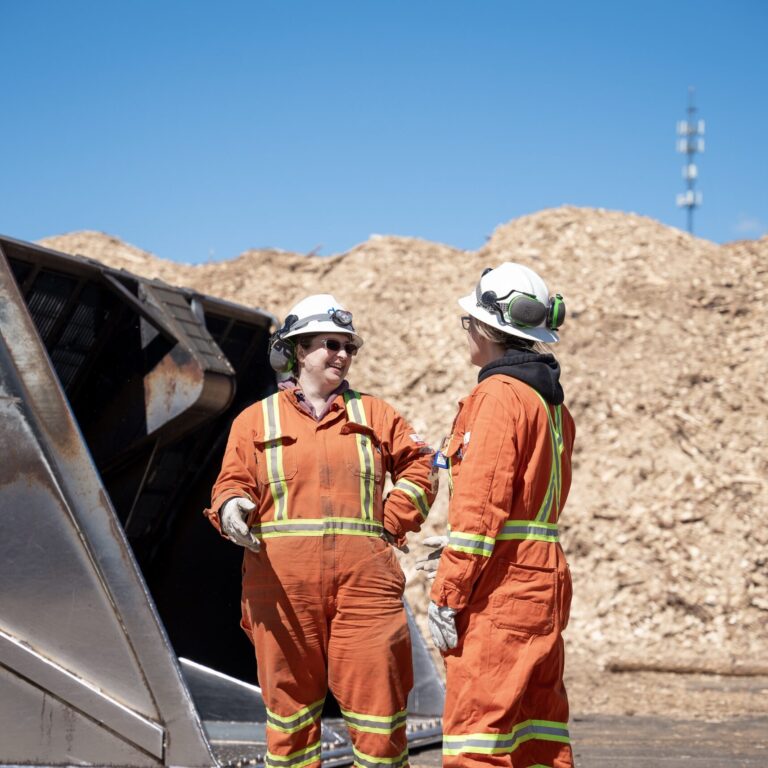
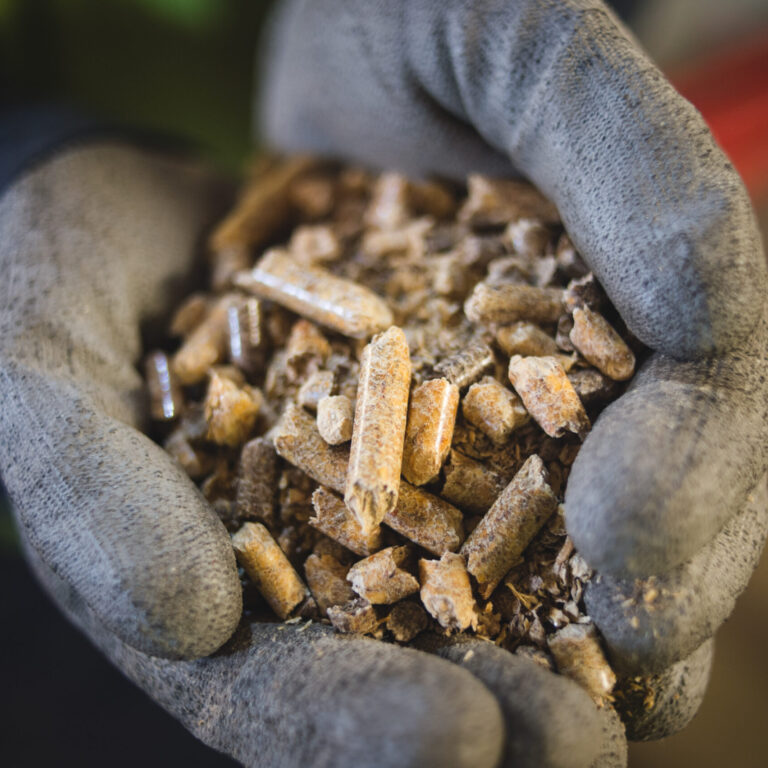
Britain’s biomass power sector is a diverse mix of generators of different sizes and utilising a range of feedstocks from waste wood to compressed wood pellets, agricultural and energy crops, like willow, miscanthus, and straw, to biogas and biofuels.
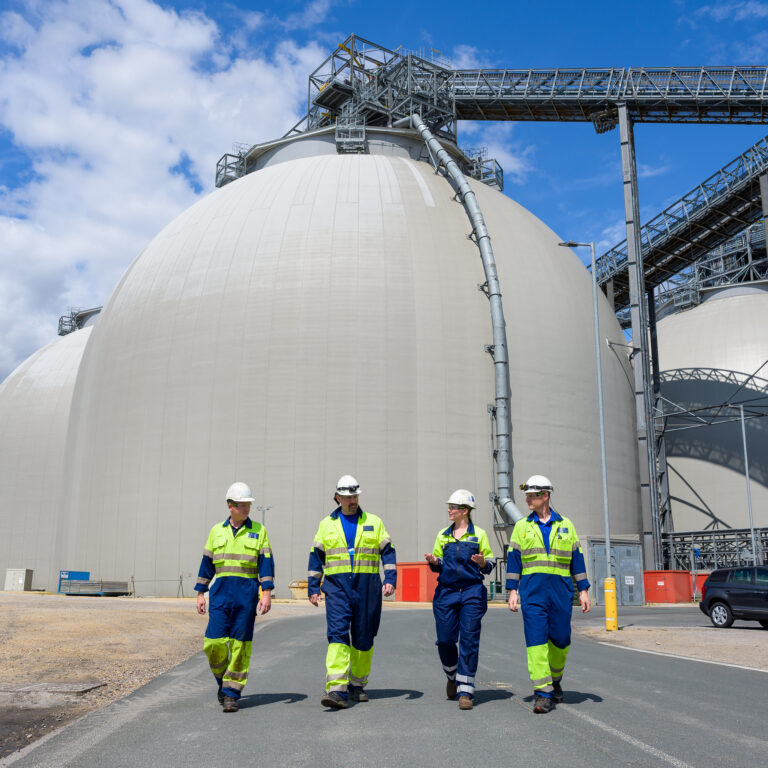
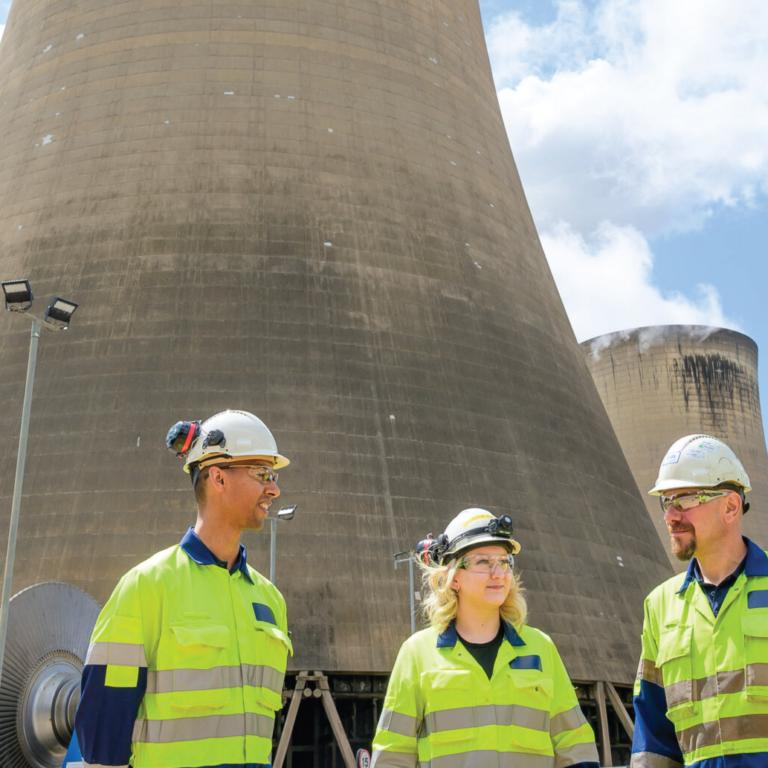
The largest biomass electricity generator is Drax Power Station near Selby in North Yorkshire. Once Western Europe’s largest coal-fired power station, it has been transformed into the UK’s single largest generator of renewable electricity. Earlier this month, it reached an agreement with the UK Government to support power generation through to March 2031.
“Our four generating units can supply electricity whatever the weather is like,”explains Lee Dawes, Drax’s Chief Operations Officer.
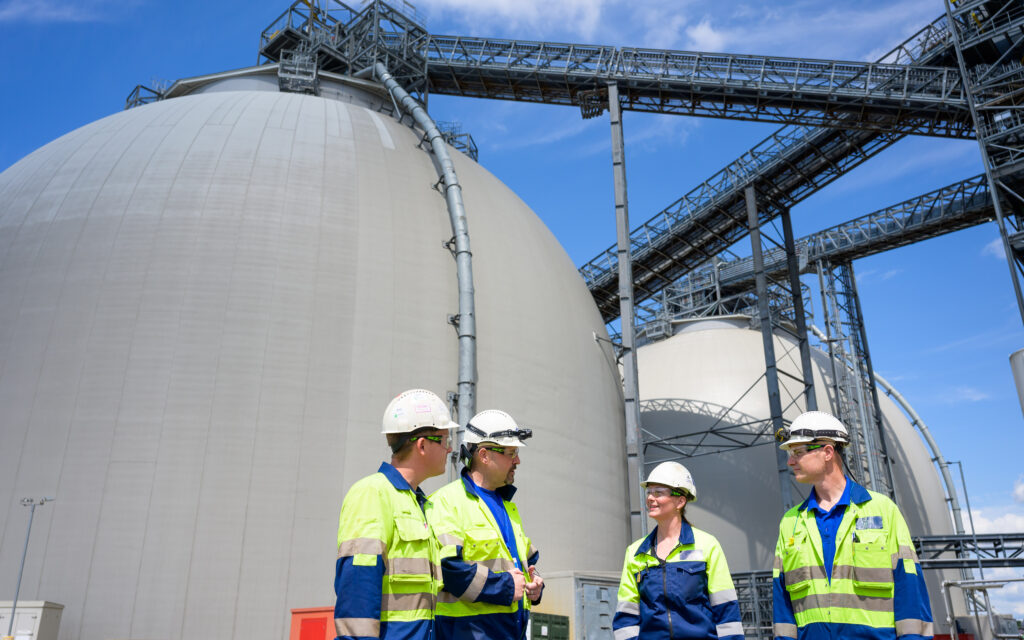
“We have a global supply chain and the capability to store hundreds of thousands of tonnes of sustainablebiomass pellets on site. This means when the country needs us, we are there to deliver the power it needs.
“Drax Power Station also delivers significant system support services beyond the dispatchable power it provides. These range from managing voltage support and taking care of stability constraints in parts of the network, to supporting grid inertia.With the country having fewer traditional power stations, these services are becoming even more important as intermittent renewables can’t provide them.
“Our new contract with the UK Government means we will be supporting the country’s energy security for many years to come, delivering a net saving for consumers compared to alternative sources of dispatchable generation.”
ENDS
Media contacts:
Aidan Kerr
Drax Group Media Manager
E: [email protected]
T: 07849090368
Editor’s Notes
About Drax
Drax’s purpose is to enable a zero carbon, lower cost energy future. Our strategic aims are to be a global leader in both carbon removals and sustainable biomass pellet production, and to be a UK leader in dispatchable, renewable generation.
Our operations
Drax owns and operates a portfolio of flexible, low-carbon and renewable UK power assets – biomass, hydro, and pumped storage generation – which provide dispatchable power and system support services to the electricity grid.
We are the UK’s largest source of renewable power by output, and Drax Power Station is the UK’s largest single source of renewable electricity by output.
Through our pellet production facilities in North America, Drax is a leading integrated producer of sustainable biomass. Drax has 18 operational and development pellet production sites which will have a nameplate capacity of around 5.4 million tonnes once expansions are complete.
Drax supplies renewable electricity to UK industrial and commercial customers, offering a range of energy-related services including energy optimisation, as well as electric vehicle strategy and management.
Our future
Drax is progressing options for carbon removals using bioenergy with carbon capture and storage (BECCS) technology globally and at our UK biomass power station. We are progressing plans to develop 7 million tonnes of carbon removals through BECCS by 2030.
In 2024, we launched Elimini, a US-based company to lead our global efforts to deliver carbon removals at scale. Elimini’s purpose is to remove carbon for good. To achieve this, it is convening engineers, environmentalists, communities, investors, and innovators to scale the market for carbon removals, with the aspiration of transforming our economies from carbon emitters to carbon removers. For more information, visit elimini.com.