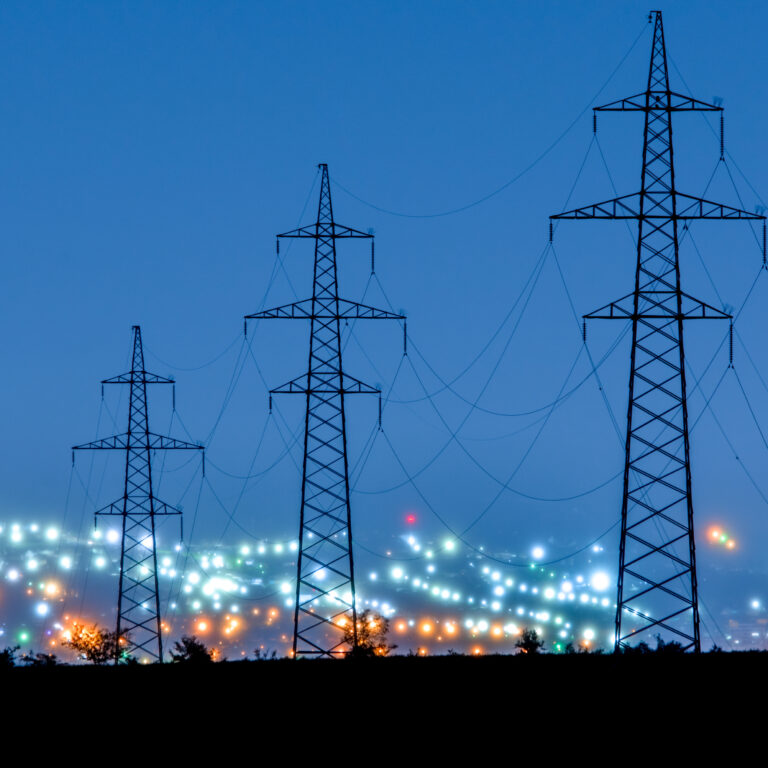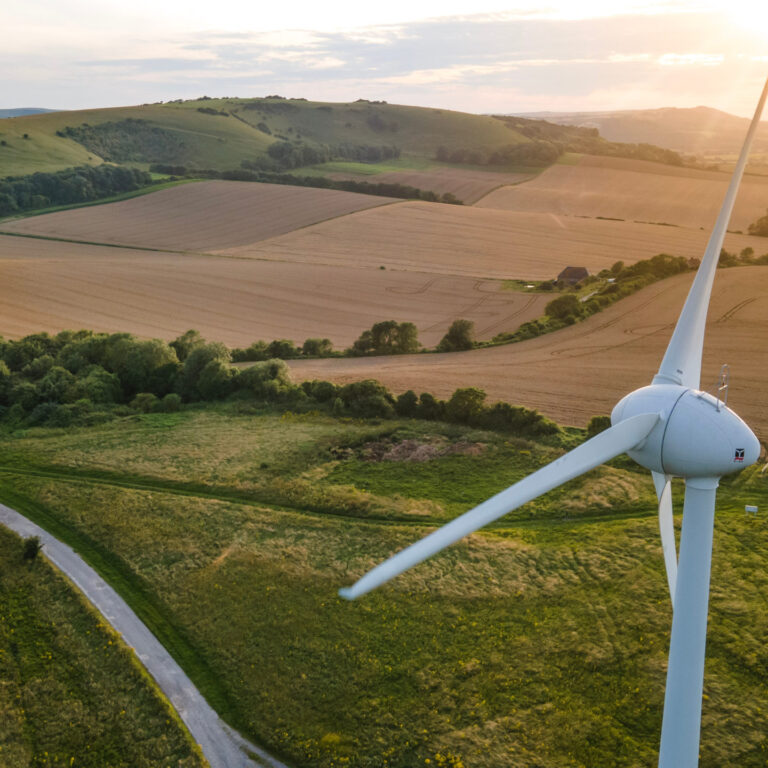








The report, produced by Imperial College London and commissioned by Drax, shows that the carbon intensity of Britain’s electricity fell below 100 grams of CO2 per kilowatt-hour for the first time between April and June. A decade ago, that figure was over 450 gCO2/kWh.
For households, the change means that everyday actions now leave only a fraction of the carbon footprint they once did. Boiling a kettle in 2025 now produces less than 10 grams of CO2, compared with over 40 grams in 2010.
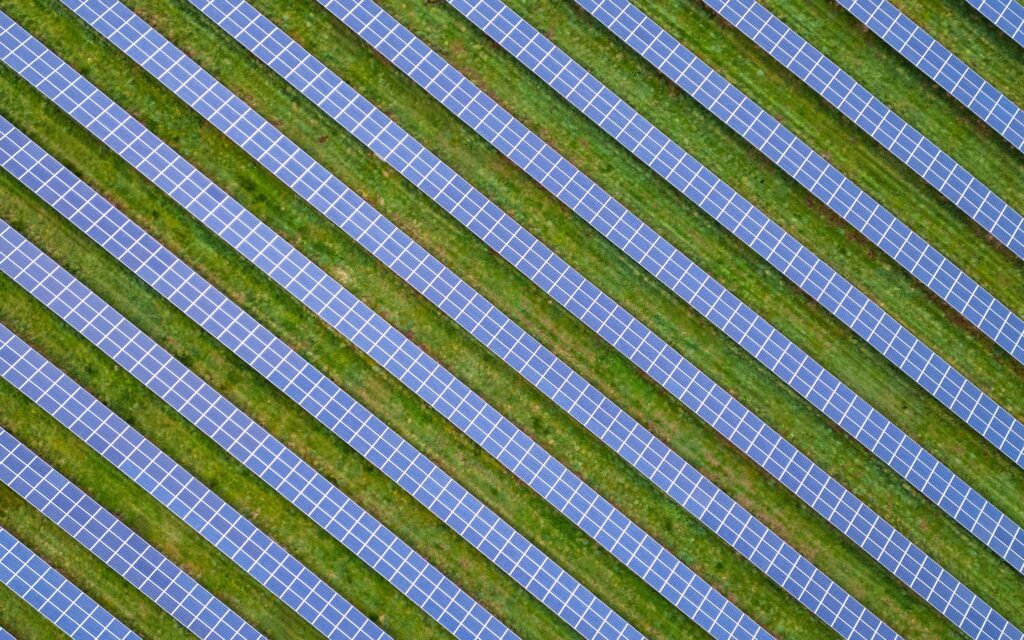
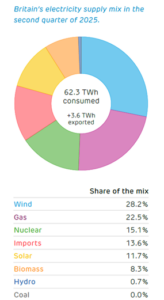
The improvement has been helped by record levels of solar power. More than 3GW of new solar capacity has been added in the past two years, taking the UK total to almost 20 GW. That expansion, combined with the sunniest spring on record, saw solar supply over 40% of Britain’s electricity at peak in for the first time in May. In June, the grid recorded its cleanest day in history, with emissions averaging just 28 gCO2/kWh.
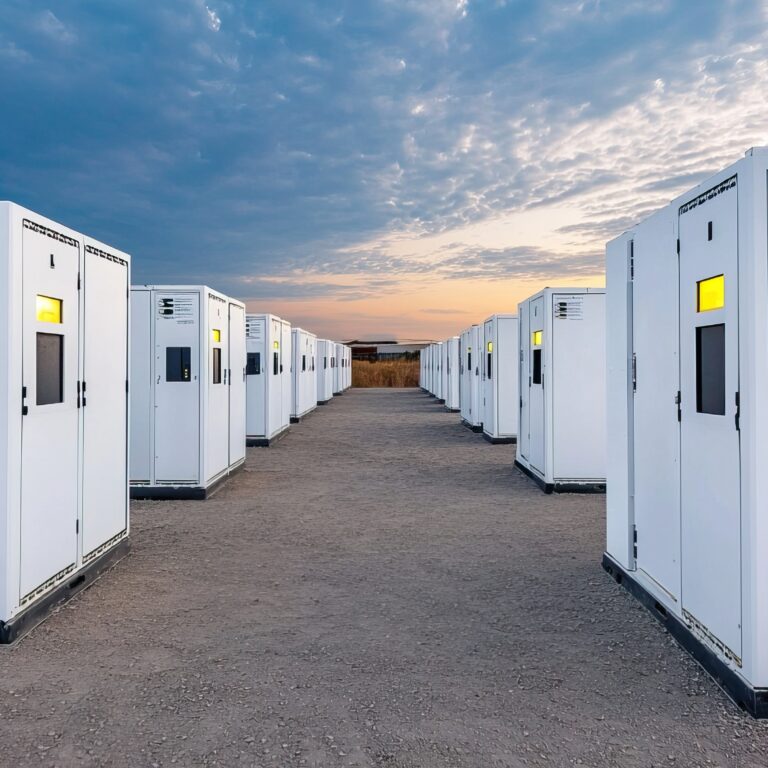
The findings also highlight how Britain’s power system is adapting to new patterns of supply and demand. Hotter, sunnier summers are already reshaping the grid, with solar producing record volumes while electricity demand rises for cooling. Managing these changes will require more flexible generation, storage, and stronger networks to balance supply and demand throughout the year.
“This data shows just how quickly Britain’s electricity mix is changing,” says Dr Iain Staffell, lead author of Electric Insights at Imperial College London.
“Solar generation is now making a visible dent in our national emissions, helping to drive the grid to its cleanest quarter on record.
“While these results are encouraging, we cannot underestimate the scale of the challenge. Hotter summers and rising demand for cooling are creating new pressures, and the curtailment of renewable power shows that our infrastructure is not yet keeping pace with supply. The next stage of our energy transition is about locking in the benefits of clean generation all year-round by expanding storage, strengthening the grid, and finding smarter ways to balance the system,” he added.
Ian Kinnaird, FlexGen Assets Director at Drax, said:
“The latest Electric Insights report demonstrates that Britain is moving in the right direction on clean power. Delivering the 2030 target will require a mix of solutions, from new renewables to storage and flexible technologies that keep the grid stable when the wind isn’t blowing and the sun isn’t shining. With the right investment, the UK can cut carbon, strengthen energy security, and create new opportunities for green growth.”
The report also notes that Britain’s power sector emissions are now lower than those from aviation, marking a dramatic turnaround from just a decade ago. If wind and solar farms had not been forced to curtail output when supply outstripped demand, renewables could already have covered all of Britain’s electricity needs for more than 250 consecutive hours in the past year.
For more information and to access the full report, visit Drax Electric Insights here.
ENDS
Media contacts:
Kieran Wilson
E: [email protected]
T: 07729092807
Editor notes
About Drax
Drax’s purpose is to enable a zero carbon, lower cost energy future. Our strategic aims are to be a global leader in both carbon removals and sustainable biomass pellet production, and to be a UK leader in dispatchable, renewable generation.
Our operations
Drax owns and operates a portfolio of flexible, low-carbon and renewable UK power assets – biomass, hydro, and pumped storage generation – which provide dispatchable power and system support services to the electricity grid.
We are the UK’s largest source of renewable power by output, and Drax Power Station is the UK’s largest single source of renewable electricity by output.
Through our pellet production facilities in North America, Drax is a leading integrated producer of sustainable biomass. Drax has 18 operational and development pellet production sites which will have a nameplate capacity of around 5.4 million tonnes once expansions are complete.
Drax supplies renewable electricity to UK industrial and commercial customers, offering a range of energy-related services including energy optimisation, as well as electric vehicle strategy and management.
Our future
Drax is progressing options for carbon removals using bioenergy with carbon capture and storage (BECCS) technology globally and at our UK biomass power station. We are progressing plans to develop 7 million tonnes of carbon removals through BECCS by 2030.
In 2024, we launched Elimini, a US-based company to lead our global efforts to deliver carbon removals at scale. Elimini’s purpose is to remove carbon for good. To achieve this, it is convening engineers, environmentalists, communities, investors, and innovators to scale the market for carbon removals, with the aspiration of transforming our economies from carbon emitters to carbon removers. For more information, visit elimini.com.