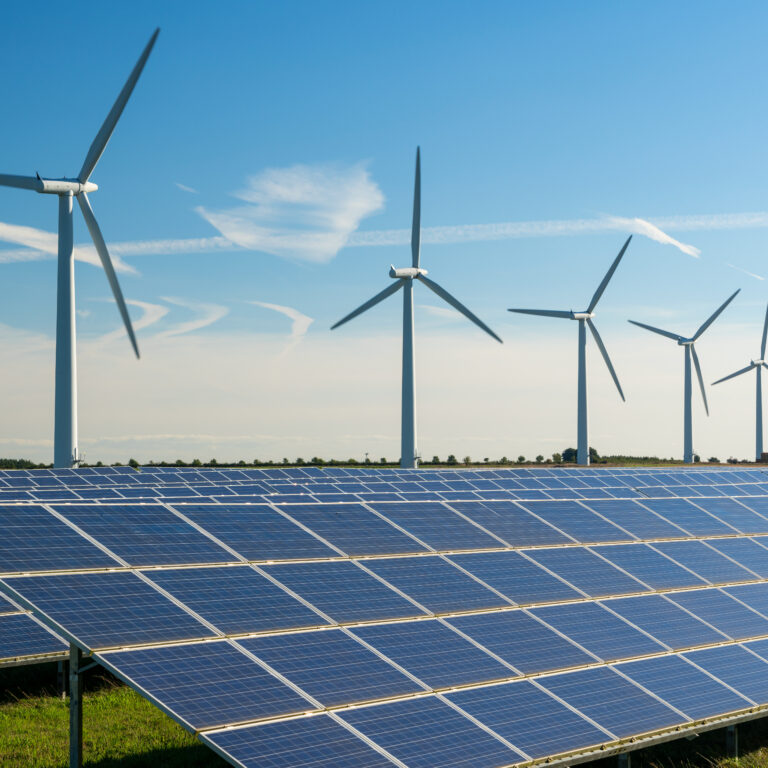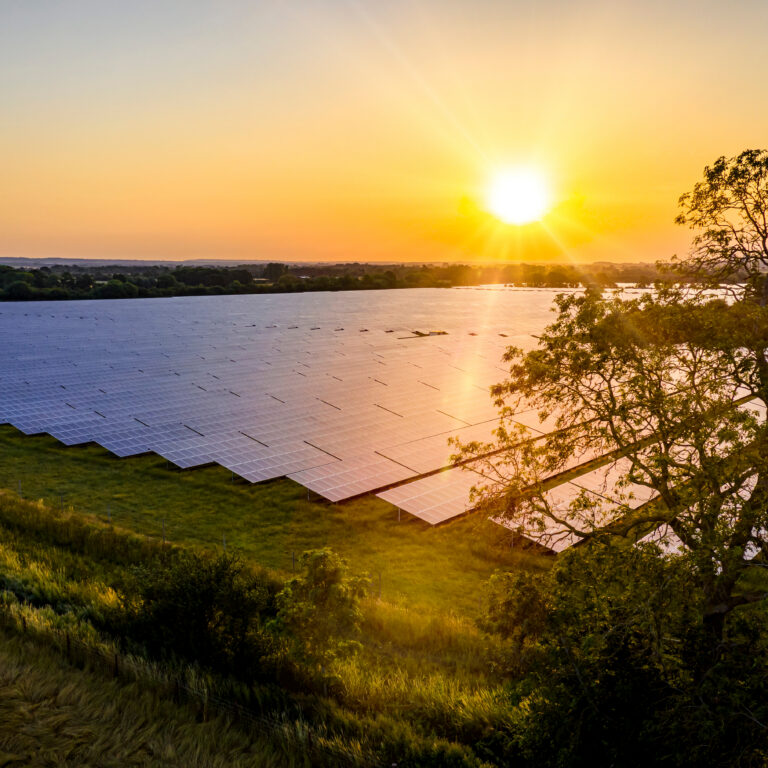






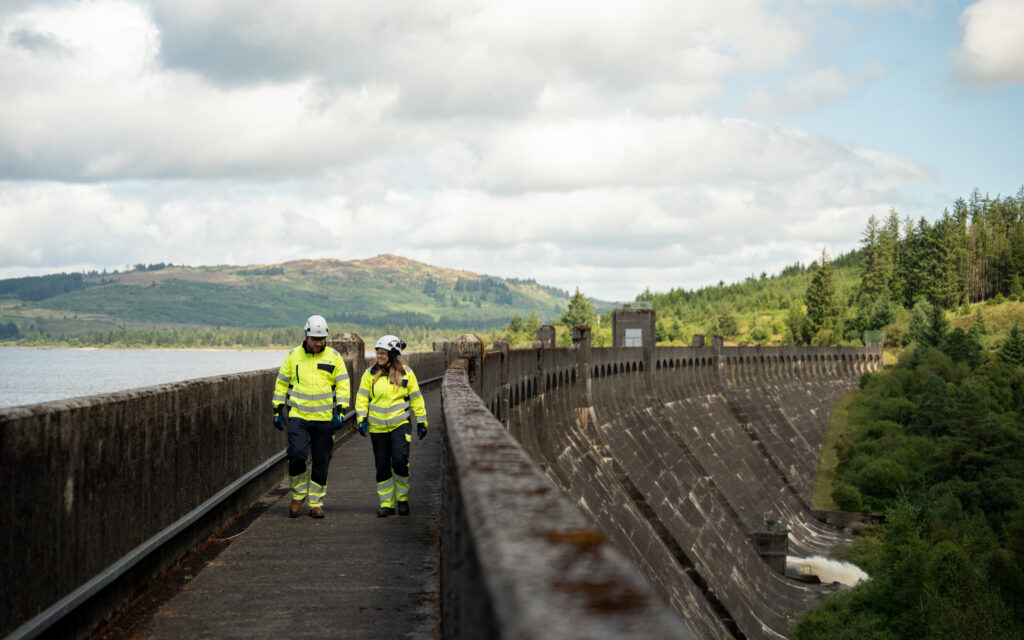

Having begun operating a single coal-fired power station before transitioning to sustainable biomass, Drax’s current 4.4GW diversified portfolio of battery energy storage, hydro and pumped hydro, and wind and solar generation tells a wider story about the changing UK energy system.
Furthermore, our plans to host a AI data centre at Drax, further investments into flexible and renewable energy, and our roll out of EV charging points all point to the direction in which our electricity system is heading. Vitally, these developments will be a key pillar to support UK economic growth.
Working with More in Common, we have developed some polling on public attitudes towards investment in local energy projects. For me, three immediate lessons that stand out.
First – energy is well placed to serve as a catalyst for regional economic opportunity.
The results show that a majority of the public, some 53%, do not believe that their area currently offers good opportunities for well-paid, high-skilled jobs.
At the same time, whether the project is wind, solar or battery storage, people understand the main benefits of energy investments to be new skilled jobs for local communities, alongside apprenticeships and training opportunities for young people.
The Prime Minister has been right to identify reindustrialisation and technology as essential tools for bringing growth to every postcode.
To achieve this energy investments must extend far beyond the energy system itself. They must support jobs, strengthen local supply chains and generate opportunities for communities.
This brings us onto the second lesson. People will support energy developments which deliver training opportunities for the next generation.
In recent years, governments of all colours have recognised the energy sector’s role in creating those opportunities. Just as importantly, it is clear the public recognise it too.
Indeed, the findings show that only 5% of the public would oppose a flexible energy site being built in their area if it brought jobs and apprenticeship opportunities for young people.
That matters at a time when the Prime Minister is rightly focused on expanding opportunities for young people not in education, employment or training, with the Milburn Review due for publication shortly.
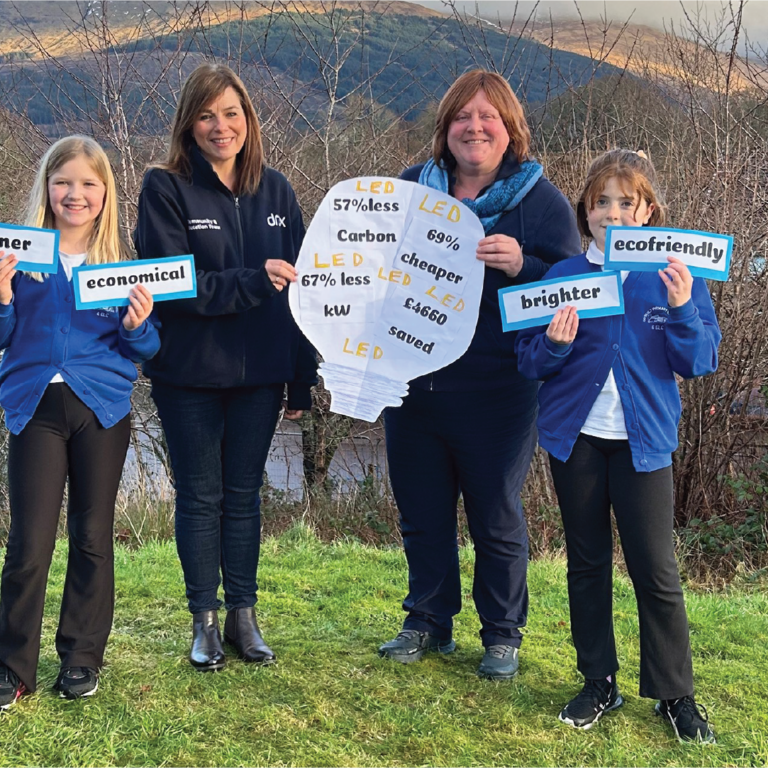
At Drax, we are already working to help meet this challenge and are proud of the work our Community and Education teams do in the areas in which we operate.
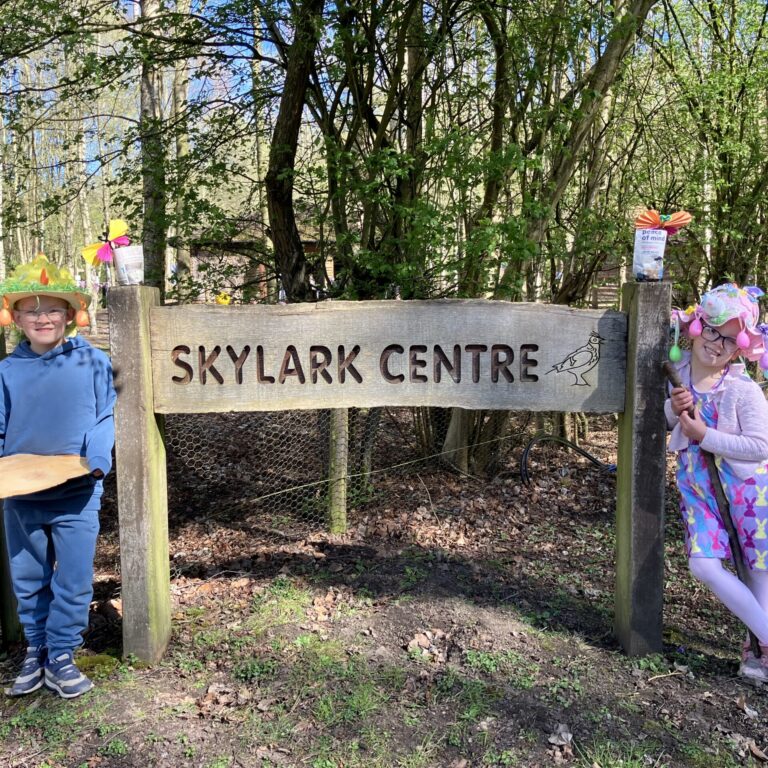
Last year alone, we supported 1,890 young people at risk of becoming Not in Education, Employment or Training (NEET) through mentoring and workplace visits and reached 9,500 learners through STEM events in Yorkshire and the Humber.
It’s also important that our young people have people in sectors to look up to. That this is why we have funded 12 high-potential STEM trainee teachers to complete a PGCE. Supporting role models for the next generation of engineers and scientists.
We believe that the challenge of NEETs is national, but the solutions will often be local. They depend on trusted relationships, practical collaboration, and employers willing to invest time, knowledge and opportunity in the next generation.
Finally, economic issues remain important to the public, but these must go hand in hand with nature and local consent.
Whilst only a minority of people believe that any drawbacks of new battery storage (29%), wind (19%) or solar (18%) generation sites would outweigh the benefits, the polling shows that chief amongst the public’s concerns in these areas are impacts on wildlife and green space.
For energy companies, this means showing that investment is not simply transactional. Whether it’s restoring a bog ecosystem in Wales or supporting research into the decline of the Arctic Char in Scotland, our work in these areas has been to demonstrate that new energy infrastructure can sit alongside a serious commitment to the natural world.
Energy projects can unlock jobs, apprenticeships, industrial investment and regional competitiveness, but they will only command lasting support if communities also see safeguards for nature, green space and local identity.
As we look to the evolving grid and the development it will require, the lessons are clear: national support does not always translate into local consent. To succeed, changes to our energy system must go beyond infrastructure alone.
It is also, and has always been about jobs, skills, opportunity and communities. If we get it right, the next phase of our energy transformation can help deliver the growth and renewal that Labour has rightly placed at the heart of its mission for government.
This is an abridged article first published in The LabourList