






This article first appeared in The Scotsman.

The conversation about energy is often framed as a choice: security or affordability, climate ambition or economic growth, urgent action or long-term planning. But that is a false divide. Households, businesses and communities want a power system that is dependable, affordable, and capable of supporting a lower-carbon future.
That was reflected in the recent Scottish Parliament debate, “It’s Scotland’s Energy”, which underlined the growing importance of the subject to the country’s economic future, and increasingly its politics. The debate may have taken place in Holyrood, but the issues it raised matter for all the UK.
Scotland is exceptionally well placed to help solve the UK’s energy challenges. As Britain’s electricity system evolves, long-term investment is increasingly flowing to the places with the renewable resources, engineering capability and network infrastructure to support a more flexible power system. Scotland stands out on all three, and this is being recognised by investors.
Late last year, ScottishPower announced plans to invest up to £12 billion to transform the grid, and SSE announced it was generating £3.4bn for Scotland’s economy as it delivers on its five-year investment plan.
Scotland’s strengths
Scotland has been central to Britain’s energy story for decades. With abundant renewable resources, a resilient and modern grid, and deep engineering expertise, Scotland has established itself as a true energy hub.
In 2025, Scotland generated record levels of renewable energy, while continuing to export surplus power to the rest of the UK. Its position as an energy powerhouse means it is also home to a highly skilled workforce with generational expertise.
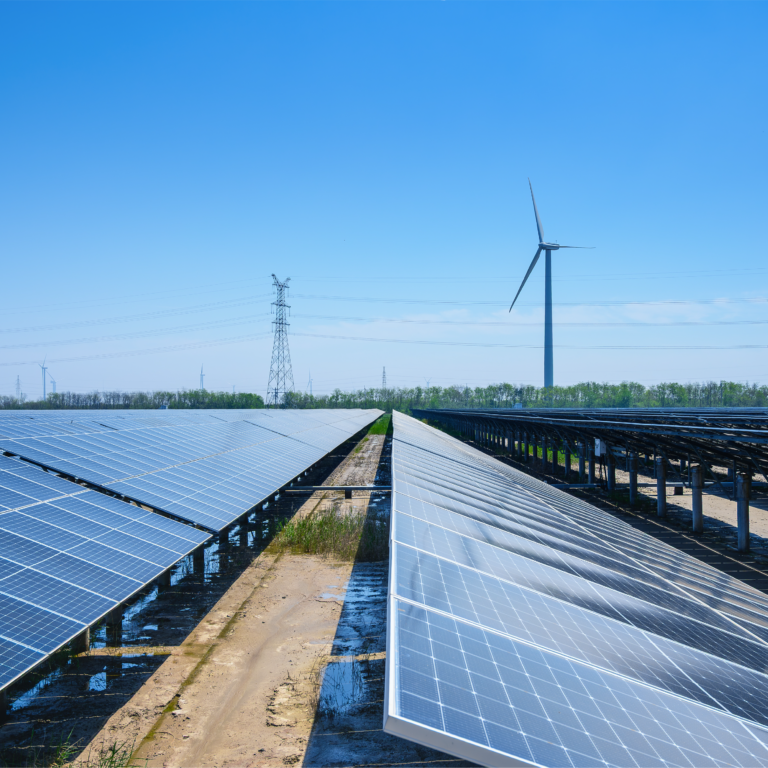
Alongside the dedicated workforce, Scotland’s unique geography and heritage offer significant structural advantages. It’s home to some of Europe’s strongest offshore wind resources, with considerable opportunities for future development. It has long been at the heart of Britain’s hydroelectric industry and remains home to many of the UK’s most important, long-duration energy storage assets.
These technologies may not always attract the same attention as nuclear power or solar parks, but they will be essential to delivering a reliable, low-carbon power system.
Bringing greater stability to the National Grid
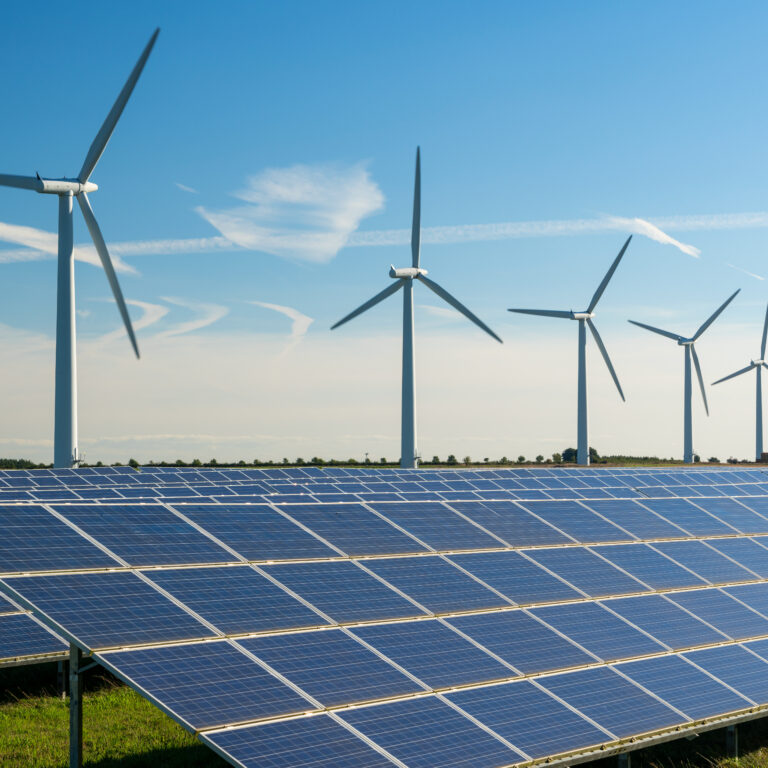
Generating renewable power is only one piece of the energy transition puzzle. As more wind and solar power comes online, and as transport, heating and industry continue to electrify, Britain’s electricity system will need to manage rising demand while balancing increasingly variable sources of generation.
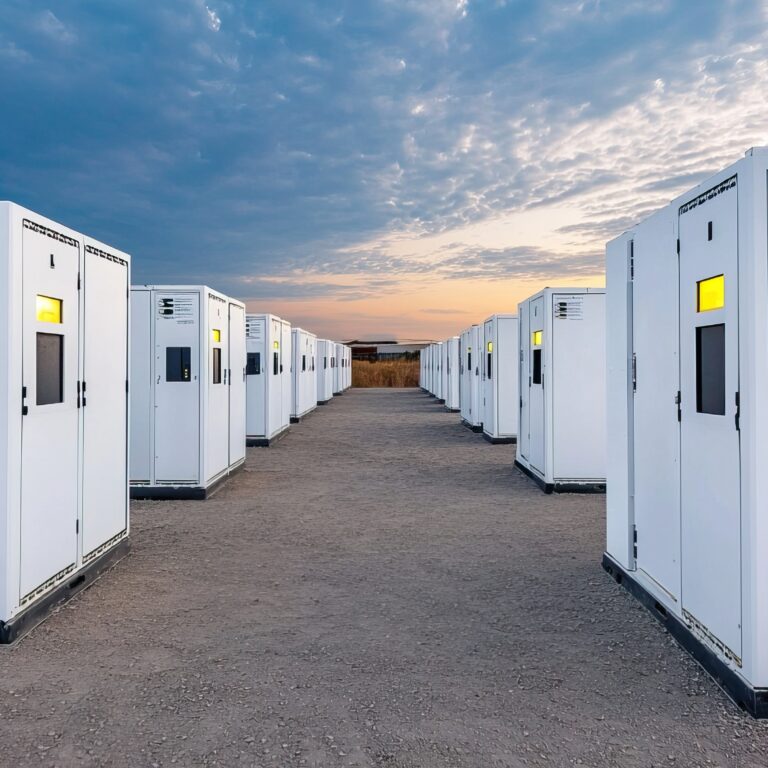
Developing a reliable system under these conditions requires technologies capable of responding quickly and flexibly to today’s demands. This means long-duration storage technologies such as pumped-storage hydro and battery energy storage systems, or BESS, will play an even more central role in the transition.
These solutions allow the grid to respond more effectively to supply and demand fluctuations, while aiding long-term system stability. In fact, the National Energy System Operator has identified long-duration energy storage as a critical component of delivering a secure, decarbonised electricity system by 2035.
However, storage alone is not enough to solve the challenge. We also need significant investment in transmission infrastructure capable of moving renewable electricity. As Scotland’s capacity continues to expand, strengthening connections between the regions and nations is also important, lowering system costs and ensuring power can reach homes and businesses across the country.
Reducing exposure to shocks
Recent memory tells us we can’t take energy security for granted. The global gas crisis triggered by Russia’s invasion of Ukraine exposed the vulnerabilities that can emerge when energy systems lack resilience. Even today, UK industrial electricity prices remain among the highest in Europe, creating challenges for competitiveness, manufacturing and investment.
Scotland has worked to create an environment that encourages sustained, long-term investment. Recently, the Scottish Government committed to invest up to £500 million over five years to support offshore wind infrastructure, manufacturing and supply chains. Additionally, the UK Government’s National Wealth Fund, Great British Energy and the Scottish National Investment Bank backed the development of the Pentland Floating Offshore Wind Farm, which could power up to 70,000 homes.
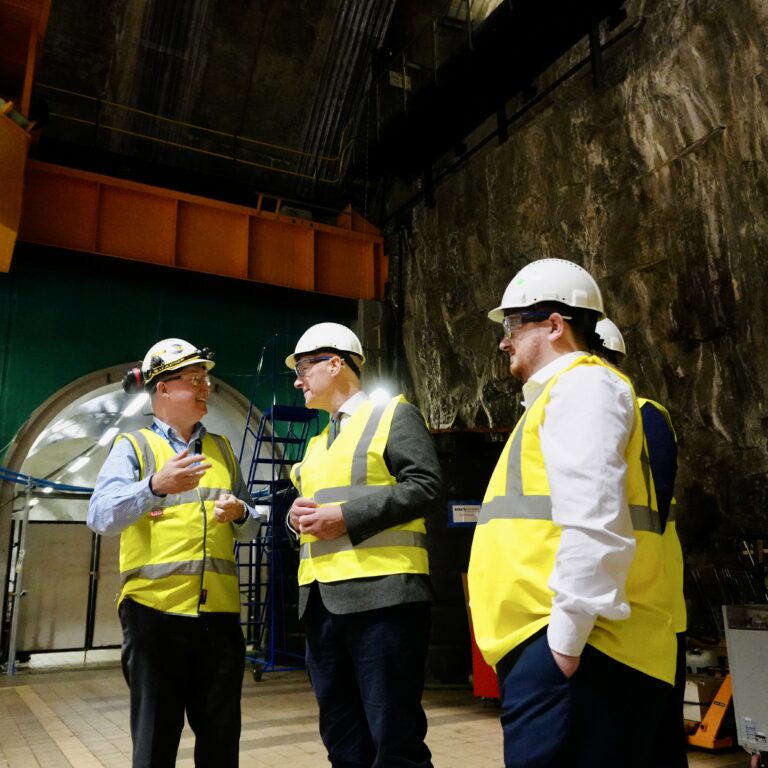
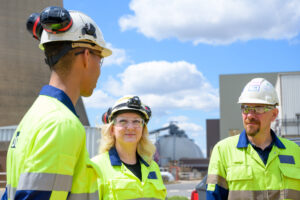
Last month, I saw first-hand how Scotland’s energy assets are supporting the whole of the UK. I visited colleagues at Drax’s Cruachan Power Station in Argyll, which this year celebrated its 60th anniversary, and where we are investing £80m in a refurbishment programme designed to increase generating capacity and strengthen the long-term role of pumped storage hydro in Britain’s electricity system.
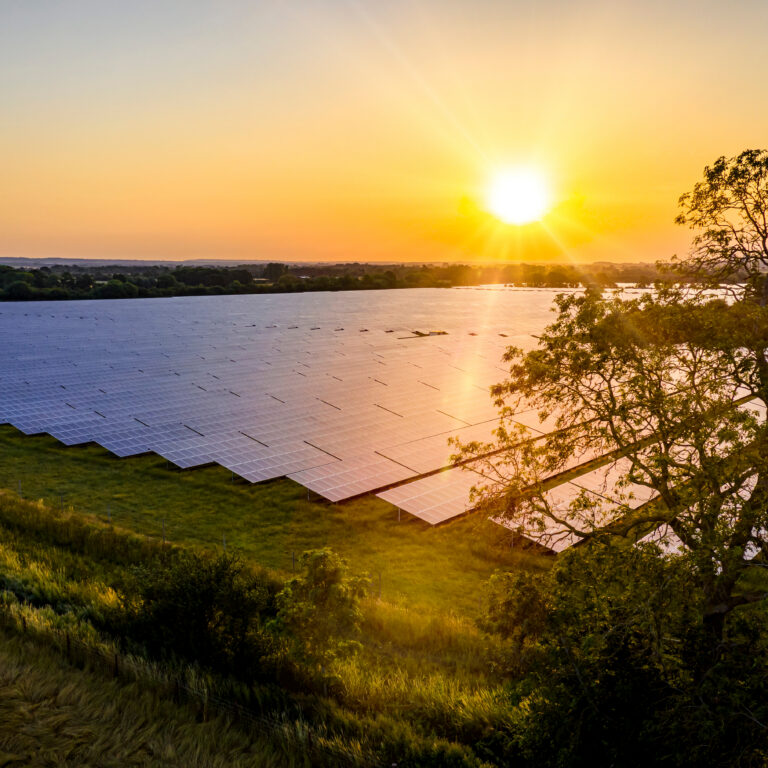
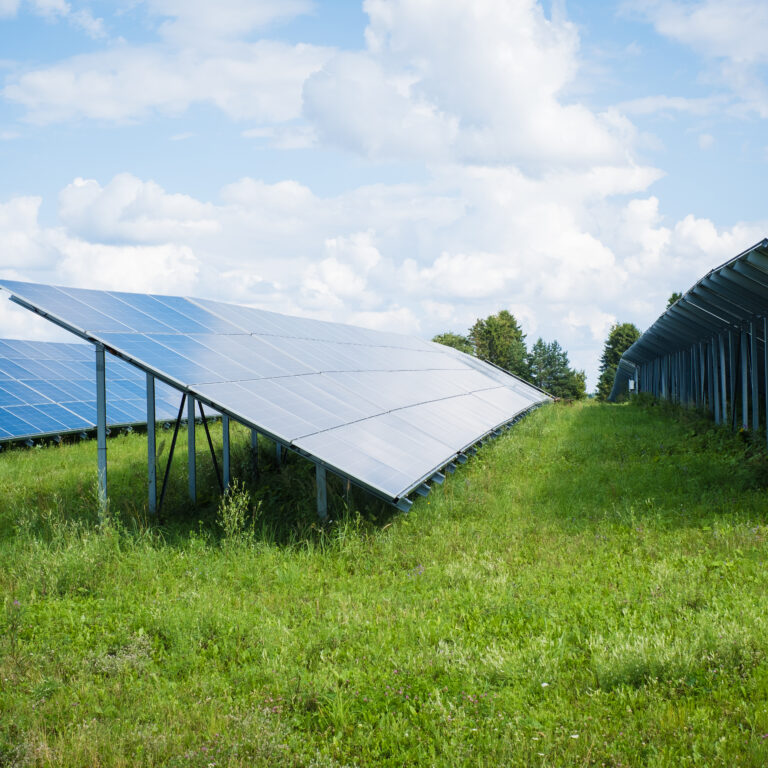
At Glenlee in Dumfries and Galloway, which has been generating renewable power for almost 90 years, we installed solar panels at our plant, making it the first of eight planned solar projects across our Scottish hydro assets. In the wider sector, projects such as Zenobē’s Coalburn battery storage facility demonstrate growing confidence in Scotland’s role as a centre for large-scale energy storage and grid innovation.
The value of investments like these extends far beyond the energy system itself. They support jobs, strengthen local supply chains and generate opportunities for communities. Scotland’s energy strength isn’t just beneath the seabed or in the wind, it’s in its people.
Too often, the energy debate is framed as a choice between competing priorities. In reality, energy security, affordability and decarbonisation depend on one another. Getting them right will help deliver a stronger economy and a more resilient future.
Our shared ambitions require continued support, but investment in the necessary infrastructure is already underway. This is particularly true in Scotland, which will have a pivotal role in helping Britain deliver that future.
The opportunity to strengthen Britain’s energy security, support economic growth and accelerate the transition to a lower-carbon power system is significant – and so is the responsibility to deliver it.