







- Britain’s electricity system came within touching distance of operating without fossil fuels for the first time this Spring
- The UK is now the most interconnected large power system in Europe
- AI data centres can provide flexible grid support to help keep the lights on and spread the cost of infrastructure investment.
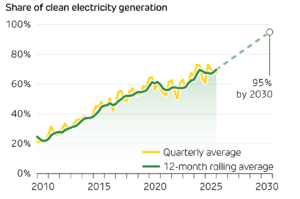
According to the latest analysis from Drax Electric Insights, the country’s energy system continued its rapid state of change as fossil fuel generation dropped to historic lows, with the grid coming close to operating without fossil fuels for the first time in April.
The report, produced independently by academics from Imperial College London and commissioned by Drax, found that Britain’s grid reached a new milestone in April 2026, with electricity generation from fossil fuels falling below 1 GW for the first time ever.
The findings come amid growing geopolitical pressure on global energy markets following disruption to oil and LNG supplies through the Strait of Hormuz, reinforcing the importance of reducing Britain’s reliance on imported fossil fuels.
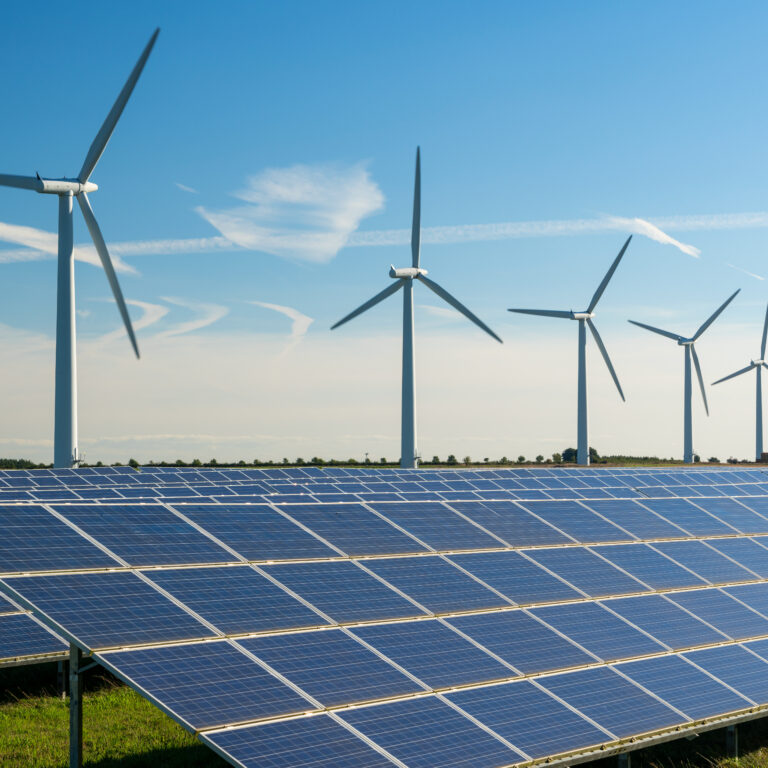
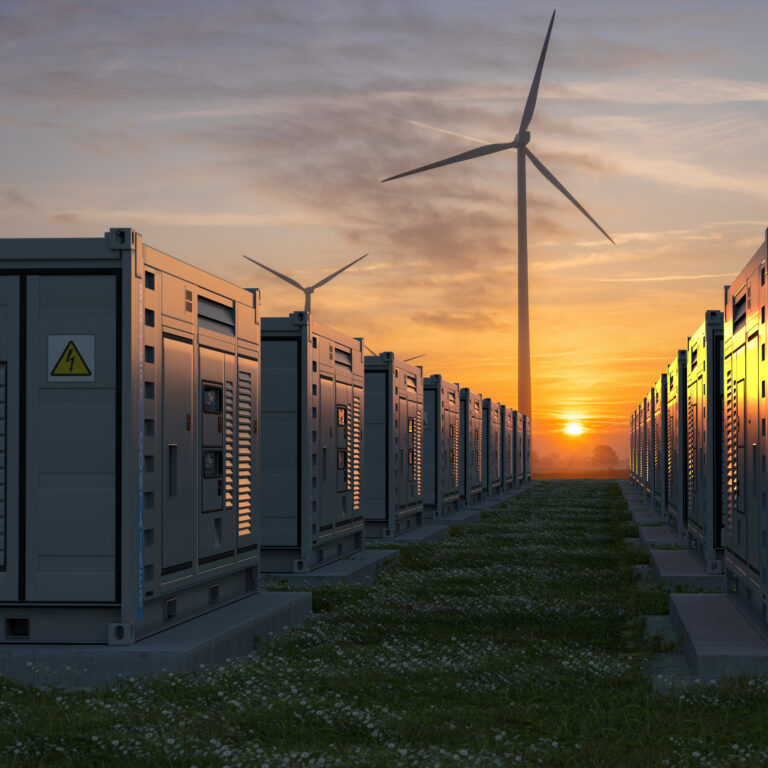
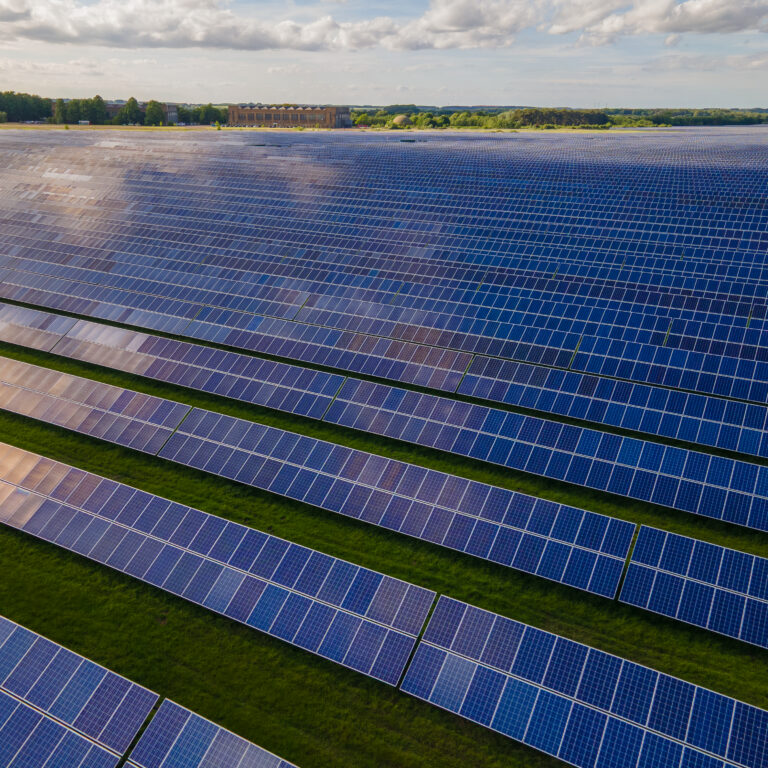
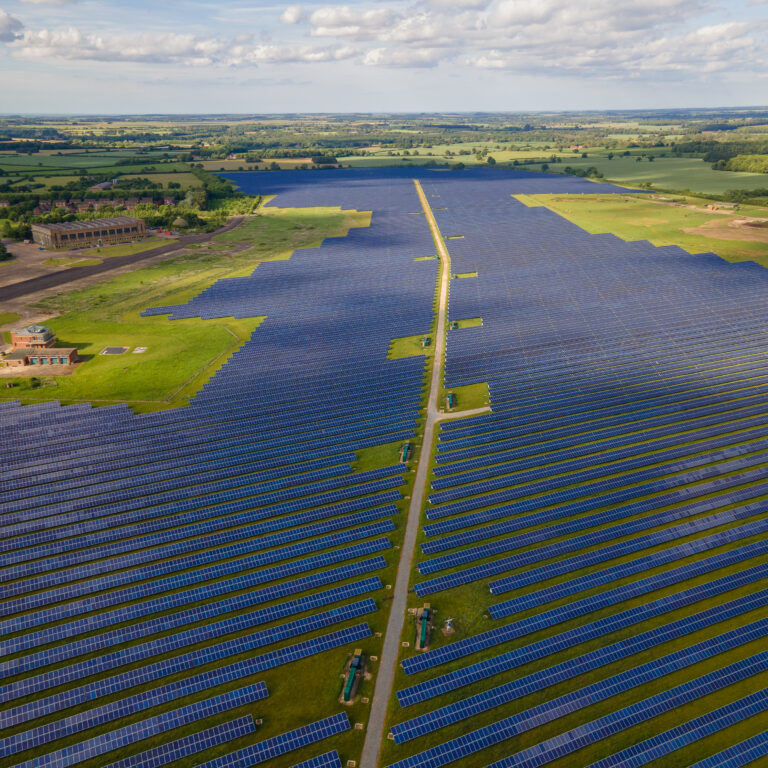
The report highlights how Britain’s rapid growth in wind, solar and battery storage may help to shield consumers from global gas price shocks, alongside the UK Government’s plans to decouple electricity prices from gas.
Analysis also points to mounting pressure from AI-driven electricity demand. Government forecasts show Britain requires at least 6 GW of AI-capable data centres by 2030, equivalent to the output of four large nuclear reactors.
The report argues that AI infrastructure will need to become more “grid-friendly” if Britain is to meet both its economic and climate ambitions.
Around 140 proposed UK data centre projects are currently seeking approximately 50 GW of grid connections – equivalent to Britain’s entire peak electricity demand. The analysis suggests future developments should be located closer to areas with strong grid connections and abundant low-carbon generation, while making greater use of flexible demand management technologies.
However, the report does highlight that if designed and operated effectively, data centres can help ease pressure on the grid – by using electricity when there is spare network capacity available – and reducing power consumption when the grid is under pressure to stabilise the system and reduce costs.
Despite being an island, Great Britain has quietly become one of Europe’s most interconnected electricity systems. Britain now has more than 10GW of interconnector capacity linking it to neighbouring countries. It is the only large power system in Europe to have reached 10% of its capacity as interconnectors, overtaking Germany.
Dr Iain Staffell, lead author of the report and Associate Professor in Sustainable Energy at Imperial College London, said:
“Britain’s power system is changing at extraordinary speed. Just a few years ago, running the grid with almost no fossil fuels would have seemed unimaginable.
“What we are seeing now is that clean electricity is no longer only a climate story – it is increasingly about energy security, affordability and economic resilience.
“The recent disruption to global fossil fuel markets shows how risky it is to remain dependent on imported oil and gas. Expanding domestic clean power, storage and flexibility is Britain’s clearest route towards insulating itself from future energy shocks.”
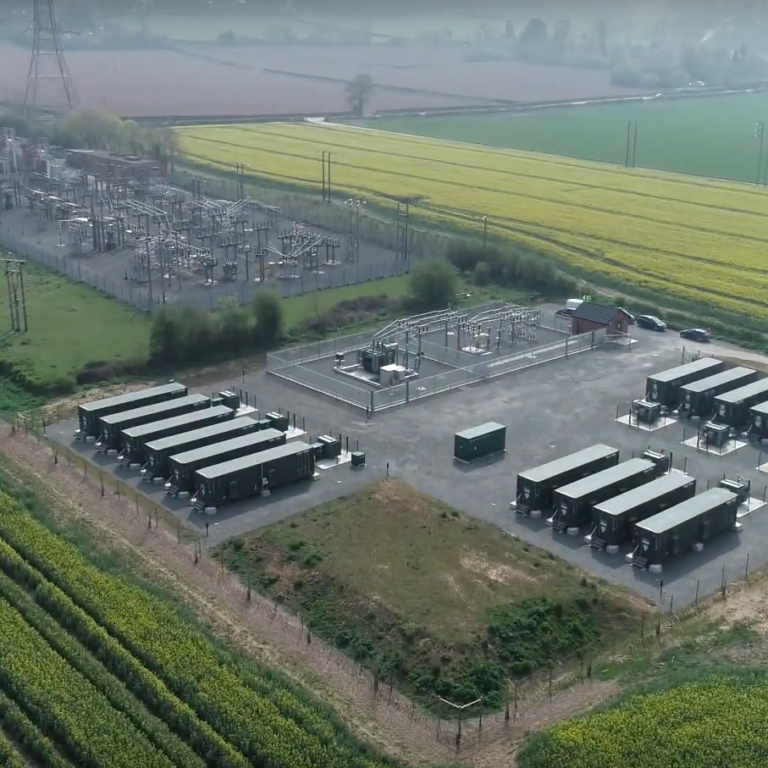
The report also highlights the growing role of electricity interconnectors and battery storage in balancing Britain’s increasingly renewable power system.
Britain can now import up to one-third of national electricity demand through cross-border power links, while battery projects are helping to absorb excess renewable generation and smooth electricity price volatility.
However, whilst interconnectors can provide a useful backup system for our own domestic generation, importing electricity can leave the grid vulnerable to price spikes and geopolitical issues.
Lee Dawes, Chief Operating Officer at Drax, said:
“Britain’s electricity system is entering a new era. Renewable generation, battery energy storage systems (BESS), and flexible technologies are all becoming critical to maintaining secure, affordable power.
“Interconnectors continue to provide the UK with flexibility and the ability to manage short-term supply risk, but it is important that we prioritise developing our own renewable generation, long duration energy storage and BESS assets, to mitigate the risks from relying on energy imports.
“As electricity demand grows from AI, transport and heating, the challenge will be ensuring the grid can expand quickly enough to support economic growth while continuing to reduce emissions and strengthen energy security.
“The progress we are seeing demonstrates the importance of investing in a diverse mix of renewable and flexible technologies that can help keep the system stable as Britain transitions away from fossil fuels.”
The report also notes that growing renewable output is already changing electricity market dynamics, with periods of surplus power increasingly leading to free or discounted electricity for consumers during weekends and other low-demand periods.
For more information and to access the full report, visit Drax Electric Insights.
ENDS
Media contacts:
Kieran Wilson
E: [email protected]
T: 07729092807
About Drax
Drax’s purpose is to enable a zero carbon, lower cost energy future. Our strategic aims are to be a global leader in both carbon removals and sustainable biomass pellet production, and to be a UK leader in dispatchable, renewable generation.
Our operations
Drax owns and operates a portfolio of flexible, low-carbon and renewable UK power assets – biomass, hydro, and pumped storage generation – which provide dispatchable power and system support services to the electricity grid.
We are the UK’s largest source of renewable power by output, and Drax Power Station is the UK’s largest single source of renewable electricity by output.
Through our pellet production facilities in North America, Drax is a leading integrated producer of sustainable biomass. Drax has 18 operational and development pellet production sites which will have a nameplate capacity of around 5.4 million tonnes once expansions are complete.
Drax supplies renewable electricity to UK industrial and commercial customers, offering a range of energy-related services including energy optimisation, as well as electric vehicle strategy and management.