






The debate about Britain’s energy future is often framed in terms of large-scale infrastructure and national policy. But some of the most immediate and meaningful progress happens much closer to home, namely on rooftops, in classrooms, and inside the buildings we use every day.
That is why energy efficiency is not a “nice to have”. It is one of the fastest, fairest and most cost‑effective ways to lower bills, cut carbon emissions and strengthen energy resilience, particularly for schools and households under financial pressure.

Our Scotland Community Manager with Head Teacher and pupils from Taynuilt Primary School
Over recent years, Drax has focused on turning that principle into action. Through the Drax Foundation, we invested over £1.2 million in programmes that improve energy efficiency and tackle fuel poverty in the communities where we operate last year. In 2025 alone, 22 schools benefited from new LED lighting and or solar installations, cutting electricity bills by an average of over 60%, while also reducing emissions and improving energy literacy among pupils. Over the same period, more than 1,000 households experiencing fuel poverty received direct financial and practical support to help keep the lights on and homes warm.
These are not abstract benefits. For schools, lower energy bills free up scarce budgets to reinvest in teaching, facilities and student support. For families facing fuel poverty, energy efficiency can be the difference between persistent crisis and long‑term stability.
This local impact matters even more in the context of the UK Government’s renewed emphasis on rooftop solar for public buildings. The recent announcement by Ed Miliband, Secretary of State for Energy Security & Net Zero, to extend solar installations to a further 100 schools and colleges recognises something we see first‑hand. Energy efficiency and on‑site renewables deliver immediate savings and long‑term resilience.
Drax’s work with schools over the past three years reflects that same logic. By pairing physical improvements such as solar panels and efficient lighting with education and data‑led energy management tools, schools are empowered not only to cut costs today, but to embed long‑term energy‑smart behaviours across their communities.
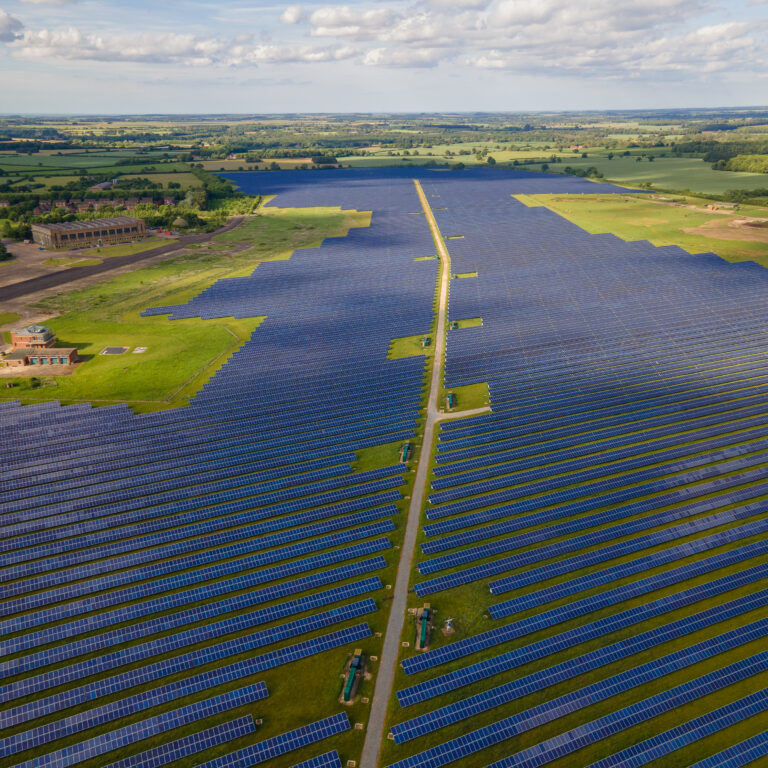
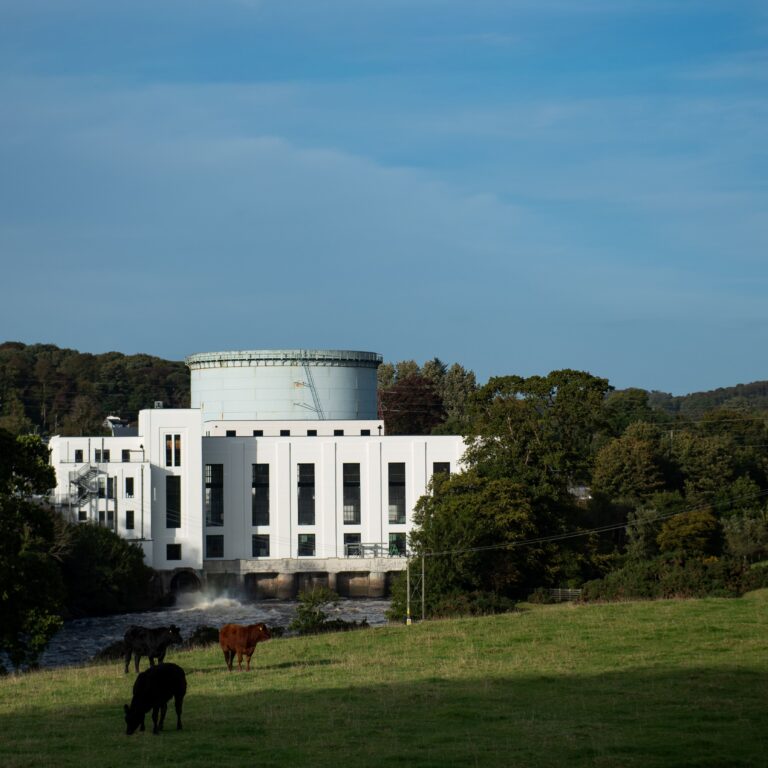
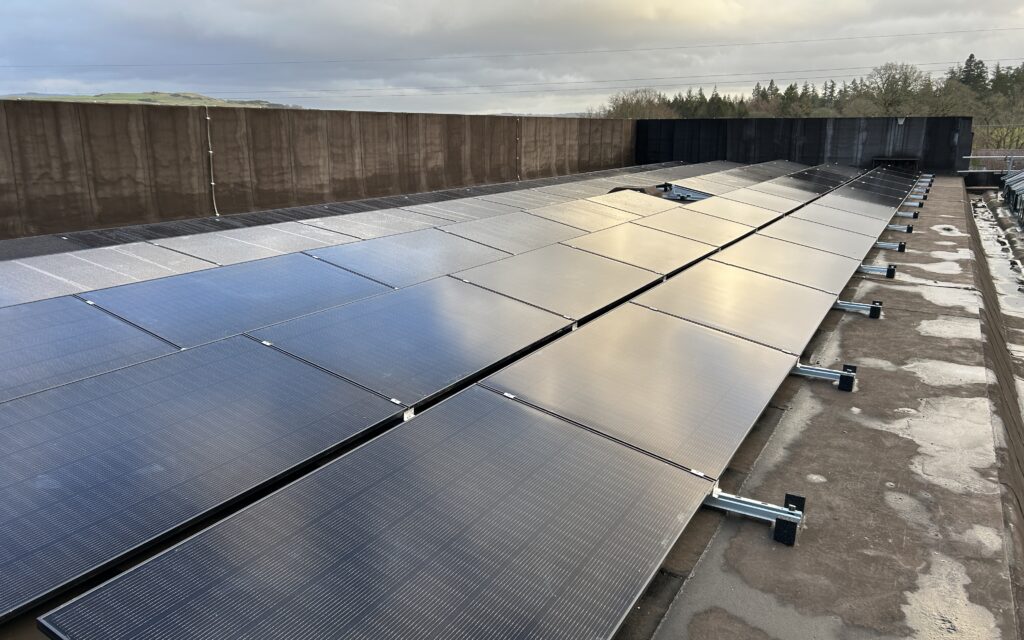
Importantly, this commitment starts at home. In February 2025, Drax Group approved an £850,000 investment to install solar panels across our Lanark and Galloway hydro sites – once complete, these installations are expected to generate around 480MWh of renewable electricity. The primary aim is to displace our demand for electricity drawn from the grid, with any additional power to be given back to the grid. The project is expected to reduce annual Scope 2 emissions across eight hydro facilities by around 500 tonnes of CO₂e and support the displacement of fossil‑based generation within the national grid.
Delivering this project has required exceptional care and collaboration, from navigating grid connection processes to sensitively installing panels on historic buildings. It highlights both the practical challenges and the long‑term value of investing in energy efficiency and on‑site renewables. Beyond the emissions savings, the project also demonstrates the strong complementarity of hydro and solar power, which generate at different times and together help strengthen system resilience.
As pressure on public finances, households and energy systems continues to grow, the lesson is clear. Some of the most impactful climate and affordability solutions are already available. Energy efficiency is fast, proven and scalable and, when combined with targeted solar investment, it delivers benefits that communities can feel almost immediately.
The transition to a lower‑carbon, lower‑cost energy system will not be achieved by a single policy or technology alone. But by focusing on practical action in schools, in communities, and in our own operations, we can make progress that is both measurable and meaningful.