





This article first appeared in Energy Voice.

The UK Government’s move to explore breaking the link between gas and electricity prices reflects a growing recognition that the current system is exposing consumers and businesses to unnecessary volatility. While reducing exposure to gas-driven pricing is an important step, it will not single-handedly remove the UK’s vulnerability to global markets if the system remains unbalanced.
Historically, the UK has prioritised generation sources that offer ample supply and low cost, such as coal and gas. While coal has been phased out, and renewables like wind, solar, and biomass play a larger role than ever, the UK has become increasingly dependent on gas generation as a source of energy security.
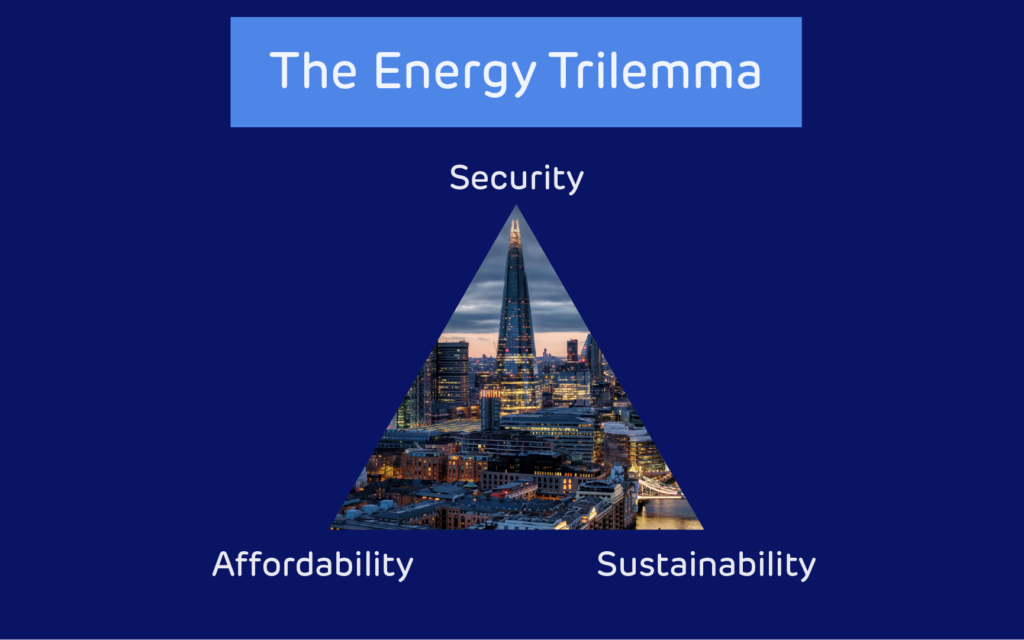
Recently, the energy debate in the UK has become unhelpfully polarised between those who believe we are either too dependent on gas or not dependent enough. While both arguments have merit, they miss the point entirely. The global energy transition has unlocked new technologies that make balancing the trilemma – affordability, security, and sustainability – possible for the first time.
There are four main ways the UK benefits from these new technologies:
- Energy security and sovereignty: A growing number of generation technologies are scaling, meaning Britain can diversify its portfolio to produce and store a greater share of its power domestically, reinforcing energy independence. This in turn helps to protect consumers from geopolitical price shocks.
- Technological innovation and modernisation: Technologies like AI are expected to transform industries from healthcare to defence, finance and energy. Those able to power this demand stand to disproportionately benefit from them as they scale.
- Economic benefits and growth: Reliable, affordable energy is increasingly critical to attracting investment across sectors such as data centres and manufacturing, and a diversified system also helps stabilise prices.
- Environmental survival and sustainability: Decarbonising the system remains essential. By shifting to a mix of low-impact generation technologies, the UK can reduce emissions while maintaining reliability.
Acknowledging the challenges
The path ahead is exciting but also filled with obstacles, some known and many not. Political and economic uncertainty remains a key barrier to a balanced energy system. Investment decisions depend on confidence that projects will deliver stable returns. Volatility in inflation, regulation and policy increases risk and slows investment.
As policymakers consider reforms to electricity pricing and market structures, clarity and predictability will be crucial. Signals that point towards more stable, contract-based approaches to generation can help unlock investment, but only if they are consistent and long-term.
In the UK, where energy prices are among the highest in the world, limited energy storage and dependence on gas means shocks to oil and gas markets can spike energy costs. For example, since the war in Ukraine first choked off gas supplies to Europe, the UK has spent an additional £90 billion on gas – approximately £2,000 per adult.
Closer to home, another influence can stall vital energy projects: community concerns. Companies should listen carefully to community leaders, communicate project benefits and stages clearly and consistently, and follow through on commitments to foster trust. Community support is essential to reach a final investment decision; if trust can’t be established in enough areas, it becomes difficult to meet future market needs.
Another barrier is increased competition. While AI offers a potential pathway to a bright future, that same promise also lures away finite investable cash from vital industries including the energy sector. At the same time, supply chain constraints are increasing costs and delaying delivery.
Compelling opportunities for the energy industry
At the same time, there are clear opportunities for our industry to build an energy system that works for our future.
The AI arms race hinges on access to power, with both the private and public sectors racing to secure supply. A growing mandate for companies to BYOP (bring your own power) provides increased autonomy for hyperscalers to choose how they provide the electricity for AI, and it offers a path forward that doesn’t require taxpayers to shoulder the financial burden. This private sector demand is already accelerating investment in new generation.
It’s also becoming increasingly clear that nations need to fortify their energy security. Access to stable power is a game-changing differentiator to attract future economic opportunity, and strong energy independence and resilience can insulate against market swings – like those from international conflicts.
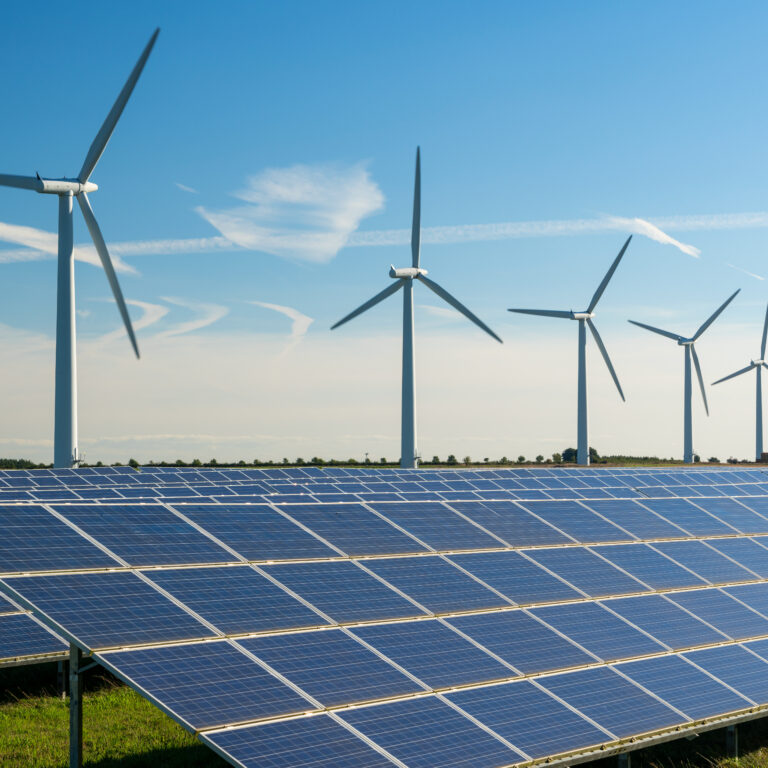
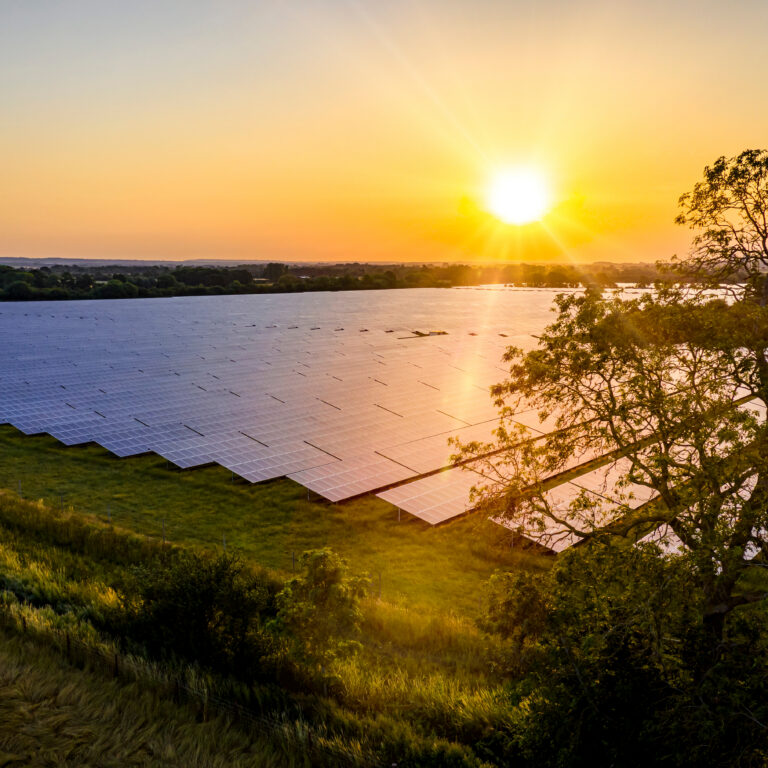
Wind, solar, hydro, sustainable biomass, and geothermal diversify national energy portfolios, supporting reliability and price stability during supply chain disruptions. They can often be produced and/or stored domestically as well, further limiting exposure.
Identifying responsible solutions
To reach the full potential of these defining opportunities, the UK needs the right mix of technologies. A more balanced system – combining different technologies that can provide both low-carbon and reliable, dispatchable power – will be essential to making this work in practice.
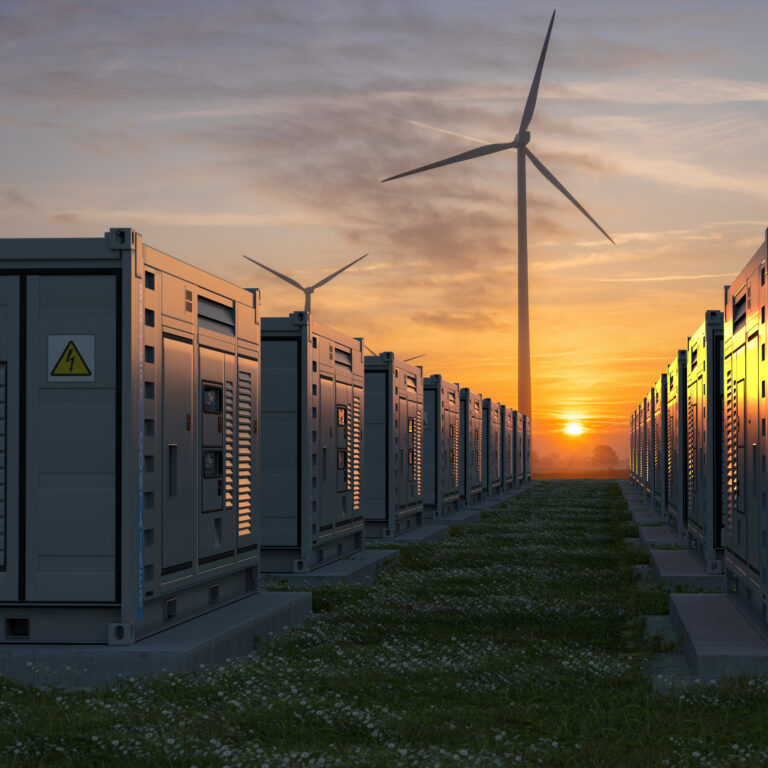
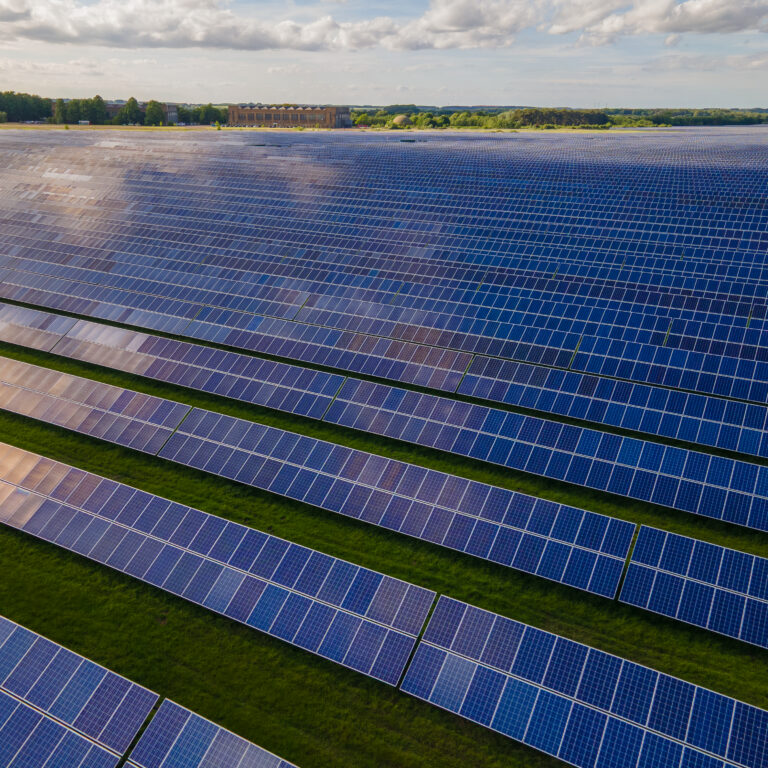
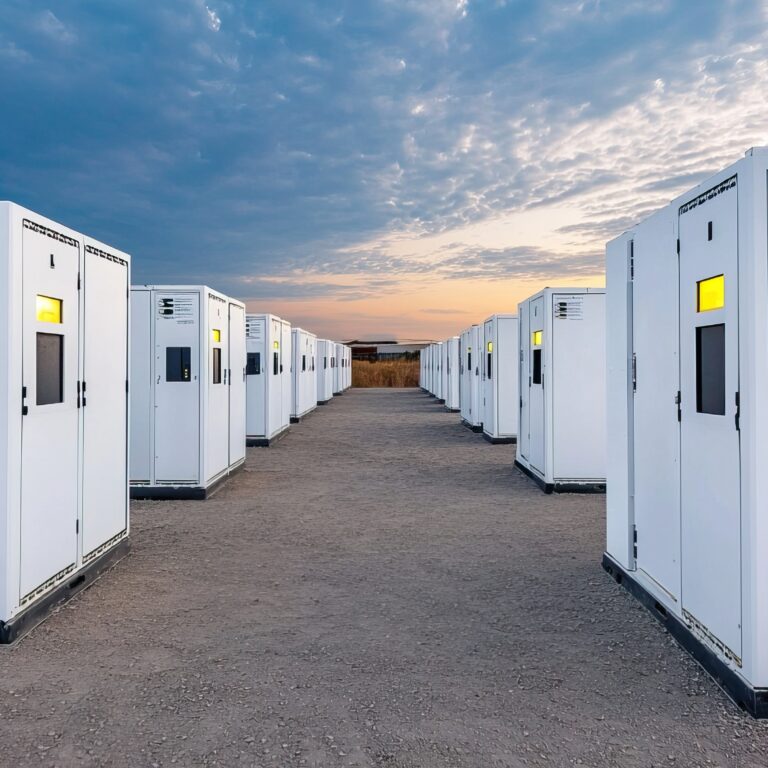
This includes weather-dependent renewables, such as wind and solar; flexible generation, such as open-cycle gas turbines (OCGTs) and biomass, to manage intermittency; and battery storage to manage peaks in demand and improve system stability.
Market reforms can support this transition, but they will only succeed if they are matched by a system that is built for resilience, not just efficiency.
As Ed Miliband set out, expanding clean, domestically produced power will be central to building a more secure energy system. It offers greater stability, control and a path to energy sovereignty.
Making this a reality will depend on how the system is designed – combining renewables with flexible and dispatchable generation to ensure reliability. The direction is clear; the challenge now is delivery.