


By Jackson Martini, Quail Forever Louisiana State Coordinator
The 2025 U.S. State of the Birds report reveals continued widespread declines in American bird populations, especially grassland birds, with 229 species requiring urgent conservation action. When done thoughtfully, forest management practices can mimic natural disturbances, maintain healthy ecosystems, and create diverse habitats that birds need to thrive.
Quail Forever works to restore habitats
This is where conservation organizations like Quail Forever tap in. In 2005, as quail numbers continued to decline nationwide, Pheasants Forever worked with and activated passionate conservationists across the country to form Quail Forever. Quail Forever is a division within Pheasants Forever that works throughout the quail ranges of North America, creating and restoring wildlife habitat. Pheasants Forever and Quail Forever’s mission is to conserve pheasants, quail, and other wildlife populations through habitat improvements, public access, education and conservation advocacy. Drax is supporting Quail Forever in their conservation efforts by funding a prescribed burn trailer.
Drax is a long-time supporter of Quail Forever in Louisiana – the partnership existed before we had a team of biologists in the state. When Drax heard we were seeking funding opportunities to purchase and equip a prescribed burn trailer to support the local Prescribed Burn Association and Quail Forever Chapter, they were quick to step in. Their support made this dream a reality and is a testament to Drax’s commitment to investing in local communities, ecosystems, and conservation.
Prescribed fire, sometimes called a “controlled burn” or “prescribed burn” is one of many tools used to meet land management objectives. Prescribed burns are an efficient method of creating and maintaining wildlife habitats. Fire removes dense underbrush, creating critical space for birds like quail, wild turkeys, and woodpeckers that thrive in open, fire-maintained woodlands and savannas. Prescribed fire mimics natural processes that many native species of plants and wildlife rely on.
Ecosystem maintenance through the natural process of fire
Fire is a natural process which maintains ecosystems. Because of human development, fire suppression, and changes in land use, non-native and invasive species gained a stronghold, and forests have become very dense. Areas of Louisiana which historically had healthy numbers of quail, turkeys, and even prairie chickens have become overgrown forests which cannot support those grassland and savannah bird species. This habitat loss and fragmentation is the primary reason we’ve been experiencing these long-term population declines. To counter this, we need to thin the forests and get fire back on the landscape. This will control invasive plant species, allow sunlight to reach the soil, and stimulate the growth of a wide diversity of plants that provide food and cover for wildlife.
Improving the health of forests
Prescribed burns also improve and maintain the health of forests. For example, prescribed burning mitigates the risk of devastating wildfire by reducing the accumulation of dead vegetation, woody debris and brush. This “fuel” can turn a lightning strike or campfire spark into a devastating wildfire.
Prescribed fire also removes unhealthy and diseased trees, as well as invasive species, which improves the overall ecological health of the stand. Removal of these weakened and non-desirable species allows for more light to hit the forest floor, encouraging native plant growth. Establishment of native fire-adapted species improves the resilience and health of the ecosystem.
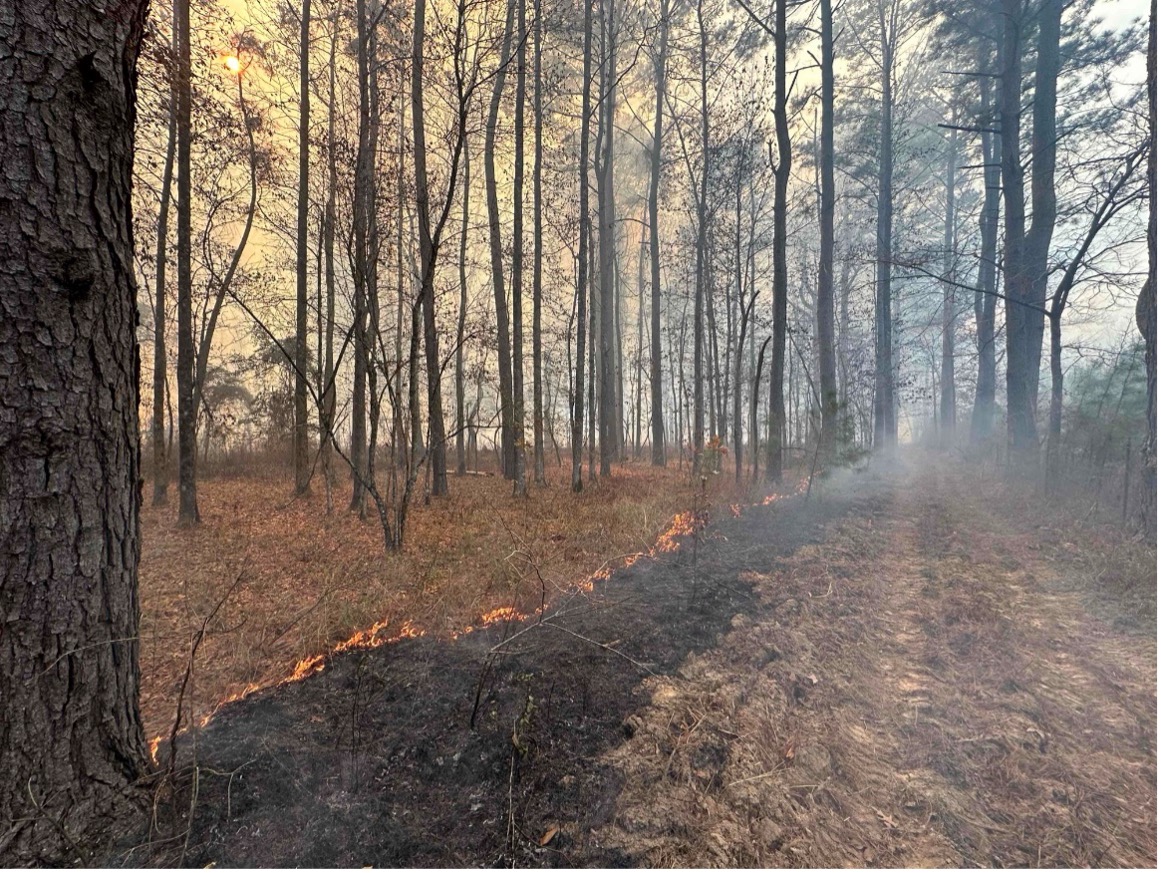
Prescribed burns can be conducted year-round depending on the management goal but generally take place from December to April in Louisiana. These understory burns are controlled so that they burn at a low intensity, targeting the lower vegetation layers. The fire should consume accumulated debris, and invasive plants, while sparing larger trees and native vegetation. This practice is planned in coordination with the local forestry agency.
The burn trailer and its equipment will be stored and maintained by the Piney Hills Prescribed Burn Association (PBA) out of Ruston and made available to Piney Hills PBA members. Quail Forever, a partner of the Piney Hills PBA, plans to help activate volunteers to support the PBA. PBA members pay annual dues and are required to complete training to earn prescribed fire credentials through LSU Ag Center. PBA members work together to manage their properties using prescribed fire in North Central Louisiana.
To learn more about Quail Forever, visit here. Or contact Jackson Martini, Quail Forever Louisiana State Coordinator at [email protected] or 814-771-3679.
To learn more about the Piney Hills Prescribed Burn Association, contact Jessie Davis at 318-278-1030.
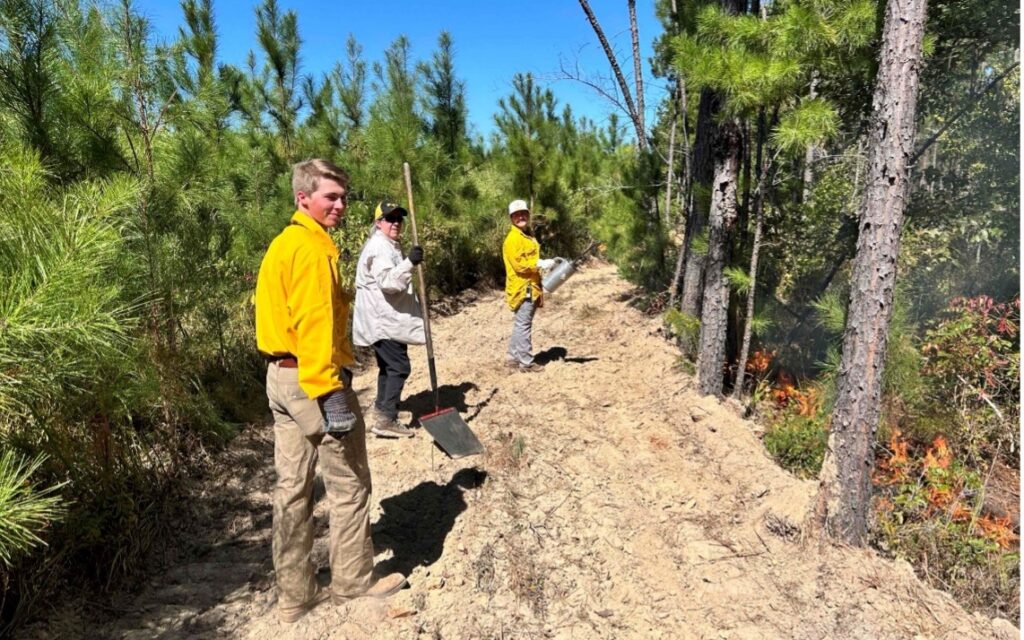
Featured image caption: PBA members lighting a controlled burn.
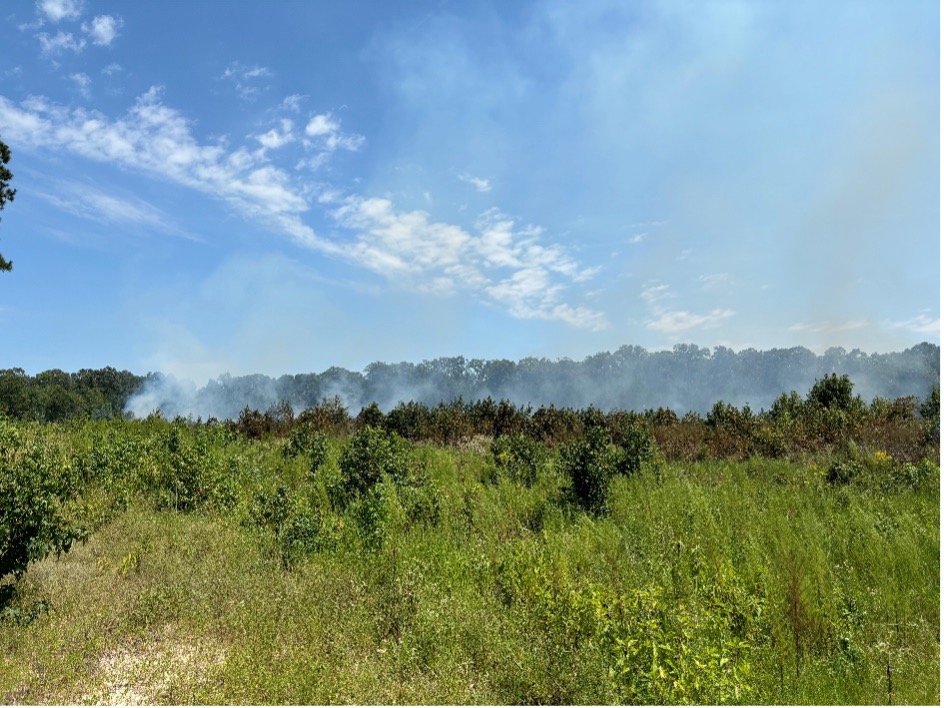
Image caption 1: A growing season burn conducted by the Piney Hills PBA in August 2024.
Image caption 2: A low intensity, controlled burn cleaning up fuel load and killing invasive woody stems.