Tag: sustainability

People strategy

Our people strategy: One Drax

Following extensive consultation with employees, we developed our people strategy to 2020 – One Drax. It has been designed to address the key issues that were raised by employees in our 2016 employee survey, such as the need for clearer learning and development programmes and more effective internal communications. The strategy focuses on valuing our people, driving business performance and developing talent to deliver our strategic and operational objectives.

We launched the five aspects of the strategy: my career, my performance, our behaviours, our reward, my recognition. In 2018, we will focus on all of these aspects and, in particular, our reward, my recognition and my career.

Behavioural framework

We have developed a number of HR programmes in line with our people strategy. The foundation of this is a new behavioural framework that identifies positive behaviours reflecting our Company values: honest, energised, achieving, together. The behaviours are integrated into all areas of our people management processes at Drax Group. The HR team consulted with one in five employees across the business, including senior leaders and union representatives, to develop the framework.

In 2018 we will further embed the behavioural framework and our Company values into our culture by developing an online tool for employees to evaluate how they demonstrate the behaviours.

Developing our people / apprenticeships

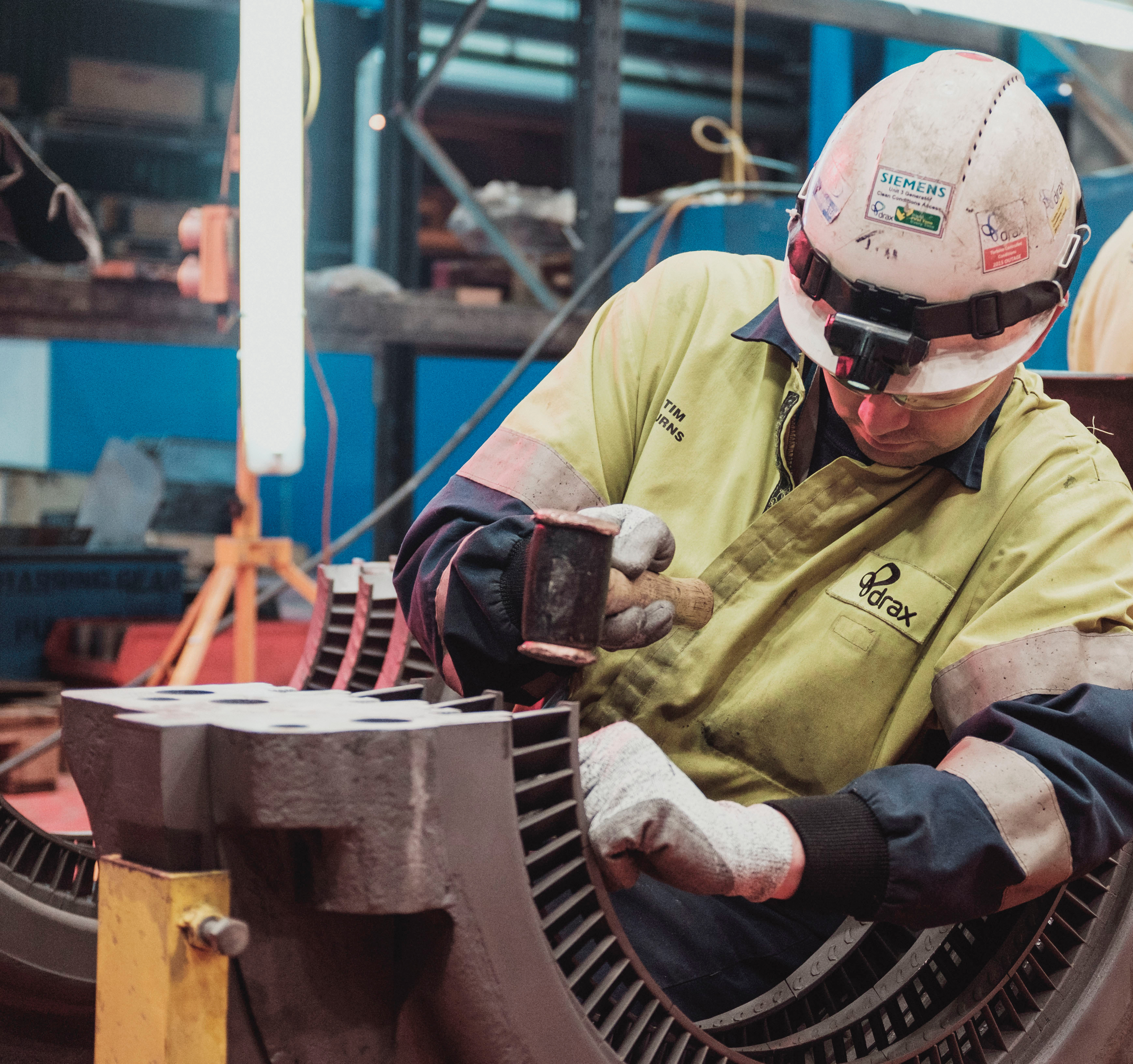
At Drax Power, we have a proud history of apprenticeships, with the majority remaining to work at Drax and progressing through the Company.


Mick Moore joined Drax on 7 September 1976 as a craft apprentice.

On completion of his apprenticeship, Mick continued to further his education and completed an HNC in Electrical & Electronic Engineering. After a 10-year break he resumed his further education, graduating from Humberside & Lincolnshire University with a degree in Electronics & Control Engineering, achieving Chartered Engineering status with the Institute of Electrical Engineers in 1999.

Having worked at Drax for 41 years, Mick’s career has included roles such as Instrument Mechanic, various engineering grades from Assistant Engineer to Process Control Engineer & Maintenance Section Head. Mick is now the Electrical, Control & Instrumentation Engineering Section Head for Drax Power and is currently responsible for a team of 51 people.


Listening to local communities

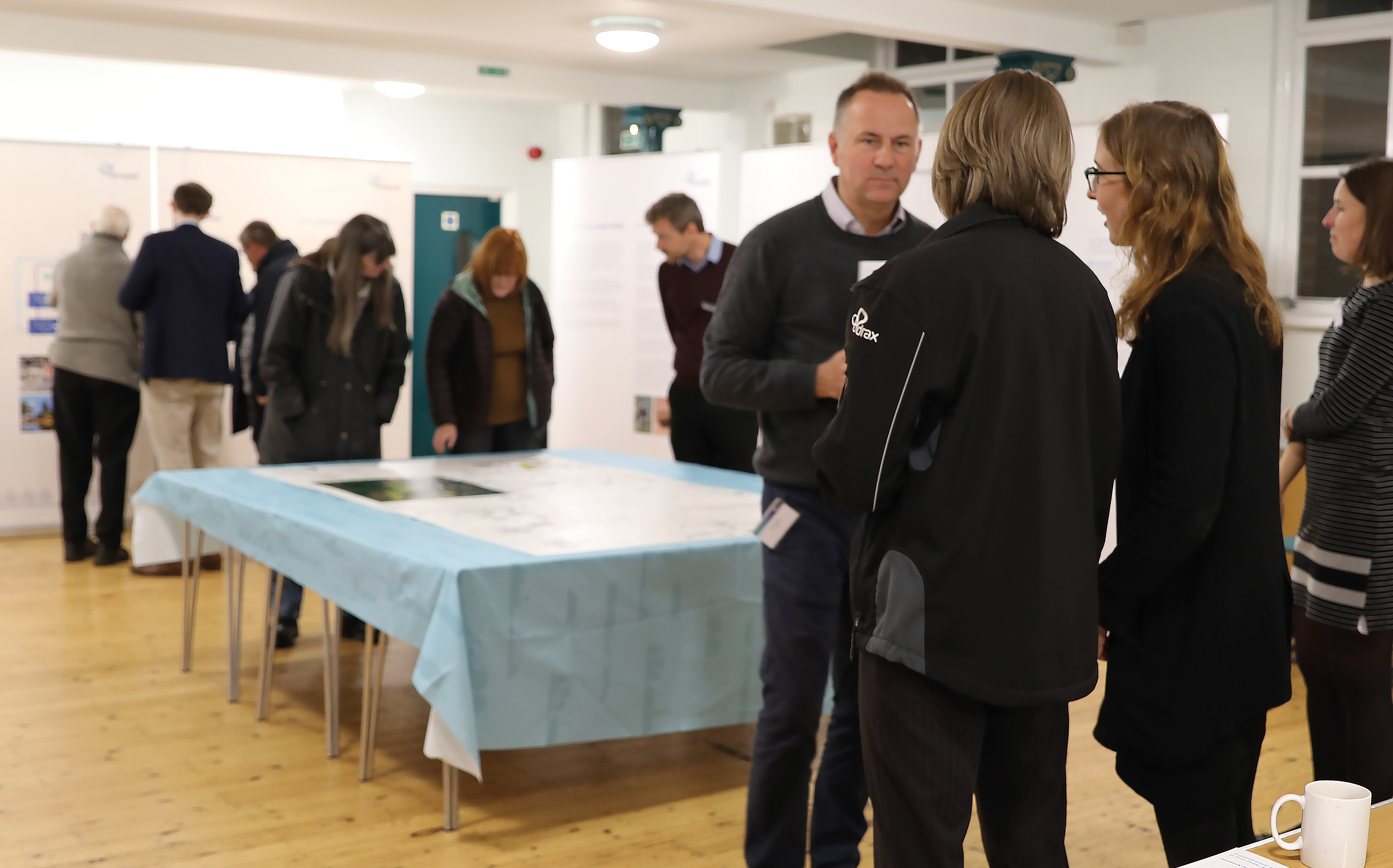
Over the course of the year, we held many meetings and outreach events with the communities living in proximity to our gas-fired power station projects, including:

  • Millbrook Power, Bedfordshire: 160 people attended public exhibitions hosted by Drax in the villages neighbouring the project: Marston Moretaine, Stewartby, Ampthill and Lidlington. We also held a series of briefings with local elected representatives and interest groups. The feedback we received helped to inform the application we subsequently submitted to the Planning Inspectorate.
  • Progress Power, Suffolk: We held two roundtables with local landowners and politicians in Eye Community Centre in July and October to introduce Drax Group and better understand the community’s perception of the project. Further roundtables will take place in 2018 to involve local people in the design of the power station and sub-station.
  • Repower project, Drax Power Station: 120 people attended informal consultation events in Selby Town Hall, Drax Sports and Social Club and Junction in Goole. The sessions provided an opportunity for the Drax project team to discuss our plans with the community and identify the key issues of interest to them, ahead of the formal statutory stage of public consultation taking place in Q1 2018.
  • Rapid-response gas plants in Wales: We worked with Rhondda Cynon Taf Country Borough Council to discharge our planning obligations in relation to the Hirwaun Power project. We also started meeting with local stakeholders ahead of our statutory consultation on the Abergelli Power project in 2018.

The Sustainable Biomass Program

In 2013, Drax co-founded the SBP together with six other energy companies.

SBP builds upon existing forest certification programmes, such as the Sustainable Forest Initiative (SFI), Forest Stewardship Council (FSC) and the Programme for the Endorsement of Forest Certification (PEFC). These evidence sustainable forest management practices but do not yet encompass regulatory requirements for reporting greenhouse gas (GHG) emissions. This is a critical gap for biomass generators, who are obligated to report GHG emissions to European regulators.

There is also limited uptake of forest-level certification schemes in some key forest source areas. SBP is working to address these challenges.

SBP certification provides assurance that woody biomass is supplied from legal and sustainable sources and that all regulatory requirements for the users of biomass for energy production are met. The tool is a unique certification scheme designed for woody biomass, mostly in the form of wood pellets and wood chips, used in industrial, large-scale energy production.

SBP certification is achieved via a rigorous assessment of wood pellet and wood chip producers and biomass traders, carried out by independent, third party certification bodies and scrutinised by an independent technical committee.

Working with our suppliers

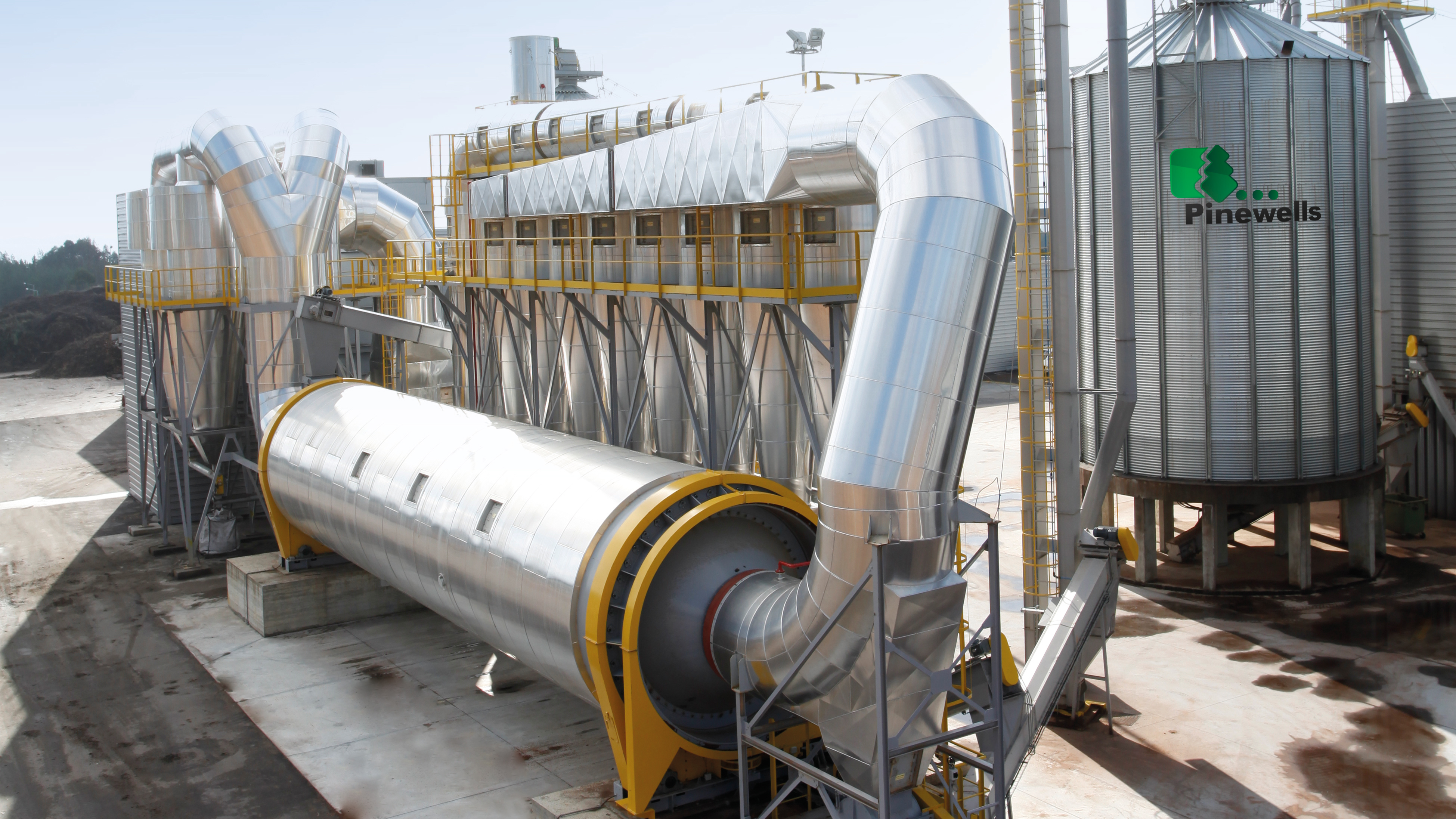
Pinewells, Lda. is part of Grupo Visabeira with global interests in the telecommunications, construction, manufacturing, technology, real estate and energy sectors. Constructed in 2009, the biomass plant in Portugal is one of the strategic investments of the group in the renewable energy sector. The plant has an annual biomass production of 150,000 tonnes, supplying both the international industrial and the internal domestic biomass markets.

Drax worked closely with Pinewells in 2017 to ensure the feedstock used for production is both harvested lawfully and sustainable by meeting the requirements of the Drax supplier data return and third-party audit. Working with the forest and quality engineers at Pinewells, we have supported the company to develop and implement their monitoring and inspection system within their own supply base.

Key features of this system include desk-based research to determine the characterisation of harvesting areas and field audits to approve the felling areas, highlight the Good Forest Practice Guide and deliver focused training. This work has provided a valuable foundation for Pinewells to implement the Sustainable Biomass Program (SBP) within their supply chain.

“Working with Drax this year has provided us guidance and understanding towards the requirements of SBP certification. The encouragement and advice from the Drax sustainability team proved both valuable and practical.”

— Alexandra Pedro, Pinewells’ Overseas Sales Director

The Bettercoal initiative

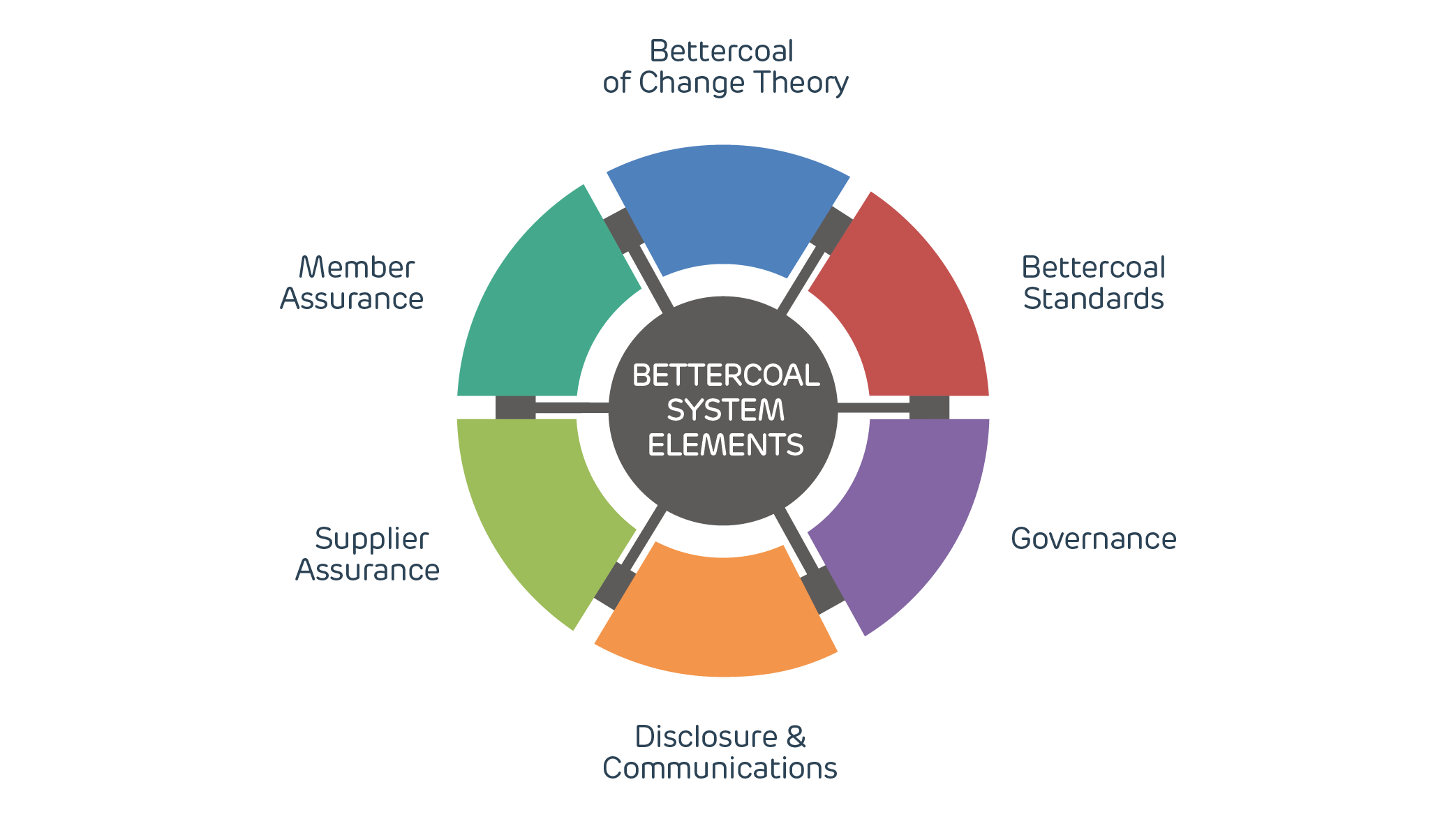
Bettercoal is a global, not-for-profit initiative that has been established by a group of major European utilities to promote the continuous improvement of corporate responsibility in the coal supply chain, with a specific focus on the mines themselves. Through membership of the Bettercoal initiative, Drax aims to ensure that the coal industry respects people’s rights and makes a positive contribution to the social and economic livelihoods of workers, producers and communities.

The Bettercoal Code sets out 10 social, environmental and ethical principles. It is not a certification body, but outlines a process for assessing coal suppliers’ performance against the ten principles. Suppliers complete self-assessment questionnaires and approved assessors conduct Bettercoal Assessments. Continuous improvement plans are developed jointly with the supplier and summary results are shared with Bettercoal members.

All Bettercoal-engaged mines sign a letter of commitment at the outset, which outlines their responsibilities. If a mine then falls short of these expectations, such as by not following up on the continuous improvement plan put in place by their auditors, then they would lose their status as a ‘Bettercoal-engaged mine’.

Drax ended its membership of Bettercoal in June 2020.

Restoring Brickmakers’ Wood

The Eden-Rose Coppice Trust is a woodland network that transforms urban environmental disasters into beautiful, natural high-biodiversity woodland settings for people living with a terminal illness. Haven Power has been supporting the Trust’s ambitious Brickmakers’ Wood project in Ipswich since April 2016.

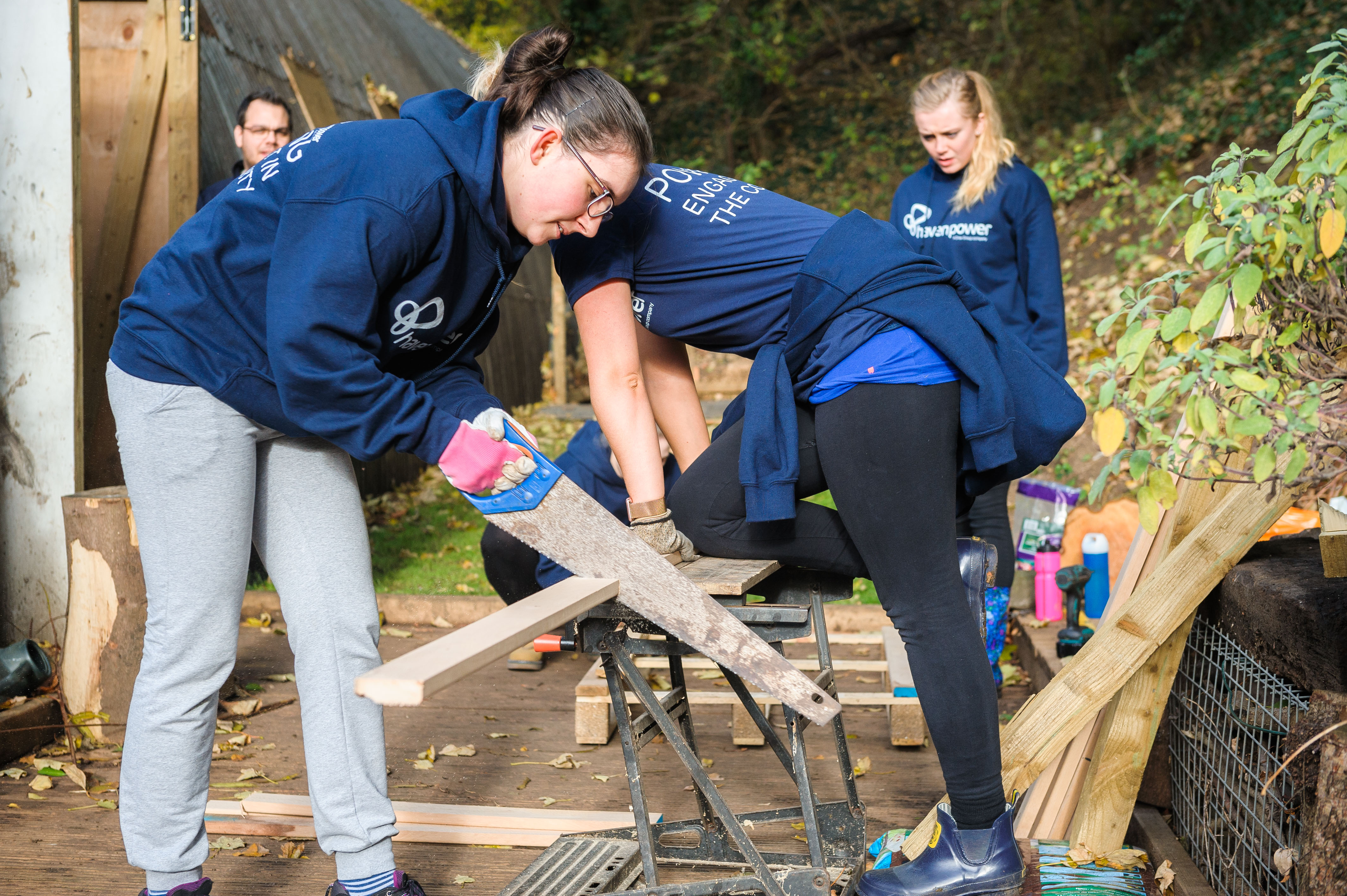
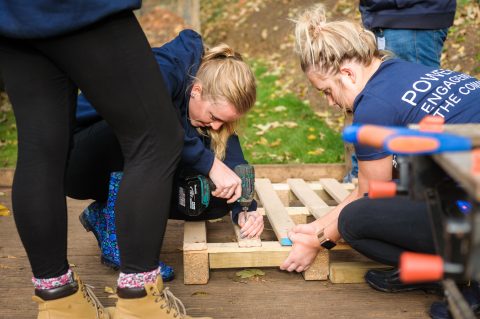
Brickmakers’ Wood is a three-and-a-half-acre site that is being transformed into a peaceful space for cancer patients, disadvantaged children and people with mental or physical health problems and learning difficulties. Throughout 2017, up to 12 Haven Power employees spent time volunteering at the project each month. Volunteers contributed to the restoration of the site and relished getting their hands dirty; clearing rubbish and dense overgrowth, building new structures, creating an allotment and planting wild flowers.

Without Haven Power’s contribution, the charity founders would have had to undertake most of the work at Brickmakers’ Wood themselves. In their words: “The continual volunteering has transformed the project, so we are now two to three years ahead of where we would have been otherwise.”

The site is being transformed into a town centre oasis and has already been put to good use. The charity has run skills workshops for 12-16 year olds who have been excluded from school, encouraging them to learn about woodcraft and how to run a business.

Giving up coal

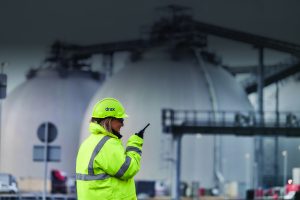
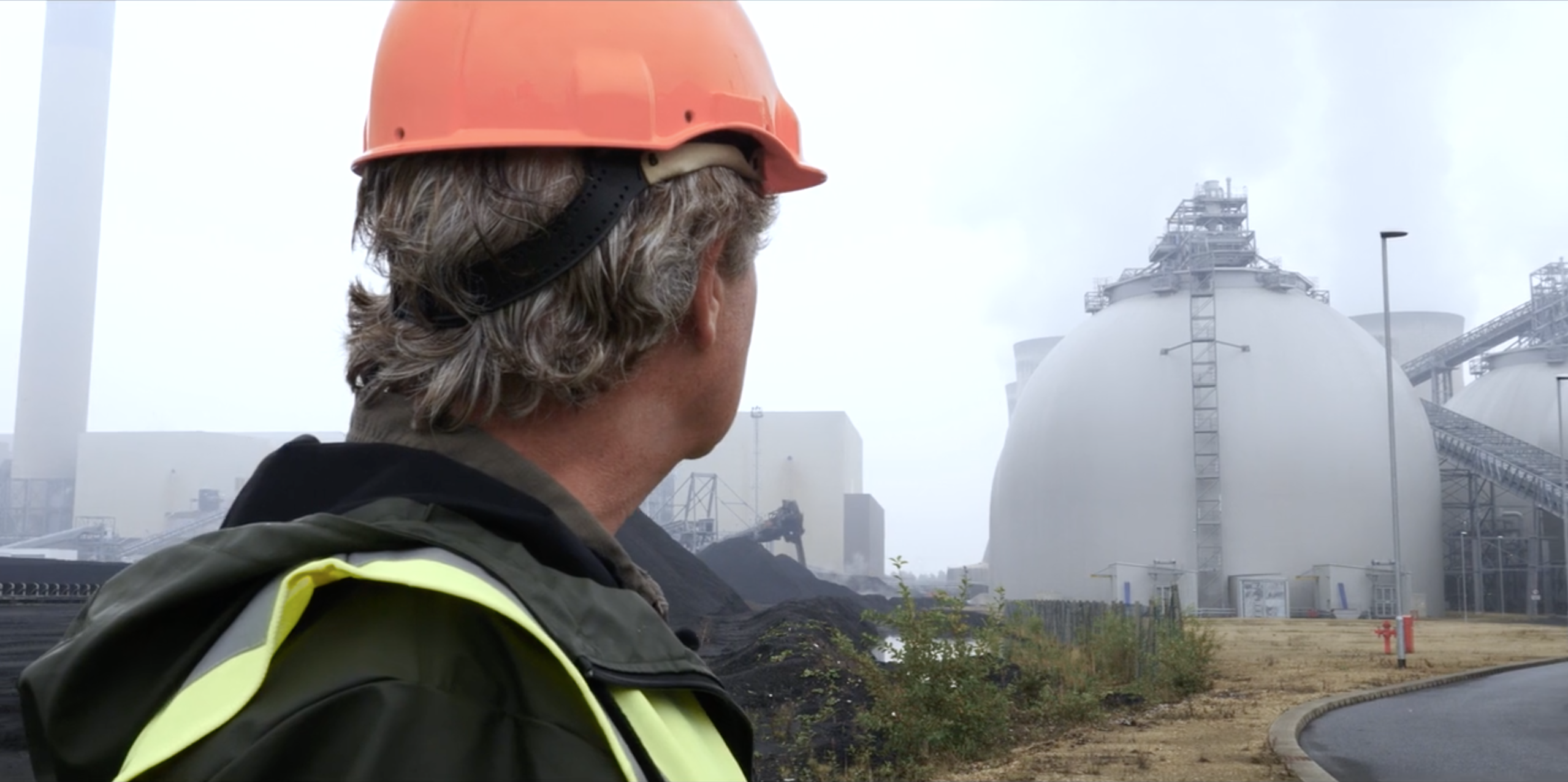
Tony Juniper at Drax Power Station between coal stock and biomass wood pellet storage domes

Tony Juniper* is an environmental campaigner, author and director at Robertsbridge, a consultancy helping advise Drax on its sustainability programmes

Back in 2006 while working as Director at Friends of the Earth I approved a new report to be published in support of our then campaign for a new Climate Change Act. We wanted to show UK government ministers how it would indeed be possible to make cuts in emissions so that by 2050 the UK could progressively have reduced greenhouse gas pollution by 80 per cent compared with emissions in 1990. It was a radical and demanding agenda that we’d adopted and it was important to show the practical steps that could be made in achieving it.

The analysis we presented was based on an electricity sector model that we had developed. Different data and assumptions could be inputted and using this we set out six possible lower carbon futures.

In our best case scenario we foresaw how it would be feasible to slash emissions by about 70 per cent by 2030.

This was based on an ambitious energy efficiency programme and a shift away from fossil energy and toward renewables, including wind and solar power. In that renewables mix was also an important role for biomass to replace coal in the country’s largest power station – Drax.

This was not only crucial for backing up intermittent renewable sources but also a key piece in a future electricity sector that we believed should avoid the construction of new nuclear power stations. In November 2008 our campaign succeeded and the UK was the first country in the world to adopt a new national law for the science-based reduction of greenhouse gas emissions. Since then I’ve been working as an independent sustainability advisor, including with the advisory group Robertsbridge, of which I was a co-founder.

My work has included assisting various companies in meeting the targets set out in that new law. For example, I was the Chair of the industry campaign Action for Renewables which sought government and public support for the large-scale expansion of wind, tidal and wave power.

Different campaigners tried to stop the expansion of these renewable sources of electricity, however, and succeeded in derailing support for on-shore wind power developments.

Although in its infancy, concerns were also raised about proposals for different kinds of tidal power.

In the years after the Climate Change Act I was encouraged to see that Drax began to switch over to wood pellets to generate power but concerned to see that this too had come under attack. The broadly agreed view that sustainable biomass could have a role in the phase out of coal had gone, and in its place were claims  that it was actually worse than burning coal. It was against this backdrop of changed perspectives that myself and Robertsbridge colleagues were pleased to be invited to help Drax in devising a new sustainability plan.

Early on in our conversations with Drax it became clear that part of the challenge with biomass — deciding the extent to which it is a rational choice to help with the process of decarbonisation, is how the answer to that touches so many different issues.

For example, when it comes to the exit from coal, cleaner alternatives must be brought forward to replace it, including wind and solar power.

But although these sources of renewable energy are growing rapidly, they still come with their own challenges, especially because wind can’t generate on still days and solar ceases at night. This intermittency raises issues about what the best electricity storage or complementary clean power sources might be to back them up when needed.

There are important questions about the best sources of biomass and the extent to which long-distance transport of that fuel is desirable. On top of that are issues linked with the management of the forests from which the raw material is sourced, and whether the extraction of wood to generate power can be compatible with carbon neutrality. There is the matter of nature conservation and the extent to which wood fuel demand will affect the status of species and habitats of conservation concern. For example, to what extent might the wood pellet industry be driving the conversion of semi-natural woodlands to plantations?

All of this is bound up with the economic and social conditions prevailing in the landscapes from which the wood is derived and the extent to which those buying wood fuel can pursue positive outcomes for the environment, even when carbon and wildlife are at best of marginal concern to the local forest owners growing the wood.

Then there is the extent to which economic incentives might be linked with the carbon stocks held in the forest. For example, strong demand for wood is held to be the main reason why since the 1950s the volume of carbon stored in standing timber in the forests of the US South has increased by over 100%.

Demand for wood might seem counter-intuitive as a positive factor in maintaining tree cover, but in the US South it has been a big part of the picture.

On top of all this is the question of what would happen if there were no demand for wood fuel. In landscapes that have seen volatility in demand arising from the decline in newsprint in favour of digital devices and the slowdown in US house building following the 2008 financial crisis, this is not easy to answer.

Although seeking answers is a complex task, our advice to Drax was that it should work with its many stakeholders in finding the best possible fit between its business planning and these and other questions.

One way of doing that would be to set out the different issues in an accessible manner and hence the production of the film that can be seen here.

It’s called ‘The biomass sustainability story And while most of us can agree with the basic idea that we have to stop burning coal, it seems the big questions are about what might be the best ways to do it? Might biomass have a role? I believe it does.

Have a look at the film and see what you think, especially if you feel as though you’ve already made up your mind.

Back to nature

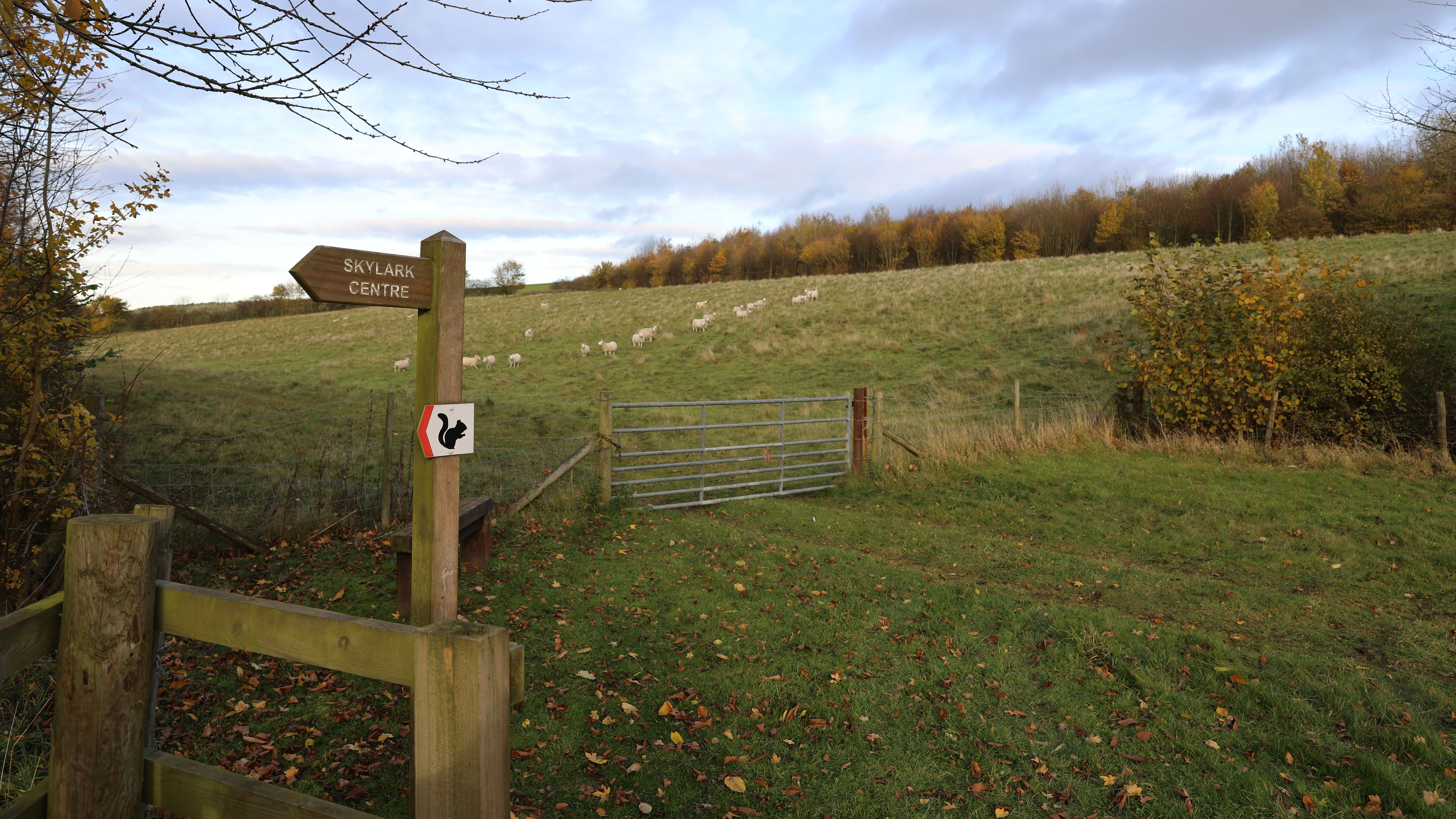
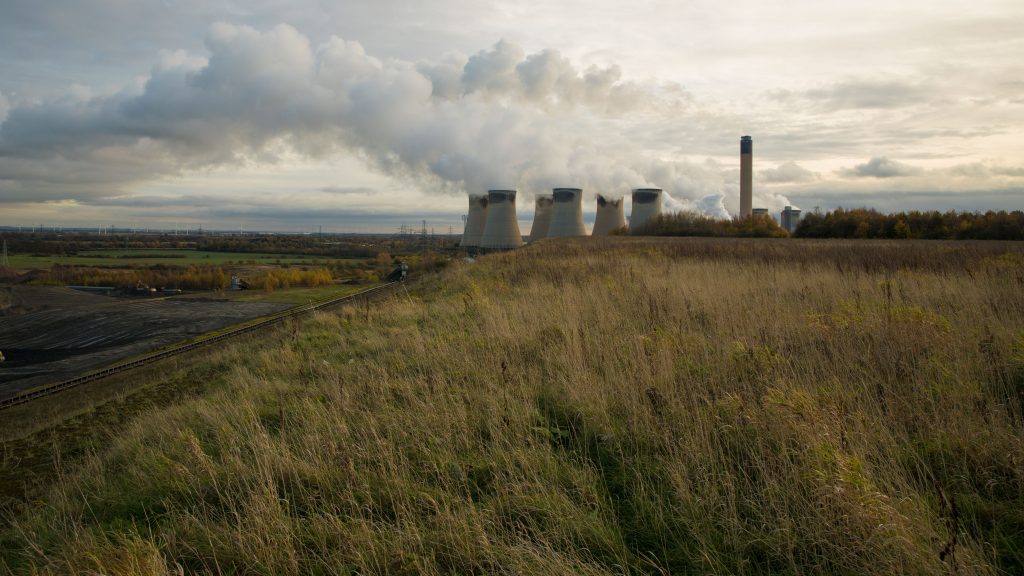
Take a walk up the banks of Barlow Mound this weekend and you could encounter sheep, roe deer, rabbits, falcons, bats and impressive views of North Yorkshire as well as a host of other fauna and flora. What you might not realise is the hill you’re standing on is entirely man-made and is largely made of ash.

That this might be a surprise to visitors is testament to the success of Barlow Mound, a project which was conceived in the 1970s as a disposal solution for the left-over power station product of ash, that has gone on to provide a thriving natural habitat to be enjoyed by wildlife and local residents alike.

Whilst Barlow Mound has a fascinating recent history, it is by no means a thing of the past. Today it’s a unique environment that is continually managed by a passionate team and offers plenty for visitors to see.

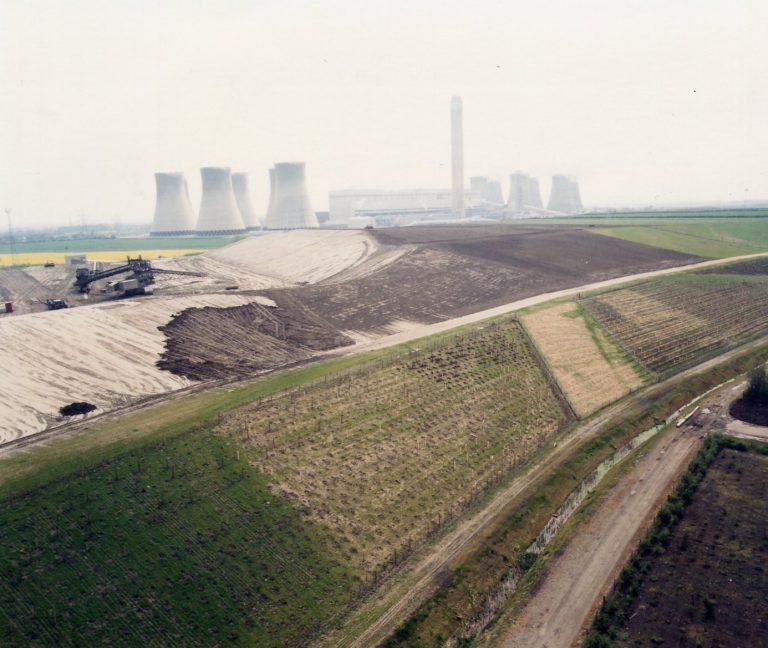
The mound under construction

A mound out of a molehill

When Drax Power Station was first opened in 1974 it was the largest coal power station in Western Europe burning around 250,000 tonnes of coal a week. Burning that much coal resulted in a lot of pulverised fuel ash left over as a by-product. Today much of the ash by-product from burning biomass and coal at Drax is sold to the building industry, but before the market for this product emerged, building a mound was the thing to do.

“The Aberfan disaster happened at around the same time as construction began at Drax, so there was a lot of persuading people that it was the right thing to do,” FGD and By-Products Section Head Andrew Christian says. “So it’s an engineered mound to make sure it won’t ever move. There was a lot of engineering that went into it, and the Central Electricity Generating Board (which then ran Drax) were brilliant at engineering.”

As part of the planning permission for building the mound, Drax proposed to turn the mound into a natural habitat supporting trees and a variety of wildlife. Today the mound is continually managed by a passionate Drax team as well as contracted ecologists and tenant farmers to ensure the nature reserve is an environment that supports all those who call it home.

“All of a sudden I’ve got a farmer explaining sheep digestion systems to me and that’s obviously not my area of expertise!” Christian says. “For the ecologists it’s a bit of a dream because not that many people go on there, so there’s not many landmasses like that that have got wildflower meadows, grassland, trees, wet areas, where there aren’t human inhabitants, so things are left to naturally evolve.”

The team of ecologists provide regular advice to Drax, and that advice leads to installations such as the reptile hibernacula which provides a suitable home for grass snakes – “dig a hole, fill it full of rocks and logs, put the grass on top, they love it,” Christian says. Another reason the ecological advice is important is due to the self-contained nature of the habitat – a fence around the entire site means species numbers must be closely monitored.

What you can see at the nature reserve

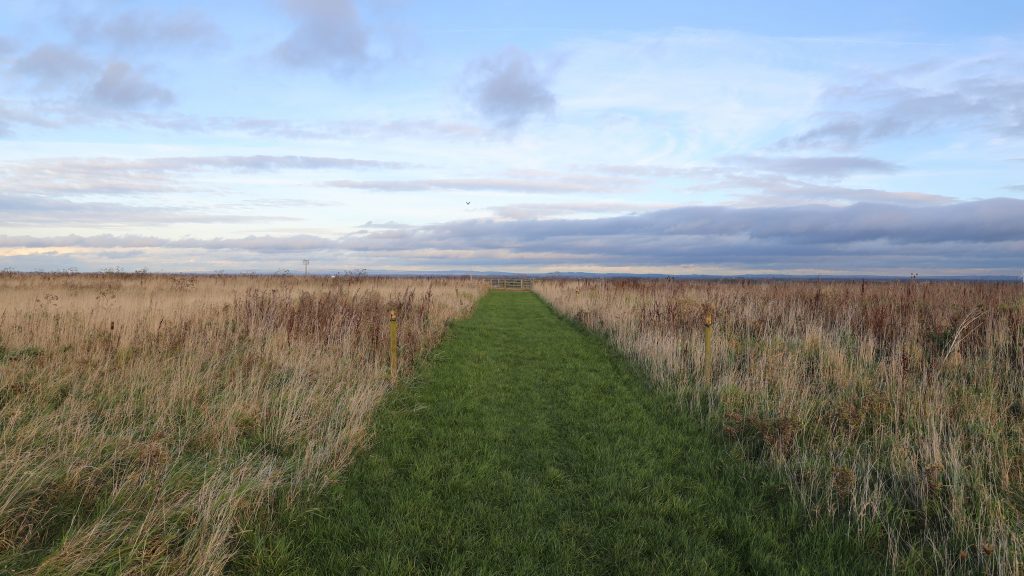
There are four marked walks for visitors to enjoy that wind through the changing landscapes of the nature reserve, from Fenton’s Pond and its wildlife to the mound-top viewing platform offering panoramic views of Yorkshire, Lincolnshire and Humberside. Drax have recently improved facilities for walkers by installing new signage, a bird hide, and better identification of the walks. The nature reserve is also home to the Yorkshire Wildlife and Swan Rescue Centre which rehabilitates up to 2,000 birds a year.

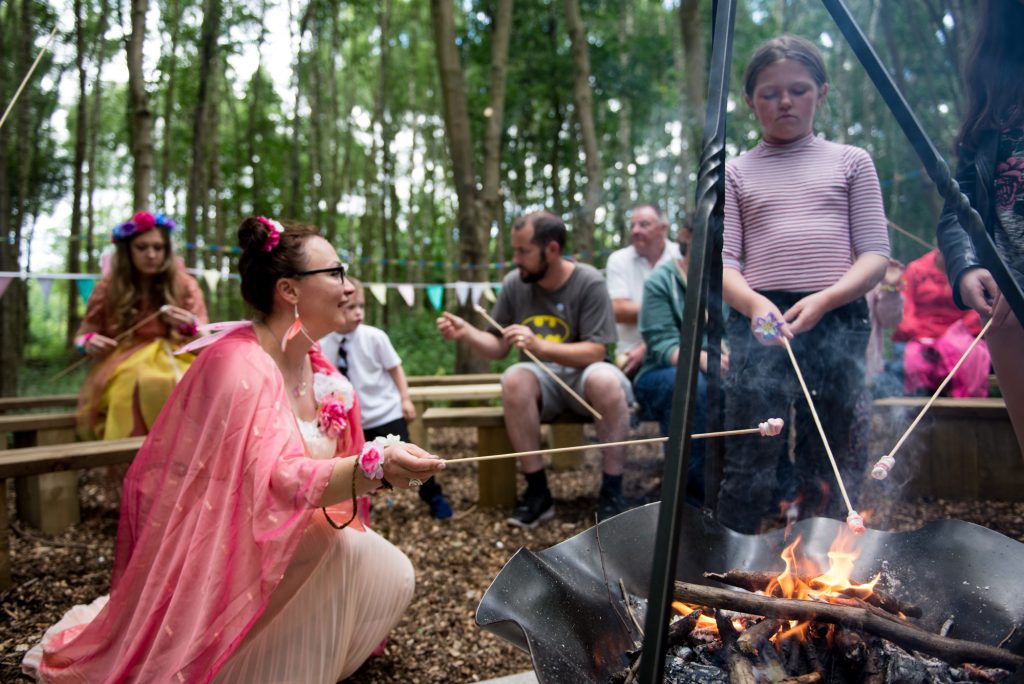
Another new addition is the new outdoor classroom next to the Skylark Centre. The classroom is now regularly used by Outdoor Ted, an outdoor learning programme for primary schools in Yorkshire designed and delivered by education specialist Stacey Howard. Children can enjoy the nature reserve and can take part in activities such as archery, shelter building and making campfires.

Photo: Steve Parker

Photo: Steve Parker

And in December 2017 the Skylark Centre is hosting two special Christmas Wonderland events for the public. This year’s events will see the Centre transformed into an elves workshop featuring Christmas traditions from around the world, face painting, Christmas quizzes, arts & crafts and marshmellow roasting around the outdoor fire pit. You can see more information on the Christmas Wonderland events here – everyone is welcome and entry is free with charitable donations welcomed.

A view to the future

It’s part of the original planning condition of Barlow Mound to maintain the habitat and natural resource. But the maintenance of the nature reserve is also about social responsibility. As Christian says, “If you live in Barlow village, when you come in and walk around it, it’s a fantastic place and it’s free.”

The Skylark Centre and Nature Reserve are temporarily closed. The closure is to reduce the risk to business-critical areas of our operation. We are planning to re-open in 2021, but we cannot guarantee this at the present time. Please check our website for the latest information.

5 more things you never knew about forests

Forests have long been places of mystery for people. It’s within a dark wood that Virgil and then Dante locate the gates to the underworld, while Shakespeare’s magical Midsummer Night’s Dream plays out in a mystical forest near Athens.

And while fairies and portals may be the stuff of fantasy, the forests that inspired them remain a source of mystery to this day.

Here are five more things you might not know about forests.
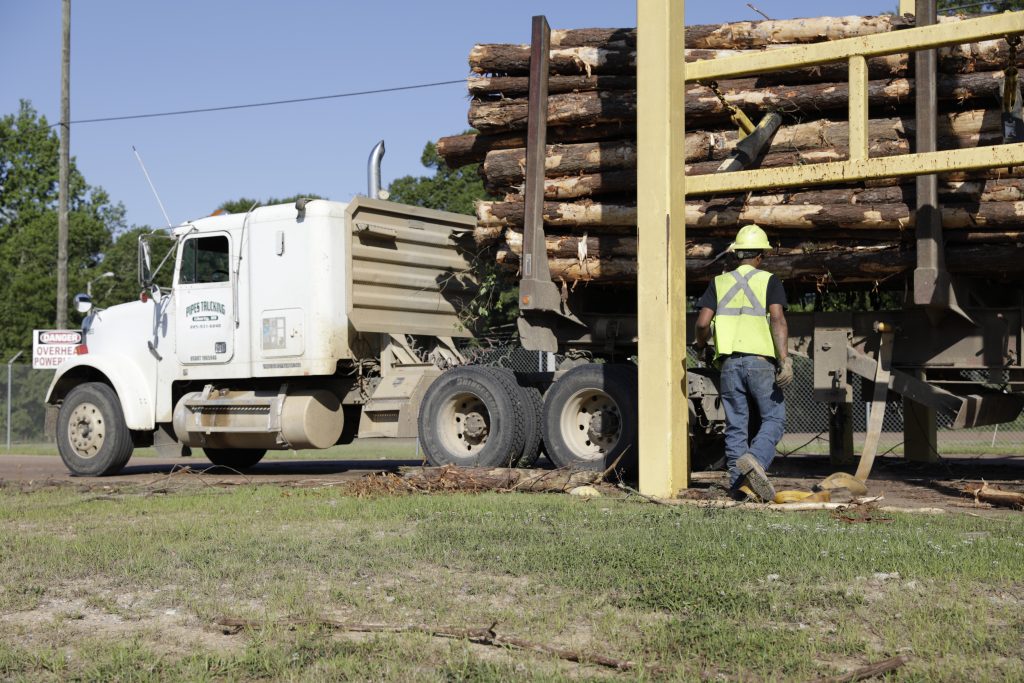
The forest sector employs more than 50 million people around the world

Employment is one of the major driving forces of global urbanisation as waves of people in both developed and less developed countries head to cities in search of better wages and living standards. But outside of cities, industries still thrive – particularly forestry, which officially employs 13.2 million people around the world.

The World Bank even suggests that by counting people in informal forestry employment and those who earn a living indirectly through forests, timber or fuel, the number of people professionally involved in forestry is closer to 54 million worldwide.

Forestry’s total contribution to global GDP is also sizeable. It currently adds an impressive $120 billion directly – a number expected to grow by as much as 50% over the next 10 to 15 years. Even more impressive is the contribution of the wider timber and wood product sector, which generates as much as $600 billion – 1% of global GDP, according to the World Bank.

We will soon be able weigh the world’s forests

 We know forests blanket about 30% of the land on earth, but what about calculating the mass and volume of all those trees? That’s a different task entirely, but one which could offer important insights for sustainable forestry.

In 2021 the European Space Agency (ESA) will launch Earth Explorer Biomass, the first satellite to carry a P-band radar, which is capable of penetrating the forest canopies and capturing data on the density of tree trunks and branches. Essentially, it will be able to weigh the world’s forests.

Over the course of its five-year mission, it will produce 3D maps every six months, giving scientists data on forest density across eight growth cycles. The result will be a much clearer image of the amount of biomass present around the earth’s different forested areas and how it is changing over time as a result of carbon dioxide (CO2) absorption.

Forests are an energy source that clean up after themselves

For all the IKEA furniture made from wood, 50% of the world’s total wood production is still used for energy with some 2.4 billion people globally using it for heating, cooking and electricity generation.

The world’s forests have an energy content about 10 times that of the annual primary energy consumption, making it a hugely useful resource in helping meet energy demand – if it is managed and used in a sustainable way.

As with other energy sources that are combusted, wood releases CO2, . However, if this fuel is drawn from a responsibly managed forest or a sustainable system of growing forests, its carbon emissions are offset by new tree plantings, which absorb carbon as they grow. This means the only emissions produced are those that come from transporting the wood itself.

The US Food and Agriculture Organization predicts that by 2030, forestry mitigation – with the help of carbon pricing – could contribute to CO2 reductions of 0.2 to 13.8 gigatonnes a year. 
 

Forests improve drinking water

Forests provide what’s known as natural infrastructure, which not only regulate water levels but also improve the quality of drinking water. Root systems and organic material like the leaves and twigs that make up the forest floor absorb water, reducing runoff and erosion. They also play a part in absorbing nutrients that are harmful to water quality.

The forest canopy further helps this process by releasing water vapour, helping regulate rainfall and providing protection against aerial drifts of pesticides, which can filter back into water systems.

Forests can suck up a third of CO2 emissions

While governments around the world look to shift to cleaner, renewable energy sources and cut emissions, forests have been silently tackling climate change for centuries. Over the past few decades, the world’s forests have absorbed as much as 30% of annual global human generated CO2 emissions. In fact, their ability to deal with fossil fuel-derived carbon emissions is even written into the Paris Climate Agreement.

While natural forests can contribute massively to sequestering (absorbing and storing) greenhouse gases, managed forests can play an even more powerful role.

Younger trees absorb more CO2 to fuel their rapid growth compared to older trees with stored carbon reserves. Managed forests, with regular thinning and replanting of trees, ensure there are plentiful numbers of these carbon-hungry young trees around the world.

Read the original 5 things you never knew about forests here.