
Tag: Cruachan Power Station

From coal to pumped hydro storage in 83 mountainous miles

Moving of transformers from Longanett to Cruachan

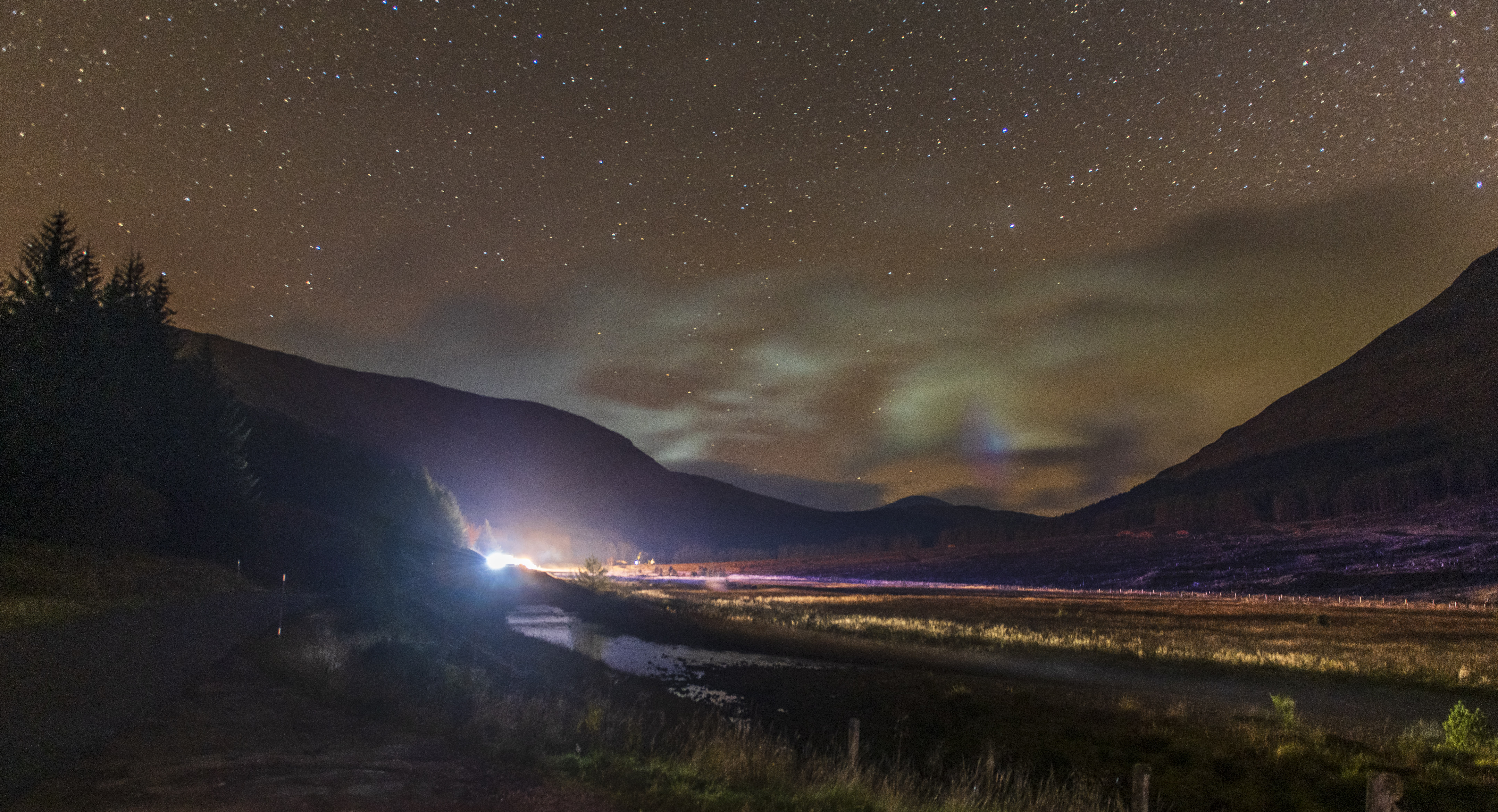
Nestled in in the Western Highlands in Scotland, Cruachan Power Station is surrounded by a breathtaking landscape of plunging mountainsides and curving lochs, between which weave narrow roads.

It makes for scenic driving. What might be trickier, however, is transporting 230 tonnes of electrical equipment up and down said mountains, navigating narrow bends.

But that’s exactly what a team from Drax was tasked with when it came to moving two 115 tonne transformers, the equipment used to boost electricity’s voltage. They were in storage 83 miles away at Longannet, currently being demolished, near Fife.

“You’re moving a piece of equipment that is designed to stay in one place. It’s not designed to go on the roads,” explains Jamie Beardsall, an Electrical Engineer from the EC&I Engineering team who worked on the project. “You’re very aware of your environment and the risks. Everything is checked and doubled checked.”
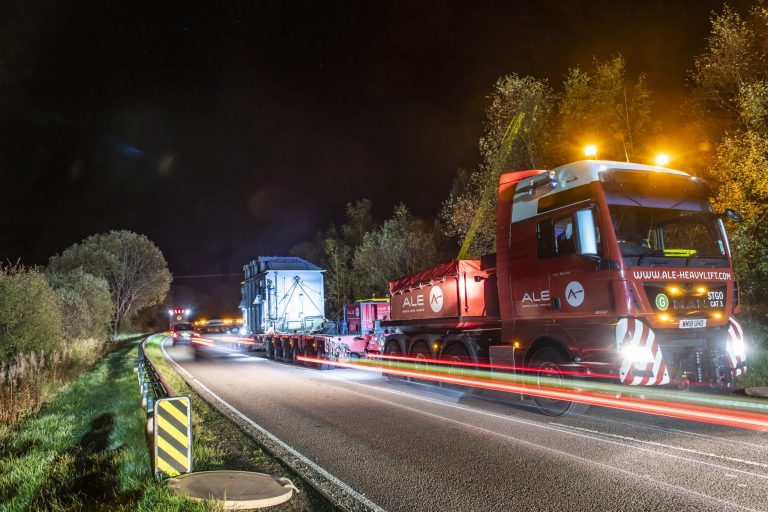
Transformers being driven to Drax’s Cruachan pumped storage hydro power station

The complicated task required colleagues from both Cruachan and Drax power stations to collaborate from the very beginning. Gary Brown, Mark Rowbottom and Jamie from the EC&I Engineering team based in Yorkshire teamed up with Gordon Pirie and Roddy Davies from Scotland who met frequently and planned the project alongside specialist transport contractor, ALE, which advised on heavy lifting and movement.

Planning and execution of the works also required constant liaison and coordination with the police and highway authorities in both Scotland and England. But more than that, the transformers’ one-by-one journey from the demolition site of what was once Europe’s biggest coal-fired power station, to a hydro-powered energy storage site on the other side of Scotland, represents the continual shift of Great Britain’s electricity away from fossil fuels.

Stepping up voltage

Transformers are an essential part of the electricity system. By increasing or decreasing the voltage of an electrical current they can enable it to traverse the national grid or make electricity safe to enter our homes.

“When we generate electricity, it is at a lower voltage than we need to send it out to the national grid,” says Beardsall. “We use transformers to increase the voltage so it can go out to the national grid and be transmitted over long distances more efficiently. We then reduce the voltage again so it can be brought safely into our homes.”

While all transformers apply the same principles for stepping voltage up and down, the two transformers that were transported through the Highlands to Cruachan were designed specifically for the pumped storage hydro power station, but stored at Longannet where there was more space. At the time, both stations where owned by Scottish Power. Cruachan was purchased by Drax on the last day of 2018.
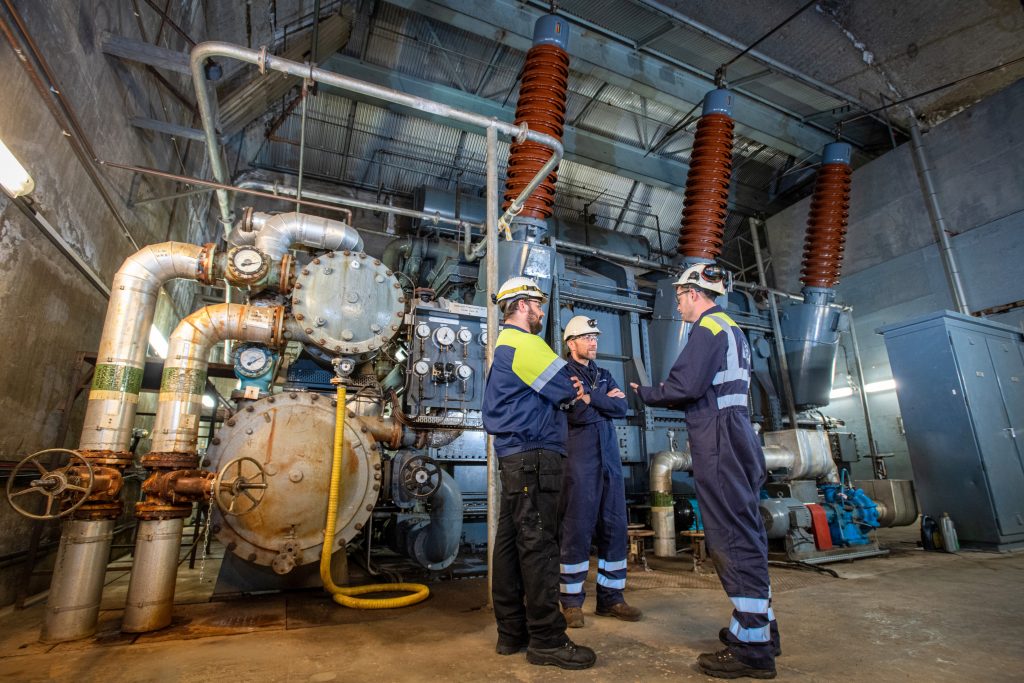
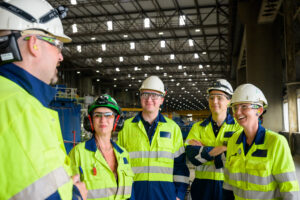
Engineers at Cruachan Power Station in front of one of the original transformers

When transported, each transformer weighs 115 tonnes and is almost four metres high. Transporting them isn’t as simple as loading them into the back of a van.

“You can’t transport them in a fully built state, they would be too heavy and wouldn’t go under bridges,” says Beardsall. “We had to strip them back to the core and now we’re working to reassemble them on site.”

Cutting down to the core

Each transformer consists of two main components; a core made of iron, and two windings made of copper. The transformer itself has no moving parts. When a voltage is applied to one of the transformer windings (the primary winding), a magnetic field is created in the iron core. This field then induces a voltage into the other winding (the secondary winding). Depending on the number of coils on each set of windings, the output voltage will increase or decrease. More coils on the secondary winding steps the voltage up, fewer coils on the secondary steps the voltage down.

This entire apparatus is submerged in an oil to provide insulation and keep the transformer cool, meaning the first step was to drain 50,000 litres of oil from each transformer. This was then sent to a refinery to be processed, cleaned and stored until the transformers are reassembled at Cruachan.

Oil removed, the Drax engineers oversaw and managed the dismantling of the transformers at Longannet. Once the transformers were stripped down to a state suitable for movement, they were loaded up one-by-one for transportation.

Meanwhile, at Cruachan, engineers worked on construction of a purpose built bunded area for storage of the transformers. The transformers were destined to be stored on land outside the main admin buildings, adjacent to Loch Awe.
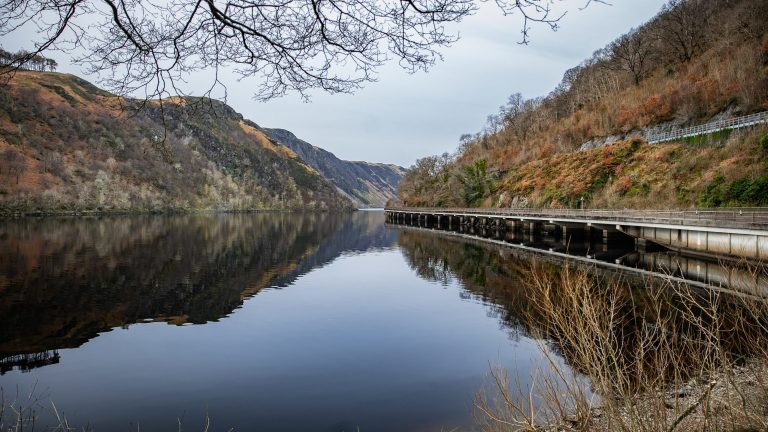
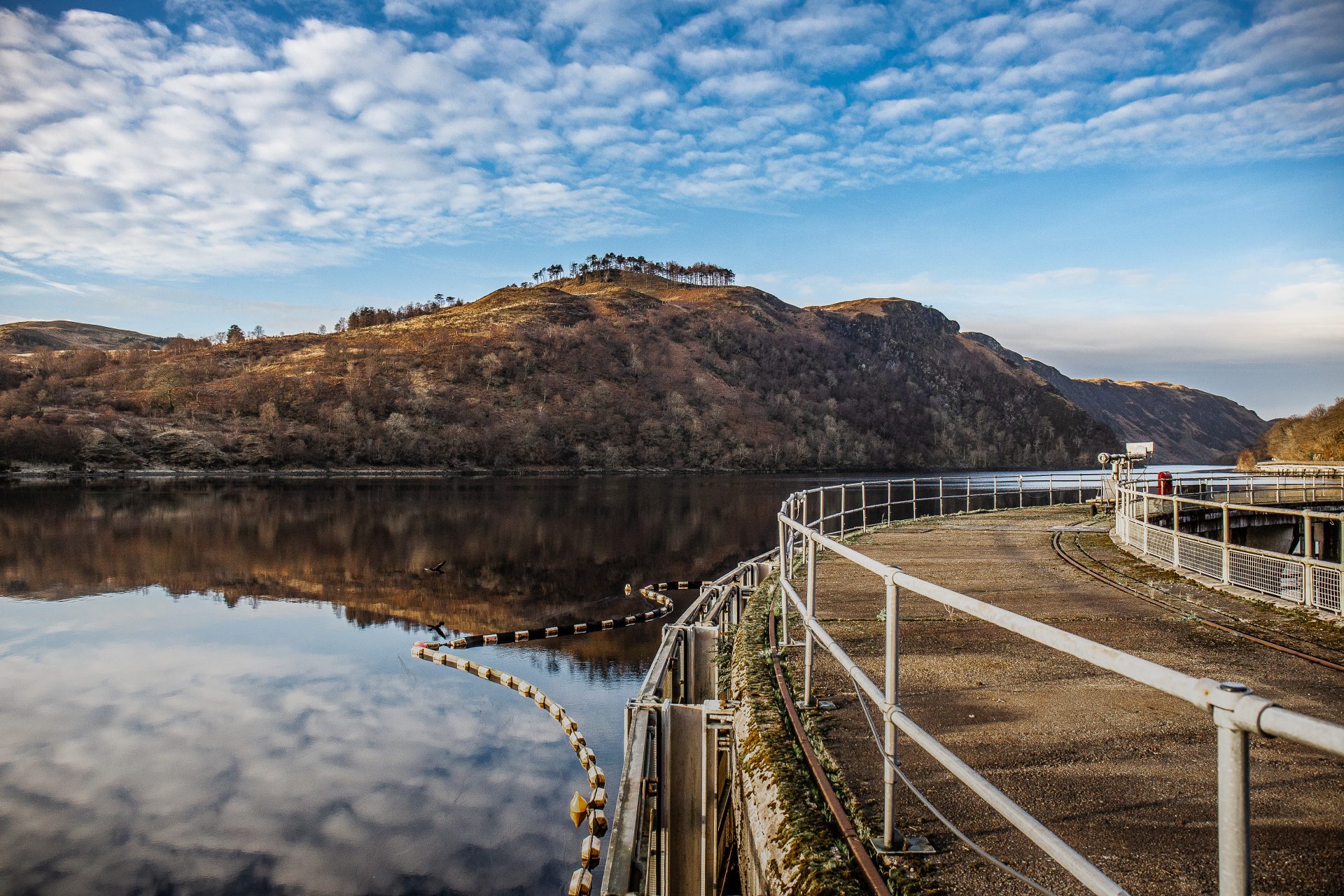
Loch Awe at Cruachan Power Station

The Loch itself is a beautiful place with abundant animal and birdlife – and a fish farm is located almost directly opposite the power station. In the event of a transformer leaking, the natural environment must be protected. An oil-tight storage area was therefore built, to ensure that no oil would end up in the Loch.

The road to Cruachan

Rather than heaving each of the transformers onto a trailer, each one was raised using hydraulic jacking equipment. A trailer was then driven underneath, and the transformer lowered onto it.

“The trailer is specifically designed to take the transformers and fit certain dimensions,” explains Beardsall. “It has 96 wheels over 12 sets of axles, each of which can be turned individually to assist in navigating around tight spots.”

The trailers are towed by large tractor units, each weighing over 40 tonnes. These provided the motive power to move the transformers. Each was moved in two stages over the space of two weeks. The first transformer over the course of a weekend, the second in the middle of the night some 10 days later.

“When we could go was governed by the police and highways agencies as they need to close the roads,” says Beardsall. “We set off from Longannet at 7pm on the Friday evening and moved them 60 miles along the route to a layby where we stored them. That leg took approximately five hours. Then the second leg was the last 25 miles to Cruachan, carried out on the Sunday morning of the same weekend.”

Navigating the Highlands with 115 tonnes of hugely valuable equipment is where the real challenge came in. Hills, dips and tight turns made for slow progress.
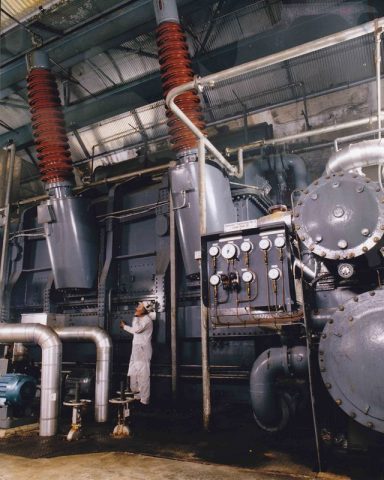
Generator transformer at Cruachan Power Station

The original generator transformer at Cruachan Power Station

“The average speed was about 10mph, but we’re going through the Highlands so it was quite a bit slower than that in some places. We occasionally hit 20+ mph at points, but that was definitely for the minority of the time!” says Beardsall. “Some of the roads were so narrow it was difficult to get two cars past each other. The contractors also had to put metal plating over bridges because they weren’t strong enough to take the load.”

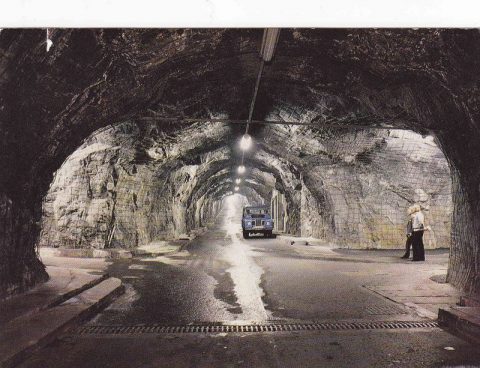
Having safely arrived at Cruachan, the transformers are being stored at surface level until they are needed, at which time they will be taken down the half-a-mile-long tunnel into the energy storage station.

“Typically a transformer has a design life of 25 years, although they can last longer” explains Beardsall. “There are four units at Cruachan and the transformers for two of these units have already been replaced, so these transformers would be used to replace the existing transformer for the two remaining units should it ever be needed. The existing transformer having been in operation since 1965.”

Moving heavy objects is part and parcel of running Drax’s multiple power stations around the country. However, navigating the Highlands, the very terrain which makes Cruachan possible, added a unique challenge for Drax’s engineers.
Visit Cruachan Power Station – The Hollow Mountain

Read the press release

In energy storage timing is everything

Cruachan Power Station

Electricity is unlike any other resource. The amount being generated must exactly match demand for it, around the clock.

Managing this delicate balancing act is the job of the National Grid Electricity System Operator (ESO), which works constantly to ensure supply meets demand and the grid remains balanced. One of the ways it does this is by storing energy when there is too much and deploying it when there is too little.

Although there are many different ways of storing energy at a small scale, at grid level it becomes more difficult. One of the few ways it is currently possible is through pumped hydro storage. Cruachan Power Station in the Highlands of Scotland is one of four pumped storage facilities in Great Britain. It uses electrically-driven turbines to pump water up a mountain into a reservoir when there is excess electricity on the grid, and then releases the water stored in the reservoir back down, to spin the same turbines to generate power when it’s needed quickly.

The dual capabilities of these turbines are unique to pumped hydro storage and contribute to the overall grid’s stability. However, what dictates when Cruachan’s turbines switch from pump to generate and vice versa is all a matter of what the grid needs – and when.

The switch from pump to generate

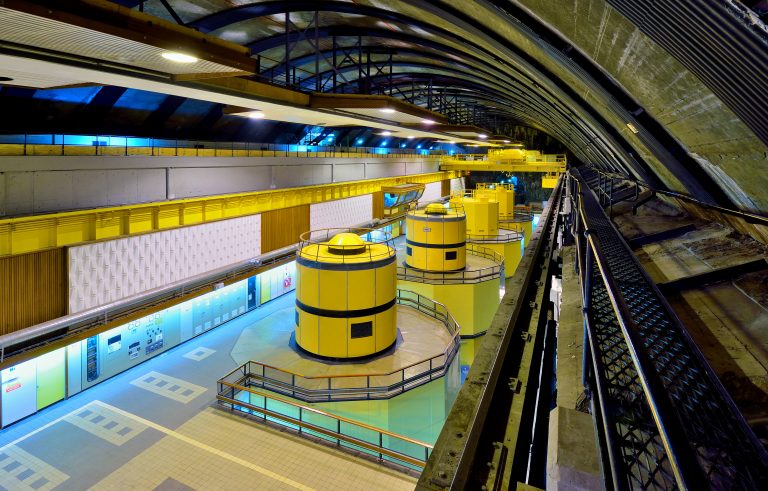
While the machine hall of Cruachan Power Station is an awe-inspiring place for its size and location 396 metres beneath Ben Cruachan, it generates electricity much like any other hydropower station: harnessing the flow of water to rotate any number of its four 100+ megawatt (MW) turbines.

This mode – simply called ‘generate mode’ – is usually employed during periods of peak power demand such as mornings and evenings, during a major national televised event, or when wind and solar energy output drops below forecast. As a result, starting up and generating millions of watts of electricity has to be fast.

“It takes just two minutes for a turbine to run up from rest to generate mode,” says Martin McGhie, Operations and Maintenance Manager at the power station. “It takes slightly longer for the turbines to run down from generate to rest, but whatever function the turbines are performing, they can reach it within a matter of minutes.”

The reverse of generate mode is pump mode, which changes the direction of travel for the water, this time using electricity from the grid to pump water from the vast Loch Awe at the foot of Ben Cruachan to the upper reservoir, where it waits ready to be released.

In contrast to generate mode, pump mode typically comes into play at times when demand is low and there is too much power on the system, such as during nights or at weekends, when there is excessive wind generation. However, the grid has evolved since Cruachan first began generating in 1965 and this has changed when it and how it operates.

“In the early days, Cruachan was used in a rather predictable way: pumping overnight to absorb excess generation from coal and nuclear plants and generating during daytime peak periods,” says Martin. “The move to more renewable energy sources, like wind, mean overall power generation is more unpredictable.”

He continues: “There has also been a move from Cruachan being primarily an energy storage plant to one which can also offer a range of ancillary services to the grid system operator.”

The benefits of Spin mode

In between pumping water and generating power, Cruachan’s turbines can also spin in air while connected to the grid, neither pumping not generating. This is essentially a ‘standby mode’ where the turbines are ready to either quickly switch into generation or pumping at a moment’s notice (they spin one way for ‘spin pump’; the other for ‘spin generate’). These spin modes are requested by the ESO to ensure reserve energy is available to respond rapidly to changes on the grid system.

In spin generate mode, the generator is connected up to the grid but the water is ejected from the space around the turbine by injecting compressed air. The turbine does not generate power but is kept spinning, allowing it to quickly start up again. As soon as the grid has an urgent need for power, the air is released and the water from the upper reservoir flows into the turbine to begin generation in under 30 seconds.

Spin pump works on the same basis as spin generate, but with the turbine rotating in the opposite direction, ready to pump at short notice. This allows Cruachan to absorb excess generation and balance the system as soon as the ESO needs it.

“The use of spin mode by the ESO is highly variable and dependant on a number of factors e.g. weather conditions or the state of the grid system at the time” says Martin. This unpredictability of the increasingly intermittent electricity system makes the flexibility of Cruachan’s multiple turbines all the more important.

Ready for the future grid

It’s not only the types of electricity generation around the system that are changing how Cruachan operates. Martin suggests that the way energy traders and the ESO use Cruachan will continue to evolve as the market requirements and opportunities change.

Technology is also changing the market and Martin predicts this could affect what Cruachan does. “In the future we will face competition from alternative storage technologies, such as batteries, electric vehicles, as well as competition for the other ancillary services we offer.”

However, Cruachan’s flexibility to generate, absorb or spin in readiness means it is prepared to adjust to any future changes.

“Cruachan is always ready to modify or upgrade to meet requirements, as we have done in the past,” says Martin. “The priority is always to be able to deliver the services required by the grid system operator – in characteristic quick time.”

Visit Cruachan — The Hollow Mountain to take the power station tour.

Read our series on the lesser-known electricity markets within the areas of balancing services, system support services and ancillary services. Read more about black start, system inertia, frequency response, reactive power and reserve power. View a summary at The great balancing act: what it takes to keep the power grid stable and find out what lies ahead by reading Balancing for the renewable future.

What makes a mountain right for energy storage

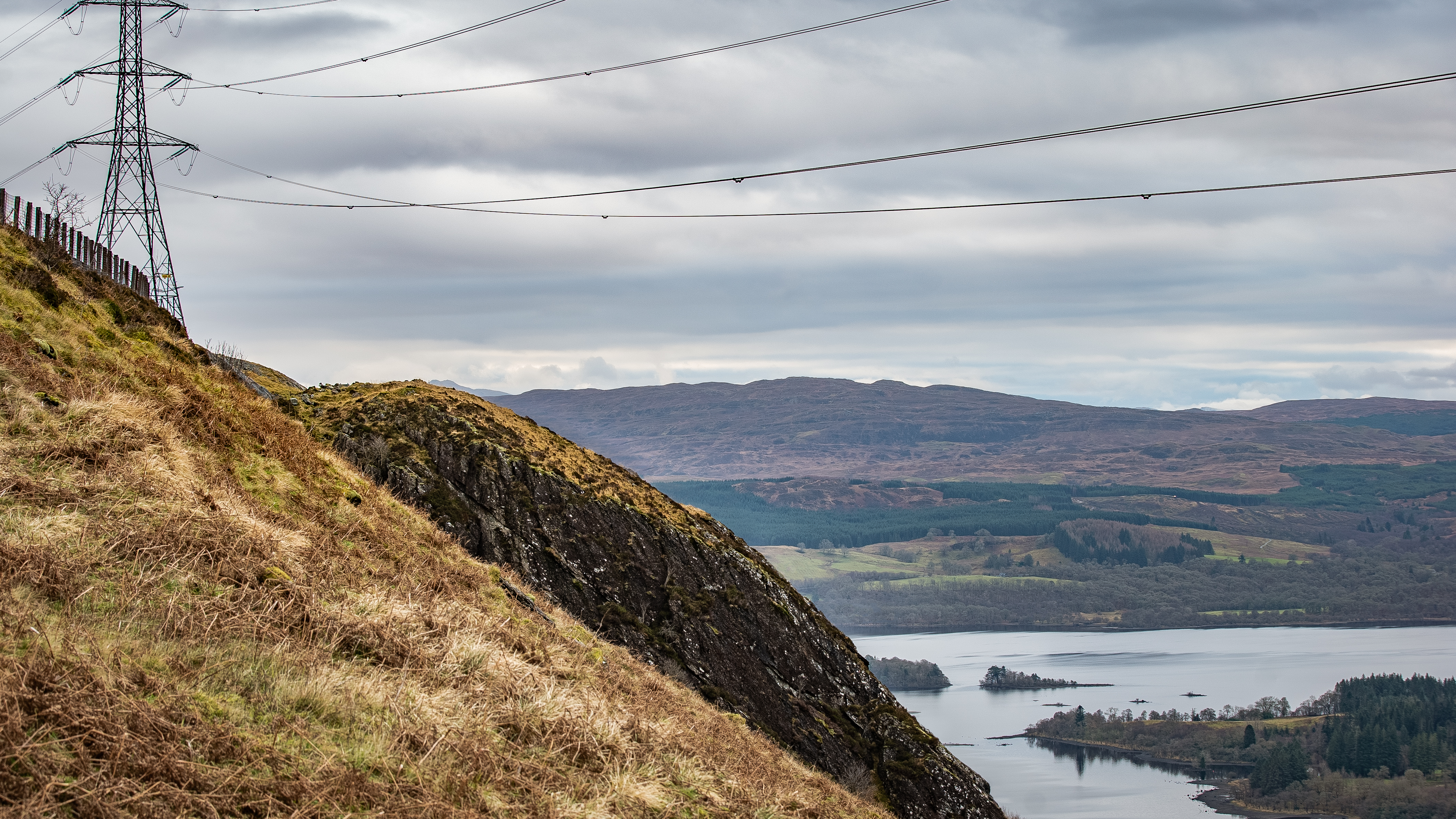
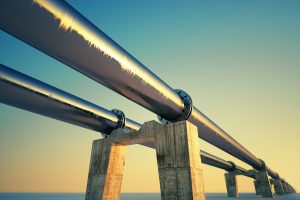
Cruachan pylons

Electricity generation is often tied to a country’s geography, climate and geology. As an island Great Britain’s long coastline makes off-shore wind a key part of its renewable electricity, while Iceland can rely on its geothermal activity as a source of power and heat.

One of the most geographically-influenced sources of electricity is hydropower. A site needs a great enough volume of water flowing through it and the right kind of terrain to construct a dam to harness it. Even more dependent on the landscape is pumped hydro storage.

Pumped storage works by pumping water from one source up a mountain to a higher reservoir and storing it. When the water is released it rushes down the same shafts it was pumped up, spinning a turbine to generate electricity. The advantage of this is being able to store the potential energy of the water and rapidly deliver electricity to plug any gaps in generation, for example when the wind suddenly dropsor when Great Britain instantly requires a lot more power.

This specific type of electricity generation can only function in a specific type of landscape and the Scottish Highlands offers a location that ticks all the boxes.

The perfect spot for pumped storage

Cruachan Power Station, a pumped hydro facility capable of providing 440 megawatts (MW) of electricity, sits on the banks of Loch Awe in the Highlands, ready to deliver power in just 30 seconds.

“Here there is a minimum distance between the two water sources with a maximum drop,” says Gordon Pirie, Civil Engineer at Cruachan Power Station, “It is an ideal site for pumped storage.”

The challenge in constructing pumped storage is finding a location where two bodies of water are in close proximity but at severely different altitudes.

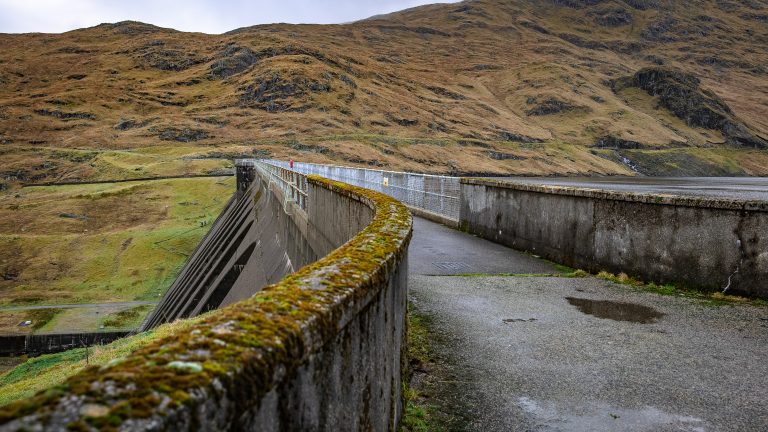
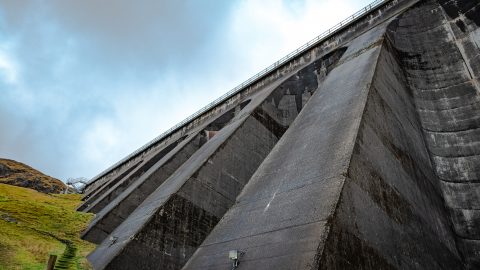
From the Lochside, the landscape rises at a dramatic angle, to reach 1,126 metres (3,694 feet) above sea level at the summit of Ben Cruachan, the highest peak in the Argyll. The crest of Cruachan Dam sits 400.8 metres (1,315 feet) up the slopes, creating a reservoir in a rocky corrie between ridges. The four  100+ MW turbines, which also act as pumps, lie a kilometre inside the mountain’s rock.

“The horizontal distance and the vertical distance between water sources is what’s called the pipe-to-length ratio,” explains Pirie. “It’s what determines whether or not the site is economically viable for pumped storage.”

The higher water is stored, the more potential energy it holds that can be converted into electricity. However, if the distance between the water sources is too great the amount of electricity consumed pumping water up the mountain becomes too great and too expensive.

The distance between the reservoir and the turbines is also reduced by Cruachan Power Station’s defining feature: the turbine hall cavern one kilometre inside the mountain…

Carving a power station out of rock

The access tunnel, cavern and the networks of passageways and chambers that make up the power station were all blasted and drilled by a workforce of 1,300 men in the late 1950s to early 1960s, affectionately known as the Tunnel Tigers.
This was dangerous work, however the rock type of the mountainside was another geographic advantage of the region. “It’s the diorite and phyllite rock, essentially granite, so it’s a hard rock, but it’s actually a softer type of granite, and that’s also why Cruachan was chosen as the location,” says Pirie.

The right landscape and geology was essential for establishing a pumped storage station at Cruachan, however, the West Highlands also offer another essential factor for hydropower: an abundance of water.

Turning water to power

The West Highlands are one of the wettest parts of Europe, with some areas seeing average annual rain fall of 3,500 millimetres (compared to 500 millimetres in some of the driest parts of the UK). This abundance of water from rainfall, as well as lochs and rivers also contributes to making Cruachan so well-suited to pumped storage.

The Cruachan reservoir can contain more than 10 million cubic metres of water. Most of this is pumped up from Loch Awe, which at 38.5 square kilometres is the third largest fresh-water loch in Scotland. Loch Awe is so big that if Cruachan reservoir was fully released into the loch it would only increase the water level by 20 centimetres.

However, the reservoir also makes use of the aqueduct system made up of 19 kilometres of tunnels and pipes that covers 23 square kilometres of the surrounding landscape, diverting rainwater and streams into the reservoir. Calculating quite how much of the reservoir’s water comes from the surrounding area is difficult but estimates put it at around a quarter.
“There are 75 concrete intakes dotted around the hills to gather water and carry it through the aqueducts to the reservoir,” says Pirie. “The smallest intake is about the size of a street drain in the corner of a field and the largest one is about the size of a three-bedroom house.”

Pumped storage stations offer the electricity system a source of extra power quickly but it takes the right combination of geographical features to make it work. Ben Cruachan just so happens to be one of the spots where the landscape makes it possible.

The different ways water powers the world

If the spectacular Roman aqueducts that still dot the landscape of Europe tell us anything, it’s that hydraulic engineering is nothing new. For thousands of years water power has been used to grind wheat, saw wood, and even tell the time.

Craigside in Northumberland

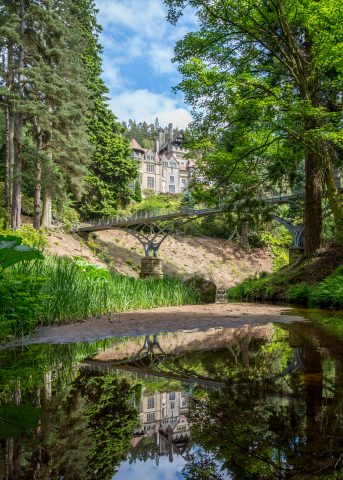
By the 19th century, water was able to go beyond performing rudimentary mechanical tasks and generate electricity directly. Cragside in Northumberland, England  became the first house powered entirely by hydroelectricity in 1878. By 1881, the whole town of Niagara Falls on the US-Canada border was being powered by the force of its eponymous river and waterfall.

Hydropower has many advantages: it’s predictable, consistent, often zero or low carbon and it can provide a range of ancillary services to power transmission systems. In Great Britain, there is 1.7 gigawatts (GW) of installed hydropower and another 2.8 GW of pumped hydro storage capacity, but it remains a small part of the overall electricity mix. In the fourth quarter of 2018, the 65% of British hydropower that is connected to the national grid accounted for less than one per cent electricity generation or 545,600 megawatt hours (MWh). By contrast, wind accounted for 14% of total generation that quarter (almost 9.5 million MWh).

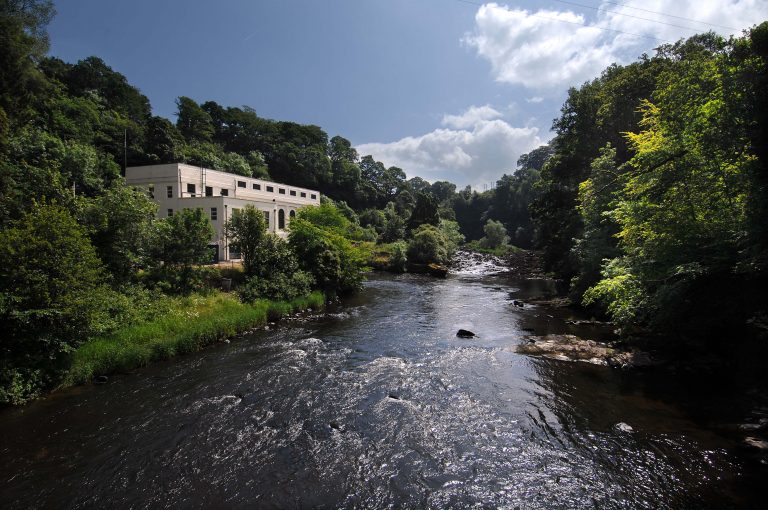
While hydropower projects can be expensive to construct, operational and maintenance costs are relatively low and they can run for an extremely long time – the Lanark Hydro Electric Scheme in Scotland, which Drax recently acquired, has been producing power since 1927.

Today, hydropower installations are found at all scales, all around the world. But the term hydropower covers many different types of facility. These are some of the ways water is used to generate electricity.

Impoundment power plants

The simplest and most recognisable form of hydropower, impoundment facilities, work by creating a reservoir of trapped water behind a dam that is then selectively released, the water flows through a turbine, spinning it, which in turn activates a generator to produce electricity.

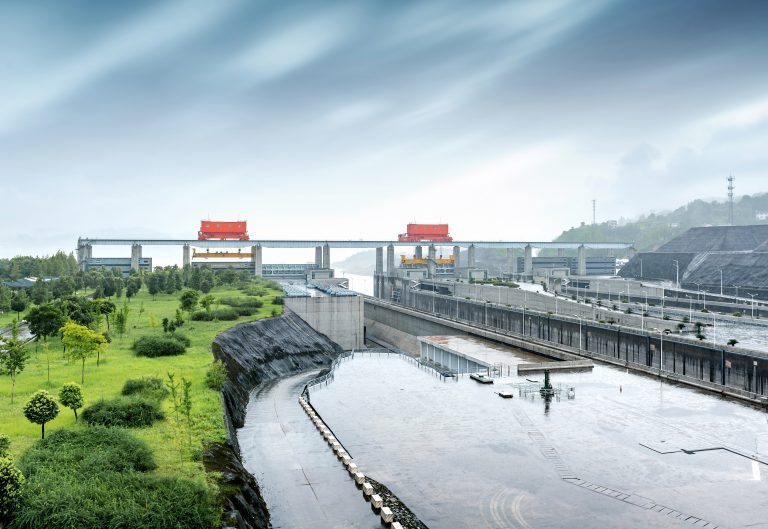
From the Hoover Dam on the Nevada-Arizona border, to the Three Gorges Dam in China – the world’s largest power station of any type, with a generating capacity of 22.5 GW – impoundment dams are some of the most iconic structures in modern engineering.

Three Gorges Dam, China

As well as having the potential to provide large quantities of baseload power, they can react extremely quickly to grid demands – just by opening or closing their floodgates as the power system operator requires.

Run-of-river generation

Rather than storing and releasing power from behind a dam, run-of-the-river generators channel off part of a river and use its natural flow to generate power.

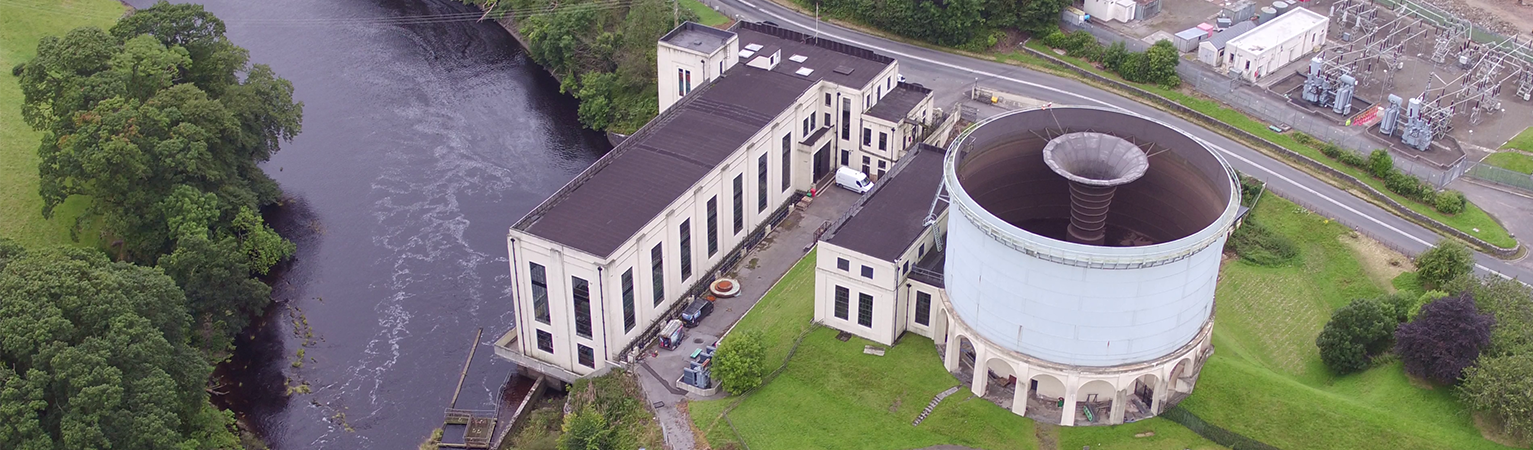
Tongland Power Station, Galloway Hydro Scheme

Because it doesn’t require large dams or reservoirs, run-of-river can be less environmentally disruptive, as there is not always a need for large scale construction and flooding is less common.

Stonebyres Power Station, Lanark Hydro Scheme

While run-of-river facilities tend to be smaller and less flexible than impoundment, they still have significant generating potential – the Jirau hydro-electric power plant on the Madeira river in Brazil has a generating capacity of 3.7 GW.

Pumped storage 

Water can also be good for storing energy that can then be converted to electricity. Pumped hydro storage facilities operate by pumping water uphill to a reservoir when electricity is cheap or plentiful, then letting it flow back downhill through tunnels to a series of turbines that activate generators to generate electricity (in the same way as an impoundment dam) when electricity is in high demand.

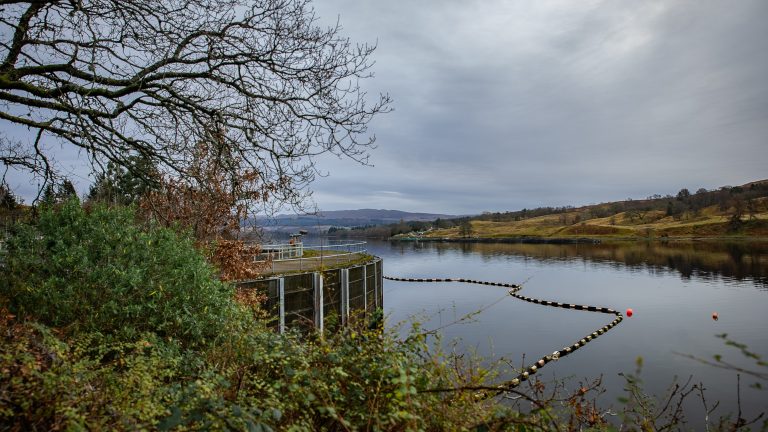
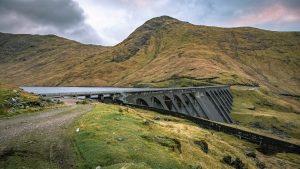
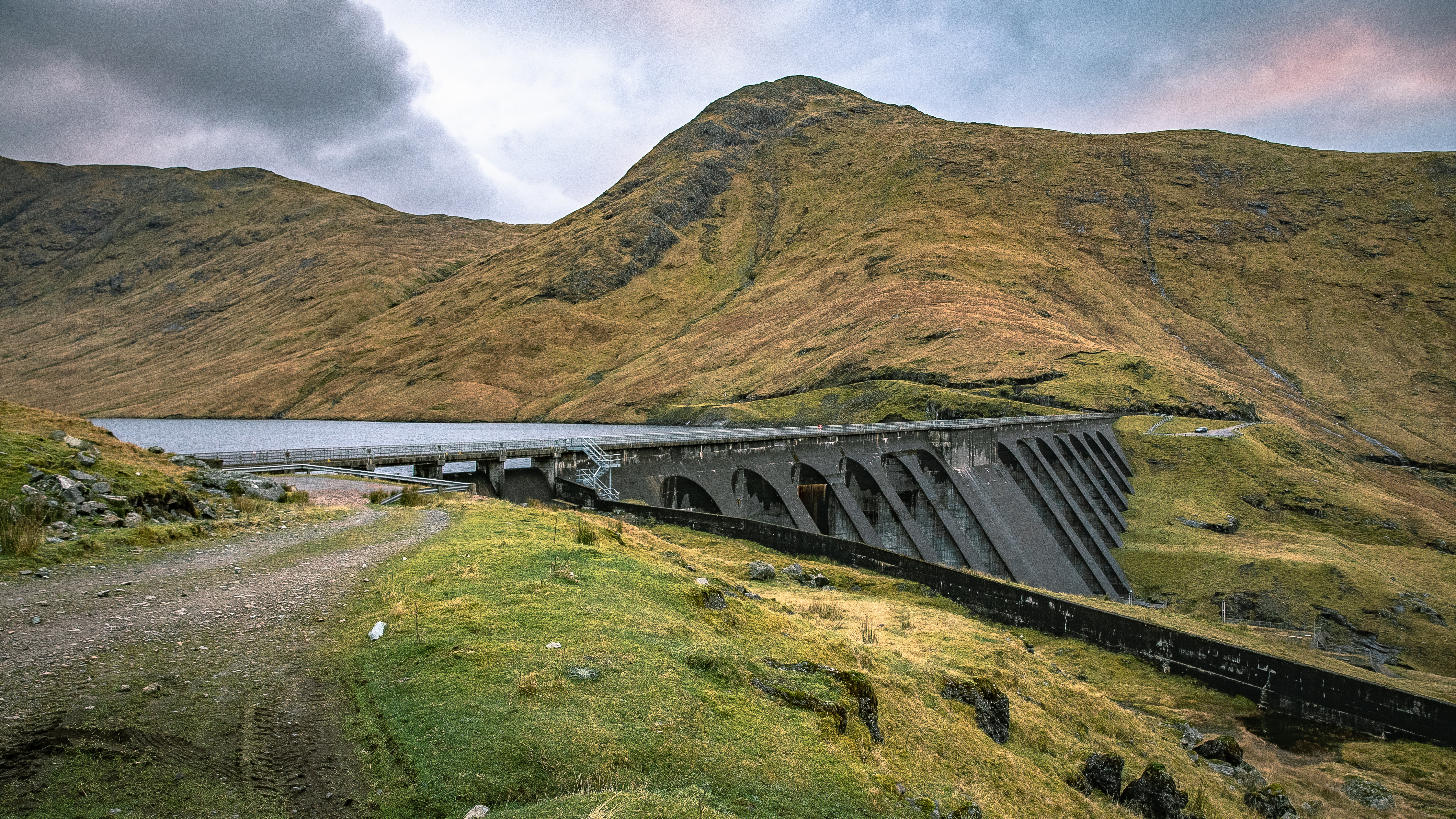
Dam and reservoir, Cruachan Power Station

Their ability to both produce and absorb electricity makes them a vital part of electricity networks, playing the role of energy storage systems. In fact, a massive 97% of all global grid storage capacity is in the form of pumped hydro. Their function as giant batteries will only become more important as intermittent renewable sources like wind and solar become more prevalent in the energy mix.

Outlet and loch, Cruachan Power Station.

So too will their ability to ramp up generation very quickly. Drax’s recently acquired Cruachan Power Station in Scotland can go from zero to 100 MW or more in less than 30 seconds when generation is called upon – for example, when there is a sudden spike in demand.   

Tidal range generation

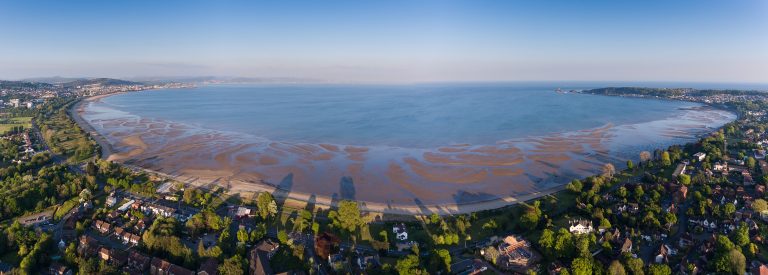
Swansea Bay

The sea is also an enormous source of potential hydropower. Tidal range generation facilities exploit the movement of water levels between and high and low tide to generate electricity. Tidal dams trap water in bays or estuaries at high tide, creating lagoons. The dam then releases the water as the rest of the tide lowers, allowing it to pass through turbines, generating power.

There are limitations – like wind and solar’s dependence on the wind blowing and the level of sunlight, operators can’t control when tides go in or out. But its vast generating potential means that it could be a valuable source of baseload power if it were to be deployed more widely.

Great Britain in particular has major opportunities for tidal generation. The Severn Estuary between England and Wales has the second highest tidal range in the world (15 metres), and a barrage built across the estuary could have a generating capacity of up to 8.6 GW – enough to meet 6% of the Britain’s total electricity demands. Some environmental groups worry about the impact such projects could have on wildlife.

Due to the level of public funding required, the government rejected that plan in 2010, in favour of pursuing its nuclear policy. A second attempt at securing a government-backed investment contract, known as a CfD, for a smaller 320 MW ‘pathfinder’ project in Swansea Bay was also rejected, in 2018. The Welsh government is however supportive of the project, which already has planning permission.

Tidal stream generation

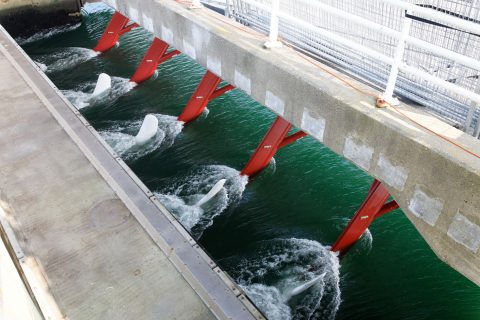
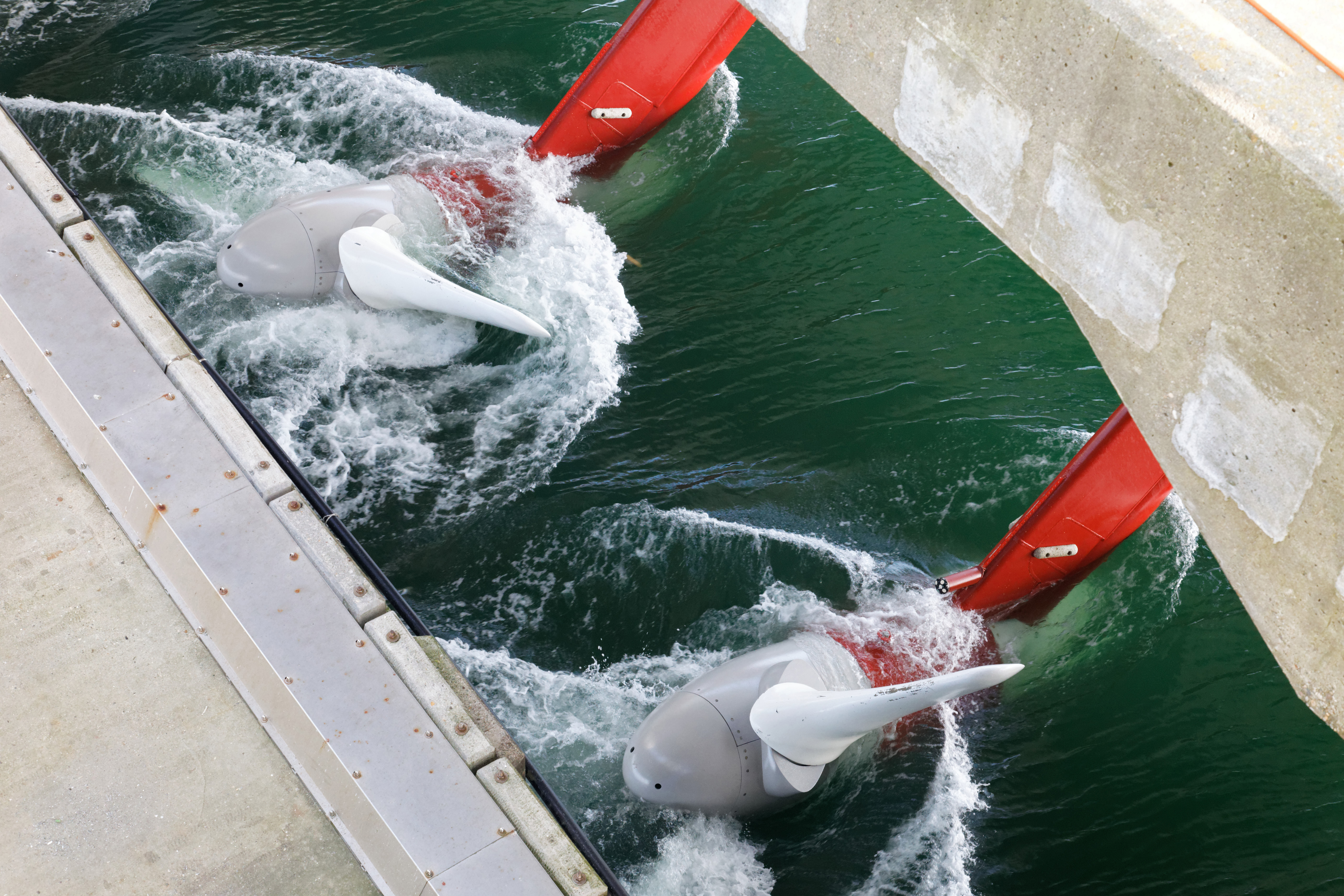
Rather than building a dam, tidal stream generators work like underwater wind turbines. Sturdy propellers or hydrofoils (wing-like blades which oscillate up and down rather than spinning around) are positioned underwater to transform the energy of tidal streams into electricity.

While tidal streams move far slower than wind, the high density of water compared to air means that more power is generated, even at much lower velocities.

Not reliant on large physical structures, tidal stream generators are a relatively cheap form of hydropower to deploy, and make a much smaller impact on their environment than tidal barrages.

Wave generation

Unlike tidal power, which is generated by the gravitational effects of the sun and moon on the Earth’s oceans, wave power ultimately comes from the winds that whip up the ocean’s surface.

There are a number of different methods that turn waves into generation, including funnelling waves into a tube floating on the surface of the water that contains electricity-generating turbines, or by using the vertical bobbing movement of a tethered buoy to pull and spin a fixed generator.

Wave power has yet to be widely implemented, but it has significant potential. It’s estimated that the waves off the coasts of the USA could have provided 66% of the country’s electricity generation needs in 2017 alone. Effectively commercialising wave power could provide another vital tool in developing a sustainable energy landscape for the coming future.

Tidal and wave power generation are less established generation technologies than their land-based cousins but they hold huge potential in delivering more sources of reliable, zero emissions electricity for energy systems in coastal locations around the world.