
Tag: sustainability

How Wood Pellets Support Clean Energy Goals, Forests, and Communities

By Kyla Cheynet, Director of Sustainability, Drax

When we think of clean energy, solar panels and wind turbines often dominate the conversation, but as we work to enable a zero carbon, lower cost energy future, it’s going to take all clean energy industries working together. Biomass, in the form of wood pellets, has been quietly making a big impact by helping countries reduce carbon emissions, support sustainable forestry, and transition away from fossil fuels. 

What Are Wood Pellets? 

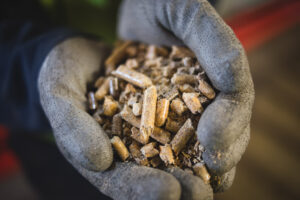
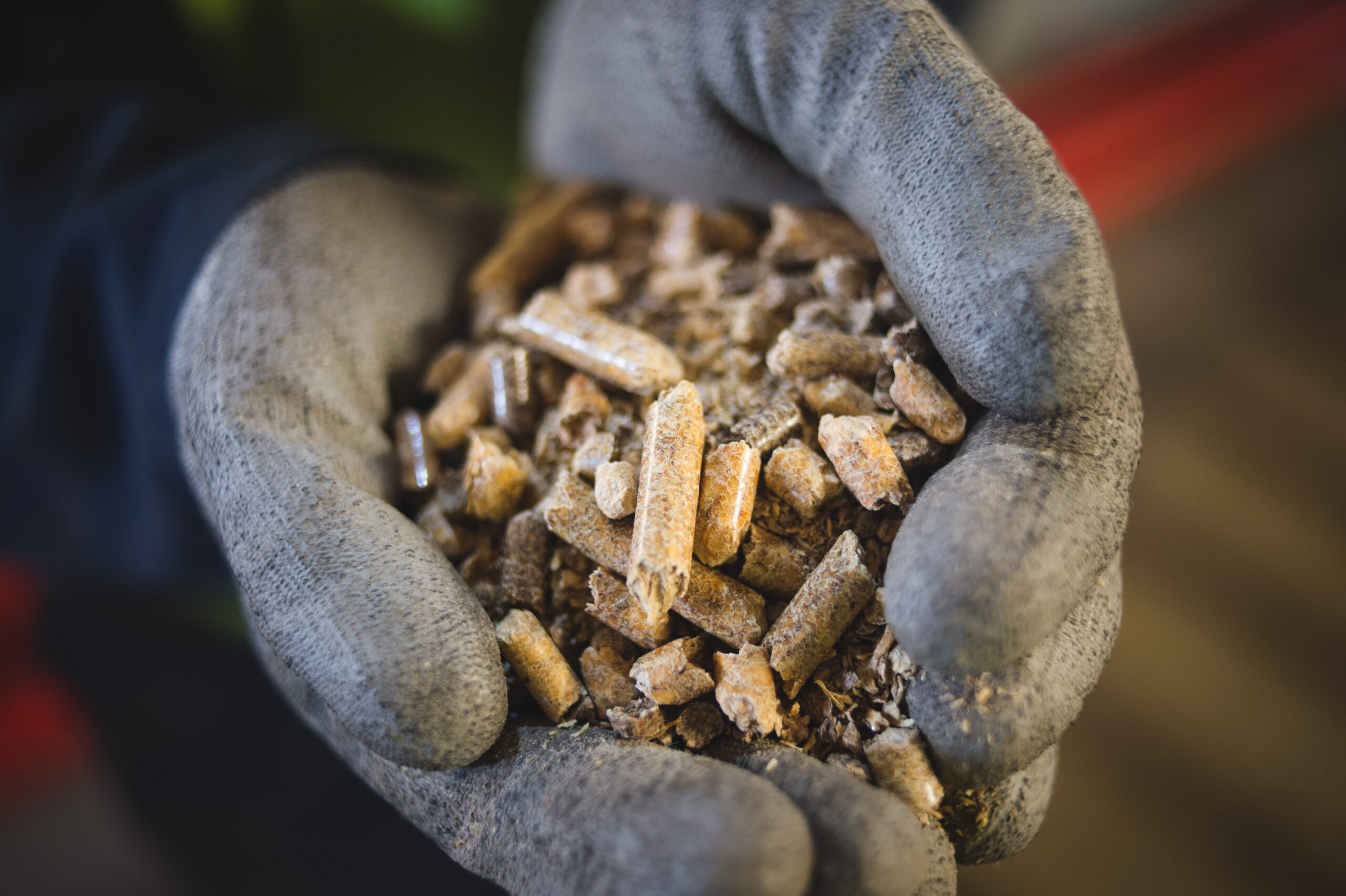
At Drax, we operate within the larger forest industry, making our wood pellets from sawmill residues and low-grade wood from the forest. Mill residuals come in the form of shavings, sawdust and chips, while material sourced from sustainable harvests comes from tree trunks, tops, and limbs which are too small or malformed to make sawtimber.  Wood that arrives in roundwood form is debarked and chipped on-site, with bark being used as fuel to dry the high-moisture chips and sawdust.  Once the fiber is dried it, is resized by “hammermills” into a very small particles which are then compressed under high pressure by “pellet mills” which cause the natural resins in the wood to bind together forming small wood pellets that look just like those used for pellet burning grills or home heating.  The wood pellets we produce are: 

  • Renewable: Sourced from sustainably managed forests and manufacturing residuals. 
  • Efficient: Low moisture content means high energy output. 
  • Easily transported: Pellets can be loaded on trucks, railcars, and ships with ease.  

Supporting Sustainable Forestry 

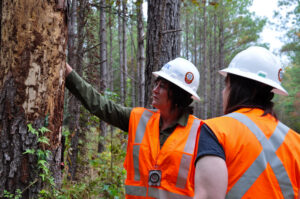
The forests that we source our biomass from are managed in accordance with best practices designed to support the health and growth of these forests over the long term.   We have strict criteria in place to ensure our fiber sourcing helps maintain or improve forest health, landscape-level carbon stocks, biodiversity, and forest-related values communities depend on.  

In the U.S. South, forest inventory has expanded rapidly in recent decades, largely due to improved forest management on private lands These vigorously growing forests are considered a wood basket to the world.  Active forest management is essential to maintaining the productivity and ecological value of these forests.  Thinning, an intermediate harvest aimed at reducing tree density, is essential to maintaining forest health. Thinning not only increases future sawtimber yields by allocating greater resources to “crop trees”, but also improves the forest’s resilience to pests, disease, and wildfire, all while enhancing understory plant diversity and wildlife habitat. 

Most trees removed during thinning operations are generally undersized or unsuitable for lumber, but they are ideal for producing wood pellets! In this way, the biomass market creates an incentive for managers to engage in practices that increase the health and vigor of forests on their land. 

Why Is This Important? 

At Drax, our mission is to help meet the world’s increasing demand for secure energy, sustainably. Sustainably sourced biomass plays an important role in supporting energy security as the world decarbonizes, displacing fossil fuels with renewable, dispatchable power that supports intermittent renewables like wind and solar.  

Biomass markets also bring business to rural communities. In addition to direct employment opportunities in manufacturing Drax’s operations supports hundreds of jobs throughout the larger forest industry in Mississippi. Drax pellet plants also create market opportunities for landowners hoping to generate a return on their forest investment.  Markets for low-grade biomass incentivize landowners to continue managing forests rather than converting or selling them off to other uses.  And we all benefit when forests remain forests!

To learn more about Drax’s impact in Gloster, Mississippi, visit www.drax.com/gloster  

Taking a Closer Look at the American Bald Eagle

By Marty Floyd, President, Rapides Wildlife Association

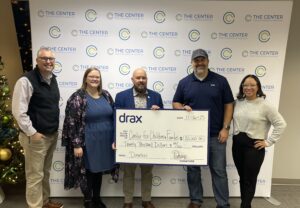
Thanks to an exciting new partnership, renewable energy company Drax is providing funding for the Rapides Wildlife Association’s nature camera project through the Drax Foundation. The project is aimed at documenting and preserving the iconic American Bald Eagle. The Drax Foundation has committed $4,000 towards the purchase of solar batteries for the nature camera. This innovative initiative combines cutting-edge technology with environmental stewardship, offering a unique opportunity to monitor and safeguard one of North America’s most majestic and revered species. 

The Work to Preserve Nature 

The Rapides Wildlife Association is a non-profit organization established by like-minded volunteers in the mid-1960s from all walks of life who are dedicated to public education about wildlife, using wildlife management practices, and protecting wildlife habitats in central Louisiana. The organization was established to be a resource for people who want to volunteer their time, talents, and effort to maintaining wildlife. The group works with other non-profit organizations, as well as state and federal agencies to protect wildlife habitats and implement wildlife management programs. These important collaborations ensure that the Rapides Wildlife Association continues to achieve its important goals. 

Why the Bald Eagle 

The Bald Eagle, once on the brink of extinction due to hunting and habitat destruction, has made a remarkable recovery over the last few decades. With protections in place, their populations have rebounded, though they still face threats from environmental pollution, climate change, and loss of habitat. The eagle, as the national bird and symbol of freedom, holds a special place in American culture and environmental conservation. 

The camera, strategically placed in a known eagle nesting site, provides real-time footage of eagle families as they nest, and raise their young. These images and videos not only give scientists and conservationists detailed data on the species’ life cycle, they also raise awareness about the importance of preserving natural habitats for wildlife. 

By monitoring their nesting habits, hunting behaviors, and migration patterns through the nature camera, scientists can gain a deeper understanding of the species’ needs and identify potential threats. This knowledge is crucial for formulating conservation strategies that ensure the continued survival of the American Bald Eagle and other wildlife species that share their habitat. 

Real-Time Impact and Public Engagement 

The nature camera is more than just a research tool. It also serves as a powerful educational resource, bringing real-time wildlife footage to a global audience. The camera feed is available to the public via a live stream, allowing eagle enthusiasts, students, and conservationists to witness the incredible journey of these majestic creatures firsthand. 

A Step Toward a Sustainable Future 

This collaboration between bioenergy and conservation represents a model for how industries can contribute to the protection of biodiversity while continuing to meet the world’s energy needs. Drax’s commitment to this project highlights the growing trend of responsible corporate involvement in environmental issues. As the world increasingly looks to sustainable solutions for both energy and conservation, initiatives like this offer hope for a future where both wildlife and humanity can thrive. 

Nature Positive 

The American Bald Eagle’s comeback is a story of hope and perseverance, and thanks to the generosity and foresight of Drax, the journey of these incredible birds will be documented, celebrated, and protected. As the camera rolls and captures the daily life of these majestic creatures, we are reminded of the deep connections between the energy we consume, the ecosystems we inhabit, and the wildlife we share the Earth with. This project is a testament to the belief that sustainability is not just about energy, it’s about preserving the very essence of nature for future generations. 

Get Involved 

If you’d like to learn more about volunteer opportunities with the Rapides Wildlife Association, visit www.rapideswildlifeassociation.org. 


Global collaboration
is key to tackling
the climate crisis

Leaders from 40 countries are meeting today, albeit virtually, as part of President Joe Biden’s Leaders’ Summit on Climate. The event provides an opportunity for world leaders to reaffirm global efforts in the fight against climate change, set a clear pathway to net zero emissions, while creating jobs and ensuring a just transition.

Since taking office President Biden has made bold climate commitments and brought the United States back into the Paris Agreement. Ahead of the two-day summit, he announced an ambitious 2030 emissions target and new Nationally Determined Contributions. The US joins other countries that have announced significant reduction goals. For example, the EU committed to reduce its emissions by at least 55%, also South Korea, Japan and China have all set net-zero targets by mid-century.

Here in the UK, Prime Minister Boris Johnson this week outlined new climate commitments that will be enshrined in law. The ambitious new targets will see carbon emissions cut by 78% by 2035, almost 15 years earlier than previously planned. If delivered, this commitment which is in-line with the recommendations of the Climate Change Committee’s sixth carbon budget will put the UK at the forefront of climate action, and for the first time the targets include international aviation and shipping.

What makes climate change so difficult to tackle is that it requires collaboration from many different parties on a global scale never seen before. As a UK-North American sustainable energy company, with communities on both sides of the Atlantic, at Drax we are keenly aware of the need for thinking that transcends borders, creating a global opportunity for businesses and governments to work together towards a shared climate goal. That’s why we joined other businesses and investors in an open letter supporting the US government’s ambitious climate actions.

Collaboration between countries and industries

It’s widely recognised that negative emissions technologies will be key to global efforts to combat climate change.

At Drax we’re pioneering the negative emissions technology bioenergy with carbon capture and storage (BECCS) at our power station in North Yorkshire, which when up and running in 2027 will capture millions of tonnes of carbon dioxide (CO2) per year, sending it for secure storage, permanently locking it away deep under the North Sea.

Experts on both sides of the Atlantic consider BECCS essential for reaching net zero. The UK’s Climate Change Committee says it will play a major role in removing CO2 emissions that will remain in the UK economy after 2050 from industries such as aviation and agriculture that will be difficult to fully decarbonise. Meanwhile, a report published last year by New York’s Columbia University revealed that rapid development of BECCS is needed within the next 10 years in order to curb climate change and a recent report from Baringa, commissioned by Drax, showed it will be a lot more expensive for the UK to reach its legally binding fifth carbon budget between 2028 and 2031 without BECCS.

A shared economic opportunity

Globally as many as 65 million well-paid jobs could be created through investment in clean energy systems. In the UK, BECCS and negative emissions are not just essential in preventing the impact of climate change but will also be a key component of a post-Covid economy.

Government and private investments in clean energy technologies can create thousands of well-paid jobs, new careers, education opportunities and upskill workforces. Developing BECCS at Drax Power Station, for example, would support around 17,000 jobs during the peak of construction in 2028, including roles in construction, local supply chains and the wider economy. It would also act as an anchor project for the Zero Carbon Humber initiative, which aims to create the world’s first net zero industrial cluster. Developing a carbon capture, usage, and storage (CCUS) and hydrogen industrial cluster could spearhead the creation and support of tens of thousands of jobs across the Humber region and more than 200,000 around the UK in 2039.

Under the Humber Bridge

Additional jobs would be supported and created throughout our international supply chain. This includes the rail, shipping and forestry industries that are integral to rural communities in the US South and Western Canada.

A global company

As a British-North American company, Drax embodies the positive impact that clean energy investments have. We directly employ 3,400 people in the US, Canada, and the UK, and indirectly support thousands of families through our supply chains on both sides of the Atlantic. Drax is strongly committed to supporting the communities where we operate by investing in local initiatives to support the environment, jobs, education, and skills.

From the working forests of the US South and Western Canada to the Yorkshire and Humber region, and Scotland, we have a world-leading ambition to be carbon negative by 2030. At Drax, we believe the challenge of climate change is an opportunity to improve the environment we live in. We have reduced our greenhouse gas emissions by over 80% and transformed into Europe’s largest decarbonisation project. Drax Power Station is the most advanced BECCS project in the world and we stand ready to invest in this cutting-edge carbon capture and removal technology. We can then share our expertise with the rest of the world – a world where major economies are committing to a net zero future and benefiting from a green economic recovery.

If we are to reach the targets set in Paris, global leaders must lock in this opportunity and make this the decade of delivery.