





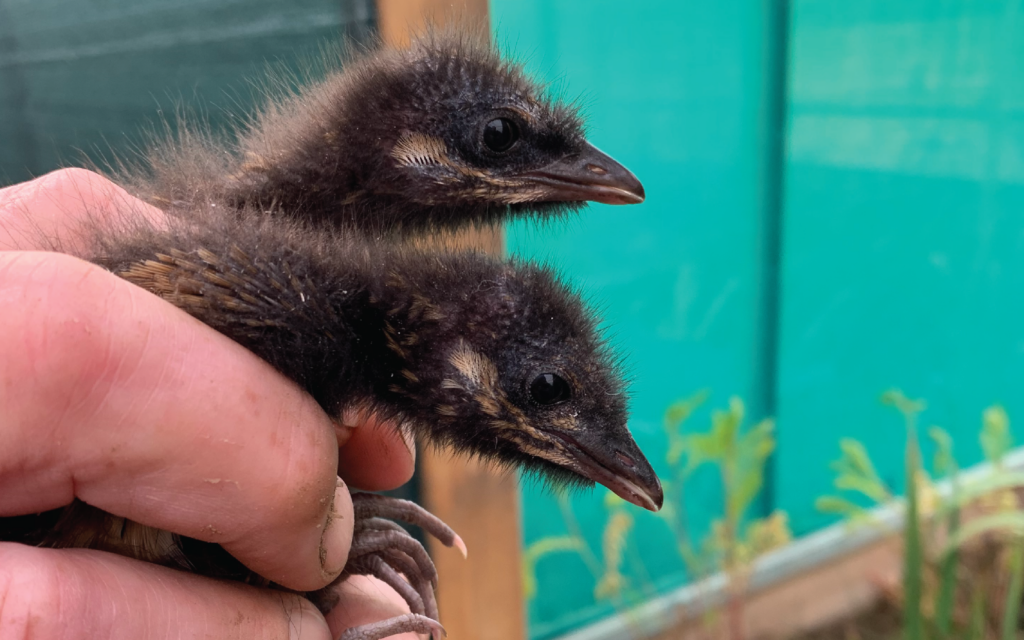
The Corncrake, whose distinctive call was once a familiar sound in meadows across the UK, is now at the centre of an ambitious effort to revive local biodiversity in this nationally important habitat.
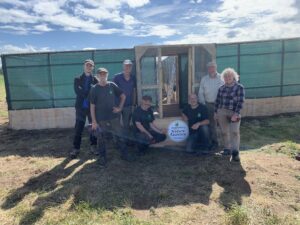
The project, one of the first of its kind in the region, aims to re-establish a sustainable Corncrake population by restoring traditional hay meadows, creating tailored breeding habitats, and working with local landowners to ensure the long-term viability of the species. The Corncrake has seen significant decline across the UK due to habitat loss and modern farming practices.
Mike Jackson, Chairman from Friends of Lower Derwent Valley Conservation Group, commented:
“The return of the Corncrake marks a symbolic and ecological milestone for the Lower Derwent Valley. It is not just about one bird, it’s about restoring an ecosystem that supports a wide array of species. This project is the result of years of collaborative work, local stewardship, and unwavering commitment to conservation.”
This re-introduction effort is part of a wider conservation strategy being delivered by The Friends of the Lower Derwent Valley. Other initiatives supported include the planting of native hedgerows, the creation of wetland scrapes for wading birds, and educational outreach programmes designed to connect local schools and communities with the natural environment.
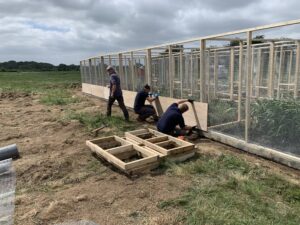
Crucially, the work has been made possible through the support of the Drax Foundation, whose recent funding has enabled critical habitat restoration work and the introduction of Corncrake-friendly land management practices. The Drax Foundation has also contributed to youth education initiatives, including nature engagement days and biodiversity workshops.
Jane Breach, Community Engagement and Social Impact Manager at Drax, said:
“Supporting projects like the Corncrake re-introduction aligns closely with our goal to promote nature-positive action. The Lower Derwent Valley is a jewel of biodiversity, and we’re proud to back the Friends group in their mission to restore and protect this remarkable landscape for future generations.”
The Lower Derwent Valley, a designated National Nature Reserve, Site of Special Scientific Interest, and RAMSAR wetland site, is home to some of the most diverse and rare habitats in the UK. The Friends of the Lower Derwent Valley, working alongside partners such as Natural England, Carstairs Countryside Trust and Yorkshire Wildlife Trust have long championed its protection, combining scientific expertise with grassroots involvement to deliver real impact on the ground.
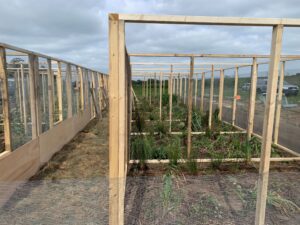
The Corncrake re-introduction is expected to draw attention from conservationists nationwide and may serve as a blueprint for similar efforts across other parts of England. The first birds arrived in late May with further arrivals planned until the end of August, with monitoring and community engagement activities also already underway.
ENDS
Media contacts:
Kieran Wilson
E: [email protected]
T: 07729092807
About Friends of Lower Derwent Valley
The Friends of Lower Derwent Valley National Nature Reserve promote conservation through habitat improvement/creation initiatives, and engagement and appreciation of the natural value of the area, underpinned by robust scientific evidence. Also, by delivering a wider network of nature recovery projects in the broader area surrounding the reserve to buffer the internationally important site, it will give nature room to expand and adapt to climate change. The Friends charitable trust to seek to empower local communities to take that action themselves for the wider benefits that brings. This will be delivered through our ongoing educational and research work through promoting the message of ‘act local, think global’ and ‘wings around the world’.